
WideBand Anemonefish (Amphiprion latezonatus): The Rare Clown & Its Anemone Needs

Welcome to Aquarium Mastery!
Ever wondered about the secrets to keeping the elusive and stunning WideBand Anemonefish thriving in your saltwater aquarium? Uncover the mysteries of this rare clown's unique anemone needs and learn how to provide the perfect environment for these captivating creatures. Dive in and discover expert Rare anemonefish care tips that will transform you into a true Aquarium Master!
- Wideband Anemonefish (Amphiprion latezonatus): Care and Keeping
- Understanding the Wideband Anemonefish (Amphiprion latezonatus)
- Essential Care Requirements for Wideband Anemonefish
- Anemone Symbiosis: Choosing a Host Anemone
- Breeding Wideband Anemonefish
- Common Health Issues and Prevention
- Tank Mates for Wideband Anemonefish
- Purchasing Wideband Anemonefish
- Long-Term Care Tips
- Conclusion: Keeping Wideband Anemonefish
-
Frequently Asked Questions
- What makes the WideBand Anemonefish (Amphiprion latezonatus) considered a rare anemonefish?
- What type of anemone is most suitable for a WideBand Anemonefish?
- What are some key water parameters to maintain for WideBand Anemonefish care?
- What should I feed a WideBand Anemonefish in my aquarium?
- What are some common health issues that WideBand Anemonefish are susceptible to, and how can I prevent them?
- Final Reflection: Embracing the Delicate Dance of Rare Life
- Dive Deeper: Ignite Your Anemonefish Adventure!
Wideband Anemonefish (Amphiprion latezonatus): Care and Keeping
Understanding the Wideband Anemonefish (Amphiprion latezonatus)
Distinguishing Features of the Wideband Clownfish
The Wideband Anemonefish, Amphiprion latezonatus, is a striking and relatively large species among clownfish, distinguishing itself with its prominent white bands. Adults can reach an impressive size of up to 5.5 inches (approximately 14 cm) in length, making them one of the more robust clownfish available to aquarists. Their body coloration typically ranges from dark brown to black, beautifully contrasted by two exceptionally wide, bright white vertical bands. One band is located just behind the eye, extending across the operculum, while the second traverses the mid-body, often with a slight indentation or widening towards the dorsal fin.
A key identifier of the Wideband Anemonefish is the distinct yellow or orange coloration often present on its pelvic and anal fins, and sometimes on the caudal fin, which adds to its visual appeal. Unlike some other clownfish species that may have narrower or less defined bands, the Amphiprion latezonatus's bands are notably broad and clearly delineated, giving the species its common name. This robust physique and unique banding pattern set it apart from smaller, more common species like Amphiprion ocellaris or Amphiprion percula, making it a truly captivating addition for enthusiasts seeking rare anemonefish care tips.
Natural Habitat and Distribution of Amphiprion latezonatus
The natural range of the Wideband Anemonefish is quite specific, primarily encompassing the waters of Eastern Australia, including parts of Queensland and New South Wales, as well as New Caledonia and Lord Howe Island. These fish are typically found inhabiting coral reefs, often in sheltered lagoons, outer reef slopes, and channels, at depths ranging from shallow waters of 2 meters down to about 40 meters. Their preferred environments are rich in the specific host anemones with which they form symbiotic relationships.
In their native habitat, Amphiprion latezonatus exhibits a strong preference for certain anemone species, most notably the Magnificent Anemone ( Heteractis magnifica) and the Sebae Anemone ( Heteractis crispa). This deep-seated symbiotic bond is crucial for their survival in the wild, providing them with protection from predators and a stable home base. Understanding these natural preferences is a fundamental aspect of providing optimal rare anemonefish care, as replicating elements of their wild environment can significantly contribute to their well-being in captivity.
Availability in the Aquarium Trade
The Amphiprion latezonatus is considered one of the rarer clownfish species to encounter in the general aquarium trade, a factor that contributes to its higher price point compared to its more common relatives. Its limited availability stems from several factors, including its specific geographical distribution, which restricts collection areas, and the fact that captive breeding efforts for this particular species are not as widespread or prolific as they are for Amphiprion ocellaris or Amphiprion percula. Many specimens available are often wild-caught, which can impact their initial acclimation to aquarium life.
Due to its rarity, the Wideband Anemonefish is typically not a regular stock item in most local fish stores. Instead, it is more commonly acquired through special orders from reputable online vendors or specialty marine fish retailers who have access to more diverse and less common species. Prospective aquarists interested in Amphiprion latezonatus should be prepared for a higher investment and understand that sourcing a healthy specimen may require patience and diligent searching. This limited availability underscores the importance of thorough rare anemonefish care tips to ensure the success and longevity of these unique fish in a home aquarium.
Essential Care Requirements for Wideband Anemonefish
Ideal Tank Setup for Amphiprion latezonatus
Tank Size Considerations
Given their potential adult size of up to 5.5 inches (14 cm), Wideband Anemonefish require a spacious environment to thrive. A minimum tank size of 30 gallons (approximately 113 liters) is recommended for a single Amphiprion latezonatus, allowing ample swimming space and contributing to stable water parameters. For a pair, or if the intention is to introduce a host anemone, a tank of 50-75 gallons (189-284 liters) or larger is highly advisable.
Larger tanks are significantly more stable in terms of water chemistry and temperature fluctuations, which is crucial for the health of both the fish and any potential host anemone. Providing adequate space also helps to reduce stress and aggression, particularly if the fish is housed with tank mates or if a breeding pair is established. Neglecting tank size is a common pitfall, and ensuring sufficient room is one of the most fundamental rare anemonefish care tips.
Water Parameter Recommendations
Maintaining precise and stable water parameters is paramount for the health of Amphiprion latezonatus. The ideal salinity should range between 1.023 and 1.026 specific gravity (SG). Temperature should be kept consistently within 75-82°F (24-28°C), with minimal daily fluctuations. The pH level should remain stable between 8.1 and 8.4. Consistent monitoring with reliable test kits is essential to prevent stress-inducing swings in these parameters.
Beyond these basic parameters, if a host anemone is present, additional attention must be paid to alkalinity (dKH), calcium (Ca), and magnesium (Mg) levels. Ideal alkalinity typically ranges from 8-12 dKH, calcium from 400-450 ppm, and magnesium from 1250-1350 ppm. These elements are vital for the anemone's skeletal growth and overall vitality, which indirectly benefits the symbiotic clownfish. Precise water parameter management is a critical rare anemonefish care tip, ensuring a thriving environment.
Substrate and Aquascaping
For a Wideband Anemonefish aquarium, a fine to medium sand bed, approximately 1-2 inches (2.5-5 cm) deep, is recommended, especially if a host anemone is planned. Many anemones prefer to bury their foot in the sand for stability and protection. Live rock is an indispensable component of aquascaping, providing essential biological filtration, hiding spots, and territories for the fish.
When arranging live rock, create caves, overhangs, and crevices that offer the Amphiprion latezonatus places to retreat and feel secure. If an anemone is to be introduced, ensure that the rockwork is stable and will not shift if the anemone decides to move. Leave open sand areas for the anemone to settle, and avoid placing rocks in a way that creates dead spots in water flow. Thoughtful aquascaping contributes significantly to the well-being and natural behavior of the fish, forming an integral part of comprehensive rare anemonefish care.
Dietary Needs: Feeding for Optimal Health
Recommended Foods
Wideband Anemonefish are omnivores and require a varied diet to ensure optimal health, vibrant coloration, and strong immunity. High-quality marine flakes and small sinking pellets specifically formulated for marine fish should form the staple of their diet. These can be supplemented with a range of frozen foods, which are crucial for providing essential nutrients and fatty acids.
Excellent frozen food options include mysis shrimp, brine shrimp (preferably enriched), finely chopped krill, silversides, and spirulina-enriched preparations. Offering a diverse array of foods not only ensures a complete nutritional profile but also helps to stimulate their appetite and natural foraging behaviors. For enhanced nutrition, frozen foods can be soaked in a vitamin supplement like Selcon before feeding, a practice that significantly boosts their nutritional value and is a valuable rare anemonefish care tip.
Feeding Schedule
Establishing a consistent feeding schedule is important for the health and growth of Amphiprion latezonatus. For juveniles, feeding 2-3 times per day is ideal to support their rapid growth. Adult Wideband Anemonefish typically thrive on 1-2 feedings per day. The key is to offer small portions that can be consumed within 2-3 minutes to prevent excess food from decaying and fouling the water.
Observing your fish during feeding will help you fine-tune the portion sizes; they should appear full but not bloated. Overfeeding is a common mistake that can lead to poor water quality, increased nitrate levels, and potential health issues for the fish. A regular, appropriate feeding regimen supports not only their physical health but also their overall vitality and natural behaviors, contributing significantly to successful rare anemonefish care.
Maintaining Water Quality
Regular Water Changes
Regular water changes are fundamental to maintaining pristine water quality for Amphiprion latezonatus and any accompanying anemone. A general guideline is to perform a 10-20% water change weekly, or a 20-25% change bi-weekly, depending on the tank's bioload, filtration efficiency, and nutrient levels. These routine changes help to replenish essential trace elements that are consumed by the fish and invertebrates, while simultaneously reducing accumulated nitrates, phosphates, and other undesirable waste products.
It is crucial to use high-quality reverse osmosis/deionized (RO/DI) water mixed with a reputable marine salt mix to the correct salinity. The newly mixed saltwater should be temperature-matched to the aquarium water before introduction to minimize stress on the fish. Consistency in water change frequency and quality is a non-negotiable aspect of rare anemonefish care, directly impacting the long-term health and stability of the marine environment.
Protein Skimming and Filtration
A high-quality protein skimmer is an indispensable piece of equipment for any marine aquarium housing Amphiprion latezonatus. Protein skimmers efficiently remove organic waste compounds from the water column before they can break down into harmful nitrates and phosphates. It is advisable to use a skimmer rated for a tank size slightly larger than your actual aquarium to ensure optimal performance and waste removal.
In addition to protein skimming, a robust biological filtration system, primarily provided by ample live rock, is essential for converting ammonia and nitrites into less harmful nitrates. Mechanical filtration, such as filter socks or pads, can be used to remove particulate matter but must be cleaned or replaced frequently (e.g., every few days) to prevent them from becoming nitrate factories. While chemical filtration media like activated carbon can be used periodically to remove dissolved organics and maintain water clarity, it's generally not needed continuously unless specific issues arise. Comprehensive filtration underpins all successful rare anemonefish care tips.
Anemone Symbiosis: Choosing a Host Anemone
Compatible Anemone Species
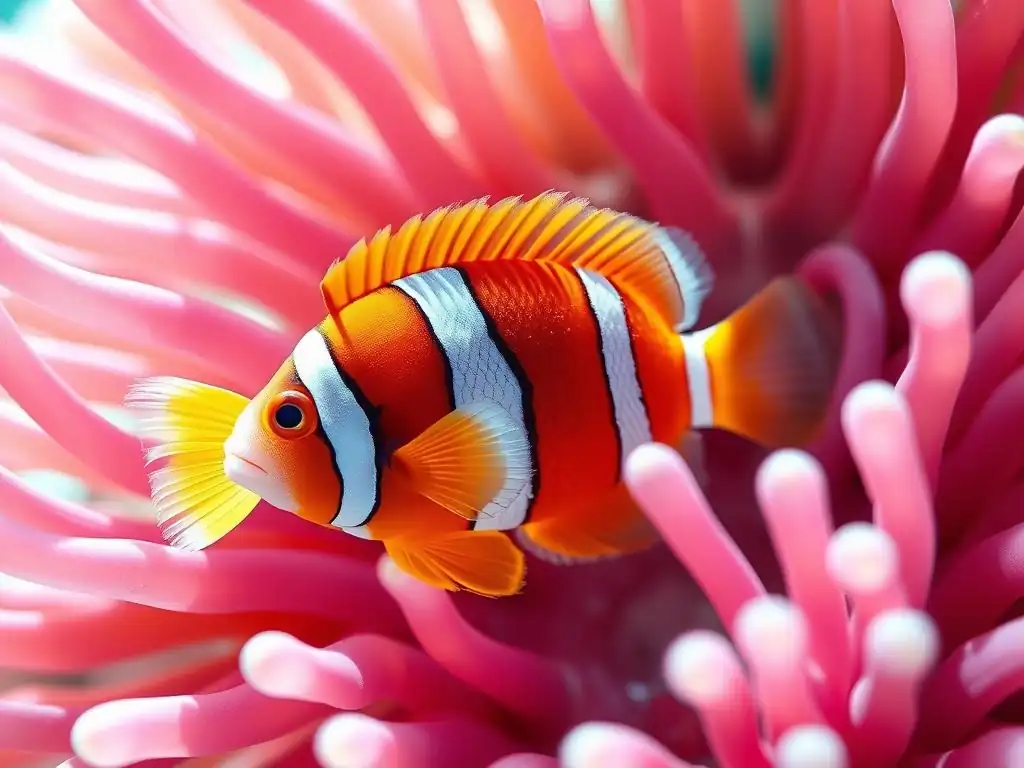
While Wideband Anemonefish can survive and even thrive without a host anemone in captivity, providing one can significantly enhance their natural behaviors and overall well-being. Amphiprion latezonatus naturally associates with specific anemone species in the wild, and replicating these pairings in the aquarium can be a rewarding experience. However, it's crucial to understand that keeping anemones is far more demanding than keeping clownfish alone, requiring mature tanks, stable water parameters, and intense lighting. Successfully providing the right host is a cornerstone of advanced rare anemonefish care.
The Magnificent Anemone ( Heteractis magnifica)
The Magnificent Anemone, Heteractis magnifica, is a truly stunning and large anemone, often brightly colored in shades of brown, pink, or purple, with sticky, tapering tentacles. It is one of the primary natural hosts for Amphiprion latezonatus in the wild. This anemone requires very high lighting, often exceeding 200-300+ PAR (Photosynthetically Active Radiation), and strong, random water flow to thrive. It prefers to anchor its foot deep within a sand bed, so a substrate of at least 4-6 inches (10-15 cm) is recommended.
Despite its beauty, the Magnificent Anemone is challenging to keep in captivity. It can be quite motile, moving around the tank until it finds a spot it likes, potentially stinging other corals or fish in its path. It demands pristine water quality and is highly sensitive to fluctuating parameters. While a natural host, its specific and demanding care requirements mean that only experienced aquarists with mature, stable reef tanks should attempt to keep it as part of their rare anemonefish care setup.
The Sebae Anemone ( Heteractis crispa)
The Sebae Anemone, Heteractis crispa, is another natural host for the Wideband Anemonefish. It typically features shaggy, often pale or off-white tentacles, although it can exhibit various colors. This species requires moderate to high lighting, generally in the range of 150-250 PAR, and moderate water flow. Like the Magnificent Anemone, it prefers to bury its foot in a deep sand bed, requiring a substrate of at least 4 inches (10 cm) for proper anchoring.
Sebae Anemones are unfortunately often sold in poor health due to collection and shipping stress, and they are notoriously difficult to acclimate to a new aquarium. They are prone to bleaching if lighting or water parameters are not stable, and their survival rate in captivity can be low without ideal conditions. Careful selection of a healthy specimen from a reputable dealer, along with a mature and stable tank environment, is crucial for success when including a Sebae Anemone in your rare anemonefish care strategy.
Benefits of Anemone Symbiosis
The symbiotic relationship between a Wideband Anemonefish and its host anemone offers significant benefits to both parties. For the clownfish, the anemone provides a safe haven from predators, allowing them to retreat into its stinging tentacles without harm, thanks to their protective mucus coating. It also offers a stable "home base" within the aquarium, reducing stress and allowing the fish to exhibit more natural behaviors, such as guarding its territory around the anemone and potentially benefiting from food scraps caught by the anemone.
For the anemone, the clownfish acts as a protector, chasing away potential predators like butterflyfish that might otherwise prey on the anemone's tentacles. The clownfish may also help to keep the anemone clean by removing detritus or parasites. This mutualistic relationship creates a fascinating display of natural marine behavior in the home aquarium, making the effort to provide a compatible host a rewarding aspect of rare anemonefish care.
Introducing Anemones to the Aquarium
Introducing an anemone to an aquarium, especially one intended to host a Wideband Anemonefish, requires careful planning and patience. Anemones are extremely sensitive to changes in water parameters, so a slow drip acclimation over several hours is absolutely essential to minimize stress. Once acclimated, place the anemone gently in a chosen spot in the tank, ideally on a rock crevice or in a sandy area where it can anchor its foot. However, be prepared for the anemone to move until it finds a spot with ideal lighting, flow, and substrate conditions.
It is crucial that the aquarium is mature, ideally at least 6-12 months old, before introducing an anemone. A mature tank has established biological filtration and stable water parameters, which are vital for an anemone's survival. The clownfish may not host immediately; some may take days, weeks, or even months to accept a host, while others may never host. Patience is key, and forcing the interaction is not recommended. Ensure the anemone is positioned away from powerheads or overflow drains where it could be injured.
Troubleshooting Anemone Issues
Anemones are delicate invertebrates, and issues can arise even in well-maintained tanks. Common problems include bleaching (loss of color due to expulsion of zooxanthellae), shrinking, not attaching to the substrate, or moving excessively around the tank. Bleaching can be caused by too much or too little light, sudden changes in water parameters, temperature stress, or insufficient feeding. A shrinking anemone might indicate a lack of food or deteriorating water quality.
When troubleshooting, first re-check all water parameters (salinity, temperature, pH, alkalinity, calcium, magnesium) to ensure they are within optimal ranges and stable. Verify that lighting is appropriate for the species and that water flow is adequate and non-direct. Ensure the anemone is receiving sufficient food, such as small pieces of marine-based frozen foods.
If an anemone continues to decline despite efforts, it may be best to remove it from the display tank to prevent it from fouling the water if it dies, which could jeopardize the health of your Amphiprion latezonatus and other tank inhabitants. This proactive approach is a critical rare anemonefish care tip.
Breeding Wideband Anemonefish
Setting Up a Breeding Tank
To successfully breed Wideband Anemonefish, setting up a dedicated breeding tank is highly recommended. A tank size of 30-50 gallons (113-189 liters) is generally suitable for a breeding pair. A bare-bottom tank or one with a very thin layer of sand (less than an inch) is often preferred, as it makes cleaning and siphoning out uneaten food and detritus much easier, which is crucial for fry survival. The aquascaping should be simple, providing a smooth, flat surface for egg laying, such as a terracotta pot, a piece of slate tile, or a large clam shell.
Filtration in a breeding tank should be gentle but effective. A sponge filter, an air-driven box filter, or a small hang-on-back filter with a pre-filter sponge to protect fry are good choices. A heater to maintain stable temperatures and an air stone for oxygenation are also necessary. Maintaining stable water parameters that mirror those of a healthy display tank is critical, as any fluctuations can stress the breeding pair and impact spawning success.
Optimal Conditions for Spawning
Achieving optimal conditions for spawning in Wideband Anemonefish involves meticulous attention to water quality and diet. Water parameters must be pristine and highly stable, with temperatures slightly elevated, typically around 80-82°F (27-28°C), which can help stimulate spawning. Regular, small water changes (e.g., 10% twice a week) are beneficial to maintain water quality and replenish trace elements.
The diet of the breeding pair is paramount for conditioning them to spawn. They should receive a high-quality, varied diet rich in protein and essential vitamins. Supplementing with live foods, such as blackworms or enriched brine shrimp, can further encourage spawning activity by mimicking natural feeding conditions and providing a nutritional boost. A well-conditioned pair is more likely to produce healthy, viable eggs, making diet a key element in rare anemonefish care for breeding.
Identifying Mating Pairs
Like all clownfish, Wideband Anemonefish are protandrous hermaphrodites, meaning they are all born male and the largest, dominant individual will transition into a female. To form a mating pair, it is best to introduce 2-3 juvenile Amphiprion latezonatus into the breeding tank. Over time, the largest fish will become the female, and the second largest will remain male, forming a bonded pair. The female will be noticeably larger and more dominant than the male.
Once a pair has formed, observe their behavior for signs of impending spawning. The male will often begin to meticulously clean a chosen spawning site, such as the terracotta pot or slate tile, by nipping at the surface. Both fish may exhibit increased chasing, quivering, and side-by-side swimming, particularly in the days leading up to egg laying. Spawning typically occurs every 10-14 days once the pair is well-established and comfortable in their environment, laying hundreds of eggs in a tight cluster.
Caring for Eggs and Fry
Incubation Techniques
Once the Wideband Anemonefish pair has laid eggs, the male typically takes on the primary role of parental care. He will diligently guard the egg clutch, fanning them with his fins to ensure proper oxygenation and removing any unfertilized or diseased eggs. The eggs are usually reddish-orange and will gradually darken as they develop, with the eyes of the fry becoming visible just before hatching. Incubation typically lasts 7-10 days, depending on the water temperature, with warmer temperatures leading to faster development.
Before the anticipated hatching night (usually 7-10 days after spawning, often shortly after lights out), it is crucial to turn off any protein skimmers or strong powerheads in the breeding tank to prevent the tiny, fragile larvae from being sucked into filtration. The larvae are pelagic, meaning they will drift in the water column after hatching. Many breeders use a flashlight held against the side of the tank to attract the newly hatched fry, making them easier to collect for transfer to a dedicated grow-out tank.
Feeding Fry
Caring for Wideband Anemonefish fry is the most challenging aspect of breeding and requires a highly specialized feeding regimen due to their microscopic size. For the first 5-7 days post-hatching, the fry absolutely require live rotifers ( Brachionus plicatilis). These tiny organisms are the only food source small enough and nutritious enough for the initial stages of larval development. Maintaining a continuous culture of rotifers is essential for successful fry rearing.
After the initial rotifer stage, typically around day 5-7, the fry can be transitioned to newly hatched artemia nauplii (brine shrimp). These are slightly larger and provide more nutritional value as the fry grow. As the fry continue to develop, usually within a few weeks, they can gradually be weaned onto finely crushed high-quality marine flakes or specialized larval pellets. Providing appropriate, progressively larger food sources is critical for the survival and growth of the fry, making it the most demanding component of rare anemonefish care for breeders.
Common Health Issues and Prevention
Recognizing Signs of Illness
Early recognition of illness is crucial for the successful treatment and recovery of Amphiprion latezonatus. Aquarists should regularly observe their fish for any changes in behavior or physical appearance. Signs of behavioral distress include lethargy, loss of appetite, hiding excessively, rapid breathing (gasping at the surface or increased gill movement), or "flashing" (rubbing their body against rocks or substrate).
Physical indicators of illness can include the presence of white spots (resembling salt grains), black spots, cloudy eyes, fin rot (frayed or deteriorating fins), skin lesions, discolored patches on the body, or a heavy mucus coating. Any deviation from normal swimming patterns, such as listlessness or erratic movements, should also be noted. Prompt identification of these signs allows for timely intervention, significantly improving the chances of a positive outcome and underscoring a vital rare anemonefish care tip.
Common Diseases Affecting Amphiprion latezonatus
Brooklynellosis
Brooklynellosis, often referred to as "Clownfish Disease," is a highly contagious and rapidly fatal parasitic infection caused by the ciliate Brooklynella hostilis. It is particularly common and devastating in clownfish species, including Amphiprion latezonatus. Symptoms typically appear quickly and include a heavy, thick white or grayish mucus coating over the body, skin sloughing, rapid and labored breathing, and extreme lethargy. The fish may also appear to be "shivering" or twitching.
Treatment for Brooklynellosis requires immediate action. Freshwater dips (brief, 3-5 minutes, temperature and pH matched to tank water) can provide temporary relief by causing the parasites to detach. Formalin baths (in a separate hospital tank) are often effective, but should be used with extreme caution and precise dosing. Some aquarists also use copper-based medications, though these must be carefully monitored. Due to its aggressive nature, prevention through strict quarantine protocols is the best defense.
Marine Ich
Marine Ich, caused by the protozoan parasite Cryptocaryon irritans, is one of the most common and widespread diseases in saltwater aquariums. It manifests as small, white spots resembling grains of salt scattered across the fish's body and fins. Affected Amphiprion latezonatus may also exhibit flashing behavior, rapid breathing, clamped fins, and a general loss of appetite. While not as rapidly fatal as Brooklynellosis, severe infestations can lead to secondary bacterial infections and ultimately death.
Treatment options for Marine Ich include copper-based medications administered in a hospital tank, which are highly effective but toxic to invertebrates. Hyposalinity (gradually reducing the specific gravity to 1.009-1.010) is another common method, but requires precise and continuous monitoring. Alternatively, the infected fish can be removed to a hospital tank for treatment, while the display tank is left fallow (without fish) for 6-8 weeks to break the parasite's life cycle. Effective treatment and prevention are crucial rare anemonefish care tips.
Preventing Disease Outbreaks
Preventing disease outbreaks is far more effective and less stressful than treating them, especially for a unique species like Amphiprion latezonatus. The single most important preventative measure is a strict quarantine procedure for all new fish. All incoming fish should be housed in a separate quarantine tank for a minimum of 4 weeks, during which they can be observed for signs of illness and proactively treated for common parasites if desired (e.g., a prophylactic copper treatment).
Beyond quarantine, maintaining pristine water quality through regular water changes, effective filtration, and appropriate protein skimming is paramount. A balanced and varied diet strengthens the fish's immune system, making it more resilient to pathogens. Avoiding overcrowding in the display tank helps reduce stress and aggression, both of which can weaken a fish's defenses. Minimizing stress by providing adequate hiding places and compatible tank mates also contributes significantly to disease prevention, forming the backbone of proactive rare anemonefish care.
Tank Mates for Wideband Anemonefish
Compatible Fish Species
Choosing appropriate tank mates for the Wideband Anemonefish is essential to prevent aggression and ensure a peaceful co-existence. Amphiprion latezonatus, while generally peaceful, can become territorial, especially if it hosts an anemone or is a breeding pair. Ideal tank mates are peaceful, non-aggressive species that occupy different areas of the water column and will not compete for food or territory.
Good choices include various gobies (e.g., Yellow Watchman Goby, Diamond Watchman Goby), small blennies (e.g., Lawnmower Blenny, Starry Blenny), small dartfish, and cardinalfish. These species are typically docile and will not pose a threat to the Wideband Anemonefish. When selecting tank mates, always consider their adult size and temperament to ensure long-term compatibility, a key consideration in rare anemonefish care.
Invertebrates That Thrive with Amphiprion latezonatus
Many common reef-safe invertebrates can thrive alongside Wideband Anemonefish, adding diversity and utility to the aquarium. Various species of snails, such as Nerite snails, Turbo snails, and Nassarius snails, are excellent for algae control and detritus consumption. Hermit crabs, particularly the Scarlet Reef Hermit Crab, also contribute to the clean-up crew and are generally peaceful.
Cleaner shrimp, such as the Peppermint Shrimp or Skunk Cleaner Shrimp, are beneficial for removing parasites from fish and consuming leftover food. Most soft corals and LPS (Large Polyp Stony) corals are also compatible, provided they are placed at a safe distance from any host anemone to prevent stinging. Avoid predatory invertebrates like Mantis Shrimp or large, aggressive crabs, which could harm the clownfish.
Avoiding Aggressive Tank Mates
To ensure the safety and well-being of your Wideband Anemonefish, it is crucial to avoid housing them with aggressive or overly boisterous tank mates. Species such as Triggerfish, Puffers, large Angelfish, and many species of aggressive damselfish are generally unsuitable. These fish can harass, nip at fins, or even severely injure Amphiprion latezonatus, especially if the clownfish is smaller or if the tank is not large enough to provide ample territory.
Even certain fish that are typically considered semi-aggressive can become problematic if the tank is too small or if they are introduced before the clownfish has established its territory. Researching the temperament and adult size of any potential tank mate thoroughly before introduction is a critical step. A peaceful environment reduces stress on the clownfish, promoting healthier and more natural behaviors, which is a vital rare anemonefish care tip.
Purchasing Wideband Anemonefish
Reputable Sources
When purchasing a Wideband Anemonefish, given its rare status, selecting a reputable source is paramount to acquiring a healthy specimen. Look for local fish stores with a clean, well-maintained facility, knowledgeable staff, and healthy-looking fish in their display tanks. Observe the fish in the store for signs of distress or illness before making a purchase. Inquire about the fish's origin—whether it is wild-caught or captive-bred (though captive-bred Amphiprion latezonatus are less common).
If purchasing online, choose vendors with excellent reviews, a strong reputation for ethical sourcing, and a clear live arrival guarantee. Reputable online retailers often provide detailed information about their fish, including origin and feeding habits. Avoid impulse purchases from sources that cannot provide adequate information or whose tanks appear unkempt, as this increases the risk of introducing disease or stressed fish into your home aquarium.
Identifying Healthy Specimens
Identifying a healthy Wideband Anemonefish before purchase is critical for successful rare anemonefish care. Observe the fish carefully for signs of good health: it should be active, alert, and swimming freely, not clamped, listless, or gasping at the surface. Its eyes should be clear, and its fins should be intact, without any signs of fraying, tears, or white spots. The body should be full and well-conditioned, with no visible lesions, parasites, or unusual discolorations.
If possible, observe the fish during feeding time. A healthy Amphiprion latezonatus will typically be eager to accept food. Avoid purchasing fish that are hiding excessively, appear emaciated, or show any signs of rapid breathing or flashing (rubbing against tank decor). A thorough visual inspection and observation of behavior are your best tools for selecting a robust specimen that will acclimate well to your aquarium.
Quarantine Procedures
Implementing a strict quarantine procedure is the single most important rare anemonefish care tip for disease prevention when acquiring new fish. All new Wideband Anemonefish, regardless of their apparent health or source, should be placed in a separate quarantine tank for a minimum of 4 weeks. This tank should be a simple setup (10-20 gallons) with basic filtration (sponge filter), a heater, and PVC pipes or small caves for hiding.
During the quarantine period, observe the fish closely for any signs of illness. This allows you to treat any emerging diseases in a controlled environment, preventing the introduction of pathogens into your main display tank, which could devastate existing inhabitants. Many experienced aquarists also perform prophylactic treatments for common parasites like Ich or Brooklynellosis during this period. Only after a successful quarantine period, with no signs of disease, should the Amphiprion latezonatus be introduced to the main aquarium.
Long-Term Care Tips
Monitoring Behavior
Long-term success in keeping Wideband Anemonefish heavily relies on consistent monitoring of their behavior. Regularly observe your Amphiprion latezonatus for any subtle changes in their activity level, appetite, swimming patterns, or interaction with their environment and tank mates. A sudden decrease in activity, refusal to eat, unusual hiding, or increased aggression could all be early indicators of stress, illness, or deteriorating water quality.
Pay close attention to their relationship with their host anemone, if present. A healthy symbiotic relationship will show the clownfish regularly interacting with and sheltering within the anemone. Any changes in this interaction could signify issues with either the fish or the anemone. Proactive observation allows for early detection of problems, enabling timely intervention before minor issues escalate into serious health crises, making it an indispensable rare anemonefish care tip.
Patience and Observation
Keeping a specialized and relatively rare species like the Wideband Anemonefish requires a significant amount of patience and continuous observation. Establishing a stable and thriving reef environment takes time, and rushing processes such as introducing new tank mates or a host anemone can lead to stress and failure. Allow your aquarium to mature fully before adding sensitive invertebrates or additional fish.
Continuous learning and adapting your care routine based on your fish's specific needs and the evolving conditions of your aquarium are crucial for long-term success. Every tank is unique, and what works for one may need slight adjustments for another. By combining diligent maintenance, a keen eye for detail, and a patient approach, aquarists can enjoy the captivating beauty and unique behaviors of Amphiprion latezonatus for many years.
Conclusion: Keeping Wideband Anemonefish
Frequently Asked Questions
What makes the WideBand Anemonefish (Amphiprion latezonatus) considered a rare anemonefish?
The WideBand Anemonefish is considered rare due to its limited geographic distribution and difficulties in captive breeding. This makes them less commonly available in the aquarium trade compared to other clownfish species.
What type of anemone is most suitable for a WideBand Anemonefish?
While they can host in various anemones, WideBand Anemonefish are known to prefer Heteractis crispa (Sebae anemone) or Entacmaea quadricolor (Bubble-tip anemone). Providing a suitable anemone is crucial for their well-being and natural behavior.
What are some key water parameters to maintain for WideBand Anemonefish care?
Maintaining stable water parameters is essential. Key parameters include a temperature of 72-78°F, a specific gravity of 1.024-1.026, and a pH of 8.1-8.4. Regular water testing is highly recommended.
What should I feed a WideBand Anemonefish in my aquarium?
Offer a varied diet consisting of high-quality marine flakes, frozen foods (like mysis shrimp and brine shrimp), and meaty foods. This ensures they receive all the necessary nutrients for optimal health and coloration.
What are some common health issues that WideBand Anemonefish are susceptible to, and how can I prevent them?
Like other clownfish, WideBand Anemonefish can be susceptible to diseases like Brooklynella hostilis and Amyloodinium ocellatum (marine velvet). Quarantine new fish before introducing them to the main tank and maintain excellent water quality to prevent outbreaks.
Final Reflection: Embracing the Delicate Dance of Rare Life
The journey into understanding the WideBand Anemonefish, or Amphiprion latezonatus, reveals more than just the intricacies of aquarium keeping; it highlights the fragility of specialized ecosystems and the responsibility we bear in preserving rare beauty. As we've explored the specific needs of this unique clownfish, from its anemone partnerships to its dietary requirements, it becomes clear that successful care demands a deep commitment to mimicking its natural environment.
This exploration has underscored the profound impact of our choices on the delicate balance of marine life. The dedication required to care for a rare species like the WideBand Anemonefish serves as a microcosm of the larger effort needed to protect our planet's biodiversity. It's a reminder that even seemingly small actions, like choosing sustainable aquarium practices, can have significant ripple effects. In the end, we will conserve only what we love; we will love only what we understand; and we will understand only what we are taught.
- Baba Dioum
Now, consider the lessons learned about the WideBand Anemonefish and its anemone needs. Let this knowledge inspire you to not only provide the best possible care for your own aquatic companions, but also to advocate for responsible sourcing and conservation efforts. Take a moment to reflect on how you can contribute to a future where rare and beautiful creatures like the Amphiprion latezonatus thrive, both in our aquariums and in their natural habitats. Let's all strive to be informed stewards of the ocean's wonders.
Dive Deeper: Ignite Your Anemonefish Adventure!
Thanks for exploring the fascinating world of the WideBand Anemonefish! Now that you're armed with the knowledge of their unique needs and captivating behavior, it's time to take the next step in bringing these incredible creatures into your life.
Here's how you can continue your anemonefish journey:
- Plan Your Perfect Anemone Sanctuary: Research and select the ideal anemone species for your future WideBand Anemonefish, considering tank size, water flow, and lighting requirements. Remember, a happy anemone means a happy clownfish!
- Join the Aquarium Mastery Community: Share your questions, insights, and experiences with fellow anemonefish enthusiasts in our online forum. Let's learn and grow together!
- Explore Conservation Efforts: Discover organizations dedicated to protecting anemonefish habitats and learn how you can contribute to their survival in the wild.
What specific type of anemone are you most excited to pair with your WideBand Anemonefish, and what challenges do you anticipate?