
Naked Clownfish (Amphiprion ocellaris variant): The Barless Wonder & Its Anemone Quest

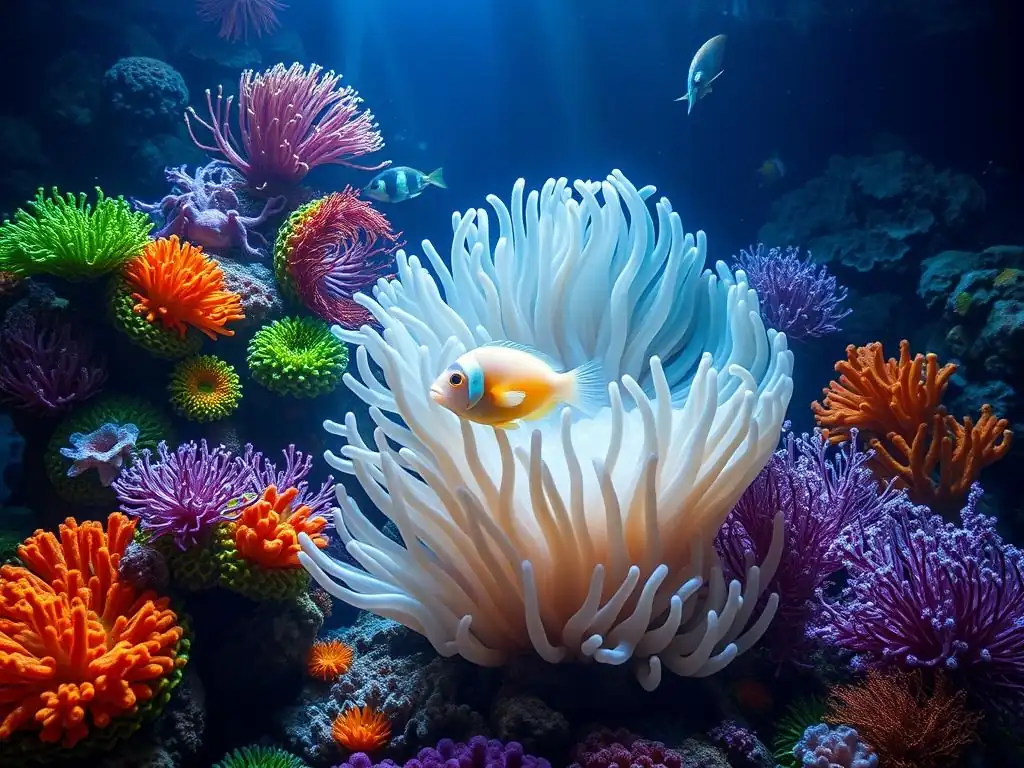
Welcome to Aquarium Mastery, fellow aquarist!
Ever wondered about the captivating world of Naked Clownfish? These barless wonders offer a unique twist on a beloved classic. Dive in and discover essential care tips for these fascinating creatures, including their anemone preferences and how to create the perfect environment for them to thrive! Intrigued? Let's explore the secrets of Amphiprion ocellaris variant and unlock the key to their happiness!
- Understanding the Unique Naked Clownfish
- Naked Clownfish Care Tips: Creating the Ideal Aquarium Environment
- Diet and Feeding Guidelines for Naked Clownfish
- The Anemone Partnership: Choosing the Right Anemone for Your Naked Clownfish
- Naked Clownfish Behavior and Tank Mates
- Naked Clownfish Breeding: A Comprehensive Guide
- Common Health Issues and Disease Prevention in Naked Clownfish
- Maintaining a Thriving Naked Clownfish Aquarium: A Long-Term Perspective
- Purchasing Naked Clownfish: Finding Reputable Sources
- The Allure of the Barless Wonder: Why Choose a Naked Clownfish?
- Frequently Asked Questions
- Final Reflection: Embracing Uniqueness in the Reef
- Embrace the Barless Wonder: Start Your Anemone Adventure!
Understanding the Unique Naked Clownfish
What Defines a Naked Clownfish? Appearance and Characteristics
The Naked Clownfish, a captivating variant of Amphiprion ocellaris, stands out due to its striking lack of the characteristic white bars typically found on its common counterparts. Unlike the well-known Ocellaris or Percula clownfish, which display one to three distinct white bands across their orange or black bodies, the Naked Clownfish presents a solid, unblemished orange or sometimes black-orange hue.
This unique aesthetic is highly prized by aquarists seeking an unusual and visually appealing specimen for their marine aquariums. Its smooth, uniform coloration emphasizes the fish's natural contours and vibrant base color, making it a focal point in any reef tank setup.
Beyond its distinctive coloration, the Naked Clownfish shares many physical attributes with its barred relatives, including the typical clownfish body shape, fin structure, and average adult size of about 3-4 inches (approximately 7.5-10 cm). Their eyes are often ringed with a subtle lighter shade, and their fins can sometimes exhibit a faint, translucent edge, providing a delicate contrast to their solid bodies.
The absence of bars is a genetic trait, not a result of disease or environmental factors, making each Naked Clownfish a unique natural anomaly. Understanding these defining characteristics is the first step in providing optimal Naked clownfish care tips, ensuring their well-being and vibrant appearance within the home aquarium environment.
Naked Clownfish vs. Regular Ocellaris: Key Differences
The most immediate and obvious difference between the Naked Clownfish and a regular Ocellaris Clownfish is, as their names suggest, the absence of white bars. A standard Ocellaris Clownfish (Amphiprion ocellaris) typically boasts three prominent white bands: one behind the eye, one in the middle of the body, and one near the caudal fin. These bars are bordered by a thin black outline, enhancing their visibility.
In contrast, the Naked Clownfish completely lacks these markings, presenting a uniformly colored body, usually bright orange, though some variants may exhibit darker orange or even blackish tones without any white bands. This singular visual distinction is the primary factor driving their appeal and perceived rarity in the aquarium trade.
Beyond the aesthetic, there are no significant behavioral or physiological differences that set the Naked Clownfish apart from its barred brethren. Both are peaceful, omnivorous, and exhibit the same symbiotic relationship with host anemones. Their lifespan, typically ranging from 6 to 10 years in captivity with proper Naked clownfish care tips, is also comparable.
Essentially, the Naked Clownfish is a genetic variant that expresses a different pigment pattern, but retains all other fundamental characteristics of the species. This means that general Ocellaris clownfish care guidelines are largely applicable, with the primary difference being the visual uniqueness they bring to a tank.
Genetic Origins and Variations in Naked Clownfish
The unique barless phenotype of the Naked Clownfish is a result of specific genetic mutations that affect the expression of pigment cells, known as chromatophores, during their development. While the exact genetic pathways are complex and still under study, it is understood that these mutations prevent the formation of the white bar patterns seen in standard Amphiprion ocellaris.
This trait is often selectively bred by aquaculturists to consistently produce these visually distinct fish. The genetic basis means that Naked Clownfish will consistently produce offspring without bars if bred with another Naked Clownfish, or a mix of barred and barless if bred with a standard Ocellaris, depending on the specific genetic inheritance.
Further variations within the Naked Clownfish group can include slight differences in the intensity of their orange coloration, ranging from a pale tangerine to a deep, fiery orange. Some rare instances might even show a more muted or darker base color, though the defining characteristic remains the complete absence of white bars.
These variations, while subtle, add to the appeal for collectors. Understanding these genetic origins highlights that the Naked Clownfish is not a separate species but a captivating example of selective breeding within the Amphiprion ocellaris lineage, offering a unique aesthetic while requiring the same diligent Naked clownfish care tips as any other healthy clownfish.
Naked Clownfish Care Tips: Creating the Ideal Aquarium Environment
Tank Size Recommendations for Naked Clownfish
Providing an appropriately sized aquarium is fundamental for the long-term health and well-being of Naked Clownfish. While these fish are relatively small, reaching an adult size of about 3-4 inches (7.5-10 cm), they are active swimmers and require ample space. For a single Naked Clownfish, a minimum tank size of 20 gallons (approximately 75 liters) is generally recommended.
This allows sufficient swimming room and helps maintain stable water parameters. However, for a bonded pair, which is a common setup given their social nature, a 30-gallon (around 115 liters) tank or larger is highly advisable. This increased volume provides more territory and helps mitigate potential aggression, especially if an anemone is introduced.
Larger tanks, such as 40 gallons (about 150 liters) or more, are even better, particularly if you plan to keep other compatible tank mates or a larger host anemone. A bigger water volume offers greater stability in water chemistry, making it easier to maintain the pristine conditions essential for these marine inhabitants. Adequate space also reduces stress, which is a critical factor in preventing disease and promoting natural behaviors, including potential breeding. Adhering to these tank size recommendations is a cornerstone of effective Naked clownfish care tips, ensuring they have the room they need to thrive.
Essential Water Parameters for Naked Clownfish Health
Maintaining stable and appropriate water parameters is paramount for the health and longevity of Naked Clownfish. They thrive in conditions that mimic their natural tropical reef environment. The specific parameters to closely monitor include salinity, temperature, pH, alkalinity (dKH), ammonia, nitrite, and nitrate. Salinity should be kept between 1.020 and 1.025 specific gravity, ideally around 1.023-1.024. Temperature should consistently remain within 75-82°F (24-28°C), with minimal fluctuations. A stable pH level of 8.1-8.4 is crucial, along with an alkalinity of 8-12 dKH to buffer against pH swings.
Furthermore, ammonia and nitrite levels must always be at 0 ppm, as these compounds are highly toxic to marine fish. Nitrate levels should be kept as low as possible, ideally below 20 ppm, and certainly no higher than 40 ppm. Regular testing with reliable test kits is essential to monitor these parameters. Consistent water changes, typically 10-20% bi-weekly or monthly depending on tank bioload, are vital for diluting nitrates and replenishing essential trace elements. Mastering these water parameter guidelines is among the most critical Naked clownfish care tips for a healthy and thriving aquarium.
Substrate and Decoration Ideas for a Naked Clownfish Tank
The choice of substrate and decorations plays a significant role in creating a comfortable and stimulating environment for Naked Clownfish. For substrate, fine to medium-grain aragonite sand is an excellent choice. It provides a natural look, supports beneficial bacteria, and is gentle on the fish if they decide to dig or sift through it. While not strictly necessary for the clownfish themselves, a sand bed of at least 2-3 inches (5-7.5 cm) can be beneficial for certain host anemones, allowing them to anchor properly. Live sand can also help kickstart the nitrogen cycle and introduce beneficial micro-organisms.
For decorations, a combination of live rock and perhaps some artificial coral structures can provide essential hiding spots and territories. Live rock is highly recommended as it offers natural filtration, harbors beneficial bacteria, and creates a complex, natural-looking aquascape. Arrange the rockwork to form caves, overhangs, and crevices where the clownfish can seek refuge or establish their territory.
If you plan to host an anemone, ensure there is a stable, well-established rock structure for it to attach to, away from powerheads or overflows. These elements not only enhance the aesthetic appeal of the tank but also contribute significantly to the overall well-being and natural behavior of your Naked Clownfish, embodying practical Naked clownfish care tips for their habitat.
Diet and Feeding Guidelines for Naked Clownfish
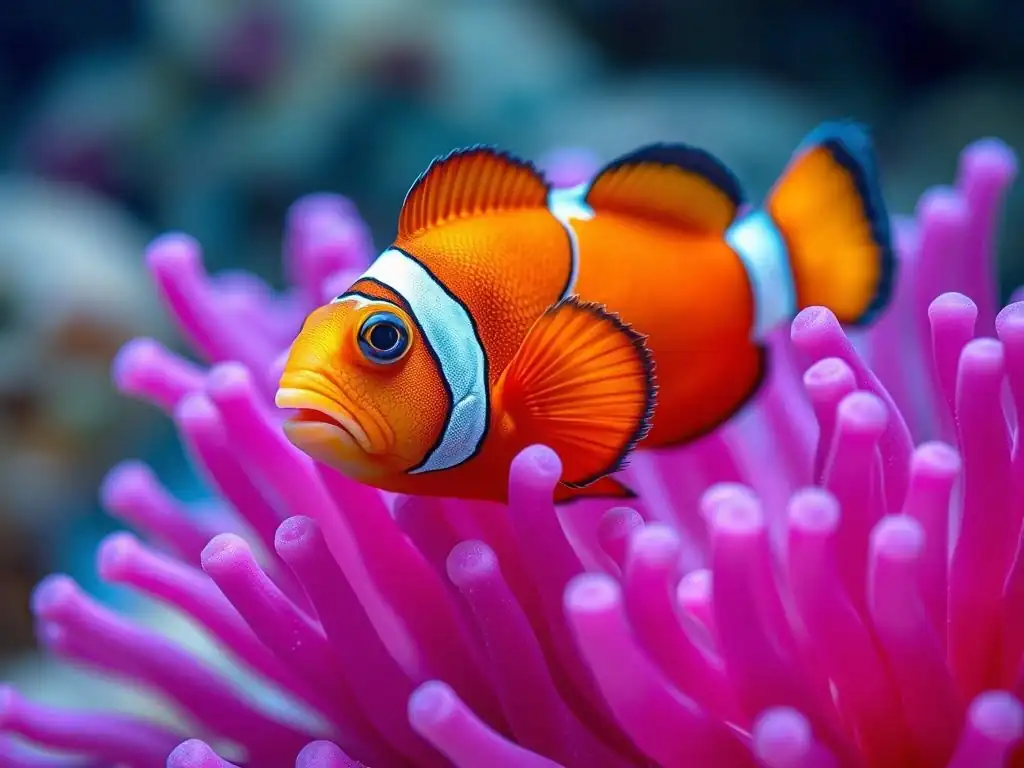
What to Feed Your Naked Clownfish: A Balanced Diet
A balanced and varied diet is crucial for the optimal health, vibrant coloration, and longevity of Naked Clownfish. Being omnivores, they readily accept a wide range of foods, and providing diversity helps ensure they receive all necessary nutrients. High-quality marine flake food and pellets formulated for omnivorous marine fish should form the staple of their diet. Look for brands that list marine proteins (like fish meal, shrimp meal) as primary ingredients and include spirulina or other plant-based components.
Supplementing their dry food with frozen foods is highly beneficial. Excellent choices include enriched brine shrimp, mysis shrimp, chopped krill, and various marine blends that often contain a mix of seafood and algae. Live foods, such as blackworms or copepods, can also be offered occasionally as a treat and to encourage natural hunting behaviors, though they are not strictly necessary if a varied frozen diet is provided. Ensuring a rich and diverse diet is a key aspect of comprehensive Naked clownfish care tips, directly impacting their vitality and immune system strength.
Feeding Frequency and Portion Control for Optimal Health
Consistent feeding frequency and appropriate portion control are vital to prevent overfeeding and maintain excellent water quality, which are critical Naked clownfish care tips. For adult Naked Clownfish, feeding 2-3 times per day is generally recommended. This allows them to graze throughout the day, mimicking their natural feeding patterns, and helps prevent digestive issues that can arise from large, infrequent meals. Younger or juvenile clownfish may benefit from 3-4 smaller feedings daily to support their rapid growth.
When it comes to portion control, the general rule of thumb is to offer only as much food as your clownfish can consume within 2-3 minutes. Any uneaten food should be promptly removed from the tank to prevent it from decomposing and contributing to undesirable nitrate and phosphate levels. Overfeeding not only pollutes the water but can also lead to obesity and other health problems for the fish. By adhering to these guidelines, you ensure your Naked Clownfish receive adequate nutrition without compromising the delicate balance of their marine environment.
Supplementation for Vibrant Colors and Growth
While a balanced diet of high-quality flakes, pellets, and frozen foods provides most essential nutrients, certain supplementations can further enhance the vibrant colors and promote robust growth in Naked Clownfish. Foods enriched with astaxanthin, a powerful antioxidant and pigment, are particularly beneficial for intensifying their brilliant orange hues. Many specialized marine fish foods incorporate astaxanthin, but you can also look for frozen foods that have been enriched or offer spirulina-based foods.
Additionally, occasional supplementation with liquid vitamins designed for marine fish can help ensure they receive a full spectrum of micronutrients that might be lacking in their prepared foods. These can often be added to the water during feeding or soaked into frozen foods before offering.
Calcium and iodine, while primarily important for corals and invertebrates, are also beneficial in trace amounts for overall fish health, particularly skeletal development and metabolic functions. While not daily requirements, considering these supplementations can contribute to the long-term vitality and stunning appearance of your Naked Clownfish, making them an advanced aspect of Naked clownfish care tips.
The Anemone Partnership: Choosing the Right Anemone for Your Naked Clownfish
Compatible Anemone Species for Naked Clownfish
Naked Clownfish, like other Amphiprion ocellaris variants, are known for their symbiotic relationship with certain species of host anemones. While they can live perfectly healthy lives without an anemone, providing one can offer a fascinating natural behavior display and a sense of security for the fish.
The most commonly accepted and compatible anemone species for Naked Clownfish include the Bubble Tip Anemone ( Entacmaea quadricolor), the Magnificent Sea Anemone ( Heteractis magnifica), and various Carpet Anemones such as the Giant Carpet Anemone ( Stichodactyla gigantea) and Merten's Carpet Anemone ( Stichodactyla mertensii). The Bubble Tip Anemone is often the most popular choice due to its relatively easier care requirements compared to the other larger, more demanding species.
It's important to note that even with compatible species, there's no guarantee a specific Naked Clownfish will host. Individual preferences vary, and some may never take to an anemone. Furthermore, certain anemones, like the Sebae Anemone ( Heteractis crispa), are also known hosts but are significantly more challenging to keep due to their specific lighting and water flow needs. Thorough research into the specific requirements of any chosen anemone is crucial, as their health directly impacts the potential for a successful symbiosis and is a vital part of comprehensive Naked clownfish care tips.
Introducing Anemones to Your Aquarium: A Step-by-Step Guide
Introducing an anemone to an aquarium housing Naked Clownfish requires careful planning and execution to ensure the well-being of both organisms. First, ensure your tank is mature and stable, ideally at least six months old, with consistent water parameters and excellent water quality. Anemones are highly sensitive to fluctuating conditions, and a stable environment is paramount for their survival. Place the anemone in an area with appropriate lighting and water flow for its species, usually a stable rock crevice where it can anchor its foot. Avoid placing it directly under intense flow or light initially, allowing it to acclimate.
Once introduced, resist the urge to move the anemone frequently. Allow it to settle and find its preferred spot naturally. Observe your Naked Clownfish; they may approach the anemone cautiously at first, or ignore it entirely.
Sometimes, rubbing a small amount of the anemone's slime on the clownfish (very gently and minimally) can encourage hosting, but this is not always necessary and should be done with extreme caution. Patience is key; it can take days, weeks, or even months for a clownfish to host, or they may never host at all. Providing a healthy, stress-free environment for both the anemone and the clownfish is a fundamental aspect of Naked clownfish care tips when aiming for symbiosis.
Maintaining a Healthy Anemone for Clownfish Symbiosis
Maintaining a healthy anemone is just as critical, if not more so, than maintaining the clownfish itself, as a stressed or dying anemone can quickly degrade water quality and harm its inhabitants. Anemones require stable, pristine water conditions, including consistent salinity, temperature, pH, and alkalinity, as well as zero ammonia and nitrite. Regular water changes are essential to replenish trace elements and remove nitrates. Strong, appropriate lighting is also vital, as most host anemones rely heavily on photosynthesis from their symbiotic zooxanthellae algae. The specific lighting intensity and spectrum will depend on the anemone species.
Feeding the anemone directly with small pieces of marine-based foods like mysis shrimp, silversides, or chopped fish 2-3 times a week can significantly contribute to its health and growth, especially if your lighting is not exceptionally strong. Ensure adequate water flow to bring food and remove waste, but avoid direct, blasting flow that could damage its delicate tentacles.
Regularly inspect the anemone for signs of stress such as deflation, unusual color changes, or detachment from its anchor point. Promptly addressing any issues is crucial for its survival and the continuation of the fascinating symbiosis, making this an advanced but essential part of Naked clownfish care tips.
Naked Clownfish Behavior and Tank Mates
Naked Clownfish, like other Ocellaris variants, exhibit fascinating social dynamics, particularly when kept in pairs. They are protandrous hermaphrodites, meaning all are born male, and the largest, most dominant individual in a group will transition into a female. In a pair, the larger fish will become the female, and the smaller will remain male. If another clownfish is introduced, the existing male will suppress its growth to remain smaller than the female, maintaining the pair's hierarchy. This social structure is generally peaceful within a bonded pair, making them an ideal choice for many aquarists.
However, introducing multiple clownfish to a tank, especially if they are not juveniles or a pre-established pair, can lead to aggression. Clownfish are territorial, and while a single Naked Clownfish or a bonded pair is usually docile, attempts to keep three or more in a typical home aquarium (unless it's a very large tank, 75 gallons or more) often result in one or two individuals being bullied to the point of stress or even death. Understanding these social dynamics is vital for preventing conflict and ensuring peaceful coexistence, forming a key part of effective Naked clownfish care tips.
Compatible Tank Mates for a Peaceful Aquarium
Choosing appropriate tank mates is crucial for maintaining a peaceful and thriving aquarium with Naked Clownfish. They are generally considered semi-aggressive, primarily towards other clownfish or very similar-looking fish, but are usually peaceful with a wide variety of other marine species. Good choices for tank mates include small, peaceful gobies (like Yellow Watchman Gobies or Diamond Watchman Gobies), blennies (such as Lawnmower Blennies or Bicolor Blennies), cardinalfish (like Banggai or Pajama Cardinalfish), and certain peaceful tangs (in appropriately sized tanks). Small, peaceful wrasses (e.g., Six-Line Wrasse, Melanurus Wrasse) can also be compatible.
Invertebrates like snails, hermit crabs, and most shrimp (e.g., Peppermint Shrimp, Cleaner Shrimp) are excellent additions and are generally ignored by Naked Clownfish. Corals are also safe, as clownfish are reef-safe and will not nip at polyps. Avoid highly aggressive or predatory fish that could bully or consume the clownfish, such as large triggerfish, lionfish, or groupers.
Also, steer clear of other highly territorial or similar-looking fish that might compete for the same niche, like other clownfish species unless the tank is exceptionally large and well-planned. Careful selection of tank mates is a fundamental Naked clownfish care tip for a harmonious community tank.
Preventing Aggression and Territorial Disputes
While Naked Clownfish are generally peaceful, aggression and territorial disputes can arise, particularly if tank mates are poorly chosen or the aquarium is too small. The most common form of aggression is seen when attempting to house multiple clownfish that are not a mated pair, or when introducing new clownfish to an established pair. To prevent this, always introduce clownfish as a pair of juveniles or acquire a known mated pair. If adding new fish to an existing setup, introduce all clownfish simultaneously if possible, or add the smallest, least dominant clownfish last.
Providing ample hiding spots and distinct territories through well-structured live rock aquascaping can also significantly reduce aggression. Ensure there are enough caves, crevices, and open swimming areas so that each fish can establish its own space. If an anemone is present, it will often become the central territory for the clownfish.
Overcrowding is a major stressor leading to aggression; ensure your tank size is appropriate for all inhabitants. Consistent feeding also helps, as hungry fish can become more irritable. Observing fish behavior closely and intervening if bullying becomes severe (e.g., separating fish, re-aquascaping) are important Naked clownfish care tips for maintaining peace in the aquarium.
Naked Clownfish Breeding: A Comprehensive Guide
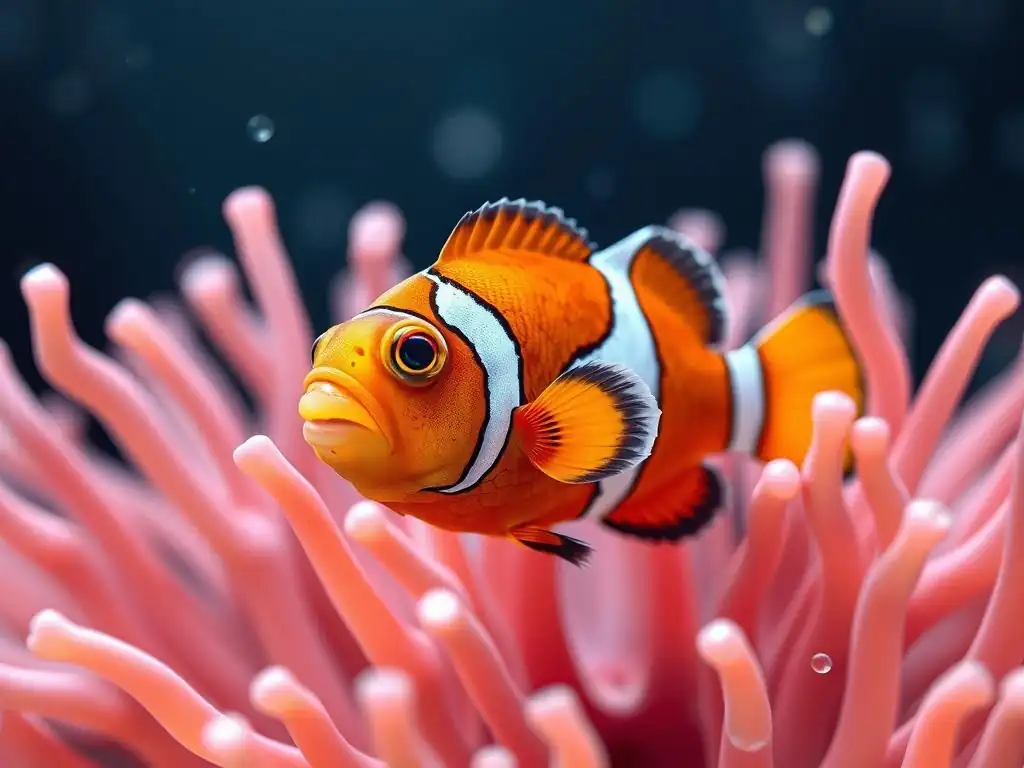
Setting Up a Breeding Tank for Naked Clownfish
For aquarists interested in Naked Clownfish breeding, setting up a dedicated breeding tank significantly increases the chances of success and survival of the fry. A breeding tank of 10-20 gallons (approximately 38-75 liters) is suitable for a single bonded pair. This smaller size allows for easier monitoring of eggs and fry and more precise control over water parameters. The tank should be bare-bottom or have a very thin layer of fine sand to facilitate cleaning and prevent food or waste from accumulating, which can harm delicate fry.
Include a terracotta pot, a piece of flat PVC pipe, or a smooth rock as a potential spawning site, as clownfish typically lay their eggs on a flat, vertical surface. Filtration should be gentle, such as a sponge filter or a small air-driven filter, to avoid sucking up fry once they hatch. A heater to maintain stable temperatures (around 78-80°F or 25.5-26.5°C) and an air stone for oxygenation are also essential. Keep lighting moderate. This dedicated setup simplifies Naked clownfish care tips specific to breeding, providing an optimal environment for egg laying and larval development.
Identifying Male and Female Naked Clownfish
Identifying male and female Naked Clownfish, especially in a bonded pair, is relatively straightforward once they mature. As protandrous hermaphrodites, all clownfish are born male. In a pair, the larger and more dominant fish will transform into the female, while the smaller, submissive fish will remain male. The size difference is the most reliable indicator: the female will invariably be noticeably larger than the male, often by 1-2 inches (2.5-5 cm) or more in length. This size dimorphism becomes more apparent as they mature and form a pair.
Behaviorally, the female will often appear more assertive and territorial, while the male will be more submissive and may engage in fin-nipping or "shivering" displays towards the female, which is a courtship behavior. If you start with a group of juveniles, they will naturally sort themselves out, with the largest becoming female and the next largest becoming male, suppressing the development of any other males. Observing these size and behavioral cues is key to successfully identifying sexes for breeding purposes, providing crucial insight into Naked clownfish care tips for reproduction.
Caring for Naked Clownfish Eggs and Fry
Caring for Naked Clownfish eggs and fry requires diligent attention to detail and specific protocols to ensure their survival. Once a bonded pair lays eggs (often around 100-1000 orange-colored eggs on a prepared surface), the male clownfish will diligently guard and fan them, keeping them clean. Eggs typically hatch in 6-10 days, usually after lights out, and the larvae are very small and fragile. At this stage, it's often best to remove the adult clownfish or transfer the eggs to a separate larval rearing tank before hatching to prevent the adults from consuming the fry.
Newly hatched Naked Clownfish fry are planktonic and require microscopic live food. Rotifers (specifically Brachionus plicatilis) are the essential first food for the first 5-7 days. These must be cultured separately and provided in high densities. After a week, the fry can transition to larger foods like newly hatched brine shrimp nauplii.
Maintaining pristine water quality in the larval tank is critical; daily small water changes (10-20%) with aged, temperature-matched saltwater are necessary. Gentle aeration and very dim lighting are also important. The fry will undergo metamorphosis (settlement) after 8-14 days, at which point they will resemble miniature clownfish and begin to settle on the bottom. Successful rearing of fry is one of the most challenging yet rewarding Naked clownfish care tips for advanced aquarists.
Common Health Issues and Disease Prevention in Naked Clownfish
Recognizing Signs of Illness in Naked Clownfish
Early detection of illness is paramount for successful treatment and prevention of disease spread in Naked Clownfish. Healthy clownfish are active, have vibrant coloration, clear eyes, and readily accept food. Any deviation from these norms should raise concern. Common signs of illness include changes in coloration (fading or darkening), clamped fins (fins held close to the body), rapid or labored breathing (gilling), loss of appetite, abnormal swimming patterns (erratic movements, listing, bottom sitting), white spots on the body or fins (Ich), white film or fuzzy patches (fungus), or sores/lesions.
Behavioral changes like hiding excessively, rubbing against decorations, or showing aggression towards tank mates when usually peaceful can also indicate stress or illness. Swollen eyes, bloating, or stringy white feces are further red flags. Regularly observing your Naked Clownfish during feeding and throughout the day allows you to quickly identify subtle changes. Prompt identification of these symptoms is a crucial step in effective Naked clownfish care tips for maintaining a healthy aquarium.
Treating Common Clownfish Diseases
Once signs of illness are recognized, prompt and appropriate treatment is essential for Naked Clownfish. Many common marine fish diseases are caused by parasites or bacteria. For external parasites like Marine Ich ( Cryptocaryon irritans), characterized by tiny white spots resembling salt grains, treatment often involves transferring the affected fish to a separate quarantine tank for copper-based medications or hyposalinity treatment (gradually lowering salinity to 1.009-1.010). Always follow medication instructions precisely, as overdosing can be fatal.
Bacterial infections might manifest as fin rot, cloudy eyes, or body sores. These often require broad-spectrum antibiotics, also administered in a quarantine tank. Fungal infections, appearing as white, cottony growths, are less common in marine tanks but can be treated with specific antifungal medications. It's vital to never treat the main display tank with medications that could harm corals, invertebrates, or beneficial bacteria. Understanding the proper treatment protocols is a critical aspect of Naked clownfish care tips, ensuring the survival and recovery of your fish.
Quarantine Procedures for New Arrivals
Implementing a strict quarantine procedure for all new Naked Clownfish, as well as any other new inhabitants, is perhaps the most effective disease prevention strategy. A dedicated quarantine tank (QT) of 10-20 gallons (approximately 38-75 liters) should be set up with a simple sponge filter, heater, and PVC pipes for hiding. This tank should be cycled and ready before any new fish arrive. New clownfish should spend a minimum of 4 weeks, and ideally 6-8 weeks, in the QT before being introduced to the main display tank.
During the quarantine period, observe the fish closely for any signs of illness. This is the ideal time to administer prophylactic treatments for common ailments like Ich, flukes, or bacterial infections, even if the fish appears healthy. For example, a freshwater dip followed by a copper treatment or tank transfer method for Ich, or a broad-spectrum antibiotic if any bacterial issues are suspected.
This isolation period ensures that no pathogens are introduced into your established display tank, protecting your existing inhabitants and saving you from potential widespread outbreaks. Adhering to robust quarantine procedures is a non-negotiable Naked clownfish care tip for responsible aquarists.
Maintaining a Thriving Naked Clownfish Aquarium: A Long-Term Perspective
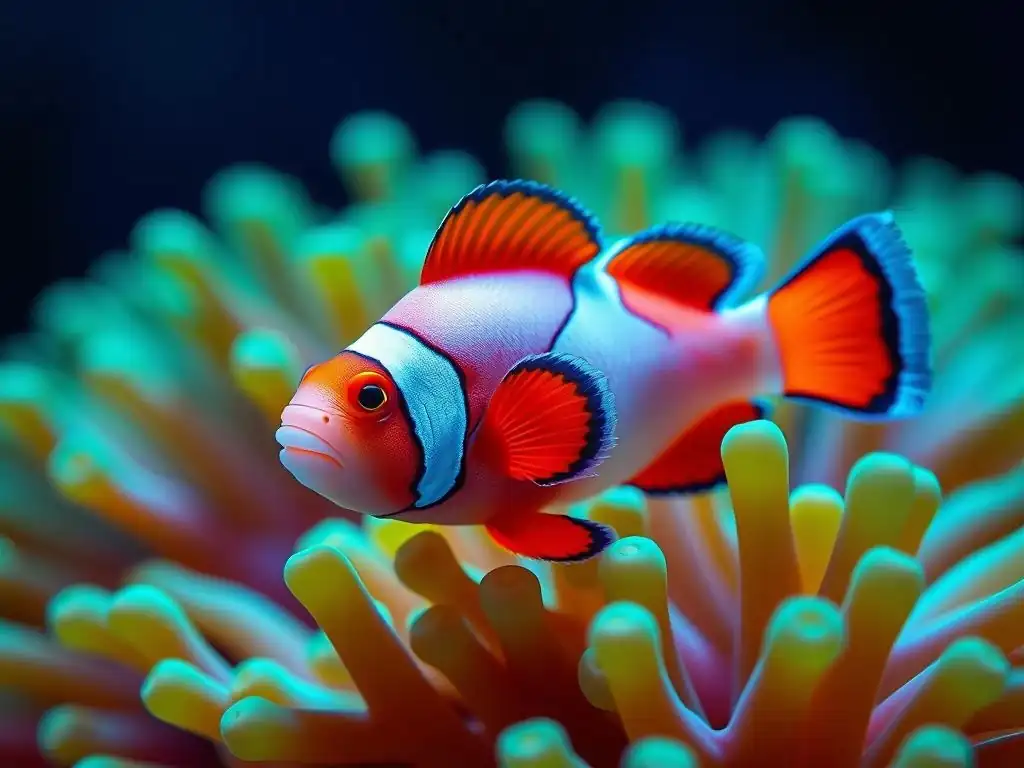
Regular Water Changes and Maintenance Schedules
Regular water changes are a cornerstone of long-term Naked clownfish care tips and overall aquarium health. They help to dilute accumulated nitrates, phosphates, and other pollutants, while simultaneously replenishing essential trace elements that are consumed by inhabitants or removed by filtration. For a typical home aquarium, a 10-20% water change every two weeks or 20-25% monthly is a good general guideline, though the frequency and volume may vary based on tank size, bioload, and filtration efficiency.
Beyond water changes, a consistent maintenance schedule is crucial. This includes routine tasks such as cleaning the glass to remove algae, rinsing or replacing mechanical filter media (like filter socks or sponges) every few days to a week, and cleaning protein skimmer cups daily or every few days. Siphon any detritus from the substrate during water changes. Regularly checking and cleaning powerheads and heaters prevents equipment malfunction and ensures optimal water movement and temperature. Adhering to these schedules prevents problems before they escalate, ensuring a stable and healthy environment for your Naked Clownfish.
Monitoring Water Parameters for Stability
Consistent monitoring of water parameters is vital for maintaining the stable conditions that Naked Clownfish, and indeed all marine life, require to thrive. Regular testing allows aquarists to detect subtle shifts in water chemistry before they become problematic. Key parameters to test weekly or bi-weekly include salinity (specific gravity), temperature, pH, alkalinity (dKH), and nitrates. Ammonia and nitrite should be tested whenever there's a concern about the nitrogen cycle, such as after adding new fish or if fish show signs of stress.
Using reliable test kits and keeping a log of your readings can help identify trends and predict potential issues. For instance, a consistent drop in alkalinity might indicate a need for supplementation or more frequent water changes. Similarly, rising nitrates suggest an increase in bioload or insufficient nutrient export. Proactive monitoring allows for timely adjustments to your maintenance routine or dosing, preventing stress and disease in your Naked Clownfish. This vigilance is a fundamental aspect of advanced Naked clownfish care tips, ensuring long-term stability and health.
Troubleshooting Common Aquarium Problems
Even with diligent care, aquarium problems can arise. Effective troubleshooting is a critical skill for any aquarist aiming for long-term success with Naked Clownfish. Common issues include algae outbreaks, fluctuating water parameters, fish disease, and equipment malfunctions. For algae, assess light duration and intensity, nutrient levels (nitrate, phosphate), and consider adding a cleanup crew (snails, hermit crabs). If water parameters are unstable, check salt mix quality, consistency of water changes, and ensure proper aeration and filtration.
If fish disease appears despite best efforts, immediately isolate affected fish in a quarantine tank for treatment, and review all water parameters and recent introductions to identify potential stressors or sources of infection. For equipment issues, such as a noisy pump or malfunctioning heater, consult the manufacturer's manual or seek advice from experienced aquarists. Addressing problems promptly and systematically, rather than reacting haphazardly, minimizes stress on your Naked Clownfish and helps maintain a robust and healthy aquarium ecosystem. This problem-solving approach is an invaluable part of comprehensive Naked clownfish care tips.
Purchasing Naked Clownfish: Finding Reputable Sources
Where to Buy Healthy Naked Clownfish
When purchasing Naked Clownfish, selecting a reputable source is paramount to acquiring healthy, robust specimens and avoiding the introduction of diseases into your established aquarium. Local fish stores (LFS) can be a good option if they have a knowledgeable staff, clean tanks, and a visible quarantine protocol. Observe the fish in their tanks: they should be active, swimming freely, and have clear eyes and fins. Avoid stores with dead or dying fish in their tanks, or those that appear poorly maintained.
Online retailers specializing in marine fish are another excellent source, particularly for specific variants like the Naked Clownfish. Reputable online vendors often have extensive quarantine procedures, provide detailed information about their fish, and offer guarantee policies. They typically ship fish directly to your door, reducing stress from multiple transfers. Look for vendors with strong positive reviews and a transparent approach to their fish husbandry. Choosing a high-quality source is the first essential step in successful Naked clownfish care tips.
Questions to Ask Your Vendor Before Purchasing
Before committing to a purchase, asking key questions to your vendor can provide crucial insights into the health and origin of the Naked Clownfish. Inquire about the fish's feeding habits: "What food are these Naked Clownfish currently eating, and how often?" A healthy fish should be actively eating and accustomed to prepared foods. Ask about their quarantine procedures: "Do you quarantine your new arrivals, and if so, for how long and with what treatments?" A vendor with a robust quarantine protocol significantly reduces the risk of bringing diseases home.
Furthermore, inquire about the fish's origin: "Are these Naked Clownfish wild-caught or tank-bred?" Tank-bred clownfish are generally hardier, more accustomed to aquarium life, and have less impact on wild populations. Also, ask about their return or guarantee policy in case of any issues post-purchase. A reputable vendor will be transparent and willing to answer these questions thoroughly. These inquiries are vital Naked clownfish care tips for making an informed decision and ensuring you bring home a healthy specimen.
Acclimation Process: Introducing Your Naked Clownfish to Its New Home
The acclimation process is a critical step that minimizes stress and shock when introducing your new Naked Clownfish to its new aquarium. Improper acclimation can lead to severe health issues or even death. The most recommended method for marine fish is drip acclimation, which slowly equalizes the water parameters (temperature, pH, and salinity) between the shipping bag and your tank. Start by floating the sealed bag in your aquarium for 15-20 minutes to equalize temperature.
After temperature equalization, open the bag, pour the fish and water into a clean bucket or container, and begin a slow drip of your aquarium water into the container using airline tubing and a knot or valve to control the flow. Aim for a drip rate that slowly doubles the volume of water in the container over 30-60 minutes. Once acclimated, gently net the fish and place it into your quarantine tank (highly recommended) or main display.
Never add the shipping water to your aquarium, as it may contain ammonia or pathogens. Proper acclimation is a fundamental Naked clownfish care tip for a smooth transition and long-term well-being.
The Allure of the Barless Wonder: Why Choose a Naked Clownfish?
The Unique Aesthetics of Naked Clownfish
The primary allure of the Naked Clownfish lies in its truly unique aesthetic, setting it apart from the more common barred varieties. Its smooth, unblemished orange body, devoid of any white stripes, offers a striking visual contrast to the typical clownfish. This uniform coloration highlights the fish's natural grace and vibrant hue, making it an instant focal point in any marine aquarium. For aquarists who appreciate subtle variations and distinctive beauty, the Naked Clownfish presents a captivating alternative to the traditional Ocellaris.
The "barless wonder" effect emphasizes the fish's natural body shape and the intensity of its base color, which can range from a soft tangerine to a deep, fiery orange. This minimalist beauty appeals to those who seek a clean, modern look in their reef tank or simply desire a fish that stands out from the crowd. The rarity and specialized breeding efforts behind these fish also add to their appeal, making them a prized possession for many enthusiasts. Their unique appearance is why many aquarists specifically seek out Naked clownfish care tips to ensure these distinctive fish thrive.
Contributing to the Preservation of Unique Color Morphs
Choosing to keep and, potentially, breed Naked Clownfish contributes indirectly to the preservation and understanding of unique color morphs within the Amphiprion ocellaris species. As a genetically distinct variant, their continued presence in the hobby ensures that these specific genetic traits are maintained and studied. Responsible breeding practices by aquaculturists help to stabilize the line and make these fascinating fish more accessible to hobbyists without impacting wild populations.
By supporting tank-bred Naked Clownfish, aquarists contribute to sustainable practices in the marine aquarium trade, reducing the demand for wild-caught specimens. This focus on captive breeding not only helps preserve natural reef ecosystems but also allows for greater control over fish health and genetics, often resulting in hardier, disease-resistant individuals. Engaging with unique variants like the Naked Clownfish fosters a deeper appreciation for genetic diversity and the intricate beauty found within marine life, embodying a thoughtful approach to Naked clownfish care tips and the broader hobby.
Frequently Asked Questions
What makes a Naked Clownfish different from a regular Ocellaris Clownfish?
The defining characteristic is the lack of black bars on its body, making it appear mostly orange or reddish. This is a genetic variation of the Amphiprion ocellaris.
Are Naked Clownfish more difficult to care for than other Clownfish?
No, their care requirements are generally the same. They need stable water parameters, a suitable tank size, and a good diet, just like other Amphiprion ocellaris.
What type of anemone is best for a Naked Clownfish?
They readily host with various anemones, but popular choices include the Bubble Tip Anemone (BTAs) and the Magnifica Anemone. Remember to research the anemone's specific needs too.
What should I feed my Naked Clownfish?
They are omnivores and thrive on a varied diet. Offer them high-quality flake food, supplemented with frozen foods like mysis shrimp and brine shrimp.
What is the ideal tank size for a pair of Naked Clownfish?
A tank of at least 20 gallons is recommended for a pair. Larger tanks offer more stability and space, especially if you plan to add an anemone or other tank mates.
Final Reflection: Embracing Uniqueness in the Reef
The journey of the naked clownfish, as we've explored, highlights the beauty and fragility of biodiversity within our coral reefs. Understanding the specific needs of these barless wonders is not just about aquarium keeping; it's about recognizing the importance of genetic diversity and responsible stewardship of our planet's ecosystems. The survival of these unique creatures, both in the wild and in our tanks, depends on our commitment to informed and ethical practices.
The fascination with the naked clownfish underscores our enduring connection to the natural world and our desire to understand its intricacies. This journey into the world of Amphiprion ocellaris variants has personally reinforced the importance of continuous learning and adaptation in the face of evolving environmental challenges. In the end, we will conserve only what we love; we will love only what we understand; and we will understand only what we are taught.
- Baba Dioum. This quote resonates deeply, reminding us that education and understanding are the cornerstones of conservation.
As you consider the care tips we've discussed, I encourage you to reflect on your own role in preserving the delicate balance of our aquatic ecosystems. Whether you're a seasoned aquarist or simply an admirer of marine life, remember that every action, no matter how small, can contribute to a healthier future for these incredible creatures. Let's strive to be informed, responsible, and compassionate stewards of the reef, ensuring that future generations can marvel at the beauty and wonder of the naked clownfish and all its reef companions.
Embrace the Barless Wonder: Start Your Anemone Adventure!
Thanks for diving into the fascinating world of naked clownfish! We hope you've gained a new appreciation for this unique variant and their anemone partners. Now, let’s turn that knowledge into action.
- Begin researching anemone species compatible with Amphiprion ocellaris and your tank size. This is the first crucial step towards creating the perfect symbiotic home.
- Share this article with a fellow aquarium enthusiast to spread the word about the captivating naked clownfish!
- Visit a local fish store specializing in saltwater aquariums to observe different anemones firsthand.
What fascinating anemone do you think would be the perfect companion for a barless clownfish in your aquarium?