
Tomato Clownfish (Amphiprion frenatus): A Splash of Red & Its Anemone Choices

Welcome to Aquarium Mastery!
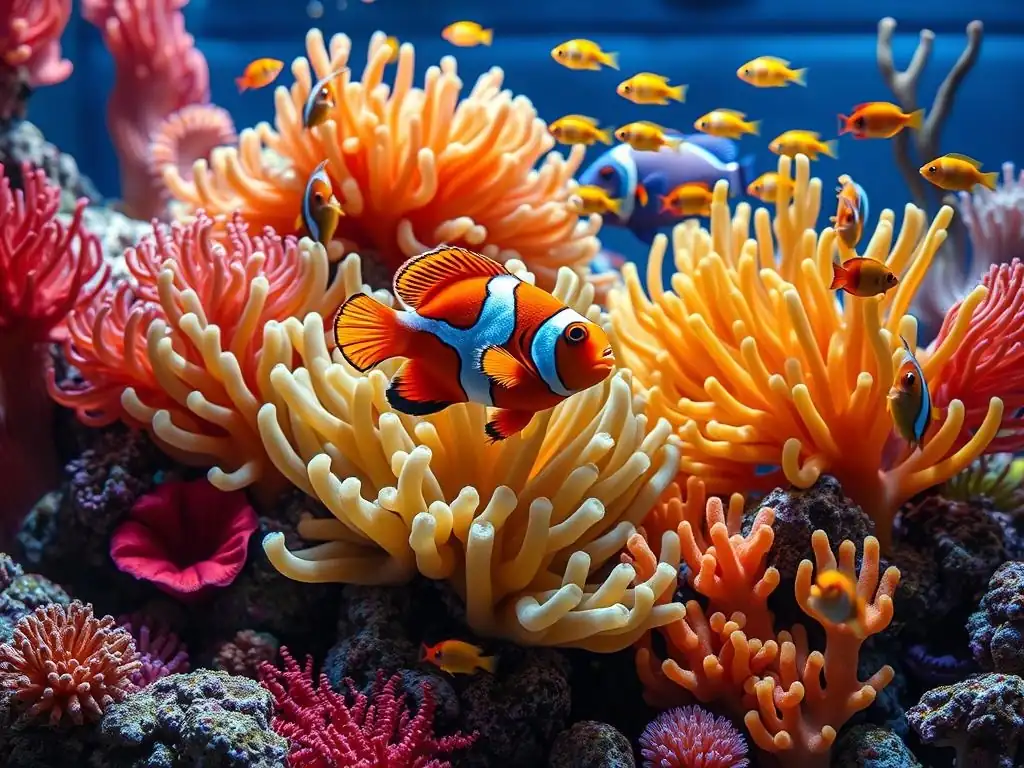
Ever wondered if that vibrant tomato clownfish will actually get along with your anemone? We know the vibrant red of an Amphiprion frenatus can be irresistible, but choosing the right anemone companion is crucial for their happiness (and yours!). Dive into our Tomato Clownfish Anemone Compatibility Guide and unlock the secrets to a thriving, symbiotic relationship in your saltwater aquarium. Ready to create a little slice of reef paradise? Let's get started!
- Understanding the Tomato Clownfish (Amphiprion frenatus)
- Tomato Clownfish Anemone Compatibility Guide: Finding the Perfect Host
- Setting Up a Suitable Aquarium for Tomato Clownfish
- Caring for Your Tomato Clownfish and Anemone
- Introducing Your Tomato Clownfish to Its Anemone
- Breeding Tomato Clownfish: A Detailed Guide
- Common Problems and Solutions with Tomato Clownfish and Anemones
- Tomato Clownfish Tank Mates: Choosing Compatible Species
- Conclusion: Enjoying the Beauty of Tomato Clownfish and Anemones in Your Aquarium.
-
Frequently Asked Questions
- How compatible are Tomato Clownfish with anemones in a home aquarium?
- Which anemone species are best suited for Tomato Clownfish according to AquariumMastery.com?
- What are the potential risks of not providing a suitable anemone for a Tomato Clownfish?
- What specific water parameters are important to maintain for both Tomato Clownfish and their host anemone?
- How can I introduce a Tomato Clownfish to its new anemone in the aquarium?
- Final Reflection: A Vibrant Ecosystem in Miniature
- Dive Deeper: Create Your Own Thriving Reef Oasis!
Understanding the Tomato Clownfish (Amphiprion frenatus)
Origin and Natural Habitat of Tomato Clownfish
The Tomato Clownfish, scientifically known as Amphiprion frenatus, originates from the Western Pacific Ocean, primarily found in the waters around Japan, Taiwan, the Philippines, Indonesia, and Australia. These vibrant fish inhabit coral reefs and rocky areas, typically at depths ranging from 1 to 15 meters, though they can be observed deeper.
Their natural environment is characterized by warm, tropical waters with stable temperatures, usually between 24°C and 28°C (75°F-82°F), and a salinity around 1.025 specific gravity. Understanding their native conditions is crucial for aquarists aiming to replicate a suitable habitat, especially when consulting a comprehensive Tomato clownfish anemone compatibility guide.
In their natural marine ecosystems, Amphiprion frenatus are obligate symbionts, meaning they form an essential partnership with certain species of sea anemones. They are often found nestled within the stinging tentacles of host anemones, which provide protection from predators. This symbiotic relationship is a cornerstone of their survival in the wild, influencing their behavior, diet, and even their reproductive strategies. The specific anemone species they associate with in their native range, such as Entacmaea quadricolor (Bubble-Tip Anemone) and Heteractis crispa (Sebae Anemone), offer insights into the ideal choices for a home aquarium.
Appearance and Distinctive Features of Amphiprion frenatus
The Tomato Clownfish is aptly named for its striking coloration, which typically ranges from a bright orange-red to a deeper, almost brownish-red. Juveniles often exhibit a single, prominent white vertical stripe located just behind the eye, which gradually fades or disappears as the fish matures into adulthood. This distinctive stripe is a key identifying feature, distinguishing them from other clownfish species. Unlike some of their cousins, such as the Ocellaris or Percula clownfish, Amphiprion frenatus generally lacks multiple white bands, contributing to its streamlined, uniform appearance.
Beyond their primary color, adult Tomato Clownfish can display a darker, almost blackish tint on their dorsal fin and sometimes on the tips of other fins, particularly in older specimens or dominant females. Their body shape is typical of clownfish, being robust and somewhat laterally compressed. The fins are generally rounded, and their overall size contributes to their bold presence in an aquarium. When considering a Tomato clownfish anemone compatibility guide, their vibrant color serves as a beautiful contrast to the often more subdued hues of their potential host anemones, creating an aesthetically pleasing display.
Lifespan and Size of Tomato Clownfish in Aquariums
In a well-maintained home aquarium, Tomato Clownfish can enjoy a considerable lifespan, often living for 5 to 7 years, and sometimes even up to 10 years or more under optimal conditions. Factors significantly influencing their longevity include stable water parameters, a nutritious diet, minimal stress, and the absence of aggressive tank mates or diseases. Providing a suitable environment that mimics their natural habitat, including a compatible host anemone as outlined in any comprehensive Tomato clownfish anemone compatibility guide, can greatly contribute to their overall health and longevity.
Regarding size, Amphiprion frenatus is considered a medium-sized clownfish species. Adult specimens typically reach an average length of 10 to 14 centimeters (approximately 4 to 5.5 inches). Females are generally larger and more dominant than males, a common characteristic in protandrous hermaphroditic fish like clownfish, where individuals mature as males and can later change to females. This size consideration is important when planning tank dimensions and selecting appropriate tank mates, ensuring adequate space for the fish to thrive, whether they choose to host an anemone or not.
Tomato Clownfish Anemone Compatibility Guide: Finding the Perfect Host
The Symbiotic Relationship Between Tomato Clownfish and Anemones
The symbiotic relationship between clownfish, including the Tomato Clownfish, and sea anemones is one of nature's most fascinating partnerships. This mutualistic interaction benefits both organisms: the anemone provides the clownfish with protection from predators through its stinging tentacles, to which the clownfish is immune due to a protective mucus layer on its skin.
In return, the clownfish defends the anemone from potential predators, helps keep it clean by consuming parasites and debris, and may even improve water circulation around the anemone by fanning its fins. This intricate dance of co-dependence is a primary reason aquarists seek a reliable Tomato clownfish anemone compatibility guide.
This symbiosis is not merely about protection; it also plays a role in the clownfish's reproductive success. The anemone serves as a safe nesting site for clownfish eggs, which are laid at the base of the tentacles, guarded by the parent fish.
The constant presence of the clownfish also helps the anemone by attracting prey, as small fish or invertebrates might be drawn to the clownfish and then caught by the anemone's stinging cells. Understanding these mutual benefits highlights why selecting the correct host anemone, as detailed in a thorough Tomato clownfish anemone compatibility guide, is paramount for the well-being and natural behavior of Amphiprion frenatus in captivity.
Why Anemone Selection Matters for Tomato Clownfish Health
Proper anemone selection is crucial for the long-term health and well-being of Tomato Clownfish. An incompatible anemone can lead to stress, injury, or even death for the clownfish, as its protective mucus layer might not offer immunity to all anemone toxins. Furthermore, an unhealthy or unsuitable anemone can itself decline, potentially polluting the tank and posing a risk to all inhabitants.
For instance, a bleaching anemone that is stressed by incorrect lighting or water parameters might not provide adequate protection, leaving the clownfish vulnerable. This underscores why a precise Tomato clownfish anemone compatibility guide is an indispensable tool for responsible aquarists.
Beyond safety, the right anemone encourages natural behaviors in the Tomato Clownfish, such as hosting, breeding, and foraging. When a clownfish successfully hosts, it exhibits reduced stress, increased activity, and often a more vibrant coloration. Conversely, a clownfish that fails to host or is forced into an unsuitable host may become lethargic, prone to disease, and less likely to engage in breeding activities.
For example, some anemones are simply too aggressive or have tentacles that are too potent for Amphiprion frenatus, even with their immunity. Therefore, consulting a detailed Tomato clownfish anemone compatibility guide helps ensure a harmonious and healthy environment for both the fish and its potential host.
Tomato Clownfish Anemone Compatibility Chart: Best Options
Magnificent Sea Anemone (Heteractis magnifica) for Tomato Clownfish
The Magnificent Sea Anemone, Heteractis magnifica, is a truly majestic host and is often considered one of the most preferred species for a wide range of clownfish, including the Tomato Clownfish. These anemones are renowned for their large size, often reaching diameters of 50 to 100 centimeters (20 to 40 inches), and their vibrant color variations, including white, cream, green, and purple tips.
Their long, finger-like tentacles provide ample shelter and protection, making them an ideal choice for Amphiprion frenatus. However, their substantial size also means they require a very large, mature aquarium, typically 180 gallons or more, with stable water parameters and intense lighting.
While Heteractis magnifica is a natural match, aquarists must be prepared for its demanding care requirements. They need very strong lighting, ideally metal halide or high-output LED, and significant water flow to thrive. Maintaining pristine water quality with consistent levels of alkalinity, calcium, and magnesium is also critical for their health. When properly cared for, a Magnificent Sea Anemone can form a stunning centerpiece and provide a long-term home for your Tomato Clownfish, fostering a natural and enriching environment. This pairing is frequently highlighted in a comprehensive Tomato clownfish anemone compatibility guide for its aesthetic and biological benefits.
Bubble-Tip Anemone (Entacmaea quadricolor) and Tomato Clownfish
The Bubble-Tip Anemone, Entacmaea quadricolor, is arguably the most popular and commonly recommended host anemone for Tomato Clownfish, and for good reason. It is widely distributed in the Indo-Pacific and is known for its distinctive bulbous tips on its tentacles, though these can sometimes appear stringy depending on lighting and water flow. These anemones come in various colors, including red, green, rose, and brown, offering a beautiful contrast to the bright red of Amphiprion frenatus. They are moderately sized, typically growing to 20-30 cm (8-12 inches) in diameter, making them suitable for tanks starting from 50-75 gallons.
Entacmaea quadricolor is generally more forgiving than some other host anemones, making it a better choice for aquarists with moderate experience. They require moderate to high lighting and moderate water flow, along with stable water parameters.
Bubble-Tip Anemones are known to be quite mobile, sometimes relocating within the tank until they find a preferred spot, which can occasionally pose a risk to corals if they settle too close. However, their natural affinity for Tomato Clownfish makes them an excellent choice, often cited as a primary recommendation in any detailed Tomato clownfish anemone compatibility guide due to their robust nature and high success rate of hosting.
Sebae Anemone (Heteractis crispa): A Less Common Choice for Tomato Clownfish
The Sebae Anemone, Heteractis crispa, is another potential host for Tomato Clownfish, though it is considered a more challenging species to keep and is less commonly chosen than the Bubble-Tip or Magnificent Anemones. These anemones are characterized by their long, often tangled tentacles that give them a shaggy appearance, and they typically exhibit a white or cream coloration with purple or pink tips. They can grow quite large, up to 50 centimeters (20 inches) in diameter, necessitating a spacious and mature aquarium, generally 100 gallons or more, with excellent water quality.
While Heteractis crispa can host Amphiprion frenatus, its care requirements are demanding. It needs very intense lighting, similar to the Magnificent Anemone, and strong, turbulent water flow. Sebae Anemones are notoriously sensitive to water parameter fluctuations and often struggle to acclimate to new environments, making them prone to bleaching and decline if conditions are not absolutely pristine.
Due to their higher sensitivity and specific needs, they are often recommended only for advanced aquarists who have a deep understanding of reef tank husbandry. This particular pairing, while possible, is often approached with caution in a thorough Tomato clownfish anemone compatibility guide.
Anemones to Avoid for Tomato Clownfish
Not all anemones are suitable hosts for Tomato Clownfish, and introducing an incompatible species can lead to severe stress, injury, or even death for the fish. For instance, Carpet Anemones ( Stichodactyla species like gigantea or haddoni) are highly aggressive and possess extremely potent stinging cells that can overwhelm a clownfish's protective mucus, even for species that typically host them in the wild.
While some Amphiprion species might host a Carpet Anemone, Amphiprion frenatus is generally not one of them, and the risk of the clownfish being stung to death or severely injured is unacceptably high. Therefore, these beautiful but dangerous anemones should be strictly avoided as hosts for Tomato Clownfish.
Similarly, Condylactis Anemones ( Condylactis gigantea) and Rock Flower Anemones ( Epicystis crucifer) are often available in the aquarium trade but are not natural hosts for any clownfish species, including the Tomato Clownfish. Their stinging cells are simply too strong or their behavior patterns do not align with the symbiotic needs of Amphiprion frenatus.
Attempting to force a clownfish to host in such an anemone will result in constant stress for the fish, potential injury, and a high likelihood of the clownfish refusing to host altogether, leading to a less natural and enriching environment. A reliable Tomato clownfish anemone compatibility guide will always emphasize avoiding these species to ensure the safety and well-being of your fish.
Setting Up a Suitable Aquarium for Tomato Clownfish
Tank Size Requirements for Tomato Clownfish and Anemones
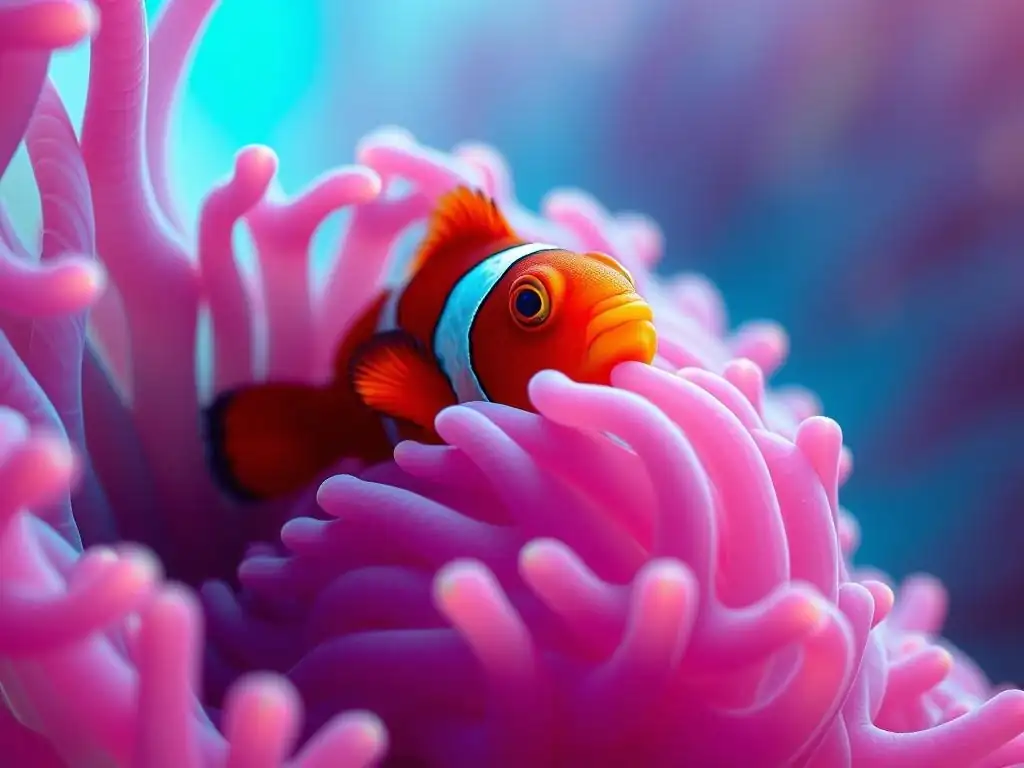
The minimum tank size for a single Tomato Clownfish is generally considered to be 20 gallons (approximately 75 liters). However, if you plan to keep a pair, a 30-gallon (115 liters) tank is a more appropriate starting point to provide adequate swimming space and reduce potential aggression. When considering the addition of a host anemone, the tank size requirements significantly increase.
For instance, a Bubble-Tip Anemone ( Entacmaea quadricolor) typically requires a minimum of 50-75 gallons (190-285 liters) due to its potential size and the need for stable water parameters. A larger anemone, like the Magnificent Sea Anemone ( Heteractis magnifica), demands a tank of 180 gallons (680 liters) or more.
The larger tank size, especially when housing an anemone, is crucial for several reasons. It provides greater water volume, which helps dilute waste products and maintain more stable water chemistry, reducing the impact of inevitable fluctuations. This stability is vital for both the Tomato Clownfish and its delicate anemone host.
Furthermore, a spacious tank allows for proper aquascaping, including ample live rock for filtration and hiding spots, and provides the necessary real estate for the anemone to attach and potentially move without encroaching on other corals or inhabitants. Adhering to these minimums, as suggested by a comprehensive Tomato clownfish anemone compatibility guide, is paramount for the long-term health and vitality of your aquatic ecosystem.
Water Parameters: Maintaining Optimal Conditions for Amphiprion frenatus
Maintaining stable and optimal water parameters is critical for the health of Tomato Clownfish and their host anemones. The ideal temperature range for Amphiprion frenatus is between 24°C and 28°C (75°F-82°F), with a specific gravity (salinity) of 1.023 to 1.026. pH levels should be consistently maintained between 8.1 and 8.4. Ammonia and nitrite levels must always be undetectable (0 ppm), while nitrates should be kept as low as possible, ideally below 10-20 ppm. Regular testing using reliable test kits is essential to monitor these parameters and make timely adjustments.
For tanks housing anemones, additional parameters become highly important. Alkalinity (KH) should be maintained between 8-12 dKH, calcium between 400-450 ppm, and magnesium between 1250-1350 ppm. These elements are vital for the anemone's skeletal growth and overall health. Fluctuations in these parameters can severely stress anemones, leading to bleaching or decline, which in turn impacts the well-being of the Tomato Clownfish. Therefore, a diligent approach to water chemistry, including regular water changes and potentially dosing trace elements, is a cornerstone of success, and any effective Tomato clownfish anemone compatibility guide will emphasize this aspect.
Essential Equipment: Filtration, Lighting, and Water Movement
Proper equipment is fundamental to a thriving Tomato Clownfish and anemone aquarium. A robust filtration system is paramount, typically comprising mechanical filtration (filter socks or sponges), biological filtration (live rock and sand), and chemical filtration (activated carbon or GFO). A protein skimmer is highly recommended, especially for tanks with anemones, as it efficiently removes organic waste before it breaks down into harmful nitrates. For a 75-gallon tank with an anemone, a skimmer rated for 100-150 gallons would provide ample capacity, ensuring cleaner water and reduced nutrient levels.
Lighting and water movement are equally crucial, particularly when housing host anemones. Anemones require intense lighting, often demanding high-output LED fixtures, T5HO fluorescents, or even metal halides, depending on the species. For example, a Bubble-Tip Anemone thrives under moderate to high light (PAR values typically above 150-200 at the anemone's depth), while a Magnificent Anemone needs very high light (PAR 300+).
Water movement, generated by powerheads or wavemakers, is necessary to bring food and nutrients to the anemone and to keep its tentacles gently swaying, preventing detritus buildup. A general guideline is to provide flow equivalent to 10-20 times the tank volume per hour, distributed throughout the tank. These equipment choices are critical elements to consider when following a detailed Tomato clownfish anemone compatibility guide.
Substrate and Aquascaping Considerations for Tomato Clownfish
The choice of substrate and the overall aquascaping design significantly impact the health and behavior of Tomato Clownfish and their anemone hosts. A sand bed, ideally 2-4 inches deep, is beneficial as it provides a natural environment for beneficial bacteria and can serve as a buffer for water parameters. Live rock is essential, offering biological filtration, hiding spots for the clownfish, and attachment points for the anemone. Aim for 1-1.5 pounds of live rock per gallon of water to maximize biological filtration and create a complex, enriching environment.
When aquascaping, ensure there are stable rock structures with crevices and overhangs where the Tomato Clownfish can seek shelter, even if it doesn't host an anemone. If you plan to introduce an anemone, create open, flat areas on the rockwork or at the bottom of the tank where the anemone can securely attach its foot. Avoid sharp edges that could injure the fish or anemone.
Remember that anemones can move, so leave ample space around their intended location to prevent them from stinging or damaging nearby corals or inhabitants. This foresight in aquascaping is a practical application of the knowledge gained from a comprehensive Tomato clownfish anemone compatibility guide.
Caring for Your Tomato Clownfish and Anemone
Feeding Requirements and Diet of Tomato Clownfish
Tomato Clownfish are omnivores with a hearty appetite, making their feeding relatively straightforward. A varied diet is crucial for their long-term health and vibrant coloration. They should be fed small amounts two to three times a day.
Their diet should consist of high-quality marine flake food, pellets specifically designed for marine fish, and a variety of frozen foods. Excellent frozen food options include mysis shrimp, brine shrimp (enriched), finely chopped krill, and various marine preparations containing spirulina or other vegetable matter. For instance, feeding a small pinch of flakes in the morning and a cube of frozen mysis shrimp in the evening provides good nutritional balance.
Regular supplementation with vitamin-enriched foods can further boost their immune system and overall vitality. While they will often pick at uneaten food from their host anemone, this should not be their sole source of nutrition. Overfeeding should be avoided as it can lead to poor water quality. If your Tomato Clownfish is hosting an anemone, ensure that some food drifts towards the anemone's tentacles during feeding time, as many host anemones also derive nutrition from captured food. This integrated feeding approach considers both species, aligning with the holistic care principles found in a detailed Tomato clownfish anemone compatibility guide.
Maintaining Water Quality: Regular Water Changes and Testing
Consistent water quality is the single most important factor for the health of Tomato Clownfish and their anemone hosts. Regular partial water changes are essential to replenish trace elements, reduce accumulated nitrates, and maintain overall water stability. For a well-established reef tank with an anemone, a weekly or bi-weekly water change of 10-20% of the tank volume is a good general guideline. For example, in a 75-gallon tank, changing 7.5 to 15 gallons every one to two weeks helps maintain pristine conditions. Always use high-quality salt mix and RODI (Reverse Osmosis Deionized) water to prevent the introduction of impurities.
Beyond water changes, routine water testing is non-negotiable. At a minimum, test for salinity, temperature, pH, ammonia, nitrite, and nitrate weekly. For tanks with anemones, also regularly test for alkalinity, calcium, and magnesium, ideally every few days or weekly, especially if dosing.
Keeping a log of test results can help identify trends and preemptively address potential issues. For instance, a gradual drop in alkalinity might indicate a need for increased dosing or more frequent water changes. This diligent monitoring, a core component of any effective Tomato clownfish anemone compatibility guide, ensures that the delicate balance required for both fish and anemone is consistently met.
Recognizing and Treating Common Tomato Clownfish Diseases
Like all captive fish, Tomato Clownfish can be susceptible to various diseases, primarily caused by stress, poor water quality, or the introduction of new, infected inhabitants. Common ailments include marine ich ( Cryptocaryon irritans), velvet disease ( Amyloodinium ocellatum), and bacterial infections. Symptoms of ich often include white spots resembling salt grains on the body and fins, rapid breathing, and scratching against decor. Velvet manifests as a dusty, yellowish film and rapid deterioration. Bacterial infections might appear as fin rot, cloudy eyes, or general lethargy. Early detection is key to successful treatment.
Treatment options for Tomato Clownfish must be approached with caution, especially if they are housed with an anemone or corals. Many common medications, particularly copper-based treatments, are highly toxic to invertebrates, including anemones. If a clownfish shows signs of disease in a reef tank, it is often best to move it to a dedicated quarantine tank for treatment.
For marine ich, methods like hyposalinity (reducing salinity to 1.008-1.009 for 2-4 weeks) or the Tank Transfer Method (moving the fish between two bare-bottom tanks every 72 hours) are effective and reef-safe. Always research treatments thoroughly and consider the entire ecosystem, a principle emphasized in any comprehensive Tomato clownfish anemone compatibility guide.
Anemone Care: Lighting, Feeding, and Water Flow
Proper care for the host anemone is paramount for its survival and the well-being of the Tomato Clownfish. Lighting is arguably the most critical factor; most host anemones are photosynthetic and rely heavily on strong illumination. For instance, a Bubble-Tip Anemone thrives under moderate to high PAR (Photosynthetically Active Radiation) levels, typically requiring full spectrum LED or T5HO lighting with PAR values between 150-300 at its location. Insufficient light will lead to bleaching, a sign of stress where the anemone expels its symbiotic algae (zooxanthellae), turning white and eventually dying.
Beyond light, appropriate feeding and water flow are essential. While anemones derive much of their energy from photosynthesis, supplemental feeding once or twice a week with meaty foods like finely chopped shrimp, silversides, or marine pellets is highly beneficial, especially for larger specimens. Target feeding directly to the oral disc using a turkey baster ensures the anemone receives the nutrients. Water flow should be moderate to strong, but non-turbulent, ensuring nutrients reach the anemone and waste is carried away.
Aim for broad, laminar flow rather than direct, harsh streams. Regularly checking the anemone for signs of stress, such as deflated appearance or retracted tentacles, is crucial. These detailed care points are central to any effective Tomato clownfish anemone compatibility guide.
Introducing Your Tomato Clownfish to Its Anemone
Acclimation Process: Gradually Introducing the Fish to the Tank
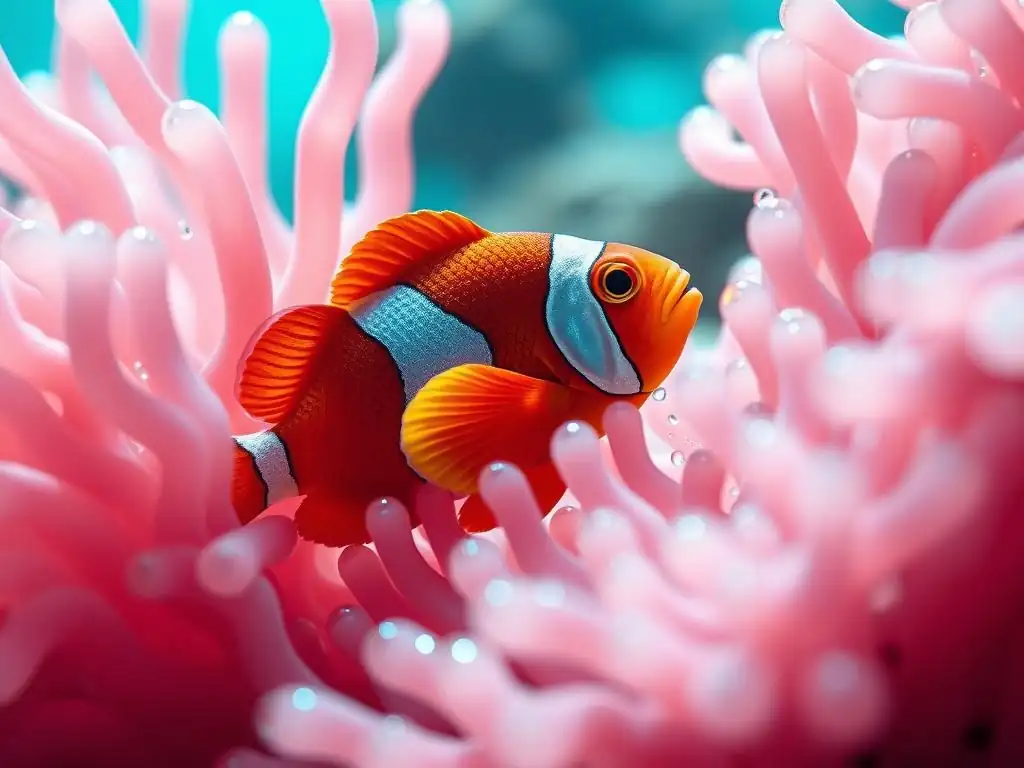
A proper acclimation process is crucial for minimizing stress and ensuring the successful introduction of your new Tomato Clownfish to its aquarium. The drip acclimation method is highly recommended for marine fish, as it slowly equalizes temperature, salinity, and pH between the bag water and the tank water. This process can take 45 minutes to over an hour, depending on the initial differences in water parameters. For example, if the fish comes from water with a specific gravity of 1.020 and your tank is at 1.025, a slower drip rate would be beneficial to prevent osmotic shock.
Once the acclimation is complete, gently net the Tomato Clownfish from the acclimation bucket and release it into the display tank, discarding the bag water to prevent introducing any potential pathogens or pollutants. Dimming the tank lights for the first few hours can further reduce stress, allowing the fish to explore its new surroundings calmly. Observe the fish closely over the next few days for signs of stress, disease, or aggression from existing tank mates. A calm and gradual introduction, as outlined in a comprehensive Tomato clownfish anemone compatibility guide, sets the stage for a healthy and thriving fish.
Encouraging Anemone Acceptance: Tips and Tricks
While Tomato Clownfish are naturally inclined to host anemones, sometimes they need a little encouragement, especially if they were tank-bred without prior anemone exposure. One effective method is to place a small, clear container (like a plastic breeder box or a small deli cup with holes) containing the clownfish near the anemone for a few hours. This allows the fish to see and become accustomed to the anemone's presence without direct contact, reducing initial apprehension. Ensure good water flow through the container.
Another tip involves dimming the tank lights or turning them off for a period after introducing the clownfish, as this can make the fish feel more secure and exploratory. Sometimes, simply waiting patiently is the best approach; many clownfish will eventually discover and host their anemone on their own, often within a few days to a few weeks.
Avoid forcing the clownfish into the anemone, as this can cause undue stress and may even lead to the anemone stinging the fish. Providing a healthy, established anemone and a stress-free environment, as detailed in a thorough Tomato clownfish anemone compatibility guide, significantly increases the chances of successful hosting.
Monitoring the Interaction: Ensuring a Healthy Symbiosis
After introducing your Tomato Clownfish to its potential host anemone, continuous monitoring of their interaction is essential to ensure a healthy and safe symbiosis. Initially, the clownfish might exhibit hesitant behavior, cautiously touching the anemone's tentacles before fully embracing it. Look for signs of the clownfish rubbing its body against the tentacles, a behavior that helps it build its protective mucus layer. Observe for any signs of distress in either the fish or the anemone, such as the fish darting away frantically, or the anemone retracting excessively or appearing stressed.
In a successful pairing, the Tomato Clownfish will eventually spend most of its time nestled within the anemone's tentacles, engaging in natural behaviors like fanning water or picking at debris. The anemone should remain expanded and healthy. If the clownfish shows persistent signs of discomfort or the anemone appears to be stinging the fish repeatedly, it might indicate an incompatibility or an unhealthy anemone, despite following a Tomato clownfish anemone compatibility guide. In such rare cases, separation might be necessary, or further investigation into the anemone's health and tank parameters.
Breeding Tomato Clownfish: A Detailed Guide
Creating a Breeding Environment for Tomato Clownfish
To successfully breed Tomato Clownfish, creating a dedicated breeding environment is highly recommended. A separate breeding tank, typically 20-30 gallons, allows for controlled conditions and prevents eggs or fry from being eaten by other tank inhabitants. The tank should be equipped with a heater to maintain a stable temperature of 26-28°C (79-82°F), a sponge filter for gentle biological filtration, and a small powerhead for circulation. A flat, smooth surface for egg deposition is crucial; this can be a terracotta pot, a piece of slate, or even a specialized ceramic tile, placed near the anemone if one is present.
While Tomato Clownfish can breed without an anemone, providing a suitable host anemone, as advised by a Tomato clownfish anemone compatibility guide, can significantly increase their comfort and likelihood of spawning. The presence of a host often encourages natural behaviors and provides a secure location for the eggs. Ensuring pristine water quality through regular small water changes (e.g., 10% daily) and a high-quality, protein-rich diet for the prospective parents will condition them for breeding. Dim lighting cycles can also mimic natural conditions that encourage spawning.
Identifying Mating Pairs and Spawning Behavior
Tomato Clownfish are protandrous hermaphrodites, meaning all individuals are born male and the largest, most dominant individual in a group will transition into a female. To form a breeding pair, introduce two juveniles or a smaller male and a larger, established female into the breeding tank. Observe their interactions; a successful pair will typically exhibit synchronized swimming, often near the chosen spawning site, and the male will engage in fanning and cleaning the chosen surface. The female will be noticeably larger and rounder, especially when gravid with eggs.
Spawning behavior often occurs in the late afternoon or early evening. The male will meticulously clean the spawning site, often rubbing his body against it. The female will then begin to lay her eggs, typically in an oval-shaped clutch, usually ranging from 100 to 500 eggs, depending on the female's size and age. The eggs are typically orange to reddish-brown and are laid very close together.
The male will then fertilize the eggs. Both parents will guard and fan the eggs, though the male often takes on the primary fanning duty, ensuring proper oxygenation and preventing fungal growth. This diligent care is a hallmark of successful breeding, often facilitated by the security of a host anemone as per a Tomato clownfish anemone compatibility guide.
Caring for Tomato Clownfish Eggs and Fry
Tomato Clownfish eggs typically hatch within 7 to 10 days at a temperature of 26-28°C (79-82°F). During this period, the male diligently guards and fans the eggs, removing any infertile or fungused ones. The eggs will gradually darken as the fry develop, and just before hatching, their eyes will become visible. Hatching usually occurs shortly after the lights go out, often within an hour or two of darkness. It's crucial to prepare for the fry before hatching; having live food cultures ready is paramount, as the fry are extremely small and require specific nourishment.
Once hatched, the larval Tomato Clownfish are tiny, measuring only a few millimeters, and are free-swimming. They immediately require microscopic live food. Infusoria or rotifers (e.g., Brachionus plicatilis) are the ideal first foods for the initial 5-7 days.
For instance, maintaining a rotifer culture with Nannochloropsis phytoplankton is a common practice among breeders. After this initial period, the fry can gradually be introduced to larger foods like newly hatched brine shrimp nauplii. Maintaining pristine water quality in the fry tank is critical, often requiring multiple small water changes daily to remove uneaten food and waste, a challenge that makes the entire breeding process a delicate endeavor, even with the best Tomato clownfish anemone compatibility guide.
Raising Tomato Clownfish Fry: Feeding and Water Quality
Raising Tomato Clownfish fry is a labor-intensive but rewarding process. After the initial rotifer feeding phase, usually around day 5-7 post-hatch, the fry are ready for newly hatched brine shrimp nauplii. These are slightly larger and provide more nutritional value. As the fry grow, typically around day 10-14, they can be weaned onto finely crushed flake food or specialized clownfish fry pellets. It's crucial to offer food frequently throughout the day, as their metabolic rate is very high. For example, feeding small amounts every 2-3 hours during daylight hours is often necessary to ensure adequate growth.
Maintaining exceptional water quality in the fry rearing tank is paramount, as larval fish are highly sensitive to ammonia and nitrite. Daily small water changes (e.g., 10-20%) are often necessary to prevent nutrient buildup from uneaten food. Gentle aeration from an air stone or sponge filter is sufficient, as strong filtration can suck in and harm the delicate fry.
As the fry grow and begin to morph into juvenile clownfish (around 3-4 weeks), they can be gradually introduced to larger foods and eventually transferred to a grow-out tank. Success in raising fry depends heavily on meticulous attention to feeding schedules and water parameters, a testament to the detailed care required for these fascinating fish, even after consulting a Tomato clownfish anemone compatibility guide.
Common Problems and Solutions with Tomato Clownfish and Anemones
Anemone Rejection: Why It Happens and What to Do
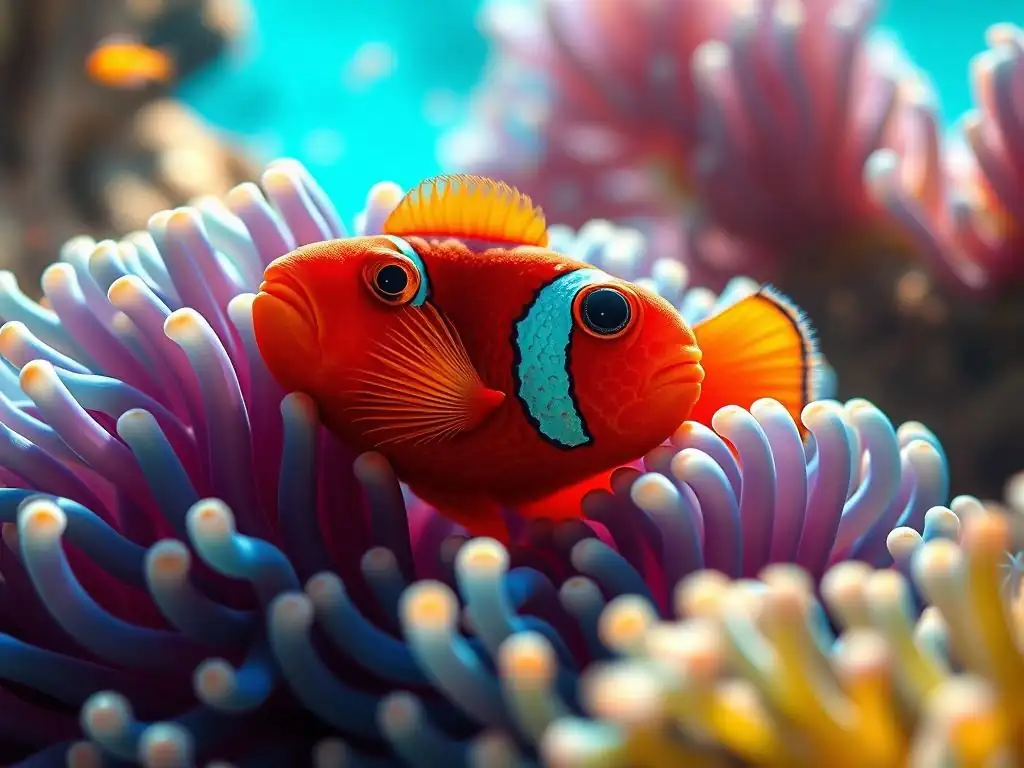
Anemone rejection, where a Tomato Clownfish refuses to host a seemingly compatible anemone, can be a frustrating issue for aquarists. This often occurs with tank-bred clownfish that have never encountered an anemone before, or if the anemone itself is stressed or unhealthy. For instance, if the anemone is bleaching due to improper lighting or poor water quality, its tentacles may not be as inviting or safe for the clownfish. Additionally, some clownfish simply take a longer time to recognize and accept a host, sometimes weeks or even months.
To address anemone rejection, first ensure the anemone's health by verifying all water parameters (temperature, salinity, alkalinity, calcium, magnesium) are optimal and lighting is appropriate for its species. If the anemone is healthy, try encouraging the clownfish by placing a small, clear container with the clownfish near the anemone for a few hours daily, allowing visual contact without direct interaction. Sometimes, simply dimming the tank lights for a day or two can reduce stress and encourage exploration.
Avoid forcing the clownfish into the anemone, as this can cause harm to both. Patience is often the best solution, combined with ensuring the healthiest possible environment as guided by a comprehensive Tomato clownfish anemone compatibility guide.
Aggression Issues: Managing Conflict in the Aquarium
Tomato Clownfish, particularly females, can be territorial and exhibit aggression, especially towards other clownfish or similarly shaped fish. If keeping a pair, ensure they are introduced simultaneously or the smaller fish is significantly smaller than the dominant one to allow for natural pairing without excessive conflict. Aggression often manifests as chasing, nipping, or even fin damage. In a scenario where a new, smaller clownfish is introduced to an established female, the female might relentlessly chase the newcomer, preventing it from eating or finding shelter.
To manage aggression, providing ample hiding spots and visual breaks in the aquascape is crucial. Live rock structures with caves and crevices can help subordinate fish escape the dominant one. If aggression becomes severe, leading to injury or extreme stress, separation may be necessary. This could involve using a clear breeding box to temporarily isolate the aggressive fish or, in extreme cases, rehoming one of the fish. Always research compatible tank mates carefully, as outlined in a Tomato clownfish anemone compatibility guide, to minimize potential conflicts from the outset and ensure a peaceful community tank.
Anemone Movement: Keeping Your Anemone in Place
Host anemones, especially Bubble-Tip Anemones ( Entacmaea quadricolor), are known for their mobility. They will move around the tank until they find a spot with optimal lighting, water flow, and substrate. While this natural behavior is part of their charm, it can also pose problems. Anemone might move onto powerheads, leading to fatal injuries for itself, or sting nearby corals, causing tissue necrosis. For instance, a Bubble-Tip Anemone moving into a delicate SPS coral colony can quickly wipe out a significant portion of it.
To minimize unwanted anemone movement, ensure the tank provides ideal conditions from the start. Place the anemone in an area with appropriate lighting and water flow for its species, typically on a stable piece of live rock or in a crevice where its foot can securely attach. Avoid placing it directly next to valuable or sensitive corals.
If an anemone persistently moves to an undesirable location, you can try to gently guide it using a small current or by placing a barrier, but never forcefully detach it, as this can cause severe foot damage. Proper initial placement and optimal tank conditions, as detailed in a comprehensive Tomato clownfish anemone compatibility guide, are the best preventative measures against excessive wandering.
Copper Exposure and Sensitivity
Copper-based medications are highly effective treatments for many external parasitic diseases in marine fish, such as marine ich and velvet. However, copper is extremely toxic to all invertebrates, including all species of sea anemones, corals, shrimp, crabs, and snails. Even trace amounts of copper can cause severe stress, tissue damage, or death in these sensitive organisms. Therefore, it is absolutely critical never to use copper medications in a display tank containing an anemone or any other invertebrate.
If a Tomato Clownfish or any other fish in a reef tank requires copper treatment, it must be moved to a dedicated quarantine or hospital tank setup without any invertebrates. The main display tank should never be treated with copper.
Even after treatment, ensure the fish is completely free of medication residues before returning it to the main tank by performing multiple large water changes in the quarantine tank and using carbon filtration. This strict avoidance of copper in the main display is a fundamental rule for any aquarist following a responsible Tomato clownfish anemone compatibility guide, prioritizing the safety of the entire reef ecosystem.
Tomato Clownfish Tank Mates: Choosing Compatible Species
Suitable Tank Mates for Tomato Clownfish
When selecting tank mates for Tomato Clownfish, it's important to consider their semi-aggressive and territorial nature, especially as they mature. Ideal tank mates are peaceful to semi-aggressive fish that are not overly large or boisterous enough to intimidate the clownfish.
Good choices include various species of gobies (e.g., watchman gobies, diamond gobies), small to medium-sized wrasses (e.g., six-line wrasse, fairy wrasses), peaceful damselfish (excluding other aggressive damselfish species), and certain blennies (e.g., lawnmower blennies). For instance, a Yellow Watchman Goby and a single Tomato Clownfish can coexist peacefully in a 30-gallon tank, with the goby often sifting sand and the clownfish occupying its anemone.
Other compatible options include certain tangs (in larger tanks, 100+ gallons, due to their size), and other peaceful community fish like cardinalfish (e.g., Banggai cardinalfish). It's crucial to introduce new tank mates cautiously and monitor interactions closely, especially if the Tomato Clownfish has established a territory or is hosting an anemone. Ensuring ample hiding spots and diverse aquascaping can help diffuse potential aggression. When building a community, always prioritize fish that share similar environmental requirements regarding water parameters and diet, a consideration that complements the detailed information in a Tomato clownfish anemone compatibility guide.
Fish to Avoid Keeping with Tomato Clownfish
Due to their territorial nature, certain fish should be avoided as tank mates for Tomato Clownfish to prevent conflict and stress. Highly aggressive fish, such as large predatory groupers, lionfish, or certain triggerfish, will view the smaller clownfish as prey or competition. For example, a Picasso Triggerfish could easily injure or kill a Tomato Clownfish. Similarly, other highly aggressive damselfish species, like the Blue Devil Damselfish, can be relentlessly territorial and harass the clownfish to the point of starvation or death, even if the clownfish is larger.
Furthermore, it is generally not advisable to keep Tomato Clownfish with other species of clownfish, especially in smaller tanks (under 75 gallons), unless they are a very well-established, bonded pair of the same species. Different clownfish species often display inter-species aggression, with one species dominating and potentially harming the other.
For instance, attempting to house an Ocellaris Clownfish with a Tomato Clownfish in a 40-gallon tank would likely result in severe aggression from the Tomato Clownfish. A thorough Tomato clownfish anemone compatibility guide indirectly advises on tank mate selection by emphasizing the need for a peaceful and stable environment around the clownfish and its host.
Invertebrate Compatibility: Corals and Other Inhabitants
Tomato Clownfish are generally reef-safe, meaning they typically do not nip at or consume corals or other sessile invertebrates. This makes them excellent additions to a mixed reef aquarium. However, caution is advised when keeping them with certain delicate corals, especially if they are hosting an anemone. Anemone's movement or occasional stinging can damage nearby corals. For example, if a Bubble-Tip Anemone decides to move into a colony of LPS (Large Polyp Stony) corals like a Frogspawn or Hammer coral, it can sting the coral's polyps, causing tissue recession.
Other invertebrates like snails, hermit crabs, and shrimp (e.g., cleaner shrimp, peppermint shrimp) are generally compatible with Tomato Clownfish. They occupy different niches in the aquarium and do not typically compete for food or territory. For instance, a cleaner shrimp can coexist peacefully with a Tomato Clownfish, even performing cleaning services on the fish. When planning your reef tank, consider the mature size of your chosen anemone and its potential for movement, ensuring ample space between it and valuable corals, a practical application of the knowledge derived from a detailed Tomato clownfish anemone compatibility guide.
Conclusion: Enjoying the Beauty of Tomato Clownfish and Anemones in Your Aquarium.
The Tomato Clownfish ( Amphiprion frenatus) offers a vibrant splash of color and engaging personality to any saltwater aquarium. Their fascinating symbiotic relationship with host anemones, a cornerstone of their natural behavior, provides a captivating display for aquarists. By understanding their specific needs, from optimal water parameters and appropriate tank size to a varied diet and compatible tank mates, hobbyists can ensure a thriving environment for these remarkable fish. The journey of setting up and maintaining such an ecosystem is incredibly rewarding, allowing for a deeper appreciation of marine life.
Successfully integrating a Tomato Clownfish with its ideal host anemone, guided by a comprehensive Tomato clownfish anemone compatibility guide, transforms a simple tank into a miniature, dynamic reef ecosystem. The meticulous care required, from diligent water quality management to understanding their unique breeding behaviors, cultivates a responsible and knowledgeable aquarist. With patience, research, and attention to detail, the beauty and intricate interactions of Tomato Clownfish and their anemones can be enjoyed for many years, making them a truly spectacular addition to the home aquarium.
Frequently Asked Questions
How compatible are Tomato Clownfish with anemones in a home aquarium?
Tomato Clownfish exhibit a strong symbiotic relationship with certain anemone species. While not all anemones are suitable, selecting the right one is crucial for their well-being and can enhance their natural behavior.
Which anemone species are best suited for Tomato Clownfish according to AquariumMastery.com?
The Bubble Tip Anemone (Entacmaea quadricolor) is often cited as a primary choice for Tomato Clownfish. Other options include the Magnifica Anemone (Heteractis magnifica), but careful consideration of tank size and water parameters is vital.
What are the potential risks of not providing a suitable anemone for a Tomato Clownfish?
Without a host anemone, Tomato Clownfish may experience increased stress levels, potentially leading to suppressed immune systems and susceptibility to disease. They might also become more aggressive towards tank mates.
What specific water parameters are important to maintain for both Tomato Clownfish and their host anemone?
Maintaining stable water conditions is paramount, including a salinity of 1.024-1.026, a pH between 8.1-8.4, and a temperature range of 76-82°F. Regular water changes are essential for nutrient control and overall health.
How can I introduce a Tomato Clownfish to its new anemone in the aquarium?
Acclimation is key. Slowly introduce the clownfish to the tank, allowing it to explore the environment. The anemone should already be well-established. Observe the clownfish for signs of acceptance and bonding with the anemone.
Okay, here's a final reflection designed to close your article about Tomato Clownfish and their anemone compatibility, formatted as requested:
Final Reflection: A Vibrant Ecosystem in Miniature
The delicate dance between the Tomato Clownfish and its chosen anemone is more than just a fascinating biological interaction; it's a microcosm of the intricate relationships that sustain our planet's ecosystems. Understanding these symbiotic connections, as we've explored in this guide, is crucial not only for successful reef keeping but also for appreciating the fragility and interconnectedness of the natural world, especially in the face of increasing environmental pressures on coral reefs.
This symbiotic relationship, so vividly displayed in our aquariums, mirrors the larger challenges we face in preserving biodiversity. Witnessing the resilience and adaptability of these creatures firsthand underscores the importance of responsible stewardship and informed decision-making. In the end, we will conserve only what we love; we will love only what we understand; and we will understand only what we are taught.
- Baba Dioum. This quote reminds us that education and understanding are the cornerstones of conservation.
Now, as you embark on your journey of creating a thriving reef environment, remember that you are not just building an aquarium; you are cultivating a miniature ecosystem. Consider the lessons learned about Tomato Clownfish and anemone compatibility, and apply that same thoughtful consideration to every aspect of your reef keeping. Let your aquarium be a testament to the beauty and balance that can be achieved through knowledge, care, and a deep respect for the wonders of the ocean.
Dive Deeper: Create Your Own Thriving Reef Oasis!
Thank you for exploring the captivating world of the Tomato Clownfish with us! Now, let's translate that newfound knowledge into action and bring the vibrant energy of the reef right to your home aquarium.
Here are a few steps you can take to continue your aquatic journey:
- Start planning! Begin by researching compatible anemone species for your future Tomato Clownfish. Consider the size of your tank and the specific needs of both the fish and the anemone.
- Share your passion! Post a photo of your current (or dream) aquarium setup on social media using #AquariumMastery and inspire fellow hobbyists.
- Become a Reef Guardian! Commit to sustainable aquarium practices by researching eco-friendly products and supporting conservation efforts related to coral reefs.
Ready to start building your underwater paradise, one shimmering scale at a time?