
Will My Clownfish Host? A Guide to Encouraging Natural Anemone Symbiosis

Welcome to Aquarium Mastery!
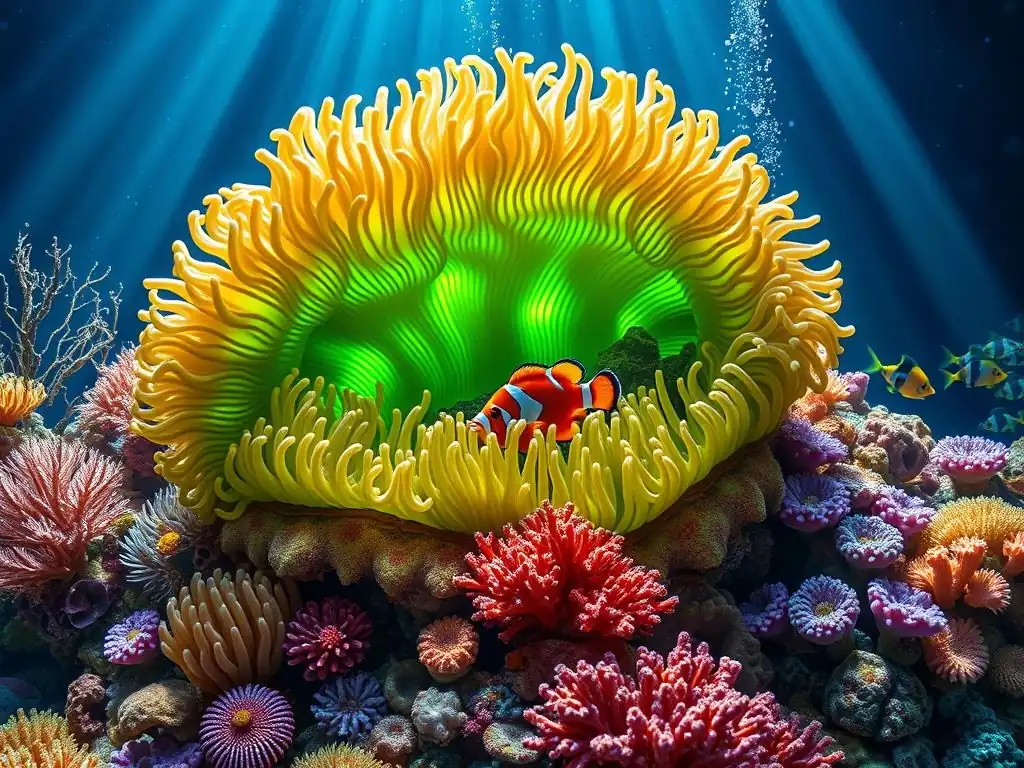
Ever wondered if your clownfish will actually host an anemone, creating that iconic underwater ballet? Dive in! We're unraveling the fascinating clownfish anemone symbiotic relationship, offering expert advice to help you recreate this natural wonder in your saltwater aquarium. Get ready to unlock the secrets to a thriving and visually stunning reef environment!
- Understanding the Clownfish Anemone Symbiotic Relationship
- Choosing the Right Anemone for Your Clownfish
- Introducing Clownfish and Anemones to Your Aquarium
- Why Isn't My Clownfish Hosting? Common Reasons and Solutions
- Encouraging Clownfish Anemone Symbiosis: Tips and Tricks
- Troubleshooting: Addressing Common Clownfish Hosting Issues
- Maintaining a Healthy Clownfish-Anemone Relationship
- Conclusion: Enjoying the Beauty of Clownfish and Anemone Symbiosis in Your Aquarium
-
Frequently Asked Questions
- What is the clownfish anemone symbiotic relationship?
- Why is it important for clownfish to host an anemone in an aquarium?
- What type of anemone is best suited for clownfish in an aquarium setting?
- What can I do if my clownfish isn't showing interest in hosting an anemone?
- Are there any risks associated with keeping anemones in a saltwater aquarium?
- Final Reflection: Embracing the Dance of Symbiosis
- Ignite the Symbiosis: Foster a Thriving Clownfish Home!
Understanding the Clownfish Anemone Symbiotic Relationship
The Mutual Benefits of Clownfish and Anemones
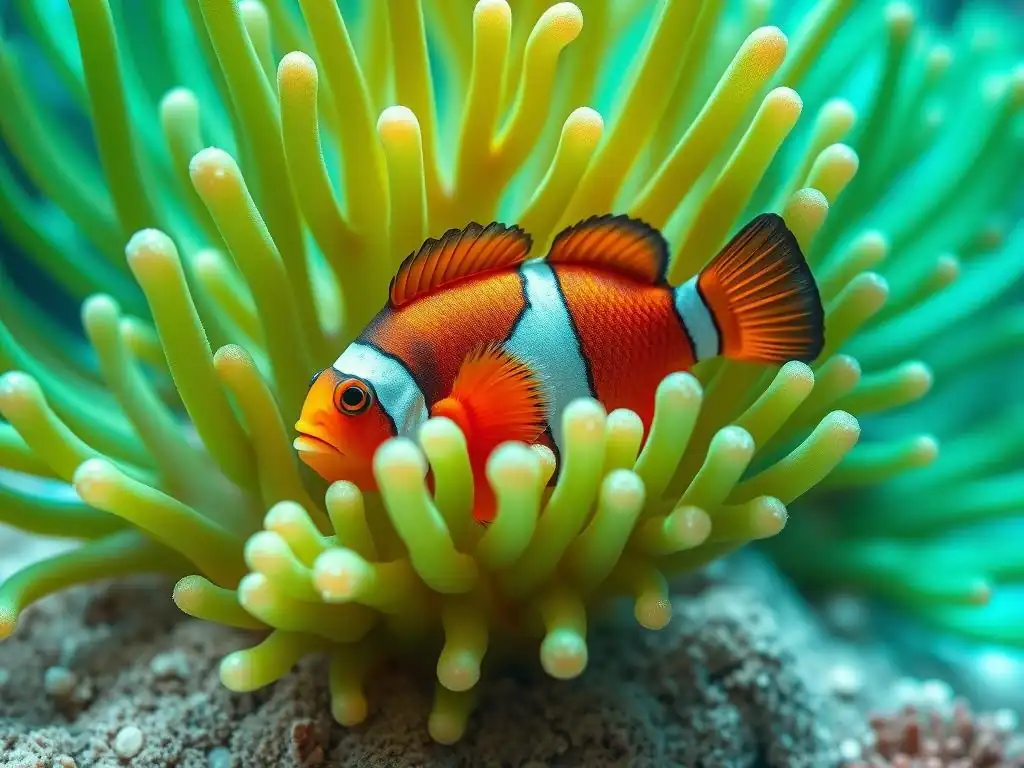
The clownfish anemone symbiotic relationship is one of the most iconic partnerships in the marine world, providing profound benefits to both organisms. Clownfish gain crucial protection from predators, such as larger fish like triggers or groupers, by sheltering within the anemone's stinging tentacles. The clownfish possesses a unique mucus coating that prevents it from being stung, allowing it to reside safely amidst the otherwise lethal nematocysts.
In return for this sanctuary, the anemone also receives several advantages. Clownfish actively clean the anemone, removing detritus, uneaten food, and parasites from its tentacles. They may also deter anemone predators, such as butterflyfish, which might otherwise nip at the anemone's flesh. Furthermore, some studies suggest that clownfish waste can provide nutrients, specifically ammonia, which the anemone's symbiotic algae (zooxanthellae) can utilize for photosynthesis, thus contributing to the anemone's energy production.
Why is Clownfish Anemone Hosting Important?
For many aquarists, observing the clownfish anemone symbiotic relationship is a primary goal and a defining highlight of owning a marine aquarium. This natural behavior is deeply ingrained in the clownfish's wild instincts, where virtually all species associate with an anemone or a suitable coral host. While clownfish can survive and thrive in captivity without an anemone, providing one allows them to express their most natural and fascinating behaviors, enhancing their overall well-being and enrichment.
Beyond the welfare of the fish, the presence of a hosted anemone creates a dynamic and aesthetically pleasing display. It transforms the aquarium into a miniature ecosystem, offering a unique educational opportunity to witness a classic example of mutualism firsthand. The vibrant colors of a clownfish darting amongst the swaying tentacles of an anemone offer a captivating spectacle, making the effort to facilitate this bond incredibly rewarding for the dedicated hobbyist.
Choosing the Right Anemone for Your Clownfish
Compatible Anemone Species for Clownfish
Not all anemones are suitable hosts for all clownfish species, and some are significantly easier to care for than others. Understanding the compatibility and specific needs of different anemone species is crucial for establishing a successful clownfish anemone symbiotic relationship in a home aquarium. Choosing the right host is the first step towards encouraging natural hosting behavior.
Bubble Tip Anemone (Entacmaea quadricolor)
The Bubble Tip Anemone (BTA) is arguably the most popular and commonly available host anemone, known for its distinctive bulbous tips, though these can sometimes be absent depending on lighting and flow. It is compatible with a wide range of clownfish, including the popular Ocellaris (Amphiprion ocellaris) and Percula (Amphiprion percula) clownfish, making it an excellent choice for many aquarists. BTAs can grow quite large, often reaching 12 inches (30 cm) or more in diameter, requiring a minimum tank size of 30-50 gallons (115-190 liters) for the anemone alone to thrive.
These anemones are considered moderately hardy for an anemone, requiring strong lighting (e.g., 80-100 PAR for LEDs, equivalent to 4-6 T5 HO bulbs over a 50-gallon tank) and moderate, indirect water flow. They also benefit from supplemental feeding of meaty foods like mysis shrimp or chopped silversides 1-2 times a week. Their relatively robust nature and broad clownfish compatibility contribute to their widespread success in the hobby, allowing many aquarists to witness the clownfish anemone symbiotic relationship.
Sebae Anemone (Heteractis crispa)
The Sebae Anemone, often recognized by its long, flowing tentacles and a typically white or tan column (though often bleached white in import), is another common host, particularly favored by Sebae Clownfish (Amphiprion sebae) and sometimes Clarkii Clownfish (Amphiprion clarkii). While beautiful, this species is significantly more demanding than the Bubble Tip Anemone and often arrives in poor health. It can grow very large, sometimes exceeding 20 inches (50 cm) in diameter, necessitating a mature aquarium of 50-75 gallons (190-285 liters) or more.
Sebae Anemones require very stable and pristine water parameters, including consistent salinity (1.025-1.026 SG), temperature (76-78°F / 24.4-25.5°C), and low nitrates (below 5 ppm). They also need strong lighting, often in the range of 150-250 PAR, and moderate, turbulent water flow to keep their tentacles extended and prevent detritus accumulation. Due to their delicate nature and specific requirements, they are generally recommended for experienced aquarists who can provide the consistent environment needed for a healthy clownfish anemone symbiotic relationship.
Carpet Anemone (Stichodactyla spp.)
Carpet Anemones, encompassing species like Stichodactyla gigantea and Stichodactyla haddoni, are strikingly beautiful with their broad, flat, sticky surfaces and vibrant colors. They are natural hosts for a variety of clownfish, including the larger Maroon Clownfish (Premnas biaculeatus) and Saddleback Clownfish (Amphiprion polymnus). However, these anemones are highly aggressive, possessing a potent sting that can harm or kill other corals and fish that come into contact with them. Their care requirements are also among the most advanced, making them suitable only for very experienced aquarists.
These anemones can grow to immense sizes, with some species reaching up to 3 feet (90 cm) in diameter, demanding very large, established aquariums, typically 100 gallons (380 liters) or more. They require extremely strong lighting, often exceeding 200-400 PAR, and robust water flow to maintain their health. Due to their aggressive nature and demanding needs, careful consideration must be given to tank mates and placement to ensure the safety of other inhabitants and the successful long-term establishment of the clownfish anemone symbiotic relationship.
Anemone Care Requirements: Ensuring a Healthy Host
A healthy and thriving anemone is paramount for encouraging a clownfish to host. Anemones that are stressed, unhealthy, or dying will not only fail to attract a clownfish but can also pollute the tank and pose a risk to other inhabitants. Providing optimal environmental conditions is the foundation of a successful clownfish anemone symbiotic relationship.
Proper Lighting for Anemones
Most host anemones, including Bubble Tips and Sebaes, rely heavily on photosynthesis performed by their symbiotic zooxanthellae for energy. This means they require strong, appropriate spectrum lighting to thrive. For a Bubble Tip Anemone, a PAR (Photosynthetically Active Radiation) level of 80-150 is often ideal, achievable with quality LED fixtures or a bank of T5 HO fluorescent bulbs. Carpet Anemones, being more light-demanding, may require PAR values ranging from 200 to 400 or even higher, depending on the species.
It is crucial to provide a stable photoperiod, typically 10-12 hours per day, and avoid sudden, drastic changes in light intensity, which can shock the anemone. When introducing a new anemone, a gradual acclimation to the tank's lighting, starting with lower intensity or shorter photoperiods and slowly increasing, can prevent bleaching and stress. Consistent, high-quality lighting is a non-negotiable factor for the long-term health of the anemone and the stability of the clownfish anemone symbiotic relationship.
Water Chemistry and Anemone Health
Anemones are highly sensitive to water quality and require exceptionally stable and pristine conditions to flourish. Key parameters that must be consistently maintained include salinity (1.025-1.026 specific gravity), temperature (76-78°F / 24.4-25.5°C), alkalinity (8-12 dKH), calcium (400-450 ppm), and magnesium (1200-1350 ppm). Fluctuations in these parameters, especially alkalinity and calcium, can quickly stress an anemone, leading to retraction, bleaching, and eventual decline.
Furthermore, nitrates and phosphates, which are byproducts of biological filtration and nutrient cycling, must be kept at very low levels. Nitrates should ideally be below 5-10 ppm, and phosphates below 0.03 ppm, to prevent algae growth on the anemone and to minimize physiological stress. Regular testing with reliable test kits (e.g., once or twice weekly for alkalinity, calcium, and magnesium; weekly for nitrates and phosphates) and consistent water changes are essential for maintaining the ideal environment for a healthy anemone and a lasting clownfish anemone symbiotic relationship.
Anemone Feeding and Tank Conditions
While photosynthetic, most host anemones benefit significantly from supplemental feeding, which boosts their growth and resilience. Meaty foods such as mysis shrimp, chopped silversides, krill, or small pieces of quality marine pellet/flake food can be offered directly to the anemone's mouth 1-3 times per week. This provides essential proteins and fats that their zooxanthellae cannot produce, particularly important for larger species or those that appear to be losing color.
Beyond feeding, the physical conditions within the tank play a vital role. Anemones require moderate to strong, but indirect, water flow to prevent detritus accumulation and ensure nutrient delivery without overwhelming them. A mature aquarium, typically aged 6 months to a year or more, with established live rock and a robust biological filter, provides the stability and beneficial microfauna that anemones need. The substrate should also be suitable, often a deep sand bed or stable rockwork where the anemone can securely anchor its foot, preventing it from wandering and potentially stinging other corals or getting damaged by powerheads.
Introducing Clownfish and Anemones to Your Aquarium
Quarantine Procedures for New Anemones and Clownfish
Quarantine is a critical step for preventing the introduction of diseases and pests into your main display tank, especially when adding sensitive invertebrates like anemones or new fish. For new clownfish, a dedicated quarantine tank (QT) of at least 10-20 gallons (38-76 liters) for 30 days is highly recommended. During this period, the fish can be observed for signs of common marine diseases such as marine Ich (Cryptocaryon irritans) or Brooklynella hostilis, and treated if necessary, before being introduced to the main system where an anemone may reside.
Anemones also benefit from a quarantine period of 2-4 weeks. While they don't carry fish diseases, they can harbor undesirable pests like predatory snails (e.g., sundial snails that prey on zoanthids but can also annoy anemones), flatworms, or even small crabs that could be detrimental to the main tank or the anemone itself. Quarantining allows the aquarist to observe the anemone's health, ensure it's stable and adapting well to captive conditions, and prevent the introduction of hitchhikers that could disrupt the delicate clownfish anemone symbiotic relationship or harm other inhabitants.
Acclimation Techniques for Successful Introduction
Proper acclimation is vital for both clownfish and anemones to minimize stress and ensure a smooth transition to their new environment. The drip acclimation method is highly recommended for both, as it slowly equalizes temperature, pH, and salinity over an extended period. This involves slowly dripping water from the display tank into the bag or container holding the new arrival, typically over 1-2 hours, until the volume of tank water has significantly diluted the original transport water.
For anemones specifically, it is crucial to avoid exposing them to air during transfer, as this can cause damage to their delicate internal structures and symbiotic algae. Gently scoop the anemone underwater with a container or a gloved hand (if safe for the species) and transfer it directly into the desired location in the display tank. Placing the anemone in a low-flow area initially and allowing it to attach its foot before increasing flow can help it settle. Careful acclimation sets the stage for a successful clownfish anemone symbiotic relationship.
Slowly Introducing Clownfish to the Anemone
Once the anemone has been properly acclimated and has settled into its chosen spot in the aquarium (which can take several days to a week), the clownfish can then be introduced. It is generally best to introduce the anemone first, allowing it to fully inflate and establish itself before the clownfish is added. This provides a stable target for the clownfish to investigate.
Upon introducing the clownfish, avoid immediately placing it directly into or on the anemone. Allow the clownfish to explore the tank on its own terms. Some clownfish will immediately recognize and host in the anemone, while others may take days, weeks, or even months to approach and host. Dimming the aquarium lights during the initial introduction can help reduce stress for the new fish. Providing nearby hiding spots like live rock or PVC pipes can also make the clownfish feel secure, encouraging it to eventually venture closer to the anemone and begin to explore the potential clownfish anemone symbiotic relationship.
Why Isn't My Clownfish Hosting? Common Reasons and Solutions
Clownfish Species and Hosting Preferences
Not all clownfish are equally enthusiastic about hosting, and some species exhibit stronger preferences or are simply less inclined to host in captivity. Understanding these nuances is important when troubleshooting why a clownfish anemone symbiotic relationship isn't forming. While many aquarists aim for this natural bond, it's not a guaranteed outcome for every individual fish.
Some Clownfish Are Pickier Than Others
Common Ocellaris (Amphiprion ocellaris) and Percula (Amphiprion percula) clownfish are generally the most adaptable and forgiving when it comes to hosting. They are known to host in a wide variety of anemones, and sometimes even in large polyp stony (LPS) corals like Euphyllia species (e.g., Hammer or Frogspawn corals), or even non-biological items like powerhead covers or plastic decorations. However, even within these species, individual personalities vary, and some tank-bred clownfish, having never encountered an anemone, may simply lack the instinct or experience to host immediately.
Other clownfish species, such as the Maroon Clownfish (Premnas biaculeatus) or Sebae Clownfish (Amphiprion sebae), often exhibit more specific hosting preferences, typically favoring Bubble Tip Anemones or Sebae Anemones, respectively. If the specific preferred host is not available, these species may be less likely to host in a substitute. Furthermore, tank-bred clownfish, which now comprise a significant portion of the market (over 90% for Ocellaris), might take longer to host or never host at all, simply because they haven't learned the behavior from wild parents.
Tank Environment Factors Affecting Hosting Behavior
The overall health and stability of the aquarium environment significantly influence whether a clownfish will feel secure enough to engage in the clownfish anemone symbiotic relationship. Stressors in the tank can inhibit natural behaviors, including hosting. A harmonious and well-maintained environment is crucial for both the clownfish and the anemone.
Water Parameters and Stress
Fluctuations or poor quality of water parameters are major sources of stress for both clownfish and anemones, directly impacting hosting behavior. High nitrates (above 20 ppm), fluctuating salinity (e.g., daily swings of 0.002 SG), or unstable temperatures (outside the 76-78°F / 24.4-25.5°C range) can make both the fish and the anemone feel unwell. A stressed clownfish is less likely to venture into a host, and a stressed anemone may retract, move, or even become less attractive as a host.
Consistent monitoring and maintenance of all key water parameters—salinity, temperature, alkalinity, calcium, magnesium, and very low nitrates and phosphates—are essential. Regular weekly or bi-weekly water changes (10-20% of tank volume) help to stabilize these parameters and dilute waste products. When water conditions are consistently optimal, both the clownfish and the anemone are more likely to thrive and express their natural behaviors, including the desired clownfish anemone symbiotic relationship.
Tank Size and Decorations
The physical layout and size of the aquarium also play a role in promoting or hindering hosting. An appropriately sized tank (e.g., a minimum of 30 gallons / 115 liters for a pair of Ocellaris clownfish with a small anemone) provides ample space for the clownfish to explore and feel secure. Overcrowding, on the other hand, can lead to increased stress and aggression among tank inhabitants, making the clownfish less likely to focus on hosting.
Adequate live rock and hiding places are important, as they provide a sense of security for the clownfish. If the clownfish feels exposed or constantly threatened by other tank mates, it may hesitate to approach or stay within the anemone. Sometimes, the anemone itself might move if it's not happy with its location's light or flow, which can also disrupt a potential clownfish anemone symbiotic relationship. Ensure the anemone has a stable spot to anchor and that the overall tank environment is conducive to the well-being of both species.
The Anemone's Health and Condition
The health and vitality of the anemone itself are paramount for attracting a clownfish. A clownfish is instinctively drawn to a robust, fully inflated, and healthy anemone. If the anemone is not in prime condition, the clownfish will likely ignore it, regardless of its species or preferences.
Unhealthy Anemones May Deter Clownfish
An unhealthy anemone often displays clear signs of distress that will deter a clownfish. These include a shriveled or deflated appearance, pale or bleached coloration (indicating loss of zooxanthellae), a gaping mouth, an inability to stick its foot to surfaces, or a general lack of responsiveness. A stressed anemone may also release chemicals into the water that signal distress, further discouraging clownfish. If the anemone's tentacles are not sticky or are constantly retracted, the clownfish will not perceive it as a safe or suitable host.
Before expecting a clownfish anemone symbiotic relationship to form, rigorously assess the anemone's health. Ensure all lighting, water parameters, and feeding requirements are met. Address any signs of decline promptly. Only a truly healthy, vibrant anemone will successfully attract and maintain a clownfish host, providing the necessary protection and stability that the clownfish seeks.
Lack of Competition and Established Hierarchy
In their natural habitat, clownfish often live in groups within a single anemone, with a strict social hierarchy. This social dynamic, including a degree of competition for the host, can sometimes influence hosting behavior in captivity. A single clownfish might behave differently than a pair or a group.
Introducing a Pair of Clownfish
If you have a single clownfish that is reluctant to host, introducing a second, smaller clownfish (of the same species, if possible, to avoid aggression) can sometimes encourage hosting. In nature, a dominant female and a smaller male often share an anemone. The presence of a potential mate or a subordinate individual might trigger the dominant clownfish's instinct to claim and protect a host. Observing another clownfish already hosting can also "teach" a naive, tank-bred individual what an anemone is for.
However, this approach requires careful consideration of tank size and existing inhabitants to avoid aggression. Clownfish, especially Maroons, can be highly territorial. If you plan to introduce a pair, it's best to introduce them simultaneously as juveniles, or introduce a very small clownfish to an established larger one, allowing the smaller one to become the subordinate male. This social dynamic can sometimes be the missing piece in establishing a thriving clownfish anemone symbiotic relationship.
Encouraging Clownfish Anemone Symbiosis: Tips and Tricks
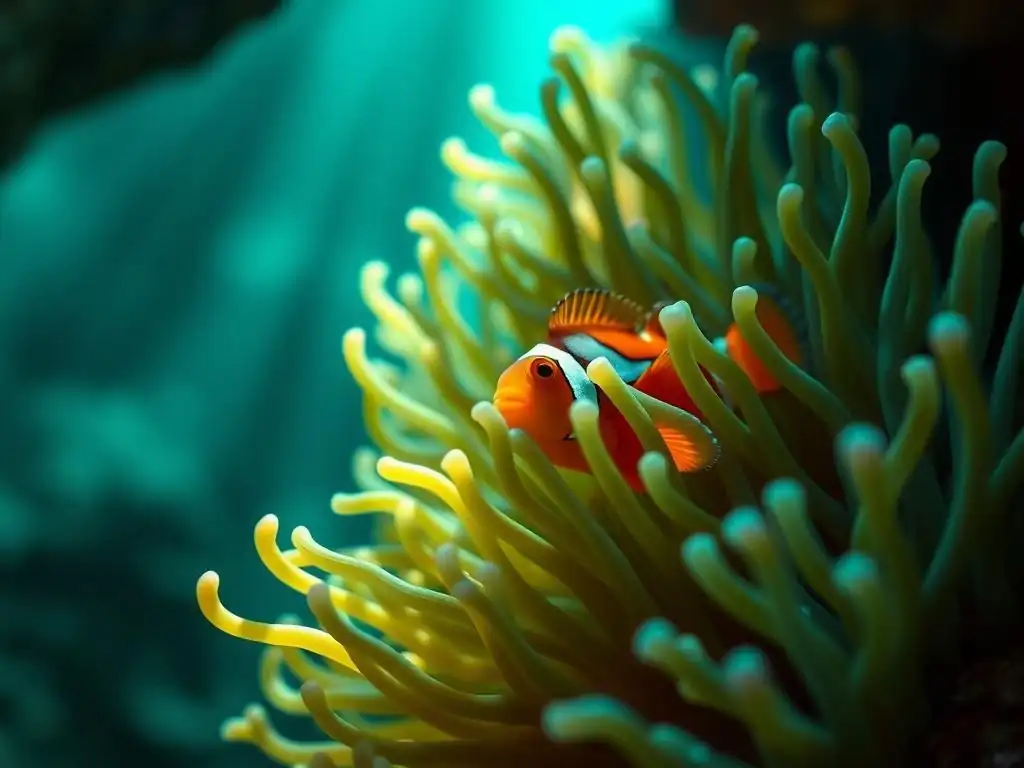
Sometimes, a clownfish simply needs a little encouragement or a visual cue to understand the purpose of an anemone, especially if it's tank-bred and has never encountered one. While direct intervention should be minimal to avoid stressing the fish or anemone, subtle "teasers" can sometimes guide the clownfish.
One method involves placing a small, non-stinging coral (like a small piece of a Frogspawn or Hammer coral, if tank conditions allow for both) or even a clean, small piece of PVC pipe near the anemone. Clownfish, particularly tank-bred ones, may initially host in these objects.
Over time, as they become more comfortable and curious, they might gradually transition from the "teaser" to the actual anemone. Another gentle approach is to use a turkey baster to create a very subtle, gentle water current around the anemone, causing its tentacles to sway enticingly, drawing the clownfish's attention without disturbing the anemone excessively.
Reducing Stress in the Aquarium Environment
A calm, stable, and stress-free environment is paramount for encouraging any natural behavior in aquarium inhabitants, including the clownfish anemone symbiotic relationship. When fish are stressed, their natural instincts, including hosting, are often suppressed as their energy is diverted to coping mechanisms.
Ensure all water parameters (temperature, salinity, pH, alkalinity, calcium, magnesium, nitrates, phosphates) are consistently stable and within optimal ranges. Avoid sudden changes in lighting, flow, or tank inhabitants. Provide appropriate tank mates that are not aggressive towards the clownfish or the anemone. Ensure the clownfish has ample hiding spots and feels secure within its territory. A consistent feeding schedule with high-quality food also contributes to overall fish health and reduces stress. By creating an environment where the clownfish feels safe and comfortable, you significantly increase the likelihood of it exploring and eventually hosting in the anemone.
Patience is Key: Allowing Natural Behavior to Develop
Perhaps the most important "trick" in encouraging a clownfish anemone symbiotic relationship is patience. While some clownfish will host immediately upon introduction, many others can take days, weeks, or even several months to finally embrace their host. In some rare cases, particularly with tank-bred individuals that have no prior experience or genetic predisposition, a clownfish may never host, regardless of the conditions.
It is crucial to avoid forcing the clownfish into the anemone, as this can cause severe stress to both animals and may even result in the clownfish attacking the anemone out of fear. Simply provide the optimal conditions, ensure both the clownfish and anemone are healthy, and observe. Often, the hosting behavior will develop spontaneously when the time is right and the clownfish feels entirely secure. Trust in the clownfish's natural instincts and allow the bond to form at its own pace.
Troubleshooting: Addressing Common Clownfish Hosting Issues
Clownfish Ignoring the Anemone
If your clownfish consistently ignores the anemone, despite your best efforts, several factors might be at play. First, double-check the compatibility: is the anemone species one that your particular clownfish species typically hosts in? For example, an Ocellaris clownfish might be less inclined to host in a Carpet Anemone, preferring a Bubble Tip. Secondly, re-evaluate the anemone's health; a shriveled, bleached, or stressed anemone will not be attractive. Ensure proper lighting, water flow, and feeding for the anemone.
Finally, consider the clownfish itself. Tank-bred clownfish often lack the innate instinct or prior experience to host and may simply never learn. Stress from poor water parameters (e.g., nitrates above 20 ppm, unstable pH), aggressive tank mates, or an undersized tank can also cause a clownfish to be too stressed to exhibit natural hosting behavior. Review all environmental factors and address any potential stressors. Sometimes, introducing a second, smaller clownfish can stimulate hosting through social dynamics, as the dominant fish may feel compelled to claim the host.
Clownfish Attacking the Anemone
While rare, a clownfish attacking an anemone can occur, often indicating extreme stress or confusion. This behavior is highly unusual for a clownfish anemone symbiotic relationship, as their instincts are to seek shelter. Possible reasons include a very young or newly introduced clownfish that is disoriented, or an anemone that is severely stressed and retracting, leading the clownfish to perceive it as a threat rather than a host. Aggression can also stem from the clownfish being extremely stressed by its environment or tank mates.
If you observe your clownfish aggressively nipping or harming the anemone, immediate separation is necessary to prevent injury to either animal. Carefully remove the clownfish to a separate holding tank or isolate the anemone. Thoroughly re-evaluate the health of both the clownfish and the anemone, and meticulously check all water parameters and tank conditions. Only reintroduce them after both have recovered and potential stressors have been identified and remedied. This is a clear sign that the clownfish anemone symbiotic relationship is not forming correctly and requires intervention.
Anemone Moving or Wandering
Anemones are mobile and will move around the tank if they are not satisfied with their current location's light, flow, or substrate. While a natural behavior, a wandering anemone poses significant risks; it can sting and kill other corals, or get sucked into powerheads, leading to its death and potentially polluting the tank. This movement can also disrupt any attempts at establishing a clownfish anemone symbiotic relationship.
The primary reasons for an anemone moving are inadequate lighting (too dim or too intense), unsuitable water flow (too turbulent or not enough), or an inability to properly anchor its foot (e.g., on smooth glass instead of live rock). Check your PAR levels and ensure the flow is moderate and indirect.
If the anemone is bleaching, it might be seeking more light; if it's shriveling, it might be seeking less. If it repeatedly moves to an unsuitable location despite adjustments, it may indicate that your tank cannot provide the specific conditions that particular anemone species requires, and it might be best to consider removing it for the safety of your other tank inhabitants.
Maintaining a Healthy Clownfish-Anemone Relationship
Regular Water Changes and Monitoring
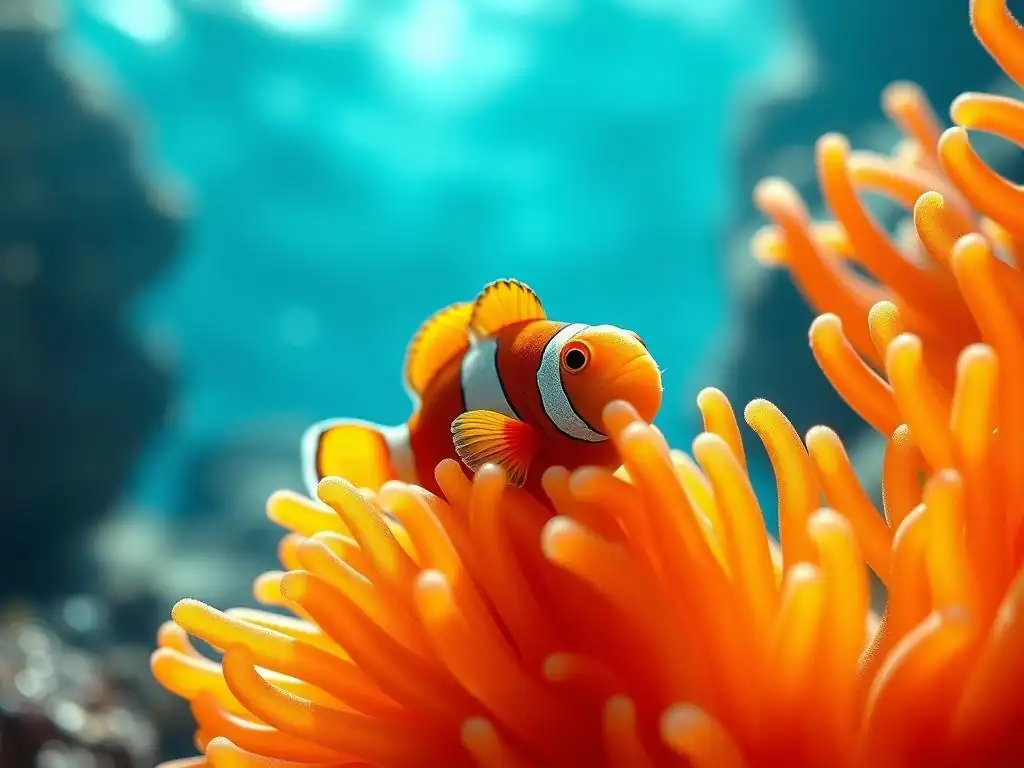
The cornerstone of a thriving clownfish anemone symbiotic relationship is consistent and excellent water quality. Regular water changes are critical for diluting nitrates, phosphates, and other waste products, while replenishing essential trace elements that are consumed by corals and anemones. A routine of 10-20% water changes weekly or bi-weekly is generally recommended for most reef tanks containing anemones.
Beyond water changes, diligent monitoring of key water parameters is non-negotiable. This includes daily checks of temperature (76-78°F / 24.4-25.5°C) and salinity (1.025-1.026 SG), along with weekly or bi-weekly testing for alkalinity (8-12 dKH), calcium (400-450 ppm), and magnesium (1200-1350 ppm). Keeping nitrates below 5 ppm and phosphates below 0.03 ppm is also vital. Consistent stability prevents stress and disease, ensuring both the clownfish and the anemone remain healthy and the symbiotic bond endures.
Observing Clownfish and Anemone Behavior
Daily observation of both your clownfish and anemone is essential for early detection of any issues. A healthy clownfish will be active, alert, and exhibit natural behaviors, including regular interaction with its host. A healthy anemone will be fully inflated, display vibrant coloration, and have sticky tentacles. Any deviation from these norms can signal a problem.
Look for signs of stress in the clownfish, such as clamped fins, rapid breathing, or hiding excessively. For the anemone, watch for prolonged retraction, bleaching, a gaping mouth, or an inability to stick to surfaces. Noticing these subtle changes quickly allows for prompt intervention before a minor issue escalates into a major problem. For instance, a clownfish suddenly avoiding its anemone might indicate the anemone is becoming unhealthy, or vice-versa. Consistent observation helps maintain the delicate balance of the clownfish anemone symbiotic relationship.
Preventing and Treating Common Diseases
Preventing disease is always preferable to treating it, especially in a tank housing an anemone. Many common marine fish medications are toxic to invertebrates, including anemones, making treatment in the main display tank extremely challenging or impossible. Strict quarantine procedures for all new fish and invertebrates (as discussed earlier) are the first line of defense against introducing pathogens like marine Ich or velvet.
Maintaining stable water parameters, providing a balanced diet, and ensuring minimal stress for both the clownfish and the anemone significantly boost their immune systems and reduce susceptibility to disease. If a clownfish does show signs of illness, it should ideally be removed to a separate hospital tank for treatment, away from the sensitive anemone. Should the anemone itself show signs of bacterial infection or bleaching, addressing water quality issues and ensuring optimal lighting and feeding are the primary treatments. Prioritizing prevention is key to preserving the long-term health of your clownfish anemone symbiotic relationship.
Conclusion: Enjoying the Beauty of Clownfish and Anemone Symbiosis in Your Aquarium
The clownfish anemone symbiotic relationship is truly one of the most captivating and rewarding spectacles in the marine aquarium hobby. Witnessing the intricate dance between these two fascinating creatures, where protection is exchanged for cleanliness and nutrients, offers a profound connection to the natural world. While establishing this bond requires careful planning, dedication, and a deep understanding of the needs of both the clownfish and its host anemone, the effort is undeniably worthwhile.
By meticulously choosing compatible species, providing pristine water quality, appropriate lighting and flow, and maintaining a stress-free environment, aquarists can significantly increase their chances of fostering this unique partnership. Patience is a virtue in this endeavor, as the bond may take time to form naturally. However, the enduring beauty and educational value of a thriving clownfish anemone symbiotic relationship transform a simple aquarium into a vibrant, living ecosystem, providing endless enjoyment and a testament to the wonders of marine life.
Frequently Asked Questions
What is the clownfish anemone symbiotic relationship?
It's a mutually beneficial relationship where the clownfish gains protection from predators within the anemone's stinging tentacles, and the anemone benefits from the clownfish's cleaning and feeding habits. Clownfish develop immunity to the anemone's sting.
Why is it important for clownfish to host an anemone in an aquarium?
While not essential for their survival, hosting provides natural behaviors and reduces stress. It also mimics their wild environment, promoting overall well-being.
What type of anemone is best suited for clownfish in an aquarium setting?
Popular choices include the Bubble Tip Anemone ( Entacmaea quadricolor), Sebae Anemone (Heteractis crispa), and the Magnificent Anemone (Heteractis magnifica). Research compatibility with your specific clownfish species.
What can I do if my clownfish isn't showing interest in hosting an anemone?
Ensure proper water parameters and a stress-free environment. Try introducing the anemone after the clownfish has settled in or using a small piece of anemone near the clownfish.
Are there any risks associated with keeping anemones in a saltwater aquarium?
Yes, anemones require stable water conditions and can sting other invertebrates or even small fish if they wander too close. They also require specialized lighting to thrive.
Final Reflection: Embracing the Dance of Symbiosis
The journey to understanding and fostering a clownfish anemone symbiotic relationship is more than just aquarium keeping; it's a microcosm of the intricate web of life that surrounds us. In a world increasingly disconnected from nature, the simple act of observing this dance in our own homes reminds us of the delicate balance and interdependence that sustains all ecosystems. The success of this symbiotic relationship hinges on patience, understanding, and a willingness to create the right environment for both creatures to thrive.
This pursuit extends beyond the glass walls of our aquariums. It teaches us about the power of observation, the importance of creating supportive environments, and the beauty of natural partnerships. We learn that sometimes, the best approach is to step back and allow nature to take its course, providing the conditions for success rather than forcing a specific outcome. In nature, nothing exists alone.
- Rachel Carson. This quote perfectly encapsulates the essence of the clownfish-anemone relationship, reminding us that true flourishing often comes from interconnectedness and mutual support.
Now, consider how you can apply these lessons to your own life. Are there relationships, projects, or even personal goals where you can foster a more symbiotic environment? Can you create the conditions for mutual benefit and allow natural connections to blossom? Take a moment to reflect on the power of patience, the beauty of interdependence, and the potential for growth that arises when we embrace the dance of symbiosis in all its forms.
Ignite the Symbiosis: Foster a Thriving Clownfish Home!
Thank you for diving into the fascinating world of clownfish and anemone relationships. We hope you’ve gained valuable insights into creating the perfect symbiotic paradise for your aquatic companions. Now, let's take those insights and turn them into action!
- Prioritize Anemone Selection: Carefully research and introduce a suitable anemone species known to host clownfish, matching your tank's environment and your clownfish's preferences. This is the most impactful step toward successful hosting.
- Gently encourage interaction by placing the anemone near the clownfish's preferred hiding spots and observing their behavior.
- Share your hosting journey and observations with fellow reef enthusiasts on forums or social media to learn from others' experiences!
What creative tank modifications will you introduce to entice your clownfish towards their new anemone home?