
Calcium for Snails: The Secret to Strong Shells and Vibrant Health

Welcome to Aquarium Mastery!
Ever wondered what the real secret is to ensuring your snails boast strong, vibrant shells and thrive in your aquarium? It's more than just good luck! Dive into our comprehensive guide on Calcium for Snails: The Secret to Strong Shells and Vibrant Health, and unlock the key to happy, healthy invertebrates. Prepare to be amazed at how understanding calcium's role can transform your snail care!
- Understanding the Importance of Calcium for Snail Health in Freshwater Aquariums
- Sources of Calcium for Snails in Your Aquarium
- Identifying Calcium Deficiency in Snails: Signs and Symptoms
- Maintaining Optimal Calcium Levels for Snails: Testing and Adjustments
- Choosing the Right Calcium Supplement for Your Snails: A Comparison
- Avoiding Calcium Overdose: Potential Risks and Mitigation Strategies
- Best Practices for Calcium Supplementation in Snail Tanks
- Case Studies: Successful Calcium Supplementation for Snails in Aquariums.
- Frequently Asked Questions
- Final Reflection: The Enduring Strength of Calcium
- Nurture Your Snails: Unlock Their Shell-Shining Potential!
Understanding the Importance of Calcium for Snail Health in Freshwater Aquariums
Why Snails Need Calcium: The Foundation of Shell Development
Calcium carbonate is the fundamental building block for the shells of freshwater snails, serving a role akin to bones in vertebrates. This essential mineral is continuously absorbed by snails from their environment and diet, then metabolized to form the intricate matrix of their protective shell. The demand for calcium is particularly high during the juvenile stages when snails are rapidly growing and expanding their shells, meaning that inadequate calcium from the outset can lead to soft, brittle, or malformed shells that offer poor protection.
Beyond initial development, the process of shell formation and repair is ongoing throughout a snail's life. Even mature snails require a consistent supply of calcium to maintain the integrity of their existing shell and to repair any minor damage or wear that occurs. Without sufficient calcium, the snail's ability to reinforce its shell is severely compromised, leading to long-term vulnerability. Common freshwater species like Mystery Snails ( Pomacea bridgesii) and Nerite Snails ( Neritina natalensis) are particularly reliant on robust calcium levels for their signature strong shells.
Calcium's Role in Maintaining Healthy Shells: Preventing Cracks and Erosion
Calcium acts as a critical protective barrier for snails, safeguarding them from both physical damage and environmental stressors. Even after a snail's shell has initially formed, it remains susceptible to wear, tear, and erosion, especially in water conditions that are less than ideal. Adequate calcium allows the snail to continuously deposit new shell material and repair microscopic cracks or areas of thinning, thereby maintaining the shell's structural integrity and its ability to defend against potential predators or accidental bumps within the aquarium.
Furthermore, water chemistry, particularly pH, plays a significant role in calcium availability and the prevention of shell erosion. Water with a pH consistently below 7.0, often found in heavily planted tanks with CO2 injection or those using very soft water, can actively dissolve calcium carbonate from snail shells, regardless of the calcium concentration.
For instance, a pH consistently below 6.5 can lead to noticeable shell degradation in many common snail species within just a few weeks or months. Maintaining a stable pH, ideally above 7.0 and closer to 7.5-8.0 for many common snails, is crucial for preserving the shell's calcium content and ensuring long-term calcium snails shell health.
Beyond Shells: Calcium's Impact on Snail's Overall Vitality
While strong shells are the most visible benefit, calcium's importance to snail health extends far beyond their exoskeletons. Calcium is a vital mineral involved in numerous physiological processes within the snail's body, mirroring its functions in other invertebrates and even vertebrates. It is essential for proper muscle contraction, enabling the snail to move, feed, and perform other vital activities. Calcium also plays a critical role in nerve transmission and various enzymatic reactions, meaning a systemic calcium deficiency can manifest as general lethargy, poor coordination, or reduced responsiveness in the snail.
Moreover, calcium significantly impacts a snail's reproductive health and overall growth rate. Snails with access to sufficient calcium tend to grow more rapidly and reach their full potential adult size, which can be crucial for species like the Mystery Snail, often growing to 2 inches (5 cm) in diameter. More importantly, reproductive success is heavily tied to calcium reserves.
Healthy adult snails, such as a well-nourished Mystery Snail, can lay large clutches containing anywhere from 50 to 200 eggs, a process that demands substantial calcium. Conversely, calcium-deficient snails may produce fewer, smaller, or infertile egg clutches, indicating a broader decline in their overall vitality and reproductive capacity.
Sources of Calcium for Snails in Your Aquarium
Natural Calcium Sources: Incorporating Calcium-Rich Substrates
Incorporating natural calcium sources into your aquarium substrate offers a passive yet effective way to maintain stable calcium levels and contribute to calcium snails shell health. These materials slowly dissolve, releasing calcium carbonate into the water and acting as natural buffers. This process helps to stabilize the water's pH, often preventing it from dropping into acidic ranges that can be detrimental to snail shells.
The use of calcium-rich substrates provides a long-term, consistent supply of minerals, reducing the need for frequent manual dosing. As these substrates gradually dissolve, they contribute to the General Hardness (GH) of the water, ensuring that sufficient calcium and magnesium ions are available for absorption by snails. For example, a substrate containing a significant percentage of calcium carbonate can help maintain a GH level of 8-12 dGH (degrees of General Hardness), which is often considered ideal for many freshwater snail species.
Aragonite Sand: A Natural Calcium Buffer for Snail Tanks
Aragonite sand, a form of calcium carbonate (CaCO3), is a highly effective natural calcium source for freshwater aquariums, particularly those housing snails. Its slow dissolution rate makes it an excellent long-term buffer, steadily releasing calcium and helping to stabilize pH levels, often in the 7.8-8.2 range, which is highly beneficial for the integrity and strength of snail shells. This gradual release minimizes sudden fluctuations in water chemistry, providing a stable environment.
For practical application, a layer of 1 to 2 inches (2.5 to 5 cm) of aragonite sand as part of the substrate can significantly contribute to maintaining adequate calcium levels over time. This is especially advantageous in tanks with active biological filtration or those receiving soft tap water, as these conditions often lead to a gradual decrease in pH and GH. Aragonite helps counteract this acidification, ensuring a consistent supply of calcium for robust calcium snails shell health.
Crushed Coral: Providing Essential Calcium Carbonate
Crushed coral is another widely recognized and effective natural source of calcium carbonate for aquariums. Similar to aragonite, it dissolves slowly, making it an excellent long-term solution for increasing and stabilizing General Hardness (GH) and pH. It can be used as a portion of the substrate, mixed with existing gravel, or placed in a filter media bag within the aquarium filter.
For instance, adding a small mesh bag containing approximately 1 cup (200 grams) of crushed coral to the filter of a 20-gallon (75-liter) tank can gradually raise and maintain GH levels, ensuring a consistent supply of calcium for snails. This method is particularly beneficial for hobbyists living in areas with very soft tap water, as it provides a sustained release of essential calcium carbonate, directly supporting strong snail shells and overall calcium snails shell health.
Dietary Calcium Supplements for Snails: Ensuring Adequate Intake
While waterborne calcium is crucial, direct ingestion of calcium through food can provide a significant and immediate boost to a snail's calcium intake. This method is especially important for growing juvenile snails, breeding adults, or those showing early signs of calcium deficiency, as it ensures that calcium is directly available for metabolic processes.
Dietary calcium supplements offer a targeted approach to ensuring snails receive adequate intake, complementing the calcium available in the water. This can often lead to quicker improvements in shell quality and overall vitality compared to relying solely on water absorption. Many commercially available snail foods are specifically formulated to address this need, providing a convenient and effective solution.
Calcium-Enriched Snail Food: A Convenient Option
Commercially available snail foods that are fortified with calcium provide a convenient and effective way to ensure adequate dietary intake for your snails. These specialized pellets or wafers are often enriched with calcium carbonate or other bioavailable calcium salts, making it easy to deliver this essential mineral directly through their diet. Many reputable brands will list the calcium content, often ranging from 3% to 5% by dry weight.
Regular feeding with calcium-enriched snail food, typically 2-3 times per week, can significantly improve a snail's calcium intake. This is particularly beneficial for species known for rapid growth or high reproductive rates, as their demand for calcium can be substantial. Integrating these foods into your snail's diet is a straightforward method to promote robust shells and overall calcium snails shell health.
Adding Calcium Supplements Directly to the Water
Directly adding calcium supplements to the aquarium water offers a rapid method to increase the availability of dissolved calcium and General Hardness (GH). This approach can quickly address acute calcium deficiencies or boost levels in tanks with naturally soft water. Common forms include cuttlebone, calcium carbonate powder, or liquid calcium solutions.
Cuttlebone, often used for birds, is an excellent slow-release option for aquariums. A small piece, such as 1-2 inches (2.5-5 cm), can be placed directly into a 10-gallon (38-liter) tank, where it will slowly dissolve over several weeks, continuously releasing calcium. Alternatively, food-grade calcium carbonate powder can be dissolved in a small amount of tank water and added, providing a more immediate increase. This method ensures that snails can absorb calcium directly from the water column, vital for strong calcium snails shell health.
The Role of Water Hardness (GH) in Calcium Availability for Snails
General Hardness (GH) is a crucial water parameter that directly reflects the concentration of dissolved divalent cations, primarily calcium (Ca²⁺) and magnesium (Mg²⁺) ions, in the water. For freshwater snails, a higher GH generally indicates a greater abundance of available calcium, which is essential for the formation and maintenance of their shells. Snails absorb these minerals directly from the water, making GH a primary indicator of shell-building resources.
Many common freshwater snail species, including popular Mystery Snails, Nerite Snails, and Ramshorn Snails, thrive in moderately hard to hard water. An ideal GH range for these species is typically between 8-18 dGH (degrees of General Hardness), which translates to approximately 140-320 parts per million (ppm). Conversely, soft water, defined as having a GH consistently below 6 dGH (100 ppm), is often problematic for long-term snail shell health, as it provides insufficient calcium for robust shell development and repair, leading to potential issues like thinning or erosion, directly impacting calcium snails shell health.
Identifying Calcium Deficiency in Snails: Signs and Symptoms

Recognizing Weak or Thin Shells: A Visual Indicator of Calcium Deprivation
One of the most immediate and visually apparent signs of calcium deprivation in freshwater snails is the appearance of weak or thin shells. A healthy snail shell should feel robust and opaque. In contrast, a calcium-deficient shell may appear translucent, particularly in newer growth around the aperture (the opening of the shell). The shell might also feel unusually brittle or fragile to the touch, making it susceptible to damage from minor impacts or even tank mates.
This vulnerability translates directly into real-world risks for the snail. A snail with a thin shell is poorly protected from accidental bumps against tank decor, aggressive fish, or even during routine handling. For instance, a rapidly growing juvenile Mystery Snail, if denied adequate calcium for just a few weeks, can exhibit new shell growth that is noticeably softer and more translucent than the older, established parts of its shell, clearly indicating a lack of calcium snails shell health.
Slow Growth and Reduced Activity: Potential Consequences of Calcium Deficiency
Calcium deficiency can significantly impede a snail's growth rate. Snails require substantial amounts of calcium for the rapid expansion of their shells, particularly during their juvenile stages. A chronic lack of this essential mineral can stunt their development, leading to individuals that are considerably smaller than average for their species, even when provided with ample food and space. This stunted growth is a direct consequence of the snail's inability to produce sufficient shell material.
Beyond physical growth, calcium deficiency can also manifest as reduced activity levels. Calcium is vital for numerous physiological processes, including muscle contraction and nerve function. A snail suffering from systemic calcium deprivation may appear lethargic, move less frequently, or spend extended periods retracted into its shell. This diminished activity is not merely a sign of discomfort but can indicate a broader physiological stress, signaling that the snail's overall vitality and calcium snails shell health are compromised.
Shell Pitting and Erosion: Advanced Stages of Calcium Deprivation in Snails
Shell pitting and erosion represent more advanced and severe stages of calcium deprivation or prolonged exposure to unfavorable water conditions. Shell pitting typically appears as small, irregular depressions or indentations on the shell surface, often starting at the apex (the oldest part of the shell). As the deficiency or corrosive conditions persist, these pits can deepen and spread, leading to more widespread shell erosion, where the shell becomes visibly rough, chalky, or even begins to dissolve.
The primary mechanism behind shell pitting and erosion is often exposure to acidic water (pH consistently below 7.0), which actively dissolves the calcium carbonate that forms the shell, even if some calcium is present in the water column. For example, a freshwater tank maintained at a persistent pH of 6.0-6.5, common in some heavily planted or CO2-injected setups, can cause significant shell erosion in susceptible species like Nerite Snails within a few months, resulting in visibly compromised calcium snails shell health that can be irreversible.
Maintaining Optimal Calcium Levels for Snails: Testing and Adjustments
Regularly Testing Water Parameters: Focusing on Calcium and GH Levels
Regular testing of aquarium water parameters is paramount for maintaining optimal calcium levels and ensuring calcium snails shell health. While General Hardness (GH) tests provide a good overall indication of the dissolved mineral content, including calcium and magnesium, some advanced hobbyists or those with very sensitive species may opt for dedicated calcium test kits for more precise measurements. Consistent monitoring allows you to identify trends and address potential deficiencies or excesses before they become problematic.
A recommended testing schedule involves checking GH bi-weekly or monthly for established, stable tanks. However, for new setups, tanks with recent snail additions, or those where snails are showing signs of deficiency, daily or weekly testing might be necessary to accurately gauge calcium levels and the effectiveness of any supplementation. The goal for most freshwater snails is to maintain a GH of 10-15 dGH (180-270 ppm), which provides an ample supply of calcium for robust shell development.
Adjusting Calcium Levels: Safe and Effective Methods
When adjustments to calcium levels are necessary, the guiding principle should always be gradual change. Rapid fluctuations in water chemistry can induce significant stress on all aquatic inhabitants, including snails, potentially leading to osmotic shock or other physiological distress. Therefore, any method used to increase calcium should be implemented slowly and incrementally to allow the snails to safely acclimate to the new conditions.
The primary approach to increasing calcium for improved calcium snails shell health involves introducing calcium-rich sources into the water column or through the snails' diet. This can range from specific water conditioners designed to boost GH to natural sources like calcium carbonate substrates. The key is to monitor the changes with regular testing and make small, controlled additions rather than large, sudden ones.
Using Calcium Supplements to Increase Water Hardness
Various calcium supplements are available to directly increase the General Hardness (GH) of aquarium water, thereby boosting calcium availability for snails. These products often come in liquid or powdered forms and typically contain calcium chloride or calcium sulfate, which readily dissolve in water. They offer a quick and effective way to raise calcium levels when natural buffering methods are insufficient or when a rapid correction is needed for calcium snails shell health.
For instance, if a 20-gallon (75-liter) tank has a GH of 4 dGH (70 ppm) and the target is 10 dGH (180 ppm), a specific amount of GH booster (e.g., 1 teaspoon per 10 gallons, depending on the product's concentration) can be added. It is crucial to follow product instructions carefully and to spread the dosage over several days if a significant increase is required, to prevent shocking the aquarium inhabitants with sudden changes in water parameters.
Gradual Adjustments: Avoiding Sudden Changes in Water Chemistry
The importance of making gradual adjustments to water chemistry, especially when increasing calcium levels, cannot be overstated. Snails, like most aquatic organisms, are sensitive to sudden shifts in their environment. Rapid spikes in calcium or General Hardness (GH) can lead to osmotic stress, where the snail's internal fluid balance is disrupted, potentially causing lethargy, retraction into the shell, or even more severe physiological problems.
To ensure the safety and well-being of your snails, it is recommended to increase the GH by no more than 1-2 dGH (approximately 18-36 ppm) per day or every few days until the desired range is achieved. This measured approach allows snails sufficient time to acclimate to the changing conditions, minimizing stress and ensuring that the beneficial increase in calcium contributes positively to their long-term calcium snails shell health without adverse effects.
Choosing the Right Calcium Supplement for Your Snails: A Comparison

Liquid Calcium Supplements: Pros and Cons for Snail Tanks
Liquid calcium supplements offer a convenient and precise way to add calcium directly to aquarium water. Their primary advantage lies in their ease of dosing, allowing hobbyists to make specific, controlled adjustments to calcium levels. They are quickly absorbed into the water column, providing an immediate boost that can be beneficial for addressing acute deficiencies or when rapid increases in calcium are desired for calcium snails shell health.
However, liquid supplements also have their drawbacks. They can be more expensive per dose compared to other forms of calcium, and they typically require frequent, consistent additions to maintain stable levels, as they do not offer the long-term buffering capacity of solid calcium sources. Moreover, due to their concentrated nature, there is a higher risk of accidental overdose if not measured carefully, potentially leading to excessive calcium buildup or cloudy water.
Powdered Calcium Supplements: Dosage and Application for Snail Health
Powdered calcium supplements, such as food-grade calcium carbonate, crushed eggshells, or commercial General Hardness (GH) boosters, offer a cost-effective and versatile option for enhancing calcium levels. These can be easily incorporated into a snail's diet or dissolved directly into the aquarium water, providing flexibility in application for calcium snails shell health. Crushed eggshells, for instance, are a readily available and natural source after being cleaned and baked.
For application, a small pinch of thoroughly cleaned and crushed eggshells can be added directly to a 10-gallon tank, where they will slowly dissolve. Alternatively, fine calcium carbonate powder can be pre-dissolved in a small amount of tank water before being added to ensure even distribution and prevent localized concentration. Dosage will vary depending on the product's concentration and the desired increase in GH, but typically, very small amounts (e.g., 1/8 to 1/4 teaspoon per 10 gallons) are used to avoid sudden spikes and ensure gradual adjustment.
Calcium Blocks and Stones: Slow-Release Calcium Options for Snails
Calcium blocks and stones, such as those designed for turtles or birds (like cuttlebone), provide an excellent slow-release method for continuous calcium supplementation in snail tanks. Their primary advantage lies in their convenience and minimal maintenance requirements; simply place them in the aquarium, and they will gradually dissolve, releasing calcium and other minerals into the water over an extended period. This steady release helps maintain stable calcium levels without the need for frequent manual dosing.
For practical application, a piece of cuttlebone (e.g., approximately 1-2 inches or 2.5-5 cm) can be placed directly into a 10-gallon (38-liter) tank. It will slowly soften and dissolve over several weeks or even months, depending on water parameters and the size of the piece, consistently providing calcium for strong shells. This method is particularly effective for long-term maintenance of calcium snails shell health and is highly favored by many aquarists for its simplicity and reliability.
Avoiding Calcium Overdose: Potential Risks and Mitigation Strategies
Monitoring Water Parameters: Preventing Excessive Calcium Buildup
While calcium is essential for snail health, excessive levels can be detrimental to the overall aquarium ecosystem. High concentrations of calcium can lead to various issues, including the precipitation of minerals, which may result in cloudy water, unsightly mineral deposits on tank surfaces and equipment, and potential stress for other sensitive aquatic life, such as certain fish or plant species. Therefore, consistent monitoring of water parameters is crucial to prevent calcium overdose and maintain a balanced environment.
It is important to remember that while snails can tolerate relatively high General Hardness (GH) levels, a GH exceeding 20 dGH (approximately 360 ppm) can become problematic for many common freshwater fish species that prefer softer water. Regular testing, ideally weekly or bi-weekly, allows hobbyists to track GH and calcium levels, ensuring they remain within a safe and beneficial range for all inhabitants and supporting optimal calcium snails shell health without adverse side effects.
Recognizing Signs of Calcium Overdose in Snails
Direct, specific signs of calcium overdose in snails are less commonly reported or visually distinct compared to the clear indicators of calcium deficiency. Snails generally tolerate a wide range of water hardness, and issues from excessively high calcium are often more subtle or affect other tank inhabitants first. However, extremely hard water can potentially lead to shells that are unusually thick or even prone to deformities, though this is a less frequent observation than the problems associated with calcium deficiency.
More broadly, an "overdose" of calcium in a mixed community tank might manifest as stress in other, more sensitive species. For instance, soft-water fish like Neon Tetras or Discus might show signs of distress, such as clamped fins, lethargy, or faded coloration, if the General Hardness (GH) consistently exceeds 15 dGH (270 ppm). While snails might endure these conditions, these general signs of imbalance in the overall ecosystem should prompt a review of calcium supplementation practices to ensure the well-being of all tank inhabitants and prevent potential issues with calcium snails shell health for the snails themselves.
Water Changes: A Simple Solution for Reducing Calcium Levels
If testing reveals that calcium or General Hardness (GH) levels have become excessively high in your aquarium, the most straightforward and effective method for reducing them is a partial water change. This involves removing a portion of the existing tank water and replacing it with dechlorinated tap water that has a lower GH, or with demineralized water such as Reverse Osmosis (RO) water mixed with a small amount of tap water to achieve the desired hardness.
For example, performing a 25-30% partial water change with softer water can effectively dilute the concentration of dissolved minerals, including calcium, and bring the GH levels back into a safer and more appropriate range for all aquarium inhabitants. This method not only reduces calcium but also removes other accumulated waste products, contributing to overall water quality and the long-term calcium snails shell health of your snails. Regular, controlled water changes are a fundamental component of maintaining stable and healthy aquarium parameters.
Best Practices for Calcium Supplementation in Snail Tanks
Combining Calcium Sources: A Holistic Approach to Snail Health
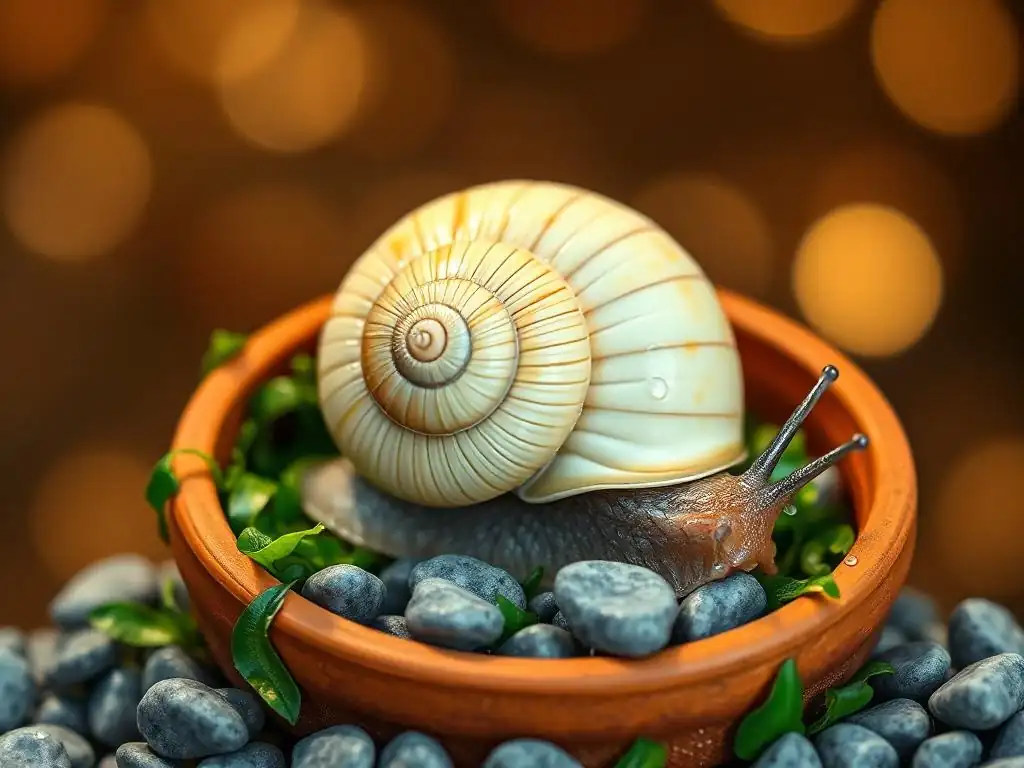
A holistic approach to calcium supplementation, combining multiple sources, is often the most effective strategy for ensuring robust calcium snails shell health. Relying on a single source may not be sufficient to meet the diverse needs of snails, especially those undergoing rapid growth, frequent reproduction, or recovering from shell damage. A multi-faceted strategy addresses both waterborne and dietary calcium requirements.
For instance, integrating a calcium-rich substrate like aragonite sand provides a stable, long-term buffer for water chemistry. This can be complemented by feeding calcium-enriched snail foods, ensuring direct dietary intake. Additionally, placing a slow-release option like a piece of cuttlebone in the tank offers a consistent supplemental source. This combined strategy ensures that snails have ample access to calcium from various pathways, supporting optimal shell development and overall vitality.
Providing a Balanced Diet: Ensuring Optimal Calcium Absorption
While the presence of calcium in the water and diet is crucial, its effective absorption and utilization by snails are equally important. A balanced diet, rich in other essential nutrients such as vitamins (especially Vitamin D, which aids calcium metabolism) and phosphorus, plays a significant role in ensuring that snails can efficiently process and incorporate available calcium into their shells and bodily functions. Without these co-factors, calcium may not be absorbed or utilized optimally.
Therefore, it is advisable to feed a varied diet that includes high-quality sinking pellets or wafers specifically formulated for snails, supplemented with blanched vegetables like zucchini, spinach, or kale (which are naturally calcium-rich). Occasional protein sources can also contribute to overall health. This diverse nutritional intake ensures that snails receive all the necessary components to metabolize calcium effectively, leading to stronger shells and overall enhanced calcium snails shell health.
Maintaining Stable Water Parameters: Crucial for Snail Shell Development
Consistency in water parameters is arguably as important as the absolute levels of calcium when it comes to snail shell development and overall health. Frequent or sudden fluctuations in pH and General Hardness (GH) can be more detrimental to snails than consistently slightly suboptimal but stable conditions. Snails expend significant energy and resources constantly adapting to changing water chemistry, which can divert energy away from essential processes like shell growth and repair.
Stable water parameters minimize stress on snails, allowing them to consistently absorb and utilize calcium without having to undergo physiological adjustments. Regular aquarium maintenance, including consistent feeding schedules, appropriate water changes, and stable temperature control, are all crucial elements in achieving this stability. A well-maintained, stable environment is fundamental for promoting robust shell development and ensuring long-term calcium snails shell health in your aquarium inhabitants.
Case Studies: Successful Calcium Supplementation for Snails in Aquariums.
Targeted calcium supplementation can dramatically reverse the signs of shell damage and promote thriving snail populations in freshwater aquariums. Observing real-world examples highlights the significant impact proper calcium management has on snail vitality and the structural integrity of their shells. These case studies demonstrate how proactive measures lead to healthier, more resilient snails.
Case Study 1: The Mystery Snail Revival
A hobbyist with a 29-gallon (110-liter) community tank noticed severe shell pitting and unusually thin new growth on their Mystery Snails. The tank's General Hardness (GH) consistently tested at a very low ~3 dGH (50 ppm), typical of their local tap water. To address this, the hobbyist introduced a small mesh bag containing 1.5 cups (approx. 300g) of crushed coral into the hang-on-back filter and began feeding calcium-fortified pellets (listing 4% calcium content) daily instead of their previous fish flakes. Within 2-3 months, new shell growth on all snails was noticeably thicker, opaque, and devoid of pitting. The tank's GH stabilized at a healthy 10-12 dGH (180-215 ppm). The snails became significantly more active, and within another month, began laying viable egg clutches again, demonstrating a direct and positive correlation between increased calcium availability and improved calcium snails shell health and reproductive success.
Case Study 2: Nerite Snail Shell Repair in a Planted Tank
In a heavily planted 10-gallon (38-liter) tank with CO2 injection, a hobbyist observed significant shell erosion on their Nerite Snails, particularly around the apex. The water parameters indicated a slightly acidic pH of 6.5-6.8 and a low GH of 6 dGH (100 ppm), conditions that, while good for plants, were slowly dissolving the snails' shells.
To mitigate this without drastically altering the planted tank's environment, the hobbyist adopted a two-pronged approach: they placed a small piece of cuttlebone (approximately 1.5 inches or 4 cm) directly in the tank, replacing it every 3-4 weeks as it dissolved, and began supplementing the snails' diet with blanched kale (a calcium-rich vegetable) twice weekly. Over a period of 4 months, while the existing erosion did not fully disappear, all new shell growth was robust, smooth, and showed no signs of pitting or thinning.
The snails' overall activity levels also visibly improved, showcasing how targeted, consistent calcium supplementation can successfully counteract the effects of acidic water on calcium snails shell health and support snail vitality.
Frequently Asked Questions
What is the role of calcium in snail shell health?
Calcium is essential for snails because it is a primary building block of their shells. Without sufficient calcium, their shells can become thin, brittle, and prone to damage.
How can I tell if my snails are calcium deficient?
Signs of calcium deficiency in snails include a thin or cracked shell, a pale shell color, and slow growth. You might also observe shell pitting or erosion.
What are the best ways to supplement calcium in my aquarium for my snails?
You can supplement calcium by adding calcium-rich foods like blanched spinach or kale, using calcium supplements specifically designed for aquariums, or including cuttlebone in the tank.
Can I add too much calcium to my aquarium?
Yes, adding too much calcium can lead to increased water hardness and potentially harmful pH levels. It's important to monitor water parameters regularly and adjust calcium supplementation accordingly.
Besides calcium, what other factors contribute to healthy snail shells?
Maintaining proper water parameters (pH, KH), providing a balanced diet, and preventing aggressive tank mates that might damage their shells are crucial for overall snail health, alongside adequate calcium levels.
Final Reflection: The Enduring Strength of Calcium
The journey through understanding calcium's vital role in snail shell health reveals a truth that extends far beyond the terrarium. What began as a focused exploration of dietary needs for these fascinating creatures ultimately underscores the fundamental importance of balance and proper nutrition for all living beings. The principles of providing adequate calcium, ensuring proper absorption, and recognizing deficiency signs are not just applicable to snails, but serve as a microcosm of broader ecological and biological truths.
This exploration has deeply influenced my perspective on the interconnectedness of life. Observing the fragility of a calcium-deficient shell underscores the delicate balance required for survival and thriving in any environment. The strength of the shell is a direct reflection of the environment in which it was formed.
This quote, though perhaps imagined, perfectly encapsulates the profound impact of even seemingly minor nutritional deficiencies. It reminds us that the health of an individual, be it a snail or a human, is inextricably linked to the resources and conditions available to them.
Now, consider the lessons learned about calcium, snails, and shell health. How can you apply this understanding of balanced nutrition and environmental awareness to your own life and the world around you? Let us all strive to cultivate environments, both internal and external, that foster strength, resilience, and vibrant health, remembering that even the smallest creatures can teach us the most profound lessons.
Nurture Your Snails: Unlock Their Shell-Shining Potential!
Thank you for diving into the world of snail health! Now that you're equipped with the knowledge to boost your snails' well-being, it's time to put that information into action and watch them thrive. Let’s make those shells shine!
Here's how you can give your snails the calcium boost they deserve:
- Prioritize calcium supplementation: Incorporate cuttlebone, calcium carbonate powder, or calcium-rich vegetables (like kale and spinach) into your snail's diet immediately! This is the single most important step to stronger, healthier shells.
- Explore diverse feeding options: Experiment with different calcium sources to discover your snails' preferences. Consider offering crushed eggshells or even a commercially prepared snail food enriched with calcium. Observe which they consume most eagerly.
- Share your snail care journey: Post photos of your healthy, shell-shining snails on social media using #AquariumMasterySnails. Help inspire other aquarists to provide optimal care for their invertebrate friends.
What's one new calcium source you're excited to introduce to your snails this week, and why?