
Aquarium Mastery: Achieving Stunning Acan Corals – Light, Flow & Placement

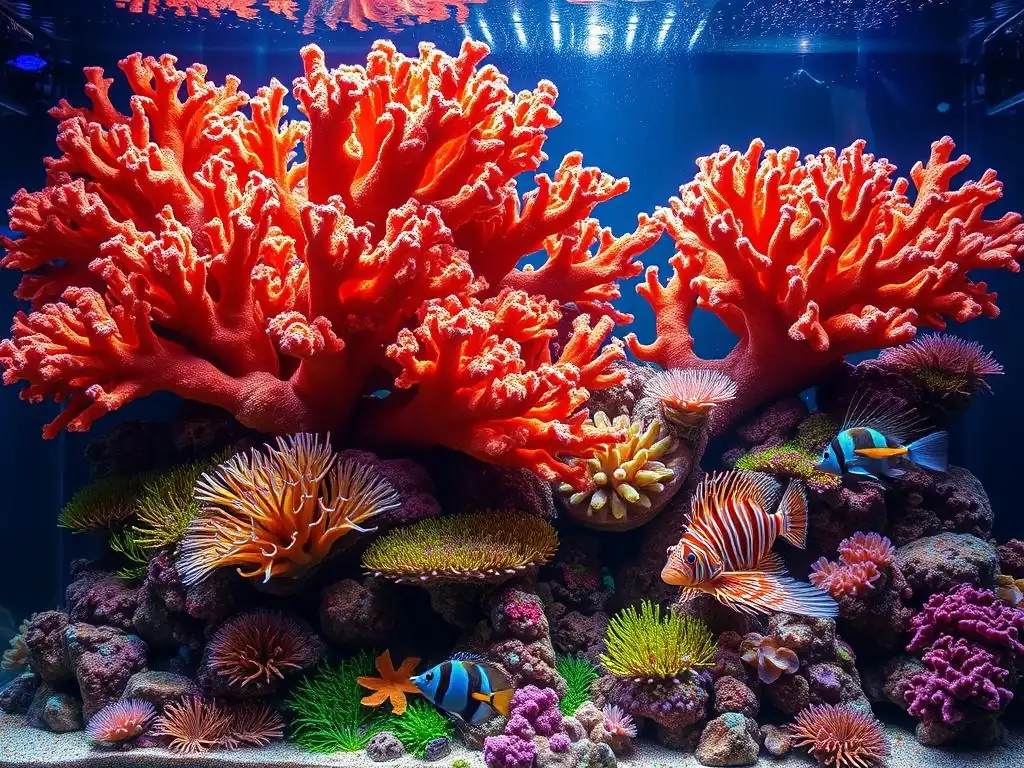
Welcome to Aquarium Mastery!
Ever wondered how to unlock the vibrant, glowing potential of your Acan corals? Discover the secrets to perfect illumination and placement with our in-depth guide to Acan coral lighting placement. Ready to transform your reef tank into a breathtaking underwater spectacle? Dive in and learn how!
- Mastering Acan Coral Care: Light, Flow & Placement for Success
- Understanding Acan Corals: An Introduction to Their Beauty and Care
-
The Importance of Lighting for Acan Coral Health and Color
- Acan Coral Lighting Requirements: PAR Levels and Spectrum (e.g., 50-150 PAR)
- Choosing the Right Aquarium Lights for Acan Corals: LED and T5
- How Light Intensity and Spectrum Affect Acan Coral Coloration (e.g., Blue Light and Pigmentation)
- Preventing Light Shock: Acclimating Acans to New Lighting (e.g., Gradual Intensity Increase)
-
Mastering Water Flow for Acan Corals: Promoting Growth and Health
- Understanding Acan Coral Flow Requirements: Moderate and Indirect
- Ideal Water Flow Patterns for Acan Corals in Reef Aquariums (e.g., Gentle, Varied Flow)
- The Impact of Insufficient or Excessive Flow on Acans (e.g., Tissue Recession, Sliming)
- Using Powerheads and Wave Makers to Optimize Flow for Acans (e.g., Diffused Flow)
-
Strategic Acan Coral Placement: Maximizing Growth and Aesthetics
- Selecting the Ideal Location for Acan Corals in Your Reef Tank (e.g., Lower to Mid-Regions)
- Acan Coral Placement and Lighting: Finding the Sweet Spot (e.g., Based on PAR)
- Considerations for Acan Coral Placement Near Other Corals (e.g., Sweeper Tentacles)
- Avoiding Aggression: Spacing Acans to Prevent Direct Contact (e.g., Sufficient Clearance)
- Optimizing Water Parameters for Thriving Acan Corals
- Maintaining Water Quality for Acan Corals
- Troubleshooting Common Acan Coral Problems
- Achieving Stunning Acan Corals: A Summary of Key Factors
-
Frequently Asked Questions
- What is the ideal lighting intensity for Acan corals in a saltwater aquarium?
- How does water flow affect the health and coloration of Acan corals?
- What is the best placement strategy for Acan corals within a reef tank?
- What are some common signs that an Acan coral is receiving insufficient or excessive light?
- How important is it to monitor water parameters, like alkalinity and calcium, for Acan coral health?
- Final Reflection: Illuminating the Beauty of Acan Corals
- Unleash Your Acan's True Colors!
Mastering Acan Coral Care: Light, Flow & Placement for Success
Understanding Acan Corals: An Introduction to Their Beauty and Care
What are Acan Corals? Identifying Key Species (Acanthastrea lordhowensis, Acanthastrea echinata)
Acan corals, primarily belonging to the genus Acanthastrea, are highly sought-after large polyp stony (LPS) corals in the reef aquarium hobby. They are admired for their vibrant colors, often featuring intricate patterns of reds, greens, blues, purples, and oranges. The most common species encountered are Acanthastrea lordhowensis (often referred to as Acan Lord) and Acanthastrea echinata. A. lordhowensis typically forms encrusting or massive colonies with distinct, individual polyps that have fleshy walls, while A. echinata tends to form more irregular, often lobed or columnar structures with a spikier appearance.
These captivating corals are native to the Indo-Pacific region, inhabiting diverse reef environments from shallow lagoons to deeper reef slopes. Their robust nature and relatively manageable care requirements make them an excellent choice for both intermediate and experienced aquarists. Understanding the specific characteristics of different Acanthastrea species is crucial for providing optimal care and achieving the desired aesthetic in a reef tank.
The Appeal of Acans: Color Variations, Growth Forms, and Reef Placement
The primary appeal of Acan corals lies in their extraordinary diversity of coloration and unique growth forms. Individual polyps can display multiple colors, creating a mosaic-like appearance that adds significant visual interest to any reef aquascape. For instance, an Acan Lord colony might showcase polyps with a deep red center, surrounded by a ring of electric green, and bordered by a vibrant blue. This kaleidoscope of colors makes them a focal point in many aquariums, drawing the eye with their intricate beauty.
In terms of growth, Acans typically form encrusting or sub-massive colonies, expanding outwards over the rockwork. This growth habit allows for flexible Acan coral lighting placement within the tank, as they can be placed on ledges, in crevices, or even on the sand bed, provided their lighting and flow needs are met. Their fleshy polyps retract during the day but extend at night, revealing their feeding tentacles. The combination of stunning aesthetics and adaptable growth makes Acans a perennial favorite among reef enthusiasts.
Acan Coral Care: A Comprehensive Overview
Caring for Acan corals involves a balanced approach to water parameters, lighting, and flow, ensuring their long-term health and vibrant coloration. While considered relatively hardy LPS corals, they thrive in stable conditions that mimic their natural reef environment. This includes consistent alkalinity, calcium, and magnesium levels, along with low but detectable nitrates and phosphates.
A comprehensive care regimen also encompasses regular feeding, as Acans are carnivorous and benefit from target feeding of meaty foods like mysis shrimp or brine shrimp. Maintaining pristine water quality through effective filtration and routine water changes is paramount. Attention to detail in these areas will ensure your Acan corals not only survive but truly flourish, displaying their full spectrum of colors and healthy, plump polyps.
The Importance of Lighting for Acan Coral Health and Color
Acan Coral Lighting Requirements: PAR Levels and Spectrum (e.g., 50-150 PAR)
Acan corals, being large polyp stony (LPS) corals, generally have moderate lighting requirements compared to their small polyp stony (SPS) counterparts. They primarily rely on zooxanthellae, symbiotic algae living within their tissues, for a significant portion of their nutritional needs through photosynthesis. Therefore, appropriate light intensity, measured in Photosynthetically Active Radiation (PAR), is critical. For most Acan species, a PAR range of 50 to 150 PAR is considered ideal.
Placing Acan corals in areas with excessively high PAR (e.g., above 200 PAR) can lead to bleaching, tissue recession, or a dulling of their vibrant colors as the zooxanthellae struggle to adapt or are expelled. Conversely, insufficient lighting (e.g., below 30 PAR) can cause the coral to lose color, become stretched, or slowly starve. A balanced spectrum, often leaning towards the blue end, is also beneficial, enhancing their natural fluorescence and promoting healthy pigmentation.
Choosing the Right Aquarium Lights for Acan Corals: LED and T5
When selecting lighting for an Acan coral display, LED fixtures and T5 fluorescent lights are both excellent choices, offering flexibility and control over intensity and spectrum. Modern LED lights provide precise control over PAR levels and color spectrum, allowing aquarists to fine-tune the light output to meet the specific needs of their Acans. Many LED units come with programmable schedules, enabling gradual intensity ramps that mimic natural sunrise and sunset cycles, reducing stress on the corals.
T5 fluorescent lights, particularly a combination of actinic and daylight bulbs, also provide excellent broad-spectrum light and even PAR distribution, which can be advantageous for Acan coral lighting placement. A common T5 setup might include a mix of blue-heavy bulbs (e.g., Blue Plus, Actinic) and a few white bulbs (e.g., Coral Plus, Aquablue Special) to achieve a visually appealing and biologically effective spectrum. Both LED and T5 systems can support stunning Acan coral growth and coloration when properly configured.
How Light Intensity and Spectrum Affect Acan Coral Coloration (e.g., Blue Light and Pigmentation)
The interplay between light intensity, spectrum, and Acan coral coloration is complex and fascinating. While zooxanthellae provide brown and green pigments, the vibrant reds, oranges, and purples seen in Acans are often due to their own fluorescent and non-fluorescent proteins. Blue light, specifically wavelengths around 450-470 nm, is particularly effective at stimulating the production of these colorful proteins, leading to more intense and striking hues. This is why many reef aquarists favor a "bluer" spectrum for their LPS corals.
However, it's a delicate balance. Too much intensity, even with an optimal spectrum, can stress the coral and cause it to "brown out" or bleach. The coral may increase its zooxanthellae density to cope with excess light, leading to a duller appearance. Conversely, inadequate light can result in faded colors. Optimal Acan coral lighting placement considers both PAR and spectral quality to maximize the coral's natural pigmentation and overall health.
Preventing Light Shock: Acclimating Acans to New Lighting (e.g., Gradual Intensity Increase)
Introducing Acan corals to new or significantly changed lighting conditions requires careful acclimation to prevent light shock. Light shock occurs when corals are suddenly exposed to much higher PAR levels than they are accustomed to, leading to stress, bleaching, or tissue recession. A common and effective method to prevent this is through a gradual intensity increase.
When adding new Acans to your tank or upgrading your lighting system, start by placing the corals in a lower-light area of the aquarium, such as on the sand bed or a shaded rock ledge, where the PAR is significantly lower (e.g., 30-50 PAR). Over several weeks, slowly move the coral upwards or to brighter spots, or gradually increase the intensity of your LED lights by 5-10% weekly, until the desired Acan coral lighting placement PAR level (50-150 PAR) is reached.
This slow transition allows the zooxanthellae to adapt to the new light environment, ensuring the coral's health and vibrant appearance.
Mastering Water Flow for Acan Corals: Promoting Growth and Health
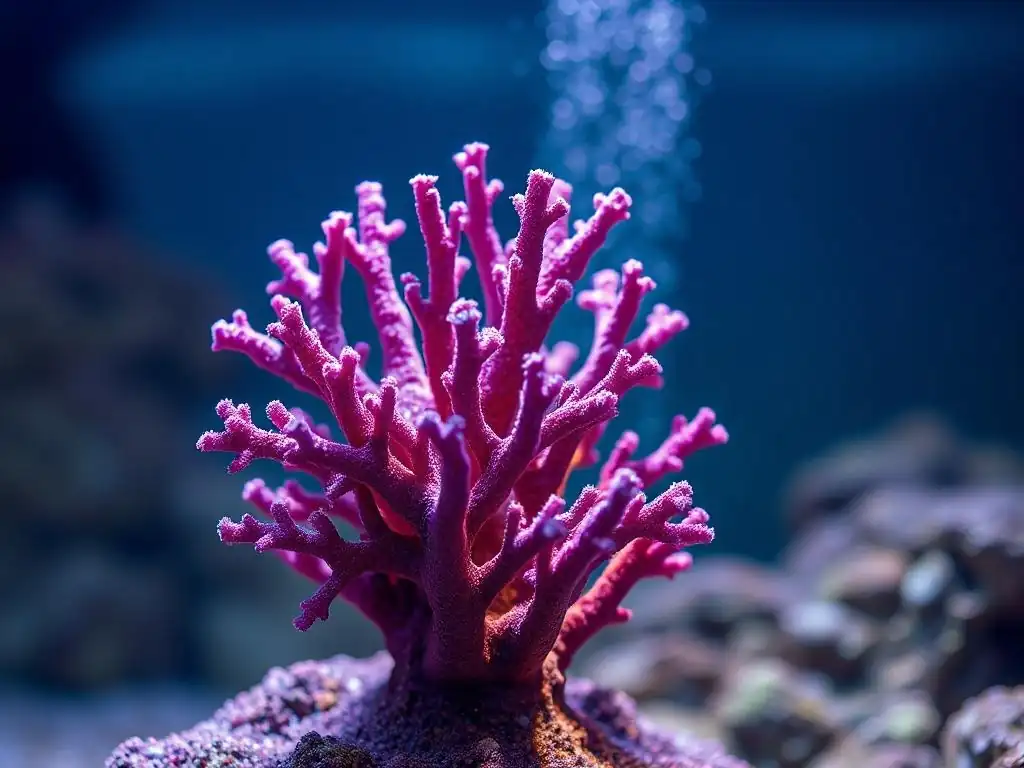
Understanding Acan Coral Flow Requirements: Moderate and Indirect
Unlike SPS corals that thrive in strong, turbulent flow, Acan corals prefer moderate and indirect water flow. Their fleshy polyps are susceptible to damage from direct, high-velocity currents, which can cause tissue erosion, prevent proper polyp extension, and hinder feeding. The ideal flow pattern for Acans should be gentle enough to allow their polyps to fully extend and capture food particles, yet sufficient to prevent detritus from settling on their surfaces.
A common misconception is that all corals need intense flow. For Acans, excessive flow can lead to stress, tissue retraction, and even brown jelly disease due as debris gets trapped and causes irritation. Instead, aim for a flow that causes their polyps to gently sway without being constantly blasted. This gentle motion aids in gas exchange, nutrient delivery, and waste removal without causing physical harm to the delicate coral tissue.
Ideal Water Flow Patterns for Acan Corals in Reef Aquariums (e.g., Gentle, Varied Flow)
Achieving the ideal water flow for Acan corals involves creating a gentle, varied, and somewhat indirect pattern within the aquarium. Instead of focusing a single, strong powerhead directly on the coral, utilize multiple smaller powerheads or a wave maker set to a random or pulse mode. This simulates the natural, fluctuating currents found on reef slopes where Acans thrive, preventing dead spots while avoiding constant, unidirectional blasting.
Position powerheads to reflect off the aquarium glass or rockwork, diffusing the flow before it reaches the Acans. For example, placing a powerhead on an opposing wall or aiming it towards the surface can create a broad, gentle current that washes over the corals. This ensures that detritus is kept in suspension for the filtration system to remove, and food particles are delivered without overwhelming the coral.
The Impact of Insufficient or Excessive Flow on Acans (e.g., Tissue Recession, Sliming)
Both insufficient and excessive water flow can have detrimental effects on Acan corals. Insufficient flow leads to the accumulation of detritus and waste products on the coral's surface, which can smother the polyps, promote bacterial growth, and eventually lead to tissue necrosis or "brown jelly disease." Without adequate flow, the coral also struggles with gas exchange and nutrient uptake, causing it to appear dull, retracted, and generally unhealthy.
Conversely, excessive or direct flow can cause significant physical stress. This often manifests as tissue recession, where the coral's fleshy polyps recede from its skeleton, exposing bare areas. The coral may also produce excessive slime as a protective response to constant irritation. In severe cases, high flow can prevent the coral from extending its feeding tentacles, leading to starvation over time. Observing your Acans' polyp extension and overall appearance is key to determining if their flow conditions are optimal.
Using Powerheads and Wave Makers to Optimize Flow for Acans (e.g., Diffused Flow)
Optimizing water flow for Acan corals involves strategic placement and selection of powerheads and wave makers. Smaller, wide-angle powerheads are generally preferred over narrow, high-velocity jets. Devices that offer random flow patterns or gyre-like motion can create a more natural, diffused flow that benefits Acans. For instance, a small, adjustable powerhead positioned a few feet away from the Acan, aimed at the opposite wall or towards the surface, will create a gentle, indirect current.
Another effective technique is to use diffusers or spray bars on powerheads to break up strong jets into a broader, softer current. Some advanced wave makers allow for custom programming, enabling periods of gentle flow interspersed with brief, slightly stronger pulses to dislodge detritus. Regularly observe your Acan corals' polyp extension; if they are fully extended and gently swaying without appearing "blown away," your flow is likely optimized.
Strategic Acan Coral Placement: Maximizing Growth and Aesthetics
Selecting the Ideal Location for Acan Corals in Your Reef Tank (e.g., Lower to Mid-Regions)
Strategic Acan coral placement is crucial for their long-term health and to maximize their aesthetic appeal within your reef aquarium. Given their moderate light requirements, Acans typically thrive in the lower to mid-regions of the tank. This area usually receives the ideal PAR levels (50-150 PAR) without the risk of light shock that can occur in the brighter upper regions. Placing them on the sand bed, on lower rock ledges, or in crevices that offer some natural shading can provide the perfect environment.
Consider the line of sight when placing Acans; their vibrant colors make them excellent candidates for prominent, eye-level positions. However, ensure they are not shaded by taller, faster-growing corals, which could lead to light deprivation. Proper Acan coral lighting placement ensures they receive consistent, appropriate illumination, which is fundamental to their coloration and growth.
Acan Coral Placement and Lighting: Finding the Sweet Spot (e.g., Based on PAR)
Finding the "sweet spot" for Acan coral lighting placement is a critical aspect of their care. This involves not only choosing the right vertical height but also considering any shadowing from other aquascape elements or corals. The goal is to position the Acan where it consistently receives its preferred PAR range of 50-150. Using a PAR meter to measure light intensity at various points in your tank is the most accurate way to determine the best location.
For example, if your lighting system provides 300 PAR at the water surface, a good starting point for Acan coral lighting placement might be two-thirds of the way down the tank, or on the sand bed if the tank is shallow. Observe the coral's response: if it appears bleached or retracted, move it to a lower light area; if it stretches or loses color, consider moving it slightly higher. Consistent observation and minor adjustments are key to optimizing Acan coral lighting placement and ensuring vibrant health.
Considerations for Acan Coral Placement Near Other Corals (e.g., Sweeper Tentacles)
Acan corals, like many LPS corals, possess nematocyst-laden sweeper tentacles that they can extend, particularly at night, to defend their territory. These tentacles can inflict damage on neighboring corals, causing tissue necrosis or stinging. Therefore, adequate spacing is a vital consideration for Acan coral placement. It is recommended to leave a buffer zone of at least 3-6 inches (7-15 cm) between an Acan colony and other corals, especially more sensitive SPS or soft corals.
While Acans are generally less aggressive than some other LPS corals like Euphyllia, it is still prudent to provide them with ample personal space. This not only prevents direct chemical or physical aggression but also allows for future growth without overcrowding. Monitoring their tentacle extension at night can help you gauge if your initial Acan coral placement provides sufficient clearance.
Avoiding Aggression: Spacing Acans to Prevent Direct Contact (e.g., Sufficient Clearance)
Preventing direct contact between Acan corals and other tank inhabitants is essential for a peaceful and thriving reef environment. Beyond sweeper tentacles, some corals can release allelopathic chemicals, which are toxins that inhibit the growth or health of nearby corals. While Acans are relatively hardy, constant exposure to such chemicals can stress them. Therefore, providing sufficient clearance is a fundamental aspect of strategic Acan coral placement.
When planning your aquascape, visualize the mature size of your Acan colonies and other corals. Consider their potential for growth and expansion over months or years. For instance, if you anticipate an Acan colony growing to 4-5 inches in diameter, ensure it has a surrounding buffer zone of at least 2-3 inches on all sides from other corals. This proactive approach to Acan coral placement minimizes aggression, reduces stress, and promotes the long-term health and vibrance of all your corals.
Optimizing Water Parameters for Thriving Acan Corals
Maintaining Stable Alkalinity, Calcium, and Magnesium Levels (e.g., dKH 8-11, Ca 400-450, Mg 1280-1350)
Maintaining stable water parameters is paramount for the health and growth of Acan corals, as they are stony corals that require these elements for skeletal formation. The target ranges for these parameters are consistent with most stony corals:
- Alkalinity (dKH): Aim for a stable range of 8 to 11 dKH. Fluctuations in alkalinity are particularly detrimental, potentially causing tissue recession or "burnt tips."
- Calcium (Ca): Maintain levels between 400 to 450 ppm. Calcium is the primary building block for their aragonite skeleton.
- Magnesium (Mg): Keep magnesium levels between 1280 to 1350 ppm. Magnesium helps corals absorb calcium and alkalinity effectively and prevents calcium precipitation.
Regular testing using reliable test kits is essential to monitor these parameters. Dosing solutions, calcium reactors, or kalkwasser can be used to replenish consumed elements and maintain stability. Consistency is more important than hitting exact numbers; avoid large swings.
The Role of Nitrate and Phosphate in Acan Coral Health (e.g., Moderate Nutrient Levels)
Unlike some SPS corals that prefer ultra-low nutrient systems (ULNS), Acan corals generally thrive in systems with moderate, but not excessive, levels of nitrates and phosphates. While high levels can lead to nuisance algae growth and coral stress, extremely low levels can also be detrimental, potentially leading to faded colors or slow growth due to zooxanthellae starvation.
For Acans, target nitrate levels typically range from 1 to 10 ppm, and phosphate levels from 0.02 to 0.08 ppm. These levels provide sufficient nutrients for the symbiotic zooxanthellae without promoting excessive algae. Regular feeding of the corals themselves, along with fish, contributes to these nutrient levels. Monitoring with accurate test kits and adjusting feeding or filtration (e.g., protein skimmers, GFO reactors) as needed will ensure optimal nutrient balance for your Acans.
Regular Water Changes and Their Impact on Acan Corals (e.g., Replenishing Trace Elements)
Regular water changes are a cornerstone of maintaining optimal water quality for Acan corals. While dosing systems can replenish major elements, water changes serve multiple crucial functions. They dilute accumulated waste products, reduce undesirable organic compounds, and, most importantly, replenish essential trace elements that are consumed by corals and other invertebrates.
Trace elements like strontium, iodine, potassium, and boron are vital for coral health, growth, and coloration, even if they are needed in minute quantities. A routine of 10-20% water change every 1-2 weeks using high-quality salt mix and RODI water is generally recommended. This practice contributes significantly to the overall stability and health of the reef system, ensuring that Acan corals have all the necessary components for vibrant growth and robust health.
Maintaining Water Quality for Acan Corals
Monitoring and Adjusting Salinity, Temperature, and pH
Beyond the core parameters of alkalinity, calcium, and magnesium, maintaining stable salinity, temperature, and pH is equally vital for Acan coral health.
- Salinity: A stable salinity of 1.025-1.026 specific gravity (or 35 ppt) is crucial. Fluctuations can cause osmotic stress. An auto top-off (ATO) system helps maintain stable salinity by replacing evaporated freshwater.
- Temperature: Acan corals thrive in a consistent temperature range of 76-78°F (24.4-25.5°C). Sudden temperature swings can lead to bleaching or stress. Heaters and chillers (if necessary) are essential for temperature control.
- pH: The ideal pH range for a reef tank is 8.0 to 8.4. While pH can naturally fluctuate throughout the day, drastic swings outside this range can stress corals. Good gas exchange (surface agitation, air stone) and proper alkalinity levels help stabilize pH.
Regular monitoring with calibrated instruments (refractometer for salinity, thermometer for temperature, pH probe) allows for timely adjustments, preventing stress and promoting the overall well-being of Acan corals.
The Nitrogen Cycle and its Importance for Acan Health
A fully cycled aquarium with a robust biological filtration system is fundamental for Acan coral health. The nitrogen cycle converts toxic ammonia and nitrite, produced by fish waste and decaying organic matter, into less harmful nitrate. Acan corals are intolerant of ammonia and nitrite; even small concentrations can quickly lead to tissue necrosis or death.
Establishing a mature biological filter, often through live rock and sand, is critical before introducing any corals. Regular testing for ammonia and nitrite (especially in new tanks) ensures the cycle is complete. Maintaining a healthy population of beneficial bacteria through proper tank maintenance and avoiding sudden large disturbances helps keep these toxic compounds at bay, providing a stable and safe environment for Acan corals to thrive.
Utilizing Filtration Methods (e.g., Skimmers, Reactors) for Water Quality
Effective filtration is key to maintaining the pristine water quality that Acan corals require.
- Protein Skimmers: These devices remove organic waste before it breaks down into nitrates and phosphates. A well-sized and efficiently operating protein skimmer is one of the most effective tools for nutrient export and maintaining low dissolved organic compounds.
- Media Reactors: Reactors can be used with various media to address specific water quality issues. For instance, GFO (Granular Ferric Oxide) or similar phosphate-removing media can be used in a reactor to keep phosphate levels in check. Activated carbon can be run in a reactor to remove yellowing compounds and other organic pollutants, improving water clarity and light penetration, which indirectly benefits Acan coral lighting placement.
- Refugiums: A refugium, often with macroalgae like Chaetomorpha, can act as a natural nutrient export method, consuming nitrates and phosphates while also providing a habitat for beneficial microfauna.
Combining these filtration methods with regular water changes creates a comprehensive approach to water quality management, ensuring a stable and healthy environment for vibrant Acan corals.
Troubleshooting Common Acan Coral Problems
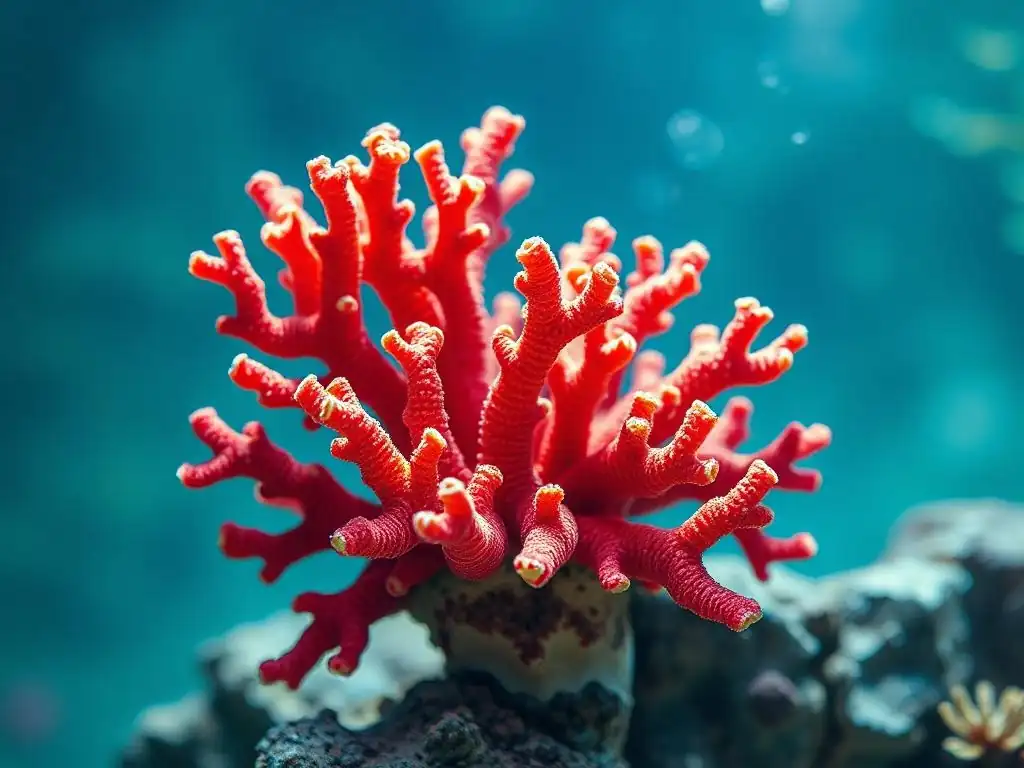
Identifying and Addressing Acan Coral Bleaching (e.g., Temperature, Light, Stress)
Acan coral bleaching is a distressing sign where the coral expels its symbiotic zooxanthellae, leading to a loss of color and a pale, translucent appearance. This is primarily a stress response and can be triggered by several factors:
- Temperature Swings: Sudden or prolonged high temperatures (above 82°F / 27.8°C) are a major cause.
- Excessive Light: Too high PAR, especially if sudden, can overwhelm the zooxanthellae. This highlights the importance of careful Acan coral lighting placement.
- Poor Water Quality: Drastic fluctuations in alkalinity, calcium, or magnesium, or elevated ammonia/nitrite levels, can induce stress.
- Physical Stress: Rough handling, persistent high flow, or aggression from other tank inhabitants.
To address bleaching, identify and rectify the stressor immediately. If it's light-related, move the coral to a shaded area or reduce light intensity. If temperature is the issue, take steps to stabilize it. Consistent water parameters and gentle handling are crucial for recovery. Early intervention significantly improves the chances of recovery.
Recognizing and Treating Acan Coral Diseases (e.g., Brown Jelly Disease, Tissue Necrosis)
Acan corals can be susceptible to various diseases, with Brown Jelly Disease (BJD) and Tissue Necrosis being among the most common and rapidly progressing.
- Brown Jelly Disease: Characterized by a thick, slimy, brown "jelly-like" substance rapidly consuming coral tissue. It's often a bacterial infection, sometimes triggered by a physical injury or stressor. Immediate action is required:
- Carefully remove the affected coral from the main tank.
- Gently siphon off the brown jelly.
- Dip the coral in an iodine-based solution or a coral dip (following product instructions) for a few minutes.
- Consider fragging (cutting) off the healthy parts if the disease is localized, discarding the infected portion.
- Tissue Necrosis (RTN/STN): Rapid Tissue Necrosis (RTN) or Slow Tissue Necrosis (STN) involves the coral tissue receding from the skeleton. While more common in SPS, Acans can also suffer from it, often due to significant stress (e.g., parameter swings, prolonged high flow, or even starvation). The exposed skeleton may appear white. Addressing the underlying stressor is key, and sometimes fragging can save unaffected parts.
Prompt identification and intervention are critical for treating Acan coral diseases, as they can spread quickly in a closed system.
Dealing with Pests that Affect Acan Corals (e.g., Nudibranchs, Red Bugs)
While Acans are generally less prone to specialized pests than some SPS corals, they can still be targeted by certain unwelcome guests.
- Nudibranchs: Specifically, Phestilla spp. nudibranchs can prey on Acans, often camouflaging themselves perfectly with the coral's coloration. They are difficult to spot but leave characteristic bite marks or cause tissue recession.
- Detection: Inspect new corals carefully. Look for small, worm-like creatures, especially at night or near damaged tissue.
- Treatment: Manual removal (using tweezers) is the primary method. Repeated dips in coral pest treatments (e.g., Revive, Coral RX) can help, but ensure the product is safe for Acans. Quarantining new corals is highly recommended.
- Red Bugs (Tegastes acroporanus): While primarily an Acropora pest, they can sometimes infest other corals, including Acans, causing irritation and preventing full polyp extension.
- Detection: Small, reddish-orange copepods visible on the coral surface.
- Treatment: Specific treatments like Interceptor (milbemycin oxime) are effective but require careful dosing and often a veterinary prescription or specialized reef store. Quarantining new corals and inspection are crucial.
Regular observation of your Acan corals, especially during nighttime hours when some pests are more active, is the best defense against infestations. Dipping all new corals before introduction to the main display tank is a highly effective preventative measure.
Achieving Stunning Acan Corals: A Summary of Key Factors
Light, Flow, and Placement: The Cornerstone of Acan Coral Success
Achieving truly stunning Acan corals hinges on mastering the trifecta of light, flow, and placement. These three factors are intrinsically linked and dictate the coral's health, growth, and vibrant coloration. Optimal Acan coral lighting placement ensures they receive the moderate PAR levels (50-150 PAR) and spectral quality necessary for photosynthesis and pigment development, preventing both bleaching and starvation.
Complementing precise lighting, moderate and indirect water flow is essential. This gentle, varied current allows for full polyp extension, efficient waste removal, and nutrient delivery without causing physical damage or tissue recession. Finally, strategic Acan coral placement within the aquascape considers both the light and flow requirements, along with adequate spacing to prevent aggression from neighboring corals, ensuring an environment where Acans can flourish and display their full, captivating beauty.
Long-Term Care and Maintenance for Vibrant Acan Corals
Beyond the initial setup, long-term care and consistent maintenance are crucial for keeping Acan corals vibrant and healthy for years. This involves unwavering dedication to stable water parameters, including alkalinity, calcium, magnesium, salinity, temperature, and pH. Regular testing and consistent dosing or water changes are non-negotiable.
Furthermore, a balanced feeding regimen is important. While zooxanthellae provide much of their nutrition, target feeding meaty foods like mysis shrimp or copepods 1-2 times a week significantly boosts their growth and coloration. Maintaining pristine water quality through effective filtration, such as protein skimming and appropriate media usage, prevents the buildup of harmful organics. Diligent observation for any signs of stress, disease, or pests allows for early intervention, ensuring your Acans remain a highlight of your reef tank.
Advanced Techniques for Propagating Acan Corals (e.g., Fragging)
For aquarists looking to expand their Acan collection or share their vibrant corals, propagation through fragging is a rewarding advanced technique. Acan corals are relatively easy to frag due to their distinct polyp structure.
- Preparation: Gather necessary tools: a sharp bone cutter, Dremel with a diamond wheel, or a coral saw, and a clean container of tank water. Wear eye protection.
- Process: Identify individual polyps or small clusters of polyps with a clear skeletal separation. Carefully cut through the skeletal base, ensuring each frag has at least one mouth and some healthy tissue.
- Post-Fragging: Dip the fresh frag in an iodine-based coral dip to prevent infection. Attach the frag to a frag plug or small piece of live rock using coral glue or epoxy. Place the frag in a lower-flow, lower-light area of the tank for a few weeks to allow it to heal and encrust before moving it to its ideal Acan coral lighting placement.
Fragging not only allows for propagation but can also be a method to prune overgrown colonies or save healthy portions of a diseased coral. With careful technique, fragging can be a successful way to share the beauty of Acan corals.
Frequently Asked Questions
What is the ideal lighting intensity for Acan corals in a saltwater aquarium?
Acan corals generally prefer moderate lighting. Direct, intense light can bleach them. Aim for a PAR (Photosynthetically Active Radiation) level of around 50-150.
How does water flow affect the health and coloration of Acan corals?
Moderate, indirect water flow is crucial. It delivers nutrients and removes waste. Too much flow can irritate them, while too little can lead to algae buildup.
What is the best placement strategy for Acan corals within a reef tank?
Place them in the lower to middle sections of the tank. This provides sufficient light without overexposure. Observe their reaction to light and flow and adjust accordingly.
What are some common signs that an Acan coral is receiving insufficient or excessive light?
Insufficient light may result in browning or fading coloration. Excessive light may cause bleaching or paleness. Adjust lighting or placement based on these observations.
How important is it to monitor water parameters, like alkalinity and calcium, for Acan coral health?
Maintaining stable water parameters is vital. Alkalinity, calcium, and magnesium levels impact skeletal growth and overall health. Regular testing and adjustments are essential.
Final Reflection: Illuminating the Beauty of Acan Corals
The journey to mastering Acan coral care is more than just following a set of instructions; it's about understanding the delicate interplay of light, flow, and placement to unlock the vibrant potential within these captivating creatures. In a world increasingly disconnected from the natural wonders around us, cultivating a thriving reef aquarium offers a tangible connection to the ocean's beauty, bringing a slice of its magic into our homes.
This pursuit has profoundly influenced my own appreciation for the intricate ecosystems that thrive beneath the waves. Witnessing the subtle shifts in color and growth in response to carefully calibrated conditions is a constant reminder of the power of observation and patience. In the end, we will conserve only what we love; we will love only what we understand; and we will understand only what we are taught.
- Baba Dioum. This quote resonates deeply, highlighting the importance of education and hands-on experience in fostering a genuine connection with the natural world and inspiring conservation efforts.
Now, I invite you to reflect on your own relationship with the natural world. Consider how you can apply the principles of careful observation, patient experimentation, and a deep understanding of environmental needs, not just to Acan coral care, but to all aspects of your life. Embrace the challenge of creating a thriving ecosystem, whether it's within the confines of your aquarium or in the broader context of your community. Let the vibrant beauty of Acan corals inspire you to cultivate a world where both nature and humanity can flourish.
Unleash Your Acan's True Colors!
Thank you for exploring the fascinating world of Acan corals! We hope you've gained valuable insights to help your Acans thrive. Now it's time to translate that knowledge into vibrant color and stunning growth in your own reef tank. Here's how to continue your Acan coral journey:
- Start experimenting! Gently adjust the lighting intensity or placement of one Acan colony and observe the results over a week. Document your changes to understand what your Acans prefer.
- Dive deeper: Research the specific light requirements of different Acan species. Understanding their natural habitats can unlock even greater success in your aquarium.
- Share your Acan transformation! Post before-and-after photos of your Acans in our forum or on social media using #AquariumMasteryAcan. Let's inspire each other!
What unexpected change will you make in your tank to see your Acans flourish?