
Sally Lightfoot Crabs: Agile Algae Eaters or Opportunistic Predators?

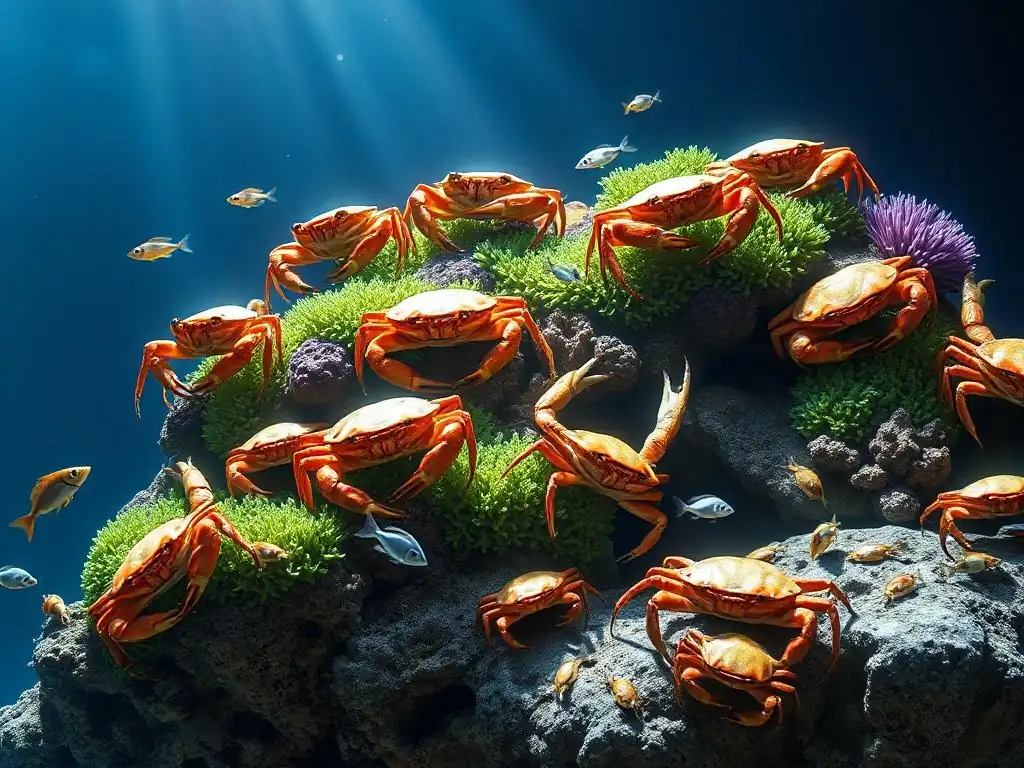
Welcome to Aquarium Mastery, your ultimate guide to thriving aquatic ecosystems!
Intrigued by the enigmatic Sally Lightfoot Crab? These agile invertebrates are renowned algae eaters, but is that all there is to their diet? Dive into our comprehensive exploration of the Sally Lightfoot Crab Diet to uncover the secrets of keeping these fascinating creatures healthy and happy in your freshwater or saltwater aquarium. Prepare to be surprised!
- Understanding the Sally Lightfoot Crab: A Profile for Saltwater Aquariums
- The Sally Lightfoot Crab Diet: Algae, Detritus, and More
- Are Sally Lightfoot Crabs Herbivores, Carnivores, or Omnivores?
- Optimizing the Sally Lightfoot Crab Diet in Captivity
- Sally Lightfoot Crab Behavior: Implications for Tank Mates
- The Role of Sally Lightfoot Crabs in Reef Tank Clean-Up Crews
- Potential Problems with Sally Lightfoot Crabs: Predation and Aggression
- Is the Sally Lightfoot Crab Right for Your Saltwater Aquarium?
-
Frequently Asked Questions
- What is the primary diet of a Sally Lightfoot Crab in a reef aquarium?
- Are Sally Lightfoot Crabs reef safe and what do they eat besides algae?
- What should I feed a Sally Lightfoot Crab if there isn't enough algae in my tank?
- How often should I feed a Sally Lightfoot Crab supplementary food?
- Can Sally Lightfoot Crabs become aggressive towards other tank inhabitants if they are not properly fed?
- Final Reflection: Unveiling Nature's Adaptability
- Unleash Your Inner Reefkeeper!
Understanding the Sally Lightfoot Crab: A Profile for Saltwater Aquariums
Introducing Percnon gibbesi: The Sally Lightfoot Crab
The Sally Lightfoot Crab, scientifically known as Percnon gibbesi, is a fascinating and often debated inhabitant of saltwater aquariums. Its common name is derived from its incredibly agile and quick movements across rocks and reef surfaces, reminiscent of a dancer. Belonging to the family Plagusiidae, these crabs are true crabs, distinguishing them from hermit crabs. In their natural environment, they play a crucial role as scavengers, contributing to the cleanliness of their ecosystems by consuming detritus and various forms of algae.
While visually striking and active, their inclusion in a reef tank is often considered carefully due to their complex dietary habits. They are known for their efficiency as part of a clean-up crew, but their opportunistic nature means their Sally Lightfoot Crab diet can sometimes extend beyond just algae and detritus to include smaller, less agile tank mates. Understanding their natural tendencies is key to successfully integrating them into a captive environment.
Natural Habitat and Distribution of Sally Lightfoot Crabs
Percnon gibbesi is widely distributed throughout the Western Atlantic Ocean, extending from the southeastern United States (Florida and the Gulf of Mexico) down through the Caribbean Sea and along the coast of South America to Brazil. They are also found in the Eastern Atlantic, including regions around the Canary Islands and the Azores. These crabs thrive in the intertidal and subtidal zones, preferring rocky shorelines, tide pools, and the shallow reef crests where there is abundant water movement and plenty of surfaces for grazing.
In these natural settings, Sally Lightfoot Crabs are frequently observed clinging to rocks and coral, navigating crevices with remarkable speed and precision. The availability of diverse food sources, primarily various types of algae and organic detritus, dictates their presence in these areas. Water parameters in their native range typically include temperatures between 72-82°F (22-28°C) and salinity levels consistent with oceanic conditions, around 1.025 specific gravity.
Sally Lightfoot Crab Size and Appearance
Sally Lightfoot Crabs are relatively small but possess a distinctive, flattened body shape that allows them to squeeze into tight crevices and hug rock surfaces, making them incredibly agile. Adult specimens typically reach a carapace width of about 2 to 3 inches (5 to 7.5 cm), with their long, spidery legs extending their overall span significantly. Their coloration can vary widely, adapting to their environment, ranging from mottled browns and dark reds to purplish-black, often with subtle patterns that provide excellent camouflage against rocky backgrounds.
Their eyes are located on short, movable stalks, giving them a wide field of vision, and their claws (chelipeds) are relatively small and designed for scraping and picking rather than crushing. The combination of their flat body, long legs, and adhesive-like grip on their walking legs contributes to their namesake agility, allowing them to cling securely even in strong currents and quickly evade predators.
The Sally Lightfoot Crab Diet: Algae, Detritus, and More
What Do Sally Lightfoot Crabs Eat? The Primary Food Sources
The Sally Lightfoot Crab diet is fundamentally omnivorous, meaning they consume a wide variety of food sources, primarily focusing on plant matter and decaying organic material. In their natural habitat, their primary sustenance comes from grazing on various forms of benthic algae and scavenging for detritus. This adaptable feeding strategy allows them to thrive in diverse environments where food availability can fluctuate. Their small, specialized mouthparts are well-suited for scraping microscopic film algae and picking up minute particles of decaying matter from rock surfaces and substrate.
While their reputation often highlights their role as algae eaters, it's crucial to understand that their dietary needs extend beyond just plant-based foods. They are highly opportunistic feeders, and their nutritional requirements are met through a combination of grazing and scavenging. This broad spectrum of food consumption is a key characteristic of the Sally Lightfoot Crab diet, influencing their behavior in both the wild and the home aquarium.
Algae Consumption: A Key Component of the Sally Lightfoot Crab Diet
Algae forms a significant and often preferred part of the Sally Lightfoot Crab diet. These crabs are particularly adept at grazing on various types of nuisance algae that commonly plague reef aquariums, including film algae, diatoms (brown algae), and certain types of green hair algae. They meticulously scrape these growths from live rock, tank walls, and even coral skeletons, contributing to the aesthetic cleanliness of the tank. Their flat bodies and strong legs allow them to access tight spots and cling firmly while they graze, making them effective clean-up crew members for surface algae.
While they are efficient grazers, it is important to note that they are not a guaranteed solution for severe or persistent algae outbreaks, especially for more robust or undesirable forms like bryopsis or bubble algae. However, their consistent, diligent grazing on daily accumulating film algae and diatoms makes them valuable contributors to maintaining a balanced ecosystem within the aquarium. A single adult Sally Lightfoot Crab can effectively keep a 30-gallon tank relatively free of common film algae.
Detritus Feeding: Scavenging in the Reef Tank
Beyond algae, detritus constitutes another vital component of the Sally Lightfoot Crab diet. Detritus in an aquarium refers to the accumulation of decaying organic matter, which can include uneaten fish food, fish waste, decaying plant matter, and other biological debris. Sally Lightfoot Crabs are highly efficient scavengers, constantly sifting through the substrate and picking off particles from the rockwork. This scavenging behavior is not only crucial for their own nutrition but also plays a beneficial role in nutrient cycling within the aquarium.
By consuming detritus, these crabs help to reduce the organic load in the tank, preventing the buildup of harmful nitrates and phosphates that can fuel further algae growth. Their meticulous nature means they will often seek out and consume small morsels of food that other tank inhabitants might miss, ensuring that very little goes to waste. This aspect of the Sally Lightfoot Crab diet makes them excellent members of a clean-up crew, working to maintain overall water quality and tank hygiene.
Sally Lightfoot Crab Feeding Habits in the Reef Aquarium
In a typical reef aquarium setting, Sally Lightfoot Crabs exhibit a combination of diurnal and nocturnal feeding behaviors, though they are often more active during the evening hours or when the tank lights are dim. They are relentless grazers and scavengers, constantly moving across rockwork, glass, and substrate in search of food. Their agility allows them to navigate complex aquascapes, reaching areas that other clean-up crew members might struggle to access.
When food is abundant, they will primarily focus on algae and detritus. However, their opportunistic nature means they are quick to respond to any available food source. If fish food is introduced, they will often emerge to scavenge any particles that settle on the bottom or on rocks, demonstrating their adaptability. It's important to observe their feeding habits to ensure they are getting enough to eat from natural sources, as an insufficient Sally Lightfoot Crab diet can lead to them seeking out alternative, potentially undesirable, food items.
Are Sally Lightfoot Crabs Herbivores, Carnivores, or Omnivores?
Analyzing the Sally Lightfoot Crab's Dietary Classification
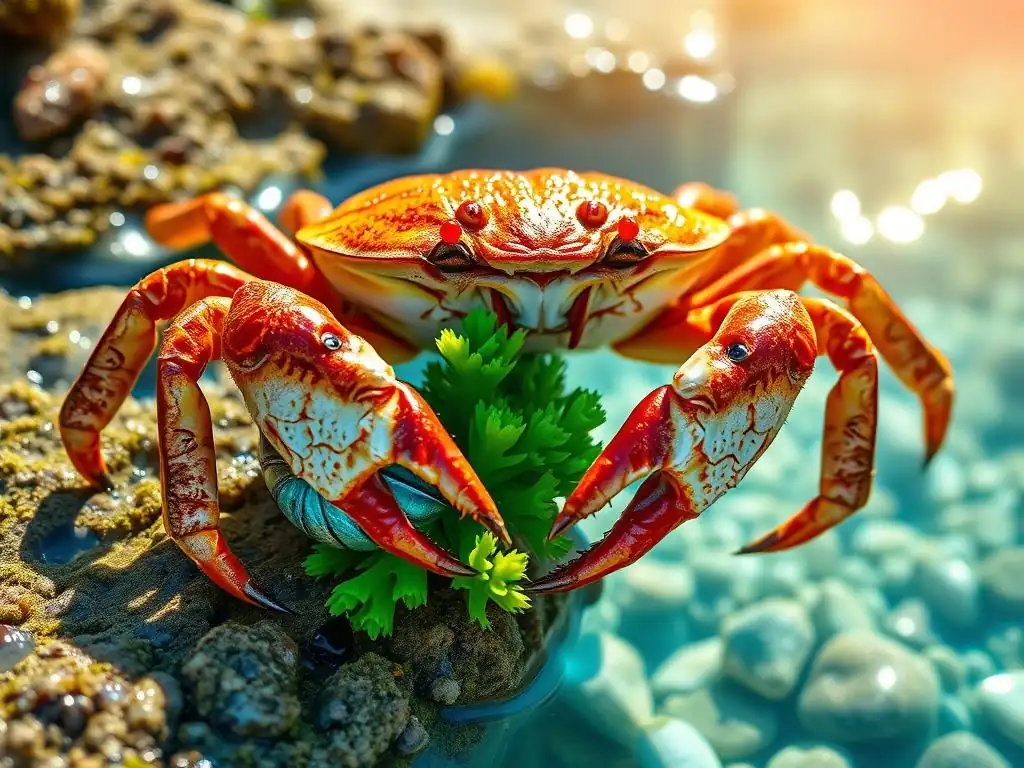
Based on their feeding habits in both their natural environment and in captivity, Sally Lightfoot Crabs are definitively classified as omnivores. While a significant portion of the Sally Lightfoot Crab diet consists of plant matter like various types of algae, they are also avid scavengers of detritus and will readily consume animal protein when the opportunity arises. This broad dietary classification distinguishes them from strict herbivores (like many tangs or snails) or strict carnivores (like many predatory fish).
Their digestive system and mouthparts are adapted to process a wide range of food types, allowing them to derive nutrients from both plant and animal sources. This adaptability is a key factor in their survival and widespread distribution in diverse marine environments. Understanding their omnivorous nature is crucial for aquarists, as it directly impacts their compatibility with other tank inhabitants and the feeding strategies required to keep them healthy.
Opportunistic Predation: When Sally Lightfoot Crabs Become Carnivorous
The "opportunistic predator" aspect of the Sally Lightfoot Crab diet is what often causes concern among reef tank enthusiasts. While their primary role is that of an herbivorous scavenger, under certain conditions, these crabs will shift their focus to consume live animal protein.
This predatory behavior is typically triggered by a lack of sufficient algae and detritus, or when an easy meal presents itself, such as a sick, dying, or recently molted invertebrate. They are not active hunters in the sense of chasing down healthy, fast-moving fish, but their speed and agility make them effective ambush predators for slower or vulnerable prey.
This switch to a more carnivorous diet highlights their survival instincts; if their preferred food sources are scarce, they will adapt to ensure their nutritional needs are met. For example, in a tank with very little algae and no supplemental feeding, a Sally Lightfoot Crab might become increasingly bold in its pursuit of other invertebrates.
Preying on Small Invertebrates: A Potential Risk in Reef Tanks
The potential for Sally Lightfoot Crabs to prey on small invertebrates is a significant consideration for reef aquarists. While not their primary mode of feeding, they are known to attack and consume various small, slow-moving, or vulnerable invertebrates. This can include desirable members of a clean-up crew, such as small snails (e.g., Nassarius snails, Astrea snails, Cerith snails), and even small hermit crabs, especially if the hermit crab is in the process of molting or struggling to find a new shell.
The risk increases dramatically if the Sally Lightfoot Crab is underfed or if the tank lacks sufficient natural food sources. A well-fed crab with ample algae and detritus available is less likely to exhibit predatory behavior. However, it's a risk that must be acknowledged, particularly in tanks housing valuable or delicate microfauna and small ornamental invertebrates. For instance, a small hermit crab attempting to switch shells could become an easy target.
Bristle Worms, Small Snails, and Copepods
Specific examples of small invertebrates that can fall victim to the opportunistic Sally Lightfoot Crab diet include bristle worms, small snails, and various copepods or amphipods. While the consumption of bristle worms can be seen as a benefit by some aquarists, as these worms can sometimes become pests, the predation on beneficial microfauna like copepods and amphipods can be detrimental to the overall biodiversity and health of a reef tank. Copepods and amphipods are crucial components of the reef tank ecosystem, serving as a natural food source for many fish and corals.
The predation on desirable small snails, such as those that effectively consume nuisance algae, can also undermine the efforts of a dedicated clean-up crew. An adult Sally Lightfoot Crab can easily dispatch a snail with a shell diameter of up to 0.5 inches (1.2 cm) or more. Therefore, while their omnivorous Sally Lightfoot Crab diet makes them effective scavengers, their presence requires careful consideration of the existing invertebrate population.
Optimizing the Sally Lightfoot Crab Diet in Captivity
Providing a Balanced Diet for Healthy Sally Lightfoot Crabs
To ensure a healthy Sally Lightfoot Crab and minimize the risk of opportunistic predation on other tank inhabitants, providing a balanced and consistent diet in captivity is paramount. While they will graze on naturally occurring algae and scavenge detritus, these sources are often insufficient in a typical home aquarium, especially as the crab grows. A well-rounded Sally Lightfoot Crab diet should mimic the diversity of their natural omnivorous preferences, leaning heavily on plant-based foods but also offering occasional protein.
Supplementing their natural foraging with targeted feedings helps to meet their nutritional needs, reduces competition with other clean-up crew members, and discourages them from seeking out live prey. Regularly observing their activity levels and body condition can help aquarists determine if their current feeding regimen is adequate.
Supplementing Algae Growth in the Aquarium
Even in tanks with good lighting, the natural growth of film algae and diatoms may not be enough to sustain a Sally Lightfoot Crab, particularly as it matures or if there are other efficient grazers present. To supplement the natural Sally Lightfoot Crab diet, aquarists can encourage additional algae growth in specific areas. This can involve placing small, flat rocks in a brightly lit section of a sump or a dedicated refugium to cultivate a biofilm that can then be periodically transferred to the main display tank for the crab to graze upon.
Another method is to simply ensure that there is ample live rock with varied surfaces, allowing for plenty of areas where algae can naturally colonize. While this doesn't directly add food, it maximizes the available grazing surface for the crab. However, for consistent nutrition, direct supplementation with prepared foods is generally more reliable.
Offering Additional Food Sources: Algae Wafers, Nori Seaweed, and Frozen Mysis Shrimp
To round out the Sally Lightfoot Crab diet, a variety of supplemental foods should be offered. High-quality algae wafers or pellets designed for herbivorous bottom-dwellers are an excellent staple, providing concentrated plant matter. Sheets of dried nori seaweed (untreated, unflavored, often found in Asian markets) can be clipped to a rock or the tank wall for the crab to graze on. These provide essential vitamins and minerals found in marine algae.
For their omnivorous tendencies, small amounts of frozen, protein-rich foods like mysis shrimp or brine shrimp can be offered occasionally. These should be thawed before feeding. While the primary focus should be on plant-based foods, these protein supplements satisfy the carnivorous aspect of the Sally Lightfoot Crab diet and can reduce the likelihood of them preying on other invertebrates.
Feeding Schedule and Quantity for Sally Lightfoot Crabs
The feeding schedule and quantity for Sally Lightfoot Crabs should be adjusted based on the size of the crab, the amount of natural algae and detritus available in the tank, and the presence of other clean-up crew members. Generally, offering supplemental food 2-3 times per week is a good starting point. For algae wafers, a single small wafer (e.g., 0.5-1 cm diameter) per crab is usually sufficient.
For nori, a small piece (e.g., 1x1 inch) can be offered. Frozen foods should be given in very small amounts, perhaps a few mysis shrimp per feeding, ensuring it is consumed quickly to avoid water quality issues.
It's best to feed them in the evening or when the tank lights are dim, as they are often more active during these times. Observe how quickly they consume the food; if it's left uneaten for extended periods, reduce the quantity. The goal is to provide enough sustenance without overfeeding, which can lead to excess nutrients in the water.
Sally Lightfoot Crab Behavior: Implications for Tank Mates
Understanding Sally Lightfoot Crab Aggression Levels
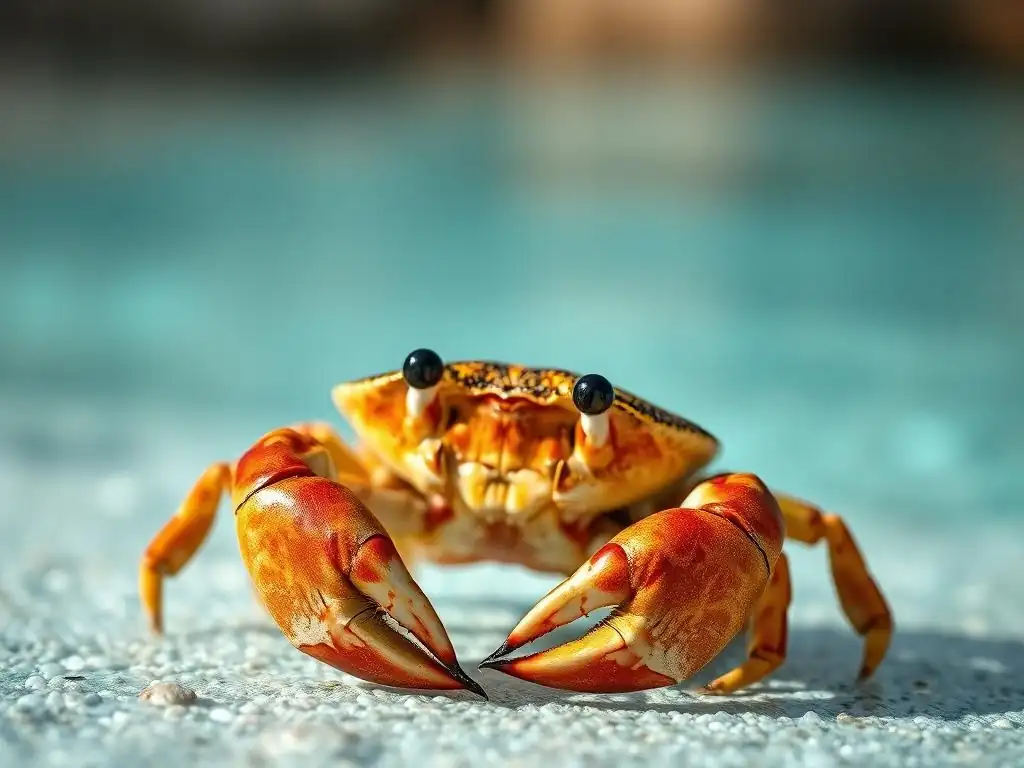
Sally Lightfoot Crabs generally exhibit a relatively peaceful demeanor towards most fish, as their agility allows them to quickly evade any larger, curious tank mates. However, their aggression levels can vary significantly when it comes to other invertebrates, particularly those that are slow-moving, share similar food sources, or occupy similar niches. This aggression is often driven by territoriality, competition for food, or simply their opportunistic predatory nature, especially if their Sally Lightfoot Crab diet is not adequately met.
Instances of aggression are more common in smaller tanks where space is limited, leading to increased competition for hiding spots and foraging grounds. While not typically a constant threat, their quick movements and strong grip can pose a risk to vulnerable invertebrates during nighttime hours or when they are otherwise incapacitated, such as during molting.
Choosing Compatible Tank Mates for Sally Lightfoot Crabs
Selecting appropriate tank mates is crucial when considering adding a Sally Lightfoot Crab to a saltwater aquarium. The primary concern revolves around their potential to prey on or harass other invertebrates. Compatibility largely depends on the size, speed, and defense mechanisms of the other inhabitants. Larger, faster-moving fish are generally safe, as are invertebrates that are too large for the crab to overpower or those with strong defensive capabilities.
Conversely, small, slow-moving, or delicate invertebrates are at a higher risk. Careful consideration of the existing clean-up crew and any ornamental shrimp or snails is necessary. Providing ample hiding spots and ensuring a well-fed Sally Lightfoot Crab diet can help mitigate some compatibility issues, but inherent risks remain.
Suitable: Larger Fish, Fast-Moving Invertebrates; Unsuitable: Small, Slow-Moving Invertebrates, Shrimp
Suitable Tank Mates:
- Larger Fish: Most common reef fish like tangs, clownfish, gobies (larger species), damselfish, and wrasses are generally safe. Their size and speed make them difficult targets for the crab.
- Fast-Moving Invertebrates: Larger, active hermit crabs (e.g., Halloween Hermit Crabs, Blue Leg Hermit Crabs that are significantly larger than the Sally Lightfoot) might coexist, but caution is still advised. Some larger, active snails like fighting conchs may also be less vulnerable.
Unsuitable Tank Mates (High Risk):
- Small, Slow-Moving Invertebrates: This includes most small clean-up crew snails (e.g., Astrea, Cerith, Nassarius snails under 0.75 inches), as they are easily overpowered.
- Shrimp: Ornamental shrimp such as Peppermint Shrimp, Skunk Cleaner Shrimp, Fire Shrimp, and especially smaller species like Sexy Shrimp (Thor amboinensis) are highly vulnerable, particularly after molting. A Sally Lightfoot Crab can easily ambush and consume these.
- Small Hermit Crabs: Especially small species or those in the process of changing shells.
- Clams: Small, juvenile clams might be harassed or picked at.
- Starfish: Small or slow-moving starfish (e.g., tiny brittle stars, asterina starfish) can be potential targets.
The risk to these unsuitable tank mates is directly tied to the Sally Lightfoot Crab diet and its opportunistic nature; if hungry, or if an easy target presents itself, it will likely seize the opportunity.
The Role of Sally Lightfoot Crabs in Reef Tank Clean-Up Crews
Sally Lightfoot Crabs: Effective Algae Control?
Sally Lightfoot Crabs certainly contribute to algae control in a reef aquarium. Their relentless grazing on film algae, diatoms, and some forms of green hair algae makes them effective at keeping surfaces clean. They are particularly adept at navigating intricate live rock structures, reaching crevices that other grazers like snails might miss. Their agility allows them to quickly move across the rockwork, consuming the thin layers of biofilm that constantly accumulate.
However, labeling them as a primary solution for all algae problems would be an overstatement. They are not a substitute for proper nutrient control or for addressing severe outbreaks of more tenacious algae types like bryopsis or bubble algae. Their role is more akin to a diligent maintenance crew member, constantly tidying up the daily accumulation of common nuisance algae. For example, a single Sally Lightfoot Crab can effectively graze the film algae off approximately 10-15 square inches of rock per day.
Limitations of Sally Lightfoot Crabs as Clean-Up Crew Members
Despite their positive contributions, Sally Lightfoot Crabs do have limitations as part of a reef tank clean-up crew. Their most significant drawback is their opportunistic predatory behavior, which can lead to the consumption of other beneficial or ornamental invertebrates. This means they are not always suitable for tanks with small, delicate snails, shrimp, or other microfauna that are crucial for overall tank health and biodiversity.
Furthermore, while they eat various algae, they may ignore certain types (e.g., tough macroalgae, red slime algae/cyanobacteria). Their effectiveness can also diminish if they become too reliant on supplemental feeding, potentially neglecting their natural grazing duties. Lastly, if underfed, their focus on algae might shift entirely to seeking out protein sources, thereby negating their clean-up crew benefits.
Maintaining Water Quality for Sally Lightfoot Crab Health
Maintaining stable and appropriate water quality parameters is essential for the health and longevity of Sally Lightfoot Crabs, just as it is for all marine inhabitants. Optimal conditions include a stable salinity of 1.023-1.026 specific gravity, a temperature range of 72-78°F (22-26°C), and a pH between 8.1-8.4. While crabs are generally hardy, sudden fluctuations in parameters or prolonged exposure to poor water quality can stress them, making them more susceptible to disease and potentially affecting their appetite and behavior.
Good water quality also directly impacts the availability of their natural food sources, such as algae and detritus, which thrive in a well-maintained environment. Regular water changes (e.g., 10-20% monthly), effective filtration, and appropriate protein skimming help to keep nitrates and phosphates low, contributing to a healthy environment where the Sally Lightfoot Crab can thrive and fulfill its role. A stressed crab may also be more prone to molting issues, which are critical for their growth and survival.
Potential Problems with Sally Lightfoot Crabs: Predation and Aggression
Addressing Concerns about Sally Lightfoot Crab Predatory Behavior
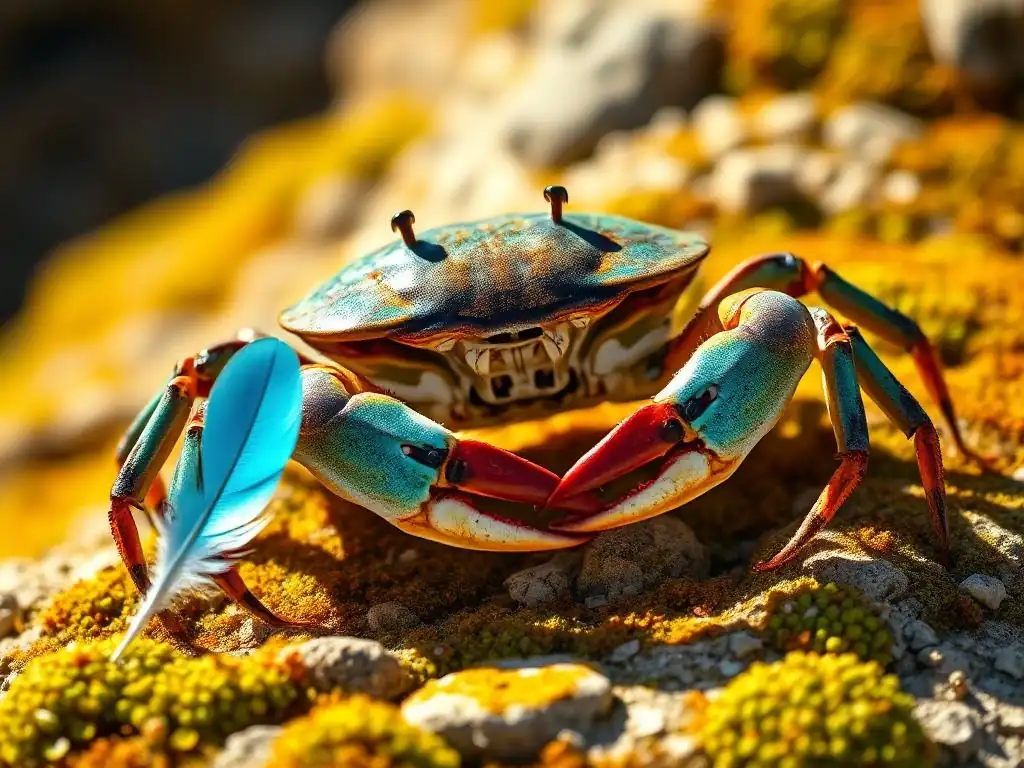
The primary concern for aquarists considering a Sally Lightfoot Crab is its potential for predatory behavior. While their natural Sally Lightfoot Crab diet is largely herbivorous and detritivorous, their opportunistic nature means they will consume live invertebrates if the opportunity arises, especially if they are underfed or if the tank lacks sufficient natural food sources. This behavior is not constant or guaranteed, but the risk is always present. To mitigate this, ensure a consistent and balanced Sally Lightfoot Crab diet is provided, supplementing natural grazing with algae wafers, nori, and occasional protein.
Regular observation of the crab's behavior is crucial. If it is frequently seen harassing or attempting to catch other invertebrates, it may indicate that its dietary needs are not being met or that it has developed a taste for live prey. In such cases, increasing supplemental feeding or, as a last resort, removing the crab, might be necessary to protect other tank inhabitants.
Managing Aggression Towards Other Invertebrates
Beyond direct predation, Sally Lightfoot Crabs can exhibit aggression towards other invertebrates, particularly those that compete for food or territory. This aggression is more likely to manifest in smaller tanks or overcrowded environments where resources and space are limited. A crab may actively chase away snails, smaller hermit crabs, or even other Sally Lightfoot Crabs if they feel threatened or are defending a prime grazing spot.
To manage this aggression, ensure the aquarium provides ample live rock with numerous hiding spots and crevices, allowing all inhabitants to establish their own territories and retreat when necessary. Adequate tank size (e.g., a minimum of 30 gallons for a single adult crab) is also vital to reduce competition. If multiple Sally Lightfoot Crabs are housed together, a larger tank (e.g., 75+ gallons) with abundant live rock is recommended to minimize conflict, as they can sometimes be aggressive towards their own kind.
Is the Sally Lightfoot Crab Right for Your Saltwater Aquarium?
Weighing the Pros and Cons of Adding a Sally Lightfoot Crab
Deciding whether a Sally Lightfoot Crab is a suitable addition to your saltwater aquarium involves weighing its benefits against its potential drawbacks. On the positive side, they are highly efficient grazers of film algae and diatoms, contributing significantly to tank cleanliness. Their detritus-eating habits also help reduce organic waste, improving water quality. They are active, interesting to observe, and can be quite hardy if kept in stable conditions with an appropriate Sally Lightfoot Crab diet.
However, the significant con is their opportunistic predatory nature. They pose a risk to small, slow-moving, or vulnerable invertebrates such as ornamental shrimp, small snails, and even smaller hermit crabs. Their aggression towards other invertebrates, especially when underfed or in confined spaces, is another consideration. The decision ultimately hinges on your tank's specific inhabitants and your tolerance for potential risks.
Considering Tank Size and Invertebrate Population
Tank size is a critical factor when considering a Sally Lightfoot Crab. While a single adult can thrive in a well-established 30-gallon tank, larger tanks (e.g., 50 gallons and up) are preferable, especially if you plan to keep other small invertebrates or if the crab is part of a larger clean-up crew. Adequate space reduces territorial disputes and ensures there's enough natural food available to support their Sally Lightfoot Crab diet.
Equally important is the existing invertebrate population. If your tank houses valuable or delicate ornamental shrimp (like Sexy Shrimp or Cleaner Shrimp), or a large collection of small, desirable snails, adding a Sally Lightfoot Crab might be too risky. Conversely, in a fish-only-with-live-rock (FOWLR) tank or a mixed reef with larger, more robust invertebrates, the risk is considerably lower. Assess your current clean-up crew and their vulnerability before introducing this agile crab.
Ensuring a Suitable Environment for a Healthy Sally Lightfoot Crab
To ensure a healthy and well-adjusted Sally Lightfoot Crab, providing a suitable environment is essential. This includes a mature saltwater aquarium with stable water parameters (salinity 1.023-1.026, temperature 72-78°F, pH 8.1-8.4). Ample live rock is crucial, as it provides not only grazing surfaces for their primary Sally Lightfoot Crab diet of algae and detritus but also numerous hiding spots and crevices for security, especially during molting.
A consistent and varied feeding regimen, supplementing natural foraging with algae wafers, nori, and occasional protein, will help meet their nutritional needs and reduce their inclination to prey on tank mates. Observing the crab's behavior, particularly around other invertebrates, will allow you to quickly identify and address any potential issues, ultimately leading to a more harmonious and thriving reef aquarium.
Frequently Asked Questions
What is the primary diet of a Sally Lightfoot Crab in a reef aquarium?
Sally Lightfoot Crabs are primarily algae eaters, consuming various types of nuisance algae. However, they are also opportunistic scavengers and may consume other food sources.
Are Sally Lightfoot Crabs reef safe and what do they eat besides algae?
They are generally considered reef safe with caution. While they primarily eat algae, they may also nip at small invertebrates or coral polyps if algae are scarce.
What should I feed a Sally Lightfoot Crab if there isn't enough algae in my tank?
If algae are insufficient, supplement their diet with algae wafers, flake food, or small pieces of meaty foods like shrimp or fish. This ensures they get the nutrients they need.
How often should I feed a Sally Lightfoot Crab supplementary food?
Feed them supplementary food 2-3 times per week if algae levels are low. Observe their behavior to gauge their needs and adjust the frequency accordingly.
Can Sally Lightfoot Crabs become aggressive towards other tank inhabitants if they are not properly fed?
Yes, if not properly fed, Sally Lightfoot Crabs can become more aggressive, potentially preying on small fish, invertebrates, or even corals due to hunger.
Okay, here's a final reflection tailored to your article "Sally Lightfoot Crabs: Agile Algae Eaters or Opportunistic Predators?" aiming to rank for the keyword "Sally Lightfoot Crab Diet," following the structure you provided:
Final Reflection: Unveiling Nature's Adaptability
The exploration of the Sally Lightfoot Crab's diet reveals more than just its feeding habits; it highlights the remarkable adaptability inherent in nature's designs. From their nimble movements across volcanic rock to their opportunistic consumption of both algae and carrion, these crabs embody the complex interplay between survival and environment, reminding us that ecosystems are rarely defined by simple labels.
The ongoing debate about whether the Sally Lightfoot Crab is primarily an algae eater or an opportunistic predator underscores the importance of nuanced observation in understanding ecological roles. We often seek to categorize organisms neatly, but nature consistently challenges these rigid classifications. The only constant is change,
as Heraclitus famously stated, and this holds true even for the seemingly simple diet of a crab, reflecting the dynamic nature of life itself.
Now, consider the lessons gleaned from the Sally Lightfoot Crab's dietary flexibility. How can we, too, embrace adaptability in our own lives, recognizing that rigid adherence to preconceived notions can limit our understanding and growth? Let us strive to observe the world with open minds, appreciating the complexity and interconnectedness of all things, and finding inspiration in the resilience and resourcefulness of even the smallest creatures.
Unleash Your Inner Reefkeeper!
Thanks for diving into the fascinating world of Sally Lightfoot Crabs! Now that you're equipped with the knowledge to understand these complex creatures, let's put that understanding into action. Here are a few ways to enhance your reefkeeping experience and contribute to the well-being of your underwater ecosystem:
- Evaluate your current tank: Is it truly a peaceful community, or are there potential victims of a Sally Lightfoot's opportunistic appetite?
- Share your observations! Contribute your personal experiences with Sally Lightfoot Crabs to online forums and communities to enrich our collective understanding.
- Consider incorporating a dedicated algae-grazing team to maintain a balanced reef ecosystem instead of relying solely on a single crab.
What fascinating creature will you research next to enhance your aquarium mastery?