
Breeding Cherry Barbs: An Easy Guide to Welcoming Tiny Red Jewels

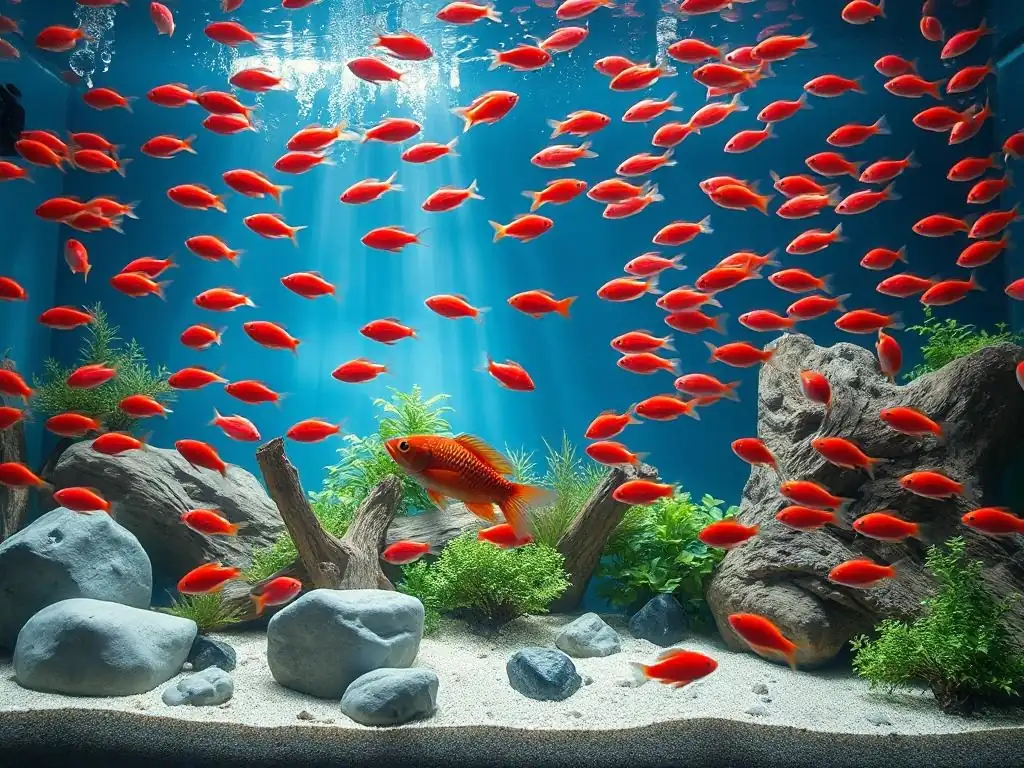
Welcome to Aquarium Mastery!
Ever wondered how to unlock the secrets to breeding those vibrant, ruby-red gems in your own freshwater tank? Get ready to dive into the fascinating world of Cherry Barb breeding! This comprehensive guide provides an easy-to-follow roadmap, transforming you from curious observer to successful breeder. Intrigued? Let's uncover the simple steps to welcoming a new generation of these delightful little fish into your aquarium!
- Introduction to Cherry Barb Breeding
-
Setting Up Your Cherry Barb Breeding Tank
- Choosing the Right Size and Type of Breeding Tank for Cherry Barbs
- Essential Equipment for Cherry Barb Breeding Success: Heater, Filter, and Spawning Mop
- Preparing the Breeding Tank Environment: Water Parameters and Substrate for Cherry Barbs
- Adding Plants and Decorations for Cherry Barb Breeding: Fine-leaved Plants and Spawning Substrates
- Identifying Male and Female Cherry Barbs for Breeding
- The Cherry Barb Spawning Process: A Step-by-Step Guide
- Caring for Cherry Barb Eggs and Fry
- Growing Out Your Cherry Barb Fry
- Troubleshooting Common Cherry Barb Breeding Problems
- Conclusion: Enjoying the Rewards of Breeding Cherry Barbs
- Frequently Asked Questions
- Final Reflection: Nurturing New Beginnings
- Ignite Your Aquarium Passion: Start Breeding Cherry Barbs Today!
Introduction to Cherry Barb Breeding
Why Breed Cherry Barbs? A Rewarding Challenge
Breeding Cherry Barbs (Puntius titteya) presents a uniquely rewarding challenge for aquarists, particularly those looking to venture into fish propagation without the complexities often associated with more delicate species. These small, vibrant cyprinids are renowned for their peaceful temperament and stunning coloration, especially the males during breeding, making them a captivating addition to any freshwater aquarium. Successfully completing a Cherry barb breeding guide project not only provides immense satisfaction but also contributes to the hobby by producing healthy, home-bred stock, reducing reliance on wild-caught specimens.
Beyond the personal gratification, breeding Cherry Barbs offers practical benefits. Their relatively straightforward breeding process, coupled with a high potential for prolific spawning, means that even novice breeders can achieve success. This ease of reproduction makes them an excellent species for learning the fundamentals of fish breeding, including conditioning, spawning, egg care, and fry rearing. Furthermore, the resulting fry, tiny red jewels as they develop, can be a delightful sight, adding a dynamic new dimension to the aquarist's experience.
Understanding Cherry Barb Biology for Successful Breeding
To successfully breed Cherry Barbs, a foundational understanding of their natural biology and reproductive behaviors is essential. Unlike some other popular aquarium fish that exhibit complex courtship rituals or parental care, Cherry Barbs are egg-scattering, non-parental cyprinids. This means they will scatter their adhesive eggs freely, typically among fine-leaved plants or specialized spawning substrates, and will not guard or care for their offspring. This characteristic necessitates the prompt removal of adult fish after spawning to prevent egg predation.
Cherry Barbs thrive in soft, slightly acidic water conditions, mimicking their native habitats in Sri Lanka. In the wild, they typically inhabit slow-moving streams and shaded rivers, where water parameters are stable and food sources are abundant. For a successful Cherry barb breeding guide, aiming for a pH between 6.0 and 7.0 and soft to moderately hard water (dH 5-12) is ideal. They reach sexual maturity relatively quickly, often by six to eight months of age, and can spawn multiple times if conditioned properly, making them a consistent breeding candidate.
Setting Up Your Cherry Barb Breeding Tank
Choosing the Right Size and Type of Breeding Tank for Cherry Barbs
Selecting the appropriate breeding tank is a crucial first step in any Cherry barb breeding guide. For a dedicated breeding setup, a tank ranging from 10 to 20 gallons (approximately 38 to 76 liters) is generally recommended.
This size provides ample space for the breeding pair or trio to interact without excessive stress, while also being manageable for egg collection and fry rearing. A smaller tank, such as a 5-gallon, might be too restrictive, potentially leading to aggression or unsuccessful spawning attempts, whereas a tank much larger than 20 gallons can make finding and collecting the tiny, scattered eggs significantly more challenging.
The type of tank is also important. A bare-bottom tank or one with a very thin layer of fine substrate is often preferred for Cherry barb breeding, as it simplifies the process of siphoning out uneaten food and detritus, which is vital for maintaining pristine water quality for delicate eggs and fry.
However, if using spawning mops or marbles for egg collection, a bare bottom is ideal, allowing eggs to fall through protective layers where adults cannot reach them. The simplicity of a dedicated breeding tank, free from other fish or excessive decor, helps minimize disturbances and maximize spawning success.
Essential Equipment for Cherry Barb Breeding Success: Heater, Filter, and Spawning Mop
Successful Cherry barb breeding relies on a few key pieces of equipment to maintain optimal conditions. A reliable aquarium heater is indispensable, as Cherry Barbs require stable water temperatures, ideally between 75°F and 80°F (24°C-27°C), to stimulate spawning and ensure proper egg development. Fluctuations in temperature can stress the fish and hinder breeding efforts. A submersible heater with an accurate thermostat will maintain this critical temperature range consistently.
For filtration, a gentle sponge filter is the best choice for a Cherry barb breeding guide setup. Sponge filters provide excellent biological filtration without creating strong currents that could harm delicate eggs or newly hatched fry. They are also easy to clean and do not pose a risk of sucking up tiny fry, unlike power filters.
Finally, a spawning mop or a layer of glass marbles is essential for egg collection. Cherry Barbs are egg scatterers, and these items provide a safe place for eggs to fall, protecting them from being eaten by the parent fish. Spawning mops, typically made from acrylic yarn, are particularly effective as they are easy to remove and check for eggs.
Preparing the Breeding Tank Environment: Water Parameters and Substrate for Cherry Barbs
Preparing the breeding tank environment with precise water parameters is paramount for inducing Cherry barb breeding. These fish respond best to soft, slightly acidic water, which mimics their natural Sri Lankan habitats and optimizes egg viability. Aim for a pH level between 6.0 and 7.0, and a general hardness (GH) of 5-12 dH. Achieving these parameters often involves using reverse osmosis (RO) water mixed with a small amount of tap water or specific remineralizers, or simply utilizing naturally soft tap water if available. Consistency is key; sudden fluctuations can stress the fish and inhibit spawning.
Regarding substrate, a bare-bottom tank is highly recommended for a Cherry barb breeding guide. This design makes it incredibly easy to spot and remove eggs after spawning, as well as to keep the tank meticulously clean, which is vital for fry health.
If a substrate is desired for aesthetic reasons or to provide a more natural feel, a very fine, inert sand layer can be used, but it must be kept exceptionally clean. However, the primary focus should be on providing a safe haven for eggs, which is best achieved with spawning mops or a layer of glass marbles covering the bottom, allowing eggs to fall through and remain inaccessible to the egg-eating adults.
Adding Plants and Decorations for Cherry Barb Breeding: Fine-leaved Plants and Spawning Substrates
While Cherry Barbs do not require elaborate decorations for breeding, certain elements are crucial for a successful Cherry barb breeding guide setup. Fine-leaved plants are highly beneficial as they provide natural spawning sites and a sense of security for the fish. Plants like Java Moss (Taxiphyllum barbieri), hornwort (Ceratophyllum demersum), or even artificial spawning mops made from yarn, are excellent choices.
These plants offer a tangled matrix where eggs can adhere and be protected from the adults' immediate consumption. A dense clump of Java moss can serve as a primary spawning substrate, allowing the tiny, adhesive eggs to settle within its intricate structure.
In addition to live plants, specialized spawning substrates are invaluable. A layer of glass marbles or a mesh grid placed on the tank bottom, beneath the plants or spawning mops, can significantly increase egg survival rates. The eggs, being slightly adhesive, will fall through the gaps in the marbles or mesh, landing safely on the bare bottom where the parent fish cannot reach them. This method is particularly effective for maximizing the yield of a Cherry barb breeding effort, as it prevents the adults from consuming their own offspring, which is a common behavior among egg-scattering species.
Identifying Male and Female Cherry Barbs for Breeding
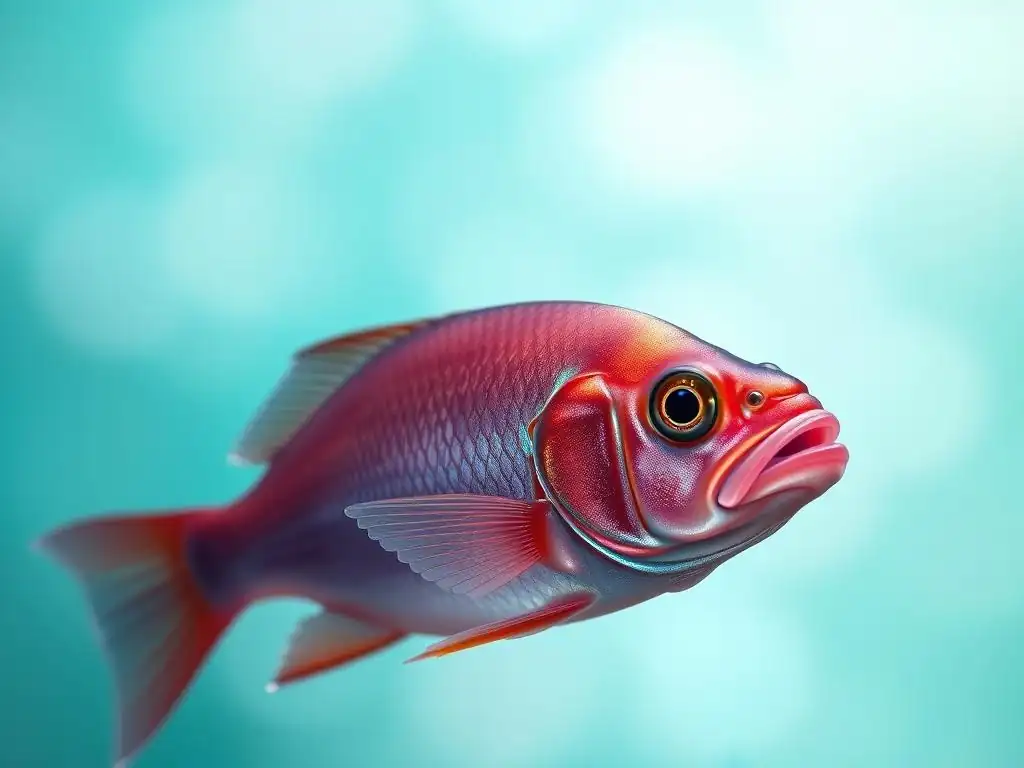
Visual Differences: Telling Male and Female Cherry Barbs Apart
Distinguishing between male and female Cherry Barbs is relatively straightforward, especially when they are mature and in breeding condition, making this a helpful step in any Cherry barb breeding guide. Males are typically more slender and display a much more intense, vibrant cherry-red coloration, particularly when they are ready to breed or are displaying to females. Their dorsal and anal fins may also exhibit a darker, more pronounced black edge.
In contrast, female Cherry Barbs are generally plumper and rounder in the body, especially when gravid (full of eggs). Their coloration is usually a duller, more subdued orange-red or brownish-red, lacking the brilliant intensity of the males.
Another subtle visual cue can be observed in their finnage. While both sexes possess similar fin shapes, the male's fins might appear slightly more elongated or pointed, contributing to their streamlined appearance. When selecting a breeding pair, look for a vibrant, active male and a noticeably round, full-bodied female. The stark difference in coloration and body shape becomes even more apparent when the fish are conditioned with high-quality foods and kept in optimal water parameters, enhancing their natural breeding displays.
Assessing Breeding Readiness: Signs of a Healthy Breeding Pair of Cherry Barbs
Assessing the breeding readiness of your Cherry Barbs is a critical step for a successful Cherry barb breeding guide. Healthy, well-conditioned fish are more likely to spawn successfully and produce viable eggs. One of the primary indicators of a female's readiness is her visibly swollen abdomen, indicating she is gravid with eggs. This plumpness will be noticeably more pronounced than her usual rounded shape. She may also appear slightly more sluggish or spend more time grazing.
For males, breeding readiness is signaled by an intensification of their already vibrant red coloration. They will become even more brilliant, displaying their full potential. Males will also exhibit increased activity, often chasing females around the tank, nudging their bellies, and trying to herd them towards potential spawning sites like fine-leaved plants or spawning mops.
To encourage this readiness, condition your chosen breeding pair or trio with high-quality, protein-rich foods such as live or frozen brine shrimp, bloodworms, and daphnia for about one to two weeks prior to introducing them to the breeding tank. This diet provides the necessary nutrients for egg and milt production.
The Cherry Barb Spawning Process: A Step-by-Step Guide
Introducing the Breeding Pair to the Tank
Introducing the chosen Cherry Barbs to the breeding tank requires a thoughtful approach to minimize stress and maximize spawning potential. Unlike some fish that breed in pairs, Cherry Barbs are communal spawners. For the best results, it's often recommended to introduce a group, such as two males and three females, into the conditioned breeding tank. This ratio allows the females to spread out the male's attention and reduces stress on any single female. Introduce them in the evening, after the lights have been turned off, allowing them to acclimate to their new environment overnight without immediate disturbances.
Ensure the breeding tank has been properly set up with the correct water parameters (soft, slightly acidic water at 75-80°F), a gentle sponge filter, and plenty of spawning material like Java moss or spawning mops. The calm, undisturbed environment of a dedicated breeding tank is crucial. Once introduced, the fish should be left undisturbed. Spawning typically occurs in the early morning hours, often at dawn, as light begins to filter into the room.
Observing Spawning Behavior: What to Expect from Cherry Barbs and Their Egg-Scattering Process
Observing the spawning behavior of Cherry Barbs is a fascinating part of the Cherry barb breeding guide process, though it differs significantly from bubble-nesting species. There is no elaborate bubble nest construction or complex courtship dance. Instead, the males will intensely pursue the gravid females, nudging and gently bumping their bellies. This chasing behavior is a key indicator that spawning is imminent. The male's coloration will be at its peak vibrancy during this period, serving as an attractive display to the female.
Once the female is ready, she will release small, clear, adhesive eggs, typically a few at a time, which the male will immediately fertilize. This process occurs rapidly and repeatedly, with eggs being scattered amongst the fine-leaved plants, spawning mops, or falling through marbles to the tank bottom. A single female can lay anywhere from 100 to 300 eggs over several hours.
The eggs are tiny, about 1mm in diameter, and can be difficult to spot without careful observation. After the eggs are laid, the adults will often begin to eat them, which is why their prompt removal is critical.
Removing Parent Fish After Spawning
The most critical step immediately following the observation of Cherry barb spawning is the swift removal of all adult fish from the breeding tank. Cherry Barbs, like many other egg-scattering species, exhibit no parental care and, in fact, are notorious egg eaters. If the parent fish are left in the tank with the newly laid eggs, they will quickly consume them, rendering your Cherry barb breeding guide efforts futile. This removal should be done as soon as spawning activity ceases, which typically occurs within a few hours of the morning.
Carefully net the adult Cherry Barbs and return them to their main display tank. Be gentle to avoid stressing them unnecessarily. Once the parents are removed, the eggs are left undisturbed to incubate and hatch. At this point, you can also consider adding a very small amount of methylene blue to the water, or a specialized antifungal agent, to prevent fungal growth on unfertilized or damaged eggs, which can quickly spread and compromise healthy eggs. Ensuring the tank remains dark or dimly lit can also aid in preventing fungal issues and protecting the delicate eggs.
Caring for Cherry Barb Eggs and Fry
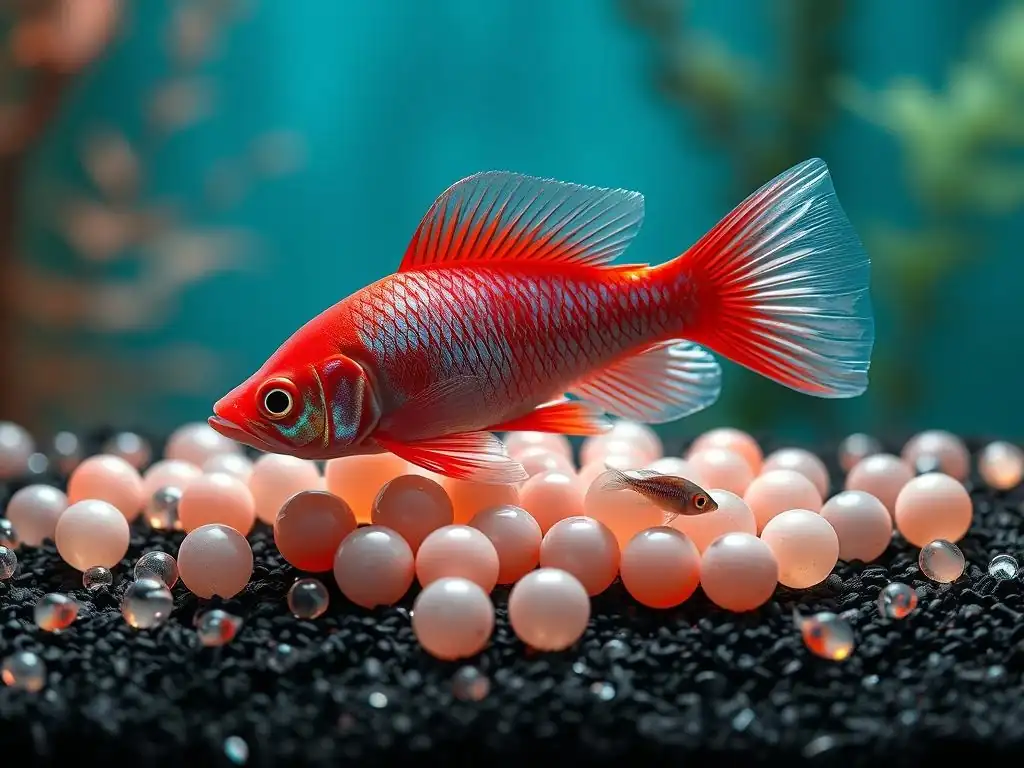
Incubation and Hatching: Optimizing Water Conditions for Cherry Barb Eggs
Once the parent Cherry Barbs have been removed, optimizing the water conditions for the eggs is crucial for a successful Cherry barb breeding guide. Cherry barb eggs are quite delicate and sensitive to water quality. Maintain the water temperature consistently between 78°F and 80°F (25.5°C-27°C). This temperature range accelerates the incubation period and helps prevent fungal infections. The eggs are tiny and translucent, making them somewhat difficult to spot, but healthy eggs will remain clear and slightly adhesive.
Hatching typically occurs remarkably quickly, usually within 24 to 48 hours at optimal temperatures. Unfertilized or fungused eggs will turn opaque white and should be carefully siphoned out to prevent the spread of fungus to healthy eggs. Very gentle aeration, using an air stone connected to an air pump with a control valve, can be beneficial. The tiny bubbles provide essential oxygenation without creating strong currents that could dislodge or damage the eggs. Ensure the air flow is minimal, just enough to create a gentle ripple on the water surface.
Feeding Cherry Barb Fry: Infusoria, Micro Worms, and Newly Hatched Brine Shrimp
Feeding newly hatched Cherry barb fry is one of the most challenging yet crucial aspects of a Cherry barb breeding guide. The fry are incredibly tiny upon hatching, often referred to as "microworms with eyes," and their mouths are too small to consume standard fry foods. For the first 3-5 days after hatching, they require microscopic food sources.
Infusoria, a culture of microscopic organisms, is the ideal first food. You can cultivate infusoria by placing decaying plant matter (like dried banana peels or lettuce leaves) in a jar of aquarium water a few days prior. Liquid fry foods designed for egg-laying fish can also be used as a convenient alternative.
After approximately 5-7 days, once the fry have absorbed their yolk sacs and grown slightly, they can transition to slightly larger foods. Microworms are an excellent next step, providing a nutritious and easily digestible food source. As the fry continue to grow, usually around 10-14 days old, they will be large enough to consume newly hatched brine shrimp (Artemia nauplii). Brine shrimp are highly nutritious and stimulate rapid growth. Feeding should be frequent, small amounts multiple times a day (4-6 times), to ensure a constant supply of food for the rapidly growing fry without polluting the water.
Maintaining Water Quality for Cherry Barb Fry Health
Maintaining impeccable water quality is arguably the most critical factor for the survival and healthy development of Cherry barb fry. Due to their small size and sensitivity, and the frequent feedings required, water parameters can quickly deteriorate, leading to high mortality rates. Regular, small water changes are essential. Daily water changes of 10-15% using aged or temperature-matched, dechlorinated water are highly recommended. This practice removes waste products and uneaten food, preventing the buildup of harmful nitrates and ammonia.
When performing water changes, use an air line tubing or a small siphon to gently remove water from the bottom of the tank, being extremely careful not to suck up any fry. Replenish the water slowly to avoid shocking the delicate fry with sudden changes in temperature or chemistry. A gentle sponge filter should be running continuously, providing biological filtration without creating strong currents that could exhaust or injure the fry. Monitoring water parameters daily with a test kit for ammonia, nitrite, and nitrate is also a wise practice to proactively address any issues.
Preventing Common Problems in Cherry Barb Fry
Preventing common problems is key to a successful Cherry barb breeding guide and ensuring a high survival rate for your fry. One of the most prevalent issues is starvation. Due to their tiny size, fry can easily starve if food particles are too large or if feeding is insufficient. Ensure you have a consistent supply of appropriate microscopic foods (infusoria, liquid fry food) for the initial days, transitioning promptly to microworms and then newly hatched brine shrimp as they grow. Observing the fry's bellies can indicate if they are eating; a full belly suggests adequate feeding.
Another significant threat is poor water quality, often a result of overfeeding or insufficient water changes. Ammonia and nitrite spikes are deadly to fry. To prevent this, never overfeed, and maintain a rigorous schedule of small, daily water changes. Diseases like fin rot or Ich can also decimate a fry batch, often triggered by stress from poor water conditions or unstable temperatures. Maintaining pristine water, stable temperatures, and providing a varied, nutritious diet are the best preventative measures. If disease is suspected, consult a reference for appropriate, fry-safe treatments, as many medications are too harsh for young fish.
Growing Out Your Cherry Barb Fry
Gradually Introducing Larger Foods for Growing Cherry Barbs
As Cherry barb fry grow, typically reaching about 0.5 inches (1.2 cm) in length, their dietary needs evolve, and they become capable of consuming larger food items. This transition is a critical phase in the Cherry barb breeding guide. Around 2-3 weeks post-hatching, you can begin to gradually introduce finely crushed high-quality flake food or specialized fry pellets. It's important to crush flakes into a powder consistency initially, as their mouths are still relatively small.
Alongside dry foods, continue offering live or frozen baby brine shrimp and microworms. As they reach 3-4 weeks old, you can introduce larger frozen foods like finely chopped bloodworms, daphnia, or cyclops. The goal is to provide a varied and protein-rich diet to support their rapid growth and vibrant coloration. Observe their eating habits and adjust food particle size accordingly, ensuring all fry are getting enough to eat without overfeeding and polluting the water.
Tank Maintenance for Growing Cherry Barbs: Water Changes and Gradual Tank Upgrades
As Cherry barb fry grow into juveniles, their bioload increases significantly, necessitating adjustments in tank maintenance practices. Continuing with regular, increased water changes is paramount. Instead of daily 10-15% changes, you might transition to 20-25% changes every other day or every two days, depending on the number of fish and tank size. Use a larger siphon, but still exercise caution to avoid sucking up any smaller or slower-moving fry. Consistent water parameters and cleanliness remain the cornerstone of their health.
As the young Cherry Barbs grow, they will eventually outgrow their initial breeding tank. When they reach approximately 1 inch (2.5 cm) in length, usually around 6-8 weeks, it's advisable to consider gradually upgrading them to a larger grow-out tank. A 20-gallon or 30-gallon tank might be suitable for a large batch of juveniles, providing more swimming space and reducing potential stunting from overcrowding. This step is crucial for fostering robust growth and vibrant coloration, ensuring your Cherry barb breeding guide efforts result in healthy, adult-sized fish.
Identifying and Addressing Health Issues in Young Cherry Barbs
Even with diligent care, young Cherry Barbs can occasionally develop health issues. Early identification and prompt action are vital for a successful Cherry barb breeding guide and preventing widespread problems within the batch. Common issues include fin rot, often characterized by frayed or deteriorating fins, and Ich (white spot disease), which manifests as small white spots resembling salt grains on the body and fins. Both are typically caused by poor water quality, sudden temperature fluctuations, or stress from overcrowding.
To address these issues, first and foremost, check and correct water parameters, ensuring ammonia and nitrite are at zero, and nitrates are low. Increase the frequency of water changes. For fin rot, improving water quality is often sufficient, but mild antibacterial treatments might be necessary in severe cases (ensure they are safe for young fish).
For Ich, a gradual temperature increase to 82-84°F (28-29°C) combined with increased aeration and daily water changes can often eliminate the parasite within a week. Always quarantine any new fish before introducing them to the grow-out tank to prevent introducing diseases. A balanced diet and stable environment are the best preventative measures.
Troubleshooting Common Cherry Barb Breeding Problems
Unsuccessful Spawning: Potential Causes and Solutions for Cherry Barbs
Experiencing unsuccessful spawning attempts is a common hurdle in a Cherry barb breeding guide, but understanding the potential causes can help resolve the issue. One frequent reason is improper conditioning of the parent fish. If the males are not vibrant enough or the females are not visibly gravid, they may not be ready to spawn. Solution: Condition your chosen breeders with high-quality, protein-rich live or frozen foods (e.g., brine shrimp, bloodworms) for 1-2 weeks prior to introduction to the breeding tank.
Another cause could be unsuitable water parameters. Cherry Barbs prefer soft, slightly acidic water (pH 6.0-7.0, dH 5-12) and stable temperatures (75-80°F) for spawning. If the water is too hard, too alkaline, or fluctuating, it can inhibit breeding. Solution: Test your water parameters rigorously and adjust them using RO water, peat filtration, or appropriate buffers. Ensure the breeding tank is calm, quiet, and free from disturbances, as stress can also prevent spawning. Sometimes, simply trying a different male or female, or adjusting the male-to-female ratio, can trigger success.
Low Fry Survival Rate: Identifying and Addressing Issues in Cherry Barb Fry
A low fry survival rate is a disheartening problem in any Cherry barb breeding guide, but it's often attributable to a few key factors that can be addressed. The primary culprits are typically starvation, poor water quality, or disease. Starvation occurs if the fry are not getting enough food or if the food particles are too large for their tiny mouths. Solution: Ensure you are feeding appropriate microscopic foods (infusoria, liquid fry food) for the first few days, transitioning quickly to microworms and newly hatched brine shrimp as they grow. Feed small amounts frequently, 4-6 times a day.
Poor water quality, leading to ammonia or nitrite spikes, is deadly for fry. This often results from overfeeding or insufficient water changes. Solution: Implement a strict regimen of small, daily water changes (10-15%) using temperature-matched, dechlorinated water. Siphon out any uneaten food immediately. Finally, disease, often a secondary issue stemming from stress or poor water, can decimate a batch. Solution: Maintain pristine water conditions, stable temperatures, and avoid overcrowding. If disease is suspected, use only fry-safe medications and consult reliable sources for treatment protocols.
Disease Prevention in the Breeding Tank
Disease prevention in a Cherry barb breeding tank is paramount, as young fry are particularly vulnerable to pathogens. The best defense is a proactive approach, rather than waiting for an outbreak. First, always quarantine any new fish, including potential breeders, for at least two to four weeks before introducing them to your main or breeding tanks. This practice helps ensure they are healthy and free of parasites or infections that could be transmitted to your existing fish or delicate fry.
Maintaining optimal water quality is the single most important factor in preventing disease. The breeding tank should be meticulously clean, with stable water parameters (temperature, pH, hardness) that are ideal for Cherry Barbs. Regular, small water changes are crucial, especially once eggs hatch and fry begin eating, to prevent the buildup of harmful nitrates, nitrites, and ammonia.
Feeding a high-quality, varied diet to the breeding adults strengthens their immune systems, making them more resilient. Sterilizing equipment (nets, siphons) used between different tanks also minimizes the risk of cross-contamination, ensuring your Cherry barb breeding guide efforts are not derailed by preventable illnesses.
Conclusion: Enjoying the Rewards of Breeding Cherry Barbs
The Joy of Seeing New Life in Your Aquarium
There are few experiences in the aquarium hobby as profoundly rewarding as witnessing new life emerge from your dedicated efforts, and a successful Cherry barb breeding guide journey epitomizes this joy. From the initial courtship dances of the vibrant males to the discovery of countless tiny, almost invisible eggs, and finally, the astonishing sight of microscopic fry transforming into miniature versions of their parents, each stage offers its own unique satisfaction. The vibrant red jewels of Cherry Barbs, once tiny specks, grow into active, beautiful fish, a testament to your care and dedication.
This hands-on experience provides an unparalleled opportunity to learn about fish biology, behavior, and the intricate balance of an aquatic ecosystem. It deepens your connection to the hobby and your understanding of the life cycles within your aquarium. The sheer delight of observing a thriving batch of Cherry barb fry, darting around and growing day by day, is a fulfilling reward that transcends the initial challenges, solidifying your passion for aquaria.
Continued Care and Maintenance of Your Cherry Barb Colony
A successful Cherry barb breeding guide doesn't end with the fry growing into juveniles; it marks the beginning of continued care and maintenance for your burgeoning colony. As your young Cherry Barbs mature, they will require progressively larger tanks to prevent stunting and maintain their health. Consider setting up a dedicated grow-out tank or integrating them into a larger community aquarium once they reach a suitable size and are no longer vulnerable to predation by other tank mates.
Continued attention to water quality, a balanced and varied diet, and regular health checks will ensure your Cherry Barb colony thrives. You may choose to sell or rehome excess fish, ensuring they find good homes, or you might decide to continue your breeding efforts, perhaps exploring line breeding for specific traits or colors. The experience gained from breeding Cherry Barbs provides a solid foundation for tackling more challenging species, making them an excellent stepping stone for any aspiring aquarist looking to expand their breeding expertise.
Frequently Asked Questions
How difficult is it to breed Cherry Barbs?
Cherry barb breeding is generally considered relatively easy compared to other aquarium fish. They are prolific spawners and don't require highly specific water parameters.
What size tank is recommended for breeding Cherry Barbs?
A 10-20 gallon tank is usually sufficient for breeding a small group of Cherry Barbs. This allows for easier control of water parameters and reduces the risk of adults eating the eggs.
What are the ideal water parameters for Cherry Barb breeding?
Maintain a temperature of 74-79°F (23-26°C), a pH between 6.0 and 7.0, and soft water. Regular water changes are crucial for successful spawning.
What do Cherry Barb eggs and fry eat?
Cherry barb eggs hatch in about 24-48 hours. Fry can be fed infusoria, liquid fry food, or powdered flake food until they are large enough to eat baby brine shrimp.
How can I protect the Cherry Barb eggs from being eaten by the adults?
Use a spawning mop or marbles on the bottom of the tank to allow the eggs to fall out of reach of the adults. Alternatively, remove the adults after spawning occurs.
Final Reflection: Nurturing New Beginnings
The journey of breeding Cherry Barbs, as we've explored, is more than just a technical process; it's a testament to the resilience and beauty of life itself, mirrored in the miniature world of our aquariums. Understanding the nuances of their care and reproduction allows us to appreciate the delicate balance of nature and our role in preserving it, even on a small scale.
The act of nurturing these tiny red jewels connects us to something primal and deeply satisfying. Witnessing the emergence of new life, the vibrant colors developing, and the intricate dance of courtship is a reminder of the constant cycle of renewal. The best and most beautiful things in the world cannot be seen or even touched - they must be felt with the heart.
– Helen Keller. This sentiment resonates deeply when observing the subtle yet profound beauty of Cherry Barb breeding.
Now, as you embark on your own journey with these captivating fish, remember that patience, observation, and a genuine appreciation for life are your greatest assets. Let the lessons learned here inspire you to create not just a breeding tank, but a thriving ecosystem, a microcosm of the natural world where beauty and life flourish. Consider the impact you can have, even in your own home, and cultivate a space where these tiny red jewels can continue to thrive for generations to come.
Ignite Your Aquarium Passion: Start Breeding Cherry Barbs Today!
Thanks for diving into the world of Cherry Barb breeding! We hope you've found this guide helpful and are feeling inspired to welcome these vibrant fish into your aquarium. Now, let's turn that inspiration into action:
- Begin your Cherry Barb breeding project: Set up a dedicated breeding tank with fine-leaved plants or a spawning mop to provide a safe haven for eggs. This is your primary action to successfully breed Cherry Barbs.
- Share your newfound knowledge:Connect with other hobbyists on aquarium forums or social media groups, offering tips and support to those interested in breeding Cherry Barbs.
- Dive deeper into aquarium mastery: Research and explore other fascinating fish species to consider breeding, expanding your knowledge and experience within the aquatic world.
What specific steps will you take this week to prepare your breeding tank and ensure a successful spawn?