
Yasha Goby & Randall's Pistol Shrimp: The Ultimate Nano Partnership Profile

Welcome to Aquarium Mastery!
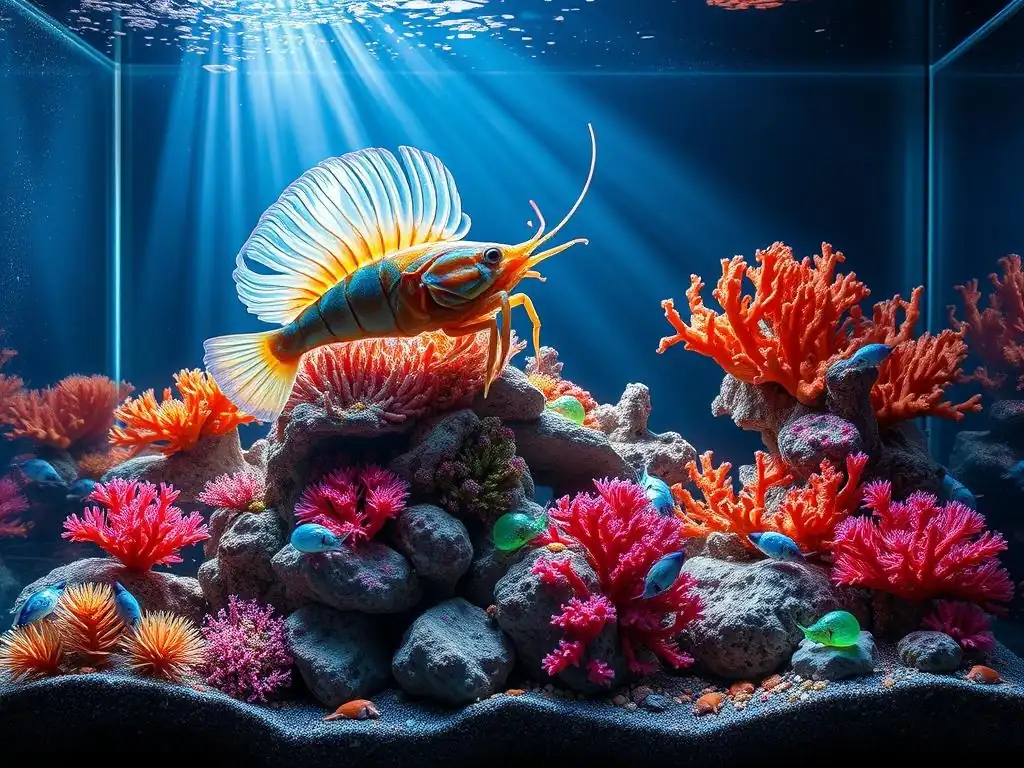
Ever wondered how to create a thriving, miniature reef ecosystem in your own home? Dive into the fascinating world of the Yasha Goby and Randall's Pistol Shrimp, the stars of our deep dive into nano tank goby shrimp pairings. Discover the secrets to their symbiotic relationship and unlock the potential of your nano aquarium. Ready to witness the ultimate underwater partnership? Let's explore!
- Introduction to Nano Tank Symbiosis: The Yasha Goby and Randall's Pistol Shrimp
- Understanding the Yasha Goby (Stonogobiops yasha)
- Unveiling Randall's Pistol Shrimp (Alpheus randalli)
- The Symbiotic Relationship: Goby and Shrimp in Nano Aquariums
- Setting Up a Thriving Nano Reef Tank for Your Goby-Shrimp Pair
- Water Quality and Maintenance for Nano Reef Inhabitants
- Choosing Compatible Tank Mates for Your Goby-Shrimp Pair
- Troubleshooting Common Issues with Nano Goby-Shrimp Setups
- Breeding Yasha Gobies and Randall's Pistol Shrimp: A Rare Achievement
- The Allure of Nano Aquariums: A Perfect Home for Gobies and Shrimp
- Conclusion: Embrace the Dynamic Duo in Your Nano Reef Aquarium
-
Frequently Asked Questions
- What makes the Yasha Goby and Randall's Pistol Shrimp such a good pairing for a nano tank?
- What size tank is recommended for a Yasha Goby and Randall's Pistol Shrimp pair?
- What are the ideal water parameters for a nano tank housing a Yasha Goby and Randall's Pistol Shrimp?
- What should I feed a Yasha Goby and Randall's Pistol Shrimp in a nano tank setup?
- What are some common problems aquarists encounter when keeping a Yasha Goby and Randall's Pistol Shrimp in a nano tank, and how can they be prevented?
- Final Reflection: The Enduring Dance of Symbiosis
- Ignite Your Nano Tank's Ecosystem!
Introduction to Nano Tank Symbiosis: The Yasha Goby and Randall's Pistol Shrimp
The world of marine aquariums offers a fascinating glimpse into diverse ecosystems, and few relationships are as captivating as the symbiotic bond between certain gobies and pistol shrimp. This unique partnership thrives in the confined, yet carefully managed, environment of a nano reef tank, transforming a small glass box into a dynamic display of natural cooperation. The Yasha Goby (Stonogobiops yasha) and Randall's Pistol Shrimp (Alpheus randalli) exemplify this alliance, creating an engaging focal point for any aquarist.
This article delves into the intricate details of keeping this remarkable nano tank goby shrimp duo. We will explore their individual characteristics, the mechanics of their mutualistic relationship, and provide comprehensive guidance on setting up and maintaining a thriving nano aquarium specifically tailored to their needs. Understanding their specific requirements is key to ensuring their health and longevity, allowing you to witness one of nature's most endearing partnerships unfold daily.
Understanding the Yasha Goby (Stonogobiops yasha)
Yasha Goby Profile: Size, Appearance, and Temperament
The Yasha Goby, scientifically known as Stonogobiops yasha, is a highly sought-after fish for nano reef tanks due to its striking appearance and peaceful disposition. These delicate gobies typically reach a maximum size of about 2 to 3 inches (5-7.5 cm) in captivity, making them perfectly suited for smaller aquarium environments. Their bodies are predominantly white or pale yellow, adorned with distinctive vertical red or orange bands, often outlined in black. A prominent, elongated dorsal fin with a black spot near the front adds to their elegance, especially when fully extended.
Their temperament is inherently shy and non-aggressive, which makes them ideal inhabitants for peaceful community nano tanks. Yasha Gobies spend most of their time near their burrow, often hovering just above the entrance, relying on their shrimp partner for security. They are not known to bother corals or other invertebrates, and their small mouth size prevents them from posing a threat to even the tiniest of tank mates. This docile nature is a significant factor in their popularity among aquarists looking for a serene and visually appealing nano tank goby shrimp component.
Ideal Nano Tank Habitat for Yasha Gobies
Creating an appropriate habitat is paramount for the well-being of the Yasha Goby. Their natural instinct is to associate with a pistol shrimp, and thus, the tank setup must facilitate this symbiotic relationship. A sand bed is absolutely essential, with a depth of at least 2 to 4 inches (5-10 cm) to allow the pistol shrimp to construct stable burrows. The sand should be fine-grained, such as aragonite sand with a grain size of 0.5-2 mm, as larger particles can hinder the shrimp's digging efforts.
Live rock should be carefully arranged directly on the bottom glass of the aquarium, ensuring stability and preventing collapses as the shrimp excavates underneath. This rockwork provides the foundation for the burrows and offers additional hiding spots and a sense of security for the goby. While Yasha Gobies appreciate gentle water flow, strong currents should be avoided as they can make it difficult for the small fish to maintain their position and can disrupt the integrity of the shrimp's burrow. A mature tank with stable water parameters and established beneficial bacteria is also crucial for their delicate nature.
Feeding the Yasha Goby: Diet and Nutritional Needs
Yasha Gobies are carnivores, primarily micro-predators in their natural habitat, consuming small benthic invertebrates and zooplankton. In a home aquarium, their diet should mimic this, consisting of a variety of small, meaty foods. Due to their shy nature and slow feeding habits, target feeding is often necessary to ensure they receive adequate nutrition, especially in a community tank where faster swimmers might outcompete them. Using a pipette or turkey baster to deliver food near their burrow entrance is an effective strategy.
Recommended foods include enriched frozen mysis shrimp, cyclop-eeze, small finely chopped krill, and enriched brine shrimp. It's important to offer food 2-3 times a day in small quantities to prevent overfeeding and maintain water quality. While they may occasionally accept high-quality marine pellets or flakes, these should not form the bulk of their diet. Ensuring a varied diet rich in essential fatty acids and vitamins will contribute significantly to their vibrant coloration and overall health, vital for a thriving nano tank goby shrimp display.
Unveiling Randall's Pistol Shrimp (Alpheus randalli)
Randall's Pistol Shrimp Characteristics: Size, Coloration, and Behavior
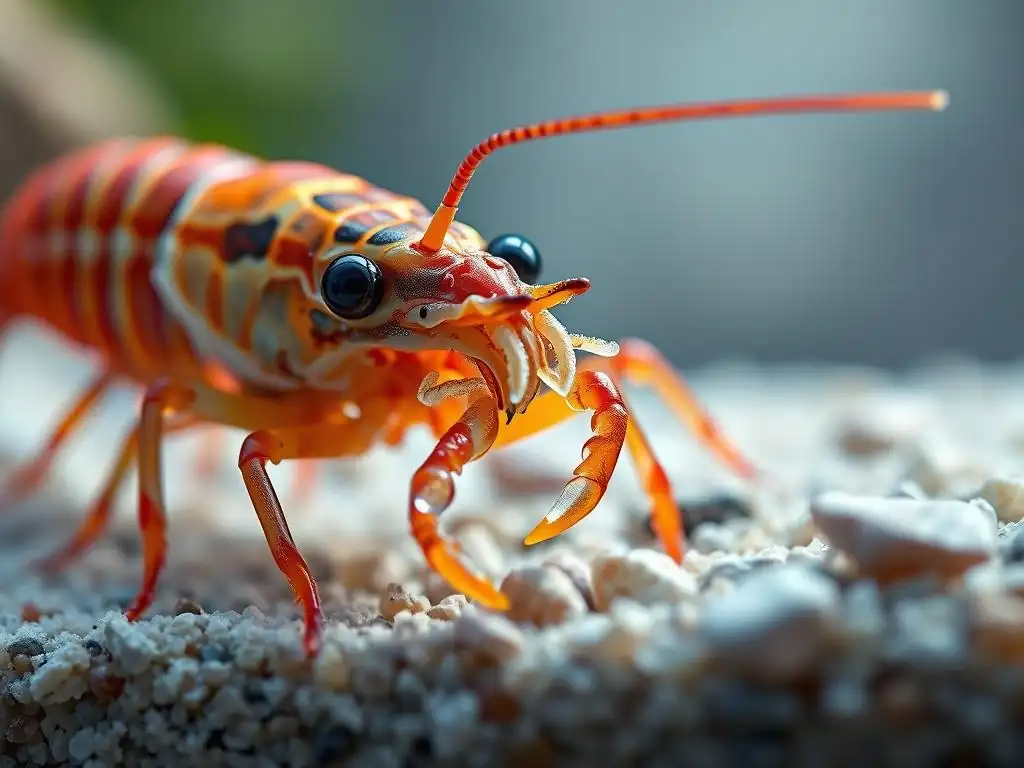
Randall's Pistol Shrimp, Alpheus randalli, is a fascinating and indispensable partner to the Yasha Goby in a symbiotic setup. These small crustaceans typically grow to about 1.5 to 2 inches (3.8-5 cm) in length, making them perfectly proportioned for nano aquariums. Their striking appearance features a predominantly white or translucent body adorned with distinctive red or orange bands, often mirroring the coloration of their goby counterpart. This visual harmony adds to the aesthetic appeal of the nano tank goby shrimp pairing.
One of their most defining characteristics, beyond their unique claw, is their reclusive and industrious behavior. Randall's Pistol Shrimp are expert burrowers, constantly excavating and maintaining a complex network of tunnels and chambers within the sand bed. They are primarily nocturnal, though their activity can be observed during the day, especially when they are actively digging or responding to the goby's signals. Despite their powerful claw, they are generally peaceful towards other tank inhabitants, focusing primarily on their burrow construction and maintenance.
The Pistol Shrimp's Unique Snapping Claw Mechanism
The most remarkable feature of Randall's Pistol Shrimp, and indeed all pistol shrimp, is their disproportionately large snapping claw, also known as the "pistol" or "snapping" claw. This specialized appendage is used to create a cavitation bubble by rapidly closing the claw. The collapse of this bubble generates an incredibly powerful shockwave, capable of reaching speeds of over 60 miles per hour (97 km/h) and temperatures exceeding 9,000°F (5,000°C) for a fleeting microsecond. This phenomenon is known as sonoluminescence.
The primary purpose of this "snap" is for stunning prey, deterring predators, or communicating with other shrimp. While the shockwave is potent enough to kill small fish or invertebrates, it poses no threat to human hands or the aquarium glass.
The audible "pop" or "click" sound produced by the snapping claw is often the first indication of a pistol shrimp's presence in a tank and is a distinct characteristic that adds to the allure of the nano tank goby shrimp partnership. It's a testament to the shrimp's engineering prowess, allowing it to manipulate its environment and defend its territory effectively.
Providing a Suitable Substrate for Randall's Pistol Shrimp
For Randall's Pistol Shrimp to thrive and effectively perform its role in the symbiotic relationship, a proper substrate is non-negotiable. The aquarium must feature a deep sand bed, ideally 3 to 5 inches (7.5-12.5 cm) in depth, composed of fine-grained sand. Aragonite sand with a particle size ranging from 0.5 mm to 2 mm is highly recommended.
This fine consistency allows the shrimp to easily excavate and move sand particles, creating stable and intricate burrow systems. Coarser sand or gravel can make digging difficult or even impossible, stressing the shrimp and preventing the formation of a secure home for the goby.
Furthermore, it is crucial to ensure that any live rock or aquascape elements are placed directly on the bottom glass of the tank before adding the sand. This prevents the shrimp from undermining the rockwork, which could lead to collapses and potential injury to tank inhabitants or damage to the tank itself. Providing several small, stable pieces of rock or rubble on the sand surface can also encourage the shrimp to start its burrowing activity, offering initial points of entry and structure for its subterranean network, which in turn benefits the entire nano tank goby shrimp ecosystem.
The Symbiotic Relationship: Goby and Shrimp in Nano Aquariums
How the Yasha Goby and Randall's Shrimp Benefit Each Other
The symbiotic relationship between the Yasha Goby and Randall's Pistol Shrimp is a classic example of mutualism, where both species gain significant advantages from their association. The pistol shrimp, with its superior digging abilities, excavates and maintains a safe burrow network in the sand bed, providing a secure refuge from predators. This intricate subterranean home is vital for the survival of both the shy goby and the relatively vulnerable shrimp. The shrimp continuously works to keep the burrow clear of debris and expand its living space.
In return, the Yasha Goby acts as the vigilant lookout. With its keen eyesight, the goby positions itself at the burrow's entrance, monitoring the surrounding environment for potential threats. If danger approaches, the goby signals the shrimp by flicking its tail or making a rapid movement, prompting both to retreat quickly into the safety of the burrow. This division of labor – the shrimp providing shelter and the goby providing security – significantly increases the survival rate of both individuals in a nano tank goby shrimp setup, allowing them to thrive in an otherwise challenging environment.
Establishing the Goby-Shrimp Bond in Your Nano Reef
Establishing the symbiotic bond between a Yasha Goby and Randall's Pistol Shrimp in a nano reef tank is typically straightforward, though patience may be required. A common and often successful method is to introduce the pistol shrimp to the aquarium first. Allow the shrimp a few days to settle in and begin constructing its initial burrow. Once the shrimp has established a temporary home, introduce the Yasha Goby. The goby, instinctively seeking a secure refuge, will often quickly locate the shrimp's burrow and begin to associate with it.
Alternatively, some aquarists introduce both simultaneously, placing them near each other in the tank. It may take anywhere from a few hours to several days for the pair to fully bond. Provide ample live rock and a deep sand bed to facilitate burrowing and offer initial hiding spots. Avoid aggressive tank mates that might stress the pair during this crucial bonding period. Observing the goby hovering near the shrimp's burrow entrance and retreating inside when the shrimp signals is a clear indication that the nano tank goby shrimp partnership has been successfully established.
Observing and Maintaining the Goby-Shrimp Partnership
Once the Yasha Goby and Randall's Pistol Shrimp have bonded, observing their daily interactions becomes one of the most rewarding aspects of keeping them. The goby will typically perch just outside the burrow, often with its tail touching the shrimp's antennae, maintaining constant communication. The shrimp will periodically emerge to push out sand, gravel, or debris, meticulously maintaining the burrow's integrity, while the goby stands guard. If the goby perceives a threat, it will quickly dart into the burrow, followed instantly by the shrimp.
Maintaining this partnership primarily involves ensuring a stable, peaceful environment and consistent feeding. Avoid sudden movements or bright lights near the tank that could startle the shy pair. Regular water changes and stable parameters are crucial for their health. While generally robust once settled, stress from poor water quality or aggressive tank mates can disrupt their bond or lead to health issues. A well-maintained nano tank goby shrimp setup will allow for years of fascinating observation of this remarkable natural alliance.
Setting Up a Thriving Nano Reef Tank for Your Goby-Shrimp Pair
Nano Tank Size Recommendations for Yasha Gobies and Randall's Shrimp
Choosing the appropriate tank size is a critical first step for a thriving Yasha Goby and Randall's Pistol Shrimp partnership. While these creatures are relatively small, a minimum tank size of 10 to 15 gallons (approximately 38-57 liters) is generally recommended for a single pair. This size provides enough swimming space for the goby and sufficient substrate volume for the shrimp to construct a stable burrow system without feeling overly confined. A smaller tank, such as a 5-gallon pico tank, typically lacks the stability and necessary substrate depth to sustain this delicate pair long-term.
For enhanced stability and the potential to add a few small, peaceful tank mates or a wider variety of corals, a 20-gallon (76-liter) or even 30-gallon (114-liter) nano tank can be an excellent choice. Larger nano tanks offer more consistent water parameters, greater dilution of waste products, and more real estate for aquascaping. Regardless of the exact volume, the key is to ensure adequate sand bed depth and stable rockwork, providing the foundational elements for a successful nano tank goby shrimp habitat.
Essential Equipment for a Healthy Nano Reef Ecosystem
Setting up a healthy nano reef for your goby-shrimp pair requires a selection of essential equipment to maintain stable water parameters and a suitable environment. Beyond the tank itself, a reliable heater is vital to maintain a consistent temperature between 74-78°F (23-26°C).
Appropriate lighting is necessary for any photosynthetic corals you might wish to keep, and even for the general well-being of the fish, typically an LED fixture designed for reef tanks. While not strictly mandatory for a fish-only nano tank, a small protein skimmer is highly recommended for nutrient export, especially in smaller volumes where waste can accumulate quickly.
A powerhead or wavemaker with adjustable flow settings is important to provide gentle water circulation without creating strong currents that could dislodge the goby or disturb the shrimp's burrow. A good quality filter, such as an all-in-one (AIO) system or a hang-on-back (HOB) filter with biological media, will provide mechanical and biological filtration. Finally, an auto top-off (ATO) system is invaluable for nano tanks, as it automatically replaces evaporated freshwater, preventing drastic swings in salinity, which is crucial for the delicate balance of a nano tank goby shrimp environment.
Creating a Natural Rockscape and Substrate for the Goby-Shrimp Duo
The aquascaping for a Yasha Goby and Randall's Pistol Shrimp tank should prioritize functionality for the symbiotic pair. Begin by placing live rock directly on the bottom glass of the aquarium, before adding any sand. This critical step ensures that the rock structure is stable and cannot be undermined by the shrimp's extensive burrowing activities, preventing potential rock slides. Create several caves, overhangs, and crevices within the rockwork, which will offer additional hiding spots and a sense of security for both the goby and the shrimp.
Once the rockwork is securely in place, add a deep sand bed, ideally 3 to 5 inches (7.5-12.5 cm) deep, using fine-grained aragonite sand (0.5mm to 2mm particle size). This depth and texture are crucial for the Randall's Pistol Shrimp to successfully excavate and maintain its complex burrow system.
You can also place a few small, stable pieces of rubble or coral fragments on the sand surface near the base of the rockwork; these can act as starting points for the shrimp's digging, facilitating the establishment of their shared home. A well-designed aquascape enhances not only the aesthetic appeal but also the long-term success of your nano tank goby shrimp partnership.
Water Quality and Maintenance for Nano Reef Inhabitants
Maintaining Optimal Water Parameters: Salinity, Temperature, pH, and Alkalinity
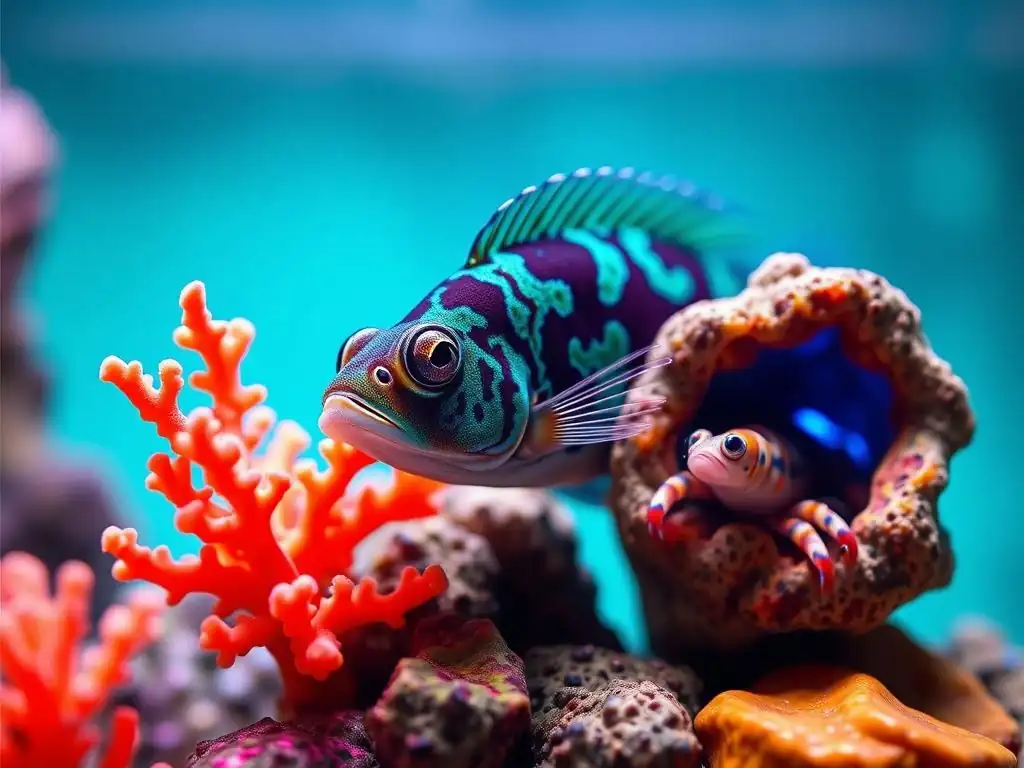
Maintaining pristine and stable water parameters is paramount for the health and longevity of a Yasha Goby and Randall's Pistol Shrimp in a nano reef tank. Salinity should be kept within a narrow range of 1.023 to 1.026 specific gravity (SG), or 32-35 ppt. Temperature should be consistently maintained between 74-78°F (23-26°C), with minimal fluctuations. pH levels should remain stable between 8.1 and 8.4. Alkalinity, a measure of the water's buffering capacity, is crucial for pH stability and coral health, ideally maintained between 8 and 12 dKH.
Beyond these core parameters, levels of calcium (380-450 ppm) and magnesium (1250-1350 ppm) are also important, especially if you plan to keep stony corals. Nitrates should be kept as low as possible, ideally below 10 ppm, and phosphates below 0.03 ppm, as high levels can fuel undesirable algae growth and stress sensitive inhabitants. Regular testing with reliable test kits is indispensable to monitor these parameters and make necessary adjustments, ensuring a healthy environment for your nano tank goby shrimp duo.
Regular Water Changes and Testing Procedures
Consistent maintenance, particularly regular water changes and diligent testing, is vital for the success of any nano reef, especially one housing delicate species like the Yasha Goby and Randall's Pistol Shrimp. Due to their smaller water volume, nano tanks are more susceptible to rapid fluctuations in water chemistry and the accumulation of nitrates and other waste products. Therefore, weekly or bi-weekly water changes of 10-20% of the tank's total volume are strongly recommended. This practice replenishes essential trace elements, removes accumulated pollutants, and helps maintain stable parameters.
Accurate and frequent water testing is equally important. Invest in high-quality test kits for salinity (refractometer or hydrometer), temperature (thermometer), pH, alkalinity, nitrates, and phosphates. Testing these parameters at least once a week, and more frequently if issues arise, allows you to catch and correct deviations before they become problematic. Consistent monitoring and proactive intervention are key to preventing stress and disease in your nano tank goby shrimp inhabitants and ensuring their long-term well-being.
Preventing Common Nano Tank Problems
Nano tanks, while rewarding, are prone to specific challenges due to their limited water volume. Preventing these common problems is crucial for the health of your Yasha Goby and Randall's Pistol Shrimp. One major issue is nutrient accumulation, leading to excessive algae growth. This can be mitigated by avoiding overfeeding, performing regular water changes, using a protein skimmer, and stocking a small, appropriate clean-up crew. Another common problem is temperature and salinity fluctuations; an auto top-off (ATO) system is highly effective in maintaining stable salinity by replacing evaporated freshwater, and a reliable heater prevents temperature swings.
Parameter instability, such as sudden drops in alkalinity or pH, can stress delicate marine life. Consistent dosing of buffers or two-part solutions may be necessary if you have a significant coral load, but for a fish-only nano tank goby shrimp tank, regular water changes are usually sufficient. Finally, preventing the introduction of parasites and diseases is paramount; always quarantine new fish and invertebrates for at least two to four weeks in a separate tank before introducing them to your main display. This proactive approach significantly reduces the risk of widespread illness in your established nano reef.
Choosing Compatible Tank Mates for Your Goby-Shrimp Pair
Safe and Unsafe Tank Mates for Nano Reefs
Selecting compatible tank mates is crucial for the peace and longevity of your Yasha Goby and Randall's Pistol Shrimp pair in a nano reef. Given the goby's shy and peaceful nature, and the shrimp's reclusive burrowing habits, any tank mates must be equally docile and non-aggressive.
Safe choices for a nano tank include other small, peaceful gobies (provided the tank is large enough to support multiple territories), small blennies like the Tailspot Blenny, or a single small clownfish species such as the Ocellaris Clownfish, especially if introduced as a juvenile. Ensure any potential tank mates are not predatory towards small fish or shrimp.
Conversely, many common reef fish are unsuitable for a nano tank goby shrimp setup. Aggressive species like most damselfish, larger wrasses (e.g., Six-Line Wrasse which can harass gobies), triggerfish, and puffers must be avoided at all costs, as they will stress, injure, or even consume the delicate goby or shrimp. Similarly, any fish known to prey on small crustaceans or burrowing invertebrates should be excluded. Researching the adult size and temperament of any prospective tank mate is essential to prevent conflicts and ensure a harmonious environment for your symbiotic duo.
Considering Invertebrates and Corals for Your Nano Ecosystem
Integrating a variety of invertebrates and corals can significantly enhance the biodiversity and visual appeal of your nano tank goby shrimp ecosystem, provided they are compatible. For a cleanup crew, small hermit crabs (like the Blue Leg or Scarlet Hermit Crab) and various snails (e.g., Nassarius, Trochus, Turbo snails) are excellent choices. They help control algae and detritus without disturbing the goby or shrimp. Avoid larger hermit crabs that might become aggressive or predatory towards the shrimp.
When it comes to corals, the Yasha Goby and Randall's Pistol Shrimp are considered "reef safe," meaning they will not nip at or harm corals. Therefore, a wide array of corals can be considered. Soft corals such as Zoanthids, Palythoa, mushrooms, and leathers are generally hardy and thrive in nano tank conditions.
Many LPS (Large Polyp Stony) corals like Duncan, Favias, and Chalices can also be excellent additions, adding vibrant color and intricate structures. SPS (Small Polyp Stony) corals can be kept, but they demand more stringent water parameter stability and higher lighting, which might be challenging in a smaller nano system. Always ensure adequate space and light for corals, and monitor their health to avoid nutrient export issues.
Avoiding Aggressive or Predatory Species
The primary rule when selecting tank mates for a Yasha Goby and Randall's Pistol Shrimp pair is to strictly avoid any species that exhibit aggressive or predatory behaviors. The Yasha Goby is inherently shy and can easily become stressed or refuse to emerge from its burrow if constantly harassed. The Randall's Pistol Shrimp, while having a powerful "snap," is still vulnerable to larger, persistent predators. Common culprits to exclude from your nano tank goby shrimp setup include nearly all species of damselfish, which are notoriously territorial and aggressive, even in small sizes.
Similarly, large predatory wrasses, such as Coris or Thalassoma wrasses, should be avoided, as they are known to prey on small invertebrates and could view the pistol shrimp as a meal. Certain angelfish species, while beautiful, can nip at corals and may become too large or boisterous for a nano environment. Even seemingly peaceful fish can become problematic if they grow too large or if the tank is overstocked. Always prioritize the well-being of your symbiotic pair by choosing only the most placid and appropriately sized tank mates, ensuring a stress-free and thriving environment.
Troubleshooting Common Issues with Nano Goby-Shrimp Setups
Identifying and Addressing Potential Problems
Even with meticulous care, issues can arise in a nano tank goby shrimp setup. One common problem is the goby and shrimp failing to bond or losing their bond. If this happens, ensure the tank is peaceful, free of aggressive tank mates, and has ample burrowing opportunities. Sometimes, simply rearranging the rockwork slightly or target-feeding the shrimp near a potential burrow site can encourage bonding. If the shrimp disappears for extended periods, it might be molting; avoid disturbing the tank during this vulnerable time.
Another issue can be the goby remaining constantly hidden. This usually indicates stress, either from poor water quality, unsuitable tank mates, or insufficient hiding spots. Check all water parameters immediately and address any deviations. Observe other tank inhabitants for signs of aggression. If the goby appears emaciated, it might not be getting enough food; increase target feeding frequency or adjust food type. Prompt identification and resolution of these issues are crucial for the long-term health and visibility of your symbiotic pair.
Managing Algae Growth in Nano Tanks
Algae growth is a pervasive challenge in many aquariums, and nano tanks are particularly susceptible due to their smaller water volume and propensity for nutrient accumulation. Excessive algae can be unsightly and, in severe cases, indicate underlying water quality issues that could stress your Yasha Goby and Randall's Pistol Shrimp. To manage algae effectively, the first step is to control nutrient input. Avoid overfeeding, as uneaten food breaks down into nitrates and phosphates, which fuel algae. Ensure all food is consumed within a few minutes.
Regular and consistent water changes (e.g., 10-20% weekly or bi-weekly) are crucial for exporting accumulated nutrients. Consider adding a small protein skimmer if your nano tank doesn't have one, as it actively removes organic waste before it breaks down. Limiting the duration of your tank's lighting period to 8-10 hours per day can also significantly reduce algae growth. Finally, a small, appropriate cleanup crew consisting of herbivorous snails (e.g., Trochus, Turbo, Nerite snails) and small hermit crabs can help graze on nuisance algae, contributing to a cleaner and healthier nano tank goby shrimp environment.
Dealing with Parasites and Diseases
While generally hardy once established, Yasha Gobies and Randall's Pistol Shrimp, like all aquarium inhabitants, can be susceptible to parasites and diseases if water quality is poor or new, infected organisms are introduced. Common marine fish diseases such as Ich (Cryptocaryon irritans) or Marine Velvet (Amyloodinium ocellatum) can be devastating.
Pistol shrimp are generally more resilient to common fish parasites but can suffer from bacterial infections or molting issues if stressed. The best defense is prevention: always quarantine new fish and invertebrates for at least four weeks in a separate observation tank before adding them to your main nano tank goby shrimp display.
If disease is suspected, prompt action is critical. For fish, treatment often involves transferring the affected individual to a hospital tank for medication, as many medications are harmful to invertebrates and beneficial bacteria in the main display. Maintaining pristine water quality, stable parameters, and a stress-free environment are the most effective long-term strategies for disease prevention. Observe your goby and shrimp daily for any unusual behavior, discoloration, or lesions, as early detection significantly improves the chances of successful treatment and recovery.
Breeding Yasha Gobies and Randall's Pistol Shrimp: A Rare Achievement
Understanding the Breeding Behavior of Yasha Gobies
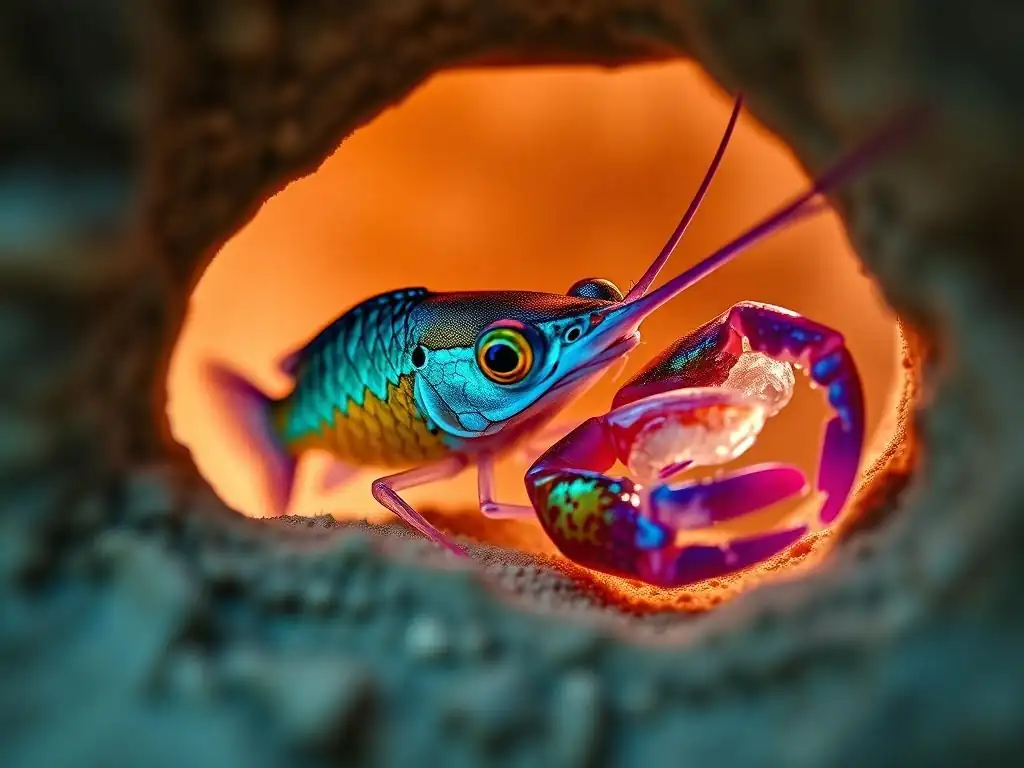
Breeding Yasha Gobies ( Stonogobiops yasha) in a home aquarium is considered a rare and challenging achievement, primarily due to the specific conditions required and the difficulty in raising the fry. In their natural habitat, Yasha Gobies are known to be monogamous and form a breeding pair that utilizes the pistol shrimp's burrow as a spawning site.
The female typically lays adhesive eggs within the safety of the burrow, and the male guards them until they hatch. The eggs are often laid in clusters on the burrow walls or ceiling, protected by the male's diligent fanning to ensure adequate oxygenation.
The primary hurdle for aquarists is often creating an environment stable and secure enough for the pair to feel comfortable spawning. Stress, inadequate nutrition, or unsuitable tank mates can prevent breeding behavior entirely. While the presence of their Randall's Pistol Shrimp partner is crucial for providing the necessary breeding structure, the specific triggers for spawning in captivity are not fully understood, making successful breeding more a matter of persistent dedication and ideal conditions rather than a guaranteed outcome in a typical nano tank goby shrimp setup.
Creating Optimal Conditions for Breeding
To even hope for Yasha Goby breeding, the aquarium must be exceptionally stable, mature, and peaceful. Water parameters must be consistently pristine: stable salinity (1.025 SG), temperature (around 76-78°F or 24-26°C), pH (8.1-8.4), and undetectable nitrates/phosphates. A varied and highly nutritious diet, including live foods such as enriched brine shrimp and copepods, is essential to condition the pair for spawning. The tank should be free of any aggressive or overly active tank mates that could stress the breeding pair or consume the eggs or fry.
The sand bed must be deep and fine, allowing the Randall's Pistol Shrimp to construct a complex and secure burrow system that includes dedicated chambers for spawning. Providing multiple stable live rock structures that the shrimp can integrate into its burrow network can also encourage breeding. Some aquarists have reported success in larger nano tanks (e.g., 20-30 gallons) where stability is easier to maintain. While intentional breeding of this nano tank goby shrimp pair is infrequent, creating these optimal conditions significantly increases the slim chances of observing this remarkable natural event.
Raising Yasha Goby Fry
Raising Yasha Goby fry is the most challenging aspect of their captive breeding, often proving to be an insurmountable hurdle for most aquarists. Upon hatching, Yasha Goby larvae are incredibly tiny, planktonic, and possess very specific feeding requirements. They are typically smaller than newly hatched brine shrimp, making them difficult to feed with conventional larval foods. Their survival rate is extremely low without specialized care and a dedicated setup.
Successful rearing usually necessitates transferring the newly hatched fry to a separate larval rearing tank, where water parameters can be meticulously controlled and water flow kept minimal. The initial diet for these micro-fry must consist of rotifers (e.g., Brachionus plicatilis), followed by progressively larger live foods such as copepod nauplii as they grow.
Culturing these live foods in sufficient quantities is a labor-intensive process. Due to these significant challenges, the successful captive breeding and rearing of Yasha Goby fry by hobbyists remain a rare and highly celebrated accomplishment within the marine aquarium community, underscoring the delicate nature of this nano tank goby shrimp partnership at its earliest stages.
The Allure of Nano Aquariums: A Perfect Home for Gobies and Shrimp
Nano aquariums offer a unique opportunity to create vibrant, self-contained marine ecosystems, and they are particularly well-suited for showcasing the captivating symbiotic relationship between the Yasha Goby and Randall's Pistol Shrimp. The smaller footprint of a nano tank allows aquarists with limited space to still experience the wonders of a marine reef. Despite their size, these tanks can be meticulously aquascaped to provide an ideal habitat, focusing on the specific needs of the symbiotic pair, such as a deep sand bed and stable rockwork for burrowing.
The appeal lies not only in the manageable size but also in the intimate view they provide of the goby and shrimp's fascinating interactions. In a larger tank, these shy creatures might be lost or harder to observe, but in a nano setting, their daily routines, from the shrimp's diligent digging to the goby's watchful sentry duty, are easily visible. This close-up perspective fosters a deeper appreciation for the intricate behaviors and natural alliances found in the ocean, making the nano tank goby shrimp partnership a perfect centerpiece for any small-scale marine display.
Conclusion: Embrace the Dynamic Duo in Your Nano Reef Aquarium
The Yasha Goby and Randall's Pistol Shrimp represent one of the most endearing and fascinating partnerships in the marine aquarium hobby. Their mutualistic relationship, where the shrimp provides a secure home and the goby offers protection, is a testament to nature's ingenuity and adaptability. For those passionate about marine life and seeking a captivating display for a smaller space, this dynamic duo offers an unparalleled opportunity to observe complex natural behaviors up close.
With proper planning, diligent maintenance, and an understanding of their specific needs – including a deep sand bed, stable water parameters, and peaceful tank mates – a nano tank goby shrimp setup can thrive for years. The visual appeal of the Yasha Goby's striking coloration paired with the industrious nature of the Randall's Pistol Shrimp creates a miniature ecosystem that is both aesthetically pleasing and endlessly engaging. Embrace this remarkable duo, and you will be rewarded with a vibrant, living testament to the wonders of symbiotic life in your very own nano reef aquarium.
Frequently Asked Questions
What makes the Yasha Goby and Randall's Pistol Shrimp such a good pairing for a nano tank?
This symbiotic relationship is ideal for nano tanks because the shrimp provides a safe burrow for the goby, and the goby acts as a watchman to alert the shrimp to danger. This mutualism allows both to thrive in a confined space.
What size tank is recommended for a Yasha Goby and Randall's Pistol Shrimp pair?
A minimum of 10 gallons is generally recommended. This provides enough space for the pair to establish their territory and for adequate water parameters to be maintained.
What are the ideal water parameters for a nano tank housing a Yasha Goby and Randall's Pistol Shrimp?
Maintain a stable salinity of 1.024-1.026, a temperature between 72-78°F (22-26°C), and low levels of nitrates and phosphates. Regular water changes are crucial.
What should I feed a Yasha Goby and Randall's Pistol Shrimp in a nano tank setup?
Offer a varied diet of small meaty foods such as mysis shrimp, brine shrimp, and finely chopped seafood. Ensure the shrimp receives food near its burrow.
What are some common problems aquarists encounter when keeping a Yasha Goby and Randall's Pistol Shrimp in a nano tank, and how can they be prevented?
Common issues include jumping gobies (use a tight-fitting lid), inadequate burrowing substrate (provide a deep sand bed), and water quality fluctuations (perform regular water changes).
Final Reflection: The Enduring Dance of Symbiosis
The intricate relationship between the Yasha Goby and Randall's Pistol Shrimp, as explored in this article, serves as a powerful microcosm of the interconnectedness of life itself, a concept increasingly vital in our understanding of fragile ecosystems, both natural and artificial. The success of a nano tank, mirroring the success of larger ecosystems, hinges on understanding and fostering these delicate balances.
This exploration of the goby-shrimp partnership has profoundly influenced my perspective on the beauty and necessity of symbiotic relationships. It underscores the importance of observation, patience, and respect when attempting to recreate natural environments, even on a small scale. In nature, nothing exists alone.
- Rachel Carson. This quote perfectly encapsulates the essence of the Yasha Goby and Randall's Pistol Shrimp's bond, a reminder that even the smallest creatures play a crucial role in the grand tapestry of life.
Now, consider the lessons learned from this tiny partnership. How can you apply the principles of symbiosis, of mutual benefit and shared responsibility, to your own life and your own community? Let the Yasha Goby and Randall's Pistol Shrimp inspire you to cultivate relationships built on trust, understanding, and a shared commitment to thriving together.
Ignite Your Nano Tank's Ecosystem!
Thank you for diving into the fascinating world of Yasha Goby and Randall's Pistol Shrimp partnerships. We hope you've uncovered the secrets to creating a thriving nano aquarium ecosystem. Ready to bring this dynamic duo to your tank?
Here are your next steps:
- Begin researching reputable breeders or local fish stores specializing in nano-friendly livestock. Ensure your potential pair are healthy and compatible.
- Explore aquascaping techniques to create an environment that mimics their natural habitat. Think plenty of live rock and a deep sand bed for burrowing.
- Share this article with fellow reefing enthusiasts and spark a discussion about successful nano-tank pairings!
What unique aquascaping element will you incorporate to make your Yasha Goby and Randall's Pistol Shrimp feel right at home?