
Citron Goby: A Splash of Sunshine & Personality for Your Small Saltwater Tank

Welcome to Aquarium Mastery, where we unlock the secrets to thriving aquatic ecosystems!
Ever wondered how to add a vibrant burst of sunshine and a dash of personality to your saltwater aquarium, even if space is limited? Prepare to be captivated! This article dives deep into Citron Goby care tips, revealing everything you need to know to keep these charming little fish happy and healthy. From ideal tank conditions to their quirky behaviors, discover the secrets to creating a perfect home for your own little ray of sunshine. Intrigued? Let's explore!
- Introduction to the Citron Goby: A Nano Reef Gem
- Citron Goby Care Tips: Essential Guidelines for a Thriving Fish
- Citron Goby Compatibility: Choosing the Right Tank Mates
- Breeding Citron Gobies: A Challenging but Rewarding Endeavor
- The Unique Personality of Citron Gobies: Observing Their Behavior
- Troubleshooting Common Citron Goby Issues
- Advanced Citron Goby Care: Beyond the Basics
- Conclusion: Enjoying the Beauty and Charm of Your Citron Goby
-
Frequently Asked Questions
- What are the key characteristics of a Citron Goby that make it a good choice for a saltwater aquarium?
- What specific water parameters are crucial for successful Citron Goby care?
- What type of food should I feed a Citron Goby to ensure its health and vibrant color?
- Are Citron Gobies prone to any specific diseases or health issues, and how can I prevent them?
- How can I encourage a Citron Goby to thrive and display its natural behaviors in my aquarium?
- Final Reflection: Embracing the Tiny Treasures
- Dive Deeper: Transform Your Tank into a Thriving Ecosystem!
Introduction to the Citron Goby: A Nano Reef Gem
Why Choose a Citron Goby for Your Saltwater Aquarium?
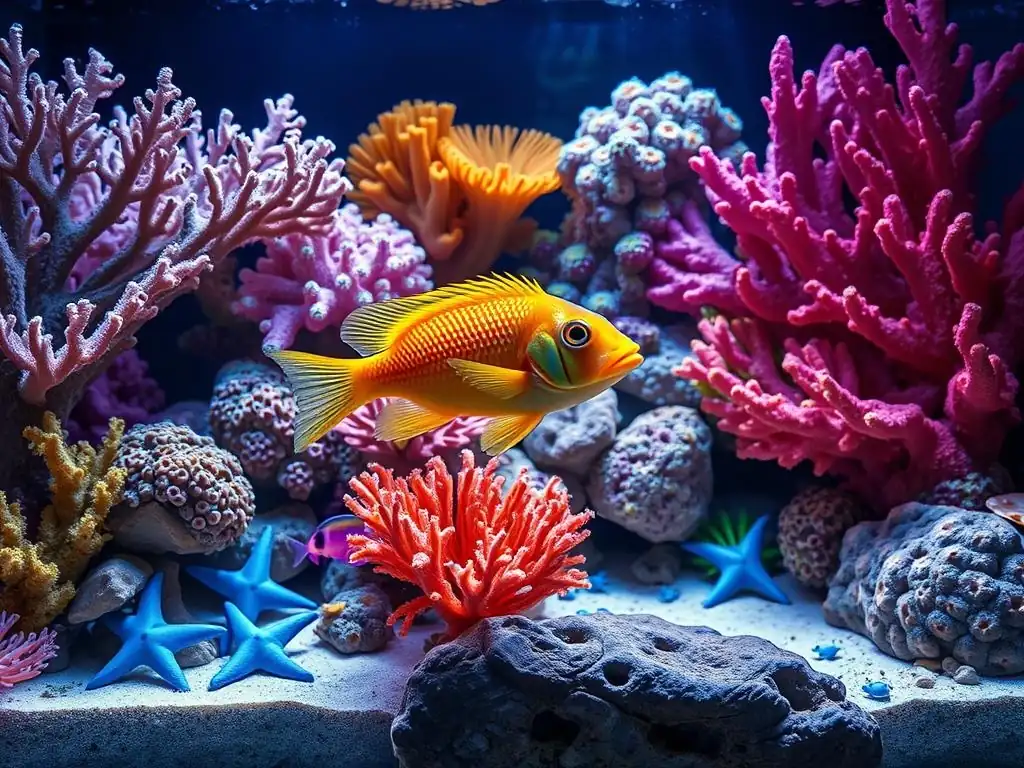
The Citron Goby, scientifically known as Gobiodon citrinus, is an excellent choice for saltwater aquarists looking to add a vibrant splash of color and engaging personality to their nano or small reef tanks. These charming fish, typically reaching an adult size of 1.5 to 2.5 inches (approximately 3.8 to 6.3 cm), are renowned for their brilliant lemon-yellow coloration, which instantly brightens any aquatic display. Their compact size makes them perfectly suited for tanks as small as 10 gallons, offering a viable option for those with limited space who still desire a captivating marine inhabitant.
Beyond their striking appearance, Citron Gobies are prized for their generally peaceful temperament and unique perching behavior. Unlike more active swimmers, these gobies prefer to perch on live rock or, most notably, within the branches of SPS corals like Acropora, where they often find shelter and survey their surroundings. This characteristic behavior, combined with their relatively hardy nature when provided with proper Citron Goby care tips, makes them a fascinating and less demanding addition compared to some other nano reef inhabitants.
Understanding the Allure of Gobiodon citrinus
Gobiodon citrinus originates from the Indo-Pacific region, where they are commonly found nestled among the intricate branches of stony corals on shallow reef flats. Their stout, almost cylindrical bodies, large expressive eyes, and often subtle blue markings or spots across their faces contribute to their distinctive appeal. These fish are scaleless, possessing a thick mucus coating that provides a degree of protection against coral stings, a testament to their natural habitat.
With diligent Citron Goby care, these fish can enjoy a lifespan of 3 to 5 years in a well-maintained home aquarium, making them a relatively long-term commitment. Their allure lies not just in their aesthetic beauty but also in their subtle, engaging behaviors. Observing a Citron Goby meticulously selecting its perching spot, darting out to snatch a morsel of food, or engaging in a gentle territorial display is a delightful experience that enriches the daily life of any aquarist, solidifying their status as true nano reef personalities.
Citron Goby Care Tips: Essential Guidelines for a Thriving Fish
Tank Setup Requirements for Optimal Citron Goby Health
Ideal Tank Size for Citron Gobies
For a single Citron Goby, a minimum tank size of 10 gallons (approximately 38 liters) is generally recommended. While some experienced aquarists might keep them in slightly smaller pico tanks (5-7 gallons), a 10-gallon system offers greater stability in water parameters, which is crucial for the long-term health of any marine inhabitant. If you plan to keep a pair of Citron Gobies or wish to include other peaceful nano fish, a tank of 15 to 20 gallons (57-76 liters) or larger would be more appropriate, providing ample space and reducing potential territorial disputes.
The increased water volume in larger tanks helps to dilute waste products more effectively and provides a more forgiving buffer against minor fluctuations in water chemistry. This stability is a cornerstone of effective Citron Goby care, as these fish, like most marine species, thrive in consistent environments. Adequate space also allows for the creation of diverse habitats, catering to their natural behaviors and reducing stress.
Essential Rockwork and Hiding Places
Providing ample live rock with numerous crevices, caves, and overhangs is paramount for the well-being of Citron Gobies. These structures offer essential hiding spots, which are vital for their security and stress reduction. In their natural habitat, they are almost exclusively found within branching corals, so replicating this environment with plenty of SPS corals (e.g., Acropora, Montipora) or even well-placed dry rock resembling such structures will make them feel most at home. Aim for at least 1-2 pounds of live rock per gallon to ensure sufficient biological filtration and structural complexity.
The presence of suitable perching and hiding spots is not just about aesthetics; it directly impacts the goby's health and behavior. A secure environment allows the fish to retreat when feeling threatened or simply to rest, reducing chronic stress that can lead to weakened immune systems and susceptibility to disease. This foundational aspect of tank design is a critical Citron Goby care tip that ensures they can exhibit their natural behaviors comfortably.
Water Parameters: Maintaining a Stable Environment
Maintaining stable and appropriate water parameters is arguably the most critical aspect of Citron Goby care. These fish are sensitive to fluctuating conditions, and consistency is key. Regular testing is essential to monitor these parameters:
- Temperature: 72-78°F (22-26°C)
- Salinity: 1.023-1.025 specific gravity (or 32-35 ppt)
- pH: 8.1-8.4
- Alkalinity (dKH): 8-12 dKH
- Calcium (ppm): 400-450 ppm
- Magnesium (ppm): 1250-1350 ppm
- Ammonia (NH3/NH4+): 0 ppm
- Nitrite (NO2-): 0 ppm
- Nitrate (NO3-): Below 10-20 ppm (lower is better for a reef tank)
Regular water changes are indispensable for maintaining these parameters and replenishing essential trace elements. A general guideline is to perform a 10-20% water change bi-weekly or a 5-10% water change weekly, depending on tank bioload and nutrient levels. Consistent water quality not only prevents stress and disease but also promotes vibrant coloration and active behavior, embodying the best practices for Citron Goby care.
Citron Goby Diet and Feeding: What to Feed Your Sunny Goby
Recommended Food Sources for Citron Gobies
Citron Gobies are carnivorous micro-predators, and their diet in captivity should reflect this. They primarily consume small invertebrates in the wild. In the aquarium, a varied diet of small, meaty frozen foods is ideal. Excellent choices include:
- Enriched brine shrimp: Artemia salina that has been gut-loaded with nutrients.
- Mysis shrimp: A highly nutritious and commonly accepted food.
- Cyclop-eeze: Very small crustaceans, excellent for smaller mouths.
- Finely chopped marine-based meaty foods: Such as clam, squid, or fish flesh.
While some gobies might eventually accept high-quality marine pellets or flakes designed for small marine fish, frozen foods are generally preferred and provide superior nutrition. It's crucial to offer a diverse diet to ensure all necessary vitamins and minerals are provided, contributing significantly to their overall health and vibrant yellow coloration.
Feeding Schedule and Frequency
Due to their small size and relatively high metabolism, Citron Gobies benefit from frequent, small feedings throughout the day. It is recommended to feed them 2 to 3 times per day, offering only as much food as they can consume within 2 to 3 minutes. This approach mimics their natural grazing behavior on micro-invertebrates on the reef and prevents large amounts of uneaten food from decaying in the tank.
Consistent and appropriate feeding is a vital component of successful Citron Goby care tips. Regular, small meals ensure they receive adequate nutrition without overwhelming the tank's filtration system. This also helps maintain their energy levels and contributes to their active and engaging personality.
Avoiding Overfeeding and Maintaining Water Quality
Overfeeding is a common mistake that can have detrimental effects on both the Citron Goby and the overall aquarium environment. Excess food quickly breaks down, leading to elevated levels of nitrates and phosphates, which can fuel nuisance algae growth and degrade water quality. Poor water quality, in turn, stresses fish and makes them more susceptible to disease.
To avoid overfeeding, always observe how much food your goby consumes. If food remains after a few minutes, you are feeding too much. Using a feeding ring or spot-feeding methods can help ensure food reaches the goby directly and doesn't get lost in the rockwork, thus minimizing waste. Prudent feeding practices are fundamental to maintaining excellent water quality, which is the bedrock of optimal Citron Goby care.
Acclimation Process: Introducing Your Citron Goby to Its New Home
Step-by-Step Acclimation Guide
Proper acclimation is crucial for minimizing stress and ensuring a smooth transition for your new Citron Goby into its aquarium. Drip acclimation is highly recommended for sensitive marine fish:
- Dim the Lights: Turn off your aquarium lights and room lights to reduce stress on the new fish.
- Float the Bag: Float the sealed transport bag in your sump or tank for 15-20 minutes to equalize the water temperature.
- Prepare for Drip: Open the bag, roll down the edges to create a floating rim, and place it in a clean bucket. Do not allow the bag water to mix with your tank water.
- Start the Drip: Use an airline tubing to siphon water from your display tank into the bucket. Tie a knot in the tubing or use a control valve to create a slow drip rate, approximately 1-2 drips per second.
- Acclimate Gradually: Allow the water in the bucket to slowly mix with the bag water over 30-60 minutes, aiming to triple the original volume of water in the bucket.
- Transfer: Once acclimation is complete, gently net the Citron Goby from the bucket and place it into your display tank. Discard the water from the bucket; never add it to your main aquarium.
This slow and steady approach allows the goby to gradually adjust to your tank's specific pH, salinity, and temperature, significantly reducing the risk of osmotic shock and promoting healthier integration.
Monitoring for Stress During Acclimation
During and immediately after the acclimation process, it's vital to carefully observe your new Citron Goby for any signs of stress. Common indicators include rapid gilling (fast breathing), clamped fins (fins held tightly against the body), faded coloration, erratic swimming, or prolonged hiding immediately upon introduction without any exploratory behavior. While some initial shyness and hiding are normal for a new fish, especially a goby, excessive or persistent signs of distress warrant concern.
If signs of severe stress are observed, ensure your tank's water parameters are pristine, minimize any disturbances, and keep the lights dim for the first 24 hours. Avoid trying to coax the fish out of hiding; allow it to settle naturally. Patience and a stable environment are the best remedies for post-acclimation stress, forming a key part of effective Citron Goby care tips.
Maintaining a Healthy Citron Goby: Preventing Common Issues
Recognizing Signs of Illness in Citron Gobies
Vigilant observation is key to maintaining a healthy Citron Goby. Early detection of illness can significantly improve the chances of successful treatment. Be on the lookout for the following signs:
- Faded or dull coloration: A healthy Citron Goby is a vibrant lemon yellow.
- Cloudy eyes or visible lesions: Indicate bacterial infections or parasites.
- White spots (Ich) or velvet-like dusting: Classic signs of common marine parasites.
- Frayed or torn fins: Can be due to fin rot, aggression, or poor water quality.
- Labored breathing or rapid gilling: Often a sign of gill parasites, poor oxygenation, or internal issues.
- Refusal to eat or loss of appetite: A strong indicator of stress or illness.
- Abnormal swimming: Darting, scratching against rocks, listing, or prolonged lethargy.
A healthy Citron Goby will be active, alert, and exhibit its characteristic perching and darting behaviors. Any deviation from its normal routine should prompt closer inspection of the fish and immediate testing of water parameters.
Addressing Common Health Problems
Citron Gobies, like all marine fish, can be susceptible to common saltwater diseases such as Marine Ich ( Cryptocaryon irritans) and Marine Velvet ( Amyloodinium ocellatum). Prevention through stable water parameters, a nutritious diet, and proper quarantine of new arrivals is always the best approach. If illness does occur:
- Quarantine Tank: Immediately move the affected fish to a separate quarantine tank for observation and treatment. This prevents the spread of disease to your main display tank, especially if it's a reef system where many medications are unsafe for invertebrates and corals.
- Ich/Velvet: Treatments may include hyposalinity (gradual reduction of salinity to 1.009-1.010 SG for fish-only systems), copper-based medications (use with extreme caution and never in a reef tank), or the tank transfer method. Always follow product instructions meticulously.
- Bacterial Infections: Broad-spectrum antibiotics may be used in a quarantine tank, often for issues like fin rot or bacterial infections.
Remember that treating marine fish diseases can be complex, and accurate diagnosis is crucial. Consulting with an experienced aquarist or veterinarian specializing in aquatic health can provide invaluable guidance for effective Citron Goby care and treatment.
Citron Goby Compatibility: Choosing the Right Tank Mates
Suitable Tank Mates for a Peaceful Reef Environment
Compatible Fish Species
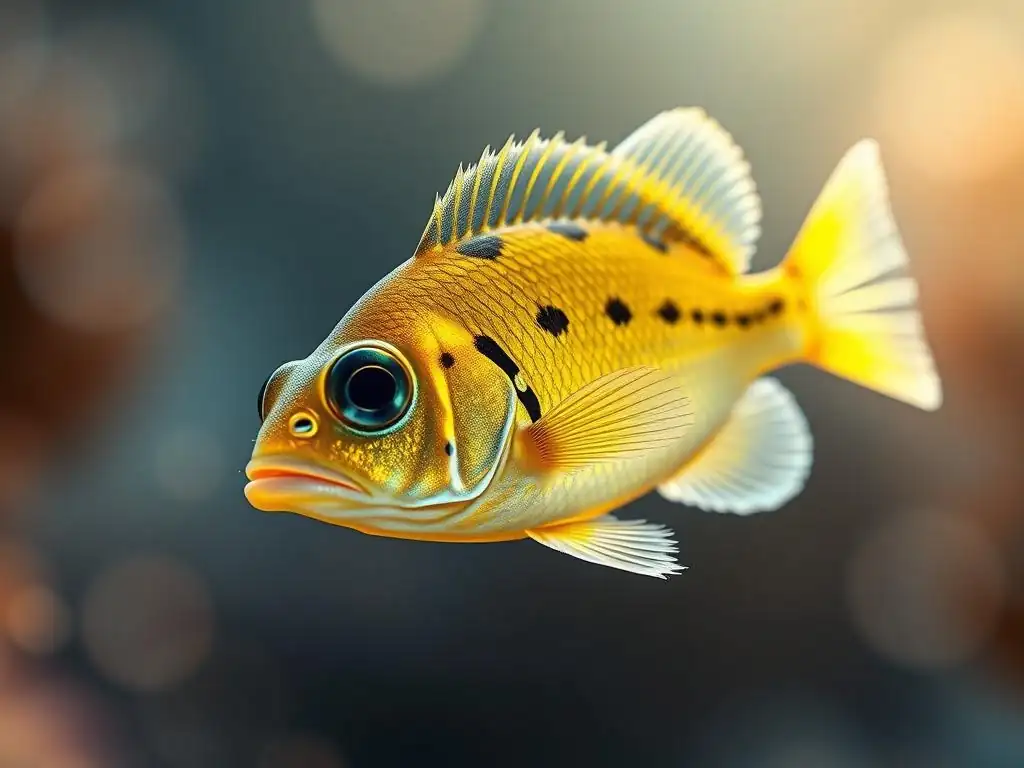
Citron Gobies are generally peaceful and make excellent additions to nano and small reef tanks, provided their tank mates are chosen carefully. They thrive in communities with other small, non-aggressive fish that won't outcompete them for food or territory. Ideal companions include:
- Other small, peaceful gobies: Such as Clown Gobies ( Gobiodon okinawae), Yellow Watchman Gobies ( Cryptocentrus cinctus) in larger tanks (20+ gallons), or Diamond Watchman Gobies ( Valenciennea puellaris). However, avoid keeping multiple Citron Gobies or very similar-looking Gobiodon species in tanks smaller than 20 gallons, as they can become territorial towards conspecifics.
- Small blennies: Like the Tailspot Blenny ( Ecsenius stigmatura) or Starry Blenny ( Salarias ramosus).
- Royal Grammas: ( Gramma loreto) are colorful and peaceful.
- Firefish: Such as the Purple Firefish ( Nemateleotris decora) or Red Firefish ( Nemateleotris magnifica).
- Small cardinalfish: Including the Banggai Cardinalfish ( Pterapogon kauderni).
- Certain small clownfish species: Like the Ocellaris Clownfish ( Amphiprion ocellaris).
The key to successful cohabitation is selecting fish that are similarly sized, have calm temperaments, and occupy different niches within the tank, minimizing direct competition for resources.
Invertebrates That Coexist Well With Citron Gobies
Citron Gobies are considered reef-safe and pose no threat to corals or most invertebrates, making them an ideal choice for mixed reef aquariums. They will not nip at corals or sessile invertebrates. Compatible invertebrates include:
- Snails: Various species like Nassarius snails, Trochus snails, and Turbo snails are excellent clean-up crew members.
- Hermit crabs: Dwarf Blue Leg Hermit Crabs ( Clibanarius tricolor) and Scarlet Reef Hermit Crabs ( Paguristes cadenati) are good choices.
- Cleaner shrimp: Such as Skunk Cleaner Shrimp ( Lysmata amboinensis) or Peppermint Shrimp ( Lysmata wurdemanni).
- Corals: All types of corals, including SPS (Small Polyp Stony), LPS (Large Polyp Stony), and soft corals, will coexist peacefully with Citron Gobies. In fact, Citron Gobies often enjoy perching within the branches of SPS corals.
Their compatibility with a wide range of invertebrates and corals further enhances their appeal as a charming and hassle-free addition to a thriving reef ecosystem.
Fish to Avoid: Potential Aggressors and Competitors
To ensure the safety and well-being of your Citron Goby, it is crucial to avoid housing them with fish that are known to be aggressive, territorial, or significantly larger, as they may harass, outcompete, or even prey upon the small and peaceful goby. Species to avoid include:
- Large or aggressive tangs: Such as Yellow Tangs ( Zebrasoma flavescens) or Blue Tangs ( Paracanthurus hepatus) in smaller tanks, which can be overly active and boisterous.
- Triggers and puffers: These fish are often predatory and will view a small goby as food.
- Large angelfish: Many species can be semi-aggressive or territorial.
- Certain wrasses: While many wrasses are reef-safe, some larger or more active species can be too boisterous or competitive for food.
- Dottybacks: Many species are highly territorial and aggressive, especially towards smaller, similar-looking fish.
- Eels and lionfish: These are predatory and will consume a Citron Goby.
Introducing fast or highly competitive eaters should also be avoided, as the slow-moving Citron Goby may struggle to get enough food. Competition for food or territory can lead to chronic stress, malnutrition, and increased susceptibility to disease for the goby. Thorough research into potential tank mates is a fundamental aspect of responsible Citron Goby care, ensuring a peaceful and thriving environment for all inhabitants.
Breeding Citron Gobies: A Challenging but Rewarding Endeavor
Creating a Breeding Environment
Breeding Citron Gobies in captivity, while challenging, is a rewarding experience for dedicated aquarists. To encourage spawning, a dedicated breeding tank (e.g., 10-20 gallons) with stable, pristine water parameters is highly recommended. The tank should be furnished with suitable spawning sites that mimic their natural coral habitats. This can include small PVC pipes, ceramic tubes, or even the bases of branching SPS corals like Acropora. A quiet, dimly lit environment with minimal disturbances will further encourage breeding behavior.
Providing a rich, high-protein diet for the breeding pair is essential to condition them for spawning. Frequent feedings of live or frozen mysis shrimp, enriched brine shrimp, and copepods can significantly improve their reproductive readiness. Ensuring excellent water quality with gentle filtration that won't harm delicate eggs or larvae is also crucial for a successful breeding setup.
Identifying Male and Female Citron Gobies
Sexual dimorphism in Citron Gobies is subtle, making it difficult to distinguish males from females outside of breeding behavior. Generally, males might be slightly larger or develop a more robust appearance and potentially a more pronounced dorsal fin during spawning periods. However, the most reliable method is to observe their behavior during courtship and spawning; the male will typically guard the eggs.
Interestingly, Citron Gobies are protogynous hermaphrodites, meaning they have the ability to change sex from female to male. If you introduce two juvenile Citron Gobies, the more dominant individual will often transition into a male, forming a pair. This characteristic makes pairing them somewhat easier than with species that have fixed sexes.
Understanding the Breeding Process
Once a pair forms and is conditioned, the female Citron Goby will lay a clutch of adhesive eggs, typically ranging from 100 to 300, in a sheltered location such as inside a tube or within coral branches. The male then fertilizes the eggs and takes on the primary role of guarding and fanning them to ensure proper oxygenation and cleanliness. The incubation period is relatively short, usually lasting 3 to 5 days, after which the tiny, planktonic larvae hatch.
The most significant challenge in breeding Citron Gobies lies in raising the fry. The newly hatched larvae are extremely small and require microscopic live foods, such as rotifers, for their initial feeding. As they grow, their diet can transition to newly hatched brine shrimp and eventually other small, live foods. This demanding feeding regimen and the delicate nature of the fry make successful rearing of Citron Goby offspring a notable achievement, typically undertaken by advanced aquarists.
The Unique Personality of Citron Gobies: Observing Their Behavior
Common Behaviors and Interactions
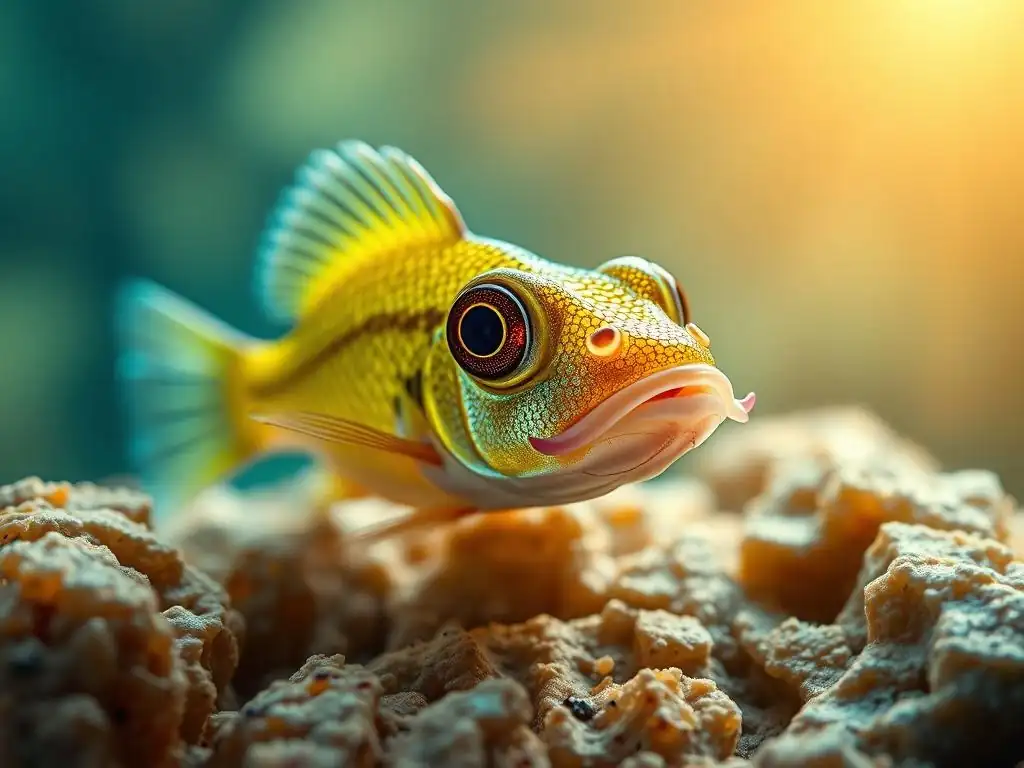
The Citron Goby's personality is as captivating as its color. They are best known for their characteristic perching behavior. You will frequently observe them resting motionless on live rock, within the branches of SPS corals, or even on the aquarium glass, intently surveying their surroundings. From these vantage points, they will dart out with surprising speed to snatch a passing food particle or to briefly chase away a perceived intruder from their immediate territory.
While generally peaceful, Citron Gobies can exhibit mild territoriality, particularly towards conspecifics or other small, bottom-dwelling fish if the tank is too small. These displays usually involve flaring their fins or a quick, non-aggressive chase. They tend to form a strong attachment to their chosen perching spot or coral host and will often return to it after excursions. Their active daytime movements, combined with their watchful stillness, make them a constant source of fascination.
Creating Enrichment to Stimulate Your Goby
To encourage the full range of natural behaviors and ensure the well-being of your Citron Goby, providing an enriched environment is crucial. This involves more than just basic Citron Goby care tips; it's about thoughtful tank design. Offer a variety of perching opportunities:
- Diverse Live Rock: Create intricate rockscapes with plenty of crevices, caves, and elevated platforms.
- Branching Corals: If you have a reef tank, Acropora or other branching SPS corals are ideal, as they mimic their natural coral hosts and provide both shelter and perching spots. Even artificial branching coral structures can provide similar benefits in a fish-only setup.
- Substrate Variation: While they primarily perch, a varied substrate (fine sand to small rubble) can offer different textures and potential foraging opportunities.
A diverse and healthy ecosystem within the tank itself provides natural stimulation. The presence of a thriving microfauna, which they may occasionally forage for, contributes to their overall engagement and allows them to express their innate behaviors, leading to a happier and healthier goby.
Troubleshooting Common Citron Goby Issues
Addressing Aggression and Territory Disputes
While Citron Gobies are generally peaceful, occasional aggression or territorial disputes can arise, typically due to specific environmental factors. If your Citron Goby exhibits aggression, which is rare and usually directed at other small, bottom-dwelling fish or conspecifics in a confined space, the primary cause is often insufficient space or too many similar species.
To mitigate such behavior:
- Increase Hiding Spots: Add more live rock or coral structures to create additional territories and break up sightlines.
- Rearrange Rockwork: Temporarily removing and then re-stacking the rockwork can disrupt existing territories and allow the fish to establish new ones.
- Review Stocking: If aggression persists, especially between two Citron Gobies in a tank under 20 gallons, it may be necessary to separate them and house one in a different system. True aggression from a Citron Goby is uncommon; it's more often a mild territorial display that can be resolved with proper tank design and stocking levels.
Dealing with Fin Nipping
Although Citron Gobies are not typically known as fin nippers, isolated reports of this behavior can occur, often when the goby is stressed or if tank mates have long, flowing fins that might be too tempting. This is not a characteristic behavior but should be addressed if observed.
If fin nipping is noted:
- Identify the Culprit: Confirm if the Citron Goby is indeed the one doing the nipping.
- Assess Stressors: Review the goby's environment for potential stress factors, such as poor water quality, lack of hiding spots, or unsuitable tank mates that might be harassing it. A stressed goby can sometimes act out.
- Tank Mate Compatibility: Re-evaluate the compatibility of all tank inhabitants. If a tank mate with long fins is constantly being nipped, it might be necessary to separate them to ensure the well-being of both fish. This proactive approach is part of comprehensive Citron Goby care tips.
Maintaining Proper Water Quality for Goby Health
Many common issues in marine aquariums, including lethargy, faded coloration, and increased susceptibility to disease, can be directly linked to poor water quality. For Citron Gobies, maintaining pristine and stable water parameters is paramount for their long-term health and vibrancy.
If your goby appears unwell, and no obvious signs of parasites or physical injury are present, the first step should always be to rigorously test your water parameters:
- Check Ammonia, Nitrite, Nitrate: Ensure ammonia and nitrite are at 0 ppm, and nitrates are below 10-20 ppm.
- Verify Salinity, pH, Temperature: Confirm these are within the recommended ranges and stable.
- Perform Water Changes: If parameters are off, conduct a partial water change immediately (e.g., 20-30%) using properly mixed and temperature-matched saltwater.
- Review Filtration: Ensure your filtration system (live rock, protein skimmer, mechanical filtration) is adequate for your tank's bioload.
- Avoid Overfeeding: As discussed, overfeeding is a significant contributor to poor water quality.
Consistent maintenance, including regular water changes and diligent feeding practices, is the most effective preventative measure against water quality-related health issues, forming the backbone of all effective Citron Goby care tips.
Advanced Citron Goby Care: Beyond the Basics
Understanding the Impact of Lighting
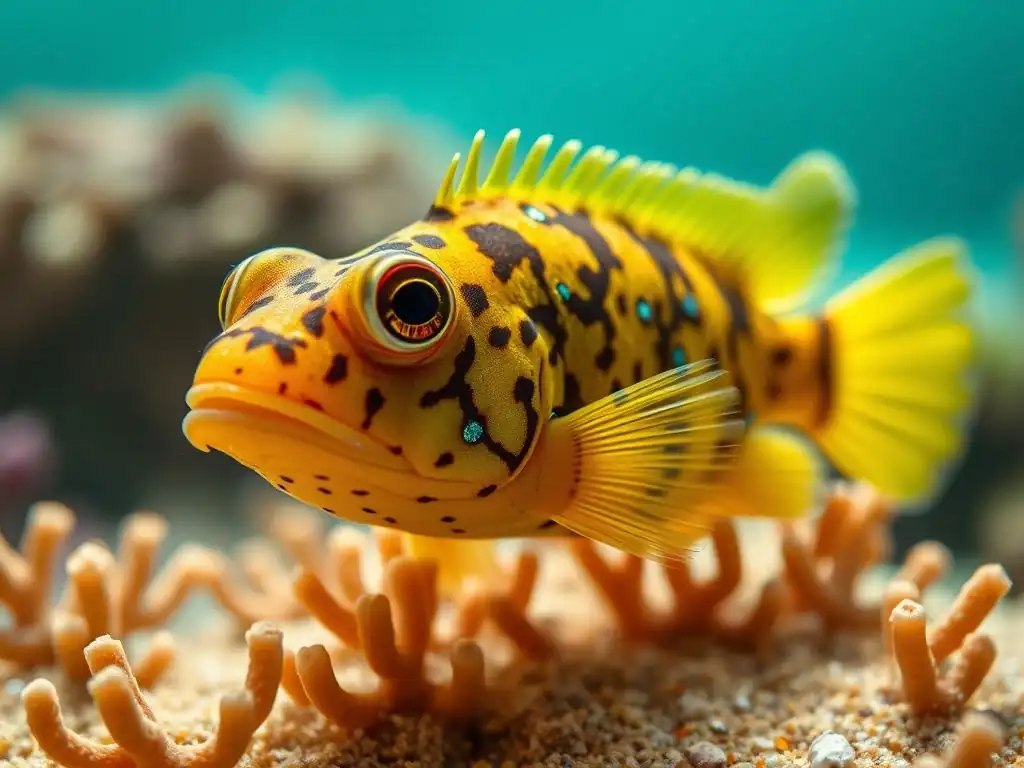
While Citron Gobies do not have specific, demanding lighting requirements for their own health, the type and intensity of lighting in your aquarium can indirectly impact their well-being and behavior. As they naturally inhabit shallow reefs and often perch within corals, they are accustomed to moderate to bright light. However, extremely intense lighting, particularly in smaller tanks, can sometimes make them appear shy or cause them to seek more shaded areas.
If your tank houses light-demanding SPS corals that the goby frequently perches on, ensure the lighting is appropriate for the coral's needs. Simultaneously, provide areas of slightly reduced light or deeper shadows within the rockwork where the goby can retreat if it feels overexposed. A well-designed lighting schedule, typically 8-10 hours a day, is beneficial for the entire ecosystem and contributes to a consistent environment for your goby.
The Role of Water Flow in Maintaining Health
Water flow is another critical environmental factor often overlooked in basic Citron Goby care. These gobies prefer moderate to low water flow. Strong, turbulent currents can be stressful for them, making it difficult to hold their position on perches or to comfortably forage for food. While some flow is necessary for oxygenation and nutrient transport, excessive flow can lead to fatigue and reduced feeding.
When setting up your powerheads or return pumps, aim to create gentle, indirect flow throughout the tank, ensuring there are calmer areas where the goby can rest without being constantly buffeted by currents. Observing your goby's behavior in different areas of the tank can help you fine-tune the flow. If it's constantly struggling to stay put or avoiding certain areas, the flow might be too strong there. A balanced water flow contributes to a comfortable and thriving environment, subtly enhancing the overall health and vitality of your Citron Goby.
Conclusion: Enjoying the Beauty and Charm of Your Citron Goby
Frequently Asked Questions
What are the key characteristics of a Citron Goby that make it a good choice for a saltwater aquarium?
Citron Gobies are known for their vibrant yellow color and relatively small size, making them suitable for nano or smaller saltwater tanks. They also have a peaceful temperament, which allows them to coexist with other non-aggressive fish.
What specific water parameters are crucial for successful Citron Goby care?
Maintaining stable water parameters is essential. This includes a specific gravity of 1.023-1.025, a pH between 8.1-8.4, and a consistent temperature between 72-78°F (22-26°C).
What type of food should I feed a Citron Goby to ensure its health and vibrant color?
Citron Gobies require a varied diet. Offer them small, meaty foods like mysis shrimp, brine shrimp, and finely chopped seafood, supplemented with algae-based foods to support their nutritional needs and coloration.
Are Citron Gobies prone to any specific diseases or health issues, and how can I prevent them?
While generally hardy, they can be susceptible to diseases if water quality is poor. Quarantine new fish before introducing them to your main tank and maintain excellent water quality through regular water changes to minimize the risk of infection.
How can I encourage a Citron Goby to thrive and display its natural behaviors in my aquarium?
Provide ample live rock for them to graze on and seek shelter within. Ensure the tank has a stable environment and avoid aggressive tankmates that may stress the goby and inhibit its natural behavior.
Final Reflection: Embracing the Tiny Treasures
The vibrant Citron Goby, as we've explored, offers a captivating glimpse into the wonders of the reef, right within the confines of a home aquarium. Its diminutive size and sunny disposition make it an ideal candidate for smaller saltwater setups, proving that grandeur isn't always measured in inches. Understanding its specific needs, as outlined in this article, is paramount to ensuring its health and happiness, allowing aquarists to truly appreciate the unique charm this little fish brings.
The enduring appeal of the Citron Goby lies not just in its aesthetic beauty, but also in its engaging personality and beneficial role within the ecosystem of the tank. Observing its playful antics and algae-grazing habits fosters a deeper appreciation for the delicate balance of marine life. In the end, we will conserve only what we love; we will love only what we understand; and we will understand only what we are taught.
- Baba Dioum. This quote resonates deeply, reminding us that responsible aquarists are, in essence, ambassadors for the ocean, promoting understanding and conservation through their dedication to proper care.
Now, armed with these care tips, I invite you to reflect on the responsibility and privilege that comes with keeping these miniature marvels. Consider how your actions, both big and small, contribute to the well-being of these creatures and the health of our planet's oceans. Let the Citron Goby, a splash of sunshine in your tank, serve as a constant reminder of the beauty and fragility of the natural world, inspiring you to be a conscientious and compassionate aquarist.
Dive Deeper: Transform Your Tank into a Thriving Ecosystem!
Thanks for exploring the vibrant world of the Citron Goby with us! We hope this guide has sparked your excitement for adding this splash of sunshine to your aquarium. Now, let's put that knowledge into action:
- Make the Leap: Research reputable breeders or local fish stores to find your perfect Citron Goby!: Ensure they are healthy and acclimated to aquarium life.
- Explore the underwater world: Read more articles on Aquarium Mastery about compatible tank mates and creating the ideal environment for your Goby.
- Share your vibrant tank: Post a picture of your Citron Goby setup on social media using #AquariumMastery and inspire fellow aquarists!
Ready to bring the sunshine and personality of a Citron Goby into your own underwater world? What are the first steps you'll take to ensure a happy and healthy home for your new finned friend?