
Quarantining Saltwater Crabs: Essential Steps for a Healthy Tank

Welcome to Aquarium Mastery!
Ever wondered how to ensure your new saltwater crab doesn't introduce unwanted guests or diseases into your established reef tank? Dive into our comprehensive guide on healthy saltwater crab quarantine and unlock the secrets to protecting your aquatic ecosystem. Let's explore the essential steps to keep your crabs – and your entire aquarium – thriving!
- Why Quarantine New Saltwater Crabs? Protecting Your Aquarium
- Setting Up a Proper Saltwater Crab Quarantine Tank
- The Saltwater Crab Quarantine Process: A Step-by-Step Guide
- Feeding Quarantined Saltwater Crabs: Ensuring Proper Nutrition
- Length of Quarantine: Determining When Crabs Are Safe
- Common Saltwater Crab Diseases and Parasites: Identification and Treatment
- Maintaining a Healthy Saltwater Aquarium After Quarantine
-
Frequently Asked Questions
- How long should I quarantine a saltwater crab before introducing it to my main display tank?
- What size quarantine tank is appropriate for a saltwater crab?
- What are some common diseases or parasites I should be looking for during the quarantine period?
- What water parameters are crucial to maintain in a saltwater crab quarantine tank?
- What should I feed my saltwater crab during quarantine, and how often?
- Final Reflection: Ensuring a Thriving Aquatic Ecosystem
- Transform Your Tank: Start Quarantining Today!
Why Quarantine New Saltwater Crabs? Protecting Your Aquarium
Preventing Disease Introduction: The Importance of Isolation
Bringing new saltwater crabs into an established aquarium without a proper quarantine period is a significant risk. These seemingly healthy invertebrates can carry a variety of pathogens, including bacteria, parasites, and even viruses, acquired from their collection environment or during transit through various holding tanks. These unseen threats can quickly spread to your existing fish, corals, and other invertebrates, potentially leading to widespread disease outbreaks that can decimate an entire tank. For instance, a new crab might carry dormant Cryptocaryon irritans (marine ich) cysts, which, once introduced, can rapidly infect your fish population.
A dedicated quarantine process, typically lasting 4-6 weeks, is the most effective method to mitigate this risk. By isolating new crabs, you provide a controlled environment where any latent diseases can manifest without endangering your main display tank. This isolation allows for targeted observation and, if necessary, treatment, ensuring that only robust, disease-free specimens are introduced. This crucial step is fundamental to achieving a healthy saltwater crab quarantine and maintaining the long-term health of your entire marine ecosystem.
Safeguarding Existing Inhabitants: Avoiding Crab Aggression
Beyond disease, new saltwater crabs can pose a threat to your established tank inhabitants through aggression or predation. While many crabs are marketed as "clean-up crew" members, some species, or even individual crabs within a species, can exhibit unexpected predatory behaviors. For example, a seemingly benign emerald crab ( Mithrax sculptus) might develop a taste for corals, or a larger hermit crab could harass or even prey on smaller fish or other invertebrates. Introducing such a specimen directly into your main tank can lead to stress, injury, or even death for your existing, valued livestock.
Quarantine provides a vital opportunity to observe the new crab's temperament and interactions in a controlled, isolated setting. Over several weeks, you can assess its feeding habits, nocturnal activity, and any signs of aggression towards the quarantine tank's bare walls or any temporary inhabitants (like inert decor). This observation allows you to identify potentially problematic crabs before they can inflict damage or stress on your main display tank's delicate ecosystem, thereby protecting your investment and ensuring a truly healthy saltwater crab quarantine.
Observing New Crabs: Identifying Potential Health Issues
The transport and acclimation process can be incredibly stressful for new saltwater crabs, often suppressing visible signs of illness. A dedicated quarantine period allows these animals to recover from stress in a low-competition environment, providing a window for any underlying health issues to become apparent. During this time, you can meticulously monitor the crab for subtle indicators of distress or disease that might not be obvious upon initial purchase.
Key signs to look for include lethargy, unusual hiding, lack of interest in food, discolored patches, missing limbs (beyond normal molting), or the presence of unusual spots or growths on their exoskeleton. For example, "black spot disease," often caused by parasitic trematodes or secondary bacterial infections, might appear as dark lesions that become more pronounced over time. Early detection through consistent observation in a healthy saltwater crab quarantine setup means you can address these issues in isolation, preventing their spread and ensuring the crab is truly healthy before joining your main aquarium.
Setting Up a Proper Saltwater Crab Quarantine Tank
Tank Size and Equipment: What You Need for Crab Quarantine
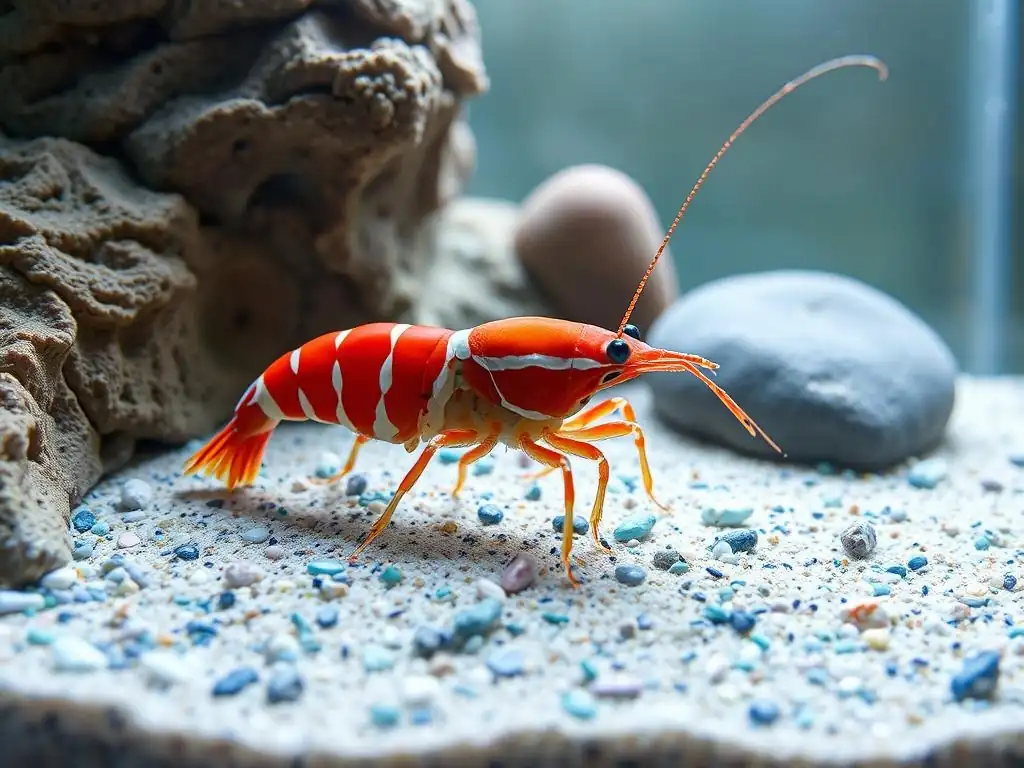
Setting up an appropriate quarantine tank is the cornerstone of a successful healthy saltwater crab quarantine. For most smaller clean-up crew crabs, such as hermit crabs or emerald crabs, a 5-10 gallon aquarium is generally sufficient.
Larger crabs, like Sally Lightfoot crabs ( Percnon gibbesi) or arrow crabs ( Stenorhynchus seticornis), may require a 20-gallon or even larger tank to comfortably accommodate them and allow for proper observation. Essential equipment includes a small, reliable filter – a simple air-driven sponge filter is often ideal as it provides biological filtration without strong currents, or a hang-on-back (HOB) filter with gentle flow.
A heater is crucial to maintain a stable temperature, typically between 76-78°F (24-25.5°C), matching your main display tank. A thermometer is necessary for accurate temperature monitoring. While elaborate lighting isn't required, a simple LED light will facilitate daily observation. Crucially, all quarantine equipment should be dedicated solely to the quarantine tank to prevent cross-contamination with your main system. A refractometer or hydrometer is also indispensable for precise salinity measurements, along with basic test kits for ammonia, nitrite, and nitrate.
Water Parameters for Quarantine: Maintaining Optimal Conditions
Maintaining stable and optimal water parameters within the quarantine tank is paramount for reducing stress on the new crab and allowing its immune system to function effectively. The salinity should closely match that of your main display tank, typically ranging from 1.023 to 1.026 specific gravity (approximately 32-35 parts per thousand). Temperature stability, as mentioned, is critical, ideally held constant between 76-78°F (24-25.5°C). Ammonia and nitrite levels must remain at zero, as even trace amounts can be highly toxic to invertebrates. Nitrate should be kept as low as possible, ideally below 10-20 ppm.
Regular water changes are essential in a small quarantine tank, where biological filtration might be limited and waste can accumulate quickly. Performing 25% water changes weekly, or even more frequently if ammonia or nitrite are detected, helps maintain pristine water quality. It is often beneficial to use water from your main display tank for these changes, provided its parameters are stable and healthy, as this helps acclimate the crab to the target water chemistry. This diligent maintenance of water quality is a key factor in achieving a healthy saltwater crab quarantine.
Substrate and Hiding Places: Creating a Stress-Free Environment
The choice of substrate and the provision of adequate hiding places significantly impact a new crab's stress levels during quarantine. While a bare-bottom tank is often preferred for ease of cleaning and observation, some burrowing crab species might benefit from a thin layer of inert sand (e.g., aragonite sand, 1-2 inches deep) to provide comfort. However, for most clean-up crew crabs, a bare bottom is perfectly acceptable. The critical element is providing ample secure hiding spots.
These hiding places can include simple PVC pipes, small overturned ceramic cups, or pieces of inert, cured dry base rock. Avoid using live rock from your main tank unless you are certain it is pest-free, as it can introduce unwanted organisms. Hiding places provide security and reduce stress for the crab, especially during its vulnerable molting process. A stressed crab is more susceptible to disease, so creating a calm and secure environment actively promotes a healthy saltwater crab quarantine and aids in the crab's recovery and acclimation.
The Saltwater Crab Quarantine Process: A Step-by-Step Guide
Acclimation to the Quarantine Tank: Minimizing Stress
The initial transfer of a new saltwater crab into the quarantine tank requires careful acclimation to minimize stress and prevent osmotic shock. The preferred method for invertebrates is drip acclimation. Begin by floating the bag containing the crab in the quarantine tank for 15-20 minutes to equalize temperature. Then, open the bag and use an airline tube with a knot or valve to slowly drip water from the quarantine tank into the bag.
Aim for a drip rate of about 2-3 drops per second, allowing the volume of water in the bag to slowly double over a period of 45-60 minutes. This gradual mixing allows the crab to adjust to the new water chemistry (salinity, pH, temperature) at a much slower and safer pace. Once acclimated, gently net the crab and place it into the quarantine tank, discarding the water from the bag. Never introduce water from the transport bag into your quarantine or main tank, as it can contain undesirable substances or pathogens.
Observing for Signs of Illness: Recognizing Common Crab Diseases
Throughout the quarantine period, diligent observation is crucial for a healthy saltwater crab quarantine. Daily, and ideally multiple times a day, inspect the crab closely for any signs of illness or unusual behavior. Look for changes in activity level; a healthy crab should be active and foraging. Lethargy, unusual hiding, or lack of movement are red flags. Pay attention to its exoskeleton for any discoloration, white spots, black lesions, pitting, or erosion, which can indicate bacterial or fungal infections like shell rot.
Observe its appendages for any missing parts (outside of a recent molt) or abnormal growths. Monitor its feeding response; a healthy crab should readily accept food. Any refusal to eat or difficulty in manipulating food can be a sign of distress or disease. Familiarize yourself with common crab ailments such as "black spot disease" or signs of bacterial infections. Early recognition of these symptoms allows for prompt intervention and treatment, confining potential issues to the quarantine tank.
Treating Sick Crabs in Quarantine: Medication and Water Changes
If signs of illness are detected, the quarantine tank becomes a crucial treatment facility. The first step is to accurately identify the potential issue. For bacterial infections like shell rot, invertebrate-safe broad-spectrum antibiotics (e.g., certain nitrofurazone-based medications) may be used, always strictly following product instructions and dosage recommendations. For parasitic issues, treatment options can be more limited for invertebrates; sometimes, extended observation with pristine water quality can allow the crab to recover or molt away the issue.
During any treatment, meticulous water quality management is paramount. Perform daily water changes (e.g., 25-50%) to remove waste and dilute medication, which can often degrade water quality. Activated carbon can be used after a treatment cycle to remove residual medications from the water. It is absolutely critical never to administer medications in your main display tank, as many common fish medications are toxic to invertebrates. Continue treatment until all symptoms have resolved, and the crab has been symptom-free for at least one to two weeks before considering transfer, ensuring a truly healthy saltwater crab quarantine.
Feeding Quarantined Saltwater Crabs: Ensuring Proper Nutrition
Choosing the Right Food: Meeting Dietary Needs
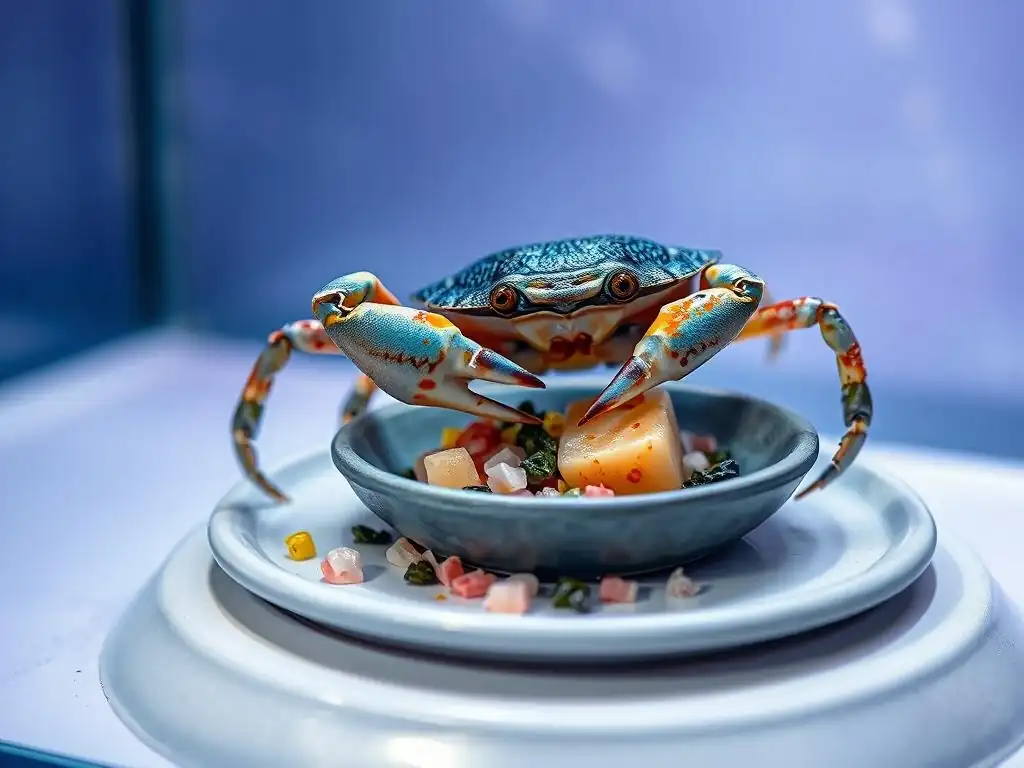
Proper nutrition is vital for a new crab's recovery from stress and for bolstering its immune system during the quarantine period. The type of food offered should align with the specific crab species' dietary needs. Herbivorous crabs, such as emerald crabs, primarily graze on algae; they will benefit from marine algae sheets (nori), spirulina flakes, or algal pellets.
Omnivorous crabs, like most hermit crabs, have a varied diet and will readily consume high-quality sinking pellets, frozen mysis shrimp, brine shrimp, and small pieces of fish or clam. Predatory crabs, such as arrow crabs, require a diet primarily of meaty foods like frozen mysis shrimp, brine shrimp, or small pieces of silverside.
Offering a varied diet helps ensure the crab receives all necessary nutrients, promoting overall health and vitality. Feed small portions once a day, or every other day, depending on the crab's size and activity level. It is crucial to remove any uneaten food promptly, typically within 15-30 minutes, to prevent water quality degradation in the small quarantine tank, which could lead to ammonia spikes and stress for the crab.
Monitoring Feeding Habits: Identifying Potential Problems
Observing a crab's feeding habits provides valuable insights into its health and acclimation progress during quarantine. A healthy crab will typically be active and show keen interest in food, often scavenging quickly and efficiently using its claws. A lack of interest in food, refusal to eat, or very slow and hesitant feeding can be significant indicators of stress, illness, or that the environment is not suitable.
Pay close attention to how the crab manipulates its food. Is it able to effectively grasp and consume the food? Record the amounts fed to avoid overfeeding, which can quickly foul the water. Consistent monitoring of feeding behavior is a key diagnostic tool; a crab that is eating well and actively foraging is generally a healthy crab, signaling that your healthy saltwater crab quarantine efforts are progressing as planned.
Length of Quarantine: Determining When Crabs Are Safe
Minimum Quarantine Period: Assessing Health and Behavior
Determining the appropriate length of quarantine is critical for ensuring a healthy saltwater crab quarantine. For most saltwater crabs, a minimum quarantine period of 4-6 weeks is highly recommended. This duration is not arbitrary; it allows sufficient time for the life cycles of common marine parasites (like Cryptocaryon irritans, though less common on crabs themselves, crabs can be carriers) and the manifestation of bacterial or fungal infections. Many diseases have incubation periods that can extend for several weeks, and symptoms might only appear after the initial stress of transport subsides.
During this period, you can observe the crab's natural behavior, feeding patterns, and ensure it successfully undergoes any necessary molting without complications. A longer period, perhaps 8 weeks, may be advisable if the crab shows any initial signs of stress, illness, or if your main display tank is particularly sensitive. The goal is to introduce a crab that is robust, active, completely symptom-free, and showing no signs of aggression.
Post-Quarantine Introduction: Safely Adding Crabs to Your Main Tank
Once the minimum quarantine period has passed, and the crab is deemed completely healthy and free of any issues, it's time for the final transfer to the main display tank. Even though the crab has been in stable water conditions, it is wise to re-acclimate it to the main tank's water parameters using the drip method, especially if there have been any slight differences in salinity or temperature between the quarantine and main tanks. This final acclimation minimizes the shock of transfer.
Introduce the crab to the main tank during the lights-out period or when the lights are significantly dimmed. This reduces immediate stress and allows the crab to explore its new surroundings and find suitable hiding places before other inhabitants become fully active. Continue to observe the crab closely for the first few days in the main tank, looking for any signs of stress, unusual behavior, or aggression towards existing livestock. This final observation confirms the success of your healthy saltwater crab quarantine efforts and its safe integration into your established ecosystem.
Common Saltwater Crab Diseases and Parasites: Identification and Treatment
Recognizing Ich (White Spot Disease) in Crabs
While Cryptocaryon irritans, commonly known as marine ich or white spot disease, is primarily a fish parasite, saltwater crabs can act as carriers or, less commonly, exhibit some signs. If white spots appear on a crab's shell, it's more likely to be a fungal infection, physical damage, or even a natural marking rather than Cryptocaryon. However, if Cryptocaryon is present in the main display tank and a crab is introduced without quarantine, it could potentially contribute to the parasite's life cycle or serve as a vector.
Treatment for marine ich, such as hyposalinity (reducing salinity to 1.008-1.010 for 2-4 weeks) or copper-based medications, is generally not suitable for an invertebrate-only quarantine tank as copper is highly toxic to crabs. If fish in the main tank are affected and a crab is suspected as a carrier, the primary action in quarantine would be extended observation (6-8 weeks) with excellent water quality and potentially temperature elevation (to 80-82°F / 26.5-27.8°C) to speed up the parasite's life cycle, ensuring any tomonts released quickly die without a fish host.
Dealing with Parasitic Infections: Treating Black Spot Disease
"Black Spot Disease" in crabs typically manifests as distinct dark, necrotic lesions or spots on the crab's exoskeleton or limbs. These spots can be caused by various factors, including parasitic trematode metacercariae encysting within the shell, or secondary bacterial infections that develop in areas of tissue damage. The presence of these spots often indicates underlying stress or suboptimal water quality, making the crab more susceptible.
Treatment primarily focuses on isolating the affected crab in a quarantine tank with pristine water conditions. Frequent large water changes (e.g., 25-50% every few days) are critical to remove waste and improve the environment. Providing a highly nutritious diet can bolster the crab's immune system. If a bacterial component is suspected, invertebrate-safe broad-spectrum antibiotics might be considered. The ultimate resolution often depends on the crab molting, shedding the infected exoskeleton. Ensuring a stress-free environment and supporting the molting process are paramount for recovery and a healthy saltwater crab quarantine.
Addressing Bacterial Infections: Identifying and Treating Shell Rot
Shell rot is a common bacterial infection in saltwater crabs, presenting as pitting, erosion, discoloration (often white, brown, or black), or visible lesions on the crab's exoskeleton. It typically originates from a minor wound, scrape, or area of stress, and if left untreated, the infection can spread, leading to severe tissue damage, loss of limbs, and ultimately, death. This condition is often exacerbated by poor water quality or inadequate nutrition.
Treating shell rot requires prompt action within the quarantine tank. The first and most critical step is to ensure impeccable water quality through daily water changes and stable parameters. Invertebrate-safe broad-spectrum antibiotics, such as certain nitrofurazone-based medications, can be administered as directed by the product label. It is vital to continue treatment until the symptoms resolve. The ultimate goal is for the crab to successfully molt, shedding the infected outer shell and revealing a healthy, unblemished new exoskeleton beneath. Maintaining a healthy saltwater crab quarantine environment is crucial for supporting this recovery.
Maintaining a Healthy Saltwater Aquarium After Quarantine
Regular Water Testing: Monitoring Water Quality
Even after a successful quarantine and the introduction of new crabs, ongoing vigilance regarding water quality is essential for the long-term health of your saltwater aquarium. Regular water testing should be a consistent part of your maintenance routine. Key parameters to monitor include salinity (1.023-1.026 SG), temperature (76-78°F or 24-25.5°C), ammonia (0 ppm), nitrite (0 ppm), nitrate (below 20 ppm, ideally much lower), pH (8.1-8.4), alkalinity (8-12 dKH), calcium (400-450 ppm), and magnesium (1250-1350 ppm).
Consistent and stable water parameters reduce stress on all aquarium inhabitants, including your newly introduced crabs, making them significantly less susceptible to disease and more resilient to environmental fluctuations. Fluctuations in these parameters can weaken immune systems and create opportunistic conditions for pathogens. Routine testing, perhaps weekly for core parameters and bi-weekly for others, allows for timely adjustments and proactive problem-solving, ensuring the continued success of your healthy saltwater crab quarantine efforts.
Observing Crab Behavior: Detecting Early Warning Signs
Continuous observation of all aquarium inhabitants, not just the recently introduced crabs, is a powerful tool for maintaining a healthy ecosystem. For crabs, pay attention to their activity levels; are they active foragers, or are they constantly hiding? Look for unusual movements, difficulty molting, or any signs of aggression towards other tank inhabitants. A healthy crab should exhibit natural behaviors for its species, such as scavenging, maintaining its burrow (if applicable), and interacting appropriately with its environment.
Early detection of subtle behavioral changes can be the first indication of potential problems, whether it's the onset of illness, increased stress, or incompatibility issues within the tank. Addressing these signs promptly, perhaps by re-quarantining the crab if illness is suspected, adjusting tank conditions, or even rehoming if aggression persists, can prevent minor issues from escalating into widespread problems that could jeopardize the entire aquarium.
Preventing Future Outbreaks: Proactive Aquarium Maintenance
Proactive and consistent aquarium maintenance is the single most effective strategy for preventing future disease outbreaks and maintaining a thriving saltwater environment. This includes performing regular water changes (e.g., 10-20% weekly or bi-weekly, depending on your tank's bioload and filtration), siphoning detritus from the substrate, cleaning decor, and ensuring all filtration systems (protein skimmers, refugiums, mechanical filters) are operating efficiently. A clean, stable, and well-maintained environment significantly reduces the presence of opportunistic pathogens.
Furthermore, strict adherence to a quarantine protocol for all new livestock—fish, corals, and invertebrates—is the ultimate preventative measure against introducing diseases into your main display tank. Avoiding overstocking, providing a balanced and nutritious diet tailored to each species' needs, and minimizing other sources of stress (e.g., incompatible tank mates, unstable parameters) also contribute significantly to a resilient and healthy saltwater aquarium ecosystem. By consistently applying these principles, you ensure the long-term success and vibrancy of your marine habitat, making every effort towards a healthy saltwater crab quarantine truly worthwhile.
Frequently Asked Questions
How long should I quarantine a saltwater crab before introducing it to my main display tank?
A saltwater crab should be quarantined for at least 4-6 weeks. This allows you to observe for diseases, parasites, and ensure it's eating and behaving normally.
What size quarantine tank is appropriate for a saltwater crab?
The quarantine tank size depends on the size of the crab species. Generally, a 5-10 gallon tank is sufficient for smaller crabs, while larger species may require a larger tank for adequate space.
What are some common diseases or parasites I should be looking for during the quarantine period?
Observe for signs of external parasites like ich or velvet, unusual behavior, or any lesions or discoloration on the crab's shell or body.
What water parameters are crucial to maintain in a saltwater crab quarantine tank?
Maintaining stable and appropriate water parameters is vital. Keep an eye on salinity, temperature, pH, ammonia, nitrite, and nitrate levels to ensure optimal conditions for the crab.
What should I feed my saltwater crab during quarantine, and how often?
Offer a variety of foods, including algae wafers, frozen foods, and small pieces of meaty foods. Feed 1-2 times daily, ensuring the crab is actively consuming the food provided.
Final Reflection: Ensuring a Thriving Aquatic Ecosystem
The information presented throughout this article highlights the crucial role of proper quarantine procedures in maintaining a healthy saltwater crab population within our home aquariums. Neglecting these essential steps can have devastating consequences, not only for the newly introduced crabs but also for the entire established ecosystem. Understanding and implementing these techniques is paramount to responsible aquarium keeping.
This practice extends beyond the individual hobbyist; it reflects a broader commitment to ethical animal care and the preservation of delicate marine environments. The well-being of these creatures, often overlooked, is intrinsically linked to our understanding and respect for the natural world. The greatness of a nation and its moral progress can be judged by the way its animals are treated.
- Mahatma Gandhi. This quote underscores the importance of responsible pet ownership and the ethical considerations that should guide our actions.
As you consider the information shared in this article, I encourage you to reflect on your own practices and commitment to responsible aquarium keeping. Are you prepared to dedicate the time and resources necessary to ensure the health and well-being of your saltwater crabs? By embracing these quarantine protocols, you are not only protecting your investment but also contributing to a more sustainable and ethical future for the aquarium hobby.
Transform Your Tank: Start Quarantining Today!
Thank you for diving into the essentials of quarantining saltwater crabs! We hope this guide has empowered you with the knowledge to protect your aquatic ecosystem. Now, it’s time to put that knowledge into action and ensure a thriving aquarium.
Ready to make a difference? Here’s how:
- Begin setting up a dedicated quarantine tank. This is the single most important step in safeguarding your main display from potential diseases and parasites.
- Share this article with fellow aquarium enthusiasts! Help spread awareness about the importance of quarantine and contribute to a healthier aquarium hobby.
- Research less common crab diseases to deepen your understanding and proactively address potential health issues.
What specific challenges are you anticipating as you prepare your quarantine tank, and what resources are you planning to use to overcome them?