
Best Background Stem Plants: Creating Depth and Hiding Equipment

Welcome to Aquarium Mastery!
Ever feel like your freshwater aquarium is missing that certain something? Dive in and discover how freshwater aquarium background stem plants can transform your tank into a stunning underwater landscape. We'll reveal the best choices for creating depth, providing hiding places for your fish, and cleverly concealing unsightly equipment. Ready to unlock the secrets to a thriving and beautiful planted aquarium? Let's get started!
- Best Freshwater Aquarium Background Stem Plants: Creating Depth and Hiding Equipment
- Understanding the Importance of Background Stem Plants in Freshwater Aquariums
- Top Freshwater Aquarium Background Stem Plants for Beginners
- Advanced Freshwater Aquarium Background Stem Plants
- Planting and Caring for Freshwater Aquarium Stem Plants
- Common Problems and Solutions with Freshwater Aquarium Stem Plants
- Choosing the Right Freshwater Aquarium Background Stem Plants for Your Setup
-
Frequently Asked Questions
- What are some of the best background stem plants for a freshwater aquarium?
- How do background stem plants help in a freshwater aquarium?
- How should I plant background stem plants for optimal growth and visual appeal?
- What kind of lighting is generally needed for healthy background stem plant growth?
- How often should I trim background stem plants in my freshwater aquarium?
- Final Reflection: Cultivating Aquatic Harmony
- Ignite Your Aquascape: Plant the Seeds of a Stunning Background!
Best Freshwater Aquarium Background Stem Plants: Creating Depth and Hiding Equipment
Understanding the Importance of Background Stem Plants in Freshwater Aquariums
Enhancing Aquarium Aesthetics with Stem Plants
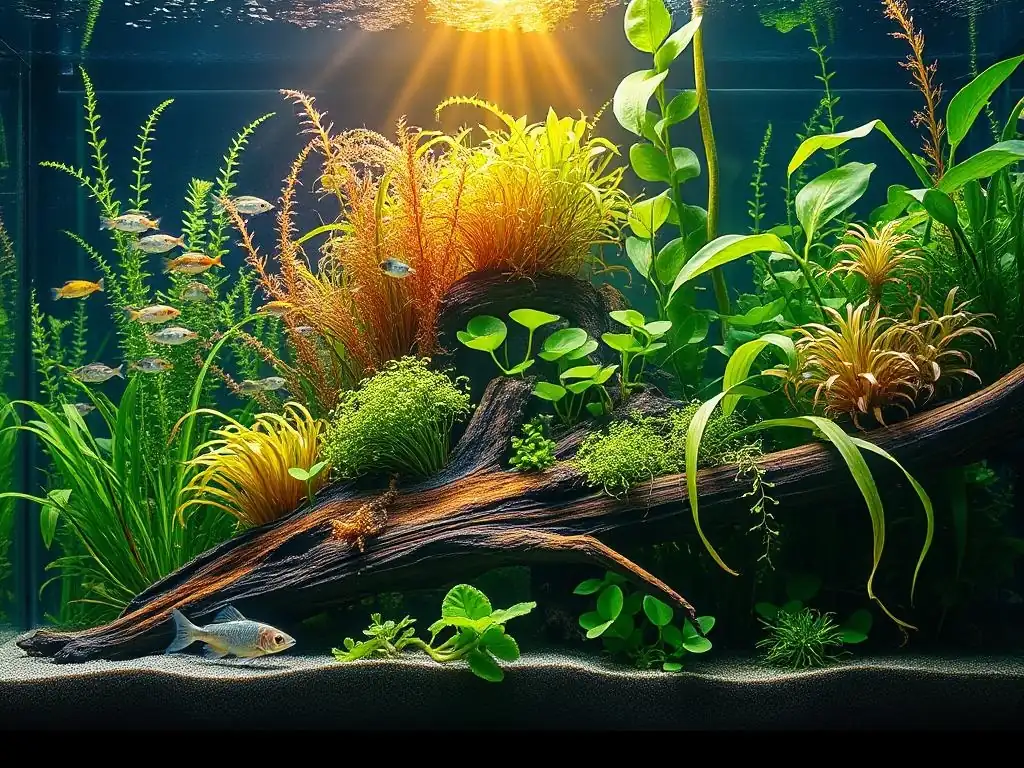
Freshwater aquarium background stem plants are indispensable for crafting a visually stunning and natural aquatic environment. Their vertical growth and varied leaf structures add critical visual depth, transforming a flat tank into a vibrant, multi-layered landscape. By strategically placing these plants, aquarists can create a natural sense of perspective, making even smaller tanks appear more expansive and complex.
Beyond mere size, these plants introduce a rich tapestry of colors and textures, from the fine, feathery leaves of some Rotala species to the broad, bold foliage of certain Ludwigia varieties. This diversity allows for the creation of intricate compositions that mimic lush underwater forests, providing a captivating focal point in any room and significantly elevating the overall aesthetic appeal of the freshwater aquarium.
The Role of Background Plants in a Balanced Aquarium Ecosystem
Background plants serve a crucial ecological role, acting as natural filters and oxygenators within the freshwater aquarium ecosystem. Through photosynthesis, they absorb carbon dioxide during the day and release vital oxygen, which is essential for the respiration of fish and beneficial bacteria. A dense growth of these plants can significantly contribute to maintaining stable oxygen levels, particularly in heavily stocked tanks.
Furthermore, these tall stem plants are highly efficient at absorbing excess nutrients, such as nitrates and phosphates, which are byproducts of fish waste and uneaten food. By consuming these compounds, they directly compete with nuisance algae, helping to keep the aquarium water clear and reduce the frequency of large water changes. This nutrient uptake contributes to a healthier, more stable environment for all inhabitants.
Using Stem Plants to Conceal Equipment and Create Depth
One of the most practical applications of freshwater aquarium background stem plants is their ability to effectively conceal unsightly aquarium equipment. Heaters, filter intakes and outputs, CO2 diffusers, and air lines can detract from the natural beauty of an aquascape. By planting tall, dense stem plants directly in front of or around these components, they become virtually invisible, allowing the viewer's eye to focus solely on the vibrant aquatic life and lush vegetation.
Beyond concealment, these plants are instrumental in creating a profound sense of depth within the aquarium. Their height and volume naturally draw the eye towards the back of the tank, giving the illusion of a much deeper space. When combined with foreground and midground plants, the varying heights of background stem plants contribute to a layered "scape" that feels dynamic and immersive, greatly enhancing the overall visual appeal of the freshwater aquarium.
Top Freshwater Aquarium Background Stem Plants for Beginners
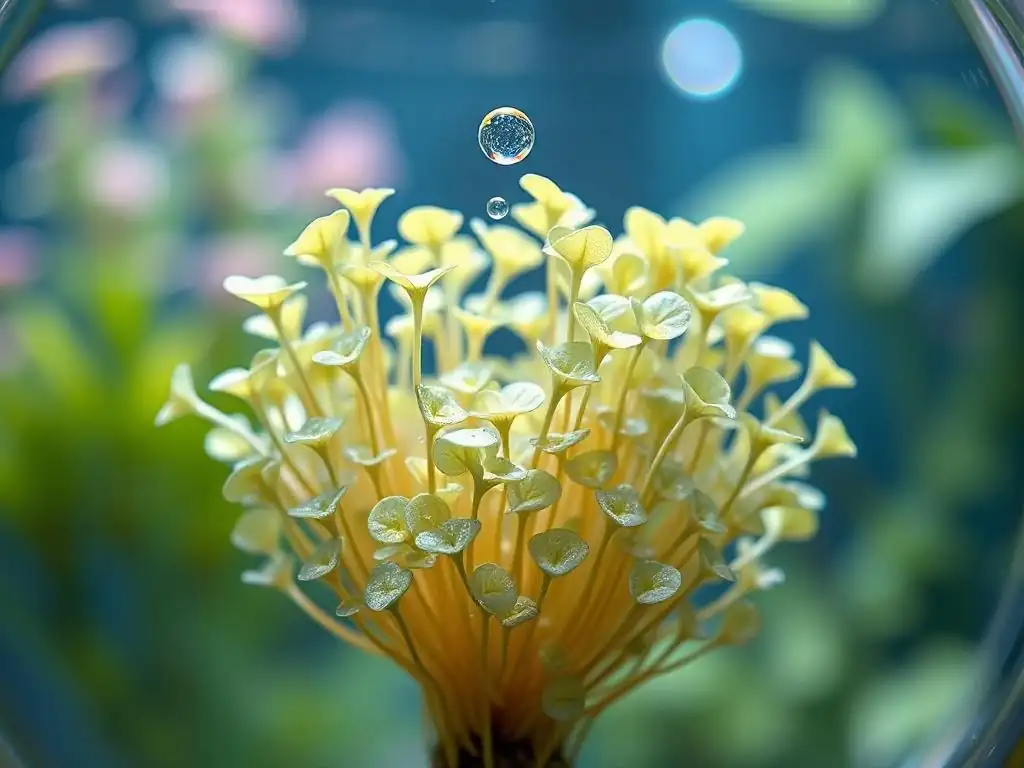
Ludwigia Repens: A Vibrant Red Option for the Background
Ludwigia Repens is a highly popular and relatively easy-to-grow freshwater aquarium background stem plant, cherished for its striking coloration. Under moderate to high lighting, its leaves can develop vibrant red or orange hues, providing a beautiful contrast against green foliage. This plant typically reaches heights of 20 to 50 centimeters and exhibits a medium to fast growth rate, making it an excellent choice for quickly filling in the background of a new setup.
Its adaptability to a range of water parameters further contributes to its beginner-friendly status. While it flourishes in nutrient-rich substrates and with CO2 injection, Ludwigia Repens can still thrive and show good color even in tanks with less intensive setups, as long as basic liquid fertilization and adequate lighting are provided. Its robust nature makes it forgiving for those new to planted aquariums.
Care Tips for Ludwigia Repens in Freshwater Aquariums
- Lighting: Moderate to high lighting is recommended to bring out its best red coloration. Insufficient light may result in greener leaves.
- CO2: While not strictly necessary for survival, CO2 injection significantly enhances growth rate and intensifies the red pigmentation.
- Fertilization: Benefits greatly from comprehensive liquid fertilizers, particularly those rich in iron, which is crucial for red plant coloration. Root tabs can also be beneficial in inert substrates.
- Trimming: Regular trimming of the top portions promotes bushier growth by encouraging side shoots. Cuttings can be replanted to propagate new plants.
Hygrophila Polysperma: A Fast-Growing and Easy-to-Maintain Choice
Hygrophila Polysperma, often known as "Indian Waterweed," is arguably one of the easiest and fastest-growing freshwater aquarium background stem plants available to hobbyists. It can rapidly reach heights of 30 to 60 centimeters, quickly filling the background and providing a lush green curtain. Its simple care requirements and ability to tolerate a wide range of water conditions make it an ideal choice for beginners seeking a reliable and vigorous plant.
This plant's resilience means it can thrive in low-tech setups without CO2 injection or specialized substrates, making it incredibly versatile. Its rapid growth also aids in nutrient uptake, helping to outcompete algae and contribute to water stability. While primarily green, some varieties may show a slight bronze tint on their leaves under very strong lighting.
Maintaining Hygrophila Polysperma for Optimal Growth
- Lighting: Thrives under low to moderate lighting. High light can make it grow even faster but might lead to leggy growth if not managed.
- CO2: CO2 injection is not required for healthy growth, although it will accelerate it.
- Fertilization: Benefits from general liquid fertilizers, especially potassium and trace elements, but can often survive on nutrients from fish waste alone in lightly stocked tanks.
- Trimming: Due to its very fast growth, frequent trimming (e.g., weekly or bi-weekly) is essential to maintain shape and prevent it from shading out other plants. Cuttings root easily.
Bacopa Caroliniana: A Hardy and Versatile Background Plant
Bacopa Caroliniana is a robust and visually appealing freshwater aquarium background stem plant, characterized by its thick, upright stems and rounded, succulent-like leaves. It typically grows to a height of 15 to 30 centimeters, making it suitable for both midground and background placement, especially in smaller tanks. Under strong lighting, the tips of its leaves can develop attractive reddish or pinkish hues, adding subtle color.
Its medium growth rate makes it less demanding for frequent trimming compared to faster-growing species, which is a significant advantage for new aquarists. Bacopa Caroliniana is known for its hardiness and ability to adapt to various water parameters, providing a stable and reliable green backdrop that enhances the natural feel of any freshwater aquarium.
Optimizing Growth for Bacopa Caroliniana
- Lighting: Moderate to high lighting will encourage denser growth and bring out the reddish tones in the leaves. It can tolerate lower light but may become leggy.
- CO2: Not strictly necessary, but CO2 supplementation will result in more vigorous and compact growth.
- Fertilization: Benefits from a nutrient-rich substrate or regular dosing of liquid fertilizers, particularly those containing iron and other micronutrients.
- Trimming: Trim stems just above a node to encourage branching and bushier growth. Its slower growth means less frequent pruning compared to plants like Hygrophila Polysperma.
Advanced Freshwater Aquarium Background Stem Plants
Alternanthera Reineckii 'Mini': A Compact Red Accent Plant
While Alternanthera Reineckii 'Mini' is often utilized as a midground or even foreground plant due to its compact size (typically 10-30 cm in height), larger specimens or clusters can serve as stunning, intense red accents in the background of smaller freshwater aquariums. This freshwater aquarium background stem plant is highly prized for its incredibly vibrant red to purple coloration on the underside of its leaves, providing a dramatic visual contrast. Its growth rate is medium, but achieving its full color potential requires specific conditions.
This plant is not for the faint of heart, as it demands high light intensity and consistent CO2 injection to truly flourish and maintain its brilliant hues. Without these optimal conditions, Alternanthera Reineckii 'Mini' can become leggy, lose its vibrant color, or even melt away. It is a benchmark plant for advanced aquascapers looking to introduce a powerful splash of red into their intricate layouts.
Maintaining the Color of Alternanthera Reineckii 'Mini'
- Lighting: Very high PAR (Photosynthetically Active Radiation), typically above 50 PAR at the substrate level, is crucial for intense red coloration and compact growth.
- CO2: Consistent and high levels of CO2 injection (e.g., 25-35 ppm) are absolutely essential for healthy growth and vibrant color.
- Fertilization: Requires a comprehensive fertilization regime, including ample macro (N, P, K) and micronutrients, especially iron, which directly influences red pigmentation. A nutrient-rich substrate is highly recommended.
- Water Flow: Good water circulation helps distribute nutrients effectively to the leaves.
Eusteralis stellata (Pogostemon stellatus): Creating a Stunning Focal Point
Eusteralis stellata, formerly known as Pogostemon stellatus, is a highly sought-after yet challenging freshwater aquarium background stem plant that can create an absolutely stunning focal point. Its unique, star-like whorls of finely serrated leaves can range in color from light green to pink or reddish-brown under optimal conditions. This plant typically reaches heights of 15 to 40 centimeters and has a medium growth rate, making it a demanding but rewarding addition.
Often referred to as a "litmus paper plant," Eusteralis stellata is incredibly sensitive to nutrient imbalances and fluctuating CO2 levels. Its health and coloration provide a clear indication of the aquarium's overall stability and nutrient availability, making it a favorite among experienced aquascapers who meticulously manage their tank parameters. Achieving its full potential requires a dedicated high-tech setup.
Meeting the Specific Needs of Eusteralis stellata
- Lighting: Extremely high lighting (60+ PAR) is necessary to achieve dense, compact growth and attractive coloration.
- CO2: High and consistent CO2 injection (30+ ppm) is mandatory. Fluctuations or insufficient CO2 will lead to stunted growth, melting, and poor color.
- Fertilization: Demands a complete and balanced fertilization schedule with both macro and micronutrients, including nitrates, phosphates, potassium, and trace elements, often dosed daily.
- Water Parameters: Prefers soft, acidic water (pH 6.0-7.0) and stable temperatures around 22-28°C (72-82°F). Good water flow helps deliver nutrients.
Persicaria sp. 'Kawagoeanum': A Pink and Red Highlight Plant
Persicaria sp. 'Kawagoeanum' is a visually captivating freshwater aquarium background stem plant known for its striking pink to reddish-purple coloration, particularly on its new growth and under strong light. This species can grow to heights of 20 to 50 centimeters with a medium to fast growth rate, making it an excellent choice for adding a vibrant highlight or a bold block of color in the mid-to-background of a planted aquarium. Its narrow, elongated leaves provide a different texture compared to broader-leaved red plants.
While not as demanding as Eusteralis stellata, Persicaria sp. 'Kawagoeanum' still benefits significantly from moderate to high lighting and CO2 supplementation to achieve its most intense coloration. It offers a beautiful alternative to other red stem plants, providing a unique hue that can truly make an aquascape pop. Its distinct appearance makes it a favorite for adding dynamic color contrasts.
Achieving Optimal Coloration in Persicaria sp. 'Kawagoeanum'
- Lighting: Moderate to high lighting is crucial for developing and maintaining the plant's characteristic pink and red hues. Lower light will result in greener foliage.
- CO2: While it can grow without CO2, consistent CO2 injection is highly recommended to encourage robust growth and significantly enhance the intensity of its coloration.
- Fertilization: Benefits from a nutrient-rich substrate and regular dosing of liquid fertilizers, with particular attention to iron and other trace elements.
- Water Parameters: Stable water parameters are key. It generally prefers slightly acidic to neutral water (pH 6.0-7.5) and temperatures between 20-28°C (68-82°F).
Planting and Caring for Freshwater Aquarium Stem Plants
Preparing Stem Plants for Planting in the Aquarium
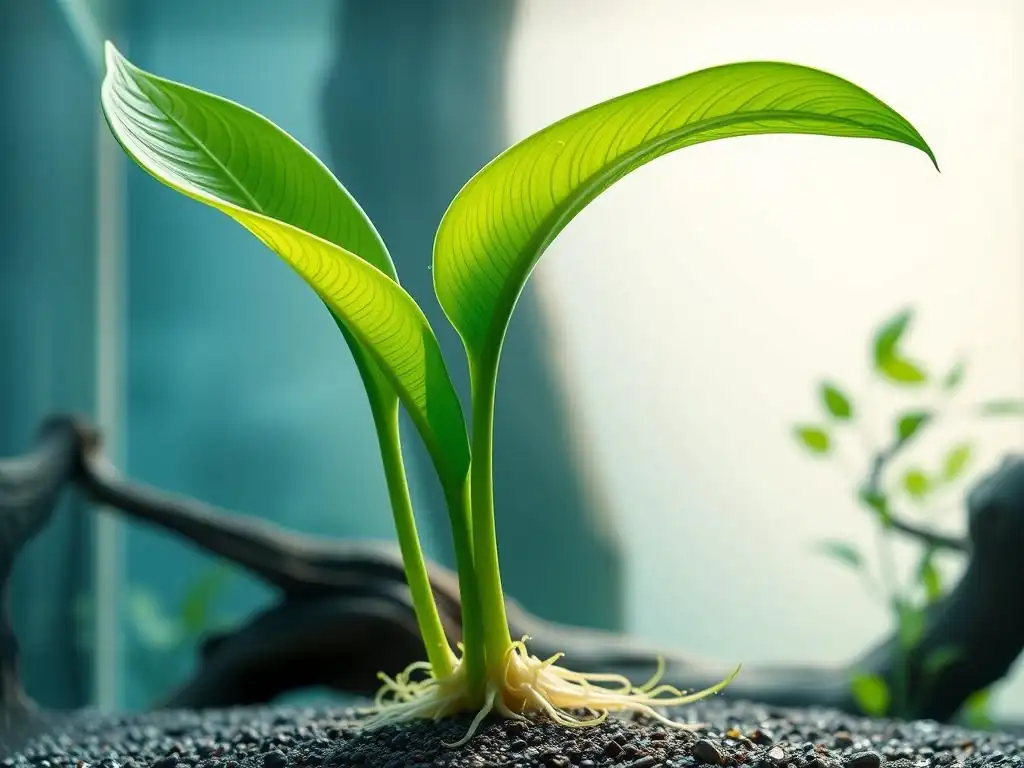
Proper preparation is crucial for the successful establishment of new freshwater aquarium background stem plants. Upon receiving them, carefully inspect each stem for any damaged or melting leaves, which should be gently removed. If the plants come in rockwool or a potted form, meticulously remove all of the material from around the roots, as it can harbor pests or algae and restrict root growth. Thoroughly rinse the plants under cool, running water to remove any residual gel or debris.
Before planting, it's beneficial to trim the very bottom of the stems, cutting just below a node (where leaves emerge). This encourages new root growth from the trimmed area, helping the plant anchor more securely and take up nutrients more efficiently. For plants that have been grown emersed (out of water), this trimming also helps them adapt more quickly to their submerged environment.
Proper Planting Techniques for Background Stem Plants
When planting freshwater aquarium background stem plants, depth and spacing are key to promoting healthy growth. Using long aquascaping tweezers, gently insert each individual stem deep enough into the substrate (at least 2-3 cm) so that it is firmly anchored and will not float up. Ensure that the lowest node is buried, as this is where new roots will primarily develop. Avoid burying the entire stem or growth tip, as this can lead to rot.
For a lush, dense background effect, plant individual stems approximately 1-2 centimeters apart. While it might look sparse initially, this spacing allows for adequate light penetration and water circulation around each plant, which is vital for preventing shading and promoting even growth. Over time, as the plants grow and produce side shoots, they will fill in to create a beautiful, cohesive green wall.
Essential Nutrients and Fertilization for Stem Plants
Freshwater aquarium background stem plants require a balanced supply of both macronutrients (Nitrogen, Phosphorus, Potassium - NPK) and micronutrients (Iron, Manganese, Boron, Zinc, Copper, Molybdenum) for optimal health and vibrant growth. Nitrogen deficiency, for example, often manifests as overall yellowing of older leaves and stunted growth, while an iron deficiency can cause new leaves to appear pale or white. Understanding these signs is crucial for effective intervention.
Fertilization methods vary depending on the plant species and tank setup. Many stem plants are "water column feeders," meaning they primarily absorb nutrients directly from the water. For these, regular dosing of comprehensive liquid fertilizers is essential. For plants that also benefit from root uptake, or in tanks with inert substrates like sand, supplementing with root tabs can provide a consistent supply of nutrients directly to the root zone, promoting stronger and healthier growth.
Lighting Requirements for Healthy Stem Plant Growth
Lighting is arguably the most critical factor for the successful growth of freshwater aquarium background stem plants, as it powers photosynthesis. The intensity of light, often measured in PAR (Photosynthetically Active Radiation), and the duration of the light cycle (typically 8-10 hours per day) directly impact a plant's growth rate and coloration. Low-light plants like Hygrophila Polysperma can thrive with less intense illumination, while high-light demanding species such as Alternanthera Reineckii 'Mini' require powerful LED fixtures to achieve their vibrant red hues.
It's crucial to match your lighting system to the specific needs of your chosen freshwater aquarium background stem plants. Insufficient light will lead to leggy, pale growth, and eventual melting, while excessive light can trigger aggressive algae growth without adequate CO2 and nutrient levels. Investing in a dimmable LED fixture allows for precise control over light intensity, enabling aquarists to fine-tune conditions for optimal plant health and coloration.
Trimming and Pruning Stem Plants to Maintain Shape and Health
Regular trimming and pruning are essential maintenance tasks for freshwater aquarium background stem plants, promoting bushier growth, maintaining desired shapes, and ensuring light penetration to lower leaves. Without trimming, many stem plants will grow tall and leggy, with the lower leaves dying off due to lack of light, leading to a sparse appearance at the base.
To trim, simply cut the stem just above a node (the point where leaves or side shoots emerge). This encourages the plant to branch out, creating a denser, more attractive bush. The trimmed tops can often be replanted into the substrate to propagate new plants, effectively increasing your plant mass. Fast-growing species like Hygrophila Polysperma may require weekly or bi-weekly trimming, while slower growers like Bacopa Caroliniana might only need attention every few weeks.
Common Problems and Solutions with Freshwater Aquarium Stem Plants
Identifying Nutrient Deficiencies in Stem Plants
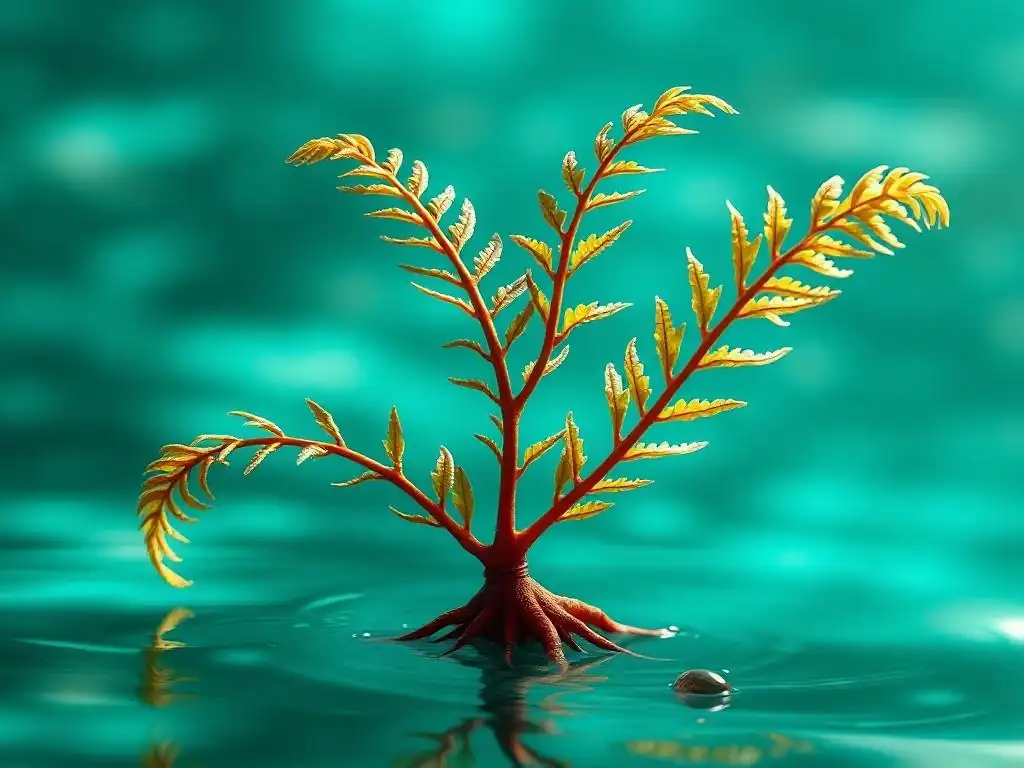
Nutrient deficiencies are a common issue for freshwater aquarium background stem plants, often manifesting through distinct visual symptoms. For instance, a general yellowing or paling of older leaves, accompanied by stunted growth, typically indicates a nitrogen (N) deficiency. If new growth is distorted, pale, or yellow, and older leaves remain green, it often points to an iron (Fe) deficiency, crucial for red plants. Pinholes in leaves or yellowing along leaf margins can signal a potassium (K) deficiency.
Addressing these deficiencies requires careful observation and targeted intervention. It's vital to ensure a comprehensive fertilization routine that includes both macro and micronutrients. If using liquid fertilizers, ensure they are dosed regularly and in appropriate amounts. For plants that are heavy root feeders, supplementing with root tabs can also provide localized nutrient access. Sometimes, what appears to be a nutrient deficiency can also be a symptom of insufficient CO2, so a holistic approach to troubleshooting is essential.
Dealing with Algae Growth on Stem Plants
Algae growth on freshwater aquarium background stem plants is a common nuisance, often indicating an imbalance in the tank's ecosystem. Common culprits include excessive lighting, insufficient CO2, or an imbalance in macronutrients (e.g., too much light with too few nitrates). Hair algae, green spot algae, and black beard algae (BBA) are frequently seen clinging to plant leaves, hindering photosynthesis and aesthetics.
To combat algae, a multi-pronged approach is usually most effective. Start by evaluating your lighting: reduce light intensity or duration (e.g., to 7-8 hours per day). Ensure stable and adequate CO2 levels, as healthy plant growth is the best defense against algae. Adjust your fertilization schedule to ensure plants are receiving all necessary nutrients, as nutrient deficiencies can stress plants and make them more susceptible to algae. Manual removal of algae, increasing water changes, and introducing algae-eating inhabitants like Amano shrimp ( Caridina multidentata) or Otocinclus catfish can also provide significant relief.
Preventing and Treating Plant Diseases
True plant diseases caused by pathogens are relatively rare in freshwater aquariums. Most "diseases" or ailments observed in freshwater aquarium background stem plants are actually symptoms of environmental stress, nutrient deficiencies, or improper acclimation. A common issue is "melting," where leaves rapidly decay after planting. This often occurs with plants grown emersed (out of water) that need to convert to their submerged form, or it can be a sign of drastic changes in water parameters, lack of CO2, or severe nutrient deficiencies.
To prevent these issues, ensure new plants are properly acclimated to their new environment and that water parameters (pH, GH, KH, temperature) are stable and suitable for the chosen species. Provide adequate CO2 and a balanced fertilization regime. When melting occurs, remove the decaying leaves to prevent them from fouling the water and to encourage new, healthy submerged growth. Consistent care and a stable environment are the best preventative measures against most plant "diseases."
Addressing Slow Growth or Melting Leaves
Slow growth or melting leaves in freshwater aquarium background stem plants are clear indicators that something is amiss in their environment. The primary causes often include insufficient lighting, inadequate CO2 supply, or a lack of essential nutrients. For instance, plants that are meant to grow tall and bushy may become stunted or leggy if not receiving enough light intensity or duration. Melting, as mentioned, is a sign of severe stress or adaptation.
To address these problems, systematically troubleshoot your setup. First, verify your lighting: is it powerful enough for your chosen plants, and is the photoperiod appropriate? Next, check your CO2 system: are levels stable and adequate (e.g., 20-30 ppm for most planted tanks)? Then, review your fertilization routine: are you providing a complete range of macro and micronutrients? Finally, test your water parameters (pH, GH, KH, temperature) to ensure they are stable and within the optimal range for your plant species. Consistent, small water changes can also help maintain water quality and nutrient balance.
Choosing the Right Freshwater Aquarium Background Stem Plants for Your Setup
Considering Tank Size and Lighting
When selecting freshwater aquarium background stem plants, the size of your tank and the type of lighting system you possess are paramount considerations. Taller, more voluminous species like Hygrophila Polysperma or Ludwigia Repens are ideal for larger aquariums (e.g., 60 liters or more) where they have ample room to grow and create a lush backdrop without quickly overpowering the tank. In contrast, for smaller nano tanks, more compact varieties or species that tolerate frequent trimming, such as Alternanthera Reineckii 'Mini', might be more appropriate for the background.
Equally important is matching the plant's light requirements to your aquarium's illumination. Low-tech setups with standard LED lights are best suited for undemanding plants like Hygrophila Polysperma or Bacopa Caroliniana. For vibrant, high-demand species like Alternanthera Reineckii 'Mini' or Eusteralis stellata, a high-PAR lighting fixture is essential. Attempting to grow high-light plants under insufficient illumination will inevitably lead to stunted growth, poor coloration, and eventual melting.
Matching Plants to Your Fish and Invertebrates
The inhabitants of your freshwater aquarium should also influence your choice of background stem plants. If your tank houses herbivorous fish species, such as certain Mbuna cichlids, large plecos, or goldish, they are known to graze on softer plant leaves. In such cases, opt for more robust and less palatable freshwater aquarium background stem plants that can withstand some nibbling, or consider plants that grow very quickly to outpace consumption.
Conversely, if your aquarium is home to peaceful, non-plant-eating species like tetras, rasboras, shrimp, or snails, you have a much wider selection of delicate and sensitive background stem plants to choose from. These fish are less likely to damage the plants, allowing you to cultivate more intricate and fragile species like Eusteralis stellata without fear of destruction. Researching the dietary habits of your tank's residents is crucial for a harmonious planted setup.
Creating a Cohesive Aquascape with Stem Plants
Freshwater aquarium background stem plants are fundamental to creating a cohesive and visually appealing aquascape. They serve as the natural backdrop, providing a sense of scale and framing for the entire layout. In styles like the Dutch aquascape, stem plants are the stars, arranged in contrasting blocks of color and texture to form intricate, undulating hills and valleys. Even in natural-style aquascapes, they are crucial for mimicking dense natural habitats.
To achieve a cohesive look, consider the interplay of different plant textures and colors. Combining fine-leaved green plants with broad-leaved red ones, or tall straight stems with bushy, branching varieties, can add significant visual interest and depth. Planning the placement of these freshwater aquarium background stem plants to lead the eye, conceal equipment, and balance the overall composition is key to transforming a collection of plants into a living work of art.
Comparing Background Stem Plant Features
When making your final selection of freshwater aquarium background stem plants, it's beneficial to compare their key features against your specific tank conditions and maintenance commitment. Consider their mature height to ensure they fit your tank's dimensions, their growth rate (fast growers demand more frequent trimming), and their specific light and CO2 requirements. For instance, a beginner might prioritize easy-to-care-for plants like Hygrophila Polysperma that thrive in low-tech setups.
Conversely, an experienced aquarist might seek out challenging, high-demand species like Eusteralis stellata for their unique beauty and the satisfaction of mastering their specific needs. Evaluate factors like desired color (green, red, pink), leaf shape, and whether the plant prefers to be rooted in the substrate or can float. Thorough research into the specific care profiles of various freshwater aquarium background stem plants will empower you to make informed decisions and create a thriving, beautiful aquatic environment.
Frequently Asked Questions
What are some of the best background stem plants for a freshwater aquarium?
Several excellent choices exist, including Hygrophila polysperma, Ludwigia repens, and Rotala rotundifolia. These plants are known for their relatively easy care and fast growth, providing a lush backdrop.
How do background stem plants help in a freshwater aquarium?
Background stem plants primarily serve to create depth and hide equipment like heaters and filters. They also contribute to a healthier ecosystem by providing oxygen and absorbing nitrates.
How should I plant background stem plants for optimal growth and visual appeal?
Plant stem plants in groups of 3-5 stems for a bushier effect. Ensure sufficient substrate depth for root development and provide adequate lighting for photosynthesis.
What kind of lighting is generally needed for healthy background stem plant growth?
While some stem plants are low-light tolerant, most benefit from moderate to high lighting. Consider LED fixtures specifically designed for planted aquariums to ensure sufficient light spectrum and intensity.
How often should I trim background stem plants in my freshwater aquarium?
Regular trimming is essential to maintain shape and prevent overcrowding. Trim when plants reach the water surface or become too dense. Replant the trimmings to expand your planted area.
Final Reflection: Cultivating Aquatic Harmony
The journey through the vibrant world of freshwater aquarium background stem plants reveals more than just aesthetic choices; it underscores the power of intentional design in creating thriving aquatic ecosystems. What began as a quest to rank the best plants for depth and equipment concealment has blossomed into a deeper appreciation for the delicate balance within our glass-encased worlds.
The impact of these seemingly simple plants extends far beyond visual appeal. They contribute to water quality, provide shelter for inhabitants, and foster a sense of natural harmony that resonates with our own well-being. In nature, nothing is perfect and everything is perfect. Trees can be contorted, bent in weird ways, and they're still beautiful.
This quote reminds us that even the imperfections within our aquariums, softened by the gentle sway of stem plants, contribute to their unique and captivating beauty.
As you consider the possibilities for your own aquascape, remember that you are not merely decorating a tank, but crafting a miniature world. Let the lessons learned here inspire you to cultivate not only a visually stunning aquarium, but also a thriving ecosystem that reflects your commitment to the well-being of its inhabitants. Embrace the challenge, experiment with different arrangements, and watch as your background stem plants transform your aquarium into a breathtaking underwater sanctuary.
Ignite Your Aquascape: Plant the Seeds of a Stunning Background!
Thank you for exploring the world of background stem plants with us! We hope you found inspiration and practical tips to elevate your aquarium's aesthetics and functionality. Now, it's time to transform those ideas into a breathtaking reality.
Here are some actionable steps you can take right now:
- Commit to planting at least one new stem plant in your aquarium this week. Choose one from our recommendations or explore others that catch your eye!
- Share your favorite background stem plant setup on social media using #AquariumMastery. Let's inspire others with your creativity!
- Experiment with a unique stem plant propagation method. Research different techniques and see which one works best for your chosen species.
What unique aquascaping challenge are you hoping to solve with your background stem plants?