
Best Tank Mates for Tiger Barbs: Finding Harmony with These Feisty Fish

Welcome to Aquarium Mastery!
Ever wondered how to create a thriving aquarium community where your energetic Tiger Barbs can truly shine? Dive in and discover the secrets to selecting the perfect companions! Our comprehensive guide, " Best Tank Mates for Tiger Barbs: Finding Harmony with These Feisty Fish," will unlock the key to a peaceful and vibrant tank. Ready to learn which species can handle their playful antics and bring balance to your underwater world? Let's explore!
- Understanding Tiger Barb Temperament and Tank Mate Selection
-
Top 10 Tiger Barb Compatible Tank Mates: A Detailed Guide
- 1. Rosy Barbs: A Peaceful and Compatible Choice
- 2. Clown Loaches: Bottom-Dwelling Companions for Tiger Barbs
- 3. Pictus Catfish: Adding Activity and Interest to the Lower Levels
- 4. Corydoras Catfish: Armored Clean-Up Crew for Barb Tanks
- 5. Bristlenose Plecos: Algae Control with a Unique Appearance
- 6. Zebra Danios: Fast Swimmers That Can Keep Up with Tiger Barbs
- 7. Swordtails: A Colorful and Hardy Option
- 8. Black Skirt Tetras: A Bold and Striking Contrast
- 9. Giant Danios: Size and Speed for Peaceful Coexistence
- 10. Yoyo Loaches: Another Great Loach Option for Tiger Barb Tanks
- Fish to Avoid as Tiger Barb Tank Mates
- Setting Up a Tiger Barb Community Tank for Success
- Feeding and Nutrition in a Mixed Species Aquarium
- Monitoring and Maintaining a Healthy Community Tank
- Troubleshooting Common Problems in Tiger Barb Community Tanks
- Creating a Thriving Ecosystem with Tiger Barbs and Their Companions
-
Frequently Asked Questions
- What makes finding tank mates for tiger barbs challenging?
- What are some good general guidelines for selecting compatible tank mates for tiger barbs?
- Are there any specific types of fish that are generally not recommended to keep with tiger barbs?
- How does tank size affect the compatibility of tiger barbs with other fish?
- Besides fish, are there any invertebrates that can coexist peacefully with tiger barbs?
- Final Reflection: Cultivating Harmony in the Aquarium
- Ignite Your Aquarium: Foster Harmony with Tiger Barbs!
Understanding Tiger Barb Temperament and Tank Mate Selection
The Active and Semi-Aggressive Nature of Tiger Barbs
Tiger Barbs, scientifically known as Puntigrus tetrazona, are captivating freshwater fish celebrated for their striking black and orange stripes and their energetic swimming patterns. Native to the clear waters of Southeast Asia, specifically Borneo and Sumatra, these cyprinids are known for their highly active, schooling behavior. While their constant motion adds vibrancy to an aquarium, they also possess a semi-aggressive temperament, often manifesting as fin-nipping, particularly when not kept in adequate numbers.
This characteristic fin-nipping behavior is often a result of stress or boredom, especially if the Tiger Barbs are kept in small groups of fewer than six individuals. In such scenarios, their natural schooling instinct is disrupted, and they may direct their playful aggression towards other tank inhabitants.
Conversely, keeping a larger school of 8 to 10 or more Tiger Barbs helps to diffuse this aggression amongst themselves, allowing them to establish a pecking order within their own group rather than bothering other species. An adult Tiger Barb typically reaches a size of about 2.5 to 3 inches (6 to 7.5 cm).
Key Considerations for Choosing Tiger Barb Compatible Fish
When selecting tiger barbs compatible tank mates, the primary focus should be on species that can withstand their boisterous nature. This means prioritizing fish that are robust, fast-swimming, and ideally, do not possess long, flowing fins that would present an irresistible target for the barbs. Compatibility extends beyond temperament to physical attributes and activity levels.
Crucial factors for successful coexistence include similar water parameter requirements, ensuring both the Tiger Barbs and their companions thrive in the same environment (e.g., pH 6.0-7.5, temperature 74-80°F or 23-27°C). The chosen tiger barb tank mates should also be of an appropriate size – large enough not to be considered prey, but not so large or territorial that they intimidate the barbs. Finally, selecting species with overlapping dietary needs can simplify feeding routines and ensure all fish receive adequate nutrition.
Top 10 Tiger Barb Compatible Tank Mates: A Detailed Guide
1. Rosy Barbs: A Peaceful and Compatible Choice
Rosy Barbs ( Pethia conchonius) are an excellent choice for tiger barbs compatible tank mates due to their generally peaceful yet active nature. These hardy cyprinids display vibrant pinkish-red coloration, particularly the males, and can grow to a respectable size of 4 to 6 inches (10 to 15 cm). Their robust build and ability to tolerate a wide range of water conditions, including slightly cooler temperatures than some tropical fish, make them highly adaptable.
Their active swimming style and schooling behavior ensure they are fast enough to evade any playful nips from Tiger Barbs. Unlike many long-finned species, Rosy Barbs have shorter, more durable fins, making them less susceptible to damage. While they prefer a temperature range of 64-74°F (18-23°C), they can adapt well to the warmer temperatures favored by Tiger Barbs, especially if the tank is on the lower end of the barbs' preferred range.
2. Clown Loaches: Bottom-Dwelling Companions for Tiger Barbs
Clown Loaches ( Chromobotia macracanthus) are striking, intelligent, and long-lived fish that make fantastic tiger barb companions. Known for their distinctive black and orange striped bodies and downward-pointing mouths, these bottom-dwellers can live for 15-20 years or more. In a home aquarium, they typically reach 6-8 inches (15-20 cm), though they can grow much larger in the wild, providing a substantial presence that Tiger Barbs generally respect.
Their armored bodies and lack of long, flowing fins make them highly resistant to fin-nipping. Clown Loaches are also highly social and thrive in groups of at least 3-5 individuals, which helps them feel secure and confident. They primarily occupy the lower regions of the tank, thereby reducing direct competition for space with the mid-water swimming Tiger Barbs, fostering a more harmonious environment.
3. Pictus Catfish: Adding Activity and Interest to the Lower Levels
Pictus Catfish ( Pimelodus pictus) are active, schooling, nocturnal catfish easily recognized by their silvery bodies adorned with black spots and exceptionally long whiskers. These fish typically grow to about 4-5 inches (10-12.5 cm) and are incredibly fast swimmers, making them an ideal choice among tiger barbs compatible tank mates. Their speed allows them to quickly dart away from any inquisitive barbs.
Like most catfish, Pictus Catfish require a school of at least 3-5 individuals to feel secure and exhibit their natural behaviors. They prefer tanks with plenty of hiding spots like caves, driftwood, or dense plant cover where they can rest during the day. Their swift movements and spiny fins serve as a natural deterrent against potential aggression, ensuring they can coexist peacefully with the more boisterous Tiger Barbs.
4. Corydoras Catfish: Armored Clean-Up Crew for Barb Tanks
Corydoras Catfish (e.g., Corydoras aeneus, C. paleatus) are beloved for their peaceful demeanor and diligent scavenging habits. These small, bottom-dwelling fish typically range from 1.5 to 3 inches (4 to 7.5 cm) in length, making them a common sight in community tanks. Despite their smaller size, their bodies are protected by overlapping bony plates, which offer a degree of protection against minor fin-nips.
Corydoras are highly social and must be kept in schools of at least six individuals to thrive. They primarily occupy the substrate, sifting through it for leftover food, thereby filling a different ecological niche than Tiger Barbs. Their calm nature ensures they won't provoke the barbs, and their armored bodies and constant activity make them resilient and excellent compatible tank mates for tiger barbs.
5. Bristlenose Plecos: Algae Control with a Unique Appearance
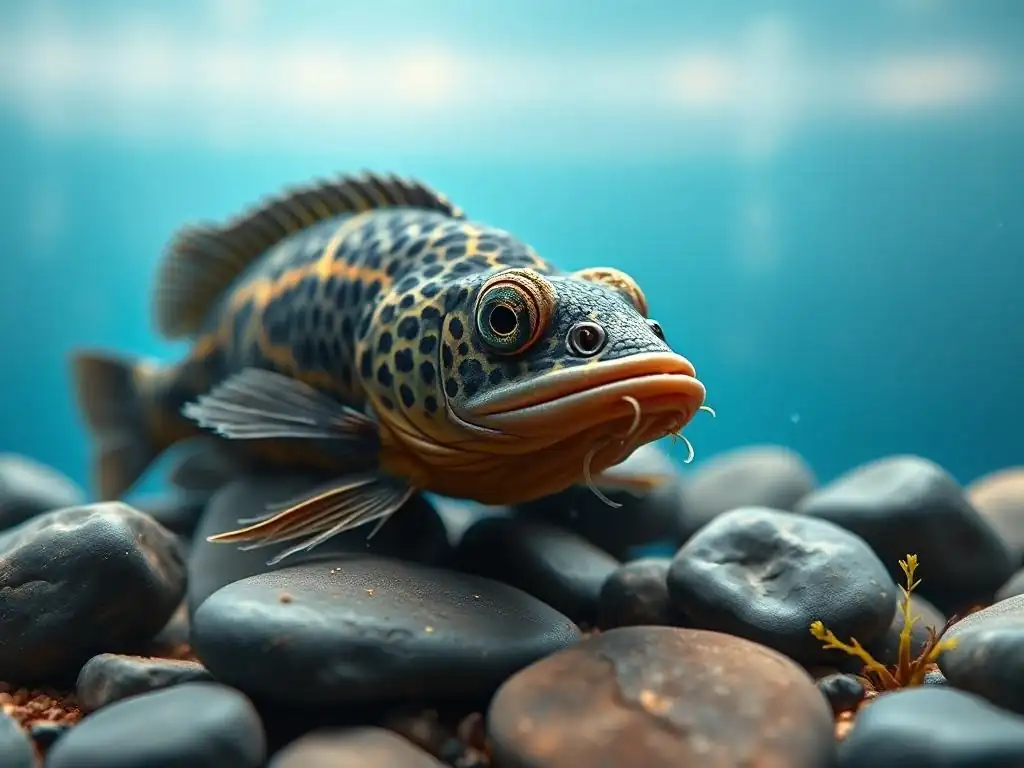
Bristlenose Plecos ( Ancistrus spp.) are popular algae eaters known for their unique "bristles" or tentacles, especially on males. These peaceful bottom-dwellers typically reach an adult size of 4-5 inches (10-12.5 cm). They spend most of their time attached to tank surfaces like glass, driftwood, and rocks, diligently consuming algae, which makes them largely ignored by the mid-water swimming Tiger Barbs.
Their armored bodies and preference for different tank zones (surfaces vs. open water) mean they rarely interact directly with Tiger Barbs in a confrontational way. Bristlenose Plecos are hardy and predominantly nocturnal, further minimizing potential daytime conflicts. They are an ideal choice for tiger barb tank mates as they provide valuable algae control without contributing to tank aggression.
6. Zebra Danios: Fast Swimmers That Can Keep Up with Tiger Barbs
Zebra Danios ( Danio rerio) are incredibly active, schooling fish known for their distinctive horizontal stripes. Reaching an adult size of about 2 inches (5 cm), their constant, darting movements are their primary defense mechanism against potential fin-nipping. Their speed and agility allow them to easily evade the quick nips of Tiger Barbs.
Like Tiger Barbs, Zebra Danios thrive in schools, and a group of at least 6-8 individuals is recommended to ensure their comfort and natural behavior. Their similar active temperament and high energy levels make them highly suitable tiger barb companions. They share a preference for similar water parameters and are robust enough to handle the lively environment of a Tiger Barb community tank.
7. Swordtails: A Colorful and Hardy Option
Swordtails ( Xiphophorus hellerii) are popular livebearers celebrated for their vibrant coloration and the distinct, elongated lower caudal fin (the "sword") of the males. These fish can grow to about 4-5 inches (10-12.5 cm). While their extended fin can potentially be a target for fin-nippers, their overall speed and hardy nature often allow them to coexist successfully with Tiger Barbs.
To ensure their well-being, a well-planted tank with plenty of hiding spots is crucial for Swordtails. Keeping them in a proper male-to-female ratio (e.g., one male to two or three females) also helps to reduce stress and aggression among themselves. Their robust constitution and active swimming make them a viable and colorful addition among tiger barbs compatible tank mates, especially in larger aquariums.
8. Black Skirt Tetras: A Bold and Striking Contrast
Black Skirt Tetras ( Gymnocorymbus ternetzi) are peaceful, schooling fish known for their striking dark bodies and distinctively shaped fins. They typically grow to about 2.5-3 inches (6-7.5 cm). Their body shape and fins, while somewhat flowing, are generally less appealing targets for fin-nippers compared to species with extremely long, delicate fins.
Like Tiger Barbs, Black Skirt Tetras thrive in schools, and a group of six or more individuals is recommended to help them feel secure and disperse any potential aggression. Their active swimming and similar size range often lead to peaceful coexistence with Tiger Barbs, as they are neither too small to be prey nor too slow to escape. They provide a bold visual contrast to the striped barbs.
9. Giant Danios: Size and Speed for Peaceful Coexistence
Giant Danios ( Devario aequipinnatus) are impressive, torpedo-shaped fish that can reach a considerable size of 4-6 inches (10-15 cm). Their large size and incredible speed are their primary defenses, making them virtually immune to fin-nipping from Tiger Barbs. They are one of the most robust and active choices for compatible tank mates for tiger barbs.
Due to their size and high activity levels, Giant Danios require spacious tanks, with a minimum of 55 gallons (approximately 200 liters) recommended for a school of these fish. They are constant swimmers, occupying the mid to upper levels of the tank. Their sheer size and agility ensure they are robust enough not to be bullied and too fast to be caught by even the most persistent Tiger Barbs.
10. Yoyo Loaches: Another Great Loach Option for Tiger Barb Tanks
Yoyo Loaches ( Botia almorhae) are active, playful bottom-dwellers named for the distinct "YOYO" pattern often visible on their bodies. They typically grow to about 3-4 inches (7.5-10 cm). Similar to Clown Loaches, they are armored and primarily occupy the lower regions of the tank, making them less likely to directly conflict with mid-water swimming Tiger Barbs.
These loaches are highly social and should be kept in schools of at least 3-5 individuals to prevent stress and encourage their natural behaviors. They enjoy exploring caves, crevices, and driftwood. Their hardiness, armored bodies, and lack of vulnerable, flowing fins make them a great choice for tiger barbs compatible tank mates, and they also offer the added benefit of helping to control pest snail populations.
Fish to Avoid as Tiger Barb Tank Mates
Long-Finned Fish: A Recipe for Disaster
Fish with long, flowing fins are consistently the worst choices for tiger barb tank mates. Species such as Angelfish ( Pterophyllum scalare), male Bettas ( Betta splendens) with their elaborate tails, or fancy Guppies ( Poecilia reticulata) are prime targets for the notorious fin-nipping tendencies of Tiger Barbs. The barbs are drawn to the movement and vulnerability of these extended fins, often resulting in severe damage.
Constant fin-nipping leads to chronic stress, injury, and increased susceptibility to bacterial infections and fin rot for the targeted fish. For instance, an adult Angelfish, known for its elegant fins, can have its delicate fins shredded in a matter of hours or days, leading to significant stress and a much shorter lifespan than its typical 10-12 years. Such interactions create a highly stressful and unhealthy environment for the victims.
Slow-Moving Fish: Prone to Being Bullied
Even if a fish doesn't possess long, flowing fins, a slow-moving nature can still make it an unsuitable companion for Tiger Barbs. Examples include Discus ( Symphysodon spp.), many species of Gouramis (e.g., Dwarf Gourami, Trichogaster lalius), or other placid, large-bodied schooling fish that lack the necessary agility to evade the quick attacks of barbs.
These fish simply cannot escape the relentless harassment of Tiger Barbs, leading to constant bullying and immense stress. This chronic stress compromises their immune systems, making them highly vulnerable to common aquarium diseases, even if direct physical injury from fin-nipping is minimal. The stress alone can significantly shorten their lifespan and diminish their quality of life.
Very Small Fish: Potential Prey for Larger Tiger Barbs
Extremely small fish, particularly fry or very diminutive species like Neon Tetras ( Paracheirodon innesi) that typically remain under 1 inch (2.5 cm) in size, should generally be avoided as tiger barb companions. While Tiger Barbs are not typically predatory on larger fish, a small, vulnerable fish can be perceived as a potential food source, especially if the barbs are not well-fed or are kept in an insufficient school size.
Although adult Tiger Barbs are not outright hunters of other fish species, a tiny, defenseless fish is an easy target. To prevent any accidental consumption or unnecessary stress, it is best to avoid introducing any species that are significantly smaller than the adult Tiger Barbs in your aquarium. Prioritizing fish of a comparable or larger size range helps maintain peace.
Setting Up a Tiger Barb Community Tank for Success
Tank Size Requirements for a Harmonious Environment
For a thriving school of 6-8 Tiger Barbs, a minimum tank size of 20 gallons (approximately 75 liters) is generally recommended. However, for a community tank designed to house tiger barbs compatible tank mates, a larger aquarium of 30-40 gallons (115-150 liters) is highly advisable. This increased volume provides ample swimming space for all inhabitants and helps to significantly reduce potential aggression.
Even larger tanks, such as 55 gallons (200 liters) or more, are ideal, especially if you plan to keep larger schools of barbs (10-12+) or multiple groups of other compatible species. More space allows fish to establish territories without constant conflict, diffuses any inherent aggression, and provides a more stable aquatic environment. A larger water volume also helps in maintaining consistent water parameters.
Providing Ample Space and Hiding Places
A well-decorated aquarium is crucial for the success of a Tiger Barb community tank. Incorporate plenty of live plants (e.g., Java Fern, Anubias, Vallisneria), driftwood, and rocks to create visual barriers and numerous hiding spots. These elements allow fish to retreat when feeling stressed or to establish small, temporary territories, which is vital for maintaining peace among tiger barb companions.
While Tiger Barbs are active open-water swimmers, having dense planting along the sides and back of the tank, combined with caves, ceramic logs, or crevices, provides essential security for all tank inhabitants. This environmental enrichment reduces overall stress levels in the community, as fish can escape from view if necessary, leading to more natural and confident behavior.
Maintaining Optimal Water Parameters for Tiger Barbs and Tank Mates
Maintaining stable and optimal water parameters is paramount for the health and well-being of Tiger Barbs and their compatible tank mates for tiger barbs. The ideal temperature range is 74-80°F (23-27°C), with a pH between 6.0 and 7.5, and moderate water hardness (5-12 dGH). Consistency in these parameters is key; rapid fluctuations can induce significant stress in fish, making them susceptible to disease.
Furthermore, a mature and well-established nitrogen cycle is critical. Ammonia and nitrite levels should always be undetectable (0 ppm), and nitrates should be kept below 20 ppm through regular maintenance. Using a reliable liquid test kit to monitor these parameters at least weekly is crucial. This proactive approach ensures that the water quality consistently supports the diverse needs of all fish in the community.
Feeding and Nutrition in a Mixed Species Aquarium
Ensuring All Fish Receive Adequate Nutrition
Tiger Barbs are omnivores with a hearty appetite, readily accepting high-quality flake foods and small pellets. However, in a mixed species aquarium, it is vital to ensure that bottom-dwellers and shyer fish also receive sufficient nutrition. Offer a varied diet that includes supplemental foods such as frozen bloodworms, brine shrimp, and daphnia, which can be provided occasionally to enhance their diet and provide essential nutrients.
To ensure all fish receive their share, consider feeding small amounts multiple times a day. This strategy helps prevent the active surface and mid-water feeders, like Tiger Barbs, from consuming all the food before it reaches the bottom-dwelling species. For loaches and catfish, specifically provide sinking pellets or wafers to guarantee they get their required nutrition without having to compete with faster swimmers.
Minimizing Competition for Food
Minimizing competition for food is essential for a harmonious community tank. Strategies such as feeding at opposite ends of the tank can help distribute food more evenly, allowing less assertive fish a better chance to eat. If you observe that certain fish are particularly fast eaters, scattering the food over a wider surface area can also give slower or shyer eaters an opportunity to feed.
It is important to remember that well-fed Tiger Barbs are less likely to exhibit aggressive behaviors such as fin-nipping, as boredom or hunger can exacerbate these tendencies. A balanced, sufficient, and varied diet for all inhabitants contributes significantly to the overall peacefulness and stability of the tiger barbs compatible tank mates community, reducing stress-related issues.
Monitoring and Maintaining a Healthy Community Tank
Regular Water Changes and Testing
Regular partial water changes are the cornerstone of maintaining a healthy community aquarium. Weekly water changes of approximately 25-30% of the tank volume are recommended to remove accumulated nitrates and replenish essential trace minerals. This consistent approach to water quality management is paramount for the long-term health and vitality of all tiger barbs compatible tank mates.
In conjunction with water changes, consistent water testing is non-negotiable. At least weekly, test for ammonia, nitrite, nitrate, and pH using a reliable liquid test kit. Early detection of imbalances in these parameters allows for prompt corrective action, preventing stress-induced illnesses and ensuring the water quality remains pristine. Proactive monitoring is far more effective than reactive treatment.
Observing Fish Behavior for Signs of Stress or Aggression
Daily observation of all fish in the community tank is crucial. Look for any signs of stress, such as clamped fins, faded coloration, erratic swimming, excessive hiding, or a refusal to eat. Also, pay close attention to any instances of aggression, including fin-nipping, chasing, or territorial disputes. These are often early indicators of underlying problems like stress, disease, or bullying.
If aggression is noted, identify both the aggressor and the victim. Sometimes, simply adding more individuals to a Tiger Barb school (increasing it to 8-10+) can help dilute aggression among themselves. Re-evaluating stocking levels or adding more visual barriers and hiding spots might also be necessary to restore harmony among your tiger barb companions. Persistent bullying requires intervention to prevent harm.
Quarantine New Fish Before Introducing Them to the Main Tank
A non-negotiable practice for any responsible aquarist is to quarantine all new fish for at least 2-4 weeks in a separate, dedicated quarantine tank before introducing them to the main community. This vital step prevents the introduction of common diseases such as Ich (white spot disease), Velvet, or various bacterial infections that could decimate your established aquarium population.
During the quarantine period, closely observe the new fish for any signs of illness and treat them if necessary. This proactive measure is critical for the long-term health and stability of your tiger barbs compatible tank mates and the entire aquatic ecosystem. Introducing healthy, stress-free fish significantly reduces the risk of outbreaks in the display tank.
Troubleshooting Common Problems in Tiger Barb Community Tanks
Fin-Nipping and Bullying: Identifying the Cause and Finding Solutions
While fin-nipping is a characteristic behavior of Tiger Barbs, it can escalate into a serious problem if the school size is too small (typically under 6-8 barbs). Stress due to overcrowding, poor water quality, or the introduction of unsuitable tank mates can also exacerbate this behavior. It's crucial to identify if the nipping is general or directed at a specific, vulnerable fish.
Solutions include increasing the Tiger Barb school size to 8-10 or more individuals, which helps to spread their aggression among themselves rather than targeting other species. Adding more visual barriers, such as dense plant groupings or driftwood, can also provide hiding spots and break lines of sight. If severe bullying persists, rehoming the most aggressive barb or the bullied fish may be necessary. Ensure the tank is adequately sized for all inhabitants.
Disease Prevention and Treatment in a Community Setting
Fish under stress from poor water quality, overcrowding, or constant bullying become highly susceptible to common aquarium diseases like Ich (white spot disease), fin rot, or various fungal and bacterial infections. Therefore, the cornerstone of disease prevention is excellent husbandry practices, including consistent water changes, proper filtration, and a balanced diet.
If a disease outbreak occurs, rapid identification is key. Treating diseases in a community tank can be challenging, as many medications can harm sensitive fish (e.g., loaches, plecos) or beneficial invertebrates (snails, shrimp). Often, the most effective and safest approach is to remove affected fish to a separate hospital tank for treatment, thereby avoiding stressing or harming other tiger barbs compatible tank mates and the beneficial bacteria in the main filter.
Creating a Thriving Ecosystem with Tiger Barbs and Their Companions
With careful planning and consistent dedication to care, Tiger Barbs can indeed be vibrant, fascinating, and relatively peaceful inhabitants of a freshwater community aquarium. The ultimate key to their successful integration lies in understanding their unique temperament and meticulously selecting robust, active tiger barbs compatible tank mates that can not only coexist but thrive alongside these feisty fish.
It is paramount to prioritize adequate tank size, provide a rich and stimulating environment with ample hiding places, maintain stable and optimal water parameters, and practice diligent observation of all fish behaviors. By focusing on these essential elements, aquarists can successfully create a dynamic, aesthetically pleasing, and thriving aquatic ecosystem where Tiger Barbs and their carefully chosen companions flourish together.
Frequently Asked Questions
What makes finding tank mates for tiger barbs challenging?
Tiger barbs are known for their semi-aggressive nature and tendency to nip fins. Finding suitable tank mates requires choosing species that can withstand this behavior and are not easily stressed.
What are some good general guidelines for selecting compatible tank mates for tiger barbs?
Generally, you should consider tank mates that are fast-moving, similarly sized, and can tolerate a bit of activity. Avoid slow-moving, long-finned fish as they are prime targets for fin-nipping.
Are there any specific types of fish that are generally not recommended to keep with tiger barbs?
Yes, fish with long, flowing fins, such as bettas or guppies, are generally not recommended. Also avoid small, docile fish that could be easily bullied.
How does tank size affect the compatibility of tiger barbs with other fish?
A larger tank is crucial for successful community tanks with tiger barbs. It provides more space for fish to establish territories and reduces the likelihood of aggression due to overcrowding.
Besides fish, are there any invertebrates that can coexist peacefully with tiger barbs?
Some larger, more robust snails, like mystery snails, might be okay, but their antennae could be targeted. Shrimp are generally not recommended as tiger barbs may prey on them.
Final Reflection: Cultivating Harmony in the Aquarium
The exploration of compatible tank mates for tiger barbs underscores a crucial principle in aquascaping: the pursuit of balanced ecosystems. Understanding the nuances of temperament and environmental needs is not merely about preventing conflict; it's about fostering an environment where all inhabitants can thrive, showcasing the beauty of biodiversity within a confined space.
The delicate dance of introducing new species into an established aquarium mirrors the complexities of social dynamics in our own lives. This understanding, born from observing the interactions of these small fish, reminds us of the importance of careful consideration and empathy when navigating our own relationships. The best mirror is an old friend,
as George Herbert wisely stated. Similarly, the best indicator of a successful aquarium is the harmonious coexistence of its inhabitants.
As you consider the potential tank mates for your tiger barbs, remember that creating a thriving aquarium is an ongoing journey of learning and adaptation. Let the principles of compatibility and careful observation guide your decisions, not just in the aquarium, but in all aspects of your life. Strive to create spaces, both literal and figurative, where harmony and mutual respect flourish.
Ignite Your Aquarium: Foster Harmony with Tiger Barbs!
Thank you for diving into the world of Tiger Barbs! We hope you found valuable insights into creating a vibrant and peaceful aquarium ecosystem. Now, it’s time to put that knowledge into action and watch your aquatic community thrive.
Here are a few simple steps to continue your journey:
- Carefully consider introducing one or two of the suggested tank mates into your aquarium, ensuring adequate space and hiding spots. Observe their interactions closely during the initial acclimation period.
- Share your newfound knowledge! Pass this article along to a fellow aquarium enthusiast to spark a discussion and exchange insights.
- Document your aquarium's journey. Start a simple journal (digital or physical) to track your Tiger Barbs' behavior and tank mate interactions over time. Note successes and areas for improvement.
Ready to create a harmonious underwater world? Which of the suggested tank mates are you most excited to introduce to your Tiger Barbs, and why?