
Impact of Aquarium Medications on Sensitive Freshwater Snails

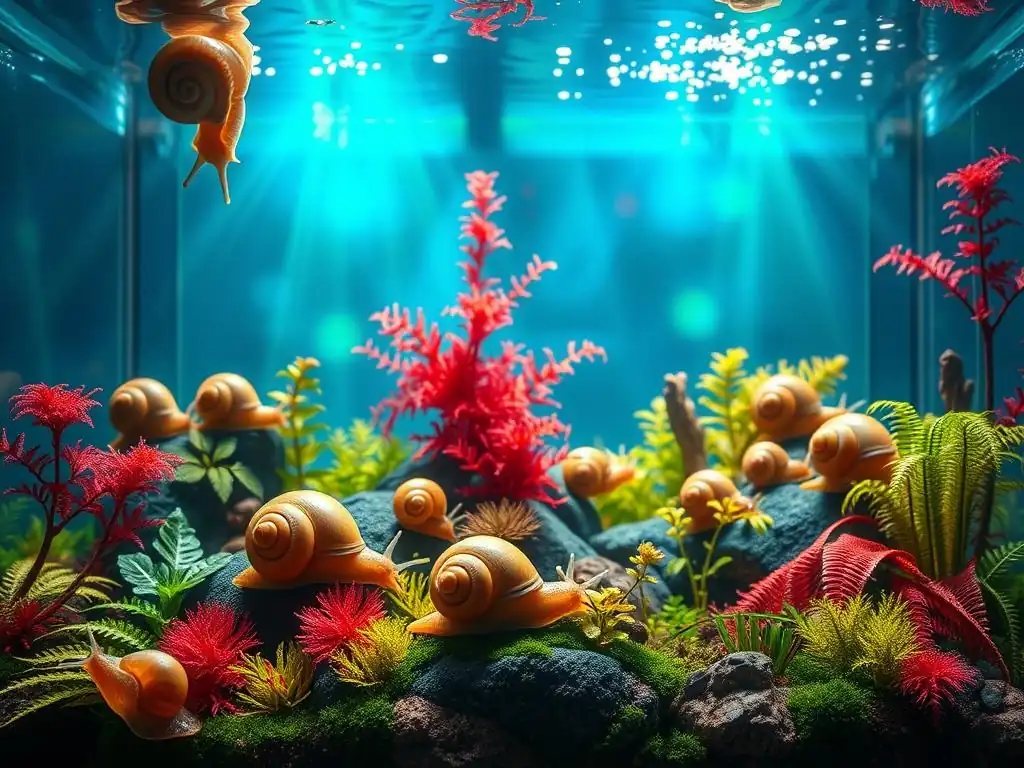
Welcome to Aquarium Mastery, where we dive deep into the fascinating world of aquatic life!
Ever wondered about the hidden dangers lurking within your aquarium treatments? Before you reach for that medication bottle, let's explore the often-overlooked impact of aquarium snail medication side effects. Discover how these seemingly harmless remedies can affect your sensitive freshwater snails and what you can do to protect them. Read on to unravel the mysteries and ensure a thriving, balanced ecosystem in your tank!
- Impact of Aquarium Medications on Invertebrates
- Understanding the Risks: Invertebrate Medication Side Effects
- Common Aquarium Medications and Their Effects on Invertebrates
- Recognizing Invertebrate Poisoning Symptoms: A Diagnostic Guide
- Preventing Medication-Related Invertebrate Deaths: Proactive Measures
- Safe Medication Practices for Aquariums with Invertebrates
- Emergency Measures: Treating Invertebrates Exposed to Harmful Medications
- Long-Term Effects of Medications on Invertebrate Reproduction and Growth
- Case Studies: Examples of Medication Impacts on Specific Invertebrate Species
- Best Practices for Maintaining a Healthy Invertebrate Population in a Medicated Aquarium
- Conclusion: Protecting Your Aquarium Invertebrates from Medication Side Effects
-
Frequently Asked Questions
- How do aquarium medications generally impact freshwater snails?
- What are some common symptoms of aquarium snail medication poisoning?
- Which aquarium medications are most dangerous to freshwater snails?
- How can I protect my snails when treating my aquarium with medication?
- Are there any snail-safe medications for treating common aquarium fish diseases?
- Final Reflection: Protecting Our Aquatic Ecosystems
- Rediscover the Joy of a Thriving Snail Haven!
Impact of Aquarium Medications on Invertebrates
Understanding the Risks: Invertebrate Medication Side Effects
Why Invertebrates are Sensitive to Medications
Freshwater invertebrates, including snails, shrimp, and crayfish, possess unique physiologies that make them exceptionally vulnerable to many common aquarium medications. Unlike fish, which have complex internal organs for detoxification, invertebrates often have simpler biological systems, a more permeable outer layer (shell or exoskeleton), and different metabolic pathways.
This means they can absorb harmful substances directly through their gills or body surface, and they lack the robust enzymatic systems to process and eliminate these chemicals effectively. Even at concentrations deemed safe for fish, many medications can rapidly accumulate to toxic levels within an invertebrate's delicate system, leading to severe aquarium snail medication side effects.
Furthermore, the nervous systems and osmoregulation processes of invertebrates are often more susceptible to disruption by chemical agents. Components found in common parasiticides or antibiotics can interfere with vital functions like respiration, nerve transmission, and the maintenance of internal water balance. For instance, medications targeting external parasites in fish often rely on heavy metals or strong biocides that are equally, if not more, effective at harming the simpler, exposed biological structures of snails and shrimp. This inherent physiological difference necessitates extreme caution when introducing any medication into an aquarium housing these sensitive creatures.
Identifying Vulnerable Invertebrate Species: A Guide to Sensitive Species
Among freshwater invertebrates, certain species are notoriously sensitive to aquarium snail medication side effects, making them high-risk inhabitants during any medication treatment. Snails such as Nerite snails (e.g., Neritina natalensis), Mystery snails ( Pomacea bridgesii), and Rabbit snails ( Tylomelania spp.) are particularly susceptible, often showing distress or succumbing quickly to medications containing copper or certain antiparasitics. Similarly, freshwater shrimp species like Cherry shrimp ( Neocaridina davidi), Amano shrimp ( Caridina multidentata), and Ghost shrimp ( Palaemonetes paludosus) are highly vulnerable, especially to heavy metals and some anthelmintics, due to their chitinous exoskeletons and delicate gill structures.
Crayfish and crabs, while generally more robust than snails or shrimp, can still be negatively impacted by strong medications, particularly those that disrupt the molting process or target their nervous system. For instance, copper toxicity for many shrimp and snail species can occur at concentrations as low as 0.05 to 0.1 parts per million (ppm), a level often considered therapeutic for fish when treating common parasites.
This stark difference in tolerance underscores the critical need for aquarists to be acutely aware of which species inhabit their tanks before considering any chemical treatment, to prevent widespread aquarium snail medication side effects.
Common Aquarium Medications and Their Effects on Invertebrates
Copper-Based Medications: A Major Threat to Invertebrates
Copper-based medications are widely used in the aquarium hobby to treat external parasites like Ich ( Ichthyophthirius multifiliis) and velvet ( Oodinium). These medications function by disrupting the enzyme systems of the parasites, effectively killing them. However, the mechanism of action is often non-selective, meaning that the copper ions also bind to and interfere with the enzyme systems of sensitive invertebrates. Snails, shrimp, and other crustaceans absorb copper directly from the water through their permeable body surfaces and gills. Once absorbed, copper accumulates in their tissues, leading to severe internal damage and rapid death.
Even "chelated" copper products, which are designed to release copper slowly and supposedly be safer, still pose a significant threat to invertebrates. The therapeutic range for fish is typically between 0.15 ppm and 0.3 ppm of copper, but for most freshwater snails and shrimp, any measurable copper above 0.05 ppm can be lethal within hours to days. This extremely narrow margin between safe and toxic levels for invertebrates makes copper one of the most dangerous substances to introduce into a tank housing these sensitive creatures, leading to devastating aquarium snail medication side effects.
Copper Toxicity in Invertebrates: Symptoms and Prevention
Symptoms of copper toxicity in freshwater invertebrates are often rapid and severe. Snails may retract deeply into their shells, refuse to move or eat, and eventually fall to the substrate, remaining upside down and unresponsive. Excessive mucus production and visible shell corrosion can also be observed. For shrimp, signs include lethargy, erratic swimming, loss of coordination, failure to molt properly (often resulting in the "white ring of death"), loss of color, and sudden, unexplained death. These symptoms are clear indicators of severe aquarium snail medication side effects.
Prevention is paramount when it comes to copper and invertebrates. The most effective strategy is to strictly avoid using any copper-based medication in tanks containing snails, shrimp, or other sensitive invertebrates. Always read medication labels meticulously, as copper can be a hidden ingredient.
If copper has ever been used in a tank, even years prior, it can bind to substrate and decor, potentially leaching back into the water over time. In such cases, thoroughly test the water for residual copper using a reliable copper test kit, and consider using a copper-absorbing media like Cuprisorb or Purigen before introducing any sensitive invertebrates to prevent latent aquarium snail medication side effects.
Medications Containing Formaldehyde and Malachite Green: Impacts on Invertebrate Health
Formaldehyde and Malachite Green are two powerful chemicals commonly found in medications designed to treat Ich, fungal infections, and external parasites in fish. Formaldehyde, often sold as formalin, acts as a broad-spectrum biocide that denatures proteins, disrupting cellular functions in target organisms. Malachite Green is an organic dye with strong antifungal and antiparasitic properties. While highly effective against their intended targets, both substances are non-selective and can cause significant harm to the delicate tissues and systems of freshwater invertebrates, leading to profound aquarium snail medication side effects.
When exposed to formaldehyde, invertebrates can suffer from severe respiratory distress, tissue necrosis, and damage to their gills and mantle. Malachite Green can be particularly toxic to their gills and internal organs, leading to lethargy, loss of appetite, and a gradual decline culminating in death. Many hobbyists report significant losses of snails and shrimp even when these medications are used at reduced dosages, highlighting their inherent toxicity to invertebrates. The use of these compounds in a mixed-invertebrate tank is generally not recommended due to the high risk of severe aquarium snail medication side effects.
Antibiotics and Anthelmintics: Assessing the Risks to Invertebrate Populations
Antibiotics, used to treat bacterial infections in fish, present a varying degree of risk to invertebrates. Broad-spectrum antibiotics, such as those containing Furan-2 or certain tetracyclines, can disrupt the beneficial bacterial colonies critical for the nitrogen cycle in the aquarium, leading to ammonia and nitrite spikes that are harmful to all tank inhabitants, including invertebrates. Beyond this, some antibiotics can directly affect invertebrates' digestive systems or internal flora. While some antibiotics like Erythromycin or Kanamycin (e.g., Seachem Kanaplex) are generally considered safer for invertebrates, they are not entirely without risk and require careful monitoring.
Anthelmintics, medications designed to eliminate parasitic worms (like planaria or hydra), pose a significant threat to many invertebrates. Fenbendazole (found in products like Panacur), for example, is highly effective against various worms but can be devastating to snails and shrimp. It works by interfering with the microtubule formation in cells, which is crucial for cell division and chitin synthesis.
This mechanism can disrupt the molting process in shrimp, leading to failed molts and death, and can severely impact the health of snails. While Levamisole is often cited as a safer alternative for worm treatment in invertebrate tanks, even it carries potential risks and should be used with caution to avoid unexpected aquarium snail medication side effects.
Safe Antibiotic Alternatives for Treating Fish in Invertebrate Tanks
The safest approach to treating sick fish when invertebrates are present in the main display tank is to always use a dedicated quarantine tank (QT). This allows for targeted treatment of the fish without exposing the sensitive invertebrate population to potentially harmful medications. A separate QT, even a simple 5-10 gallon setup, can be invaluable for administering a full course of necessary antibiotics or other treatments to fish in isolation. This strategy completely eliminates the risk of aquarium snail medication side effects in the main tank.
If treating fish in the main tank is unavoidable, focus on non-medication approaches for mild fish health issues where possible. Maintaining pristine water quality, offering a high-quality diet, and ensuring stable environmental parameters can significantly boost a fish's natural immune system, often allowing them to fight off minor ailments without chemical intervention. For persistent or severe issues, carefully research "invertebrate-safe" antibiotics like Metronidazole (e.g., Seachem MetroPlex) or Erythromycin, but always proceed with extreme caution, reduced dosages, and continuous observation, as no medication is entirely risk-free for all invertebrates.
Recognizing Invertebrate Poisoning Symptoms: A Diagnostic Guide
Behavioral Changes Indicating Medication Toxicity in Invertebrates
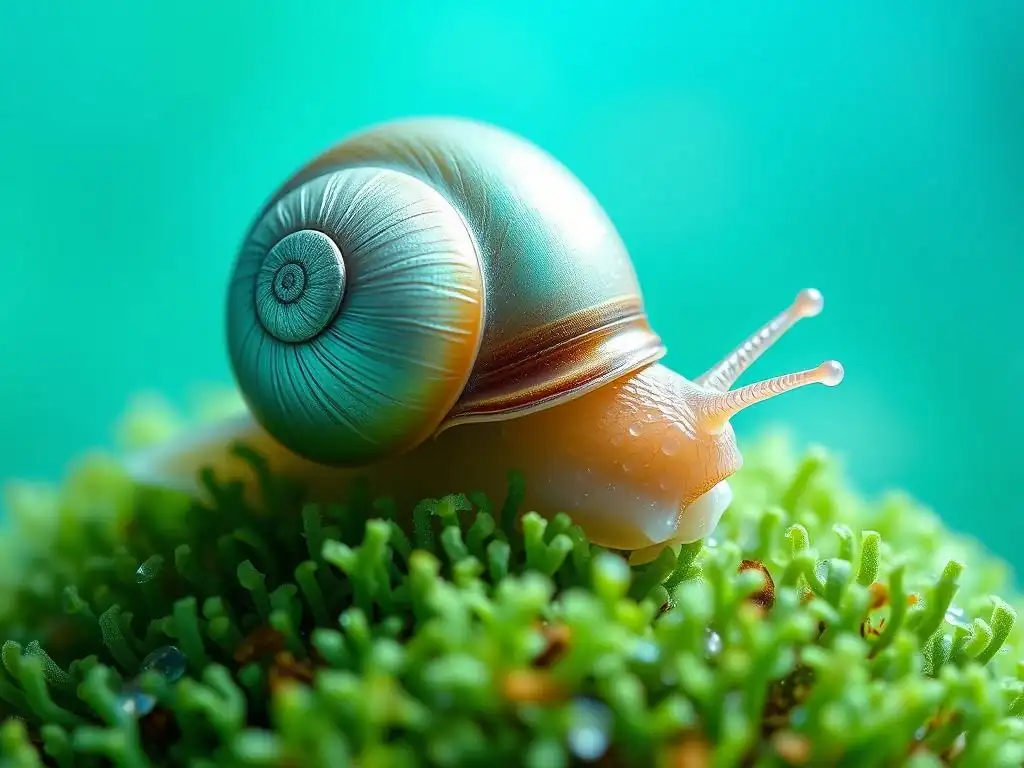
Early detection of medication toxicity in invertebrates often hinges on observing subtle changes in their behavior. For snails, common signs of distress include complete and prolonged retraction into their shells, refusal to move or eat, or falling off tank surfaces and remaining upside down for extended periods without attempting to right themselves. They might exhibit erratic movements, such as suddenly darting across the tank before becoming lethargic, or appearing to "gasp" at the water surface, indicating respiratory distress. These behavioral shifts are critical indicators of potential aquarium snail medication side effects.
Shrimp, being equally sensitive, will also display distinct behavioral alterations when exposed to harmful medications. Lethargy, reduced activity, and a general lack of enthusiasm are common. They may exhibit erratic, uncoordinated swimming patterns, darting around the tank before collapsing. Difficulty righting themselves after being disturbed, or an inability to cling to surfaces, are also strong indicators of neurological or muscular distress. In severe cases, shrimp may simply stop moving and appear lifeless, often found with their tails curled beneath them, signaling acute aquarium snail medication side effects.
Physical Signs of Invertebrate Distress: Shell Damage, Tissue Degradation, and More
Beyond behavioral changes, medication toxicity can manifest through various physical signs in invertebrates. For snails, these include visible pitting, erosion, or discoloration of their shells, which can be a result of disrupted calcium metabolism or direct chemical damage. Excessive mucus production is another common symptom, as the snail attempts to protect itself from the irritant. The mantle tissue might appear swollen or recede, and in severe cases, the snail may be unable to fully close its operculum, leaving its vulnerable body exposed.
Shrimp experiencing medication-induced distress may show a cloudy or opaque exoskeleton, a precursor to failed molting. The "white ring of death," where a clear band forms around the shrimp's body indicating an inability to separate from its old shell, is a definitive sign of molting issues often triggered by chemical stress. Red discoloration, especially in typically clear or pale shrimp, can indicate internal bleeding or severe stress. Visible tissue necrosis, particularly around the gills or appendages, is a grave sign, indicating severe aquarium snail medication side effects and often preceding death.
Quarantine Tanks: A Safe Haven for Invertebrates During Medication Treatments
Establishing and consistently utilizing a quarantine tank (QT) is arguably the most effective proactive measure to prevent medication-related invertebrate deaths. A QT is a separate, dedicated aquarium where new fish are held for a period (typically 2-4 weeks) before being introduced to the main display tank. This allows aquarists to observe new fish for signs of disease and, crucially, to administer any necessary medications without exposing the sensitive invertebrate population in the primary tank. A simple 10-gallon tank with a heater, sponge filter, and basic hiding spots can serve as an effective QT.
By treating fish in isolation, you completely eliminate the risk of aquarium snail medication side effects in your main display. This practice not only protects your existing invertebrates but also prevents the introduction of diseases into your established ecosystem. Furthermore, if a fish in your main tank becomes ill, moving it to the QT for treatment allows you to use stronger, more effective medications without concern for your snails, shrimp, or other sensitive inhabitants. This separation is a cornerstone of responsible invertebrate husbandry.
Alternative Treatment Methods: Natural Remedies for Fish Diseases
While not substitutes for potent medications in severe disease outbreaks, several alternative or natural treatment methods can be employed for mild fish health issues or as preventative measures, minimizing the need for harsh chemicals that cause aquarium snail medication side effects. Increasing water temperature slightly (e.g., to 82-86°F for Ich, if fish and invertebrates can tolerate it) can accelerate the Ich life cycle, making it easier to eradicate through water changes, though this must be done carefully as some snails and shrimp are sensitive to high temperatures.
Indian Almond Leaves (catappa leaves) release tannins into the water, which have mild antibacterial, antifungal, and antiparasitic properties, and can also reduce stress. Garlic-infused foods are sometimes used as an immune booster for fish. Salt baths (short-term, high-concentration dips) can be effective for external parasites on fish, but this method is only for the fish in a separate container, as freshwater invertebrates cannot tolerate high salinity. Always research the specific impacts of any natural remedy on your particular invertebrate species before adding it to the main tank.
Water Parameter Monitoring: Maintaining a Safe Environment for Invertebrates
Consistent and accurate monitoring of water parameters is fundamental to maintaining a healthy environment for invertebrates and can significantly reduce their susceptibility to aquarium snail medication side effects. Regular testing for ammonia, nitrite, and nitrate is crucial; ammonia and nitrite should always be at zero parts per million (ppm), as even low levels can stress or kill invertebrates. Stable pH levels are also vital, as sudden fluctuations can be highly detrimental to their delicate systems.
Furthermore, general hardness (GH) and carbonate hardness (KH) are particularly important for snails and shrimp. GH provides essential minerals like calcium and magnesium for shell and exoskeleton development, while KH buffers the pH, preventing dangerous swings. For most common freshwater snails and shrimp, maintaining a GH above 8 dGH and a KH above 4 dKH helps prevent shell erosion and molting issues, making them more resilient to environmental stressors and indirectly reducing their vulnerability should any medication exposure occur.
Safe Medication Practices for Aquariums with Invertebrates
Choosing Invertebrate-Safe Medications: A List of Recommended Options
When faced with the unavoidable need to medicate a tank containing invertebrates, selecting products specifically marketed as "invertebrate-safe" or "reef-safe" is crucial, though it's important to understand that "safe" often means "less harmful," not "zero risk." Products containing Metronidazole (e.g., Seachem MetroPlex) are generally well-tolerated by most invertebrates and are effective against various internal parasites and some bacterial infections. Kanamycin (e.g., Seachem Kanaplex) is another antibiotic often considered safer for invertebrates than broad-spectrum alternatives.
For certain external parasites, some aquarists have found success with products like Seachem ParaGuard, which is a blend of aldehydes that is less harsh than copper or malachite green, though still requires careful monitoring. Erythromycin is another antibiotic that tends to be better tolerated by invertebrates than many other antibiotics. Always thoroughly research the active ingredients of any medication and cross-reference with known invertebrate sensitivities. Prioritize products with clear ingredient lists and positive anecdotal reports from other invertebrate keepers to minimize aquarium snail medication side effects.
Dosage Considerations: Minimizing Medication Exposure for Invertebrates
Even when using medications considered "invertebrate-safe," careful dosage considerations are paramount to minimize exposure and potential aquarium snail medication side effects. A common practice among experienced aquarists is to start with a reduced dose, often half or even a quarter of the manufacturer's recommended dosage for fish-only tanks. This approach aims to provide some therapeutic effect while significantly lowering the immediate chemical impact on sensitive invertebrates.
It is critical to accurately calculate your tank's water volume (length x width x height in inches / 231 = gallons) to avoid accidental overdosing. Overdosing is a frequent cause of invertebrate fatalities, even with relatively benign medications. After administering a reduced dose, closely monitor all invertebrates for any signs of distress. If no adverse reactions are observed after 12-24 hours, the dosage can be gradually increased, but always with extreme caution and continuous observation. This cautious approach helps to find the lowest effective dose for fish while protecting your invertebrates.
Post-Treatment Care: Restoring a Healthy Aquarium Environment for Invertebrates
After any medication treatment in a tank containing invertebrates, thorough post-treatment care is essential to restore a healthy and stable environment and mitigate any lingering aquarium snail medication side effects. The first crucial step is to perform several large water changes (e.g., 25-50% daily for 2-3 days) to dilute and remove residual medication from the water column. Always ensure the replacement water is properly dechlorinated and temperature-matched to avoid further stress.
Simultaneously, add fresh activated carbon to your filter. Activated carbon is highly effective at adsorbing many organic compounds and medications, actively pulling them out of the water. Replace the carbon every 24-48 hours during the initial post-treatment phase to ensure maximum absorption.
Continue to monitor water parameters closely for at least one to two weeks, as some medications can temporarily disrupt the beneficial bacteria responsible for the nitrogen cycle. If ammonia or nitrite levels rise, perform immediate water changes and consider adding a high-quality bacterial supplement to aid in the recovery of the biological filter, ensuring the long-term well-being of your invertebrates.
Emergency Measures: Treating Invertebrates Exposed to Harmful Medications
Water Changes: Diluting Medication Concentrations
If invertebrates show signs of distress after accidental exposure to harmful medications, immediate and aggressive water changes are the first and most critical emergency measure. Performing a large water change, typically 50% to 75% of the tank volume, as quickly as possible will rapidly dilute the concentration of the toxic substance in the water. This immediate reduction can be the difference between life and death for sensitive species exhibiting aquarium snail medication side effects.
Following the initial large water change, continue with smaller, frequent water changes (e.g., 25% every few hours) until the invertebrates' symptoms subside or the medication is believed to be sufficiently diluted or removed. Always ensure that the replacement water is properly conditioned to remove chlorine and chloramines, and that its temperature is closely matched to the tank water to prevent further shock to the already stressed invertebrates. Consistent water changes are paramount for flushing out harmful chemicals.
Activated Carbon Filtration: Removing Medications from the Water
In conjunction with aggressive water changes, deploying fresh activated carbon in the filtration system is an essential emergency measure for removing harmful medications from the water column. Activated carbon is a highly porous material that effectively adsorbs a wide range of organic compounds, including many aquarium medications. Add a generous amount of fresh activated carbon to your filter, ensuring good water flow through the media for maximum contact.
For emergency situations, it is advisable to replace the activated carbon every 24 to 48 hours, as its adsorptive capacity can become exhausted relatively quickly when dealing with high concentrations of chemicals. While activated carbon is highly effective for many medications, it may not completely remove all types of substances, particularly heavy metals like copper, which can bind to tank surfaces. Nevertheless, its immediate implementation can significantly reduce the concentration of many harmful compounds, mitigating severe aquarium snail medication side effects.
Invertebrate Recovery Strategies: Supportive Care and Monitoring
After implementing water changes and activated carbon to remove the harmful medication, the focus shifts to supportive care for the distressed invertebrates. Maintaining pristine water quality is paramount; continue to monitor ammonia, nitrite, and nitrate levels daily, performing additional small water changes if any parameters spike. Ensure the water temperature remains stable within the invertebrates' ideal range, as temperature fluctuations can add further stress.
Provide ample, easily accessible food for snails and shrimp, as they may have been unable to forage during the acute phase of toxicity. Avoid any additional stressors, such as aggressive tank mates or sudden changes in lighting. Observe the invertebrates closely for signs of recovery, such as increased activity, improved coloration, or successful molting for shrimp. While some invertebrates may recover over several days or weeks with diligent care, others may unfortunately succumb to the damage sustained, despite all efforts to reverse the aquarium snail medication side effects.
Long-Term Effects of Medications on Invertebrate Reproduction and Growth
Impacts on Invertebrate Breeding: Fertility and Egg Development
Even if invertebrates survive initial exposure to aquarium medications, there can be significant long-term impacts on their reproductive capabilities. Many chemicals, even those considered "safer," can impair fertility or disrupt the delicate processes of egg development and hatching. For instance, sub-lethal concentrations of copper, even if not immediately fatal, can render snails infertile, leading to a complete cessation of egg laying or the production of unfertilized clutches. Similarly, antibiotics can disrupt the beneficial gut flora in invertebrates, which is essential for nutrient absorption and overall health, subsequently impacting the energy reserves needed for successful egg production.
Shrimp breeding can also be severely affected; females may stop developing eggs, or the eggs they do carry may fail to hatch. The molting process, which is intrinsically linked to shrimp reproduction, can be disrupted, preventing successful breeding molts. Reduced clutch sizes, a higher percentage of unfertilized eggs, or eggs that simply fail to develop and hatch are common long-term aquarium snail medication side effects of medication exposure, leading to a decline in population growth over time.
Growth Inhibition: How Medications Affect Invertebrate Development
Beyond immediate mortality and reproductive issues, exposure to medications, even at sub-lethal doses, can significantly inhibit the growth and overall development of freshwater invertebrates. In snails, this might manifest as stunted growth, with exposed individuals reaching a smaller adult size compared to their unexposed counterparts. Their shells may also be thinner or more prone to erosion due to impaired calcium metabolism.
For shrimp, the molting process is directly tied to growth, as they must shed their old exoskeleton to grow larger. Medications can interfere with the physiological processes necessary for successful molting, leading to failed molts (often seen as the "white ring of death") even weeks after the initial exposure. These failed molts are frequently fatal and prevent the shrimp from growing. Consequently, a population exposed to medication may exhibit a noticeable reduction in average size and overall growth rates, demonstrating the persistent aquarium snail medication side effects on their development.
Case Studies: Examples of Medication Impacts on Specific Invertebrate Species
Nerite Snails and Copper-Based Treatments
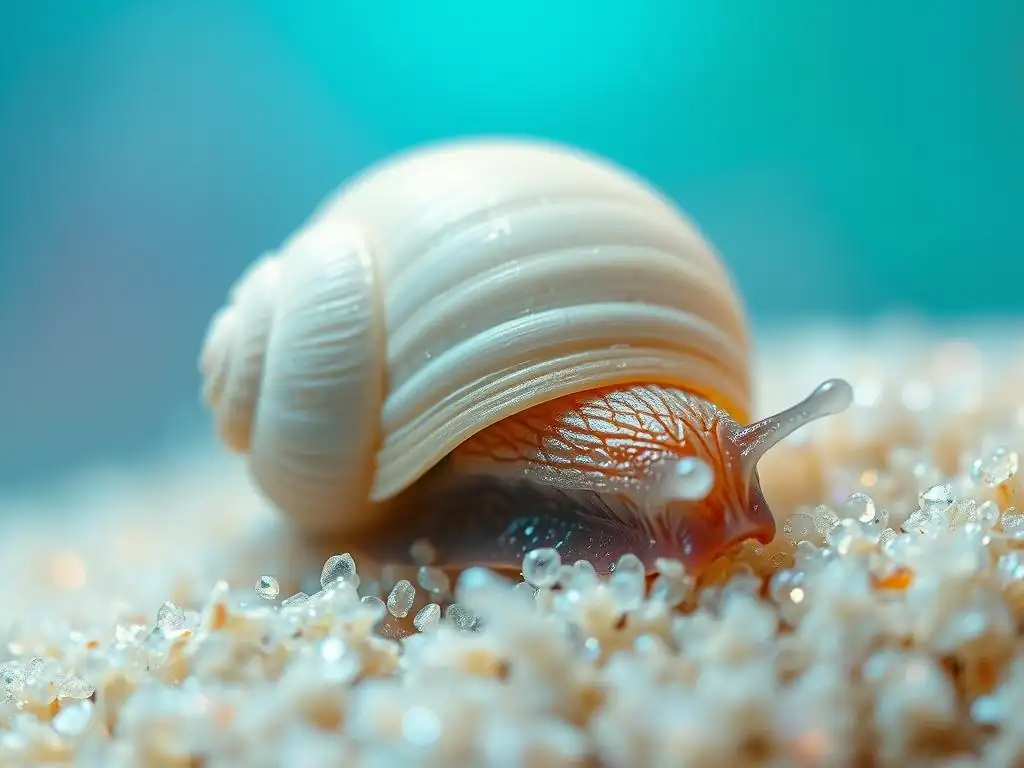
Nerite snails, highly prized for their exceptional algae-eating abilities and striking shell patterns, are one of the most common victims of copper-based aquarium medications. Their extreme sensitivity means that even trace amounts of copper, often below the detection limits of hobbyist test kits or residual from past treatments, can be lethal. Numerous reports from aquarists detail rapid die-offs of Nerite snails within hours to days of any copper-containing medication being introduced, or even months after a copper treatment if the copper has leached from porous tank decorations or substrate.
A classic scenario involves an aquarist treating Ich in a fish-only tank with a copper medication, then later deciding to add Nerite snails after a few water changes. Despite the water appearing clear and fish showing no ill effects, the residual copper bound to the silicone, gravel, or filter media slowly leaches into the water, accumulating in the Nerite snails' systems. Copper levels as low as 0.05 ppm have been observed to cause significant aquarium snail medication side effects and fatalities in Nerite populations, underscoring the enduring danger of this heavy metal.
Shrimp and Ivermectin Exposure
While Ivermectin is not a standard aquarium medication, it is occasionally used off-label by some hobbyists to treat planaria or other parasitic worms. However, Ivermectin is extremely toxic to crustaceans, including all freshwater shrimp species (e.g., Cherry shrimp, Amano shrimp, Ghost shrimp). Its mechanism of action, which targets invertebrate nervous systems, means that even minute quantities can cause rapid and devastating effects.
Anecdotal evidence from the aquarium community highlights the extreme danger. There are multiple accounts of mass shrimp fatalities occurring after accidental cross-contamination, such as residue from hands that handled pet dewormer containing Ivermectin, or even trace amounts introduced via plants or fish from a tank where it was used. Symptoms typically include immediate paralysis, erratic movements, loss of coordination, and rapid death. This illustrates that even medications not specifically designed for aquariums can have catastrophic aquarium snail medication side effects on sensitive invertebrate populations if introduced, even inadvertently.
Best Practices for Maintaining a Healthy Invertebrate Population in a Medicated Aquarium
Regular Observation: Detecting Early Signs of Medication Toxicity
Consistent and diligent daily observation of your aquarium invertebrates is a best practice that can prove invaluable in detecting early signs of medication toxicity. Spend a few minutes each day watching your snails, shrimp, and other invertebrates for any subtle changes in their normal behavior or appearance. Look for snails that are unusually retracted, immobile, or falling off surfaces. Observe shrimp for lethargy, erratic swimming, or difficulty molting.
Early detection is crucial because it allows for prompt intervention, such as immediate water changes or activated carbon filtration, before the effects become irreversible. A slight increase in snail retraction or a minor change in a shrimp's activity level could be the initial warning sign of developing aquarium snail medication side effects. Regular, attentive observation empowers you to react swiftly and potentially save your delicate inhabitants from severe harm.
Detailed Record Keeping: Tracking Medications and Invertebrate Health
Maintaining a detailed logbook for your aquarium is a highly recommended best practice, especially when managing tanks with sensitive invertebrates. Record all essential information, including water parameter test results (pH, ammonia, nitrite, nitrate, GH, KH), dates of water changes, new tank additions, and any medications administered. For medications, note the product name, active ingredients, dosage, and duration of treatment.
Crucially, also document any observable changes in your invertebrates' health or behavior, including any unexplained deaths. This comprehensive record-keeping allows you to identify patterns and correlations, such as a specific medication treatment preceding a decline in snail activity or shrimp mortality. This historical data is invaluable for troubleshooting future issues, making informed decisions about medication choices, and ultimately preventing recurring aquarium snail medication side effects.
Consulting with Aquatic Veterinarians: Expert Advice on Invertebrate Care
For complex health issues in your aquarium or when you are uncertain about the compatibility of a specific medication with your invertebrate population, consulting with a qualified aquatic veterinarian is a best practice that can provide expert guidance. While finding an aquatic vet can sometimes be challenging, their specialized knowledge extends beyond general hobbyist advice and can be invaluable for diagnosing diseases accurately and recommending the safest and most effective treatment protocols tailored to your specific tank inhabitants.
Aquatic veterinarians often have access to diagnostic tools and a deeper understanding of the pharmacology of various medications and their specific impacts on sensitive aquatic species, including invertebrates. Their professional advice can help you navigate difficult decisions, potentially preventing devastating aquarium snail medication side effects and ensuring the long-term health and well-being of your entire aquatic ecosystem.
Conclusion: Protecting Your Aquarium Invertebrates from Medication Side Effects
The delicate nature of freshwater invertebrates, particularly snails and shrimp, makes them exceptionally vulnerable to the adverse effects of many common aquarium medications. Understanding their unique physiologies and the specific dangers posed by ingredients like copper, formaldehyde, malachite green, and certain anthelmintics is paramount for any responsible aquarist. The potential for severe aquarium snail medication side effects necessitates a proactive and cautious approach to tank management and disease treatment.
Protecting your aquarium invertebrates hinges on informed decision-making, meticulous observation, and a commitment to providing a stable, pristine environment. Utilizing quarantine tanks for new fish or sick individuals is the most effective strategy to prevent medication exposure in the main display. When medication is unavoidable, careful selection of "invertebrate-safe" options, precise dosage, and diligent post-treatment care are crucial. By prioritizing prevention, continuous monitoring, and seeking expert advice when needed, aquarists can ensure the long-term health, thriving, and successful reproduction of these fascinating and beneficial inhabitants, safeguarding them from the often devastating aquarium snail medication side effects.
Frequently Asked Questions
How do aquarium medications generally impact freshwater snails?
Many aquarium medications, particularly those containing copper or organophosphates, can be toxic to freshwater snails. These chemicals disrupt their nervous systems and internal organs, leading to illness or death.
What are some common symptoms of aquarium snail medication poisoning?
Signs of poisoning include lethargy, excessive mucus production, foot detachment from the glass, and eventual death. Observing these symptoms after medication use is a strong indicator of a negative reaction.
Which aquarium medications are most dangerous to freshwater snails?
Medications containing copper sulfate, malachite green, and many anti-parasitic treatments are particularly harmful. Always check the ingredients list and research potential impacts before using any medication.
How can I protect my snails when treating my aquarium with medication?
The best approach is to remove snails to a separate, established, and medication-free tank during treatment. Ensure the quarantine tank has similar water parameters to the main aquarium.
Are there any snail-safe medications for treating common aquarium fish diseases?
Some medications are marketed as snail-safe, but it's crucial to research thoroughly. Consider alternative treatments like increasing water changes or using natural remedies if possible.
Okay, here's a final reflection tailored for your article "Impact of Aquarium Medications on Sensitive Freshwater Snails," optimized for the keyword "Aquarium snail medication side effects," and following the structure you provided:
Final Reflection: Protecting Our Aquatic Ecosystems
The findings presented throughout this article underscore the critical importance of understanding the potential side effects of aquarium snail medication. While these medications are often necessary to combat diseases and parasites in our aquariums, their impact on sensitive freshwater snails cannot be ignored. The delicate balance of the aquarium ecosystem hinges on informed decisions and responsible medication use.
This research has highlighted the often-overlooked vulnerability of snails in the aquarium hobby. It's a stark reminder that even seemingly benign treatments can have devastating consequences for certain species. The long-term effects of these medications on snail populations and the overall health of our aquariums demand further investigation. The greatness of a nation and its moral progress can be judged by the way its animals are treated.
- Mahatma Gandhi. This quote, while broad, resonates deeply with the responsibility we have as aquarists to ensure the well-being of all our aquatic inhabitants.
Now, more than ever, it is crucial to approach aquarium medication with caution and a commitment to research. Before administering any treatment, take the time to understand its potential impact on all inhabitants, especially sensitive species like freshwater snails. Let this article serve as a catalyst for greater awareness and responsible practices in the aquarium hobby, ensuring a healthier and more sustainable future for our aquatic ecosystems.
Rediscover the Joy of a Thriving Snail Haven!
Thank you for delving into the delicate world of aquarium medications and their impact on our sensitive snail friends! We hope this article has shed light on how to better protect these important members of your aquatic ecosystem. Now, let's translate knowledge into action!
Here are a few things you can do right now:
- Reassess your current medication protocols. Are you using snail-safe alternatives whenever possible?
- Share this article with fellow aquarists on forums and social media to spread awareness. Knowledge is power, especially when it comes to protecting our aquatic friends!
- Consider setting up a quarantine tank for medicating fish. This protects your snails, and lets you target the medication more effectively.
What specific snail-safe medication strategies will you implement in your aquarium this week?