
Lawnmower Blenny (Salarias fasciatus): Nature's Algae Eraser for Reef Tanks

Welcome to Aquarium Mastery!
Ever wrestled with unsightly algae blooms in your reef tank? Lawnmower Blennies might just be the answer you've been searching for. Dive in to discover how these fascinating fish can become your secret weapon for reef tank algae control, and unlock a cleaner, healthier, and more vibrant aquatic world! Intrigued? Let's explore!
- Introduction to the Lawnmower Blenny: A Reef Tank Algae Solution
- Understanding the Lawnmower Blenny: Biology and Behavior
- Setting Up a Suitable Reef Tank Environment for a Lawnmower Blenny
- Lawnmower Blenny Diet and Algae Consumption in the Reef Tank
- Selecting Healthy Lawnmower Blennies: What to Look For
- Lawnmower Blenny Compatibility: Reef-Safe Tank Mates
- Lawnmower Blenny Health and Disease Prevention
- Breeding Lawnmower Blennies: Challenges and Possibilities
- Troubleshooting Common Issues with Lawnmower Blennies
- Alternatives to Lawnmower Blennies for Reef Tank Algae Control
- Conclusion: The Lawnmower Blenny as a Valuable Asset for Reef Tank Algae Management
-
Frequently Asked Questions
- How effective is a Lawnmower Blenny for reef tank algae control?
- Are Lawnmower Blennies suitable for all reef tank sizes?
- What types of algae do Lawnmower Blennies typically eat?
- What should I do if my Lawnmower Blenny runs out of algae to eat?
- Are Lawnmower Blennies compatible with other reef tank inhabitants?
- Final Reflection: Embracing Natural Harmony in Reef Keeping
- Embrace the Blenny Effect: Transform Your Reef Tank Today!
Introduction to the Lawnmower Blenny: A Reef Tank Algae Solution
The Lawnmower Blenny's Role in Reef Aquarium Ecosystems
The Lawnmower Blenny, scientifically known as Salarias fasciatus, is a highly sought-after inhabitant for saltwater aquariums, primarily due to its remarkable efficiency in reef tank algae control. These fascinating fish play a vital ecological role in their natural coral reef habitats, constantly grazing on various forms of microalgae that grow on rocks and substrate.
In a closed reef aquarium system, where nutrient imbalances can quickly lead to unsightly algae blooms, the blenny's natural grazing behavior becomes an invaluable asset, mimicking the natural processes of a healthy reef ecosystem. They act as a proactive measure against nuisance algae, contributing significantly to the overall aesthetic and biological stability of the tank.
Their continuous grazing helps to maintain a clean environment, preventing the overgrowth of algae that can smother corals and other sessile invertebrates. For instance, in a 50-gallon reef tank experiencing an outbreak of green hair algae, a single Lawnmower Blenny can often make a visible difference within a few weeks, systematically trimming down the algal mats. This natural method of reef aquarium algae management is often preferred over chemical solutions, which can have unpredictable side effects on sensitive reef inhabitants and typically only offer a temporary fix without addressing the underlying cause of algae proliferation.
Why Choose a Lawnmower Blenny for Algae Control?
Opting for a Lawnmower Blenny for algae control in reef tanks offers several distinct advantages over other methods or species. Unlike many herbivorous tangs or rabbitfish that grow large and require massive tanks, Salarias fasciatus remains relatively small, typically reaching about 5 inches (13 cm) in length, making them suitable for moderately sized reef aquariums, generally 30 gallons or more. Their specialized mouthparts are perfectly adapted for scraping diatoms, cyanobacteria, and various types of green hair algae directly from rockwork and glass, reaching areas that mechanical cleaners might miss.
Furthermore, Lawnmower Blennies are generally peaceful and reef-safe, posing little to no threat to corals, other fish, or invertebrates, a crucial consideration for delicate reef environments. While other invertebrates like snails (e.g., Turbo snails, Trochus snails) also contribute to algae consumption, a blenny provides a unique, dynamic form of reef tank algae control by actively patrolling and grazing across all surfaces. This makes them an excellent biological solution for aquarists aiming to reduce nuisance algae naturally and maintain a pristine, balanced reef display.
Understanding the Lawnmower Blenny: Biology and Behavior
Identifying the Salarias fasciatus: Physical Characteristics
The Lawnmower Blenny, Salarias fasciatus, possesses distinctive physical characteristics that make it easily identifiable. They typically exhibit a mottled coloration, ranging from light beige to olive green, adorned with irregular dark brown or black bands and spots that provide excellent camouflage against rockwork and substrate.
This intricate pattern helps them blend seamlessly into their natural reef environment. Their eyes are set high on their heads, allowing them a wide field of view, and they possess unique cirri (small, fleshy tentacles) above their eyes and on their nasal openings, which are thought to aid in sensory perception within their complex habitats.
A key identifying feature is their large, downward-pointing mouth, equipped with comb-like teeth specifically designed for scraping algae from hard surfaces. Unlike many fish that swim gracefully, Lawnmower Blennies use their pectoral fins to "hop" or "perch" on rocks, often resting in plain sight while constantly scanning for their next meal. An adult specimen usually reaches a maximum size of 5 to 6 inches (13-15 cm), with a slender body shape that allows them to navigate tight crevices and holes within the rockwork, essential for both feeding and seeking refuge.
Natural Habitat and Diet of the Lawnmower Blenny
In their natural range, Lawnmower Blennies are widely distributed across the Indo-Pacific, from the Red Sea to the central Pacific Ocean. They inhabit shallow, sunlit reef flats, lagoons, and rocky intertidal zones, preferring areas with abundant live rock and rubble that support prolific algal growth. These environments are typically characterized by strong water flow and high oxygen levels, mirroring the conditions they thrive in within a well-maintained reef aquarium. Their primary diet in the wild consists almost exclusively of benthic microalgae and diatoms, which they meticulously scrape from various surfaces.
Their feeding strategy is highly specialized; they are obligate herbivores, meaning their digestive system is specifically adapted to break down plant matter. This reliance on algae for sustenance underscores their effectiveness as a natural reef tank algae control agent. They spend the vast majority of their day actively grazing, consuming large quantities of algal film, which helps prevent algal overgrowth on corals and other substrates in their native ecosystems. This constant feeding also helps cycle nutrients within the reef, contributing to the overall health and stability of these complex marine environments.
Lawnmower Blenny Behavior: A Dedicated Algae Grazer
The behavior of the Lawnmower Blenny is largely dominated by its relentless pursuit of algae. They are often seen perched on rocks, seemingly observing their surroundings, only to quickly dart forward and begin scraping algae with their specialized mouthparts. This continuous grazing activity is crucial for managing algae in reef tanks, as they cover a significant surface area throughout the day. Unlike some other herbivorous fish that might only graze intermittently, blennies are almost constantly picking at surfaces, making them highly efficient.
While generally peaceful, Lawnmower Blennies can exhibit territorial behavior, especially towards conspecifics or other fish with similar body shapes and feeding habits. This is particularly true in smaller tanks where space and food resources might be limited. For example, in a 30-gallon tank, introducing more than one Lawnmower Blenny is generally not recommended unless it's a very large system (100+ gallons) with ample hiding spots and abundant algae.
They are not known to bother corals or invertebrates, making them an excellent choice for diverse reef setups. Their quirky personalities and unique "hopping" locomotion also add character and visual interest to the aquarium.
Setting Up a Suitable Reef Tank Environment for a Lawnmower Blenny
Tank Size and Water Parameters for Optimal Blenny Health
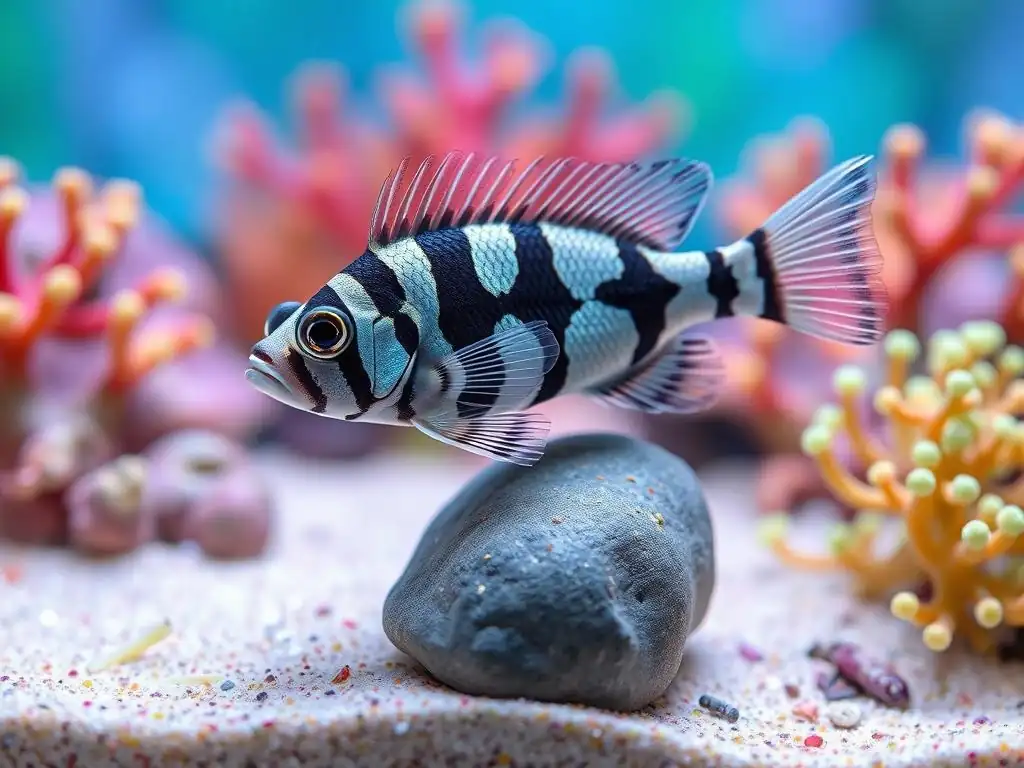
Establishing the correct environment is crucial for the health and longevity of a Lawnmower Blenny and its effectiveness in reef tank algae control. A minimum tank size of 30 gallons (approximately 113 liters) is recommended for a single Lawnmower Blenny. While they are not large fish, they require ample rockwork and surface area for grazing. Larger tanks, 50 gallons or more, are even better as they provide more stable water parameters and greater natural algae growth to sustain the blenny.
Maintaining stable water parameters is paramount for any reef inhabitant, including Salarias fasciatus. Ideal parameters include:
- Temperature: 72-78°F (22-26°C)
- Salinity: 1.023-1.026 specific gravity (SG)
- pH: 8.1-8.4
- Alkalinity: 8-12 dKH
- Calcium: 400-450 ppm
- Magnesium: 1250-1350 ppm
- Nitrates: Below 10 ppm
- Phosphates: Below 0.05 ppm
Consistent monitoring and regular water changes (e.g., 10-20% bi-weekly) are essential to prevent parameter fluctuations, which can stress the blenny and compromise its immune system, making it less effective in reef aquarium algae management.
Creating a Reef-Safe Habitat with Plenty of Algae
To maximize the Lawnmower Blenny's potential for reef tank algae control, the habitat must be designed to encourage natural algae growth on surfaces accessible to the blenny. A mature reef tank with established live rock is ideal, as it naturally develops the microalgae and biofilm that constitute the blenny's primary diet.
Avoid over-cleaning surfaces or using aggressive chemical filtration that strips the water of all nutrients, as this can starve the blenny. A healthy balance is key, where some nuisance algae is present for the blenny to graze upon, but not so much that it becomes unsightly or detrimental to corals.
The use of high-quality live rock, cured and cycled, provides not only a substrate for algae but also numerous crevices and perching spots for the blenny. Aim for a rock-to-water ratio that allows for ample surface area. For example, in a 50-gallon tank, using 40-50 pounds of live rock can provide sufficient grazing grounds. Adequate lighting is also important, as it promotes the growth of the desirable microalgae that the blenny consumes. While excessive lighting can lead to problem algae, a balanced photoperiod (e.g., 8-10 hours per day) is beneficial for both corals and the blenny's food source.
The Importance of Rockwork and Hiding Places
Ample rockwork and strategically placed hiding places are critical for the well-being of a Lawnmower Blenny. These fish, despite their active grazing, are also quite shy and require secure retreats where they can feel safe and rest. Live rock aquascaping should include numerous caves, overhangs, and crevices that the blenny can easily access. This provides them with a sense of security, especially when introduced to a new environment or if they feel threatened by other tank inhabitants.
Without sufficient hiding spots, a Lawnmower Blenny can become stressed, leading to a weakened immune system and reduced feeding activity, thus diminishing its effectiveness in reef tank algae control. They often claim a particular crevice or hole as their "home" and will retreat there when startled. Providing diverse rock structures not only offers refuge but also increases the surface area for algae growth, further supporting the blenny's natural feeding behavior and contributing to a thriving, balanced reef ecosystem.
Lawnmower Blenny Diet and Algae Consumption in the Reef Tank
Primary Food Source: Controlling Algae Growth Naturally
The Lawnmower Blenny's primary and preferred food source is naturally occurring algae within the reef tank. These fish are exceptional at reef tank algae control because their specialized mouths and constant grazing habits allow them to effectively consume various types of nuisance algae, including diatoms (brown film algae), green hair algae, and even some forms of cyanobacteria. In a tank with a persistent, moderate algae problem, a single Salarias fasciatus can make a noticeable difference in a matter of weeks, systematically cleaning the rockwork, substrate, and even the aquarium glass.
Their efficiency stems from their continuous feeding behavior; they spend virtually their entire day scraping algae from surfaces. This makes them a superior choice for long-term, natural algae management in reef tanks compared to methods that only address symptoms. For instance, an established 75-gallon reef tank with a recurring diatom bloom might see a significant reduction in the brown film within 10-14 days of introducing a healthy Lawnmower Blenny, provided there are no other underlying issues like excessive nutrients.
Supplementing the Diet: What to Feed When Algae is Scarce
While Lawnmower Blennies are excellent natural algae eaters, it is crucial to supplement their diet, especially in tanks where nuisance algae growth is minimal or has been successfully reduced. Without adequate natural algae, a blenny can quickly starve. They are not typically interested in meaty foods or standard fish flakes. Instead, offer high-quality, plant-based foods such as:
- Nori seaweed: Dried marine algae sheets, often clipped to a rock or an algae clip. Offer a small piece daily or every other day.
- Spirulina flakes or pellets: Ensure these are specifically formulated for herbivorous marine fish.
- Blanched vegetables: Occasionally, blanched zucchini or spinach can be offered, though nori is usually preferred.
These supplemental foods ensure that the blenny receives sufficient nutrition, preventing weight loss and maintaining its health and vigor. A blenny that is well-fed through supplementation will remain active and continue to graze on any new algae growth, contributing to ongoing reef tank algae control.
Preventing Starvation: Ensuring Adequate Algae Availability
Preventing starvation is perhaps the most critical aspect of caring for a Lawnmower Blenny. Unlike omnivorous or carnivorous fish that readily accept various prepared foods, blennies can be notoriously finicky and may ignore anything but natural algae or nori. If your reef tank is exceptionally clean with very little visible algae, a Lawnmower Blenny might not be the most suitable choice, or you must be diligent with supplemental feedings. A blenny that is not eating enough will appear thin, lethargic, and may exhibit faded coloration.
One strategy to ensure adequate food is to maintain a slightly higher nutrient level than would be ideal for a pristine SPS coral tank, allowing for a healthy growth of microalgae without letting it get out of control. Alternatively, you can rotate the blenny between two tanks if you have them, allowing algae to grow in one while the blenny cleans the other. Regular observation of the blenny's girth and activity level is essential.
If it appears thin or less active, increase supplemental feedings immediately. This proactive approach ensures the blenny remains a valuable asset for reef tank algae control for years to come.
Selecting Healthy Lawnmower Blennies: What to Look For
Identifying Signs of a Healthy Specimen
When selecting a Lawnmower Blenny for your reef tank algae control efforts, it's crucial to identify signs of a healthy and robust specimen. A healthy blenny will be active and alert, constantly perching and moving around its holding tank, often attempting to graze on the glass or decor. Its body should appear full and well-rounded, not thin or pinched in behind the head, which can indicate starvation. The fins should be intact and free of tears or fraying, and their coloration should be vibrant and natural for the species, without any dullness or unusual patches.
Observe its breathing; respiration should be steady and unlabored, without rapid gilling. The eyes should be clear and bright, not cloudy or sunken. A healthy blenny will also react quickly to external stimuli, darting away or changing position when approached. Avoid any fish that are listless, hiding excessively, or have clamped fins, as these are common indicators of stress or illness. Selecting a healthy specimen significantly increases its chances of successful acclimation and long-term survival in your reef tank.
Avoiding Sick or Stressed Blennies
To ensure the success of your new Lawnmower Blenny and prevent the introduction of diseases into your established reef tank, it's vital to avoid purchasing sick or stressed individuals. Look out for common signs of illness:
- White spots (Ich): Small, salt-grain-like spots on the body and fins.
- Cloudy eyes: A hazy film over the eyes.
- Fin rot: Frayed, deteriorating fins.
- Bloating or extreme thinness: Indicates internal issues or starvation.
- Rapid or labored breathing: Suggests gill parasites or poor water quality.
- Red sores or lesions: Open wounds on the body.
Also, observe the blenny's behavior. A stressed blenny might be constantly hiding, refusing to eat, or exhibiting erratic swimming patterns. Tanks with multiple sick fish are a red flag, as diseases can spread rapidly. Ask the fish store staff about the blenny's feeding habits and how long it has been in their care. A blenny that has been at the store for several days and is actively eating is a much safer choice than one just arrived from import.
Acclimation Process: Introducing Your Blenny to the Reef Tank
Proper acclimation is critical for the survival of any new marine fish, especially a Lawnmower Blenny, which can be sensitive to sudden changes in water parameters. The drip acclimation method is highly recommended for its gentle approach, minimizing stress and shock.
- Dim Lights: Turn off your aquarium lights to reduce stress.
- Float Bag: Float the sealed bag in your sump or tank for 15-20 minutes to equalize temperature.
- Transfer to Bucket: Place the blenny and its original water into a clean bucket.
- Drip Acclimation: Use airline tubing and a knot to create a slow drip from your display tank into the bucket, aiming for 1-2 drips per second. The goal is to slowly replace the bag water with your tank water over 45-60 minutes, doubling the original volume.
- Net and Release: Once acclimated, gently net the blenny and transfer it to your display tank, discarding the water from the bucket. Avoid pouring the transport water into your tank to prevent introducing pollutants or pathogens.
After release, the blenny may initially hide, which is normal. Provide plenty of hiding spots and dim lighting for the first few hours. Monitor its behavior over the next few days to ensure it begins grazing and settles into its new role in reef tank algae control.
Lawnmower Blenny Compatibility: Reef-Safe Tank Mates
Compatible Fish Species for a Peaceful Reef Environment
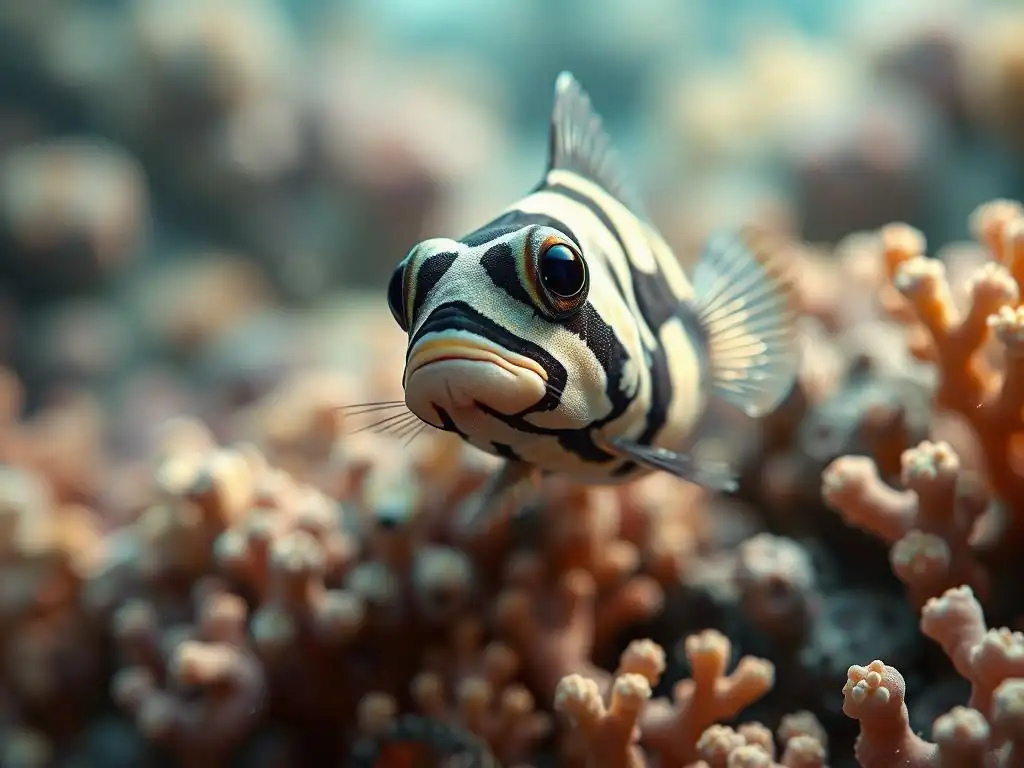
Lawnmower Blennies are generally peaceful and make excellent additions to most community reef tanks, particularly those focused on reef tank algae control. When selecting tank mates, prioritize species with calm temperaments that occupy different niches within the aquarium. Good compatible fish species include:
- Gobies: Such as Watchman Gobies ( Cryptocentrus cinctus) or Diamond Watchman Gobies ( Valenciennea puellaris), which typically stay near the substrate.
- Clownfish: Like Ocellaris Clownfish ( Amphiprion ocellaris) or Percula Clownfish ( Amphiprion percula), known for their peaceful nature.
- Small Tangs: Such as Yellow Tangs ( Zebrasoma flavescens) or Kole Tangs ( Ctenochaetus strigosus), in appropriately sized tanks (100+ gallons), as long as they are not overly aggressive.
- Damselfish: Certain species like the Blue Green Chromis ( Chromis viridis) are peaceful schooling fish.
- Firefish: Such as Helfrichi Firefish ( Nemateleotris helfrichi) or Purple Firefish ( Nemateleotris decora), which are shy and occupy the water column.
The key is to avoid species that are overly aggressive, territorial, or have similar diets, which could lead to competition for food or space.
Invertebrate Tank Mates: Shrimps, Crabs, and Corals
Lawnmower Blennies are highly reef-safe and pose virtually no threat to corals or most invertebrates, making them ideal inhabitants for diverse reef aquariums. They are a valuable component of reef aquarium algae management without harming the delicate ecosystem.
- Shrimps: Cleaner shrimp (e.g., Skunk Cleaner Shrimp, Lysmata amboinensis), Peppermint Shrimp ( Lysmata wurdemanni), and various ornamental shrimp species are excellent tank mates.
- Crabs: Small hermit crabs (e.g., Blue Leg Hermit Crabs, Clibanarius tricolor) and Emerald Crabs ( Mithraculus sculptus) are generally compatible, though Emerald Crabs can occasionally nip at corals if not well-fed on algae.
- Snails: Turbo Snails ( Turbo fluctuosa), Trochus Snails ( Trochus histrio), Nassarius Snails ( Nassarius vibex), and Cerith Snails ( Cerithium atratum) are highly compatible and often work alongside the blenny in reef tank algae control, focusing on different types or locations of algae.
- Corals: Lawnmower Blennies are completely safe with all types of corals, including LPS (Large Polyp Stony), SPS (Small Polyp Stony), and soft corals. They will graze around corals without disturbing their polyps.
This compatibility allows aquarists to build a vibrant and diverse reef environment without worrying about the blenny harming other inhabitants.
Fish to Avoid: Aggressive Tank Mates that Can Harm Blennies
While Lawnmower Blennies are peaceful, they can become targets for more aggressive or predatory fish. To ensure their safety and continued effectiveness in reef tank algae control, avoid introducing them to tanks with the following types of fish:
- Large Predatory Fish: Groupers, Lionfish ( Pterois volitans), and large Eels will view blennies as food.
- Aggressive Triggers and Puffers: Species like the Clown Triggerfish ( Balistoides conspicillum) or Dogface Puffer ( Arothron nigropunctatus) can be highly aggressive and may nip at or attack blennies.
- Large Wrasses: Some larger or more aggressive wrasse species might harass smaller, more docile fish like blennies.
- Other Blennies or Similar-Looking Fish: While generally peaceful, Lawnmower Blennies can be territorial towards conspecifics or other fish that resemble them or occupy the same ecological niche, especially in smaller tanks. For instance, introducing a Starry Blenny ( Salarias ramosus) into a tank with a Lawnmower Blenny might lead to territorial disputes over grazing grounds.
Careful consideration of tank mate compatibility is crucial for a harmonious reef environment and the successful long-term contribution of your Lawnmower Blenny to reef aquarium algae management.
Lawnmower Blenny Health and Disease Prevention
Common Diseases Affecting Lawnmower Blennies
Lawnmower Blennies, like all marine fish, are susceptible to various diseases, especially if stressed by poor water quality, inadequate diet, or aggressive tank mates. Recognizing common ailments is the first step in effective treatment. Some of the more prevalent diseases include:
- Marine Ich (Cryptocaryon irritans): Characterized by small white spots resembling salt grains on the body and fins. This is a highly contagious parasitic infection.
- Velvet (Amyloodinium ocellatum): A highly virulent parasitic disease, often appearing as a dusty, golden or brownish coating on the fish, accompanied by rapid breathing.
- Fin Rot: Bacterial infection causing fins to appear ragged, frayed, or deteriorating, often a secondary infection to stress or injury.
- Bacterial Infections: Can manifest as cloudy eyes, red sores, lesions, or general lethargy.
- Malnutrition/Starvation: Appearing thin, lethargic, faded coloration, and refusal to eat, often due to insufficient algae or supplemental food.
Prompt identification and intervention are crucial for successful treatment and preventing the spread of disease, maintaining the blenny's role in reef tank algae control.
Recognizing Symptoms and Implementing Treatment
Upon observing any of the aforementioned symptoms, immediate action is necessary. For parasitic infections like Ich or Velvet, transfer the affected blenny to a dedicated quarantine tank (QT) for treatment. Common treatments include:
- Copper-based medications: Highly effective against Ich and Velvet, but must be used carefully and monitored with a copper test kit. Not suitable for the main display tank with invertebrates or corals.
- Hyposalinity: Lowering salinity to 1.009-1.010 SG for 2-4 weeks can kill parasites, but requires careful monitoring and is stressful for some fish.
- Formalin or Chloroquine Phosphate: Other effective medications for parasitic infections.
For bacterial infections, broad-spectrum antibiotics (e.g., Furan-2, Maracyn) can be used in a QT. Fin rot often responds to improved water quality and antibiotics. Malnutrition requires immediate dietary intervention, offering nutrient-rich foods like nori or spirulina. Always follow medication instructions carefully and ensure the QT has stable parameters, aeration, and filtration. Treating in a QT prevents harming your main display tank's beneficial bacteria, corals, and invertebrates, which are sensitive to many fish medications.
Maintaining Optimal Water Quality for Disease Prevention
The most effective strategy for disease prevention in Lawnmower Blennies and other reef inhabitants is maintaining consistently optimal water quality. Stable parameters reduce stress, which is a primary contributor to weakened immune systems. Regular maintenance practices include:
- Frequent Water Changes: Perform 10-20% water changes bi-weekly or monthly to replenish trace elements and remove accumulated nitrates and phosphates. For instance, in a 75-gallon tank, a 15-gallon water change every two weeks is a good starting point.
- Consistent Parameter Monitoring: Regularly test pH, salinity, temperature, alkalinity, calcium, magnesium, nitrates, and phosphates. Keep these parameters within the recommended ranges (e.g., pH 8.1-8.4, salinity 1.023-1.026 SG).
- Adequate Filtration: Utilize a robust protein skimmer to remove organic waste, and consider activated carbon or GFO (granular ferric oxide) for chemical filtration to maintain clarity and absorb pollutants.
- Proper Feeding: Avoid overfeeding, which can lead to excess nutrients and poor water quality. Ensure the blenny's diet is balanced and sufficient.
- Quarantine New Arrivals: Always quarantine new fish for at least 3-4 weeks before introducing them to the main display tank. This prevents the introduction of diseases that could devastate your entire system and compromise your reef tank algae control efforts.
By adhering to these practices, you can create a healthy, stable environment where your Lawnmower Blenny can thrive and fulfill its role as a dedicated algae grazer.
Breeding Lawnmower Blennies: Challenges and Possibilities
Recreating Natural Breeding Conditions in Captivity
Breeding Lawnmower Blennies ( Salarias fasciatus) in a home aquarium is considered exceptionally challenging, with very few documented successes. This difficulty primarily stems from the complex requirements for spawning and the microscopic nature of their eggs and larvae. In their natural habitat, they are thought to be demersal spawners, laying eggs on the substrate or within crevices, which are then guarded by the male. Recreating these specific conditions, including suitable spawning sites, precise water parameters, and the right male-female pairing, is incredibly difficult in a captive environment.
Successful breeding would likely require a dedicated breeding tank with very stable, pristine water quality, potentially lower flow in specific areas for egg deposition, and a diet rich in essential fatty acids and proteins for conditioning the parent fish. The tank would also need to be free from potential predators or disturbances. While some species of blennies have been successfully bred, the Lawnmower Blenny remains one of the more elusive targets for captive propagation, highlighting the significant hurdles involved in replicating their natural reproductive cycle.
Identifying Male and Female Lawnmower Blennies
Distinguishing between male and female Lawnmower Blennies can be quite challenging, as they exhibit very subtle sexual dimorphism. There are no obvious external differences like distinct color patterns or fin shapes that reliably differentiate the sexes. Some aquarists and researchers suggest that adult males might be slightly larger or possess more robust heads, but these are not definitive indicators. During spawning periods, behavioral cues might offer some insight, with males potentially becoming more territorial over a chosen spawning site.
However, without direct observation of spawning behavior or internal examination, sexing Salarias fasciatus remains largely speculative for the average hobbyist. This lack of clear sexual indicators further complicates breeding efforts, as it's difficult to ensure a male-female pair is present without acquiring multiple specimens and observing their interactions, which can lead to aggression in smaller tanks.
Raising Lawnmower Blenny Fry: A Complex Process
Even if successful spawning were to occur, raising Lawnmower Blenny fry is an even greater challenge. The eggs are likely very small, hatching into equally tiny, pelagic larvae that require microscopic live foods for survival. These larval stages are notoriously delicate and have extremely specific dietary and environmental requirements that are difficult to meet outside of specialized aquaculture facilities. The initial diet would likely need to consist of rotifers, followed by progressively larger live foods such as copepods, which can be challenging to culture in sufficient quantities.
Furthermore, the larvae are highly susceptible to changes in water quality, predation, and even gentle water flow in an aquarium setting. The mortality rate for marine fish larvae in captivity is typically very high, even for species considered "easy" to breed. For the Lawnmower Blenny, given its rarity in captive breeding, the process of raising fry would involve meticulous attention to detail, highly specialized equipment, and extensive knowledge of marine larval husbandry. For the average aquarist, the Lawnmower Blenny remains a fish to be enjoyed for its reef tank algae control abilities rather than its breeding potential.
Troubleshooting Common Issues with Lawnmower Blennies
Insufficient Algae Growth: Solutions for Providing Adequate Food
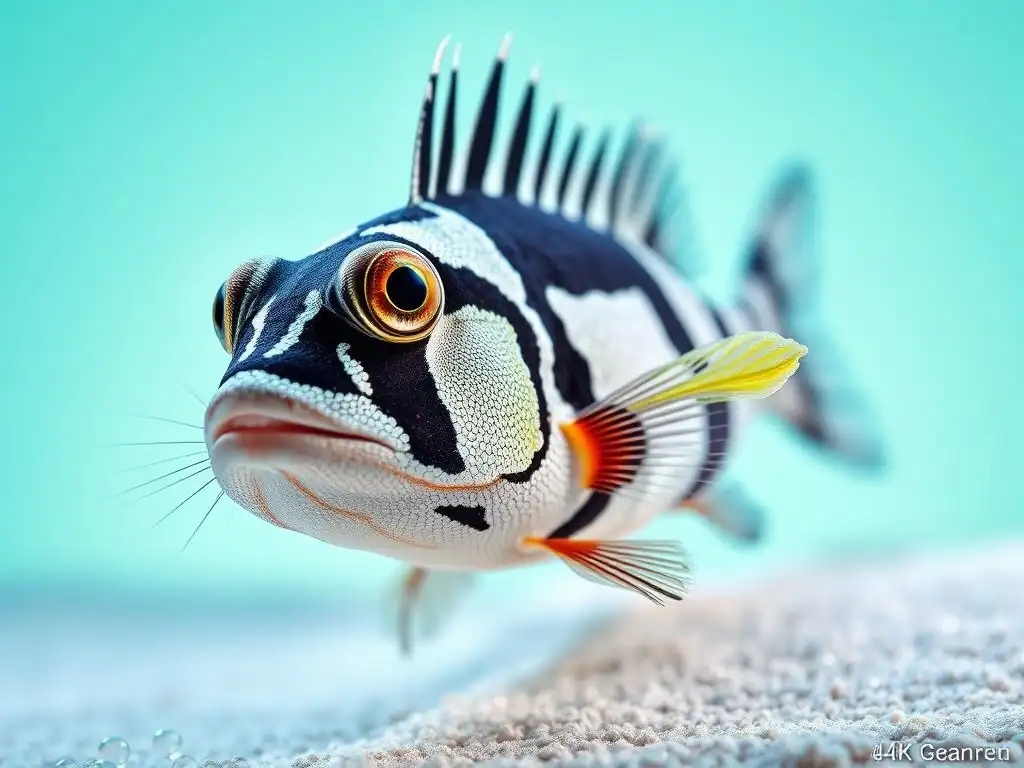
One of the most common and critical issues faced by Lawnmower Blenny owners is insufficient algae growth in the tank, leading to starvation. While their primary role is reef tank algae control, if the tank becomes too "clean," the blenny will run out of its natural food source. Symptoms of insufficient food include a thin appearance, lethargy, and a lack of grazing activity.
- Nori Supplementation: This is the most direct solution. Clip a small piece of dried marine algae (nori) to a rock or an algae clip in the tank daily or every other day. Ensure it's plain, unseasoned nori.
- Spirulina Flakes/Pellets: Offer high-quality spirulina-based flakes or sinking pellets designed for herbivores.
- Cultivate Algae in a Sump: If you have a sump, you can grow algae (e.g., Chaetomorpha or turf algae) in a separate section with dedicated lighting. Periodically transfer small amounts of this algae into the main display for the blenny to graze on.
- Reduce Chemical Filtration: Temporarily reduce or remove chemical filtration media like GFO (granular ferric oxide) or carbon that strip nutrients, allowing some microalgae to grow. This should be done cautiously to avoid major nutrient spikes.
- Partial Blackout (Temporary): In extreme cases of a tank being too clean, a very brief, partial blackout (e.g., 1-2 days) combined with slightly increased feeding for other fish can sometimes encourage a small amount of algae growth for the blenny, but this is a last resort.
By proactively managing their food supply, you ensure your Lawnmower Blenny remains a vibrant and effective part of your reef aquarium algae management strategy.
Aggression Towards Other Fish: Identifying and Addressing the Problem
While generally peaceful, Lawnmower Blennies can exhibit territorial aggression, particularly towards conspecifics (other Lawnmower Blennies) or fish with similar body shapes and diets, especially in smaller tanks. This aggression usually manifests as chasing, nipping, or displaying dominance. If you observe such behavior:
- Single Specimen Rule: In tanks under 100 gallons, it's generally best to keep only one Lawnmower Blenny. If you have two and see aggression, one may need to be rehomed.
- Adequate Space and Hiding Spots: Ensure the tank has plenty of live rock with numerous caves, crevices, and hiding places. This allows the blenny to establish its territory without constant conflict and provides escape routes for other fish.
- Introduction Order: When adding fish, introduce the blenny last or after more docile tank mates. Introducing it before highly territorial fish can sometimes allow it to establish itself more peacefully.
- Monitor Food Competition: If aggression occurs with other herbivorous fish (e.g., certain tangs or rabbitfish), it might be due to competition for algae. Ensure ample supplemental food is provided to all herbivores.
- Rearrange Aquascaping: Sometimes, simply rearranging the rockwork can disrupt established territories and reduce aggression.
Persistent aggression can cause stress to other tank inhabitants, potentially leading to disease. Addressing the issue promptly is key to maintaining a harmonious reef environment and effective reef tank algae control.
Blenny Hiding and Inactivity: Potential Causes and Solutions
A Lawnmower Blenny that is constantly hiding or appears inactive may be experiencing stress, illness, or an unsuitable environment. This reduces its effectiveness in reef tank algae control.
- Stress from New Environment: Newly introduced blennies often hide for the first few days as they acclimate. Provide dim lighting and plenty of hiding spots. This behavior should subside as they settle in.
- Aggression from Tank Mates: If other fish are harassing the blenny, it will hide to avoid conflict. Observe interactions closely. If a specific aggressor is identified, consider removing it or rehoming the blenny.
- Poor Water Quality: Fluctuations in temperature, salinity, pH, or high levels of nitrates/phosphates can stress the blenny. Test your water parameters immediately and perform a water change if necessary.
- Insufficient Food: A starving blenny will become lethargic and inactive. Check its girth; if it's thin, increase supplemental feeding with nori or spirulina.
- Disease: Lethargy, hiding, and clamped fins are common symptoms of various diseases. Inspect the blenny closely for signs of Ich, Velvet, or bacterial infections. If disease is suspected, transfer to a quarantine tank for treatment.
- Lack of Suitable Perching Spots: Lawnmower Blennies prefer to perch on rocks. Ensure there are plenty of stable, flat surfaces or crevices for them to rest on.
Addressing the root cause of hiding and inactivity is crucial to restore the blenny's health and its valuable contribution to reef aquarium algae management.
Alternatives to Lawnmower Blennies for Reef Tank Algae Control
Other Algae-Eating Fish Species for Reef Aquariums
While the Lawnmower Blenny is an excellent choice for reef tank algae control, several other fish species can also contribute to keeping nuisance algae at bay, each with its own advantages and requirements.
- Tangs (Surgeonfish): Species like Yellow Tangs ( Zebrasoma flavescens), Kole Tangs ( Ctenochaetus strigosus), and Sailfin Tangs ( Zebrasoma veliferum) are voracious algae eaters. They are highly effective against hair algae and film algae. However, most tangs grow large and require substantial tank sizes (typically 75-100 gallons minimum for a single Yellow Tang, much larger for Sailfins). They can also be aggressive towards other tangs.
- Rabbitfish (Siganidae): Such as the Foxface Lo ( Siganus vulpinus) or One Spot Foxface ( Siganus unimaculatus). These fish are excellent grazers, especially on macroalgae and hair algae. They possess venomous spines, requiring careful handling. They also grow relatively large, needing tanks of 75 gallons or more.
- Blennies (Other Species): Other blenny species like the Starry Blenny ( Salarias ramosus) or the Bicolor Blenny ( Ecsenius bicolor) also consume algae. The Starry Blenny is a dedicated algae eater like the Lawnmower, while the Bicolor Blenny is more omnivorous but will still graze. Size and temperament vary by species.
- Certain Gobies: Some gobies, like the Diamond Watchman Goby ( Valenciennea puellaris), sift sand for detritus and some algal matter, helping to keep the sand bed clean.
The choice of alternative fish depends on tank size, existing inhabitants, and the specific type of algae problem.
Invertebrate Algae Eaters: Snails, Crabs, and Shrimp
In addition to fish, a diverse cleanup crew of invertebrates is indispensable for comprehensive reef tank algae control. These small but mighty helpers often tackle algae in areas fish cannot reach.
- Snails:
- Turbo Snails (Turbo fluctuosa): Large, powerful grazers highly effective on green hair algae and diatoms on rockwork and glass. One Turbo snail per 10-15 gallons is a common recommendation.
- Trochus Snails (Trochus histrio): Excellent at cleaning glass and rockwork, including tighter spots. They can right themselves if flipped.
- Nassarius Snails (Nassarius vibex): Primarily detritivores, they burrow in the sand, preventing anaerobic spots and consuming uneaten food, indirectly helping with algae by reducing nutrient sources.
- Cerith Snails (Cerithium atratum): Good all-around cleaners for glass, sand, and rock, consuming film algae and detritus.
- Crabs:
- Emerald Crabs (Mithraculus sculptus): Known for eating bubble algae ( Valonia), which many other grazers ignore. They also consume detritus and some nuisance algae. While generally reef-safe, some individuals may occasionally nip at corals if not well-fed.
- Hermit Crabs: Blue Leg Hermit Crabs ( Clibanarius tricolor) and Red Leg Hermit Crabs ( Paguristes cadenati) are common detritivores and algae eaters. Ensure they have spare shells to prevent them from preying on snails.
- Shrimp: Peppermint Shrimp ( Lysmata wurdemanni) are known for eating Aiptasia anemones, but also consume some detritus. While not primary algae eaters, they contribute to overall tank cleanliness.
A balanced combination of these invertebrates, alongside a Lawnmower Blenny, creates a robust and natural reef aquarium algae management team.
Mechanical and Chemical Algae Control Methods
While biological solutions like the Lawnmower Blenny are preferred, mechanical and chemical methods also play a role in reef tank algae control, especially for severe outbreaks or specific types of algae.
- Mechanical Methods:
- Manual Removal: Physically scraping algae from glass with a magnetic cleaner or razor blade, and siphoning hair algae from rocks during water changes. This provides immediate visual improvement.
- Increased Flow: Boosting water circulation with powerheads can prevent detritus from settling and discourage certain types of algae like cyanobacteria.
- Filter Socks/Rollers: Regularly replacing or cleaning filter socks and using automatic filter rollers efficiently removes suspended particles and detritus before they break down into nutrients.
- Protein Skimming: A highly efficient protein skimmer removes organic waste before it contributes to nutrient build-up, thus limiting algae growth.
- Chemical Methods:
- Phosphate Removers: GFO (granular ferric oxide) or Lanthanum Chloride are effective at binding and removing phosphates, a primary nutrient for algae. These are used in reactors or filter bags.
- Activated Carbon: Removes dissolved organic compounds and yellowing agents, improving water clarity and reducing a food source for some algae.
- Algae Inhibitors: While available, these should be used with extreme caution in reef tanks as they can negatively impact corals, invertebrates, or beneficial bacteria. They are generally not recommended as a primary reef tank algae control solution.
These methods should complement, not replace, natural biological controls and address the underlying causes of algae growth, such as overfeeding or high nutrient levels.
Conclusion: The Lawnmower Blenny as a Valuable Asset for Reef Tank Algae Management
The Benefits of Natural Algae Control in Reef Aquariums
The Lawnmower Blenny ( Salarias fasciatus) stands out as an exceptionally valuable asset for reef tank algae management, offering a natural, sustainable, and highly effective solution to common nuisance algae problems. Their dedicated grazing behavior helps control the proliferation of diatoms, green hair algae, and cyanobacteria, maintaining a cleaner, more aesthetically pleasing aquarium. Unlike chemical treatments that merely address symptoms and can pose risks to sensitive reef inhabitants, the blenny's continuous grazing targets the root of the problem by consuming the algae directly, contributing to a more balanced and stable ecosystem.
Incorporating a Lawnmower Blenny into a reef tank promotes a more natural approach to husbandry, reducing reliance on manual scraping and chemical interventions. This biological method aligns with the principles of creating a thriving, self-sustaining miniature reef, where natural processes help maintain equilibrium. The presence of a Lawnmower Blenny not only provides practical reef aquarium algae control but also adds a unique personality and interesting behavior to the display, enriching the overall aquarist experience.
Ensuring the Long-Term Health and Well-being of Your Lawnmower Blenny
To maximize the Lawnmower Blenny's effectiveness and ensure its long-term health, aquarists must commit to providing an optimal environment and attentive care. This includes maintaining stable and pristine water parameters, providing a suitably sized tank (minimum 30 gallons) with ample live rock and hiding places, and, crucially, ensuring a consistent and adequate food supply. While they are expert grazers, supplementing their diet with high-quality nori or spirulina is often necessary, especially in well-established tanks where nuisance algae might be scarce.
Careful selection of compatible tank mates is also vital to prevent stress and aggression. Avoiding large, aggressive, or similarly shaped fish ensures the blenny feels secure and can graze without harassment. By adhering to these care guidelines, aquarists can enjoy the significant benefits of the Lawnmower Blenny's natural reef tank algae control abilities for many years, contributing to a vibrant, healthy, and pristine reef aquarium.
Frequently Asked Questions
How effective is a Lawnmower Blenny for reef tank algae control?
Lawnmower Blennies are highly effective at consuming nuisance algae in reef tanks. They are natural grazers and can significantly reduce algae growth, helping to maintain a clean and healthy reef environment.
Are Lawnmower Blennies suitable for all reef tank sizes?
While beneficial, a Lawnmower Blenny needs adequate space. A minimum tank size of 30 gallons is generally recommended to ensure they have enough algae to graze on. Smaller tanks may not provide sufficient food.
What types of algae do Lawnmower Blennies typically eat?
They primarily consume hair algae, film algae, and diatoms. However, they may also graze on other types of algae found in reef tanks, contributing to overall algae management.
What should I do if my Lawnmower Blenny runs out of algae to eat?
If the algae population dwindles, supplement their diet with algae wafers or blanched vegetables like zucchini or spinach. This will ensure they receive adequate nutrition and remain healthy.
Are Lawnmower Blennies compatible with other reef tank inhabitants?
Lawnmower Blennies are generally peaceful but can become territorial towards other bottom-dwelling fish, especially similar species. Careful tankmate selection is important to avoid aggression.
Final Reflection: Embracing Natural Harmony in Reef Keeping
The insights shared throughout this article highlight the remarkable efficiency and ecological benefits of the Lawnmower Blenny in maintaining a balanced reef tank ecosystem. Understanding and appreciating the role of this humble fish transcends mere algae control; it represents a conscious decision to embrace natural solutions within our artificial environments, fostering a healthier and more vibrant aquatic world.
The Lawnmower Blenny's impact extends beyond simply scraping algae. It reminds us of the interconnectedness of life, even within the confines of a glass box. By choosing a natural solution over potentially harmful chemicals, we contribute to a more sustainable and ethical approach to reef keeping. In nature, nothing exists alone.
- Rachel Carson. This quote perfectly encapsulates the essence of reef keeping; every element, including the Lawnmower Blenny, plays a crucial role in the overall health and stability of the system.
As you consider the future of your reef tank, remember the lessons learned here. Let the Lawnmower Blenny inspire you to seek out natural, sustainable solutions, and to appreciate the delicate balance of life that thrives within your care. Embrace the power of nature, and watch your reef tank flourish into a testament to the beauty and resilience of the underwater world.
Embrace the Blenny Effect: Transform Your Reef Tank Today!
Thanks for diving into the world of the Lawnmower Blenny! Now that you know how these little algae-eating machines can revolutionize your reef tank, it's time to put that knowledge into action and witness the amazing benefits firsthand.
Here's how to get started:
- Act Now: Seriously consider introducing a Lawnmower Blenny to your algae-covered reef tank. Watch your algae problems literally disappear!
- Explore compatibility: Check your tank's inhabitants and parameters to ensure a harmonious environment for your new blenny.
- Join the Conversation: Share your Lawnmower Blenny success stories (or challenges!) in the comments below – what unexpected behaviors have you observed?