
Are Any Damsels Truly ReefSafe? Separating Fact from Fiction

Welcome to Aquarium Mastery!
Dive deep into the fascinating world of saltwater aquariums, but before you add that vibrant damselfish, are you absolutely sure it's reef-safe? We're tackling the tricky topic of Reefsafe damselfish compatibility issues head-on. Uncover the truth about these colorful characters and discover if you can truly have a thriving reef and a dazzling damsel in harmony. Curious to learn more? Let's explore!
- Are Any Damselfish Truly Reef Safe? Separating Fact from Fiction
- Understanding Reef Safe Fish: A Damselfish Dilemma
- Damselfish Species: Reef Compatibility and Temperament Profiles
- Factors Influencing Damselfish Behavior in Reef Tanks
- Reef Safe Damselfish Compatibility Issues: Deeper Dive
- Strategies for Successfully Keeping Damselfish in a Reef Tank (If Possible)
- Reef Safe Damselfish Compatibility Issues: Deeper Dive
- Alternatives to Damselfish: Reef Safe Fish with Similar Characteristics
- Busting Reef Safe Damselfish Myths: Separating Fact from Fiction
- Conclusion: Making Informed Decisions About Damselfish and Reef Tanks
-
Frequently Asked Questions
- ### Are all damselfish inherently unsuitable for reef tanks?
- ### What specific behaviors make some damselfish problematic in a reef environment?
- ### Which damselfish species are generally considered to be the most reef-safe options?
- ### Even with reef-safe species, are there any precautions I should take when introducing them to my reef tank?
- ### What are the potential consequences of introducing an incompatible damselfish into a reef tank?
- Final Reflection: Navigating the Reefsafe Damselfish Dilemma
- Unveil Your Reef's True Potential
Are Any Damselfish Truly Reef Safe? Separating Fact from Fiction
Understanding Reef Safe Fish: A Damselfish Dilemma
What Does "Reef Safe" Really Mean in the Aquarium Hobby?
The term "reef safe" in the aquarium hobby denotes a fish or invertebrate species that can coexist peacefully with corals (both stony and soft) and a wide array of invertebrates such as shrimp, crabs, snails, and clams, without causing harm. This typically implies no predation, nipping, or aggressive territorial behavior towards these delicate inhabitants. True reef safety is a spectrum, with some species being unequivocally harmless, while others are considered "reef safe with caution," meaning their compatibility depends heavily on individual temperament, tank conditions, and the specific inhabitants.
For a fish to be genuinely classified as reef safe, it must demonstrate a consistent lack of interest in consuming or damaging corals, anemones, and the various cleanup crew members essential for a thriving reef environment. For instance, a fish that occasionally nips at an SPS coral's polyps or harasses a snail would not be considered truly reef safe, as such actions can lead to coral recession, stress, or even the demise of invertebrates. Understanding this nuanced definition is crucial for preventing significant reefsafe damselfish compatibility issues in your marine aquarium.
The Appeal of Damselfish in Reef Tanks: Colors and Activity
Damselfish are a popular choice for many marine aquarists, particularly newcomers, due to their undeniable appeal. They are often incredibly hardy, adapting well to a range of tank conditions, and exhibit vibrant colors, from electric blues and sunny yellows to striking black and white patterns. Their active swimming patterns add dynamic movement and visual interest to any aquarium, making the tank feel lively and engaging.
Furthermore, damselfish are generally more affordable than many other saltwater species, which makes them an attractive entry point for those building their first marine or reef tank. Their relatively small size, typically ranging from 2 to 6 inches, also leads many to believe they are suitable for smaller reef setups. However, this perception often overlooks their inherent territorial and aggressive tendencies, which can lead to considerable reefsafe damselfish compatibility issues, despite their aesthetic appeal and perceived hardiness.
Damselfish Species: Reef Compatibility and Temperament Profiles
The Most Aggressive Damselfish: Species to Avoid in Reef Aquariums
Certain damselfish species are notoriously aggressive and should generally be avoided in a community reef aquarium due to their high potential for conflict and harm to other inhabitants. These species often establish large territories and relentlessly harass or even kill tank mates, regardless of size.
Behnke's Damselfish (Neoglyphidodon bonang) is an excellent example of an extremely aggressive species. Growing up to 5 inches, this damselfish is known for its territorial nature, often dominating an entire tank, even those over 100 gallons. They have been observed chasing and nipping at fish significantly larger than themselves, including tangs and angelfish, leading to immense stress and potential fatalities for other inhabitants. Their aggressive disposition makes them a primary source of reefsafe damselfish compatibility issues.
Similarly, the Three Stripe Damselfish (Dascyllus aruanus), while initially appearing docile when young, matures into a highly territorial fish. In tanks under 50 gallons, a single Three Stripe Damselfish can become a relentless bully, harassing slower-moving or peaceful fish and occasionally nipping at soft corals or zoanthids if they intrude upon its perceived territory. Their persistent aggression can lead to chronic stress for tank mates, making them unsuitable for most reef environments.
Moderately Aggressive Damselfish: Careful Consideration Required
Some damselfish species fall into a "moderately aggressive" category. While not as overtly hostile as the most aggressive types, they still require careful consideration and specific tank conditions to minimize reefsafe damselfish compatibility issues. Their aggression often manifests as territoriality towards similar-sized or shaped fish rather than outright predation on corals.
The Azure Damselfish (Chrysiptera hemicyanea), with its beautiful blue and yellow coloration, is a popular choice. However, despite its smaller size (up to 2.5 inches), it can be quite territorial, especially towards other damselfish or similarly colored peaceful species. While direct coral nipping is rare, their persistent chasing and fin-nipping can stress other fish, leading to weakened immune systems and susceptibility to diseases like Ich.
Similarly, the Yellowtail Damselfish (Chrysiptera parasema), identifiable by its striking yellow tail, is generally less aggressive than the Blue Devil but can still be highly territorial. In tanks smaller than 30 gallons, a single Yellowtail Damselfish can dominate the entire rockwork, chasing any fish or invertebrate that ventures too close to its chosen hiding spot. Their reefsafe damselfish compatibility issues primarily stem from their territorial nature, which can indirectly harm other inhabitants through stress.
Potentially Reef Compatible Damselfish: A Ray of Hope?
While the term "damselfish" often carries a negative connotation in reef circles, a few species offer a glimmer of hope for compatibility, though always with caveats. These species are generally considered more peaceful but still require appropriate tank conditions and careful observation.
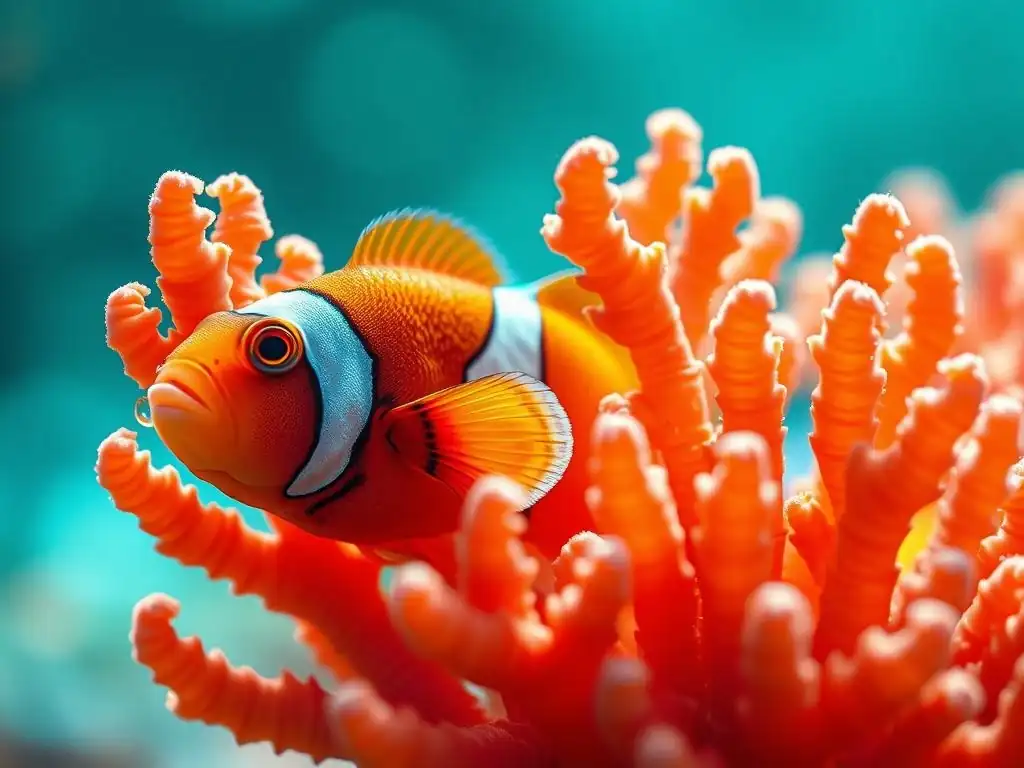
The Ocellaris Clownfish (Amphiprion ocellaris), while technically a damselfish, stands out as a notable exception. Widely regarded as reef safe, especially when young, Ocellaris Clownfish are known for their symbiotic relationship with anemones and generally do not bother corals or invertebrates. A single Ocellaris in a 20-gallon nano reef is typically peaceful, though established pairs in smaller tanks might exhibit mild territoriality around their host anemone or breeding site.
Their peaceful nature makes them a prime example of a damselfish without significant reefsafe damselfish compatibility issues. Another contender is Talbot's Damselfish (Chrysiptera talboti). At a maximum size of 2.5 inches, they are often cited as one of the more peaceful damselfish options.
They are less prone to overt aggression compared to many of their cousins, but they can still become territorial in smaller tanks (e.g., under 20 gallons per fish) or if not provided with ample hiding spots and visual breaks in the aquascape. While their reefsafe damselfish compatibility issues are minimal, they are not entirely absent, and careful stocking is advised.
Factors Influencing Damselfish Behavior in Reef Tanks
Tank Size and Aquascaping: Minimizing Aggression
The physical environment of a reef tank plays a critical role in mitigating the aggressive tendencies of damselfish. A larger tank provides more territory for a damselfish to establish its domain without constantly infringing on the space of other inhabitants. For instance, a single highly territorial damselfish like a Blue Devil might dominate a 30-gallon tank, but in a 75-gallon or larger system, its aggression can be significantly diffused as other fish have more room to escape and establish their own territories.
Beyond sheer volume, strategic aquascaping is paramount. Creating ample live rock structures with numerous caves, overhangs, and visual breaks can effectively segment the tank, allowing weaker fish to retreat and hide from a dominant damselfish. An aquascape with 50-70% live rock coverage, featuring multiple swim-throughs and distinct hiding spots, helps break lines of sight and reduces the frequency of aggressive encounters. This careful planning can significantly reduce reefsafe damselfish compatibility issues by minimizing direct confrontation.
The social structure in which damselfish are kept profoundly influences their behavior. Most damselfish species, with the notable exception of clownfish and some Chromis, are highly territorial and aggressive towards conspecifics (members of the same species) unless housed under very specific conditions. Attempting to keep two or three damselfish of the same species in a medium-sized tank (e.g., 40-60 gallons) almost invariably leads to one dominant individual relentlessly harassing or killing the weaker ones.
To diffuse aggression among damselfish, they typically need to be kept as a single specimen, or in very large groups (e.g., six or more individuals) in exceptionally spacious tanks (over 100-150 gallons). In such large groups, aggression is spread out among many individuals, preventing a single target from bearing the brunt of the bullying. However, this strategy is only feasible for a select few species and tank sizes, as most home aquariums cannot accommodate such large groups, making reefsafe damselfish compatibility issues a persistent concern for many species.
Feeding Habits: Impact on Coral and Invertebrate Health
The feeding habits of damselfish can directly impact the health of corals and invertebrates in a reef tank. In their natural habitat, most damselfish are omnivores, primarily feeding on small invertebrates, zooplankton, and algae. In captivity, if their dietary needs are not adequately met, some species, particularly the more aggressive ones, might resort to nipping at corals or harassing invertebrates.
For example, an underfed damselfish might occasionally nip at the polyps of SPS corals like Acropora or Montipora, or even soft corals like zoanthids, out of hunger or curiosity. They may also harass or attempt to prey on small, vulnerable invertebrates such as cleaner shrimp, small snails, or hermit crabs.
Providing a varied diet of high-quality flakes, pellets, and frozen foods (such as mysis shrimp and brine shrimp) two to three times a day can reduce this opportunistic nipping. However, it's important to note that consistent feeding does not guarantee the elimination of all reefsafe damselfish compatibility issues, as some nipping can be driven by territoriality or inherent disposition rather than just hunger.
Reef Safe Damselfish Compatibility Issues: Deeper Dive
Damselfish Predation: Coral Nipping and Invertebrate Harassment
While not obligate coralivores, certain damselfish species can indeed pose a threat to corals and invertebrates through their behavior. Some damselfish, particularly those known for higher aggression such as species from the Neoglyphidodon and Pomacentrus genera, have been observed nipping at corals. This behavior is often attributed to hunger, territorial defense, or simple curiosity. For instance, a Domino Damselfish (Dascyllus trimaculatus) might repeatedly nip at the polyps of a large polyp stony (LPS) coral like a Favia, causing it to retract and potentially leading to tissue recession over time.
Beyond corals, damselfish can also engage in significant harassment or predation of small, delicate invertebrates. Cleaner shrimp, small snails, and even smaller hermit crabs can become targets, especially if they venture too close to the damselfish's established territory. A single aggressive damselfish in a 30-gallon tank has been documented to systematically harass and eliminate an entire cleanup crew of snails and small hermits within a few weeks. These instances highlight the direct reefsafe damselfish compatibility issues that can arise, leading to losses in a carefully curated reef environment.
Territoriality: Defending Space Against Other Fish and Invertebrates
The most pervasive reefsafe damselfish compatibility issue stems from their intense territoriality. Damselfish are notorious for establishing a specific area within the tank, often around a piece of live rock or a cave, and fiercely defending it against any perceived intruders. This defense typically involves aggressive displays, chasing, fin-nipping, and even body slamming other fish. This behavior is not limited to other fish; invertebrates that wander into the damselfish's territory can also become targets of harassment.
For example, a Yellowtail Damselfish might repeatedly chase a snail away from its chosen rock, preventing it from performing its cleanup duties effectively. The constant stress imposed by a highly territorial damselfish can have severe consequences for other tank inhabitants. Chronic stress weakens the immune systems of other fish, making them highly susceptible to common marine diseases such as Ich (white spot disease) or Marine Velvet. This indirect harm, stemming from relentless territorial aggression, can be just as detrimental as direct predation, making effective management of reefsafe damselfish compatibility issues crucial.
Water Quality and Stress: Exacerbating Aggression in Damselfish
While inherent temperament is a primary driver of damselfish aggression, environmental factors such as water quality and overall tank stress can significantly exacerbate these behaviors. Suboptimal water parameters, including elevated nitrates (e.g., above 20 ppm), unstable pH levels, or fluctuating salinity (e.g., outside the 1.024-1.026 range), can stress fish, making them more prone to aggressive outbursts. A damselfish that is already predisposed to territoriality will likely become even more belligerent when living in poor conditions.
Overcrowding is another major stressor that amplifies reefsafe damselfish compatibility issues. A tank with too many fish, or insufficient hiding spots, creates constant competition for resources and space, leading to heightened aggression. Similarly, inadequate feeding or a lack of dietary variety can contribute to stress and restlessness, potentially prompting a damselfish to lash out at tank mates or nip at corals. While maintaining pristine water quality and providing a well-structured environment is essential, it's important to recognize that these measures will mitigate but not entirely eliminate the inherent aggression of certain damselfish species.
Strategies for Successfully Keeping Damselfish in a Reef Tank (If Possible)
Selecting the Right Damselfish Species for Your Reef Aquarium
Successfully integrating a damselfish into a reef tank hinges almost entirely on the initial species selection. It is paramount to prioritize species known for their lower aggression and generally peaceful disposition. The Ocellaris Clownfish (Amphiprion ocellaris) is a prime example, being widely accepted as reef safe and typically causing no issues with corals or invertebrates. Another suitable option, often grouped with damselfish due to similar characteristics, is the Green Chromis (Chromis viridis), which is a peaceful schooling fish that adds movement and color without the typical reefsafe damselfish compatibility issues.
When considering other damselfish, rigorous research into the specific species' adult size, temperament, and unique care requirements is non-negotiable. Avoid impulse purchases based solely on color or availability. Furthermore, always opt for the smallest, youngest specimen available, as juvenile fish tend to adapt more readily to new environments and are less likely to have established aggressive tendencies. For example, a young Talbot's Damselfish (Chrysiptera talboti) is far more likely to integrate successfully than an adult Blue Devil Damselfish.
Introducing Damselfish to an Established Reef Environment
The method of introduction can significantly impact a damselfish's future behavior and its compatibility with existing tank inhabitants. It is generally advisable to introduce damselfish last, after all other peaceful reef inhabitants have been established and are comfortable in the tank. This strategy prevents the damselfish from establishing early dominance and claiming the entire tank as its territory.
Utilizing an acclimation box or a breeder net for a few days can be highly beneficial. This allows the damselfish to acclimate to the tank's water parameters and allows existing fish to see the new addition without direct confrontation. During this period, the damselfish gets accustomed to its new home, and the other fish become familiar with its presence, which can significantly reduce initial aggression and reefsafe damselfish compatibility issues upon release. Additionally, rearranging some of the aquascaping just before introducing the damselfish can disrupt existing territories, forcing all fish to re-establish their claims, thereby leveling the playing field.
Monitoring Damselfish Behavior: Early Detection of Problems
Vigilant observation of the damselfish's behavior, particularly during the first few days and weeks after introduction, is crucial for early detection of potential problems. Aquarists should closely watch for any signs of aggression, such as persistent chasing, fin nipping, or rapid, erratic swimming directed at other fish or invertebrates. Even subtle signs, like a damselfish frequently flaring its gills or charging at specific areas of the tank, can indicate territorial disputes.
Equally important is monitoring the behavior of other tank inhabitants for signs of stress. This includes clamped fins, constant hiding, loss of coloration, or a refusal to eat. If aggression becomes problematic and persistent, causing undue stress or injury to other fish, immediate action is necessary. Having a quarantine tank or a separate "time-out" tank readily available is essential, allowing for the prompt removal of the aggressive damselfish before irreversible reefsafe damselfish compatibility issues, such as injury or death to other tank mates, occur.
Reef Safe Damselfish Compatibility Issues: Deeper Dive
Damselfish Predation: Coral Nipping and Invertebrate Harassment
While not obligate coralivores, certain damselfish species can indeed pose a threat to corals and invertebrates through their behavior. Some damselfish, particularly those known for higher aggression such as species from the Neoglyphidodon and Pomacentrus genera, have been observed nipping at corals. This behavior is often attributed to hunger, territorial defense, or simple curiosity. For instance, a Domino Damselfish (Dascyllus trimaculatus) might repeatedly nip at the polyps of a large polyp stony (LPS) coral like a Favia, causing it to retract and potentially leading to tissue recession over time.
Beyond corals, damselfish can also engage in significant harassment or predation of small, delicate invertebrates. Cleaner shrimp, small snails, and even smaller hermit crabs can become targets, especially if they venture too close to the damselfish's established territory. A single aggressive damselfish in a 30-gallon tank has been documented to systematically harass and eliminate an entire cleanup crew of snails and small hermits within a few weeks. These instances highlight the direct reefsafe damselfish compatibility issues that can arise, leading to losses in a carefully curated reef environment.
Territoriality: Defending Space Against Other Fish and Invertebrates
The most pervasive reefsafe damselfish compatibility issue stems from their intense territoriality. Damselfish are notorious for establishing a specific area within the tank, often around a piece of live rock or a cave, and fiercely defending it against any perceived intruders. This defense typically involves aggressive displays, chasing, fin-nipping, and even body slamming other fish. This behavior is not limited to other fish; invertebrates that wander into the damselfish's territory can also become targets of harassment.
For example, a Yellowtail Damselfish might repeatedly chase a snail away from its chosen rock, preventing it from performing its cleanup duties effectively. The constant stress imposed by a highly territorial damselfish can have severe consequences for other tank inhabitants. Chronic stress weakens the immune systems of other fish, making them highly susceptible to common marine diseases such as Ich (white spot disease) or Marine Velvet. This indirect harm, stemming from relentless territorial aggression, can be just as detrimental as direct predation, making effective management of reefsafe damselfish compatibility issues crucial.
Water Quality and Stress: Exacerbating Aggression in Damselfish
While inherent temperament is a primary driver of damselfish aggression, environmental factors such as water quality and overall tank stress can significantly exacerbate these behaviors. Suboptimal water parameters, including elevated nitrates (e.g., above 20 ppm), unstable pH levels, or fluctuating salinity (e.g., outside the 1.024-1.026 range), can stress fish, making them more prone to aggressive outbursts. A damselfish that is already predisposed to territoriality will likely become even more belligerent when living in poor conditions.
Overcrowding is another major stressor that amplifies reefsafe damselfish compatibility issues. A tank with too many fish, or insufficient hiding spots, creates constant competition for resources and space, leading to heightened aggression. Similarly, inadequate feeding or a lack of dietary variety can contribute to stress and restlessness, potentially prompting a damselfish to lash out at tank mates or nip at corals. While maintaining pristine water quality and providing a well-structured environment is essential, it's important to recognize that these measures will mitigate but not entirely eliminate the inherent aggression of certain damselfish species.
Alternatives to Damselfish: Reef Safe Fish with Similar Characteristics
Chromis viridis, Lyretail Anthias (Pseudanthias squamipinnis)
For aquarists seeking the vibrant colors and active swimming of damselfish without the inherent reefsafe damselfish compatibility issues, several excellent alternatives exist. The Green Chromis (Chromis viridis) is arguably the most popular substitute. Although often mistaken for a damselfish due to its similar body shape and hardiness, the Green Chromis is significantly more peaceful.
They are schooling fish that thrive in groups of 3-5 or more in tanks over 50 gallons, creating a shimmering, active display. They rarely bother corals or invertebrates and are an ideal choice for adding movement and a splash of iridescent green-blue color to a reef tank.
Another fantastic alternative is the Lyretail Anthias (Pseudanthias squamipinnis). These stunning fish boast brilliant colors, ranging from orange to purple, and are incredibly active swimmers, adding dynamic movement similar to damselfish. They are planktivores and generally very peaceful towards corals and invertebrates. Lyretail Anthias prefer to be kept in harems (one male with several females) in larger tanks (100+ gallons) and require multiple daily feedings of small, meaty foods like mysis shrimp or copepods. Despite their higher care demands, they offer a truly spectacular display without the territorial or nipping issues commonly associated with damselfish.
Comparing Alternatives: Behavior, Care Requirements, and Visual Appeal
When comparing these reef-safe alternatives to typical damselfish, their advantages in a reef environment become clear. In terms of behavior, Green Chromis are peaceful, schooling fish that rarely exhibit aggression towards tank mates or corals. Lyretail Anthias are also very peaceful towards corals and invertebrates, though male Anthias can be territorial towards other males if not kept in appropriate harem ratios. Both are a stark contrast to the often-aggressive and territorial nature of most damselfish, significantly reducing the likelihood of reefsafe damselfish compatibility issues.
Regarding care requirements, Green Chromis are quite hardy and relatively easy to care for, much like many damselfish, making them suitable for beginners. Lyretail Anthias, however, are more demanding, requiring larger tanks and frequent feedings (2-3 times daily) due to their high metabolism. In terms of visual appeal, both alternatives offer vibrant colors and active swimming.
Green Chromis provide a serene, synchronized schooling effect, while Lyretail Anthias bring striking individual beauty and dynamic social interactions within their harem. These alternatives provide similar hardiness or visual appeal without the common reefsafe damselfish compatibility issues, making them superior choices for a harmonious reef ecosystem.
Busting Reef Safe Damselfish Myths: Separating Fact from Fiction
Myth: All Damselfish are Equally Aggressive
Fact: This is a pervasive and dangerous myth in the aquarium hobby. The Damselfish family (Pomacentridae) is incredibly diverse, encompassing a wide spectrum of temperaments, from the notoriously aggressive to the remarkably peaceful. Grouping all damselfish into a single "aggressive" category leads to misinformed stocking decisions and often results in significant reefsafe damselfish compatibility issues.
For instance, a Behnke's Damselfish (Neoglyphidodon bonang) is known for extreme aggression, often harassing and killing tank mates, whereas an Ocellaris Clownfish (Amphiprion ocellaris), also a damselfish, is widely considered peaceful and reef safe. The key lies in species-specific research; simply labeling a fish as a "damselfish" does not accurately predict its behavior in a reef tank.
Myth: A Large Reef Tank Guarantees Damselfish Compatibility
Fact: While a larger tank (e.g., 180 gallons or more) can certainly help diffuse aggression by providing more territory and hiding spots, it does not guarantee damselfish compatibility, especially with the more aggressive species. A highly territorial damselfish, such as a Domino Damselfish (Dascyllus trimaculatus), can still terrorize an entire large tank, harassing fish many times its size and causing immense stress.
A larger volume might reduce the frequency of confrontations by offering more escape routes, but it cannot fundamentally alter the inherent aggressive nature of certain species. Therefore, relying solely on tank size to prevent reefsafe damselfish compatibility issues is a risky strategy and often leads to persistent problems within the ecosystem.
Myth: Feeding Damselfish Frequently Prevents Coral Nipping
Fact: While providing a consistent and varied diet (e.g., 2-3 times daily) can certainly reduce the likelihood of a damselfish nipping at corals or harassing invertebrates out of hunger, it does not entirely eliminate the behavior. Some damselfish may nip at corals due to curiosity, territoriality, or simply an innate behavioral trait, regardless of how well-fed they are.
For example, some species may view coral polyps as part of their territory to be defended, or they might occasionally sample them out of exploratory behavior. Therefore, relying solely on frequent feeding as a preventative measure against reefsafe damselfish compatibility issues related to coral damage is an incomplete solution and may still result in damaged corals.
Conclusion: Making Informed Decisions About Damselfish and Reef Tanks
Weighing the Risks and Benefits of Including Damselfish in Your Reef
The decision to include a damselfish in a reef aquarium requires a careful weighing of their potential benefits against the inherent risks. On the benefit side, damselfish offer hardiness, vibrant coloration, active swimming patterns, and are often more affordable than many other marine fish. These qualities make them attractive, particularly to novice aquarists.
However, the risks associated with most damselfish species in a reef environment are substantial. These include a high potential for aggression towards other fish and invertebrates, intense territoriality that can stress or injure tank mates, and the possibility of coral nipping or invertebrate harassment. The resulting reefsafe damselfish compatibility issues can lead to chronic stress for other inhabitants, increased susceptibility to disease, and even the loss of valuable corals or fish. For many reef aquarists, the potential for disruption and harm to the delicate ecosystem often outweighs the aesthetic appeal and hardiness of these fish.
Prioritizing the Health and Well-being of Your Reef Ecosystem
Ultimately, the primary objective for any reef aquarist should be the long-term health, stability, and well-being of the entire reef ecosystem. Introducing a fish known for aggression, even if categorized as "potentially reef safe," can significantly disrupt this delicate balance. A stressed reef environment manifests in various ways: corals may retract polyps, lose color, or suffer tissue recession; fish may become reclusive, develop disease, or experience stunted growth; and invertebrates may be constantly harassed or consumed.
For optimal reef health and a harmonious display, it is generally safer and more responsible to choose fish species with well-documented peaceful temperaments and proven reef compatibility. Avoiding the common reefsafe damselfish compatibility issues from the outset can save aquarists from frustration, financial loss, and the ethical dilemma of removing an aggressive fish from an established tank. If the allure of a damselfish is too strong, consider dedicating a separate, non-reef setup for more aggressive species, or carefully select only the most peaceful species with thorough research and a commitment to vigilant monitoring.
Frequently Asked Questions
### Are all damselfish inherently unsuitable for reef tanks?
No, not all damselfish are unsuitable. While some are notoriously aggressive and can damage corals and harass other fish, certain species are considered relatively reef safe.
### What specific behaviors make some damselfish problematic in a reef environment?
Problematic behaviors include nipping at coral polyps, establishing aggressive territories, and bullying smaller or more docile fish. These actions can stress or even kill other inhabitants.
### Which damselfish species are generally considered to be the most reef-safe options?
Species like the Yellowtail Damselfish (Chrysiptera parasema) and the Azure Damselfish (Chrysiptera hemicyanea) are often considered better choices for reef tanks, although individual temperaments can vary.
### Even with reef-safe species, are there any precautions I should take when introducing them to my reef tank?
Yes, careful observation after introduction is crucial. Also, ensuring the tank is large enough to accommodate the damselfish's territorial needs can minimize aggression.
### What are the potential consequences of introducing an incompatible damselfish into a reef tank?
Introducing an incompatible damselfish can lead to coral damage, stressed or injured fish, and a general imbalance within the reef ecosystem, potentially leading to a tank crash.
The complexities explored in this article regarding reefsafe damselfish compatibility issues are not merely academic; they represent a critical challenge for responsible reef aquarium keeping today. The delicate balance of a reef ecosystem demands informed choices, and understanding the potential impact of even seemingly small additions like damselfish is paramount to preserving its health and beauty. Ignoring these nuances can lead to devastating consequences, underscoring the importance of diligent research and careful planning before introducing any new inhabitant.
This ongoing debate surrounding damselfish and their suitability for reef aquariums has profoundly shaped, and continues to shape, the ethical considerations within the hobby. My own journey into reef keeping has been deeply influenced by the need to prioritize the well-being of the entire ecosystem, not just individual species. The ultimate goal of farming isn't the growing of crops, but the cultivation and perfection of human beings.
- Masanobu Fukuoka. This quote, while about agriculture, resonates deeply with the spirit of reef keeping; it's about cultivating a thriving environment and, in doing so, enriching our own understanding and appreciation of the natural world.
As we conclude this exploration, I invite you to reflect on your own role in the reef keeping community. Are you actively seeking knowledge and sharing it with others? Are you making informed decisions that prioritize the health and longevity of your reef ecosystem? Let us all strive to be more conscious consumers and responsible stewards, ensuring that the beauty and wonder of the reef environment can be enjoyed for generations to come.
Unveil Your Reef's True Potential
Thank you for diving into the world of damselfish and reef safety! We hope you've gained a clearer understanding of these fascinating creatures and their potential impact on your reef ecosystem. Now, let's put that knowledge into action and ensure a thriving and harmonious aquarium.
Here are a few ways you can take the next step:
- Carefully observe your damselfish. Pay close attention to their behavior in your reef tank. Are they exhibiting aggression, excessive territoriality, or bothering other inhabitants? This is the most important step in determining if they are truly reef-safe in your specific aquarium.
- Consider documenting your observations. Keeping a log of your damselfish's behavior over a week or two can provide valuable insights and help you make informed decisions about your reef's inhabitants.
- Discuss your experiences with fellow reef keepers. Share your observations, questions, and concerns on aquarium forums or local reef club meetings. Collective wisdom can offer diverse perspectives and valuable advice.
What overlooked element of your reef ecosystem deserves more of your attention and proactive care?