
The Ultimate Guide to Feeding Dragonets: Conquering the Copepod Challenge

Welcome to Aquarium Mastery!
Ever wondered how to keep those mesmerizing Dragonets thriving in your saltwater aquarium? Feeding these finicky eaters can be a real puzzle, but fear not! Dive into our ultimate guide on Dragonet feeding tips and tricks and unlock the secrets to conquering the copepod challenge. Get ready to transform your Dragonet's diet and watch them flourish!
- Understanding the Dragonet Diet: A Foundation for Success
- Dragonet Feeding Tips and Tricks: A Comprehensive Approach
- Dragonet Acclimation and Feeding Strategies: Increasing Your Success Rate
- Identifying and Addressing Dragonet Feeding Problems: Troubleshooting Guide
- Selecting a Dragonet Species: Understanding Their Unique Needs
- Maintaining a Healthy Reef Ecosystem for Dragonets: A Holistic Approach
- Long-Term Dragonet Care: Ensuring a Happy and Healthy Life
- Conclusion: Mastering Dragonet Feeding for a Thriving Reef Aquarium.
- Frequently Asked Questions
- Final Reflection: Embracing the Art of Nurturing Life
- Ignite Your Dragonet's Appetite!
Understanding the Dragonet Diet: A Foundation for Success
The Natural Diet of Dragonets: What They Eat in the Wild
Dragonets, particularly those from the Synchiropus genus, are fascinating and often challenging inhabitants of reef aquariums. In their natural Indo-Pacific habitats, these benthic (bottom-dwelling) fish are continuous grazers, spending nearly all their waking hours meticulously sifting through live rock and sand. Their diet consists almost exclusively of tiny, live invertebrates, with copepods forming the vast majority. They are highly specialized feeders, relying on their acute vision and quick strikes to consume these microscopic crustaceans.
Beyond copepods, their natural diet may also include amphipods, small worms, and other forms of microfauna that inhabit the intricate crevices and surfaces of the reef. A healthy wild reef ecosystem provides a constant, abundant supply of these live food sources, allowing dragonets to graze throughout the day to meet their high metabolic demands. This continuous foraging behavior, coupled with their specific prey preferences, is a critical factor to understand when attempting to replicate their diet in a captive environment.
Why Dragonets are Considered Difficult to Feed in Aquariums
The primary reason dragonets are considered difficult to feed in aquariums stems from their highly specialized natural diet and continuous grazing behavior. Unlike many other aquarium fish that readily accept prepared foods like flakes or pellets, dragonets rarely, if ever, recognize or consume non-live, stationary food items. Their feeding mechanism is adapted for hunting and consuming small, live, moving prey. This means that a standard "once or twice a day" feeding schedule with traditional fish food is entirely inadequate for a dragonet.
Furthermore, the sheer volume of live food required by a dragonet is often underestimated. A single adult Mandarin Dragonet (Synchiropus splendidus), for example, might consume hundreds, if not thousands, of copepods daily to maintain its health and energy levels. Most home aquariums, without specific intervention, simply cannot sustain a naturally reproducing copepod population large enough to support a dragonet long-term. This constant demand for live, moving microfauna makes dragonet feeding tips and tricks absolutely essential for their survival in captivity.
Copepods: The Cornerstone of a Dragonet's Nutrition
Copepods are microscopic crustaceans that are arguably the most crucial component of a dragonet's diet, both in the wild and in a captive reef environment. These tiny organisms are highly nutritious, packed with essential fatty acids, proteins, and other vital nutrients that dragonets require for long-term health, vibrant coloration, and successful reproduction. Their small size and characteristic jerky swimming motion make them irresistible to dragonets, triggering their natural hunting instincts.
There are numerous species of copepods, but for aquarium purposes, harpacticoid (benthic, bottom-dwelling) and calanoid (pelagic, free-swimming) copepods are most relevant. Harpacticoids, such as Tisbe species, are excellent for establishing a breeding population within the live rock and substrate of the display tank, providing a continuous food source. Calanoids, like Apocyclops or Parvocalanus, are often free-swimming and serve as a readily available, high-density food burst when added to the water column. Understanding the role of these diverse copepod types is a fundamental dragonet feeding tip and trick for establishing a sustainable food chain.
Dragonet Feeding Tips and Tricks: A Comprehensive Approach
Establishing a Thriving Copepod Population in Your Reef Tank: The Key to Dragonet Health
Establishing and maintaining a robust, self-sustaining copepod population within your reef aquarium is perhaps the most critical dragonet feeding tip and trick for long-term success. A healthy copepod population acts as a continuous, natural food source, allowing your dragonet to graze throughout the day as it would in the wild. This requires providing an optimal habitat for copepod reproduction and survival.
Key strategies include incorporating a refugium plumbed to your display tank, which offers a predator-free environment for copepods to multiply rapidly. Filling the refugium with macroalgae like Chaetomorpha provides ample surface area and a nutrient sink, further boosting copepod growth. Additionally, a deep sand bed and plenty of porous live rock in the main display tank create microhabitats where benthic copepods can thrive and reproduce, constantly replenishing the supply available to your dragonet. Regularly dosing live copepod cultures into both the refugium and the display tank can kickstart and bolster these populations.
Culturing Copepods: A Sustainable Food Source for Dragonets
Culturing copepods at home provides a reliable and sustainable food source, significantly reducing the financial burden and logistical challenges of constantly purchasing live copepods. This proactive approach is one of the most effective dragonet feeding tips and tricks, ensuring a consistent supply of nutritious, live food. While it requires some initial setup and ongoing maintenance, the benefits for your dragonet's health are immense.
Choosing the Right Copepod Species for Your Dragonet
When selecting copepod species for culture, consider their size, reproductive rate, and suitability for both the culture vessel and the display tank. Tisbe species (e.g., Tisbe biminiensis) are excellent for culturing due to their rapid reproduction and benthic nature, making them ideal for populating live rock and sand beds. Tigriopus californicus (Tiger Pods) are larger, red-pigmented, and very hardy, often used for direct feeding as they are highly visible and nutritious.
Apocyclops panamensis and Parvocalanus crassirostris are smaller, pelagic species that reproduce quickly and remain in the water column longer, providing a readily available meal for your dragonet. A diverse culture with multiple species can offer a broader nutritional profile and cater to different feeding behaviors of your dragonet.
Setting Up a Copepod Culture System: A Step-by-Step Guide
Setting up a copepod culture system is straightforward and can be done with minimal equipment. First, acquire a clean, food-grade container, such as a 5-gallon bucket or a dedicated culture vessel. Fill it with clean, aged saltwater (preferably from your display tank or mixed to the same parameters: specific gravity 1.023-1.026, temperature 75-78°F). Introduce a starter culture of your chosen copepod species.
Provide gentle aeration using an air stone and an air pump; avoid strong aeration that might damage the delicate copepods. Maintain a light cycle of 16-18 hours of light per day, which helps promote the growth of phytoplankton, the primary food source for copepods. A simple LED light fixture is sufficient.
Feed your copepod culture with a high-quality liquid phytoplankton solution daily, following the manufacturer's recommended dosage. Start with smaller amounts and adjust based on the culture's density and water clarity; the water should clear within 24 hours. A good rule of thumb for beginners is to aim for a very light green tint to the water. Regularly monitor salinity and temperature, topping off with RODI water to compensate for evaporation. This methodical approach is a key component of effective dragonet feeding tips and tricks.
Maintaining a Healthy and Productive Copepod Culture
Consistent maintenance is vital for a thriving copepod culture. Perform partial water changes (20-30%) weekly or bi-weekly using aged saltwater to remove waste products and replenish essential minerals. Siphon detritus from the bottom of the culture vessel gently to avoid disturbing the copepods. Regularly check the culture under a microscope if possible to monitor copepod density and health, ensuring they are reproducing actively. If the culture crashes or slows down significantly, it might be due to overfeeding, underfeeding, or poor water quality.
Harvest copepods by siphoning a portion of the culture water through a fine mesh net (e.g., 50-micron) to separate the copepods from the culture water. Rinse the collected copepods gently with clean saltwater before adding them to your display tank or refugium. Always retain a significant portion of the culture to ensure continuous production. By adhering to these maintenance protocols, you ensure a steady supply of live food, a fundamental aspect of successful dragonet feeding tips and tricks.
Alternative Food Options for Dragonets: Supplementing Their Diet
While live copepods are paramount, successful dragonet feeding tips and tricks often involve supplementing their diet with other food sources, particularly during acclimation or when copepod populations are low. These alternatives should not replace a robust copepod population but can serve as valuable bridges.
Frozen Copepods: A Convenient Backup Plan
Frozen copepods, such as Cyclop-eeze or various frozen blends containing copepods, can be a convenient backup and are often accepted by dragonets that have been trained or are less picky. While they lack the crucial live movement that triggers a dragonet's natural hunting instinct, their nutritional profile is often excellent, provided they are high-quality and properly stored.
To maximize acceptance, thaw a small portion in tank water, then target feed directly to the dragonet using a turkey baster or pipet, ideally at a time when other tank inhabitants are not actively feeding. Some aquarists report success by allowing the frozen copepods to "thaw and disperse" into the water column, mimicking a natural copepod bloom, though success rates vary.
Live Baby Brine Shrimp (BBS): An Occasional Treat
Live baby brine shrimp (Artemia nauplii) can be easily hatched at home and provide an excellent, highly visible, and mobile food source. While they are not as nutritionally complete as copepods, especially after a few hours post-hatch (as their nutritional value rapidly declines once their yolk sac is depleted), they are eagerly pursued by most dragonets due to their erratic swimming motion. Use them as an occasional treat or during the acclimation phase to entice a new dragonet to eat.
Hatching small batches daily ensures maximum nutritional value. This is a good short-term dragonet feeding tip and trick, but not a long-term solution.
Prepared Foods: A Last Resort for Picky Dragonets
Getting a dragonet to accept prepared foods is often challenging and should be considered a last resort or a highly advanced training goal. Some aquarists have had limited success with very small, high-quality pellet foods (e.g., LRS Reef Frenzy Nano, TDO Chroma Boost, or Hikari Marine S) or even finely crushed flakes, but this requires immense patience and consistent effort.
The key is often to introduce these foods very slowly and sparingly, perhaps mixed with live copepods, or by target feeding them directly to the dragonet's usual grazing spot. Success rates are generally low, and even if accepted, prepared foods alone are unlikely to provide the complete nutritional spectrum and continuous grazing opportunity that dragonets require.
Dragonet Acclimation and Feeding Strategies: Increasing Your Success Rate
Quarantine and Observation: Assessing Your Dragonet's Feeding Habits
The initial quarantine period for a new dragonet is crucial for its long-term survival and provides an invaluable opportunity to assess its feeding habits without competition from other tank mates. Set up a dedicated quarantine tank (QT) with established live rock, a small sand bed, and a stable environment. Observe the dragonet closely for the first few days. Does it actively pick at the live rock? Does it show interest in any added live copepods?
During this period, you can begin offering small, frequent feedings of live copepods. This allows you to gauge how much it eats and whether it shows any interest in alternative foods. A healthy dragonet will be actively sifting and picking at surfaces. If it appears lethargic or has a sunken belly, it is likely not finding enough food. This critical observation phase allows you to implement specific dragonet feeding tips and tricks tailored to your individual fish before introducing it to the main display.
Target Feeding Techniques: Ensuring Your Dragonet Gets Enough Food
Target feeding is an essential technique to ensure your dragonet receives adequate nutrition, especially in a busy display tank where food competition is high. Dragonets are slow, deliberate feeders and can easily be outcompeted by faster, more aggressive tank mates.
Using a Turkey Baster for Targeted Feeding
A simple turkey baster or a long-handled pipet is an indispensable tool for target feeding. Load the baster with live copepods (or even thawed frozen copepods/BBS) and gently release them directly onto a patch of live rock or sand where your dragonet is actively grazing. This ensures that the food lands right in front of the dragonet, minimizing dispersion and reducing the chance of other fish snatching it.
Repeat this process several times a day, particularly in the morning and evening when copepods might be more active or when the dragonet is most visible. This is one of the most effective direct dragonet feeding tips and tricks.
Creating a Copepod "Refuge" for Continuous Grazing
To provide a continuous supply of food within the display tank, consider creating a designated "copepod refuge" area. This could be a section of the tank with dense live rock structures, a small patch of deep sand, or even a specialized copepod hotel (a small container with porous media) placed in a low-flow area. Regularly seed this area with live copepods from your culture or purchased batches.
The intricate structure provides shelter for the copepods to reproduce and hide from predators, allowing your dragonet to graze there throughout the day. This passive feeding strategy complements active target feeding and ensures your dragonet has consistent access to food, a vital part of long-term dragonet feeding tips and tricks.
Training Your Dragonet to Accept Alternative Foods: Patience is Key
Training a dragonet to accept non-live or alternative foods is a challenging but sometimes achievable goal, requiring immense patience and persistence. The process is often slow, taking weeks or even months, with no guarantee of success. Begin by consistently offering a mix of live copepods and a tiny amount of the desired alternative food (e.g., frozen Cyclop-eeze or finely crushed pellets) using the target feeding method.
The key is consistency and minimizing competition. Feed at the same time each day and in the same location. Some aquarists report success by turning off powerheads briefly during feeding to allow the food to settle. Over time, the dragonet may associate the feeding time and location with a reliable food source and gradually become less discriminating. However, even if successful, remember that these alternative foods should supplement, not replace, a robust live copepod population. This is an advanced dragonet feeding tip and trick that requires dedication.
Identifying and Addressing Dragonet Feeding Problems: Troubleshooting Guide
Recognizing the Signs of Starvation in Dragonets
Early recognition of starvation is critical for intervening and saving a dragonet. One of the most prominent signs is a sunken belly, where the stomach area behind the pectoral fins appears concave rather than rounded. The fish may also exhibit lethargy, spending more time hiding or remaining stationary, rather than actively grazing. Colors might become dull or faded, losing their characteristic vibrancy.
Other indicators include rapid, shallow breathing, or a general emaciated appearance where the body looks thin and bony. If you observe these signs, it's an urgent call to action, indicating that your current dragonet feeding tips and tricks are insufficient. Immediate steps to increase food availability are necessary to prevent irreversible damage or death.
Common Reasons Why Dragonets Refuse to Eat
Inadequate Copepod Population
The most common reason for a dragonet refusing to eat or slowly wasting away is an insufficient copepod population in the aquarium. Without a constant, abundant supply of their natural prey, dragonets simply cannot find enough food to sustain themselves. Many aquariums, even established ones, do not naturally harbor enough microfauna to support a dragonet's continuous grazing needs. This leads to slow starvation over weeks or months, even if the fish appears to pick at the rockwork occasionally.
Competition from Other Fish
Dragonets are slow, deliberate, and often timid feeders. In a community tank, faster or more aggressive tank mates can easily outcompete them for any live food added to the water column. Even if you introduce hundreds of copepods, other fish like wrasses, gobies, or even certain corals can consume them before the dragonet has a chance to find them. This competition, combined with an already low natural copepod population, exacerbates the feeding challenge.
Poor Water Quality
While not a direct cause of "refusing to eat" in the same way as food availability, poor water quality can significantly stress a dragonet, leading to a loss of appetite and overall decline in health. High nitrates, fluctuating salinity, or the presence of ammonia/nitrite can weaken the fish, making it less inclined to forage or accept food. Unstable water parameters can also negatively impact the health and reproduction of copepods, further reducing the food supply. A healthy environment is fundamental to effective dragonet feeding tips and tricks.
Solutions for Common Dragonet Feeding Challenges
Increasing Copepod Density
The most effective solution for an underfed dragonet is to significantly increase the copepod density in the tank. Start by adding large quantities of live copepods (hundreds to thousands) from a reputable supplier or your home culture, several times a week. Simultaneously, enhance your tank's ability to sustain a natural population by adding a refugium, more live rock, and promoting macroalgae growth. Consider a deep sand bed as well. These measures, combined with targeted feeding, are vital dragonet feeding tips and tricks to ensure a continuous food supply.
Reducing Competition
If competition from other fish is an issue, consider rehoming the aggressive tank mates, or moving the dragonet to a less competitive environment. If that's not possible, implement strict target feeding strategies, feeding the dragonet directly when other fish are distracted or during off-peak hours (e.g., after the main lights are out, using a moon light). Creating designated "safe zones" with dense rockwork where the dragonet can graze undisturbed can also help.
Improving Water Parameters
Regularly test your water parameters (ammonia, nitrite, nitrate, salinity, temperature, alkalinity, calcium, magnesium) and address any imbalances. Perform consistent water changes (e.g., 10-20% weekly) to maintain stable and pristine conditions. Ensure your filtration system is adequate. A healthy and stable environment reduces stress on the dragonet, encouraging it to feed, and also supports a thriving copepod population. This holistic approach is a cornerstone of successful dragonet feeding tips and tricks.
Selecting a Dragonet Species: Understanding Their Unique Needs
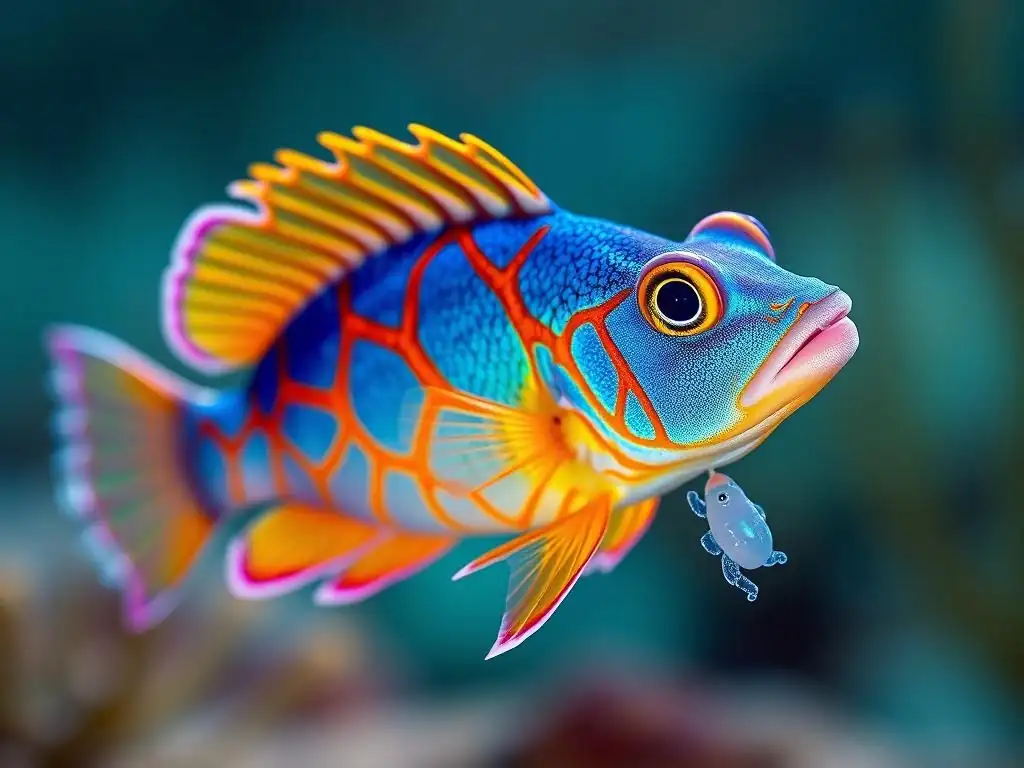
While all dragonets primarily consume copepods, some species are notoriously more challenging to keep than others due to their size, metabolic rate, and adaptability. Understanding these differences is a crucial dragonet feeding tip and trick before purchase.
Mandarin Dragonets (Synchiropus splendidus): The Most Demanding
The Mandarin Dragonet, or Psychedelic Mandarin, is arguably the most beautiful and, unfortunately, the most commonly starved dragonet in the hobby. Their stunning coloration makes them highly desirable, but their absolute reliance on a constant, abundant supply of live, tiny copepods makes them extremely challenging. They are slow, deliberate feeders and will rarely, if ever, accept prepared foods.
A well-established, mature reef tank (at least 6-12 months old) with a large refugium and a dedicated copepod culture is almost always a prerequisite for their long-term survival. They require tanks of at least 30 gallons, preferably larger, to support sufficient microfauna.
Ocellaris Dragonets (Synchiropus ocellatus): A Slightly Easier Option
The Ocellaris Dragonet, often called the "Scooter Blenny" (though not a true blenny), is somewhat more adaptable than the Mandarin. While still primarily a copepod eater, some individuals can be trained with patience to accept frozen foods like Cyclop-eeze or finely chopped mysis shrimp more readily than Mandarins. They are still continuous grazers and require a tank with a healthy copepod population, but their slightly less picky nature makes them a better choice for aquarists new to dragonets or those with smaller tanks (20 gallons and up) that may not sustain the immense copepod numbers a Mandarin demands.
Scooter Blennies (Synchiropus picturatus): Often Misidentified as Dragonets
It's important to clarify that while often called "Scooter Blennies," Synchiropus picturatus are indeed dragonets, not blennies. They share similar dietary requirements with other dragonets, primarily consuming copepods and other microfauna. They are generally considered on par with or slightly easier than Ocellaris Dragonets in terms of feeding, with some individuals showing a willingness to accept frozen foods. They are active foragers, constantly sifting through sand and rockwork. Like all dragonets, a tank with a robust copepod population is essential for their long-term health.
Ruby Red Dragonets (Synchiropus cf. rubrovinctus): A Small and Active Dragonet
The Ruby Red Dragonet is a smaller, more active species that has gained popularity. They are typically more active swimmers than Mandarins, often seen darting around the rockwork. Despite their smaller size, they are still microfauna specialists and require a constant supply of live copepods.
Their smaller size might suggest they need fewer copepods, but their high metabolism means they still require a significant, continuous food source. Some aquarists report them being slightly more adaptable to frozen foods than Mandarins, but this is not guaranteed. They are suitable for smaller tanks (10-20 gallons) provided the tank is mature and well-stocked with copepods.
Maintaining a Healthy Reef Ecosystem for Dragonets: A Holistic Approach
Water Chemistry and Stability: Essential for Copepod and Dragonet Health
Maintaining stable and optimal water chemistry is not only crucial for the dragonet itself but also for the copepod population it relies upon. Copepods are sensitive to drastic fluctuations in parameters. Ideal conditions include a stable specific gravity between 1.023-1.026, a consistent temperature range of 75-80°F (24-27°C), and low levels of nitrates (<10 ppm) and phosphates (<0.03 ppm). High levels of pollutants can inhibit copepod reproduction and overall health, directly impacting the dragonet's food supply. Regular testing and consistent water changes are paramount to ensuring a thriving environment for both your dragonet and its food source.
Substrate and Rockwork: Providing Habitat for Copepods
The physical structure of your aquarium plays a significant role in supporting a thriving copepod population. A deep sand bed (at least 3-4 inches or 7.5-10 cm) provides a vast surface area and anaerobic zones that benefit various beneficial microfauna, including many species of benthic copepods and amphipods.
Similarly, ample amounts of porous live rock with numerous nooks, crannies, and crevices create ideal microhabitats for copepods to hide, reproduce, and graze on detritus and algae. The more complex and diverse your live rock structure, the more surface area is available for copepod colonization, which directly contributes to a sustainable food source for your dragonet.
Avoiding Copper-Based Medications: Harmful to Copepods and Dragonets
Copper-based medications, commonly used to treat parasitic infections like Ich (white spot disease) in marine fish, are highly toxic to invertebrates, including copepods and the beneficial bacteria in your biological filter. Introducing copper into a display tank will decimate your copepod population, effectively starving your dragonet. Furthermore, dragonets themselves are scaleless fish and are highly sensitive to many medications, including copper.
Therefore, any sick dragonet should be treated in a separate quarantine tank, and copper should never be used in a tank housing a dragonet or intended to sustain a copepod population. This is a critical warning among dragonet feeding tips and tricks, as it directly impacts their survival.
Long-Term Dragonet Care: Ensuring a Happy and Healthy Life
Continuous Monitoring of Copepod Populations
Long-term success with dragonets hinges on the continuous monitoring and proactive management of your tank's copepod population. This isn't a "set it and forget it" aspect of aquarium keeping. Regularly observe your dragonet's behavior; if it seems less active, thinner, or spends more time hiding, it's a strong indicator that the copepod supply is dwindling.
Visually inspect your live rock and sand for copepod activity, especially at night with a flashlight. Supplementing with live copepods from your culture or purchased batches should be a regular part of your maintenance routine, even if your tank seems to have a stable population, as a safety net.
Regular Water Changes and Tank Maintenance
Consistent and regular water changes are fundamental for the overall health of your reef ecosystem, which in turn supports both your dragonet and its copepod food source. Weekly or bi-weekly water changes (10-20% of tank volume) help to export accumulated nitrates and phosphates, replenish essential trace elements, and maintain stable water chemistry. Beyond water changes, routine tank maintenance such as cleaning detritus from the substrate, cleaning powerheads, and maintaining filtration equipment ensures optimal water quality and prevents the buildup of harmful substances that could stress your dragonet or inhibit copepod reproduction.
Observing Your Dragonet's Behavior and Appearance
Regular, close observation of your dragonet's behavior and physical appearance is the best indicator of its health and nutritional status. A healthy dragonet will be actively sifting through the sand and picking at live rock surfaces for most of the day. Its colors should be vibrant and its body full, without any visible signs of a sunken belly.
Any changes in behavior, such as lethargy, hiding, faded coloration, or a noticeable thinning of its body, should prompt immediate investigation into its food supply and overall tank conditions. Proactive observation allows you to implement dragonet feeding tips and tricks before problems become critical.
Conclusion: Mastering Dragonet Feeding for a Thriving Reef Aquarium.
Frequently Asked Questions
How difficult is it to feed dragonets in a new aquarium?
Dragonets are notoriously difficult to feed initially, especially in a new aquarium. They primarily feed on copepods and other small invertebrates, which may not be present in sufficient quantities in a newly established tank. It's crucial to have a mature, established ecosystem before introducing them.
What are copepods, and why are they so important for dragonets?
Copepods are tiny crustaceans that form the base of the food chain in marine aquariums. Dragonets almost exclusively rely on them as their primary food source. Without enough copepods, dragonets can quickly starve.
Can I train a dragonet to eat frozen food?
While challenging, it's possible to train some dragonets to accept frozen food. This requires patience and persistence, offering small, frequent feedings of suitable frozen foods like mysis shrimp or enriched brine shrimp. Not all dragonets will adapt, and copepods remain essential.
What are some strategies to boost copepod populations in my aquarium?
Several strategies can help boost copepod populations. This includes using a refugium to provide a safe haven for copepods to breed, adding live phytoplankton to feed the copepods, and minimizing the use of medications that can harm them.
What are the signs of a dragonet that is not eating properly?
Signs of a dragonet not eating properly include a thin or emaciated body, lethargy, and a lack of interest in their surroundings. Observing them closely to see if they are actively hunting for copepods is also important. Early intervention is crucial for survival.
Final Reflection: Embracing the Art of Nurturing Life
The journey of keeping dragonets, as we've explored, hinges on mastering the art of feeding. This delicate balance between providing sustenance and replicating a natural environment is more crucial than ever in a world where wild populations face increasing pressures. The success of these captivating creatures in our aquariums directly reflects our dedication to understanding and meeting their specific needs, a responsibility we must embrace wholeheartedly.
The challenge of conquering the copepod challenge has profoundly influenced the way we approach reef keeping. It's a testament to the power of observation, patience, and a willingness to adapt our methods to the unique requirements of each individual creature. The best way to find yourself is to lose yourself in the service of others.
This quote, often attributed to Mahatma Gandhi, resonates deeply with the dedication required to successfully nurture these delicate dragonets, reminding us that our efforts extend beyond mere maintenance and into the realm of genuine care.
Now, armed with these dragonet feeding tips and tricks, I invite you to reflect on your own role in the aquatic ecosystem. Consider how you can apply this knowledge to not only enrich the lives of your dragonets, but also to contribute to a broader understanding and appreciation of the delicate balance within our oceans. Let us all strive to be responsible stewards, ensuring a vibrant future for these magnificent creatures, both in our tanks and in the wild.
Ignite Your Dragonet's Appetite!
Thanks for exploring the finicky world of dragonet diets with us! We hope you've gained valuable insights into keeping these stunning fish thriving. Now, let's put that knowledge into action!
Here are some immediate steps you can take:
- Boldly embrace the copepod culture: Commit to starting your own copepod culture – it's the single best thing you can do for your dragonet's long-term health.
- Observe and share: Spend 15 minutes today closely watching your dragonet's feeding habits. Post your observations in the comments below!
- Explore innovative foods: Research and experiment with alternative food sources like enriched brine shrimp or frozen cyclops. You might discover your dragonet has a secret favorite!
What's one unconventional approach you're willing to try this week to ensure your dragonet is getting the nutrients it needs?