
Can Different Mbuna Species Coexist? A Guide to Compatible Combinations

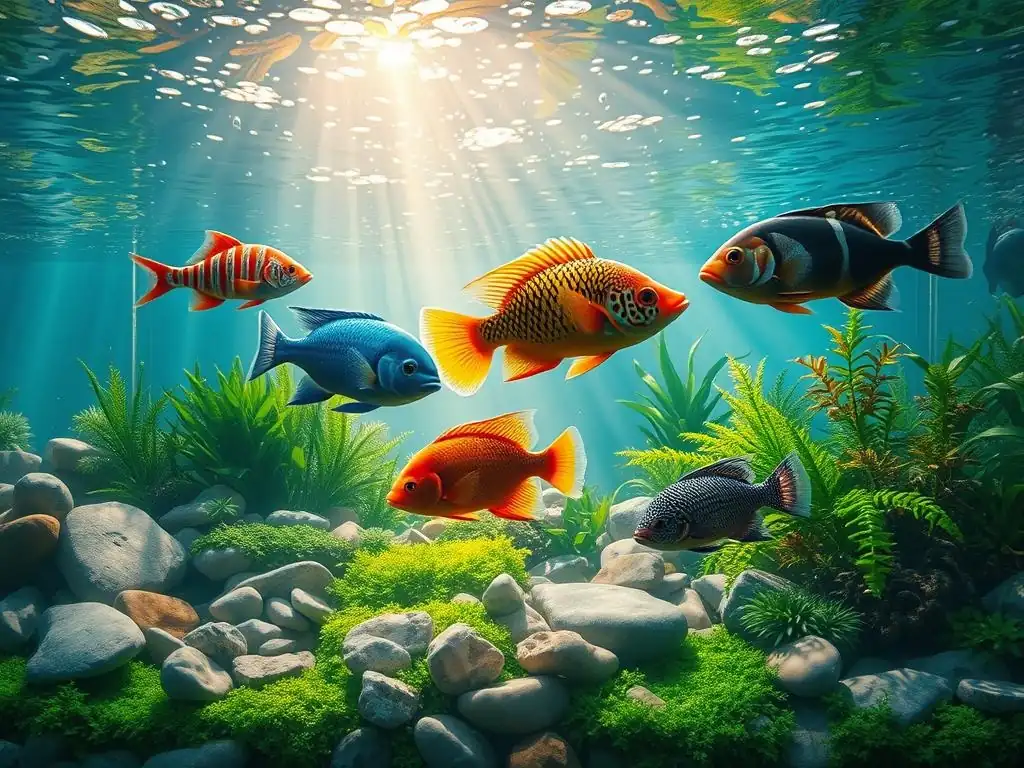
Welcome to Aquarium Mastery! Ever wondered if your Mbuna are really living their best lives together? Dive into our comprehensive guide on Mbuna fish tank compatibility and unlock the secrets to creating a harmonious and vibrant African cichlid aquarium. Discover which species thrive together, and which ones... well, don't. Read on to ensure a peaceful and stunning underwater world for your Mbuna!
- Understanding Mbuna Aggression and Tank Compatibility
- Key Considerations for Mbuna Fish Tank Compatibility
- Mbuna Compatibility Chart: Species Combinations to Consider
- Strategies for Successful Mbuna Tank Compatibility
-
Mbuna Species Profiles: Compatibility Notes
- Labidochromis caeruleus (Electric Yellow Lab): A More Peaceful Mbuna
- Pseudotropheus saulosi: Managing Aggression in a Species-Only Tank
- Metriaclima estherae (Red Zebra): Compatibility Considerations
- Iodotropheus sprengerae (Rusty Cichlid): A Relatively Docile Option
- Cynotilapia afra (Afra Cichlid): Aggression Varies by Locale
- Troubleshooting Mbuna Aggression and Compatibility Issues
- Creating a Thriving Mbuna Community Tank: Final Thoughts
- Frequently Asked Questions
- Final Reflection: Harmony in the Aquarium
- Ignite Your Mbuna Tank's Potential!
Understanding Mbuna Aggression and Tank Compatibility
The Aggressive Nature of Mbuna Cichlids
Mbuna cichlids, native to the rocky shores of Lake Malawi in East Africa, are renowned for their vibrant coloration and highly territorial, aggressive nature. This inherent aggression stems from their natural environment, where prime feeding grounds—algae-covered rocks—are limited resources. Males will fiercely defend these territories, as well as their chosen spawning sites, against rivals. This strong territorial instinct is a primary driver of their behavior in an aquarium setting, making careful planning crucial for successful Mbuna fish tank compatibility.
In the confines of an aquarium, Mbuna aggression can manifest in various forms, from persistent chasing and fin nipping to severe bullying and even fatalities among weaker or submissive individuals. For example, a dominant Melanochromis auratus male might relentlessly harass a smaller Labidochromis caeruleus if the tank lacks sufficient hiding spots or if the stocking density is too low.
Observations by experienced aquarists indicate that without proper management, aggression can lead to significant stress, disease susceptibility, and even the loss of 15-25% of less dominant fish within a few months in an ill-conceived setup. Understanding this fundamental aspect of their biology is the first step towards achieving harmonious Mbuna fish tank compatibility.
Factors Influencing Mbuna Tank Mate Compatibility
Achieving optimal Mbuna fish tank compatibility requires a nuanced understanding of several influencing factors beyond just species selection. Tank size is paramount; larger aquariums provide more swimming space and territory, diluting aggression. For instance, a 75-gallon tank (approximately 280 liters) offers significantly more territory per fish than a 55-gallon (210 liters) tank for the same number of Mbuna, reducing direct confrontations.
Furthermore, the aquarium's physical layout, particularly the arrangement of rockwork, plays a critical role. Complex rock structures with numerous caves, crevices, and visual breaks allow subordinate fish to escape aggression and establish their own mini-territories, minimizing stress and outright conflict.
Beyond the physical environment, the specific species chosen and their inherent aggression levels are crucial. Some Mbuna, like Labidochromis caeruleus (Electric Yellow Lab), are generally considered less aggressive than others, such as Maylandia zebra or Pseudotropheus johannii. The male-to-female ratio is also vital; a common strategy to disperse male aggression is to keep one male with multiple females (e.g., 1 male to 3-4 females) to spread out spawning-related harassment.
Overstocking, counter-intuitively, can sometimes reduce aggression by spreading it among many targets, preventing any single fish from being constantly bullied, though this strategy demands superior filtration and diligent maintenance to manage increased bioload. This multi-faceted approach to Mbuna fish tank compatibility is essential for a stable and thriving community.
Key Considerations for Mbuna Fish Tank Compatibility
Tank Size and Overcrowding: Minimizing Aggression in Mbuna Aquariums
The volume and footprint of an aquarium are foundational to successful Mbuna fish tank compatibility, directly impacting the aggression levels within the community. A larger tank provides more linear swimming space and greater surface area for establishing territories, which naturally dilutes the intensity of territorial disputes.
For most Mbuna community tanks, a minimum of a 55-gallon (approximately 208 liters) tank is often recommended, but a 75-gallon (284 liters) or larger is vastly superior, especially for a diverse group of 10-15 adult Mbuna. For instance, a 4-foot long, 55-gallon tank offers roughly 648 square inches of bottom area, whereas a 4-foot long, 75-gallon tank provides about 864 square inches, a significant increase in potential territory.
Strategic overcrowding, often termed "controlled overstocking," is a technique sometimes employed to minimize aggression in Mbuna tanks. The premise is that by having a slightly higher density of fish, aggression is diffused across multiple targets, preventing any single fish from becoming the sole victim of bullying. However, this strategy is not without its caveats.
It necessitates robust filtration—often rated for twice the tank's volume—and meticulous water changes to manage the increased bioload. For example, a 75-gallon tank might successfully house 15-20 adult Mbuna with excellent filtration and weekly 50% water changes, whereas a lightly stocked tank might only require 25-30% weekly changes. Without these stringent maintenance practices, water quality can rapidly decline, leading to stress, disease, and ultimately, a breakdown in Mbuna fish tank compatibility.
Rockwork and Hiding Places: Creating a Balanced Mbuna Environment
The strategic placement of rockwork is arguably as critical as tank size in fostering positive Mbuna fish tank compatibility. Mbuna cichlids are naturally rock-dwellers, and their aggression is intrinsically linked to the defense of rocky territories. By constructing intricate rock formations with numerous caves, tunnels, and visual barriers, aquarists can mimic their natural habitat and provide essential refuge for less dominant fish.
This allows subordinate individuals to escape the line of sight of aggressive tank mates, reducing stress and the likelihood of constant harassment. For example, creating multiple distinct "territories" with rock piles separated by open sand patches can help define boundaries and minimize direct confrontations.
When designing the aquascape, aim for structures that extend from the substrate to near the water surface, offering vertical dimension and multiple levels of exploration. Using inert rocks like lava rock, Texas holey rock, or slate is ideal, as they do not alter water chemistry significantly and provide ample crevices. It's recommended to build rock structures directly on the tank bottom or on egg crate to prevent rock slides that could injure fish or crack the tank glass, especially with heavy rocks.
A good rule of thumb is to provide at least one more hiding spot than the number of fish in the tank, ensuring every fish has a potential escape route. This thoughtful approach to aquascaping is fundamental for long-term Mbuna fish tank compatibility.
Filtration and Water Quality: Essential for a Healthy Mbuna Community Tank
Maintaining pristine water quality is absolutely non-negotiable for successful Mbuna fish tank compatibility, especially given their specific environmental needs and the higher bioload often associated with their aggressive stocking strategies. Mbuna cichlids thrive in hard, alkaline water with a pH typically ranging from 7.8 to 8.6 and a general hardness (GH) between 10-20 dGH. Consistent water parameters are paramount, as fluctuating conditions can induce stress, weaken their immune systems, and exacerbate aggressive behaviors. High levels of ammonia, nitrite, or nitrate are particularly detrimental and can quickly lead to disease outbreaks in a densely populated Mbuna aquarium.
To manage the significant waste production of Mbuna, robust filtration is essential. Canister filters, large hang-on-back (HOB) filters, or sumps are generally recommended, providing both mechanical filtration for particulate matter and biological filtration for converting harmful nitrogenous compounds. For instance, a 75-gallon Mbuna tank might benefit from a canister filter rated for a 100-120 gallon tank, providing an optimal turnover rate and ample media for beneficial bacteria.
Regular partial water changes—typically 25-50% weekly, depending on stocking density and feeding habits—are crucial to dilute nitrates and replenish essential minerals. Implementing a consistent water change schedule and closely monitoring parameters with a reliable test kit are foundational practices for ensuring the health and stability of your Mbuna community, directly contributing to their long-term Mbuna fish tank compatibility.
Mbuna Compatibility Chart: Species Combinations to Consider
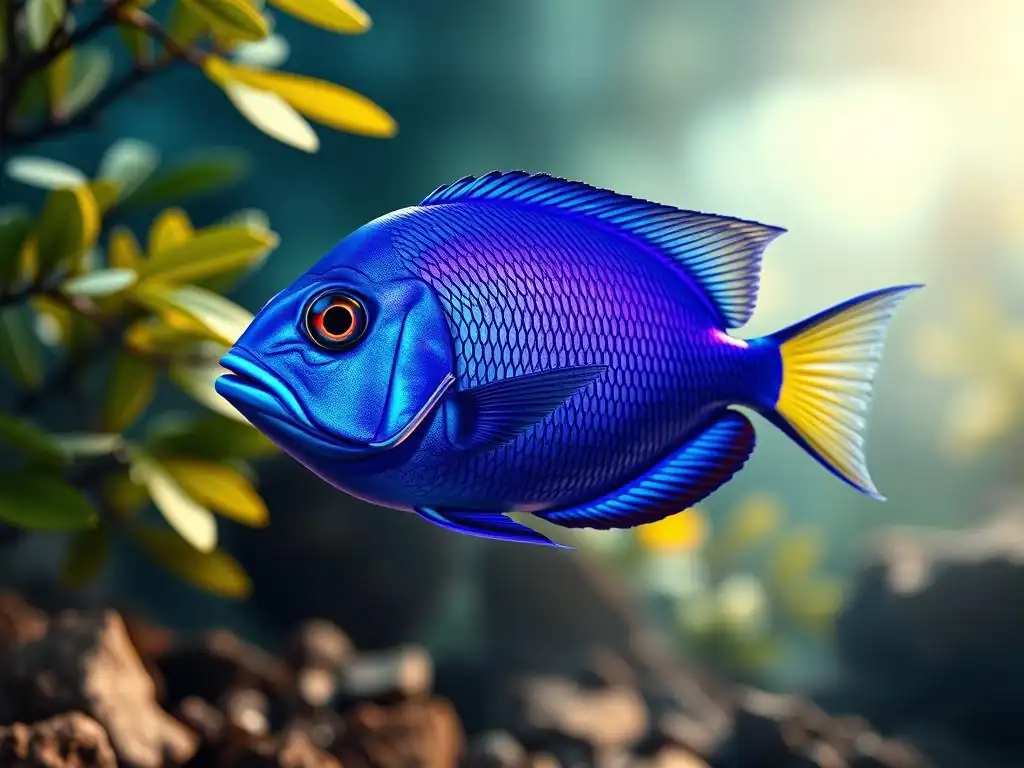
Highly Compatible Mbuna Species for Community Tanks
For aquarists seeking the highest probability of peaceful coexistence in a Mbuna community, selecting species with naturally lower aggression levels and similar dietary needs is key. These species often exhibit less inter-species aggression, making them excellent choices for beginners or those aiming for a less volatile tank. Labidochromis caeruleus (Electric Yellow Lab) is a prime example, known for its relatively docile temperament and brilliant yellow coloration.
They reach about 4-5 inches and are primarily omnivores, making them adaptable. Another highly compatible option is Iodotropheus sprengerae (Rusty Cichlid), which is also relatively peaceful, growing to about 4 inches, and displaying a unique rusty-orange hue. Their calm demeanor makes them suitable for mixed Mbuna setups.
Other highly compatible choices include Cynotilapia afra (Hara and Jalo Reef variants are often more docile than others) and certain Pseudotropheus saulosi (especially when kept as a species-only tank with a good male-to-female ratio). These species typically do not grow excessively large, often staying within the 3-5 inch range, which helps in managing aggression in a communal setting.
When combining these highly compatible Mbuna, it's still crucial to ensure adequate tank size—a minimum of 75 gallons is recommended for a diverse group of 10-15 individuals—and provide ample rockwork. Focusing on these less aggressive species significantly enhances the chances of achieving stable Mbuna fish tank compatibility and a visually stunning display.
Moderately Compatible Mbuna Species: Proceed with Caution
When venturing into moderately compatible Mbuna species, aquarists must exercise greater caution and be prepared for potential skirmishes, as these fish possess higher inherent aggression levels. Metriaclima estherae (Red Zebra) is a popular but moderately aggressive Mbuna, reaching 5-6 inches. While beautiful, males can be highly territorial and may bully less robust tank mates.
Similarly, Melanochromis cyaneorhabdos (Maingano or Electric Blue Johanni) are striking but can be quite assertive, especially males defending their territory. They grow to about 4-5 inches. Mixing these species requires careful consideration of tank size (preferably 90 gallons or more for a diverse group), rockwork density, and the temperament of individual fish.
Another example is Pseudotropheus demasoni, a smaller Mbuna (around 3-4 inches) known for its intense blue and black barring. Despite its size, P. demasoni can be incredibly aggressive, particularly towards conspecifics or fish with similar patterns. It is often recommended to keep them in large groups (10+ individuals) to diffuse aggression or as a species-only tank.
When combining moderately compatible Mbuna, it is essential to avoid mixing species with similar color patterns or body shapes, as this can trigger heightened aggression due to mistaken identity or perceived competition. Close observation of fish behavior is paramount, as even "moderately compatible" combinations can fail if individual fish are particularly aggressive, directly impacting overall Mbuna fish tank compatibility.
Mbuna Species to Avoid Mixing: High Risk of Aggression
Certain Mbuna species are notoriously aggressive and should generally be avoided in mixed community tanks, especially for novice aquarists, due to their high propensity for severe aggression and potential for lethal outcomes. Maylandia lombardoi (Kenyi Cichlid), known for its dramatic male color change from yellow to blue, is one of the most aggressive Mbuna.
Males are exceptionally territorial and can relentlessly harass and kill other fish, even those significantly larger. They reach 5-6 inches and their intense aggression makes them unsuitable for most mixed Mbuna setups, unless the tank is exceptionally large (125 gallons+) and stocked with other equally robust and aggressive species.
Another highly aggressive group includes many Melanochromis species, such as Melanochromis auratus. While visually striking, M. auratus males are extremely dominant and will often persecute weaker tank mates to death. They can grow up to 6 inches.
Similarly, some variants of Pseudotropheus zebra (now Maylandia zebra) are known for their high aggression levels, particularly towards other males or fish with similar patterns. Attempting to mix these highly aggressive Mbuna with more docile or moderately aggressive species almost invariably leads to severe stress, injury, and fatalities among the less dominant fish. Prioritizing the well-being of your fish means avoiding these high-risk combinations for Mbuna fish tank compatibility.
Strategies for Successful Mbuna Tank Compatibility
Introducing New Mbuna to an Established Tank
Introducing new Mbuna to an existing community tank requires careful planning to minimize stress and aggression, ensuring successful Mbuna fish tank compatibility. A common method is to rearrange the existing rockwork and decor before adding new fish. This disrupts established territories, forcing all fish, both old and new, to re-establish their claims simultaneously.
This "reset" can significantly reduce the bullying of new arrivals, as the resident fish are too busy defending new spaces to focus solely on the newcomers. For example, if you have a 75-gallon tank with 10 existing Mbuna, a complete overhaul of the rock structure can make a significant difference when adding 3-4 new fish.
Another effective strategy is to introduce multiple new fish at once, rather than just one or two. This disperses aggression among several targets, preventing any single new fish from being singled out and relentlessly bullied. For instance, adding 4-6 new juvenile Mbuna simultaneously to a well-established tank of similar size can spread out the initial aggression.
It is also beneficial to add new fish that are slightly smaller than the existing residents, as this can reduce perceived threats. Quarantining new fish in a separate tank for 2-4 weeks prior to introduction is also highly recommended. This allows for observation for diseases and ensures the new additions are healthy and robust enough to handle the stress of integration, thus safeguarding the overall Mbuna fish tank compatibility.
Monitoring Mbuna Behavior and Addressing Aggression
Consistent observation of your Mbuna's behavior is paramount for maintaining a healthy and harmonious community and ensuring long-term Mbuna fish tank compatibility. Early detection of aggression can prevent serious injury or death. Look for signs such as persistent chasing, fin nipping, faded coloration in submissive fish, or individuals hiding constantly and refusing to eat.
For example, if a Metriaclima estherae male consistently corners a Labidochromis caeruleus in the same corner for several days, it's a clear sign of bullying that needs intervention. Keep a log of fish behavior if necessary, noting which fish are aggressive and which are being targeted.
When aggression becomes problematic, several interventions can be considered. If one fish is relentlessly bullying others, temporary removal to a separate hospital or "time-out" tank for a few days can sometimes reset its dominance. Upon reintroduction, the fish may be less aggressive due to the disruption of its established territory. If the aggression persists or is severe, permanent removal of the aggressor or the target fish may be necessary.
Increasing hiding spots or rearranging decor can also help. In some cases, adjusting the male-to-female ratio, such as adding more females for a dominant male, can disperse aggression. Proactive monitoring and timely intervention are crucial for preserving the delicate balance of Mbuna fish tank compatibility.
Diet and Feeding Strategies for Minimizing Mbuna Conflicts
The diet and feeding strategies employed can significantly impact Mbuna fish tank compatibility, influencing both their health and their propensity for aggression. Mbuna are primarily herbivorous, relying on algae and biofilm in their natural habitat. Feeding them a diet high in protein, such as excessive amounts of bloodworms or beef heart, can lead to digestive issues like Malawi bloat, and can also exacerbate aggression. A diet rich in vegetable matter, such as high-quality spirulina flakes or pellets (e.g., those with 30-40% spirulina content), is essential for their digestive health and can contribute to a calmer disposition.
Feeding frequency and method also play a role in reducing food-related aggression. Instead of one large meal, offering several smaller meals throughout the day can minimize competition and ensure all fish get enough food. For instance, feeding small pinches of food 2-3 times a day instead of one large portion.
Spreading the food across the entire surface of the tank rather than concentrating it in one spot can also help, allowing more fish to access food simultaneously without direct confrontation. Using a turkey baster to distribute food to shy or submissive fish can ensure they receive adequate nutrition. By adhering to an appropriate diet and thoughtful feeding practices, aquarists can significantly reduce food-related stress and aggression, thereby enhancing overall Mbuna fish tank compatibility.
Mbuna Species Profiles: Compatibility Notes
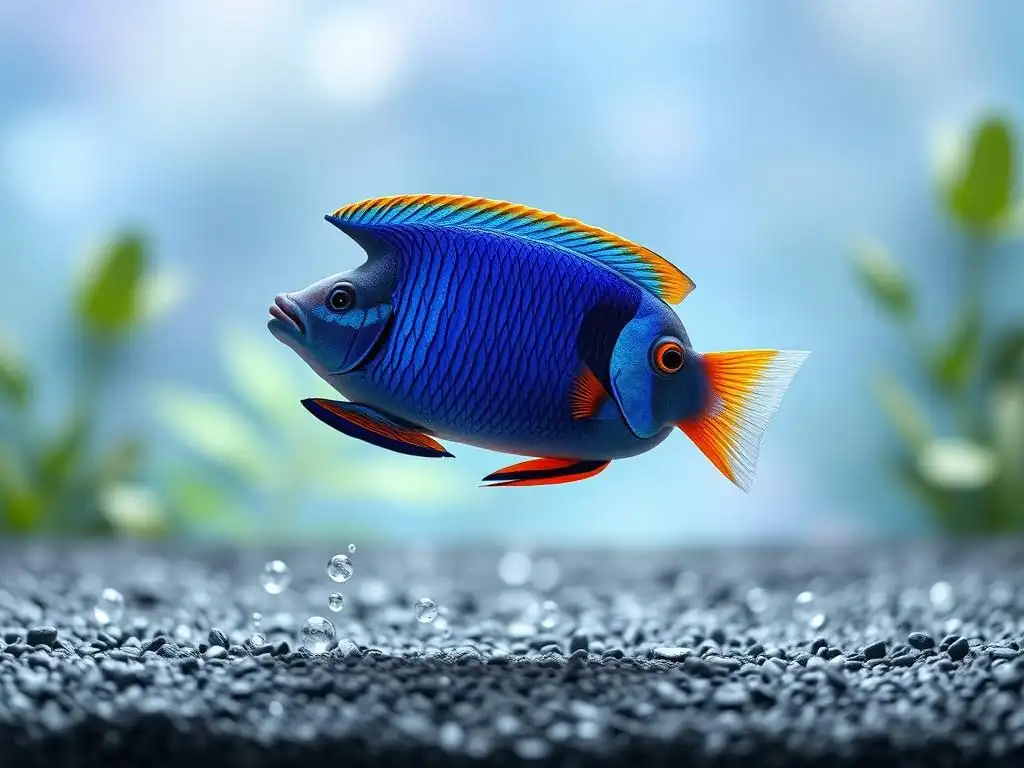
Labidochromis caeruleus (Electric Yellow Lab): A More Peaceful Mbuna
Labidochromis caeruleus, commonly known as the Electric Yellow Lab, stands out among Mbuna for its relatively peaceful temperament and vibrant, consistent yellow coloration. Originating from the rocky shores of Lake Malawi, particularly around Lion's Cove, they typically reach an adult size of 4-5 inches (10-12.5 cm). Their diet in the wild consists largely of invertebrates and algae, making them more omnivorous than many other Mbuna.
This dietary flexibility contributes to their adaptability in a community setting, as they are less prone to digestive issues from varied foods. Their mild disposition makes them an excellent cornerstone for a mixed Mbuna community, significantly contributing to stable Mbuna fish tank compatibility.
Despite their generally docile nature, Electric Yellow Labs can still exhibit territorial behavior, especially males during breeding. However, their aggression is usually directed towards conspecifics or fish of similar size and yellow coloration, rather than outright bullying of unrelated species. It's advisable to keep one male with multiple females (e.g., 1 male to 3-4 females) to diffuse potential aggression.
They coexist well with other moderately peaceful Mbuna such as Iodotropheus sprengerae (Rusty Cichlid) or certain Cynotilapia afra variants. Their relatively small size and manageable aggression make them a top recommendation for enhancing Mbuna fish tank compatibility in a diverse setup.
Pseudotropheus saulosi: Managing Aggression in a Species-Only Tank
Pseudotropheus saulosi is a captivating Mbuna species known for its dramatic sexual dimorphism: males display brilliant blue bodies with black vertical bars, while females are bright yellow. Hailing from Taiwan Reef in Lake Malawi, these smaller Mbuna typically reach an adult size of 3-4 inches (7.5-10 cm).
Despite their diminutive size, P. saulosi can be quite feisty, especially the males, who are highly territorial and aggressive towards other males or similarly colored fish. Their aggression is often focused on establishing a strong pecking order within their own species, making them challenging for mixed community tanks unless specific conditions are met.
Due to their intra-species aggression, Pseudotropheus saulosi are often best kept in a species-only tank or in very large community setups with highly robust tank mates. If kept in a species-only tank, it is crucial to maintain a large group, typically 10-15 individuals, with a significantly skewed male-to-female ratio (e.g., 1 male to 5+ females or even more, or multiple males if the tank is very large and offers ample territories). This "overstocking" strategy helps to diffuse aggression, as no single female is constantly harassed for breeding, and male aggression is spread among many rivals.
Without careful management, severe aggression can quickly lead to fatalities. Understanding this specific need is vital for achieving successful Mbuna fish tank compatibility with P. saulosi.
Metriaclima estherae (Red Zebra): Compatibility Considerations
Metriaclima estherae, commonly known as the Red Zebra cichlid, is a popular and visually striking Mbuna species, characterized by its varying shades of red, orange, and marmalade coloration. Originating from Higga Reef and Minos Reef in Lake Malawi, these cichlids grow to an average size of 5-6 inches (12.5-15 cm).
While their vibrant colors make them appealing, Red Zebras are known for their moderate to high levels of aggression, particularly among males. Males are highly territorial and will actively defend their chosen rock formations and spawning sites, often displaying aggression towards other males, especially those of similar size or coloration.
When considering Metriaclima estherae for a community tank, careful planning is essential for Mbuna fish tank compatibility. It is generally recommended to keep only one male per tank unless the aquarium is exceptionally large (100+ gallons) with extensive rockwork providing numerous visual breaks. A ratio of one male to three or more females is ideal to spread out breeding aggression.
They can coexist with other robust Mbuna of similar size and temperament, such as Melanochromis cyaneorhabdos (Maingano) or certain Maylandia species, provided the tank offers ample space and hiding places. Avoiding species with similar body shapes or colors is crucial to minimize aggression. Aquarists must be prepared to monitor behavior closely, as individual Red Zebras can vary in temperament, and intervention may be necessary if bullying becomes severe.
Iodotropheus sprengerae (Rusty Cichlid): A Relatively Docile Option
The Iodotropheus sprengerae, affectionately known as the Rusty Cichlid, is a true gem among Mbuna for its relatively docile nature and unique rusty-orange to purplish coloration, often with subtle vertical bars. Hailing from the rocky habitats of Boadzulu Island and Chinyankwazi Island in Lake Malawi, these attractive cichlids typically remain smaller, reaching an adult size of about 4 inches (10 cm).
Their diet in the wild consists primarily of algae and small invertebrates, making them largely herbivorous. This combination of smaller size, striking appearance, and comparatively lower aggression makes them an excellent candidate for enhancing Mbuna fish tank compatibility in a diverse community setup.
Rusty Cichlids are generally peaceful for Mbuna standards, showing less inter-species aggression than many of their counterparts. They are more likely to exhibit intra-species squabbles, particularly between males establishing dominance, but these rarely escalate to serious injury. It's advisable to keep them in groups of 5-6 or more to disperse any potential aggression.
They integrate well with other mild-mannered Mbuna such as Labidochromis caeruleus (Electric Yellow Lab) or various Cynotilapia afra morphs. Providing plenty of rockwork with caves and crevices will further reduce any minor territorial disputes. Their robust nature and agreeable temperament make them a highly recommended choice for aquarists aiming for a vibrant yet stable Mbuna community tank, greatly assisting in overall Mbuna fish tank compatibility.
Cynotilapia afra (Afra Cichlid): Aggression Varies by Locale
Cynotilapia afra, commonly known as the Afra Cichlid, is a highly diverse Mbuna species with numerous geographically distinct color morphs, often named after their collection points in Lake Malawi (e.g., "Jalo Reef," "Hara," "Cobue"). These variations typically display a blue body with black vertical bars, but the intensity and distribution of colors differ significantly.
Afra cichlids generally reach an adult size of 4-5 inches (10-12.5 cm). Their aggression levels can vary considerably depending on the specific locale or morph; for instance, the "Jalo Reef" and "Hara" variants are often considered more manageable in a community tank than the "Lundo" or "Likoma" variants, which can be more assertive.
Because of this variability, understanding the specific aggression profile of the Cynotilapia afra variant you intend to keep is crucial for successful Mbuna fish tank compatibility. Regardless of the variant, males are territorial and will aggressively defend their chosen rock territories, especially during breeding. It's advisable to keep only one male per tank unless the aquarium is very large (90+ gallons) and offers extensive rockwork. A ratio of one male to at least three females is recommended to diffuse aggression.
They generally fare best with similarly robust, but not overly aggressive, Mbuna species. Providing a complex aquascape with numerous visual barriers is essential to minimize conflicts. Careful research into the specific Cynotilapia afra variant is key to integrating them successfully into a Mbuna community and ensuring long-term Mbuna fish tank compatibility.
Troubleshooting Mbuna Aggression and Compatibility Issues
Identifying Signs of Mbuna Aggression
Early detection of aggression is crucial for maintaining a healthy and stress-free Mbuna community, directly impacting Mbuna fish tank compatibility. Aquarists should regularly observe their fish for tell-tale signs of bullying or dominance disputes. One common indicator is persistent chasing, where one fish relentlessly pursues another around the tank, often preventing the chased fish from eating or finding refuge.
Fin nipping, resulting in torn or frayed fins, particularly the caudal (tail) fin or dorsal fin, is another clear sign of physical harassment. For instance, if a Maylandia zebra male repeatedly nips the fins of a smaller Labidochromis caeruleus, it's a clear sign of bullying.
Beyond physical signs, behavioral changes are also important clues. Submissive fish may exhibit faded or dull coloration, losing their vibrant hues due to stress. They might constantly hide in corners or behind rocks, rarely venturing into open water, and may refuse to come out during feeding times. Rapid breathing, clamped fins, or darting movements are also stress indicators.
Conversely, the aggressor might display intensified coloration, puffed-out fins, and engage in constant territorial displays. Monitoring feeding habits is also vital; if certain fish are consistently prevented from eating, they will quickly become malnourished and susceptible to disease. Recognizing these signs promptly allows for timely intervention to restore Mbuna fish tank compatibility.
Separating Aggressive Mbuna: Hospital Tanks and Rehoming
When aggression escalates to dangerous levels, leading to injury or severe stress, intervention is necessary to preserve Mbuna fish tank compatibility. The first step is often to temporarily remove the aggressor or the targeted victim to a separate "hospital" or "time-out" tank. This temporary separation, even for a few days to a week, can sometimes reset the pecking order.
When the aggressor is reintroduced, it may be less dominant as its established territory has been disrupted, or the target fish may have recovered sufficiently to better cope. For example, if a dominant Melanochromis auratus is relentlessly attacking a Metriaclima estherae, moving the auratus to a 10-gallon quarantine tank for 3-5 days can often reduce its aggression upon return.
However, if temporary separation proves ineffective and severe aggression persists, permanent removal or rehoming of the problematic fish becomes the most humane and necessary solution. This might involve returning the fish to the pet store, finding a new home with another aquarist, or, in rare cases of extreme aggression, considering a species-only tank for the individual.
Attempting to force incompatible fish to coexist in a confined space will only lead to chronic stress, disease, and potential fatalities. While rehoming can be a difficult decision, it ultimately ensures the well-being of all fish in the community and preserves the overall Mbuna fish tank compatibility of your aquarium.
Adjusting Tank Parameters to Reduce Mbuna Stress and Aggression
Beyond species selection and tank layout, manipulating certain environmental parameters can significantly contribute to reducing stress and aggression, thereby improving Mbuna fish tank compatibility. Maintaining stable and optimal water parameters is paramount. Mbuna thrive in hard, alkaline water (pH 7.8-8.6, GH 10-20 dGH).
Fluctuations in pH or temperature can induce stress, making fish more irritable and prone to aggression. Regular water testing with a reliable kit (e.g., API Freshwater Master Test Kit) is essential to ensure parameters remain within the ideal range. Aim for weekly water changes of 25-50% to keep nitrates low, as high nitrates (above 20 ppm) can also contribute to stress.
Lighting can also play a subtle role. While Mbuna appreciate bright conditions that encourage algae growth, excessively harsh or prolonged lighting can contribute to stress. Providing a regular day/night cycle (e.g., 10-12 hours of light, 12-14 hours of darkness) is beneficial.
Some aquarists even use dimmable lights or moonlight settings to reduce stress during evening hours. Furthermore, ensuring the tank is located in a low-traffic area, free from sudden movements or loud noises, can minimize external stressors. A stable environment, both chemically and physically, fosters a sense of security for the fish, reducing their inclination to engage in aggressive territorial disputes and greatly enhancing long-term Mbuna fish tank compatibility.
Creating a Thriving Mbuna Community Tank: Final Thoughts
The Importance of Research and Planning for Mbuna Fish Tank Compatibility
Embarking on the journey of creating a Mbuna community tank is a rewarding endeavor, but its success hinges critically on thorough research and meticulous planning. Understanding the inherent aggression of Mbuna cichlids, their specific environmental needs, and the nuances of individual species' temperaments is not merely beneficial but absolutely essential. Before purchasing any fish, aquarists should delve into species profiles, learning about their adult size, dietary requirements, and specific aggression levels. For instance, knowing that Maylandia lombardoi is exceptionally aggressive while Labidochromis caeruleus is relatively peaceful allows for informed stocking decisions that prevent future conflicts.
Planning extends beyond species selection to the physical setup of the aquarium. This includes choosing an appropriately sized tank—a minimum of 75 gallons (284 liters) is often recommended for a diverse community, with larger tanks (e.g., 125 gallons or more) being ideal for more aggressive combinations. The design of the aquascape, with its intricate rockwork providing abundant hiding places and visual barriers, is equally vital.
A well-designed layout can mitigate up to 50% of potential aggression issues. By investing time in comprehensive research and careful planning, aquarists lay a solid foundation for a stable, healthy, and vibrant Mbuna community, ensuring optimal Mbuna fish tank compatibility from the outset.
Sustainable Practices for Maintaining a Healthy Mbuna Aquarium
Maintaining a thriving Mbuna aquarium is an ongoing commitment that benefits from sustainable practices focused on long-term health and stability. Regular and consistent maintenance is paramount. This includes adhering to a strict water change schedule—typically 25-50% weekly water changes—to keep nitrate levels low and replenish essential minerals. For example, a 75-gallon tank with 15 adult Mbuna might require 30-35 gallons of fresh, dechlorinated water weekly to maintain optimal parameters (pH 7.8-8.6, GH 10-20 dGH). Consistent water quality directly reduces stress, which in turn minimizes aggression and promotes robust health, thereby reinforcing Mbuna fish tank compatibility.
Beyond water changes, diligent monitoring of fish behavior and proactive intervention are key. Regularly inspecting fish for signs of stress, injury, or disease allows for immediate action before problems escalate. This might involve adjusting diet, adding more rockwork, or, if necessary, separating an overly aggressive individual.
Sustainable practices also encompass responsible feeding—providing high-quality, vegetable-based foods in appropriate quantities to prevent overfeeding and digestive issues. By embracing these ongoing maintenance routines and adaptive management strategies, aquarists can ensure their Mbuna community not only survives but truly flourishes, creating a beautiful and stable ecosystem that exemplifies excellent Mbuna fish tank compatibility for years to come.
Frequently Asked Questions
How important is tank size when keeping Mbuna?
Tank size is crucial for Mbuna. A larger tank, generally 75 gallons or more, is necessary to reduce aggression and provide adequate territory. Overcrowding leads to increased fighting and stress.
What are some general compatibility guidelines for Mbuna?
Generally, it's best to avoid mixing very aggressive species with more peaceful ones. Aim for species that occupy different areas of the tank and have varied diets. Research is key!
Is it possible to keep Mbuna from different color groups together?
Yes, mixing color groups can actually help reduce aggression. When there are fewer individuals of the same color, the dominant fish is less likely to focus its aggression on a single target.
How crucial is rockwork for Mbuna tank compatibility?
Extremely important! Providing ample rockwork and caves allows Mbuna to establish territories and escape aggressive encounters. More hiding places equal less stress and fewer injuries.
What should I do if I see excessive aggression in my Mbuna tank?
First, observe the tank closely to identify the aggressor and the victim(s). Consider re-arranging the rockwork to disrupt established territories, adding more hiding places, or, as a last resort, rehoming the problem fish.
Final Reflection: Harmony in the Aquarium
The delicate balance of an aquarium ecosystem, as we've explored in the context of Mbuna fish tank compatibility, mirrors the complexities of larger social structures. Understanding the nuances of species interaction is not just about creating a visually appealing tank, but about fostering a thriving community. The principles of careful selection, observation, and adaptation apply far beyond the glass walls of an aquarium, offering valuable lessons in managing diverse environments.
The enduring fascination with Mbuna cichlids and their intricate social dynamics underscores our inherent desire to understand and control the natural world. This pursuit, however, must be tempered with respect and a willingness to learn from the fish themselves. Their territoriality and aggression, while challenging to manage, are also fundamental aspects of their survival. In the end, we will conserve only what we love; we will love only what we understand; and we will understand only what we are taught.
- Baba Dioum. This quote reminds us that responsible fishkeeping, like responsible stewardship of our planet, begins with knowledge and empathy.
As you contemplate the potential for a vibrant and harmonious Mbuna community in your own aquarium, remember that success lies not just in following guidelines, but in cultivating a deep understanding of the individual species and their needs. Let the lessons learned about Mbuna fish tank compatibility inspire you to create environments, both within and beyond your home, where diverse individuals can coexist and thrive. Consider how you can apply these principles of observation, adaptation, and respect to foster greater harmony in all aspects of your life.
Ignite Your Mbuna Tank's Potential!
Thank you for diving into the world of Mbuna compatibility! We hope you’ve found this guide helpful in understanding the nuances of keeping these vibrant cichlids. Now, let’s turn that knowledge into action and create the Mbuna community tank of your dreams.
Here's how you can get started:
- Strategize your tank's stocking. Carefully select three species with varying temperaments and dietary needs, ensuring a balanced and thriving ecosystem.
- Share your ideal Mbuna tank combinations with fellow enthusiasts on social media using #MbunaMastery to spark discussion and learn from others' experiences.
- Before introducing any new fish, try rearranging the rockwork in your aquarium to disrupt existing territories and minimize aggression during the acclimation period.
What unique rockscape will you create to foster harmony in your Mbuna community?