
Surrogate Hosts: When Clownfish Choose Corals Over Anemones – Why & What to Do

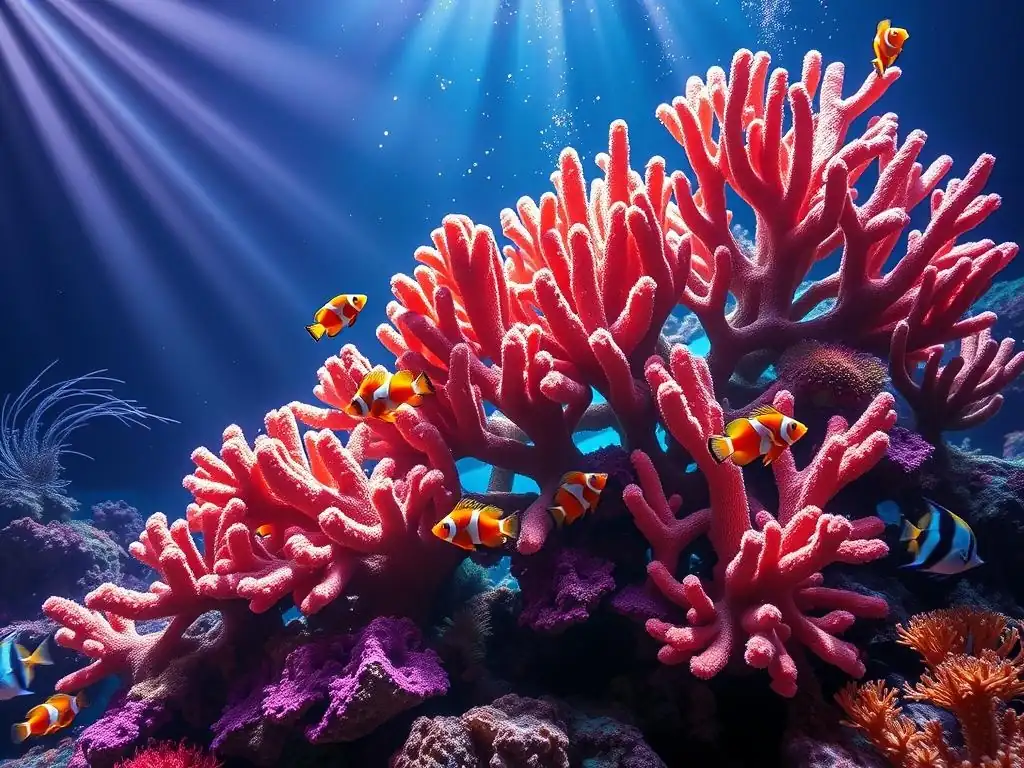
Welcome to Aquarium Mastery! Ever wondered what happens when clownfish, those iconic reef residents, ditch their anemone homes for something a little…different? Dive into our latest article and uncover the fascinating world of clownfish coral surrogate hosts. Learn why these finicky fish sometimes choose corals over anemones, and discover practical tips to ensure their happiness and health in your saltwater aquarium. Get ready to unlock the secrets to a thriving reef ecosystem!
- Understanding Clownfish and Anemone Symbiosis
- Clownfish Coral Surrogate Host Behavior: An Overview
- Reasons Behind Clownfish Choosing Coral Hosts
- Potential Problems with Clownfish Coral Hosting
- What to Do If Your Clownfish Chooses a Coral as a Host
- Preventing Clownfish from Choosing Corals as Surrogate Hosts
- Conclusion: Balancing Clownfish Needs and Coral Health
-
Frequently Asked Questions
- Why are clownfish supposed to live in anemones?
- What does it mean when a clownfish chooses a coral as a host instead of an anemone?
- Is it harmful for clownfish to host in coral?
- What should I do if my clownfish is hosting in coral?
- Are some corals more likely to be chosen as surrogate hosts than others?
- Final Reflection: Embracing Adaptability in a Changing World
- Dive Deeper: Claim Your Reef's Future!
Understanding Clownfish and Anemone Symbiosis
The Natural Partnership: Clownfish and Their Anemone Hosts
Clownfish, belonging to the Amphiprioninae subfamily, are renowned for their unique mutualistic symbiosis with sea anemones in the wild. This partnership is one of the most iconic relationships in the marine world, where both organisms benefit from the association. Clownfish gain protection from predators, a secure home, and access to food scraps, while the host anemone benefits from cleaning, aeration, and defense against certain predators like butterflyfish that might otherwise consume its tentacles.
In their natural habitats, clownfish typically associate with specific species of host anemones, such as the Bubble Tip Anemone ( Entacmaea quadricolor), Sebae Anemone ( Heteractis crispa), Magnificent Anemone ( Heteractis magnifica), and Ritteri Anemone ( Heteractis magnens). The clownfish possesses a unique mucus coating that prevents it from being stung by the anemone's nematocysts, allowing it to safely reside within the stinging tentacles. This specialized adaptation is crucial for their survival in the wild.
How Anemones Protect Clownfish (and Vice Versa)
The primary benefit for clownfish in this symbiosis is protection from predators. The anemone's stinging tentacles, which are lethal to most other fish, serve as an impenetrable fortress for the clownfish. When threatened by larger predators like lionfish, moray eels, or even other aggressive tank mates in an aquarium setting, the clownfish can swiftly retreat deep into the anemone's stinging embrace, where it is safe from harm. This constant refuge significantly reduces stress and increases the clownfish's lifespan.
Conversely, clownfish also offer benefits to their host anemones. They actively defend the anemone from certain predators, such as butterflyfish that are known to nip at anemone tentacles. Furthermore, clownfish help keep the anemone clean by removing debris, parasites, and uneaten food particles. Some studies suggest that clownfish waste may even provide essential nutrients to the anemone, although this contribution is generally considered minor compared to the defensive benefits.
Why Anemones are Essential for Clownfish Health and Well-being
For clownfish, a host anemone is more than just a shelter; it is fundamental to their psychological and physical well-being. The presence of a host provides a profound sense of security, significantly reducing stress levels in the fish. Clownfish without a host in an aquarium often exhibit nervous behaviors, such as darting frantically, hiding in rockwork, or becoming more susceptible to stress-related diseases like Ich or bacterial infections, as their immune systems are compromised.
Beyond security, the host anemone is often crucial for successful breeding in many clownfish species. Clownfish typically lay their eggs at the base of the anemone, using its tentacles to protect the delicate clutch from potential egg predators. The anemone creates a protected nursery environment, ensuring a higher survival rate for the eggs and fry. Without this natural breeding ground, successful propagation in captivity becomes significantly more challenging, if not impossible, for many pairs.
Clownfish Coral Surrogate Host Behavior: An Overview
Defining Clownfish Surrogate Hosting: Choosing Coral Over Anemones
Clownfish surrogate hosting refers to the behavior where a clownfish, in the absence of a suitable host anemone, adopts another invertebrate, most commonly a coral, as its primary "home" or refuge. This is a deviation from their natural symbiotic relationship and is almost exclusively observed in captive aquarium environments. The clownfish will treat the coral much like it would an anemone, rubbing against its polyps, settling within its structure, and defending it as its territory.
This behavior is driven by the clownfish's innate instinct to find a protective host. When an appropriate host anemone is unavailable due to tank limitations, specific species requirements, or unsuitable water conditions, the clownfish will seek out the next best alternative. Large polyp stony (LPS) corals, with their fleshy polyps and intricate structures, often become the preferred Clownfish coral surrogate host in such scenarios, offering a perceived sense of security.
Is Coral Hosting a Normal Behavior for Clownfish?
It is crucial to understand that clownfish coral surrogate host behavior is not a normal occurrence in the wild. Clownfish have evolved over millions of years to specifically associate with sea anemones, developing a unique mucus layer that provides immunity to their potent stings. There are virtually no documented cases of clownfish naturally hosting corals in their native marine environments. Their intricate relationship is exclusively with anemones.
This behavior is an adaptation to the confines and limitations of an aquarium. In a captive setting, if a clownfish is introduced to a tank without a suitable anemone, its natural instinct to find a host will lead it to explore other options. Corals, especially those with large, flowing polyps, can provide a superficial resemblance to an anemone's tentacles, prompting the clownfish to adopt them as a Clownfish coral surrogate host out of necessity rather than natural preference.
Identifying Clownfish Using Corals as Surrogate Hosts: Key Signs
Identifying Clownfish coral surrogate host behavior is relatively straightforward through observation. The most obvious sign is the clownfish repeatedly rubbing its body against the coral's polyps or settling deep within its structure. This behavior mimics how they interact with an anemone, often appearing to "nest" within the coral. For example, an Ocellaris clownfish might be seen spending hours nestled within the tentacles of a large Frogspawn coral.
Other indicators include the clownfish's territorial defense of the chosen coral. It will often chase away other tank inhabitants that swim too close to "its" coral, showing aggression uncharacteristic of its normal behavior if it had a proper host. Furthermore, the clownfish may retreat into the coral when startled or during the night, treating it as its primary refuge. Conversely, the coral itself might show signs of irritation, such as retracted polyps or reduced extension, due to the constant physical contact.
Reasons Behind Clownfish Choosing Coral Hosts
Lack of Suitable Anemones in the Aquarium Environment
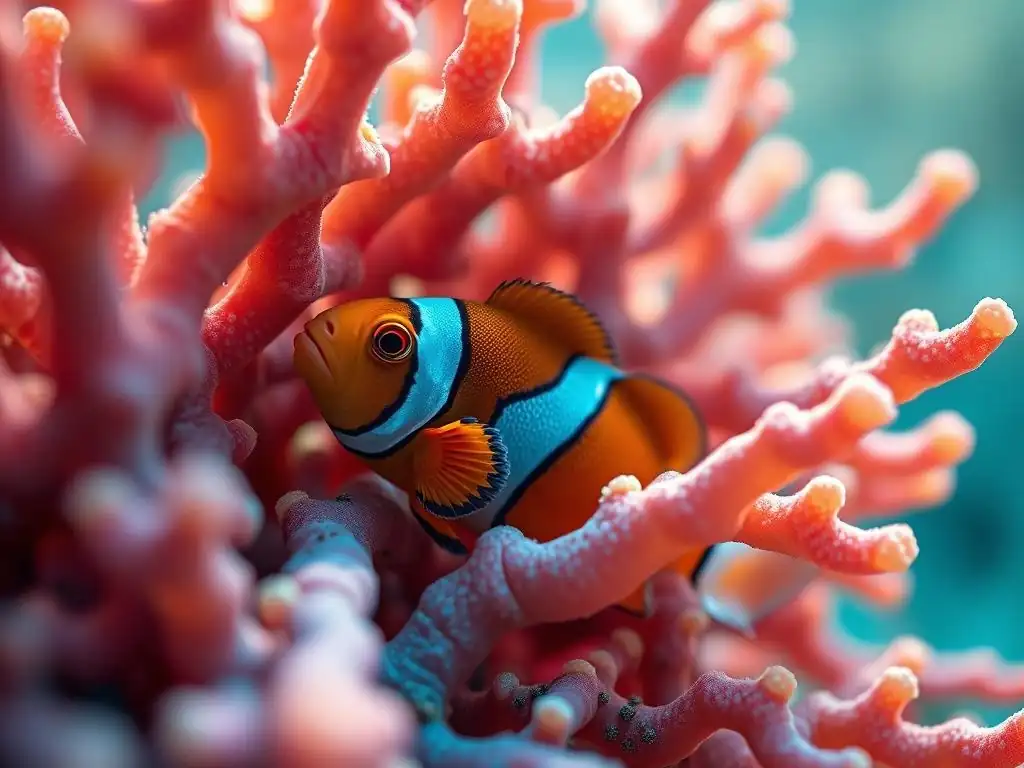
The most prevalent reason for Clownfish coral surrogate host behavior is the absence of an appropriate host anemone in the aquarium. Many aquarists, especially those new to reef keeping, may choose not to keep an anemone due to their specific and often demanding care requirements, such as intense lighting, stable water parameters, and adequate space. A tank might also be too small for a healthy anemone, or the aquarist might be concerned about the anemone moving and stinging other corals.
Even if an anemone is present, it might not be a suitable species for the specific clownfish. For example, a Maroon Clownfish, which typically prefers larger and more aggressive host anemones like the Bubble Tip Anemone ( Entacmaea quadricolor), may ignore a smaller, less robust species. If the anemone is too small for the clownfish's size, or if it is not thriving due to suboptimal conditions, the clownfish will likely seek an alternative, leading to Clownfish coral surrogate host behavior.
Anemone Availability and Competition Among Clownfish
In aquariums housing multiple clownfish, particularly larger groups or breeding pairs, competition for a host anemone can be a significant factor. If there is only one anemone and it is not large enough to accommodate all the clownfish comfortably, subordinate or newly introduced individuals may be excluded from hosting. This forces them to seek alternative refuge, often leading to them adopting a coral.
For instance, in a 75-gallon tank with an established pair of Ocellaris clownfish already hosting a mature Bubble Tip Anemone, a newly introduced juvenile clownfish might find itself without a home. Faced with the established pair's territoriality, the juvenile may then gravitate towards a nearby, large LPS coral, such as a Torch or Hammer coral, as its Clownfish coral surrogate host, seeking the perceived protection it offers.
Water Quality and Anemone Health: Impact on Clownfish Host Selection
The health and vitality of an anemone are paramount to its appeal as a host. Poor water quality, characterized by high nitrates, fluctuating salinity, unstable temperature, or insufficient trace elements, can severely stress an anemone. A stressed anemone will often retract its tentacles, appear shrunken, lose coloration, or even begin to "melt" or bleach. Such an anemone is not only unattractive but potentially dangerous for a clownfish.
Clownfish are perceptive and will instinctively avoid an unhealthy or dying host. If an anemone is not thriving, its tentacles may not be fully extended or robust enough to provide the necessary protection or tactile sensation that a clownfish seeks. In such cases, even if an anemone is present, the clownfish may opt for a more stable and seemingly safer coral as a Clownfish coral surrogate host, prioritizing its own perceived safety over natural instincts.
Coral's Appeal: Light, Flow, and Perceived Safety
Certain corals possess characteristics that make them appealing as Clownfish coral surrogate host candidates. Large Polyp Stony (LPS) corals, such as Euphyllia species (Hammer, Torch, Frogspawn corals), have large, fleshy polyps that can offer a similar "tentacle" feel to a clownfish. The gentle swaying motion of these polyps in the water current can mimic the natural movement of an anemone.
The overall environment around a coral, including specific light intensity and water flow, might also inadvertently align with what a clownfish perceives as a safe and comfortable zone. The intricate structures of some corals provide crevices and hiding spots, offering a sense of security that is critical for a clownfish. This perceived safety, combined with the tactile sensation of the polyps, makes these corals a viable, albeit unnatural, alternative host.
Specific Coral Species Favored as Clownfish Surrogate Hosts
While clownfish can attempt to host various corals, certain species are more commonly adopted as a Clownfish coral surrogate host due to their morphology. LPS corals are overwhelmingly the most popular choices. Euphyllia species, including Torch corals ( Euphyllia glabrescens), Hammer corals ( Euphyllia ancora), and Frogspawn corals ( Euphyllia divisa), are frequently chosen because of their large, flowing, and relatively soft polyps that can envelop the clownfish.
Soft corals are also sometimes adopted, particularly large Leather Corals ( Sarcophyton species) or even pulsing Xenia species. While less common, some large polyp Goniopora (Flowerpot corals) or Alveopora have also been observed. The common denominator among these favored corals is their ability to provide a significant physical presence and a sense of enclosure, offering a similar tactile experience and perceived protection to a natural anemone host.
Potential Problems with Clownfish Coral Hosting
Coral Health Concerns: Clownfish Irritation and Damage
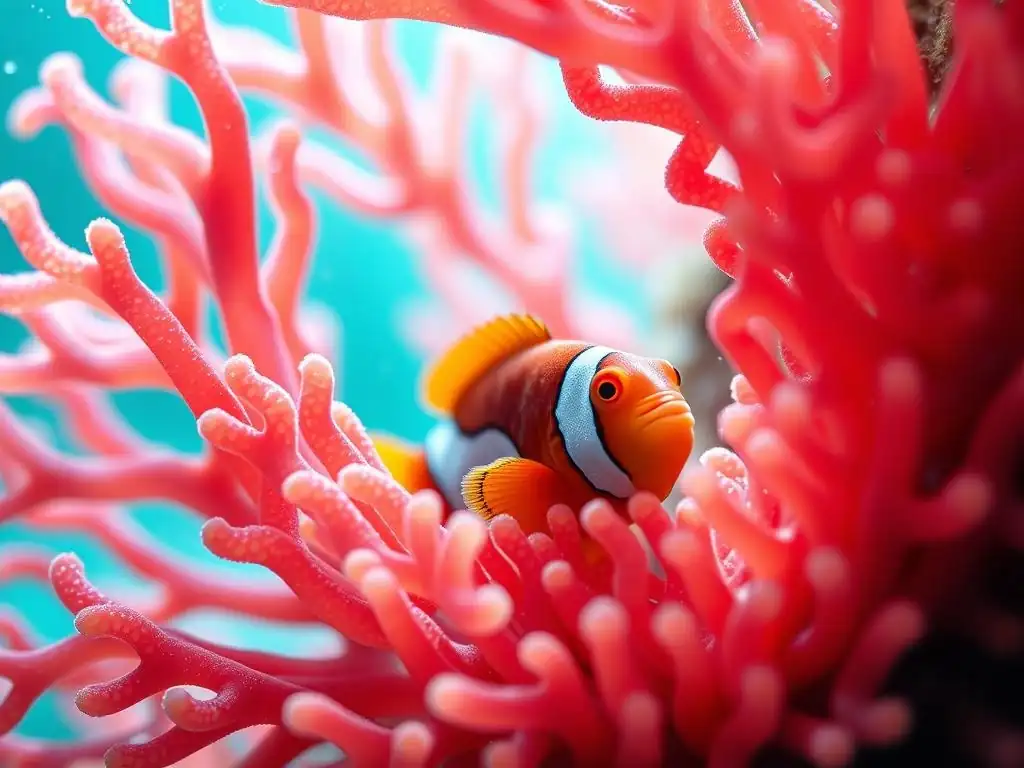
One of the most significant issues with Clownfish coral surrogate host behavior is the detrimental impact on the coral itself. Clownfish constantly rub against, nest within, and sometimes even bite the coral's polyps. This persistent physical irritation can lead to severe stress for the coral, causing its polyps to retract, tissue to recede from its skeleton, and overall growth to stunt. For example, a healthy Torch coral can show significant tissue recession within weeks of being hosted by a clownfish.
Prolonged stress from hosting can also make the coral more susceptible to diseases, infections, and bleaching events, even in otherwise stable tank conditions. The clownfish's mucus and waste products can further contribute to a localized decline in water quality around the coral, potentially inhibiting its ability to photosynthesize and thrive. In many cases, especially with delicate LPS corals, consistent hosting can lead to the coral's slow decline and eventual death within several months.
Clownfish Health Risks: Inadequate Protection and Stress
While a coral may offer a clownfish a perceived sense of security, it cannot replicate the true protective capabilities of a host anemone. Corals lack the potent stinging cells (nematocysts) of anemones that deter large predators, leaving the clownfish more vulnerable to aggression from larger or more predatory tank mates. This inadequate protection can lead to chronic stress for the clownfish, as it constantly remains on edge, even when "hosted."
Chronic stress, in turn, can severely compromise the clownfish's immune system, making it highly susceptible to common aquarium diseases. Instances of clownfish developing Ich ( Cryptocaryon irritans) or Brooklynella ( Brooklynella hostilis) are more frequent in individuals experiencing long-term stress from a lack of a proper host or inadequate surrogate. This constant low-level stress can lead to a reduced lifespan and overall poor health for the clownfish.
Increased Aggression Towards Tank Mates Near the Coral Host
Clownfish are naturally territorial, and when they adopt a Clownfish coral surrogate host, they will extend this territoriality to the coral itself. They will vigorously defend "their" coral from any other tank inhabitants that approach too closely, regardless of the other fish's size or temperament. This can lead to increased aggression within the aquarium, disrupting the harmony of a community tank.
For example, a small Ocellaris clownfish hosting a Hammer coral might relentlessly chase away larger, peaceful fish like tangs or even small gobies that swim within a few inches of its chosen coral. This constant harassment can stress other fish, lead to fin nipping, or even cause injuries. In smaller tanks, this heightened aggression can make it challenging to maintain a diverse and peaceful fish population.
Water Quality Issues Arising from Coral and Clownfish Interaction
The continuous presence of a clownfish within a coral can also contribute to localized water quality issues. The clownfish's waste products (ammonia, nitrates, phosphates) can accumulate directly on the coral's surface or within its intricate structure. This localized increase in nutrients can be detrimental to the coral, promoting the growth of nuisance algae directly on its polyps or skeleton, further stressing the coral.
Furthermore, if the coral begins to decline due to the clownfish's constant irritation, it can release toxins or waste products into the water column as its tissues recede. While typically not enough to crash an entire system, these substances can negatively impact other sensitive corals or invertebrates in the immediate vicinity, creating a cascade of stress. Regular monitoring of water parameters becomes even more critical when Clownfish coral surrogate host behavior is observed.
What to Do If Your Clownfish Chooses a Coral as a Host
Assessing the Situation: Is it a Serious Problem?
The first step when observing Clownfish coral surrogate host behavior is to assess the severity of the situation. Observe both the clownfish and the coral daily. Is the coral showing immediate signs of distress, such as significant tissue recession, bleaching, prolonged polyp retraction, or unusual sliminess? Some very hardy corals might tolerate minimal interaction, but delicate LPS corals often show rapid decline.
Concurrently, evaluate the clownfish's health. Is it exhibiting signs of stress like clamped fins, rapid breathing, loss of appetite, or increased aggression towards other tank mates? If either the coral is rapidly deteriorating or the clownfish appears overtly stressed, intervention becomes more urgent. A brief exploration of a coral is different from persistent, damaging hosting behavior.
Improving Anemone Availability and Suitability
The most effective long-term solution for Clownfish coral surrogate host behavior is to provide a suitable and thriving host anemone. Research the natural host preferences for your specific clownfish species. For example, Ocellaris and Percula clownfish have a strong affinity for Bubble Tip Anemones ( Entacmaea quadricolor), while Maroon clownfish also favor them but can be more particular about size.
Once you've identified a suitable species, ensure your aquarium can meet its specific care requirements, including sufficient lighting, stable water parameters, and adequate space for it to settle and thrive. A healthy, robust anemone is far more attractive and beneficial to a clownfish than any coral surrogate. Patience is key, as it can take time for an anemone to settle and for the clownfish to accept it.
Introducing a New Anemone to the Aquarium
When introducing a new anemone, proper acclimation is crucial. Float the bag for temperature equalization, then slowly drip acclimate the anemone to your tank's salinity and pH over an hour or more. Place the anemone in an area with appropriate lighting and water flow for its species, ensuring it has space to attach its foot to live rock. Avoid placing it too close to existing corals initially, as anemones can move and sting other inhabitants.
Monitor the new anemone closely for the first few days to ensure it settles and expands properly. Some aquarists report success by initially placing the new anemone near the clownfish's current Clownfish coral surrogate host, but ensure sufficient distance to prevent direct stinging of the coral. The goal is to provide a compelling, healthier alternative host within the clownfish's perceived territory.
Ensuring Optimal Water Parameters for Anemone Health
Anemones are highly sensitive to water quality and stability. To ensure your anemone thrives and becomes an appealing host, maintain stable salinity (around 1.025 specific gravity), temperature (typically 75-78°F), and alkalinity (8-12 dKH), calcium (400-450 ppm), and magnesium (1200-1350 ppm) levels. Fluctuations in these parameters can severely stress an anemone, making it less likely to be chosen by a clownfish.
Furthermore, keep nitrates and phosphates as low as possible, ideally below 10 ppm and 0.03 ppm respectively, as high nutrient levels are detrimental to anemone health. Regular water changes (e.g., 10-20% bi-weekly) and robust filtration, including protein skimming, are essential for maintaining the pristine water quality that anemones require to remain healthy and attractive as a clownfish host.
Selecting the Right Anemone Species for Your Clownfish
Choosing the correct anemone species is paramount to successfully redirecting Clownfish coral surrogate host behavior. Not all anemones host all clownfish species naturally. For instance, Ocellaris and Percula clownfish ( Amphiprion ocellaris and Amphiprion percula) are most commonly found with Bubble Tip Anemones ( Entacmaea quadricolor), Sebae Anemones ( Heteractis crispa), and Magnificent Anemones ( Heteractis magnifica).
Research your specific clownfish species' natural host preferences before purchasing an anemone. Introducing an anemone that is naturally compatible significantly increases the chances of the clownfish accepting it as a host and abandoning its coral surrogate. Matching the host to the clownfish species is a critical step in providing a long-term, healthy solution.
Redirecting Clownfish to an Anemone
Once a healthy, suitable anemone has been introduced and established in the aquarium, the clownfish may naturally migrate to it. This process requires patience; it can take anywhere from a few days to several weeks or even months for a clownfish to recognize and accept a new host. Avoid any forceful methods, such as netting or chasing the clownfish, as this will only cause undue stress to both the fish and the anemone.
Sometimes, simply providing the healthy alternative is enough. The clownfish's innate drive to host will eventually lead it to the more appropriate anemone. Some aquarists have had anecdotal success by placing a small, clean piece of PVC pipe or a similar object near the coral, allowing the clownfish to host it, and then gradually moving the object closer to the anemone. The clownfish might follow the object, associating it with its "home," and eventually transfer to the anemone.
Gently Encouraging Clownfish Movement
Instead of direct intervention, focus on making the anemone as appealing as possible. Ensure the anemone is thriving, with fully extended, robust tentacles. A well-fed anemone will appear more inviting. You might also try subtly dimming the lights in the area around the anemone for short periods, as clownfish can sometimes be more exploratory in slightly lower light conditions. However, ensure this does not negatively impact other light-dependent inhabitants.
Another gentle encouragement technique involves placing a small, familiar object that the clownfish has previously hosted (if any) or a piece of decor it frequently visits, near the anemone. The clownfish might associate familiarity with the object and gradually explore the surrounding area, eventually discovering the anemone. The key is to create an irresistible pull towards the anemone rather than a push away from the coral.
Using Anemone Placement to Attract Clownfish
Strategic placement of the anemone can greatly influence whether a clownfish abandons its Clownfish coral surrogate host. Position the anemone in a location that receives optimal light and flow for its health, but also consider its proximity to the clownfish's current coral host. Ideally, the anemone should be placed within the clownfish's general swimming area or near its preferred coral, but far enough away that the anemone cannot sting the coral.
Observe the clownfish's regular swimming patterns and its established "territory" around the coral. Placing the anemone within or adjacent to this zone can encourage the clownfish to investigate it during its routine movements. For instance, if the clownfish is hosting a large Euphyllia coral in the middle of the tank, place the new anemone a few inches away, slightly downstream, making it easily discoverable.
Providing a Safe and Appealing Environment Around the Anemone
To successfully redirect a clownfish, the environment around the new anemone must feel safe and inviting. Ensure that no aggressive tank mates are harassing the clownfish or the anemone in that specific area. A sense of security is paramount for a clownfish to feel comfortable enough to host. If other fish are constantly nipping at the clownfish or the anemone, it will be less likely to settle.
Maintain pristine water quality specifically around the anemone. A thriving, healthy anemone with fully extended, robust tentacles will be far more inviting than one that is stressed, partially retracted, or showing signs of decline. Regularly check parameters in that specific zone if possible, and ensure consistent water flow delivers nutrients to the anemone while removing waste.
Monitoring Coral Health and Clownfish Behavior
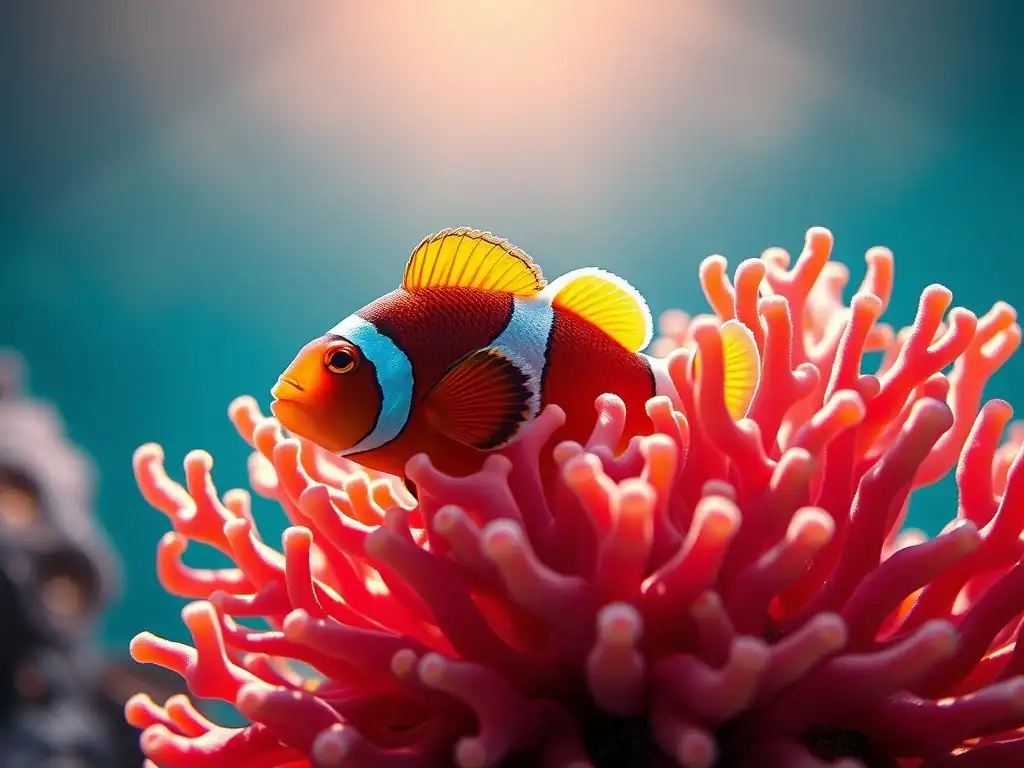
Even after introducing an anemone, continuous monitoring of both the coral and the clownfish is essential. Regularly inspect the coral for any lingering signs of stress or damage: tissue recession, bleaching, reduced polyp extension, or unusual sliminess. Note if the clownfish still spends significant time in the coral, even after the anemone has been introduced, as some clownfish may "split" their time between the two or return to the coral if the anemone is not fully accepted.
Observe the clownfish for any signs of continued stress (e.g., rapid breathing, clamped fins, hiding excessively, loss of appetite) or persistent territorial aggression towards the coral or other tank mates. If either the coral shows persistent decline or the clownfish remains stressed, further adjustments or more direct intervention may be necessary to resolve the Clownfish coral surrogate host issue.
Regular Observation for Signs of Stress or Damage
Implement a daily visual check of both the coral and the clownfish. For the coral, look for any areas where the tissue appears deflated, discolored, or receding from the skeleton, especially at the points of contact with the clownfish. Pay close attention to polyp extension; healthy polyps should be fully extended during the day, while retracted polyps indicate stress.
For the clownfish, note its coloration and activity levels. A healthy clownfish should have vibrant colors and be active, especially around its host. If it appears pale, lethargic, develops white spots (Ich), or exhibits rapid gill movement, it might be stressed or diseased. These signs indicate that the current situation, even with an anemone present, might still be suboptimal for its well-being.
Adjusting Tank Conditions as Needed
If either the coral or the clownfish shows persistent signs of stress or damage, a re-evaluation of tank conditions is necessary. This might involve increasing the frequency or volume of water changes to improve overall water quality, adjusting lighting intensity or duration to better suit the coral's needs, or modifying water flow patterns to reduce direct impingement on the coral.
Consider reviewing your feeding regimen for both the clownfish and the anemone. Ensure the clownfish is receiving a varied diet of high-quality marine foods. For the anemone, ensure it is receiving appropriate supplemental feeding (e.g., small pieces of marine-grade fish or shrimp, specialized anemone food) to maintain its vitality and appeal as a host. A well-fed, healthy anemone is more likely to be accepted.
When Intervention is Necessary: Separating Clownfish and Coral
If, despite all efforts to provide a suitable anemone and redirect the clownfish, the coral continues to decline or the clownfish remains severely stressed, physical intervention may be the only option. This could involve carefully moving the affected coral to a separate frag tank or another established aquarium where it can recover without the clownfish's constant irritation.
As a last resort, if the clownfish absolutely refuses to host an anemone and is causing irreparable damage to valuable corals, consider rehoming the clownfish. This might involve moving it to a tank specifically designed for clownfish without corals, or to a larger system where a natural host anemone can thrive and be more readily accepted. This decision should only be made after all other avenues have been exhausted to resolve the Clownfish coral surrogate host issue.
Preventing Clownfish from Choosing Corals as Surrogate Hosts
Proper Aquarium Setup and Planning
Preventing Clownfish coral surrogate host behavior begins long before the clownfish enters the aquarium. Thoroughly plan your aquarium setup from the outset. Decide whether your tank will be a "fish-only with live rock" (FOWLR), a mixed reef, or a dedicated anemone/clownfish system. This decision will dictate your equipment choices, lighting requirements, and the types of inhabitants you can successfully keep.
If you intend to keep both clownfish and corals, prioritize the health and establishment of an appropriate host anemone before introducing the clownfish. This proactive approach significantly reduces the likelihood of the clownfish seeking alternative hosts. A well-planned tank ensures that the primary needs of all inhabitants are met, fostering a harmonious environment.
Ensuring Adequate Anemone Options Before Introducing Clownfish
To effectively prevent Clownfish coral surrogate host behavior, it is highly recommended to introduce and fully establish a suitable host anemone in your aquarium before adding the clownfish. Allow the anemone to acclimate, settle, and demonstrate robust health for several weeks or even months. This ensures the anemone is stable and ready to be hosted, providing an immediate and appealing option for the clownfish.
For a pair of clownfish, consider introducing a larger anemone or, if tank size allows, two smaller, compatible ones. This can help minimize competition between the clownfish and ensure both individuals have a place to host comfortably. Providing a pre-existing, healthy host significantly increases the chances of successful hosting and deters the clownfish from seeking out corals.
Maintaining Optimal Water Quality for Both Clownfish and Anemones
Consistent, high-quality water parameters are fundamental for the health of both clownfish and anemones, and thus crucial for preventing Clownfish coral surrogate host behavior. Regularly test salinity, temperature, pH, alkalinity, calcium, magnesium, nitrates, and phosphates, ensuring they remain within the recommended ranges for a reef aquarium (e.g., salinity 1.025 SG, temperature 75-78°F, alkalinity 8-12 dKH, nitrates <10 ppm).
Implement a robust filtration system, including efficient protein skimming, sufficient live rock for biological filtration, and potentially a refugium. Perform routine water changes (e.g., 10% weekly or 20% bi-weekly) to replenish essential trace elements and export accumulated nutrients. Pristine and stable water conditions are vital for maintaining the vitality of an anemone, making it an attractive and reliable host for your clownfish.
Understanding Clownfish Behavior and Needs
A key aspect of prevention is understanding the specific behavior and needs of the clownfish species you intend to keep. Different species vary in size, temperament, and host preferences. For example, a Tomato Clownfish ( Amphiprion frenatus) is generally more aggressive and requires a larger, more robust host than a common Ocellaris clownfish. Researching these specifics helps you provide the most appropriate environment.
Be aware of their innate instinct to host. If you choose not to keep an anemone, understand that your clownfish may still attempt to host other invertebrates, such as corals, or even aquarium equipment like powerheads or heaters. Being prepared for this potential Clownfish coral surrogate host behavior allows you to take proactive steps or accept the consequences on those items.
Providing a Stress-Free Environment
A calm and stable environment in the aquarium reduces the clownfish's inherent drive to seek immediate refuge in an unsuitable host. Ensure your tank is of adequate size for your chosen clownfish species and any other inhabitants, avoiding overcrowding, which can lead to stress and aggression. A general guideline is at least 20 gallons for a single Ocellaris clownfish, with more space needed for larger species or pairs.
Minimize sudden changes in lighting, water parameters, or tank inhabitants. Provide plenty of appropriate live rockwork and hiding spots, even if an anemone is present. These alternative refuges can give the clownfish a general sense of security and offer temporary shelter if it feels threatened, potentially reducing the urgency to adopt a coral as a Clownfish coral surrogate host.
Monitoring for Early Signs of Host-Seeking Behavior
When new clownfish are introduced to an aquarium, observe them closely for the first few days or weeks. Look for any signs of host-seeking behavior, such as repeatedly rubbing against powerheads, heaters, or specific areas of the rockwork. These actions can be early indicators that the clownfish is searching for a host and has not yet found a suitable one.
If you notice a clownfish frequently interacting with a specific coral in an unusual manner, it's an early warning sign of potential Clownfish coral surrogate host behavior. This is the ideal time to re-evaluate your host anemone options, ensure its health, or consider introducing one. Addressing the issue early can prevent significant damage to your corals and reduce stress for your clownfish.
Conclusion: Balancing Clownfish Needs and Coral Health
The Importance of Responsible Aquarium Keeping
Responsible aquarium keeping fundamentally involves understanding and respecting the natural behaviors and biological needs of the species we choose to house. For clownfish, this undeniably includes their deeply ingrained symbiotic relationship with anemones. Providing a suitable, healthy host anemone is not merely an aesthetic choice but a crucial aspect of ensuring their welfare and allowing them to exhibit natural behaviors.
Attempting to force clownfish into unnatural adaptations, such as Clownfish coral surrogate host behavior, can lead to significant stress for the fish and often detrimental consequences for the corals involved. A truly responsible aquarist strives to replicate the natural habitat as closely as possible, prioritizing the long-term health and well-being of all tank inhabitants over convenience or specific aesthetic desires.
Creating a Thriving Ecosystem for Clownfish and Corals
Successfully maintaining a reef aquarium that houses both clownfish and thriving corals is a rewarding but delicate balance. It requires diligent care, a commitment to stable water parameters, and a profound understanding of the specific needs of each organism. Prioritizing the health and suitability of a host anemone for your clownfish is paramount to achieving this balance.
Ultimately, the goal is to create a vibrant, healthy, and harmonious ecosystem where all inhabitants can flourish. By proactively addressing the clownfish's innate need for a host and understanding the potential pitfalls of Clownfish coral surrogate host behavior, aquarists can ensure the long-term well-being of their entire marine display, providing a captivating and sustainable slice of the ocean in their homes.
Frequently Asked Questions
Why are clownfish supposed to live in anemones?
Clownfish have a symbiotic relationship with anemones. The anemone provides the clownfish with protection from predators, and the clownfish helps keep the anemone clean and may provide it with nutrients.
What does it mean when a clownfish chooses a coral as a host instead of an anemone?
It means the clownfish has chosen a coral as a surrogate host. This usually happens when a suitable anemone isn't available or the coral offers a more appealing environment.
Is it harmful for clownfish to host in coral?
It can be harmful. Some corals are sensitive to the clownfish's nipping and rubbing, which can cause stress or even tissue damage to the coral.
What should I do if my clownfish is hosting in coral?
Monitor the coral closely for signs of stress or damage. You could introduce a suitable anemone to the tank, hoping the clownfish will switch.
Are some corals more likely to be chosen as surrogate hosts than others?
Yes, certain corals with branching structures and ample mucus are more attractive to clownfish. Examples include Euphyllia species (torch, hammer, frogspawn corals).
Final Reflection: Embracing Adaptability in a Changing World
The exploration of clownfish coral surrogate hosts reveals a fascinating intersection of adaptation and survival in a rapidly changing marine environment. What was once considered an anomaly – clownfish choosing corals over their traditional anemone homes – is now a stark reminder of the pressures facing these delicate ecosystems and the remarkable resilience of life in the face of adversity. This shift underscores the urgency of understanding and mitigating the threats that force such adaptations.
This phenomenon profoundly impacts our understanding of symbiotic relationships and the delicate balance of coral reef ecosystems. Witnessing clownfish adapt in this way highlights the interconnectedness of all life and the importance of preserving biodiversity. The measure of intelligence is the ability to change.
- Albert Einstein. This quote resonates deeply as we observe clownfish navigating a world where their traditional homes are increasingly scarce, demonstrating an inherent drive to survive and thrive, even in unfamiliar circumstances.
Let us not view this as merely a scientific curiosity, but as a call to action. Consider the implications of these changes and how our actions, both big and small, contribute to the health of our oceans. Reflect on how you can support sustainable practices, reduce your carbon footprint, and advocate for the protection of coral reefs. The future of these vibrant ecosystems, and the clownfish that call them home, depends on our collective commitment to change.
Dive Deeper: Claim Your Reef's Future!
Thank you for exploring the fascinating world of clownfish behavior with us! We hope you found valuable insights into their unique relationship with host anemones and corals. Now, let's turn that knowledge into action!
Here's how you can further enrich your understanding and contribute to the health of your reef aquarium:
- Prioritize Anemone Health: Ensure your anemones are thriving! Healthy anemones are less likely to be rejected by clownfish. Research their specific needs and provide optimal conditions (lighting, water flow, and feeding).
- Explore the Mystery: Delve into the less common host corals clownfish have been known to adapt to in the wild, and share your insights with fellow reef enthusiasts.
- Document and Share: If you observe this behavior in your aquarium, carefully document it and share your findings on the Aquarium Mastery forums or social media. Your observations could provide valuable data!
What surprising adaptation have you witnessed in your reef aquarium, and how did you respond?