
Blenny Tank Mates: Ensuring Peaceful Coexistence in a Nano Environment

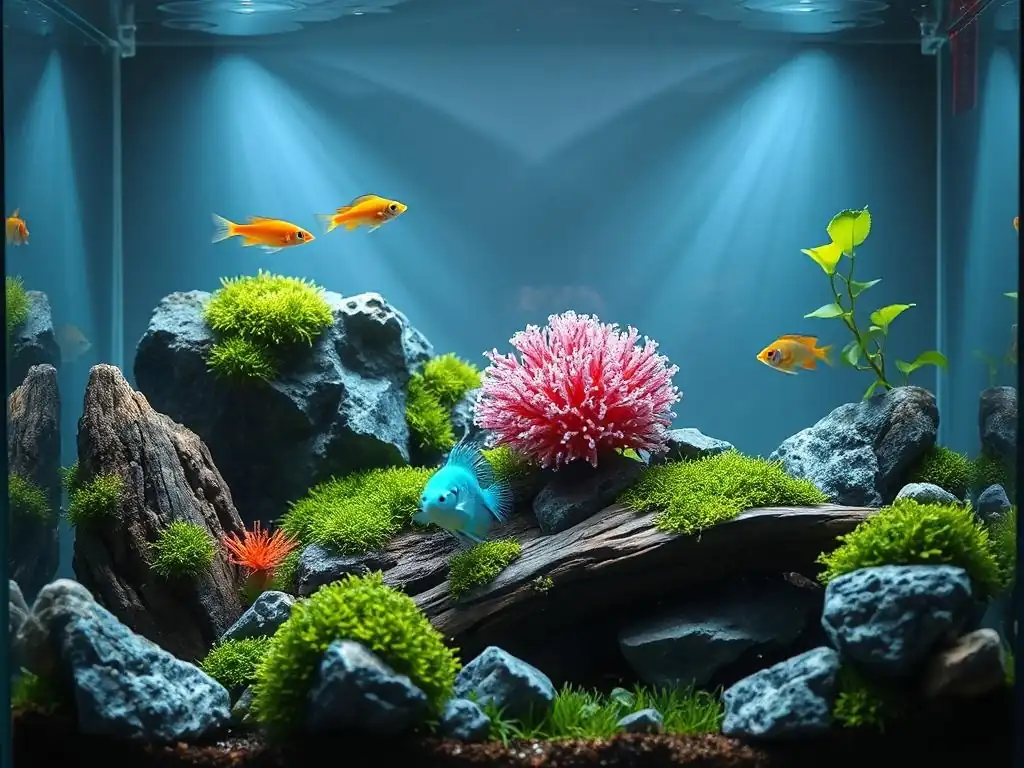
Welcome to Aquarium Mastery!
Ever wondered if your nano aquarium could house more than just a charming blenny? Discover the secrets to peaceful coexistence in your miniature marine world. This guide dives deep into nano blenny compatible tank mates, revealing the perfect companions for a thriving and harmonious ecosystem. Intrigued? Let's explore the possibilities together!
- Understanding Blennies and Their Temperament in Nano Reef Aquariums
- Selecting Nano Blenny Compatible Tank Mates: Key Considerations
- Top Nano Blenny Compatible Tank Mates: Species Profiles
- Introducing New Tank Mates to Your Blenny's Nano Reef: A Step-by-Step Guide
- Maintaining a Peaceful Nano Reef: Tips for Long-Term Success
- Troubleshooting Common Problems: Blenny and Tank Mate Conflicts
- Conclusion: Creating a Harmonious Nano Reef with Blennies and Compatible Tank Mates
-
Frequently Asked Questions
- What exactly are nano blennies, and why is compatibility important?
- What are some examples of good tank mates for nano blennies in a nano aquarium?
- What types of fish should definitely be avoided as tank mates for a nano blenny?
- How important is tank size when considering nano blenny tank mates?
- How can I monitor my aquarium to ensure compatibility between my nano blenny and its tank mates?
- Final Reflection: Harmony in Miniature
- Unleash the Harmony: Design Your Dream Blenny Community!
Understanding Blennies and Their Temperament in Nano Reef Aquariums
Blenny Behavior: What to Expect in a Confined Space
Blenny species are renowned for their distinctive personalities and fascinating behaviors within the aquarium environment. In a nano reef tank, typically ranging from 10 to 30 gallons, their natural territorial instincts become significantly magnified due to the limited spatial resources. Many blennies, such as the popular Tailspot Blenny ( Salarias fasciatus), are known for perching on live rock or substrate, observing their surroundings with curious eyes, and darting quickly to capture food or retreat into crevices. Their activity is often concentrated on the bottom or mid-water column, where they establish a personal zone they will readily defend.
This inherent territoriality means that even a blenny of modest size, perhaps 2 to 3 inches in length, can view a 10-gallon tank as its entire domain, leading to potential conflicts if other fish encroach upon its perceived boundaries. Their diet, which often includes algae and detritus, also influences their behavior; they will patrol their chosen areas searching for food, reinforcing their claim to the space. Owners frequently observe blennies "hopping" across the substrate or using their pectoral fins to prop themselves up, behaviors that are endearing but also signal their constant assessment of their environment and potential threats.
Identifying Aggressive Blenny Species: Which to Avoid
While many blennies are peaceful and well-suited for nano reef environments, certain species possess a more aggressive temperament that makes them unsuitable companions for a community tank, especially one with limited space. A prime example is the Fang Blenny group ( Meiacanthus spp.), such as Smith's Fang Blenny ( Meiacanthus smithi). These blennies are equipped with venomous fangs and can deliver a painful, albeit rarely dangerous, bite. Their aggressive nature is often directed at other fish, particularly those of similar shape or size, or those that compete for food.
Another species to approach with caution is the Jeweled Blenny ( Salarias fasciatus), which, while generally peaceful, can become territorial and nippy towards tank mates, especially in smaller tanks under 20 gallons. Unlike the more benign Tailspot Blenny, the Jeweled Blenny can grow larger, up to 5 inches, and its increased size combined with its strong territorial drive can lead to significant stress for other inhabitants. For a harmonious nano reef, it is crucial to research specific blenny species thoroughly and prioritize those known for their docile nature, ensuring they are truly nano blenny compatible tank mates.
Selecting Nano Blenny Compatible Tank Mates: Key Considerations
Nano Reef Compatibility: Factors Affecting Tank Mate Choices
Choosing nano blenny compatible tank mates for a small reef aquarium involves a meticulous assessment of several critical factors. The adult size of any potential inhabitant is paramount; a fish that starts small but grows rapidly to 4-5 inches will quickly outgrow a 10 or 20-gallon system, leading to overcrowding, poor water quality, and increased aggression.
Temperament is another key consideration, focusing on peaceful species that will not harass or outcompete your blenny. Dietary needs must align or be manageable without overfeeding; a blenny that primarily consumes algae may not compete with a clownfish that prefers meaty foods, reducing conflict.
Furthermore, understanding the typical swimming levels of different species is vital. Blennies often inhabit the bottom or perch on rocks, so selecting tank mates that primarily occupy the mid-to-upper water column can significantly reduce territorial disputes.
For instance, a Royal Gramma Basslet, which tends to stay in the middle of the water column and seeks out caves, is often a better choice than another bottom-dwelling goby in a 20-gallon tank. Overlooking these factors can lead to chronic stress among inhabitants, potentially reducing their lifespan from an average of 3-5 years to a mere 1-2 years due to constant environmental pressure.
Tank Size and Blenny Territory: Matching Fish to Your Aquarium's Dimensions
The physical dimensions of your nano reef aquarium play a decisive role in determining the number and type of nano blenny compatible tank mates you can safely introduce. A 10-gallon nano tank, for example, offers very limited space, making it suitable for only one blenny and perhaps a few small invertebrates. Introducing another fish, even a small one, into such a confined space often leads to direct competition for territory and resources, increasing stress levels for all inhabitants. Blennies are inherently territorial, and their "personal space" is a significant portion of a small tank.
For slightly larger nano systems, such as a 20-gallon tank, there is a bit more flexibility, but careful planning remains essential. This size might accommodate a single blenny and one or two additional small, peaceful fish that occupy different water strata.
For instance, a Tailspot Blenny (up to 3 inches) might coexist with a single Ocellaris Clownfish (up to 3.5 inches) because the blenny prefers the rockwork and bottom, while the clownfish tends to inhabit the mid-water column. However, adding a second bottom-dweller like a Watchman Goby (up to 5 inches) would likely lead to severe territorial disputes, as the combined bioload and space demands would overwhelm the system.
Water Parameters and Blenny Health: Maintaining a Stable Environment for All
Maintaining stable and pristine water parameters is fundamental for the health and longevity of blennies and their nano blenny compatible tank mates. Marine fish thrive within narrow ranges: salinity typically at 1.023-1.026 specific gravity, pH between 8.1 and 8.4, alkalinity (dKH) between 8 and 12, calcium 400-450 ppm, and magnesium 1200-1350 ppm. Fluctuations outside these ranges, even minor ones like a sudden drop in specific gravity by 0.002, can induce significant stress, weakening immune systems and making fish more susceptible to disease.
Incompatible tank mates or overstocking can rapidly destabilize these crucial parameters. More fish mean a higher bioload, leading to increased ammonia, nitrite, and nitrate levels. For example, in a 20-gallon nano tank, overstocking by just one or two small fish can cause nitrates to spike from a healthy 5-10 ppm to a dangerous 30-50 ppm within a single week, even with regular water changes. This constant burden on the filtration system and the elevated pollutant levels create a chronically stressful environment, which can manifest as aggression, faded colors, and susceptibility to common marine ailments like Ich ( Cryptocaryon irritans).
Top Nano Blenny Compatible Tank Mates: Species Profiles
Invertebrates as Blenny Companions: Snails, Shrimp, and Crabs
Invertebrates are often the safest and most beneficial choices for nano blenny compatible tank mates. They typically occupy different ecological niches than blennies, meaning they don't compete for food or territory, thereby minimizing the risk of aggression. Many invertebrates also serve as invaluable members of the clean-up crew, helping to control algae, consume detritus, and sift the sand, contributing significantly to the overall health and cleanliness of the nano reef environment.
Examples include various species of snails (e.g., Nassarius, Trochus, Turbo), which are excellent for controlling nuisance algae and consuming uneaten food, and hermit crabs (e.g., Blue-legged, Scarlet-legged), which are diligent scavengers. A small group of 2-3 Nassarius snails can efficiently clean the sand bed of a 10-gallon tank, preventing detritus buildup that can lead to elevated nitrates. These creatures add dynamic activity to the tank without posing a threat to your blenny or other fish.
Cleaner Shrimp: A Beneficial Addition to Your Nano Reef
Cleaner shrimp, such as the Skunk Cleaner Shrimp ( Lysmata amboinensis) or the Fire Shrimp ( Lysmata debelius), are highly recommended nano blenny compatible tank mates. These fascinating invertebrates are known for their symbiotic relationship with fish, actively removing parasites and dead tissue from their tank mates. This cleaning service not only benefits the health of your blenny and other fish but also provides an engaging natural behavior for observation.
Typically reaching an adult size of 2 to 3 inches, a single cleaner shrimp can thrive in a nano tank as small as 10 gallons. They are generally peaceful, hardy, and add a vibrant splash of color and activity to the aquarium. Their dietary needs are easily met with leftover fish food or targeted feeding, and they do not compete with blennies for territory, making them an ideal, low-conflict addition to a small reef system.
Hermit Crabs: Scavengers That Keep Your Tank Clean
Small hermit crabs, particularly the Blue-legged Hermit Crab ( Clibanarius tricolor) and the Scarlet-legged Hermit Crab ( Paguristes cadenati), are excellent scavengers and highly compatible with blennies in a nano reef. These industrious crustaceans tirelessly work to clean your tank by consuming detritus, uneaten food, and nuisance algae. Their constant movement across the substrate and rockwork helps to aerate the sand bed and prevent the accumulation of waste.
Hermit crabs are generally hardy and are unlikely to bother blennies, as they occupy entirely different roles in the ecosystem. It is crucial to provide an ample supply of empty shells of various sizes for them to upgrade into as they grow, typically 2-3 shells per crab. Failure to do so can sometimes lead them to attempt to evict snails from their shells. For a 10-gallon tank, 2-3 small hermit crabs are usually sufficient to maintain a clean environment without overpopulating.
Small Fish That Can Coexist with Blennies in Nano Tanks
When selecting small fish as nano blenny compatible tank mates, the primary considerations are adult size, temperament, and the preferred swimming level of the species. The goal is to choose fish that will not outgrow the limited space, are inherently peaceful, and will not directly compete with your blenny for prime rock real estate or food. Fish that primarily inhabit the mid or upper water column are generally better choices than other bottom-dwellers.
Look for species that typically remain under 3 inches in adult size and have a reputation for being non-aggressive. Overstocking, even with small fish, can quickly lead to elevated nitrates and phosphates, compromising water quality and stressing all inhabitants. A general guideline for a 20-gallon nano tank might be one blenny and one additional small, peaceful fish, along with a few invertebrates, to maintain a balanced and healthy ecosystem.
Clownfish: A Classic Nano Reef Choice (Consider Species Carefully)
Ocellaris Clownfish ( Amphiprion ocellaris) and Percula Clownfish ( Amphiprion percula) are iconic and popular choices for nano reef tanks, and they can often be nano blenny compatible tank mates when selected carefully. These clownfish species are relatively hardy, readily available, and typically inhabit the mid-to-upper water column, often associating with an anemone if one is present, or simply a patch of coral. This preference for higher swimming levels means they generally do not compete with bottom-dwelling blennies for territory.
A single Ocellaris Clownfish, which usually grows to about 3 to 3.5 inches, can be kept successfully in a 20-gallon nano tank. While generally peaceful, they can become territorial if kept in pairs in too small a tank or if the tank is overstocked. It is crucial to avoid larger or more aggressive clownfish species, such as the Maroon Clownfish ( Premnas biaculeatus), which can reach 6 inches and are known for their highly aggressive nature, making them entirely unsuitable for small community nano tanks.
Gobies: Peaceful Bottom Dwellers for Nano Aquariums
Many goby species are small and peaceful, making them potential nano blenny compatible tank mates, but careful consideration of their specific habits is essential. Since many gobies are also bottom-dwellers, direct competition for territory with a blenny can occur, particularly in very small tanks. The key is to select gobies that are either extremely tiny, have very specific habitat requirements (like perching on corals), or form symbiotic relationships that keep them focused on their own niche.
For example, while many gobies are suitable, introducing two different bottom-dwelling species into a 10-gallon tank is almost guaranteed to result in territorial disputes. However, in a 20-gallon tank with ample rockwork, a blenny might coexist with a specific type of goby if their preferred territories do not significantly overlap.
Watchman Gobies: Compatible But Monitor Territory
The Yellow Watchman Goby ( Cryptocentrus cinctus) is a well-loved goby species, often kept for its distinctive appearance and its potential to form a symbiotic relationship with a pistol shrimp. While generally peaceful, Watchman Gobies can be territorial, especially towards other bottom-dwelling fish. They spend most of their time near their burrow, which they diligently maintain, and will defend this space.
A single Yellow Watchman Goby, which can grow to 4-5 inches, is best suited for a nano tank of 20 gallons or larger, particularly if kept with a pistol shrimp. Their strong association with their burrow can minimize interactions with a perching blenny that prefers to rest on rockwork rather than burrow in the sand. However, close observation is necessary to ensure their territories do not clash, especially during feeding times.
Clown Gobies: Small and Relatively Peaceful
Clown Gobies ( Gobiodon spp.), such as the Green Clown Goby ( Gobiodon atrangulatus), are among the smallest and most peaceful goby species available, making them excellent nano blenny compatible tank mates. These tiny fish typically grow to less than 2 inches and are known for perching directly on corals, which is their preferred habitat. Their small size and unique perching behavior mean they rarely interact with blennies, as they occupy entirely different niches within the aquarium.
A single Green Clown Goby can comfortably inhabit a nano tank as small as 10 gallons. They are not territorial in the traditional sense and their presence adds a splash of vibrant color without increasing the bioload significantly or causing competition for space or food with your blenny. Their peaceful nature and distinct habitat preference make them one of the safest choices for a harmonious nano reef.
Cardinalfish: Adding Color and Movement to Your Nano Tank
Cardinalfish species like the Pajama Cardinalfish ( Sphaeramia nematoptera) or the Banggai Cardinalfish ( Pterapogon kauderni) are excellent choices for adding color and graceful movement to a nano reef, and they are generally nano blenny compatible tank mates. These fish are known for their peaceful demeanor, relatively slow swimming, and preference for the mid-water column, which keeps them out of the blenny's primary territorial zone.
A single Pajama Cardinalfish, typically growing to about 3 inches, is well-suited for a 20-gallon nano tank. They are non-aggressive, do not compete for food with blennies (as they are primarily carnivorous, feeding on meaty foods), and add a striking visual element with their unique patterns. Banggai Cardinalfish are also suitable, though they can be slightly more sensitive to water parameters and may require very specific conditions if breeding is attempted. Both species contribute to a diverse and peaceful community without causing undue stress.
Avoiding Incompatible Tank Mates: Fish to Keep Away from Blennies
Successfully maintaining a harmonious nano reef environment with blennies hinges significantly on understanding which fish species are definitively incompatible. Introducing unsuitable tank mates can rapidly transform a peaceful aquarium into a stressful battleground, leading to injury, chronic stress, disease, and even the death of inhabitants. The limited space in nano tanks amplifies any aggression or competition, making careful selection paramount.
The primary reasons for incompatibility in these confined systems are overt aggression, excessive adult size, or direct competition for the same limited resources (territory, food, hiding spots). Even a seemingly small behavioral issue in a larger tank can become a severe threat in a 10 or 20-gallon nano setup.
Aggressive Damsels: A Common Nano Reef Mistake
Despite their hardiness and vibrant colors, most damselfish species are notoriously aggressive and territorial, making them highly unsuitable as nano blenny compatible tank mates. Species such as the Yellowtail Damsel ( Chrysiptera parasema) or the Blue Devil Damsel ( Chrysiptera cyanea), while often recommended to beginners due to their resilience, will almost certainly become a persistent source of stress and aggression in a small tank.
Even a small 2-inch Yellowtail Damsel can dominate a 10-gallon tank, relentlessly chasing, nipping, and harassing other fish, including the more docile blennies. This constant bullying leads to chronic stress, weakened immune systems, fin nipping, and can significantly shorten the lifespan of their tank mates. The aggressive nature of damsels in confined spaces makes them a common and regrettable mistake for nano reef aquarists seeking peaceful coexistence.
Large Predatory Fish: Unsuitable for Nano Environments
Any fish species that grows to a significant adult size or possesses inherent predatory instincts should be strictly avoided in a nano reef environment, regardless of how small they are when purchased. This category includes many popular but ultimately unsuitable choices for small tanks, such as certain wrasses, lionfish, larger angelfish species, and groupers. These fish will quickly outgrow the limited space, leading to severe overcrowding and compromised water quality.
For example, a Coral Beauty Angelfish ( Centropyge bispinosa), while beautiful, can reach an adult size of 4 inches and requires a minimum of 30 gallons. Attempting to keep one in a 10 or 20-gallon nano tank with a blenny will result in it becoming overly dominant, potentially nipping at other fish and corals, and outcompeting smaller, more docile inhabitants for food and space. Their large bioload will also rapidly degrade water quality, making them fundamentally incompatible with the concept of a balanced nano reef featuring nano blenny compatible tank mates.
Introducing New Tank Mates to Your Blenny's Nano Reef: A Step-by-Step Guide
Quarantine Procedures: Preventing Disease Introduction
The single most crucial step in introducing new nano blenny compatible tank mates to your established nano reef is a rigorous quarantine procedure. Skipping this step is a leading cause of devastating disease outbreaks that can wipe out an entire tank's population. A dedicated quarantine tank (QT) of 5-10 gallons, equipped with a heater, simple filter, and a few PVC pipes for hiding, should be set up. New fish should spend a minimum of 2 to 4 weeks in this QT.
During the quarantine period, closely observe the new arrivals for any signs of disease, such as white spots (Ich), velvet, fin rot, or unusual behavior. Any detected illness should be treated in the QT, preventing the introduction of pathogens into your main display tank, which is much more challenging to treat. This preventative measure can reduce the risk of disease transmission to your established blenny and other inhabitants by over 90%, safeguarding your entire investment and the health of your aquatic ecosystem.
Acclimation Process: Minimizing Stress for New Arrivals
Once the quarantine period is successfully completed and the new tank mate is deemed healthy, the next critical step is proper acclimation. This process gradually adjusts the new fish to the specific water parameters (temperature, salinity, pH) of your main nano reef, minimizing the shock and stress that can occur from sudden changes. The drip acclimation method is highly recommended for sensitive marine fish and invertebrates.
To perform drip acclimation, place the new fish in a clean container with its original bag water. Using airline tubing and a knot or valve, slowly drip water from your main display tank into the container. Aim for a drip rate that doubles the original water volume over 30 to 60 minutes. This slow, continuous infusion gradually equalizes the water chemistry, reducing physiological stress by up to 80% compared to simply floating the bag and releasing the fish. Once acclimated, gently net the fish and introduce it to the main tank, discarding the old water.
Monitoring Behavior: Observing Interactions Between Blenny and Tank Mates
After the successful introduction of new nano blenny compatible tank mates, continuous and diligent monitoring of behavior is essential for the first few days, and even weeks. Observe all tank inhabitants closely, paying particular attention to the interactions between your blenny and the new arrivals, as well as among the new fish themselves. Look for any signs of aggression, such as chasing, nipping, fin damage, or stress indicators like clamped fins, rapid breathing, faded coloration, or constant hiding.
It is also crucial to observe feeding times to ensure that all fish are getting enough food and that no single fish is monopolizing the feeding area or bullying others away. Early detection of any problematic interactions allows for prompt intervention before serious harm occurs. If a new fish is being relentlessly harassed, or if your blenny is showing signs of extreme stress, you may need to consider temporary separation or even removal to prevent further issues and maintain a peaceful environment.
Maintaining a Peaceful Nano Reef: Tips for Long-Term Success
Regular Water Changes: Maintaining Water Quality and Reducing Aggression
Consistent and regular water changes are the bedrock of a healthy and peaceful nano reef environment. In a small tank, pollutants can accumulate rapidly, leading to elevated nitrate and phosphate levels, which stress fish and can trigger aggressive behaviors. For a typical 10-20 gallon nano tank, a weekly water change of 10-20% is often recommended. This practice removes accumulated toxins, replenishes essential trace elements, and helps maintain stable salinity, pH, and alkalinity.
For example, a weekly 15% water change in a 20-gallon tank removes 3 gallons of old water, significantly diluting pollutants and preventing their buildup. Clean, stable water directly contributes to the overall health and well-being of your blenny and its nano blenny compatible tank mates, reducing their stress levels and, consequently, mitigating aggression. Fish in pristine water are less prone to disease and more likely to exhibit natural, peaceful behaviors.
Ample Hiding Places: Providing Refuge for All Tank Inhabitants
Providing a rich and complex aquascape with ample hiding places is absolutely essential for a peaceful nano reef, especially when housing territorial fish like blennies. Live rock, with its natural nooks, crannies, and caves, offers vital refuge and helps define individual territories. PVC pipes or ceramic decorations can also be strategically placed to create additional safe zones.
For instance, aiming for at least 1 to 1.5 pounds of live rock per gallon in a nano tank can provide sufficient structure. These hiding spots allow subordinate or stressed fish to retreat from aggressive tank mates, reducing confrontation and preventing chronic stress. For a blenny, having multiple perching spots and bolt holes reduces its perceived need to defend a single, large territory, fostering a more relaxed coexistence with its nano blenny compatible tank mates.
Feeding Strategies: Ensuring All Fish Get Enough Food
Effective feeding strategies are crucial for preventing food-related aggression and ensuring the nutritional needs of all nano blenny compatible tank mates are met. Overfeeding leads to poor water quality, but underfeeding or uneven feeding can cause competition and aggression, especially in a confined nano environment. It is often better to offer small amounts of food multiple times a day rather than one large feeding.
Ensure the food types offered cater to the diverse dietary needs of your tank inhabitants. For example, a blenny that is primarily herbivorous will benefit from algae-based flakes or pellets, while a clownfish will prefer meaty foods like mysis shrimp. Observe carefully during feeding to ensure all fish are getting their fair share. If one fish is overly dominant, consider target feeding the more timid inhabitants, or distracting the aggressor with a small amount of food in one area while feeding others elsewhere.
Addressing Aggression: Signs to Watch For and Corrective Measures
Vigilance is key in a nano reef, as aggression can escalate quickly. Watch for clear signs of stress or bullying among your blenny and its nano blenny compatible tank mates, such as torn fins, faded colors, constant hiding, refusal to eat, or relentless chasing. These indicators suggest that the existing social dynamic is unhealthy and requires intervention.
Corrective measures can range from simple adjustments to more drastic steps. Temporarily removing the aggressor to a separate container or quarantine tank for a "time-out" (an hour or two) can sometimes reset territorial behaviors. Re-arranging the aquascape can also disrupt established territories. If aggression persists and leads to injury or chronic stress, the most responsible action may be to permanently remove the problematic fish from the nano reef to ensure the well-being of the remaining inhabitants.
Troubleshooting Common Problems: Blenny and Tank Mate Conflicts
Identifying the Source of Aggression: Determining the Cause of the Problem
When conflicts arise between your blenny and its tank mates, the first step in troubleshooting is to accurately identify the source and nature of the aggression. Observe the interactions closely and systematically: Is the aggression constant, or does it only occur during feeding? Is it directed at a specific fish, or is it generalized? Is it territorial, food-related, or possibly due to a perceived threat? For instance, a blenny might chase another bottom-dweller away from its favorite rock perch, indicating territoriality, whereas nipping at fins during feeding suggests food competition.
Pay attention to which fish initiates the aggression and the specific behaviors involved, such as chasing, nipping, flaring fins, or blocking access to hiding spots or food. Sometimes, aggression can be subtle, like a dominant fish simply preventing another from accessing resources without direct physical contact. Understanding the natural behavior of each species involved—for example, knowing that some blennies can be more territorial than others—can provide crucial clues in diagnosing the underlying cause of the conflict.
Re-Arranging the Aquascape: Creating New Territories and Reducing Stress
One of the most effective non-invasive methods for addressing territorial aggression in a nano reef is to completely re-arrange the aquascape. Fish establish territories based on the existing layout of live rock and decorations. When this familiar landscape is significantly altered, established boundaries are erased, and fish must re-evaluate their surroundings and re-establish their dominance hierarchies.
This "reset" can often reduce aggression, especially if the aggressor is temporarily removed from the tank for an hour or two while the rearrangement takes place. Upon reintroduction, the aggressor finds its old territory gone, and the other fish have had time to settle into new areas. Aim to create new caves, perching spots, and visual barriers to break up lines of sight. This strategy provides fresh opportunities for your blenny and its nano blenny compatible tank mates to establish new, less contentious territories within the confined space.
Removing Problematic Fish: When Separation is Necessary
If all other troubleshooting methods fail and aggression between your blenny and its tank mates persists, leading to chronic stress, injury, or potential death, the most humane and necessary course of action is to remove the problematic fish. Prolonged stress severely compromises a fish's immune system, making it highly susceptible to diseases like Marine Ich or Velvet, which can then spread rapidly throughout the entire nano reef system.
The removal can involve moving the aggressive fish to a separate, dedicated tank, rehoming it with another aquarist who has a more suitable setup, or, as a last resort, returning it to the fish store. While a difficult decision, prioritizing the well-being of your entire aquatic community is paramount. Recognizing when a fish is simply incompatible with its environment, regardless of its initial appeal, is a sign of responsible aquarism and ensures a healthy, peaceful home for your blenny and its nano blenny compatible tank mates.
Conclusion: Creating a Harmonious Nano Reef with Blennies and Compatible Tank Mates
Frequently Asked Questions
What exactly are nano blennies, and why is compatibility important?
Nano blennies are small, often colorful, fish species suitable for smaller aquariums. Compatibility is crucial because the limited space in a nano tank can quickly lead to aggression and stress if inappropriate tank mates are chosen.
What are some examples of good tank mates for nano blennies in a nano aquarium?
Suitable tank mates generally include peaceful invertebrates like shrimp and snails. Certain small, docile fish species such as small gobies or clownfish may also be compatible, depending on temperament and tank size.
What types of fish should definitely be avoided as tank mates for a nano blenny?
Avoid any aggressive or territorial fish, such as larger damsels or triggerfish, as they will likely bully or even kill the blenny. Also, avoid fish that compete for the same food source or occupy the same niche.
How important is tank size when considering nano blenny tank mates?
Tank size is paramount! A larger nano tank (e.g., 10-20 gallons) offers more space and resources, increasing the likelihood of successful cohabitation. Smaller tanks significantly limit options and increase the risk of territorial disputes.
How can I monitor my aquarium to ensure compatibility between my nano blenny and its tank mates?
Regular observation is key. Watch for signs of stress in the blenny or other fish, such as hiding, clamped fins, or rapid breathing. Also monitor for aggression like chasing or nipping.
Final Reflection: Harmony in Miniature
The delicate balance of a nano aquarium, as explored in this article, is not merely a matter of aesthetics; it's a microcosm reflecting the interconnectedness of all ecosystems. Understanding the specific needs and temperaments of nano blenny compatible tank mates is crucial not only for their survival but also for appreciating the intricate web of life that even the smallest environment supports. This knowledge is increasingly vital as more hobbyists embrace the challenge of creating thriving miniature reefs.
The pursuit of a peaceful nano aquarium mirrors our broader societal aspirations for harmony and understanding. My own experiences observing these tiny ecosystems have underscored the importance of careful planning and mindful interaction, lessons applicable far beyond the glass walls of a tank. The best way to find yourself is to lose yourself in the service of others.
- Mahatma Gandhi. This quote resonates deeply when considering the responsibility we undertake when curating a living environment, demanding we prioritize the well-being of its inhabitants above all else.
Now, consider the lessons learned about compatibility and balance in the context of your own life. Are you fostering environments of understanding and respect? Are you mindful of the needs of those around you? Just as a thriving nano aquarium requires careful consideration and proactive management, so too does a fulfilling life. Embrace the principles of mindful coexistence, and cultivate harmony in all your interactions, both within and beyond the aquarium.
Unleash the Harmony: Design Your Dream Blenny Community!
Thanks for diving into the world of blenny tank mates! We hope you found valuable insights into creating a peaceful nano aquarium. Now, let's put that knowledge into action and build the perfect underwater community!
Here's how you can start:
- Dive Deep: Take the plunge and research the specific temperament and compatibility needs of any potential tank mates. A little extra effort here will save you headaches (and possibly heartaches) later.
- Share your newfound wisdom! Post a comment describing your own blenny tank setup, including which tank mates you've found successful.
- Consider documenting your aquarium journey with photos or videos and share them on social media with #AquariumMastery – let's build a thriving community of blenny enthusiasts!
What's one small adjustment you can make to your existing or future blenny tank setup today to improve the harmony of its inhabitants?