
Scooter Dragonet vs. Mandarin Dragonet: Which Suits Your Nano Experience Level?

Welcome to Aquarium Mastery!
Ever wondered if a scooter dragonet could truly thrive alongside a mandarin dragonet in your nano aquarium? Our latest article, " Scooter Dragonet vs. Mandarin Dragonet: Which Suits Your Nano Experience Level?", dives deep into the intricacies of nano dragonet compatibility. Uncover the secrets to creating a harmonious environment for these captivating creatures and learn which is the perfect fit for your experience level. Are you ready to unlock the secrets of a thriving nano reef? Let's explore!
- Nano Reef Compatibility Guide: Choosing the Right Fish for Your Reef
- Meet the Contenders: Scooter Dragonet and Mandarin Dragonet Profiles
- Comparing Scooter Dragonet vs. Mandarin Dragonet: Key Differences for Nano Reef Keepers
- Assessing Your Nano Reef Experience Level: Are You Ready for These Fish?
- Preparing Your Nano Reef for Fish: Essential Steps
- Maintaining Healthy Fish in Your Nano Reef
- Troubleshooting Common Fish Problems in Nano Reefs
- Alternative Nano Reef Fish Options: If Dragonets Aren't Suitable
- Conclusion: Making an Informed Decision on Nano Reef Fish Compatibility
-
Frequently Asked Questions
- What is the main difference between a Scooter Dragonet and a Mandarin Dragonet, particularly concerning nano aquariums?
- Why is compatibility so important when choosing Dragonets for a nano aquarium?
- What size aquarium is generally considered the minimum for keeping either a Scooter or Mandarin Dragonet?
- Can you keep a Scooter Dragonet and a Mandarin Dragonet together in a nano aquarium?
- What are some signs that a Dragonet is not thriving in a nano aquarium?
- Final Reflection: Navigating the Nano Dragonet Maze
- Ignite Your Nano Reef: Take the Dragonet Plunge!
Nano Reef Compatibility Guide: Choosing the Right Fish for Your Reef
Minimum Tank Size Considerations for Fish in Nano Aquariums
When considering a nano aquarium, tank size is a critical limiting factor for fish selection, especially for specialized species like dragonets. While a 10-gallon tank might seem spacious, its limited water volume directly impacts stability and the availability of natural food sources. For a single Scooter Dragonet ( Synchiropus ocellatus), a minimum tank size of 20 to 30 gallons is generally recommended to provide adequate foraging grounds and a stable environment. This allows for sufficient live rock and a sand bed, crucial for their natural behaviors.
In contrast, the more demanding Mandarin Dragonet ( Synchiropus splendidus) typically requires a larger, more mature nano reef, usually 30 gallons or more, with a well-established refugium or a very robust population of copepods. The sheer volume of microfauna needed to sustain a Mandarin necessitates a larger biological footprint than smaller tanks can reliably provide. Attempting to house these fish in undersized tanks often leads to starvation due to insufficient natural prey, even with supplemental feeding.
The Importance of Water Quality in Nano Reefs for Fish Success
Maintaining pristine and stable water quality is paramount for the success of any fish in a nano reef, but it is exceptionally critical for dragonets. Due to their lack of scales and delicate nature, they are highly susceptible to fluctuations in parameters and the presence of even low levels of pollutants. Ammonia and nitrite must always be at zero parts per million (ppm), and nitrates should be kept as low as possible, ideally below 10 ppm.
Regular water changes, typically 10-20% weekly, are essential to dilute nitrates and replenish trace elements. Specific gravity should be stable between 1.023 and 1.026, and temperature maintained consistently between 74°F and 78°F. For Mandarin Dragonets, in particular, the long-term stability of these parameters, combined with a continuous supply of live food, directly influences their health and longevity. A mature biological filter and robust live rock contribute significantly to maintaining this delicate balance, which is a core aspect of a successful nano dragonet compatibility guide.
Meet the Contenders: Scooter Dragonet and Mandarin Dragonet Profiles
Scooter Dragonet ( Synchiropus ocellatus): The More Approachable Option
Scooter Dragonet Appearance and Behavior
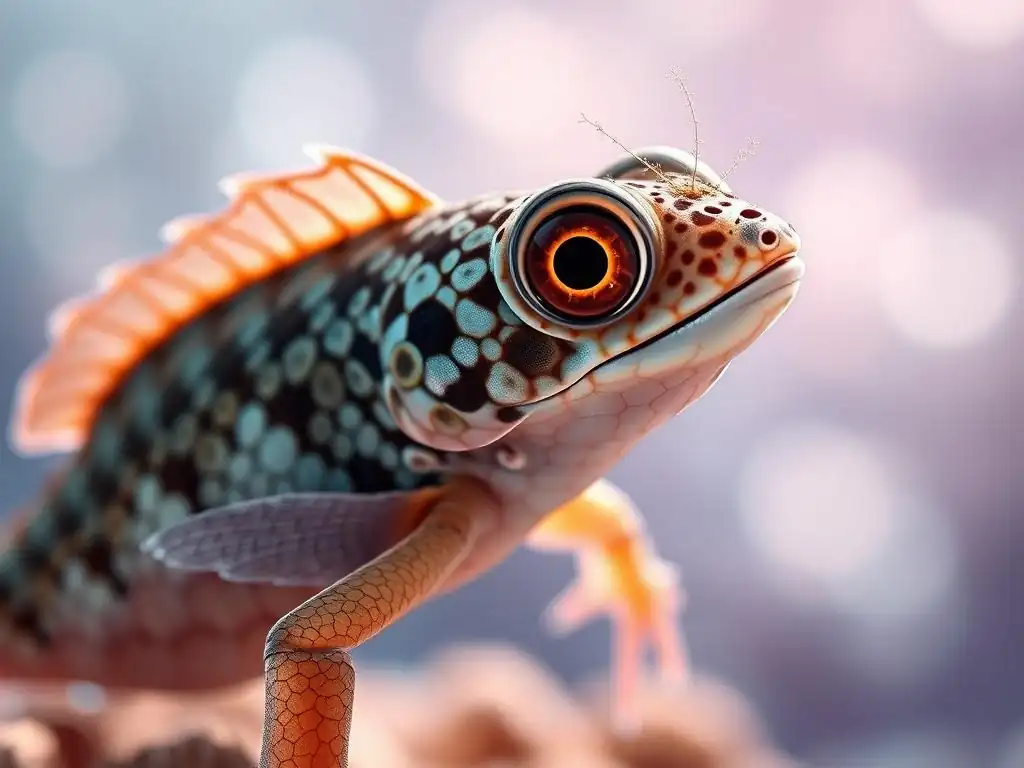
The Scooter Dragonet, often mistaken for its more famous cousin, is a fascinating benthic fish known for its distinctive appearance and unique movement. Typically reaching an adult size of about 3 to 4 inches, it boasts an intricate pattern of brown, tan, and white spots and stripes that provide excellent camouflage against live rock and sand. Their large, prominent eyes are set high on their heads, giving them an almost frog-like appearance.
Behaviorally, Scooter Dragonets are characterized by their "scooting" or "hopping" locomotion across the substrate using their pelvic fins, rather than swimming freely in the water column. They are constant foragers, sifting through sand and picking at live rock surfaces in search of small invertebrates. While generally peaceful, they can be territorial with other dragonets or similar benthic species if tank space is limited. Their active foraging makes them a captivating addition to a nano reef, as long as their dietary needs are met.
Scooter Dragonet Diet and Feeding Habits in Nano Tanks
The primary diet of Scooter Dragonets in the wild consists of live copepods, amphipods, and other minute crustaceans and worms found within the live rock and sand bed. In a nano aquarium, replicating this natural food source is crucial for their long-term health. While they primarily rely on naturally occurring microfauna, Scooter Dragonets are generally more adaptable to prepared foods than Mandarin Dragonets.
Many aquarists have success in transitioning Scooter Dragonets to frozen mysis shrimp, enriched brine shrimp, and even small, high-quality pellet foods. However, this transition can take time and patience. It's often recommended to introduce them to a tank with an established copepod population first, then gradually offer frozen foods. Consistent, small feedings throughout the day are more effective than one or two large feedings, as their metabolism requires a constant intake of food to sustain them.
Mandarin Dragonet ( Synchiropus splendidus): The Advanced Option
Mandarin Dragonet Appearance and Behavior
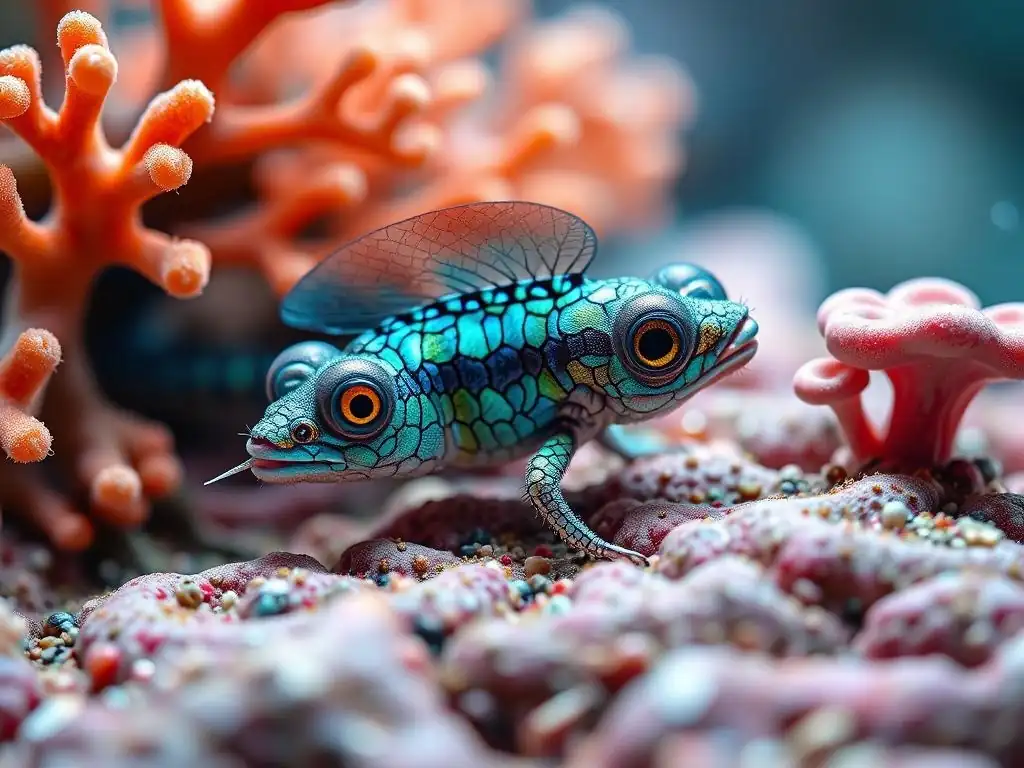
The Mandarin Dragonet, also known as the Psychedelic or Green Mandarin, is arguably one of the most visually stunning fish in the marine aquarium hobby. Reaching a size of 4 to 6 inches, its body is adorned with an astonishing array of vibrant electric blue, orange, and green labyrinthine patterns that swirl across its entire body. These striking colors are a major draw for aquarists, but they also signal a highly specialized species.
Like the Scooter Dragonet, the Mandarin is a benthic fish, spending most of its time "scooting" along the substrate and live rock. However, Mandarins tend to be more deliberate and less overtly active than Scooters, often appearing to glide rather than hop. They are incredibly peaceful towards other fish species, but males can be aggressive towards other male Mandarins in smaller tanks, leading to territorial disputes. Their constant, meticulous foraging is a defining characteristic, highlighting their perpetual search for food.
Mandarin Dragonet Diet and Feeding Habits: A Nano Reef Challenge
The diet of a Mandarin Dragonet is the primary reason it is considered an advanced species. In their natural habitat, Mandarin Dragonets are obligate feeders on live copepods and amphipods, consuming hundreds, if not thousands, of these tiny crustaceans daily. Their digestive system is not well-suited for processing large, infrequent meals, requiring a constant supply of small prey items.
In a nano reef, this translates to an absolute necessity for a mature, thriving copepod population within the display tank and, ideally, a connected refugium. A refugium provides a safe breeding ground for copepods, away from fish predation, ensuring a continuous supply. While some rare individuals might eventually accept frozen brine or mysis shrimp, relying solely on these foods almost invariably leads to starvation and a short lifespan. Successful long-term keeping of a Mandarin requires a dedicated effort to culture and maintain a robust live food source, making it a true test of a nano dragonet compatibility guide.
Comparing Scooter Dragonet vs. Mandarin Dragonet: Key Differences for Nano Reef Keepers
Activity Level and Tank Space Requirements
While both Scooter and Mandarin Dragonets are benthic species, their activity levels and subsequent tank space requirements present subtle yet significant differences for nano reef keepers. Scooter Dragonets tend to be more visibly active, often seen hopping across open sand beds and picking at various surfaces of live rock throughout the day.
This more widespread foraging behavior means they benefit from a larger footprint of available substrate and rockwork, making a 20-30 gallon tank a more comfortable minimum. Their slightly more robust nature and potential to adapt to prepared foods also mean they can thrive in a tank that might not have an overwhelmingly dense copepod population, as long as supplemental feeding is consistent.
Mandarin Dragonets, on the other hand, while constant foragers, often exhibit a more methodical and concentrated search pattern, meticulously picking at live rock crevices and within the sand. Their reliance on a consistently high density of copepods means that while their physical movement might seem less "active" in terms of covering ground, their metabolic demand for food is much higher.
This necessitates a larger, more mature tank (30+ gallons) with extensive live rock and a well-established refugium to support the sheer volume of microfauna they require. Without this, even a seemingly large nano tank will quickly be depleted of their food source.
Temperament and Compatibility with Other Nano Reef Inhabitants
Both Scooter and Mandarin Dragonets are generally peaceful fish, posing no threat to corals, anemones, or other fish species. They are excellent candidates for a peaceful nano reef community. However, their compatibility with tank mates primarily revolves around food competition. Because they are slow, deliberate feeders, they can easily be outcompeted by faster, more aggressive eaters for any supplemental foods offered. This is particularly true for Mandarin Dragonets, whose highly specialized diet makes competition even more perilous.
It is crucial to avoid housing dragonets with highly active or aggressive feeders like certain damselfish, dottybacks, or even some clownfish, especially if the tank is small. While a Scooter Dragonet might occasionally scavenge a stray piece of frozen food, a Mandarin relies almost entirely on naturally occurring prey. Therefore, the best tank mates for either species are other peaceful, slow-moving, and non-competitive fish such as Royal Grammas, Firefish Gobies, or certain blennies. Considering a nano dragonet compatibility guide means prioritizing tank mates that will not deplete the vital microfauna that dragonets depend upon.
Contribution to the Nano Reef Ecosystem
Dragonets play a unique and beneficial role in the nano reef ecosystem, primarily as micro-predators of small invertebrates. Both Scooter and Mandarin Dragonets spend their days sifting through sand and picking at live rock, helping to control populations of various copepods, amphipods, and other tiny organisms. This constant grazing activity contributes to the overall health and cleanliness of the substrate and rockwork, preventing the overpopulation of certain microfauna.
The Mandarin Dragonet, with its almost exclusive copepod diet, can be particularly effective at keeping certain copepod species in check, although its impact is often limited by its own survival needs—it can only consume what is present. Scooter Dragonets, being slightly more omnivorous, might also contribute to consuming detritus or small worms. While they are not "clean-up crew" in the traditional sense like snails or hermit crabs, their specialized feeding habits fill a niche that contributes to the biological balance of a mature nano reef, making them interesting subjects in any nano dragonet compatibility guide.
Assessing Your Nano Reef Experience Level: Are You Ready for These Fish?
Beginner Nano Reef Keepers: Why Scooter Dragonets Might Be a Better Starting Point
For beginner nano reef keepers, the Scooter Dragonet often represents a more forgiving and realistic starting point compared to the Mandarin Dragonet. While still requiring a mature tank and an understanding of their specific needs, Scooters are significantly more adaptable to prepared foods. This adaptability reduces the immediate pressure on the hobbyist to maintain an extremely dense, self-sustaining copepod population from day one. A beginner can focus on establishing stable water parameters and a healthy biological filter without the added stress of a fish that will starve if it doesn't get thousands of live pods daily.
Furthermore, Scooter Dragonets are generally hardier once acclimated and can recover more easily from minor environmental fluctuations or dietary inconsistencies. Their slightly broader diet means that if live food populations dip, there's a higher chance they will accept frozen mysis or brine shrimp, providing a crucial buffer. This learning curve makes them an excellent choice for those new to the intricacies of a nano dragonet compatibility guide, allowing them to gain experience before tackling the more advanced challenges of the Mandarin.
Experienced Nano Reef Keepers: Successfully Keeping Mandarin Dragonets
Successfully keeping Mandarin Dragonets is a hallmark of an experienced nano reef keeper. Their specialized dietary requirements are the primary hurdle, demanding a deep understanding of marine biology and tank husbandry. An experienced aquarist will typically have a well-established, mature reef tank (at least 6-12 months old, ideally longer) with an abundant amount of live rock (1-2 pounds per gallon) and a deep sand bed. Crucially, they will often employ a dedicated refugium – a separate compartment of the sump specifically designed to cultivate copepods and amphipods without predation.
Experienced keepers are also adept at culturing live copepods at home, supplementing the tank's natural population regularly. They understand the nuances of water chemistry and stability, knowing that Mandarins are highly sensitive to even minor changes. Furthermore, an experienced aquarist knows how to select appropriate tank mates that will not outcompete the Mandarin for food. This level of dedication and knowledge transforms the challenging task of keeping a Mandarin into a rewarding experience, truly testing the limits of a nano dragonet compatibility guide.
Preparing Your Nano Reef for Fish: Essential Steps
Cycling the Tank and Establishing Biological Filtration
Before introducing any fish, especially delicate species like dragonets, it is absolutely paramount to fully cycle your nano reef tank. Tank cycling is the process of establishing a robust nitrogen cycle, where beneficial bacteria convert toxic ammonia (from fish waste and decaying food) into nitrite, and then into less harmful nitrate. This process typically takes 4-8 weeks, sometimes longer for a new tank. Without a complete cycle, ammonia and nitrite will quickly accumulate, leading to fish stress, disease, and ultimately death.
To initiate the cycle, you can use a small amount of live rock, a "seed" from an established tank, or a commercial bacterial starter culture along with an ammonia source (e.g., a small piece of shrimp or pure ammonia solution). During this period, regularly test your water parameters—ammonia, nitrite, and nitrate—until ammonia and nitrite consistently read zero. A well-established biological filter, characterized by mature live rock and a healthy sand bed, is the backbone of a stable nano reef and critical for any nano dragonet compatibility guide.
Providing Adequate Hiding Places and Rockwork
Dragonets are naturally shy and spend most of their time foraging among rockwork and substrate. Providing ample hiding places and a well-structured aquascape is crucial for their comfort and security. Aim for at least 1-2 pounds of live rock per gallon, arranged to create numerous caves, crevices, and overhangs. This not only offers shelter but also maximizes the surface area for beneficial bacteria to colonize and, more importantly for dragonets, provides extensive foraging grounds for copepods and other microfauna.
A deep sand bed (at least 2-4 inches) is also highly beneficial, especially for Scooter Dragonets who enjoy sifting through it. This substrate also serves as a living filter, harboring countless beneficial organisms. For Mandarin Dragonets, the complexity and maturity of the live rock are even more vital, as it is their primary hunting ground for the copepods they depend on. A well-scaped tank with plenty of nooks and crannies reduces stress, encourages natural behaviors, and contributes significantly to the overall success of keeping these unique fish.
Quarantine and Acclimation Procedures for Fish
Quarantine is a non-negotiable step for introducing any new fish into your nano reef, and it's especially critical for sensitive species like dragonets. A separate quarantine tank (QT) of 10-20 gallons, equipped with a heater, filter, and PVC pipes for hiding, allows you to observe new fish for signs of disease, parasites, or stress without risking the health of your main display tank. Keep new dragonets in the QT for at least 3-4 weeks. During this time, you can treat for common ailments like Ich or velvet if necessary, and ensure they are eating well.
Acclimation is the process of slowly introducing the fish to your main tank's water parameters. The drip acclimation method is highly recommended for dragonets due to their sensitivity to changes in pH, temperature, and salinity. Slowly drip water from your display tank into the bag or container holding the fish over a period of 45-60 minutes, until the water volume has quadrupled. This gradual change minimizes shock and stress, giving the dragonet the best possible chance to thrive in its new home.
Maintaining Healthy Fish in Your Nano Reef
Regular Observation and Feeding Strategies
Consistent and diligent observation is key to maintaining healthy fish in your nano reef, particularly for dragonets. Spend time daily watching their behavior, swimming patterns, and appearance. Look for any signs of stress, such as clamped fins, rapid breathing, fading colors, or unusual spots. For dragonets, pay close attention to their body condition; a sunken belly is a clear indicator of starvation, especially for Mandarins.
Feeding strategies must be tailored to their unique needs. For Scooter Dragonets, while they may adapt to frozen foods, it's best to offer small amounts multiple times a day. Target feeding with a pipette can ensure they get enough food without it being snatched by faster tank mates. For Mandarin Dragonets, the focus is on maintaining a robust live copepod population. This may involve regularly dosing the tank with cultured copepods, especially if a refugium is not present or insufficient. Never assume a Mandarin is eating unless you explicitly see it consuming food.
Monitoring Water Quality and Performing Water Changes
Maintaining stable and optimal water quality is paramount for the long-term health of dragonets. Regular water testing is non-negotiable. At a minimum, test for ammonia, nitrite, and nitrate weekly, and salinity, pH, and alkalinity bi-weekly. For sensitive species, it's also beneficial to monitor calcium and magnesium levels if you have corals. Stable parameters are more important than absolute "perfect" numbers; sudden swings are highly detrimental.
Consistent water changes are the most effective way to maintain water quality in a nano reef. Performing a 10-20% water change weekly or bi-weekly will help dilute nitrates, replenish trace elements, and remove accumulated organic pollutants. Always use RODI (Reverse Osmosis Deionized) water, mixed with a high-quality marine salt mix to the correct salinity. Ensure the new water is temperature-matched to the tank to prevent thermal shock. This diligent approach is central to any effective nano dragonet compatibility guide.
Preventing and Managing Diseases in Reef Fish
Preventing diseases in your nano reef begins with proper quarantine procedures for all new inhabitants, as previously discussed. Stress is a major contributing factor to disease, so maintaining stable water parameters, providing adequate nutrition, and offering suitable hiding places will significantly boost your fish's immune system. Overfeeding, overcrowding, and incompatible tank mates are common stressors that can lead to outbreaks.
Despite best efforts, diseases can still occur. Common reef fish diseases include Marine Ich ( Cryptocaryon irritans), Velvet ( Amyloodinium ocellatum), and bacterial infections. Early detection is crucial. If you notice signs of illness, prompt action is necessary. For many diseases, treatment in a separate hospital tank is recommended to avoid medicating the main display tank (which can harm beneficial bacteria and invertebrates). Consult reliable resources for specific treatment protocols, as some medications are toxic to invertebrates or certain fish species, including dragonets.
Troubleshooting Common Fish Problems in Nano Reefs
Identifying and Treating Diseases
Identifying diseases in a nano reef can be challenging, but early detection significantly improves treatment success rates. Look for common symptoms like white spots (Ich), a dusty film (Velvet), frayed fins, labored breathing, loss of appetite, or unusual swimming patterns. For dragonets, due to their lack of scales, Ich presents as white cysts on their fins and body, while Velvet can appear as a gold or brown dusting. Internal parasites or bacterial infections might manifest as emaciation (a sunken belly), especially in Mandarins, even if they appear to be foraging.
Treatment should ideally occur in a dedicated hospital tank, separate from the main display. Copper-based medications are effective against Ich and Velvet but are toxic to invertebrates and can be harsh on delicate fish. Alternative treatments like Chloroquine Phosphate or hyposalinity (lowering salinity to 1.008-1.009) can be used, but careful monitoring is required. Bacterial infections may require broad-spectrum antibiotics. Always follow medication instructions precisely and ensure the fish is receiving adequate nutrition during treatment, as recovery depends heavily on their overall health.
Addressing Aggression or Competition with Other Fish
Aggression or competition in a nano reef, while less common with peaceful dragonets, can still arise, particularly over food resources or territory. If a Scooter or Mandarin Dragonet is being outcompeted for food, it will quickly show signs of emaciation. This often happens when tank mates are faster eaters, such as active clownfish or certain gobies. The solution is to remove the competitive fish or ensure targeted feeding for the dragonet. Using a feeding pipette to deliver food directly to the dragonet can be effective.
Territorial aggression between dragonets themselves is also possible, especially between two males in a smaller tank. While Scooter Dragonets are generally more tolerant, two male Mandarins can fight to the death. If aggression is observed, one of the dragonets will need to be rehomed to prevent harm. Always research the compatibility of all intended tank mates before introduction, especially when building a nano dragonet compatibility guide.
Maintaining Stable Water Parameters
Unstable water parameters are a frequent cause of stress and health issues in nano reefs. Swings in temperature, salinity, pH, or ammonia/nitrite levels can quickly overwhelm a fish's immune system, making it susceptible to disease. For dragonets, which are particularly sensitive, even minor fluctuations can be detrimental. Rapid changes in salinity, for example, can cause osmotic shock, leading to lethargy and ultimately death.
Troubleshooting unstable parameters involves identifying the root cause. For temperature swings, check your heater's functionality or consider adding a second, smaller heater for redundancy. Salinity fluctuations often stem from inconsistent top-offs (using freshwater without salt), evaporation (which concentrates salt), or inaccurate mixing of new saltwater. Invest in a reliable refractometer for accurate salinity readings. Ammonia and nitrite spikes typically indicate an immature or crashed biological filter; address this by performing small, frequent water changes and adding beneficial bacteria. Regular testing and consistent maintenance routines are the best defense against unstable water.
Alternative Nano Reef Fish Options: If Dragonets Aren't Suitable
Exploring Other Peaceful and Hardy Nano Reef Inhabitants
If the specific requirements of Scooter or Mandarin Dragonets seem too daunting for your experience level or tank setup, there are many other fantastic, peaceful, and hardy fish options perfectly suited for nano reefs. These alternatives often have broader diets, are more resilient to minor water parameter fluctuations, and generally pose fewer challenges for beginners. Prioritizing fish that remain small, are non-aggressive, and do not require highly specialized diets will significantly increase your chances of success in a nano environment.
Consider species that exhibit interesting behaviors without demanding excessive space or a constant supply of live microfauna. Many of these fish still contribute to the visual appeal and ecological balance of your nano reef, offering a rewarding experience without the advanced commitment required for dragonets. This exploration is a vital part of any comprehensive nano dragonet compatibility guide, ensuring hobbyists find the right fit for their unique setup.
Royal Gramma, Firefish Goby, Orchid Dottyback
Several popular and excellent alternatives to dragonets for nano reefs include the Royal Gramma, Firefish Goby, and Orchid Dottyback.
- Royal Gramma (Gramma loreto): This vibrantly colored fish, with its striking purple head and yellow tail, is a staple in many reef tanks. Reaching about 3 inches, Royal Grammas are peaceful, hardy, and primarily swim in the water column or hover near rockwork. They readily accept a variety of frozen foods like mysis shrimp and brine shrimp, making their diet much simpler to manage than a dragonet's. They are generally tolerant of other peaceful tank mates and add a beautiful splash of color.
- Firefish Goby (Nemateleotris magnifica): Known for its elongated body, striking red, white, and yellow coloration, and characteristic "hovering" behavior, the Firefish Goby is a fantastic nano choice. Growing to about 2.5-3 inches, they are peaceful and active, often perching at the entrance of a rock crevice. They are voracious eaters of frozen foods and small pellets, making them easy to feed. While they can be jumpers, a tight-fitting lid prevents escapes. Their unique swimming style and vibrant hues make them a captivating addition.
- Orchid Dottyback (Pseudochromis fridmani): This stunning fish boasts a brilliant purple coloration and typically reaches about 3 inches. Orchid Dottybacks are known for their hardiness and bold personality. Unlike some other dottybacks, the Orchid is generally considered peaceful towards tank mates, though it can be territorial with other similar-looking fish or conspecifics. They are excellent eaters, readily consuming frozen and dry foods. Their active swimming and vibrant color make them a standout choice for a nano reef, offering beauty without the dietary complexities of dragonets.
Conclusion: Making an Informed Decision on Nano Reef Fish Compatibility
Choosing the Right Fish Based on Your Experience and Nano Reef Setup
Choosing the right fish for your nano reef, particularly when considering specialized species like dragonets, hinges entirely on an honest assessment of your experience level and the maturity and stability of your aquarium setup. The Scooter Dragonet, while still requiring a well-established tank and attention to diet, offers a more approachable entry point for aquarists who are comfortable with the basics of marine husbandry and are willing to supplement with frozen foods. Its slightly broader dietary adaptability reduces the intense pressure associated with maintaining a perpetual live food source.
Conversely, the Mandarin Dragonet is unequivocally an advanced species. Its survival is almost entirely dependent on a highly mature nano reef with a thriving, self-sustaining population of copepods, often supported by a dedicated refugium. This demands a deep understanding of marine ecology, consistent monitoring, and often, active live food culturing. For those committed to this level of care, the Mandarin offers unparalleled beauty and unique behavior. Ultimately, a successful nano dragonet compatibility guide emphasizes that the best choice is the fish whose needs align perfectly with your tank's capabilities and your commitment as an aquarist.
Resources for Further Learning and Support for Nano Reef Aquarists
The world of nano reef keeping is vast and constantly evolving, with new insights and techniques emerging regularly. To ensure the long-term success and well-being of your fish, continuous learning and engagement with the broader aquarist community are invaluable. Online forums and dedicated reefkeeping websites offer a wealth of knowledge, allowing you to connect with experienced hobbyists, ask specific questions, and share your own experiences. These platforms often host detailed care guides, troubleshooting tips, and discussions on various topics, from water chemistry to species-specific needs.
Furthermore, consider joining local aquarium clubs or societies. These groups provide opportunities for in-person learning, frag swaps, and direct mentorship from seasoned aquarists. Reputable local fish stores with knowledgeable staff can also be an excellent resource for advice and high-quality supplies. By actively seeking out information and support, you empower yourself to make informed decisions, prevent common pitfalls, and provide the best possible environment for your nano reef inhabitants, making your journey as a reef aquarist both successful and immensely rewarding.
Frequently Asked Questions
What is the main difference between a Scooter Dragonet and a Mandarin Dragonet, particularly concerning nano aquariums?
The primary difference in a nano aquarium context lies in their dietary needs. Mandarin Dragonets are notoriously difficult to feed, requiring a mature copepod population, whereas Scooter Dragonets are often easier to train to accept prepared foods.
Why is compatibility so important when choosing Dragonets for a nano aquarium?
Because nano aquariums are small, resource competition is intense. Poor compatibility can lead to one dragonet starving to death or being excessively stressed due to territorial disputes.
What size aquarium is generally considered the minimum for keeping either a Scooter or Mandarin Dragonet?
While individual needs vary, a well-established 30-gallon tank is often considered the minimum for a Mandarin, and a 20-gallon tank for a Scooter, but larger is always better to ensure adequate copepod populations.
Can you keep a Scooter Dragonet and a Mandarin Dragonet together in a nano aquarium?
Generally, it's not recommended to keep them together in a nano tank. The competition for copepods is fierce, and one will likely outcompete the other for food, leading to starvation.
What are some signs that a Dragonet is not thriving in a nano aquarium?
Signs include sunken belly, lethargy, and a lack of interest in hunting for food. Furthermore, increased aggression towards tank mates can also indicate stress and competition.
The journey through the vibrant world of nano reef aquariums, as we've explored, hinges significantly on understanding the specific needs of its inhabitants. The delicate balance within these miniature ecosystems demands careful consideration, especially when introducing captivating creatures like the Scooter and Mandarin Dragonets. Ignoring their unique requirements can lead to frustration and, ultimately, failure.
This exploration of Dragonet compatibility has deeply resonated with me, highlighting the crucial responsibility we bear as aquarists to prioritize the well-being of our aquatic companions. It's not merely about aesthetics; it's about creating a thriving environment where these fascinating fish can flourish. The greatness of a nation and its moral progress can be judged by the way its animals are treated.
- Mahatma Gandhi. This quote, though broader in scope, perfectly encapsulates the ethical dimension of our hobby.
Now, armed with this knowledge, I urge you to reflect on your own nano reef aspirations. Consider your experience level, the maturity of your tank, and, most importantly, your commitment to providing the necessary care. Choose wisely, not just for the sake of a beautiful display, but for the well-being of the Dragonet you welcome into your underwater world. Let's strive to be responsible stewards of these miniature ecosystems, ensuring a vibrant and sustainable future for all its inhabitants.
Ignite Your Nano Reef: Take the Dragonet Plunge!
Thank you for exploring the captivating world of Scooter and Mandarin Dragonets! We hope you've gained valuable insights into choosing the perfect fish for your nano aquarium. Ready to take the next step?
- Dive deeper: Document your current nano reef tank parameters and research the specific needs of your preferred dragonet, ensuring a thriving environment. This is a must!
- Share your passion: Start a forum thread sharing your dragonet journey, and seek support and exchange ideas with other nano reef enthusiasts.
- Unleash your creativity: Design a custom DIY refugium to boost copepod production for your dragonet, turning tank maintenance into a rewarding project.
What exciting new features will you design for your refugium? Let us know in the comments!