
Clarkii Clownfish (Amphiprion clarkii): The Adaptable Anemone Symbiont

Welcome to Aquarium Mastery!
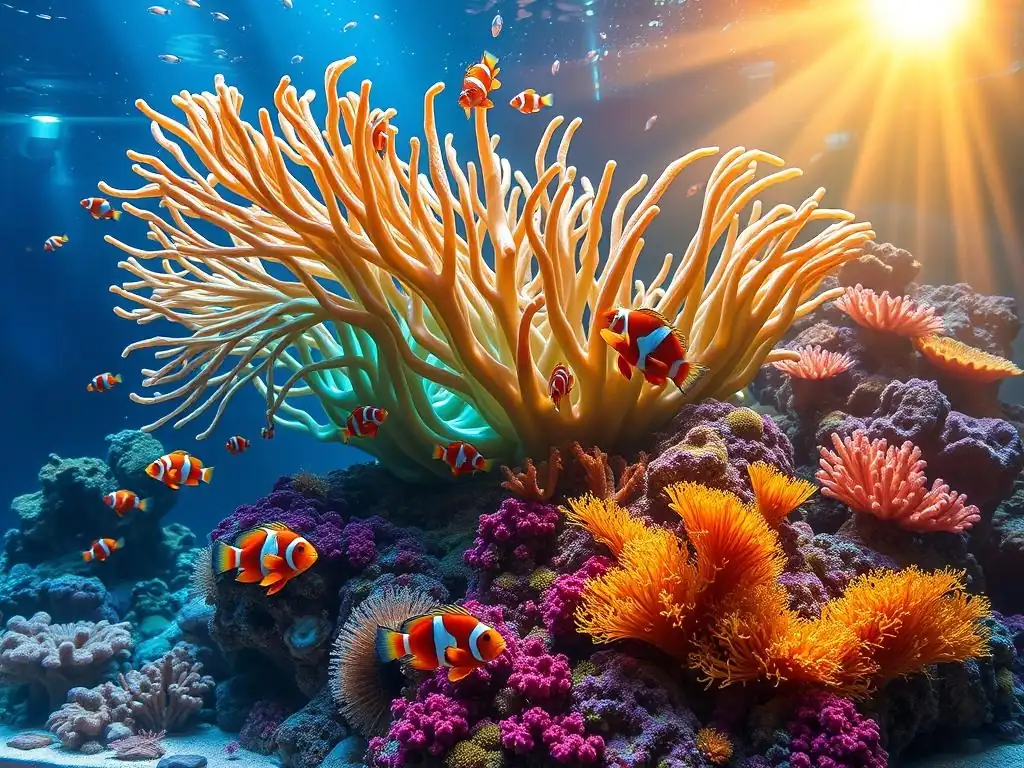
Ever wondered how to successfully keep the vibrant and adaptable Clarkii clownfish? Dive into our comprehensive Clarkii Clownfish Care Guide and unlock the secrets to providing the perfect environment for these fascinating anemone symbionts. From tank setup to feeding habits and potential health issues, we'll equip you with the knowledge you need to ensure your Clarkii clownfish thrives. Ready to become a Clarkii clownfish expert? Let's explore!
- Clarkii Clownfish: An Introduction to the Adaptable Anemonefish
- Clarkii Clownfish Care Guide: Ensuring a Thriving Aquarium Environment
- Clarkii Clownfish and Anemone Symbiosis: A Natural Partnership
- Clarkii Clownfish Tank Mates: Selecting Compatible Species
- Clarkii Clownfish Breeding: A Detailed Guide
- Common Clarkii Clownfish Diseases and Health Issues
- Clarkii Clownfish Varieties and Color Morphs
- Troubleshooting Common Clarkii Clownfish Care Problems
- Conclusion: Mastering Clarkii Clownfish Care for a Vibrant Aquarium
- Frequently Asked Questions
- Final Reflection: Embracing the Clarkii's Resilience
- Dive Deeper: Unleash Your Clarkii Knowledge!
Clarkii Clownfish: An Introduction to the Adaptable Anemonefish
Understanding the Appeal of Clarkii Clownfish for Saltwater Aquariums
The Clarkii clownfish, Amphiprion clarkii, stands out among its kin for its remarkable adaptability and striking appearance, making it a highly sought-after species for saltwater aquariums. Unlike some of its more specialized relatives, the Clarkii clownfish exhibits an impressive tolerance for a wide range of water conditions and a willingness to host in numerous anemone species, or even non-anemone alternatives like certain corals or powerheads.
This resilience makes them an excellent choice for both novice and experienced aquarists looking to add a vibrant, interactive fish to their marine setup. Their widespread natural distribution, spanning from the Persian Gulf to the Western Pacific, contributes to a robust genetic diversity, enhancing their hardiness in captivity.
Furthermore, the visual appeal of the Clarkii clownfish is undeniable. They typically feature a dark body with bright orange or yellow fins and two or three distinct white or bluish-white vertical bars, often outlined in black. This bold coloration, combined with their characteristic clownfish antics, such as their symbiotic dance with an anemone, captivates observers. Their relatively easy care requirements, when compared to other marine species, also contribute significantly to their popularity. A comprehensive Clarkii clownfish care guide often highlights their robust nature and the rewarding experience of observing their unique behaviors within a home aquarium.
Quick Stats: Clarkii Clownfish Size, Lifespan, and Temperament
Clarkii clownfish exhibit moderate size and a respectable lifespan, making them a long-term commitment for aquarists. Adult males typically reach lengths of 3 to 4 inches (approximately 7.5 to 10 cm), while females, being the dominant sex, can grow considerably larger, often reaching 5 to 6 inches (12.5 to 15 cm). This size difference is a key indicator when attempting to sex a pair.
In a well-maintained aquarium environment with stable water parameters and a high-quality diet, Clarkii clownfish can live for 6 to 10 years, with some exceptionally well-cared-for individuals known to survive for up to 15 years. Their longevity underscores the importance of a thorough Clarkii clownfish care guide that emphasizes consistent husbandry.
Regarding temperament, Amphiprion clarkii is generally considered semi-aggressive, particularly as they mature or when housed in smaller aquariums. They can become territorial, especially around their chosen host anemone, and may display aggression towards new tank mates or other clownfish species. While they are often compatible with a variety of peaceful to semi-aggressive fish, careful selection of tank mates is crucial to prevent conflict. Despite their territorial tendencies, their adaptability and engaging personalities still make them a favorite among saltwater enthusiasts.
Clarkii Clownfish Care Guide: Ensuring a Thriving Aquarium Environment
Ideal Tank Size for Clarkii Clownfish
Providing an appropriately sized aquarium is a foundational element of any successful Clarkii clownfish care guide. For a single Clarkii clownfish, a minimum tank size of 20 gallons (approximately 75 liters) is recommended. This volume allows for sufficient swimming space and helps maintain stable water parameters, which are crucial for the fish's long-term health. However, if the intention is to house a bonded pair, or if an anemone is to be introduced, a larger tank is highly advisable.
For a pair of Clarkii clownfish, especially if an anemone is part of the setup, a tank of 30 gallons (around 115 liters) should be considered a bare minimum, with 40 gallons (150 liters) or more being strongly preferred. Larger tanks offer increased water volume, which inherently provides greater stability against fluctuations in water chemistry and temperature.
This added space also helps to mitigate potential aggression between the pair or with other tank mates, providing ample room for territories to be established without constant conflict. Investing in a larger tank upfront greatly contributes to the overall well-being and longevity of your Clarkii clownfish.
Water Parameters for Clarkii Clownfish: Maintaining Optimal Conditions
Maintaining stable and appropriate water parameters is paramount for the health and vitality of Clarkii clownfish. Fluctuations in temperature, pH, salinity, or the presence of harmful nitrogen compounds can quickly lead to stress, weakened immune systems, and susceptibility to various diseases. A consistent environment mirrors their natural habitat more closely and allows them to thrive, showcasing their vibrant colors and natural behaviors. Regular testing of the aquarium water is not just a recommendation but a critical component of any effective Clarkii clownfish care guide.
Beyond routine testing, consistent water changes are essential for diluting nitrates and replenishing vital trace elements that are consumed by the aquarium inhabitants. Typically, a weekly or bi-weekly water change of 10-20% using high-quality reverse osmosis/deionized (RO/DI) water mixed with a reputable marine salt mix is recommended. This diligent approach to water quality management directly impacts the fish's metabolism, respiratory function, and overall resilience against environmental stressors, ensuring they live a long and healthy life in your care.
Temperature, pH, Salinity, and Ammonia/Nitrite/Nitrate Levels
- Temperature: Clarkii clownfish thrive in a stable temperature range of 75-82°F (24-28°C). Consistency is more important than hitting an exact number within this range; sudden temperature swings can be highly detrimental.
- pH: The ideal pH level for Amphiprion clarkii is between 8.1 and 8.4. Maintaining this slightly alkaline environment is crucial for their biological functions and overall well-being.
- Salinity: A specific gravity of 1.023 to 1.026, or 32-35 parts per thousand (ppt), is optimal. This range mimics the salinity of natural coral reefs where these fish originate.
- Ammonia and Nitrite: These toxic compounds must always be at 0 ppm. Any detectable levels indicate an issue with the nitrogen cycle and are highly dangerous to your fish.
- Nitrate: While less toxic than ammonia and nitrite, nitrates should be kept as low as possible, ideally below 20 ppm. Levels between 0-10 ppm are preferred for long-term health and to prevent algae blooms.
Clarkii Clownfish Diet and Feeding: What to Feed Your Clownfish
A varied and nutritious diet is fundamental to the health, coloration, and longevity of Clarkii clownfish. As omnivores, they require a balanced intake of both meaty proteins and vegetable matter to meet their nutritional needs. Providing a diverse range of foods not only ensures they receive all necessary vitamins and minerals but also stimulates their natural foraging behaviors, contributing to their overall well-being. A comprehensive Clarkii clownfish care guide always emphasizes the importance of dietary variety.
Feeding a high-quality diet directly impacts the fish's immune system, making them more resilient to diseases and environmental stressors. It also promotes vibrant coloration and healthy growth, especially in younger individuals. Over time, a monotonous or nutrient-deficient diet can lead to faded colors, stunted growth, and increased susceptibility to common marine ailments. Therefore, investing in a variety of premium foods is a worthwhile endeavor for any aquarist committed to the optimal care of their Clarkii clownfish.
Recommended Foods: Flakes, Frozen, and Live Options
- High-Quality Flakes and Pellets: Choose marine-specific formulas that contain spirulina or other vegetable matter, alongside a good source of protein. Examples include Ocean Nutrition Formula One Flakes or New Life Spectrum Marine Fish Formula Pellets.
- Frozen Foods: These are excellent for providing variety and essential nutrients. Mysis shrimp, enriched brine shrimp (e.g., Hikari Bio-Pure Brine Shrimp), finely chopped marine fish flesh, and spirulina cubes are all highly recommended. Thaw frozen foods in a small amount of tank water before feeding.
- Live Foods: While not a daily necessity, occasional live treats can stimulate natural hunting instincts and provide conditioning, especially for breeding pairs. Live brine shrimp, blackworms, or small feeder shrimp can be offered sparingly. Ensure any live food is from a reputable source to avoid introducing pathogens.
Feeding Frequency and Portion Sizes
For adult Clarkii clownfish, feeding small amounts 2 to 3 times per day is ideal. Juveniles, still in their rapid growth phase, may benefit from 3 to 4 smaller feedings daily. The key is to provide frequent, small meals rather than one large feeding, which can quickly foul the water. This approach mimics their natural grazing behavior on the reef.
When determining portion sizes, offer only what your Clarkii clownfish can consume within 2 to 3 minutes. Any uneaten food that settles on the substrate or decor will decompose, leading to elevated nitrate levels and potentially ammonia spikes, which are detrimental to water quality. Observing your fish's appetite and adjusting portions accordingly will help maintain a clean and healthy aquarium environment, a critical aspect of effective Clarkii clownfish care.
Clarkii Clownfish and Anemone Symbiosis: A Natural Partnership
Choosing the Right Anemone for Your Clarkii Clownfish
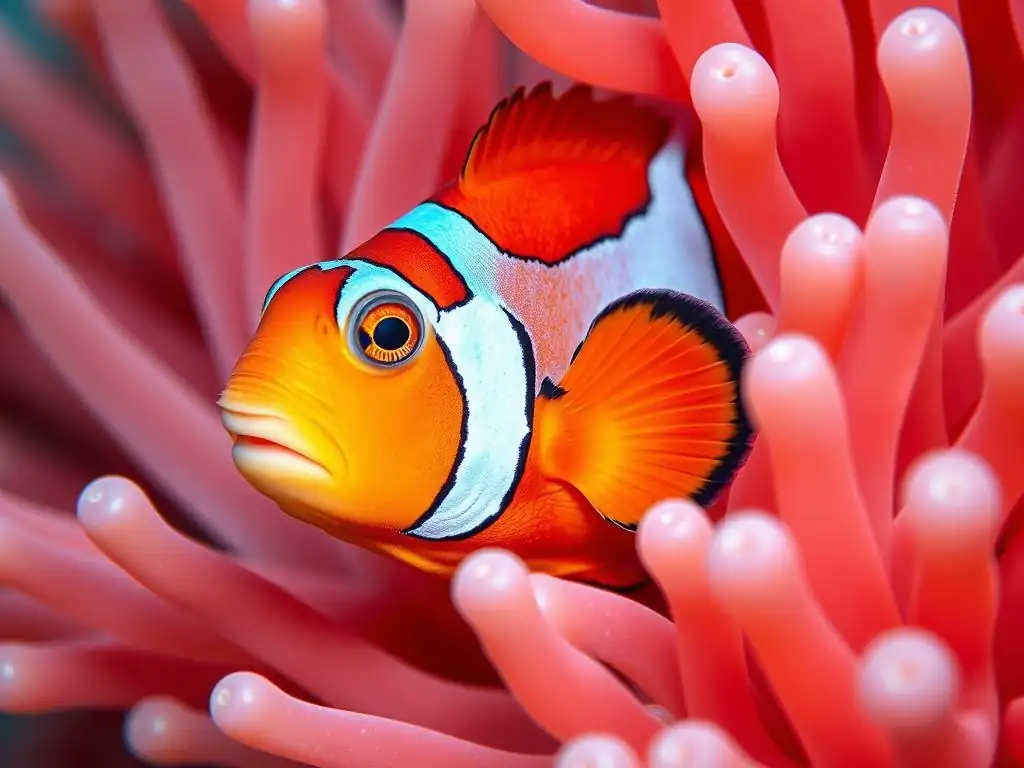
The iconic relationship between clownfish and their host anemones is one of the most fascinating aspects of marine aquaria. While Clarkii clownfish are renowned for their adaptability and willingness to host in a wider variety of anemones than many other clownfish species, selecting the appropriate host requires careful consideration.
The anemone itself has specific care requirements that must be met for its long-term health, as a struggling anemone will not be a suitable host and can even pose a risk to the fish. Therefore, understanding both the clownfish's preference and the anemone's needs is crucial for a successful symbiotic pairing in your aquarium.
Beyond compatibility, the anemone's size, lighting, and water flow requirements must align with your aquarium's capabilities. A healthy anemone is vibrant, expands fully, and firmly attaches its foot to live rock or the substrate. Conversely, a stressed anemone may retract, appear deflated, or detach and drift around the tank, posing a hazard to other inhabitants and potentially itself. Prioritizing the anemone's well-being is an integral part of a complete Clarkii clownfish care guide, as a thriving host directly contributes to the happiness and natural behavior of your clownfish.
Compatible Anemone Species for Clarkii Clownfish
Clarkii clownfish are known to host in a wide variety of anemones, making them one of the most versatile clownfish species in this regard. Some of the most commonly hosted and recommended species include:
- Bubble Tip Anemone (Entacmaea quadricolor): This is perhaps the most popular choice due to its relatively robust nature and distinctive bubbly tentacles. They require strong lighting and moderate flow.
- Sebae Anemone (Heteractis crispa): Known for its long, often purplish or white tentacles. Sebae anemones are more challenging to keep than Bubble Tips, requiring very stable parameters and strong lighting.
- Magnificent Anemone (Heteractis magnifica): A very large and stunning anemone, but also one of the most difficult to keep successfully due to its immense lighting and water quality demands. Not recommended for beginners.
- Carpet Anemones (Stichodactyla spp.): Including the Gigantic Carpet Anemone ( S. gigantea) and Merten's Carpet Anemone ( S. mertensii). These are very large, predatory anemones that require immense tanks, intense lighting, and very stable conditions. They can also be aggressive towards other tank inhabitants.
- Malau Anemone (Heteractis aurora): Also known as Beaded Anemone, this species has short, beaded tentacles. It is moderately difficult to keep, requiring good lighting and water quality.
Anemone Care Requirements: Light, Flow, and Feeding
- Lighting: Most host anemones require intense lighting, typically provided by LED, T5, or Metal Halide fixtures. The specific intensity and spectrum will vary by species, but generally, powerful full-spectrum lighting is essential for their photosynthetic zooxanthellae.
- Water Flow: Moderate to strong, turbulent water flow is necessary to bring food to the anemone and keep its tentacles clean. Avoid direct, laminar flow that can cause constant stress.
- Feeding: While host anemones derive significant energy from photosynthesis, supplemental feeding is crucial for their long-term health. Offer meaty foods like finely chopped silversides, shrimp, or mysis shrimp 2-3 times per week, directly to their oral disc. Ensure the food is small enough for them to ingest.
- Water Quality: Like Clarkii clownfish, anemones demand pristine water parameters: stable temperature (75-82°F), pH (8.1-8.4), salinity (1.023-1.026), and undetectable ammonia/nitrite, with low nitrates (below 10 ppm). Calcium, alkalinity, and magnesium levels should also be maintained for their skeletal structure.
Introducing Clarkii Clownfish and Anemone to the Aquarium
Introducing a Clarkii clownfish and its potential host anemone to an established aquarium requires a cautious and patient approach to minimize stress and maximize the chances of successful acclimation and symbiosis. Rushing this process can lead to significant stress for both organisms, potentially resulting in illness or a failed hosting attempt. A well-executed introduction is a critical step in a comprehensive Clarkii clownfish care guide, ensuring a harmonious environment.
Observing the interaction between the clownfish and the anemone after introduction is equally important. While some Clarkii clownfish will immediately recognize and host in an anemone, others may take days, weeks, or even months to begin. Patience is key, and providing a stable, low-stress environment will encourage this natural behavior to develop. Avoid interfering unless there are clear signs of distress or aggression from either party.
Acclimation Process for Both Fish and Anemone
- Drip Acclimation for Fish: Float the sealed bag containing the Clarkii clownfish in your sump or tank for 15-20 minutes to equalize temperature. Then, open the bag and begin a slow drip acclimation, adding tank water to the bag over 45-60 minutes until the volume has quadrupled. This gradual process minimizes osmotic shock from differences in pH, salinity, and temperature.
- Anemone Acclimation: Anemones are even more sensitive to water parameter changes. Drip acclimation for 1-2 hours is highly recommended. Place the anemone in a clean container (away from pumps or powerheads) and slowly drip tank water into it.
- Placement: For the anemone, choose a location with appropriate light and flow, ideally on live rock where it can attach its foot. Avoid placing it directly on the sand bed unless it's a species known to prefer sand. For the clownfish, introduce it to the display tank after acclimation, turning off tank lights for a few hours to reduce stress.
Observing the Clarkii Clownfish's Interaction with the Anemone
After introduction, closely observe your Clarkii clownfish. Initially, it may ignore the anemone or only cautiously approach it. Do not be alarmed if hosting doesn't occur immediately; it is common for clownfish to take time to accept a new host. Look for signs of the clownfish gently brushing against the anemone's tentacles, a behavior known as "testing" for stinging cells. Once comfortable, the clownfish will spend more time nestled within the tentacles.
Conversely, also monitor the anemone's reaction. A healthy anemone will remain expanded and its tentacles will not retract excessively when the clownfish approaches. If the anemone constantly shrinks or appears stressed, the pairing may not be successful, or the anemone's care requirements are not being met. Ensure the anemone has enough space to expand without touching other corals or tank inhabitants, as its sting can be potent.
Clarkii Clownfish Tank Mates: Selecting Compatible Species
Suitable Tank Mates for Clarkii Clownfish in a Reef Aquarium
Selecting appropriate tank mates is a crucial aspect of establishing a thriving reef aquarium, especially when housing Clarkii clownfish. While Amphiprion clarkii are known for their adaptability, they can exhibit territorial behavior, particularly when mature or if they have an established host anemone. The key to successful cohabitation lies in choosing species that are either peaceful and unlikely to compete for space or food, or those that are semi-aggressive but large enough to hold their own without escalating conflict. A well-planned community ensures a harmonious environment, a vital part of any effective Clarkii clownfish care guide.
When considering tank mates, also account for the size of your aquarium. Larger tanks provide more room for individual territories, significantly reducing potential aggression. Compatible tank mates contribute to a more natural and dynamic display, allowing various species to exhibit their unique behaviors without constant stress or harassment. Prioritizing species that occupy different niches within the tank, such as bottom dwellers, mid-water swimmers, and upper-level inhabitants, can further minimize direct competition and promote a balanced ecosystem.
Peaceful Fish Species that Coexist Well with Clarkii Clownfish
- Gobies (e.g., Watchman Goby, Diamond Watchman Goby): These bottom-dwelling fish are generally peaceful and occupy a different part of the water column, minimizing direct interaction with the mid-to-upper dwelling clownfish.
- Blennies (e.g., Lawnmower Blenny, Starry Blenny): Blennies are typically herbivorous or detritivores and are known for their quirky personalities. They are often peaceful and will not compete directly with clownfish for food or territory.
- Damselfish (e.g., Azure Damselfish, Yellow-tail Damselfish): While some damselfish can be aggressive, certain species are more docile and can coexist with Clarkii clownfish, especially in larger tanks.
- Royal Gramma: This vibrant and peaceful fish primarily occupies caves and crevices, generally staying out of the clownfish's way.
- Chromis (e.g., Green Chromis): Often kept in small schools, Green Chromis are peaceful, mid-water swimmers that add movement and color to the tank without posing a threat to the clownfish.
Invertebrates that are Compatible with Clarkii Clownfish
- Cleaner Shrimp (e.g., Peppermint Shrimp, Skunk Cleaner Shrimp): These beneficial invertebrates are peaceful, actively clean the tank, and pose no threat to Clarkii clownfish.
- Snails (e.g., Turbo Snails, Nassarius Snails): Essential for algae control and detritus removal, snails are completely compatible and beneficial to the reef ecosystem.
- Hermit Crabs (e.g., Blue Leg Hermit Crabs, Scarlet Hermit Crabs): These scavengers help keep the sand bed clean and are generally peaceful, though larger hermits might occasionally bother smaller snails.
- Starfish (e.g., Sand Sifting Starfish): Peaceful and effective at keeping the sand bed aerated and clean.
- Most Corals: Clarkii clownfish do not typically bother most corals, making them suitable for mixed reef aquariums. However, always ensure the anemone is not placed where it can sting corals.
Fish to Avoid: Aggressive or Predatory Species
To ensure the safety and well-being of your Clarkii clownfish, it is crucial to avoid introducing highly aggressive, territorial, or predatory fish species into the same aquarium. Clarkii clownfish, while hardy, can become stressed or injured if constantly harassed or preyed upon. Introducing incompatible species can lead to chronic stress, fin nipping, refusal to eat, and ultimately, a shortened lifespan. A responsible Clarkii clownfish care guide strongly advises against these pairings.
Examples of fish to avoid include:
- Large, Aggressive Triggers (e.g., Clown Triggerfish, Undulated Triggerfish): These fish are highly predatory and will view smaller fish, including clownfish, as potential meals.
- Large Groupers and Lionfish: These are ambush predators that will readily consume any fish small enough to fit into their mouths.
- Aggressive Angelfish (e.g., Emperor Angelfish, Queen Angelfish): While beautiful, many large angelfish species can be territorial and aggressive, potentially harassing or nipping at other tank inhabitants.
- Large Wrasses (e.g., Lunare Wrasse): Some wrasses can be very fast, boisterous, and occasionally aggressive, outcompeting or stressing clownfish.
- Other Clownfish Species (especially dissimilar ones): While Clarkii clownfish can be kept in pairs, introducing multiple different clownfish species into a single tank (unless very large) often leads to intense territorial disputes and aggression, with the dominant species harassing or killing the others.
- Puffers and Porcupinefish: These fish can be nippy and may harass or injure slower-moving fish or those with long fins.
Clarkii Clownfish Breeding: A Detailed Guide
Setting Up a Breeding Tank for Clarkii Clownfish
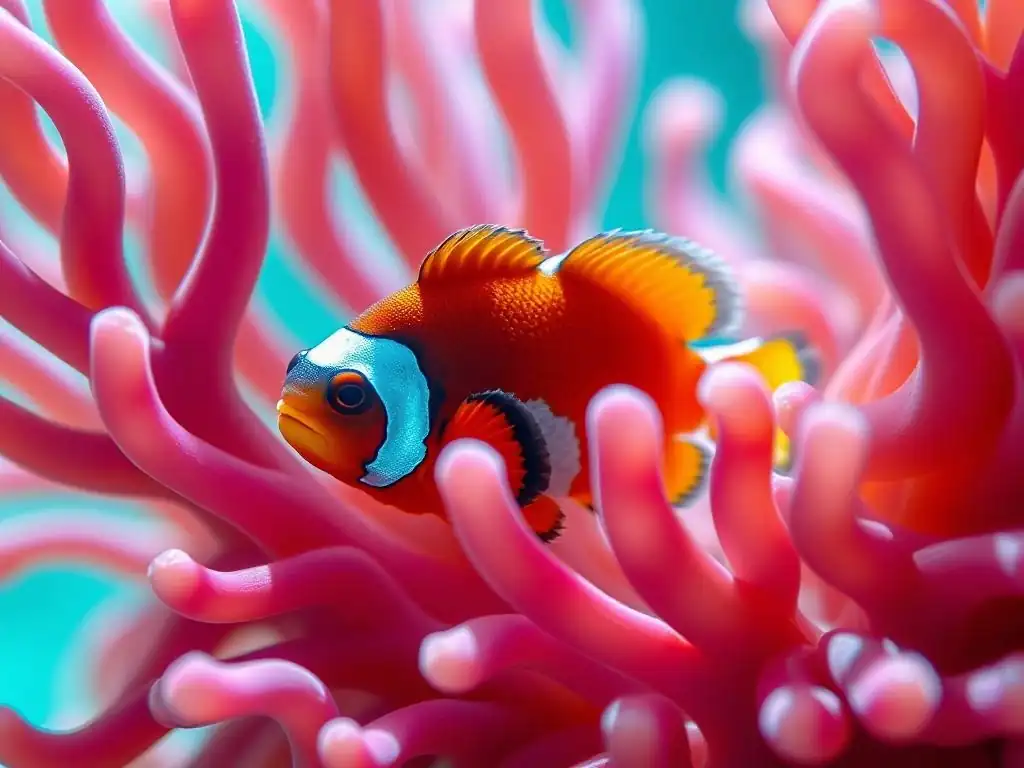
Successfully breeding Clarkii clownfish in a home aquarium can be a highly rewarding experience, but it requires dedicated preparation and specific environmental conditions. While Clarkii clownfish can sometimes spawn in a large, well-established display tank, a separate breeding tank offers significant advantages. It provides a controlled environment free from potential predators or competition from other tank mates, significantly increasing the survival rate of eggs and fry. A specialized breeding tank setup is a cornerstone of any detailed Clarkii clownfish care guide focused on reproduction.
The design of the breeding tank should prioritize stability, ease of maintenance, and safety for the delicate eggs and fry. Simplicity is key; avoid excessive decor that could harbor detritus or make cleaning difficult. The focus should be on creating an optimal spawning surface and maintaining pristine water quality, as these factors directly influence the success of the breeding pair and the viability of their offspring.
Tank Size, Substrate, and Water Parameters for Breeding
- Tank Size: A dedicated breeding tank of 20-30 gallons (75-115 liters) is generally sufficient for a pair of Clarkii clownfish. This size provides enough space for the pair to establish a territory and lay eggs without feeling overly confined.
- Substrate: A bare-bottom tank is often preferred for breeding setups. This makes cleaning easier, prevents detritus buildup, and allows for better observation and collection of fry. If a spawning substrate is desired, a flat piece of ceramic tile, slate, or a terracotta pot can be placed on the bottom. Some breeders also use a small amount of fine sand to mimic natural spawning sites.
- Water Parameters: Maintaining stable and optimal water parameters is even more critical for breeding than for general husbandry. Temperature should be kept at the upper end of their preferred range, around 80-82°F (26.5-28°C), as this often encourages spawning. pH (8.1-8.4) and salinity (1.024-1.026) must be consistent. Ammonia and nitrite must remain at 0 ppm, and nitrates should be kept as low as possible, ideally below 5 ppm, through frequent small water changes.
- Filtration and Flow: Gentle filtration is necessary to maintain water quality without creating strong currents that could harm delicate eggs or fry. A sponge filter or a small hang-on-back filter with a pre-filter sponge is ideal. Air stones can provide additional oxygenation without excessive flow.
Identifying Male and Female Clarkii Clownfish
Clarkii clownfish, like all clownfish, are protandrous hermaphrodites, meaning they are born male and have the ability to change to female. In a pair, the larger, more dominant fish will become the female, while the smaller, subordinate fish will remain male. This sexual dimorphism makes it relatively straightforward to identify the sexes once a pair has formed and matured. Observing their behavior and relative sizes is a reliable method for determining gender.
Typically, when setting up a breeding pair, aquarists will acquire two juvenile Clarkii clownfish of different sizes. The larger of the two will naturally transition into the female role, and the smaller will remain male. If two similarly sized fish are introduced, one will eventually assert dominance and grow larger, becoming the female, while the other remains smaller and male. This process of pair bonding and sex determination is a fascinating aspect of Clarkii clownfish care and breeding.
Encouraging Clarkii Clownfish to Breed
To encourage Clarkii clownfish to breed, providing optimal environmental conditions and a nutrient-rich diet is paramount. Spawning is an energy-intensive process, and fish that are stressed or undernourished are unlikely to reproduce. Replicating their natural reef environment as closely as possible, including stable water parameters and specific spawning sites, significantly increases the chances of successful breeding. Consistent and meticulous care is the foundation for any successful Clarkii clownfish care guide for breeders.
Beyond environmental factors, the diet plays a critical role in conditioning the fish for spawning. A varied diet rich in high-quality proteins and essential fatty acids will ensure the fish are in peak breeding condition, producing viable eggs and healthy fry. Regular observation for pre-spawning behaviors, such as increased cleaning of a potential spawning site, will indicate that your pair is ready to reproduce.
Providing Optimal Conditions for Spawning
- Stable and Optimal Water Parameters: As mentioned, maintain temperature at the higher end of their range (80-82°F), with stable pH and salinity. Pristine water quality with undetectable ammonia/nitrite and very low nitrates is non-negotiable.
- High-Quality Diet: Feed a varied diet of high-protein, vitamin-enriched foods 2-3 times daily. Include frozen mysis shrimp, enriched brine shrimp, spirulina flakes, and finely chopped seafood. Some breeders also offer live foods like blackworms or copepods to condition the pair.
- Spawning Site: Provide a flat, smooth surface for egg deposition. This can be a ceramic tile, a piece of slate, or a terracotta pot placed on its side. Ensure it is easily accessible to the fish and removable for potential egg transfer.
- Peaceful Environment: Minimize disturbances around the breeding tank. Keep lighting cycles consistent (e.g., 12 hours on, 12 hours off). Avoid sudden changes in water parameters or loud noises.
Caring for Clarkii Clownfish Eggs and Fry
Once spawning occurs, the male Clarkii clownfish typically takes on the primary role of guarding and fanning the eggs, ensuring they are oxygenated and free from debris. Eggs are usually laid in neat rows on the chosen spawning surface and are orange to brown in color, turning silver closer to hatching. Hatching typically occurs 7-10 days after spawning, depending on water temperature, usually at night.
Caring for the newly hatched fry is the most challenging aspect of Clarkii clownfish breeding. Fry are extremely small and delicate, requiring specific feeding and environmental conditions. They require live food, typically rotifers for the first few days, followed by newly hatched brine shrimp nauplii. Maintaining impeccable water quality in the fry rearing tank through frequent small water changes and gentle filtration is critical for their survival. A dedicated Clarkii clownfish care guide for fry rearing is often extensive due to these specific needs.
Common Clarkii Clownfish Diseases and Health Issues
Identifying Signs of Illness in Clarkii Clownfish
Recognizing the early signs of illness in Clarkii clownfish is crucial for prompt treatment and preventing the spread of disease within the aquarium. Like all captive fish, Clarkii clownfish are susceptible to various marine ailments, often exacerbated by stress, poor water quality, or inadequate nutrition. Vigilant daily observation of your fish's behavior, appearance, and feeding habits is the first line of defense. Any deviation from their normal vibrant state should be investigated immediately.
Common indicators of distress or disease include changes in coloration (e.g., faded colors, dark patches), erratic swimming patterns (e.g., gasping at the surface, rapid breathing, rubbing against decor), reluctance to eat, or physical manifestations such as white spots, cloudy eyes, fin rot, or unusual growths. A thorough Clarkii clownfish care guide emphasizes proactive monitoring, as early detection significantly improves the chances of successful recovery and maintains the overall health of your marine ecosystem.
Common Diseases: Marine Ich, Brooklynella, and Anemonefish Disease
- Marine Ich (Cryptocaryon irritans): This is one of the most prevalent and recognizable marine fish diseases. Symptoms include small white spots resembling salt grains scattered across the body and fins, rapid breathing, flashing (rubbing against objects), and lethargy. It is highly contagious and can be fatal if not treated promptly.
- Brooklynella (Brooklynella hostilis): Also known as Clownfish Disease, this highly virulent ciliate parasite specifically targets clownfish. Symptoms include excessive slime coat production (appearing as a white, cloudy film), ragged fins, rapid breathing, lethargy, and often rapid death. It can progress very quickly.
- Anemonefish Disease (often a combination of infections): This general term refers to a complex of symptoms often seen in clownfish, which can be caused by various external parasites (like Uronema marinum) or bacterial infections. Signs include skin lesions, fin erosion, discoloration, and general malaise. It often manifests in stressed or immunocompromised fish.
- Velvet (Amyloodinium ocellatum): Another common parasitic infection, similar to Ich but often appearing as a fine, dusty, yellowish-brown film on the fish's body. Symptoms include rapid breathing, flashing, and lethargy. It is highly contagious and very aggressive.
Treating Clarkii Clownfish Diseases Effectively
Effective treatment of Clarkii clownfish diseases requires accurate diagnosis, prompt action, and often the use of a separate quarantine or hospital tank. Treating fish directly in the display tank is generally not recommended, as many medications can harm corals, invertebrates, or beneficial bacteria in the biological filter. A dedicated hospital tank allows for precise dosing, prevents medication from affecting sensitive invertebrates, and facilitates easier observation and water changes.
The specific treatment protocol will depend on the identified disease. For parasitic infections like Ich or Brooklynella, copper-based medications (e.g., Copper Power, Cupramine) or formalin-based treatments are often used, though copper is toxic to invertebrates. For bacterial infections, broad-spectrum antibiotics may be necessary. Always follow medication instructions precisely and complete the full course of treatment, even if symptoms improve, to prevent recurrence. Proper Clarkii clownfish care includes knowing when and how to isolate and treat sick fish.
Quarantine Procedures and Medication Options
- Quarantine Tank Setup: A simple 10-20 gallon tank with a heater, sponge filter (seeded with beneficial bacteria), and an air stone is sufficient. Avoid substrate and complex decor, which can absorb medication or harbor parasites.
- Acclimation: Acclimate the sick Clarkii clownfish to the hospital tank's water parameters slowly and carefully to minimize additional stress.
- Medication Options:
- Copper-based Medications (e.g., Copper Power, Cupramine): Effective against Ich and Velvet. Must be carefully monitored with a reliable copper test kit to maintain therapeutic levels and avoid overdose. Never use in a display tank with invertebrates.
- Formalin-based Treatments (e.g., Formalin-3, Quick Cure): Effective against Brooklynella, Ich, and Velvet. Can be harsh on fish and requires careful aeration.
- Metronidazole (e.g., Seachem MetroPlex): Useful for internal parasites and some bacterial infections. Can be dosed in water or mixed with food.
- Antibiotics (e.g., Furan-2, Maracyn 2): For bacterial infections, often indicated by fin rot, open sores, or lethargy.
- Freshwater Dips: A short freshwater dip (5-10 minutes, pH and temperature matched to tank water) can temporarily remove external parasites like Ich and Brooklynella, providing immediate relief before moving to a hospital tank for full treatment.
Preventing Diseases in Clarkii Clownfish
Preventing diseases in Clarkii clownfish is far more effective and less stressful than treating them. A proactive approach to aquarium husbandry significantly reduces the risk of outbreaks and ensures your fish remain healthy and vibrant. The cornerstone of disease prevention lies in maintaining consistently pristine water quality, providing a balanced and nutritious diet, and minimizing stressors that can compromise a fish's immune system. These preventative measures are paramount in any comprehensive Clarkii clownfish care guide.
Furthermore, implementing a strict quarantine protocol for all new fish and invertebrates before introducing them to the main display tank is perhaps the single most effective way to prevent the introduction of pathogens. Even seemingly healthy new arrivals can carry dormant diseases or parasites that could decimate an established tank. A well-executed quarantine period allows you to observe new additions for signs of illness and treat them if necessary, safeguarding your entire aquarium ecosystem.
Maintaining Water Quality and Providing a Stress-Free Environment
- Consistent Water Parameters: Regularly test and maintain stable temperature (75-82°F), pH (8.1-8.4), and salinity (1.023-1.026). Avoid sudden fluctuations.
- Zero Ammonia/Nitrite, Low Nitrate: Ensure the nitrogen cycle is fully established and functioning. Perform regular 10-20% water changes weekly or bi-weekly using RO/DI water and a quality salt mix to keep nitrates below 20 ppm (ideally below 10 ppm).
- Adequate Filtration: Utilize appropriate mechanical, biological, and chemical filtration (e.g., protein skimmer, live rock, carbon) to remove waste and maintain water clarity.
- Nutritious Diet: Feed a varied, high-quality diet as described previously. A well-nourished fish has a stronger immune system.
- Appropriate Tank Size and Tank Mates: Ensure the aquarium is large enough for your Clarkii clownfish and any tank mates, preventing overcrowding and territorial disputes. Choose compatible species to minimize stress and aggression.
- Quarantine New Additions: Isolate all new fish and invertebrates in a separate quarantine tank for at least 4-6 weeks. Observe for signs of disease and treat if necessary before introduction to the main display.
- Minimize Stress: Avoid sudden loud noises, rapid movements near the tank, or drastic changes in lighting. Provide ample hiding spots and a stable environment.
- Cleanliness: Regularly clean the tank walls, remove detritus, and maintain equipment to prevent buildup of organic matter.
Clarkii Clownfish Varieties and Color Morphs
Exploring Different Color Variations of Clarkii Clownfish
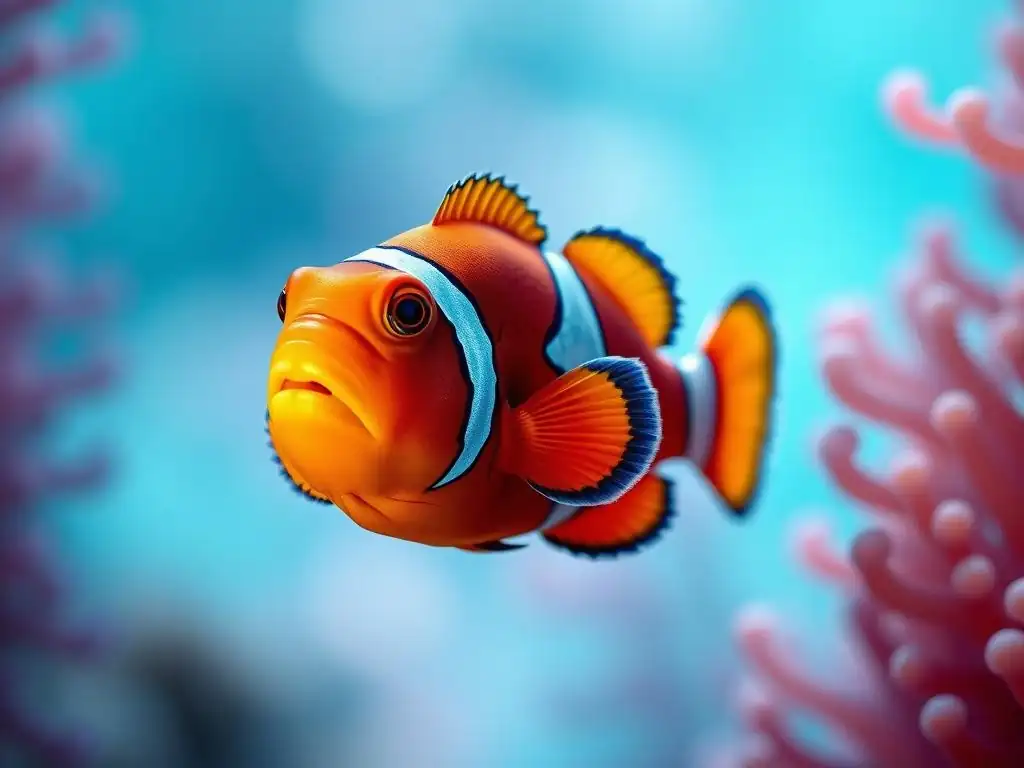
The Clarkii clownfish ( Amphiprion clarkii) is renowned for its wide geographic distribution, which has led to the development of numerous distinct color variations and morphs across its range. While the basic pattern of a dark body with bright fins and vertical white bars remains consistent, the specific hues of the body, fins, and even the white bars can vary significantly depending on their origin. This diversity makes A. clarkii a fascinating species for aquarists who appreciate subtle differences in coloration and pattern. Understanding these variations is part of a complete Clarkii clownfish care guide for enthusiasts.
Some of the notable color variations include specimens with deep black bodies and striking yellow or orange fins, often originating from regions like the Philippines or Indonesia. Others might display a more brownish body with vibrant yellow faces and fins, common in specimens from the Indian Ocean. The white bars themselves can range from pure white to a light bluish-white, and their thickness can also vary.
These natural morphs are not typically bred selectively for specific patterns like designer clownfish but rather reflect the genetic adaptations to different reef environments. Observing these natural differences adds another layer of appreciation to the adaptability of the Clarkii clownfish.
Troubleshooting Common Clarkii Clownfish Care Problems
Clarkii Clownfish Not Hosting Anemone: Reasons and Solutions
It is a common misconception that all clownfish will immediately host an anemone once introduced to an aquarium. While Clarkii clownfish are highly adaptable hosts, there are several reasons why an individual fish might not host, even when a suitable anemone is present. Factors such as the fish being tank-bred (which may reduce natural hosting instinct), the anemone being unhealthy or stressed, or even the clownfish having previously hosted in a non-anemone item can influence their behavior. Addressing these underlying issues is key to encouraging natural hosting behavior, a common troubleshooting point in a Clarkii clownfish care guide.
Patience is often the most important solution when a Clarkii clownfish is not hosting. Forcing the interaction can stress both the fish and the anemone. Instead, focus on providing optimal conditions for both, allowing the natural symbiotic relationship to develop on its own terms. Creating a stress-free environment and ensuring the anemone is thriving will significantly increase the likelihood of hosting over time.
- Tank-Bred vs. Wild-Caught: Tank-bred Clarkii clownfish may have never encountered an anemone and lack the natural instinct. Wild-caught specimens are more likely to host immediately.
- Anemone Health: A stressed, unhealthy, or dying anemone will not be appealing to a clownfish. Ensure the anemone's lighting, flow, feeding, and water parameters are perfect.
- Previous Host: If the clownfish previously hosted in a powerhead, coral, or artificial anemone, it may take time for it to "re-learn" natural hosting.
- Acclimation Period: Some clownfish simply need time to acclimate to their new surroundings before seeking out a host. This could take days, weeks, or even months.
- Fear/Stress: If the clownfish feels threatened by other tank mates or is generally stressed, it may avoid the anemone.
- Solutions:
- Patience: This is often the best solution. Give the fish time.
- Optimize Anemone Health: Ensure all anemone care requirements are met perfectly.
- Reduce Stress: Ensure appropriate tank mates and minimize disturbances.
- Provide a "Starter" Host: Some aquarists temporarily add a small, healthy Bubble Tip Anemone, known for its strong appeal, if space permits.
- "Host Rock": Place the anemone on a small, movable rock that can be positioned closer to the clownfish's preferred area, but never force the fish.
Aggression Issues with Clarkii Clownfish: Addressing Territorial Behavior
Clarkii clownfish, particularly mature females or established pairs, can exhibit territorial and aggressive behavior, especially in smaller tanks or when new fish are introduced. This aggression is typically directed towards other clownfish (especially different species), smaller or more timid tank mates, or fish that infringe upon their perceived territory around their host anemone. Addressing these issues is crucial for maintaining a peaceful and healthy aquarium environment, and it is a common challenge covered in a comprehensive Clarkii clownfish care guide.
Recognizing the signs of aggression early, such as chasing, nipping, or constant harassing, allows for intervention before severe injury or chronic stress occurs. While some level of territoriality is natural for these fish, excessive aggression can lead to weakened immune systems, fin damage, and even death for the targeted fish. Strategies for mitigating aggression often involve modifying the tank environment or, in extreme cases, rehoming one of the fish.
- Tank Size: Insufficient tank size is a primary cause of aggression. A larger tank (40+ gallons for a pair) provides more space for territories and reduces conflict.
- Tank Mates: Incompatible or overly timid tank mates can be targets. Avoid small, slow-moving, or similarly shaped fish.
- Pair Dynamics: While Clarkii clownfish are generally compatible in pairs, sometimes an overly dominant female can stress the male, or a pair may simply not bond well.
- New Introductions: Introducing new fish, especially if the Clarkii clownfish pair is well-established, can trigger aggression as they perceive newcomers as threats to their territory.
- Solutions:
- Increase Tank Size: If possible, move the fish to a larger aquarium.
- Rearrange Aquascape: Moving rocks and decor can disrupt established territories, forcing the clownfish to re-establish, sometimes with less aggression.
- Add Hiding Spots: Provide plenty of caves and crevices for less dominant or targeted fish to escape.
- Introduce Aggressors Last: When setting up a new tank, introduce the Clarkii clownfish after more peaceful species have settled in.
- "Time-Out" Method: For severe aggression, temporarily remove the aggressive clownfish to a separate tank for a few days. Reintroducing it may cause it to be less territorial upon return.
- Consider Rehoming: In rare cases of persistent, severe aggression, it may be necessary to rehome the aggressive fish or the targeted tank mate to ensure the well-being of all inhabitants.
Clarkii Clownfish Refusing to Eat: Identifying the Cause and Providing Solutions
A Clarkii clownfish refusing to eat is a significant cause for concern, as it is often one of the first and most noticeable signs of illness, stress, or unsuitable environmental conditions. While they are generally robust eaters, a sudden loss of appetite indicates that something is amiss in their environment or with their health. Prompt identification of the underlying cause is critical to providing effective solutions and preventing further decline in the fish's condition. This symptom requires immediate attention in any Clarkii clownfish care guide.
Causes for appetite loss can range from easily rectifiable issues like poor water quality or inappropriate diet to more serious problems like internal parasites or advanced disease. Observing other behaviors alongside the lack of appetite, such as lethargy, labored breathing, or physical changes, can help narrow down the potential causes. Addressing the root problem quickly is paramount to restoring the fish's health and encouraging it to feed again.
- Poor Water Quality: Elevated ammonia, nitrite, or high nitrates can stress fish and suppress appetite.
- Stress: New tank syndrome, bullying by tank mates, sudden changes in environment, or improper acclimation can cause stress.
- Disease/Parasites: Internal or external parasites (like Ich, Velvet, Brooklynella) or bacterial infections can cause loss of appetite.
- Inappropriate Diet: Lack of variety, stale food, or food that is too large can lead to refusal to eat.
- New Environment: It can take a few days for new fish to settle in and start eating.
- Bullying/Competition: Aggressive tank mates may prevent the clownfish from accessing food.
- Solutions:
- Test Water Parameters: Immediately test for ammonia, nitrite, nitrate, pH, and salinity. Perform a water change if any parameters are off.
- Observe for Disease: Look for white spots, cloudy film, rapid breathing, fin rot, or other physical signs of illness. If suspected, move to a hospital tank and treat accordingly.
- Offer Variety: Try different foods – frozen mysis shrimp, brine shrimp, high-quality flakes, or pellets. Sometimes live foods like enriched brine shrimp can entice a reluctant eater.
- Soak Food: Soak food in a vitamin supplement (e.g., Selcon) or garlic extract (e.g., Seachem GarlicGuard) to boost palatability and nutrition.
- Reduce Stress: Ensure appropriate tank mates, adequate hiding spots, and a stable environment. Turn off tank lights briefly after feeding to allow timid fish to eat.
- Isolate (if necessary): If bullying is suspected, move the affected clownfish or the aggressor to a separate tank.
- Patience: For newly introduced fish, give them a few days. Ensure the tank is quiet and stable.
Conclusion: Mastering Clarkii Clownfish Care for a Vibrant Aquarium
The Enduring Appeal of Clarkii Clownfish in the Saltwater Aquarium Hobby.
The Clarkii clownfish ( Amphiprion clarkii) holds an enduring appeal within the saltwater aquarium hobby due to its striking appearance, remarkable adaptability, and fascinating symbiotic relationship with anemones. Unlike some more delicate marine species, their robust nature and tolerance for a broader range of conditions make them an excellent choice for aquarists of varying experience levels.
Their vibrant coloration and characteristic clownfish antics provide endless hours of observation and enjoyment, making them a captivating centerpiece in many home aquariums. This adaptability, coupled with their relatively long lifespan when properly cared for, ensures they remain a staple in the marine trade.
Mastering Clarkii clownfish care involves a commitment to maintaining pristine water quality, providing a diverse and nutritious diet, and ensuring a stable, stress-free environment. Understanding their potential for territorial behavior and selecting compatible tank mates are also crucial for a harmonious community.
By adhering to a comprehensive Clarkii clownfish care guide, aquarists can enjoy the unique charm and dynamic presence of Amphiprion clarkii for many years, contributing to the vibrant and thriving ecosystem of their saltwater aquarium. Their ability to thrive in various settings and form iconic partnerships truly solidifies their status as one of the most beloved and rewarding marine fish to keep.
Frequently Asked Questions
What are the ideal water parameters for Clarkii Clownfish?
Clarkii Clownfish thrive in stable aquarium conditions. Aim for a temperature of 72-78°F (22-26°C), a specific gravity of 1.020-1.025, and a pH of 8.1-8.4.
What size tank is recommended for a pair of Clarkii Clownfish?
A minimum of 30 gallons is recommended for a pair. Larger tanks are always preferable, as they provide more swimming space and better water stability.
What do Clarkii Clownfish eat?
They are omnivores and readily accept a variety of foods. Offer a balanced diet of high-quality flake food, frozen foods (like mysis shrimp), and live foods to ensure optimal health and coloration.
Are Clarkii Clownfish aggressive?
Yes, Clarkii Clownfish are known to be more aggressive than other clownfish species. It's crucial to consider this when selecting tank mates and avoid keeping them with other aggressive fish.
What type of anemone is suitable for a Clarkii Clownfish?
While Clarkii Clownfish are adaptable, they prefer Bubble-Tip Anemones (Entacmaea quadricolor). However, they may also host in other anemone species, and sometimes even corals.
Okay, here's a final reflection designed to close your "Clarkii Clownfish (Amphiprion clarkii): The Adaptable Anemone Symbiont" article, optimized for the keyword "Clarkii clownfish care guide" and following the structure you provided:
Final Reflection: Embracing the Clarkii's Resilience
The journey into understanding and caring for the Clarkii clownfish reveals more than just aquarium husbandry; it highlights the remarkable adaptability of life in even the most challenging environments. As we've explored the intricacies of their symbiotic relationships and specific care requirements, it becomes clear that successful Clarkii clownfish keeping is a testament to our own ability to learn and adapt, mirroring the very resilience we admire in these fascinating creatures.
The Clarkii clownfish, with its bold personality and striking colors, serves as a constant reminder of the delicate balance within our planet's ecosystems. Witnessing their thriving presence in a home aquarium underscores the responsibility we have to protect their natural habitats and ensure their continued survival. In the end, we will conserve only what we love; we will love only what we understand; and we will understand only what we are taught.
- Baba Dioum. This quote resonates deeply, urging us to not only provide excellent care for our Clarkii clownfish but also to advocate for the preservation of the coral reefs they call home.
Now, as you embark on or continue your journey of Clarkii clownfish keeping, remember that the knowledge you've gained extends beyond the confines of your aquarium. Let the Clarkii's resilience inspire you to embrace adaptability in your own life, to appreciate the interconnectedness of all living things, and to become a steward of the marine environment. Your dedication to responsible care contributes to a larger narrative of conservation and respect for the natural world.
Dive Deeper: Unleash Your Clarkii Knowledge!
Thanks for exploring the fascinating world of the Clarkii Clownfish with us! Now that you're armed with a deeper understanding of their adaptable nature, it's time to put that knowledge into action.
Here's how you can continue your Clarkii Clownfish journey:
- Plan Your Dream Reef Tank: Ready to bring a Clarkii Clownfish into your home? Start mapping out the perfect reef tank environment, paying special attention to compatible anemones and tank mates.
- Share Your Discoveries: Pass on the wisdom! Share this article with fellow aquarium enthusiasts and start a conversation about the unique challenges and rewards of keeping Clarkii Clownfish.
- Unexpected Action: Photograph your existing aquarium and consider if it could make an amazing home for a Clarkii, even if you aren't planning on one anytime soon - sometimes just thinking about a potential setup sparks new ideas!
What's the one thing you learned about Clarkii Clownfish that surprised you the most and how might that impact your next aquarium project?