
Is Seriatopora an "Easier" SPS? A Realistic Look at Its Demands and Nuances

Welcome to Aquarium Mastery!
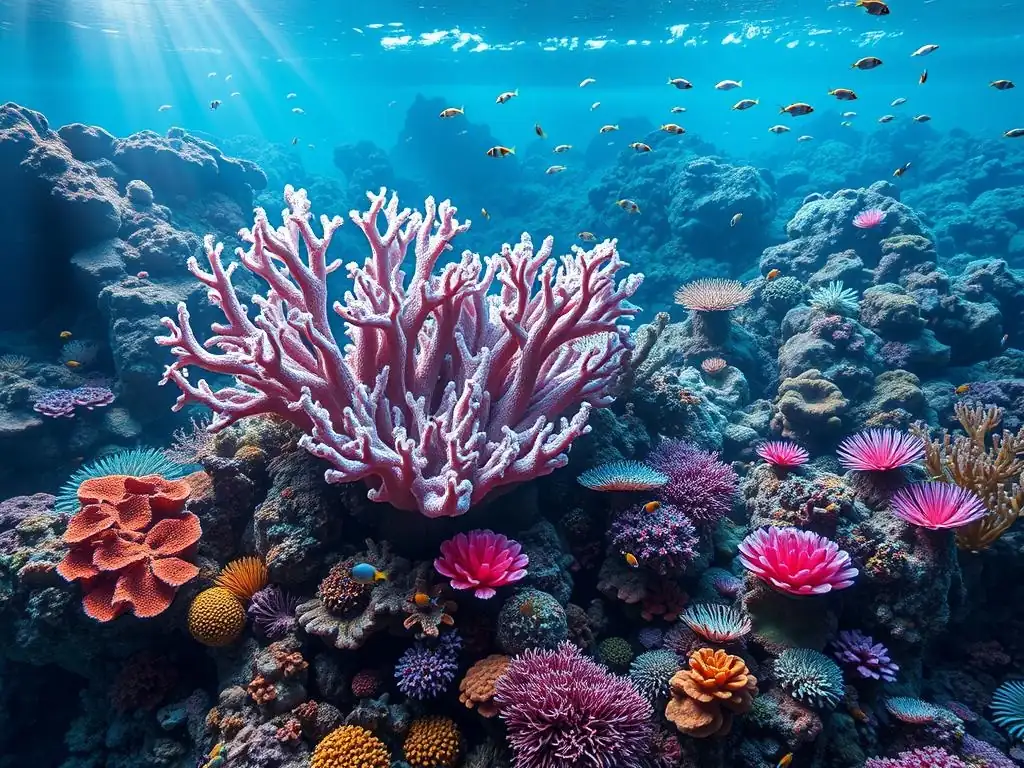
Curious about adding a vibrant touch to your reef tank? You've come to the right place. Many consider Seriatopora corals a slightly "easier" entry point into the world of SPS, but what does that really mean? Dive into our latest article to uncover the realistic Seriatopora SPS care demands and the nuances you need to know for success. Get ready to unravel the secrets and discover if this stunning coral is the right fit for your aquarium journey!
- Introduction: Understanding Seriatopora SPS for Reef Aquariums
- Seriatopora vs. Other SPS Corals: A Comparison of Reef Keeping Difficulty
- Seriatopora SPS Care Demands: A Detailed Breakdown
- Common Challenges in Seriatopora SPS Keeping
- Seriatopora Placement and Acclimation in the Reef Tank
- Seriatopora Color Variations and Their Specific Needs
- Fragging Seriatopora: A Step-by-Step Guide
- Advanced Seriatopora SPS Care Techniques
- Conclusion: Mastering Seriatopora SPS Care for a Thriving Reef Tank
-
Frequently Asked Questions
- How difficult is Seriatopora SPS coral to care for in an aquarium?
- What are the key water parameters to maintain for Seriatopora SPS?
- What type of lighting is best suited for Seriatopora SPS?
- What kind of water flow does Seriatopora SPS need?
- What are some common problems encountered when keeping Seriatopora SPS and how can they be prevented?
- Final Reflection: Embracing the Nuances of Reefkeeping
- Ignite Your Reef Tank: Embrace the Seriatopora Challenge!
Introduction: Understanding Seriatopora SPS for Reef Aquariums
Seriatopora, commonly known as Bird's Nest Coral, is a popular small polyp stony (SPS) coral often recommended for aquarists looking to delve into the world of SPS keeping. Its delicate, branching structure and vibrant colors make it a captivating addition to any reef aquarium. While it's frequently touted as an "easier" SPS coral, this perception can sometimes lead to misunderstandings about its true requirements.
This article aims to provide a realistic and detailed examination of Seriatopora SPS care demands, dissecting the nuances of its needs, comparing it to other SPS corals, and outlining the essential conditions for its successful cultivation. Understanding these specific requirements is crucial for ensuring the long-term health and vibrant coloration of your Seriatopora colonies, moving beyond the simplistic "easy" label to a comprehensive grasp of its demands.
Seriatopora vs. Other SPS Corals: A Comparison of Reef Keeping Difficulty
Why Seriatopora is Often Considered an Easier SPS Coral
Seriatopora is frequently cited as a good entry point into SPS corals due to a few key characteristics that distinguish it from more notoriously challenging species like Acropora. Its growth rate is generally faster and more forgiving, allowing it to recover from minor stresses or fragging more readily than some slower-growing SPS counterparts. Additionally, its branching morphology, often resembling a bird's nest, tends to be less prone to localized dead spots caused by poor flow compared to plate or tabling Acropora.
This perceived ease also stems from its general availability and often lower initial cost in the hobby. Aquarists find it more accessible to acquire and experiment with Seriatopora frags, which contributes to its reputation as a beginner-friendly SPS. While it still demands stable conditions typical of SPS, it can sometimes exhibit a slightly wider tolerance for minor fluctuations in water parameters or light intensity compared to the most sensitive Acropora species.
Factors Contributing to Seriatopora's Perceived Hardiness
The robust nature of Seriatopora's skeleton and its rapid calcification rate contribute significantly to its perceived hardiness. In cases of minor tissue recession, such as Slow Tissue Necrosis (STN) affecting a small area, Seriatopora often demonstrates a remarkable ability to regrow and recover, provided the underlying issue is promptly addressed. This resilience is less common in some delicate Acropora species, where tissue loss can quickly consume an entire colony.
Furthermore, Seriatopora can adapt to a slightly broader range of lighting and flow conditions than highly specific SPS corals. While it thrives under strong, turbulent flow and moderate to high PAR (Photosynthetically Active Radiation), it may not immediately bleach or suffer severe tissue loss if conditions are slightly outside the optimal range for a short period. This adaptability, however, should not be mistaken for immunity to poor husbandry, as consistent neglect will inevitably lead to decline.
Seriatopora SPS Care Demands: A Detailed Breakdown
Essential Water Parameters for Healthy Seriatopora Growth
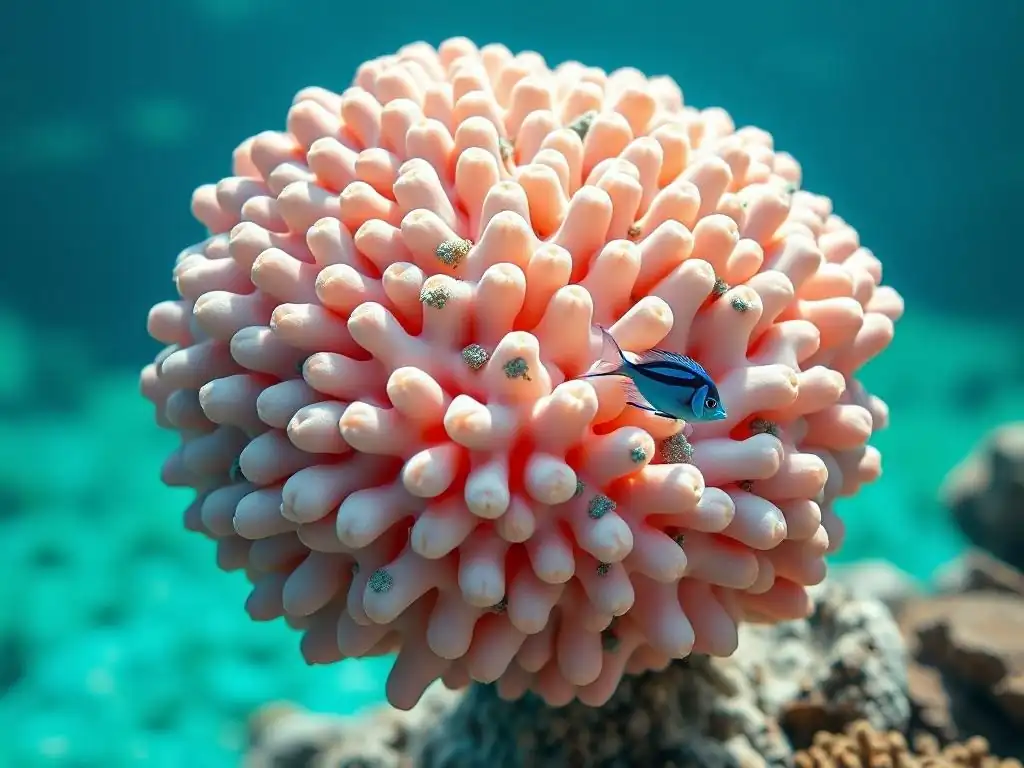
Maintaining pristine and, more importantly, stable water parameters is the cornerstone of successful Seriatopora SPS care demands. Key parameters include salinity, temperature, and pH. Salinity should be kept consistently within a specific gravity range of 1.025 to 1.026, or 35 parts per thousand (ppt). Temperature is best maintained between 76-78°F (24.4-25.5°C), with minimal daily fluctuations. pH should ideally remain between 8.0 and 8.4.
Even minor daily or weekly shifts outside these narrow windows can induce stress in Seriatopora, leading to issues such as reduced polyp extension, browning, or bleaching. Regular testing, ideally daily for critical parameters like alkalinity and weekly for others, is non-negotiable. For instance, a temperature swing of more than 2°F within 24 hours can severely stress a colony, potentially leading to tissue loss.
Maintaining Alkalinity, Calcium, and Magnesium for Seriatopora
For Seriatopora to build its intricate stony skeleton, a consistent supply of calcium, alkalinity, and magnesium is vital. Target ranges are: Alkalinity (dKH) at 7.5-8.5 dKH, Calcium (Ca) at 400-450 ppm, and Magnesium (Mg) at 1300-1400 ppm. Alkalinity is particularly crucial, as it represents the carbonate hardness directly used by corals for calcification. A drop below 7.0 dKH can significantly inhibit growth and lead to tissue recession.
These elements are constantly depleted by coral growth and biological processes within the aquarium. To maintain these levels, aquarists typically employ two-part dosing solutions, a calcium reactor, or automated dosing systems. For example, a 50-gallon reef tank with a moderate SPS load might consume 0.5-1.0 dKH of alkalinity daily, necessitating daily supplementation to keep levels stable. Regular testing of these parameters is paramount to fine-tune dosing regimens and meet the Seriatopora SPS care demands.
The Importance of Stable Water Chemistry for SPS Success
Stability in water chemistry is arguably more critical than achieving exact target numbers for Seriatopora and other SPS corals. Rapid swings in alkalinity, for instance, even within the acceptable range (e.g., from 8.5 dKH down to 7.5 dKH in a single day), can induce severe stress, leading to a phenomenon known as "alkalinity burn" or rapid tissue necrosis (RTN). Corals expend significant energy adapting to these changes, diverting resources from growth and coloration.
To ensure stability, it is advisable to make small, consistent adjustments rather than large, infrequent ones. Automated dosing systems, which deliver precise amounts of supplements multiple times a day, are highly recommended for SPS-dominated tanks as they minimize daily fluctuations. Even a well-established Seriatopora colony can quickly decline if its environment experiences daily alkalinity swings exceeding 0.5 dKH, highlighting the paramount importance of consistency.
Lighting Requirements for Seriatopora: PAR and Spectrum
Seriatopora corals are photosynthetic and rely heavily on adequate lighting for their energy needs. They thrive under moderate to high Photosynthetically Active Radiation (PAR) levels, typically ranging from 150-300 PAR. While they can adapt to slightly lower PAR (around 100-150) in some cases, optimal growth and coloration are observed at the higher end of this range, sometimes even up to 350 PAR for specific color morphs. The ideal spectrum usually involves a strong blue component (around 450-470nm) combined with balanced white light to mimic natural reef conditions.
Proper light acclimation is crucial when introducing new Seriatopora frags to your system. Placing them immediately under intense lighting can cause severe bleaching and even death. It is recommended to start new frags in lower PAR areas of the tank (e.g., 100-150 PAR) and gradually move them higher over a period of 2-4 weeks, or to reduce the intensity of your lights during the acclimation phase. A typical photoperiod of 10-12 hours, with 6-8 hours of peak intensity, is generally effective for meeting Seriatopora SPS care demands.
Achieving Optimal Coloration and Growth with Proper Lighting
The vibrant colors of Seriatopora are directly influenced by the intensity and spectrum of light provided. For instance, pink and purple morphs often exhibit their most striking hues under strong royal blue (450-470nm) and violet (400-420nm) wavelengths, which penetrate deeper into the coral tissue and stimulate specific pigments. Green and yellow morphs, while still benefiting from blue, may also pop under a broader spectrum that includes more balanced white light.
However, there's a fine balance to strike. Too much light can lead to bleaching, where the coral expels its symbiotic zooxanthellae, losing its color and primary food source. Conversely, insufficient light can cause the coral to brown out as zooxanthellae proliferate to capture more light, or to stunt growth. Monitoring your Seriatopora's color and polyp extension is key; a healthy coral will exhibit vibrant colors and consistent polyp extension throughout the day.
Flow Requirements for Seriatopora: Preventing Detritus Buildup
Seriatopora corals, like most SPS, require strong, turbulent, and indirect water flow. This type of flow ensures that detritus and waste products do not settle on the coral's delicate polyps and branches, which can lead to localized tissue necrosis or promote nuisance algae growth. A general guideline for overall tank flow is 20-40 times the tank volume per hour, with additional localized flow generated by powerheads directly around the Seriatopora colony.
The flow should be turbulent and randomized rather than laminar (direct, constant stream). Laminar flow can strip tissue from the coral's skeleton, especially on the side facing the direct current. Utilizing multiple powerheads with varying angles or employing wavemakers that create oscillating patterns can achieve the ideal turbulent flow, ensuring all parts of the Seriatopora colony receive adequate water movement and helping meet its Seriatopora SPS care demands.
The Role of Water Movement in Seriatopora Health
Proper water movement plays several critical roles in the health and vitality of Seriatopora. Firstly, it facilitates the delivery of essential nutrients, trace elements, and oxygen to the coral's polyps, which are vital for its metabolic processes and calcification. Secondly, it efficiently carries away metabolic waste products and detritus from the coral's surface, preventing the buildup of harmful compounds that can smother polyps or encourage bacterial infections.
Thirdly, consistent and turbulent flow helps to prevent the establishment of nuisance algae on the coral's skeleton, as algae struggle to adhere and grow in highly agitated water. Inadequate flow, particularly in dense colonies, can lead to "dead spots" where detritus accumulates, resulting in Slow Tissue Necrosis (STN) from the base upwards. For example, a 100-gallon tank with Seriatopora should ideally have powerheads producing at least 2000-4000 GPH of randomized flow to keep the coral clean and healthy.
Nutrient Levels: Balancing Nitrate and Phosphate for Seriatopora SPS
Maintaining ultra-low nutrient levels is a fundamental aspect of Seriatopora SPS care demands. Nitrates should ideally be kept between 0 and 5 ppm, though some successful SPS tanks operate with nitrates up to 10 ppm without adverse effects on Seriatopora health, provided other parameters are stable. Phosphates, however, should be kept extremely low, ideally between 0.00 and 0.03 ppm. Even slightly elevated phosphate levels can inhibit calcification and promote nuisance algae growth.
While the goal is low nutrients, completely zeroing out nitrates and phosphates can also be detrimental, leading to coral starvation and pale coloration. A slight, measurable amount of these nutrients (e.g., 1-2 ppm nitrate, 0.01-0.02 ppm phosphate) can actually be beneficial for promoting healthy growth and vibrant colors, as it provides a food source for the coral's symbiotic zooxanthellae. The key is balance and consistency.
Avoiding Nutrient Deficiencies and Algae Blooms
To maintain optimal nutrient levels, several strategies can be employed. A high-quality protein skimmer is essential for continuous organic waste removal. Regular water changes (e.g., 10-20% bi-weekly or monthly) help replenish trace elements and export accumulated nutrients. Other methods include the use of refugiums with macroalgae (like Chaetomorpha), carbon dosing (e.g., vinegar, vodka, biopellets), and granular ferric oxide (GFO) or lanthanum chloride for phosphate removal.
An imbalance in nutrients, particularly high phosphates, can lead to aggressive nuisance algae blooms on the coral's skeleton, suffocating polyps and hindering light penetration. Conversely, prolonged ultra-low nutrient environments without supplemental feeding can cause Seriatopora to appear pale or "bleached-out" due to a reduction in zooxanthellae density. Monitoring nutrient levels with accurate test kits and adjusting nutrient export methods accordingly is vital for avoiding both deficiencies and over-enrichment.
Common Challenges in Seriatopora SPS Keeping
Identifying and Addressing Common Seriatopora Diseases and Pests
Even with meticulous care, Seriatopora can sometimes face challenges from diseases and pests. Early identification is key to successful intervention. Signs of distress include reduced polyp extension, browning or bleaching of tissue, tissue recession from the base or tips, and visible pests on the coral's surface. Regular, close inspection of your colonies, perhaps with a magnifying glass, can help spot issues before they escalate.
Prevention is always better than cure. All new Seriatopora frags should undergo a proper quarantine period (ideally 4-6 weeks) in a separate tank. During quarantine, dipping new corals in an appropriate coral dip solution (e.g., using a product like CoralRx or Revive Coral Cleaner) can effectively eliminate many common external pests before they are introduced into your main display tank.
Rapid Tissue Necrosis (RTN) and Slow Tissue Necrosis (STN) in Seriatopora
Rapid Tissue Necrosis (RTN) is a sudden, often overnight, loss of coral tissue, leaving behind a bare white skeleton. It's usually triggered by severe stress events such as drastic parameter swings (e.g., a sudden temperature crash or alkalinity spike), acute poisoning (e.g., from a dying animal or contaminated water), or severe physical damage. While Seriatopora can be resilient, RTN typically consumes affected branches quickly. Immediate intervention, such as fragging healthy tissue well above the affected area, might save a portion of the colony.
Slow Tissue Necrosis (STN) is a more gradual process of tissue recession, often starting from the base of the coral and progressing upwards over days or weeks. Common causes include chronic stress from suboptimal water parameters (e.g., consistently low alkalinity), insufficient or stagnant flow, nutrient deficiencies, or prolonged exposure to nuisance algae. Addressing the underlying cause is paramount for STN. Increasing flow around the affected area, correcting water chemistry, and ensuring proper nutrient levels are crucial steps to halt the progression of STN in Seriatopora.
Dealing with Acropora Eating Flatworms (AEFW) and Other Pests
While Acropora Eating Flatworms (AEFW, Amakusaplana acroporae) primarily target Acropora species, they can occasionally be found on Seriatopora, especially if Acropora are present in the same system. These small, camouflaged flatworms feed on coral tissue, leaving bite marks and causing tissue loss. Other less common pests that might affect Seriatopora include red bugs ( Tegastes acroporanus) and certain nudibranchs, though these are more often associated with Acropora or specific LPS corals.
Detection involves careful observation, often at night with a flashlight, looking for the pests themselves or their egg masses. For AEFW, dipping with specific pest control products (like Flatworm Exit or specific coral dips) is effective. For severe infestations, some aquarists opt for biological controls such as certain wrasse species (e.g., Six-Line Wrasse, Melanurus Wrasse), though these are not guaranteed solutions and should be introduced with caution. Quarantine and prophylactic dipping of all new corals remain the best defense against these unwelcome invaders, safeguarding your Seriatopora SPS care demands.
Algae Growth on Seriatopora: Prevention and Treatment
The presence of nuisance algae growing directly on a Seriatopora colony is a clear indicator of elevated nutrient levels (nitrates and phosphates) and/or insufficient water flow. Hair algae, diatoms, or cyanobacteria can quickly smother the coral's polyps, blocking light and potentially leading to tissue loss. This often happens in areas of the tank where flow is stagnant, allowing detritus to accumulate and provide a breeding ground for algae.
Prevention involves strict nutrient control through efficient protein skimming, regular water changes, proper feeding habits (avoiding overfeeding), and the use of nutrient export methods like GFO or carbon dosing. Ensuring robust and turbulent water flow around all parts of the Seriatopora colony will also deter algae from settling. For existing algae growth, gentle manual removal (e.g., with a soft toothbrush or small brush) can be performed, but addressing the root cause of high nutrients is essential for long-term success.
Maintaining Proper Water Circulation to Prevent Issues
Consistent and proper water circulation is paramount for preventing a myriad of issues in Seriatopora colonies. Inadequate flow leads to the accumulation of detritus on the coral's surface, which not only provides a substrate for nuisance algae but also creates localized pockets of high nutrients and low oxygen, predisposing the coral to bacterial infections and tissue necrosis. For example, a colony receiving insufficient flow might develop STN from the base upwards as waste settles and smothers the lower polyps.
To ensure optimal circulation, regularly check and clean your powerheads or wavemakers, as mineral deposits and detritus can reduce their efficiency. Consider adjusting their positions periodically to create varied flow patterns and eliminate dead spots within the tank. For very dense Seriatopora colonies, ensuring that inner branches receive adequate flow is crucial, sometimes requiring more powerful or strategically placed flow devices to penetrate the colony's structure.
Seriatopora Placement and Acclimation in the Reef Tank
Choosing the Ideal Location for Seriatopora in Your Aquarium
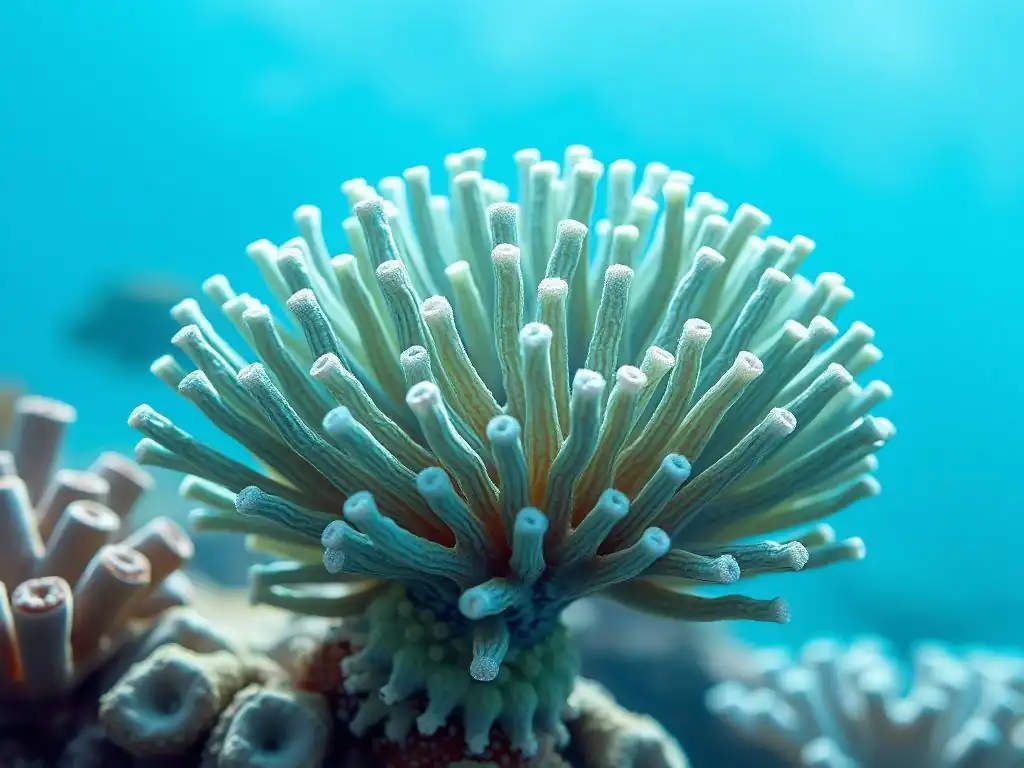
When placing Seriatopora in your reef tank, consider its specific needs for light and flow. These corals generally thrive in the upper to middle sections of the aquarium, where PAR levels are moderate to high (150-300 PAR). Crucially, they require strong, turbulent, and indirect water flow to keep their delicate branches clean and ensure nutrient delivery. Avoid placing them in areas with direct, laminar flow, which can cause tissue stripping.
Allow ample space for growth. Seriatopora can grow quite rapidly, with some colonies adding an inch or more of growth per month under optimal conditions. A small frag can quickly become a colony several inches in diameter within six months. Ensure its branching structure will not shade other corals or block essential water flow to other areas of the tank as it matures. Placing it on a rock structure that allows for good water movement all around the colony is ideal.
Acclimating New Seriatopora Frags to Your System
Proper acclimation is critical for the survival of new Seriatopora frags. Upon arrival, temperature and salinity acclimation should be performed slowly, typically via a drip acclimation method over 30-60 minutes, especially if there's a significant difference between the shipping water and your tank water parameters. After salinity acclimation, a prophylactic dip in a coral dip solution is highly recommended to remove potential pests.
The most crucial aspect of acclimation for SPS corals like Seriatopora is light acclimation. Never place a new frag directly under intense lighting if it came from a lower PAR environment. Start the frag lower in the tank, or in a more shaded area, where PAR levels are significantly lower (e.g., 50-100 PAR). Over the course of 1-2 weeks, gradually move the frag to its desired, higher-light location, or slowly increase your lighting intensity. Observing the coral's polyp extension and color will guide this process; healthy polyps indicate proper acclimation.
Seriatopora Color Variations and Their Specific Needs
Understanding the Different Color Morphs of Seriatopora
Seriatopora is renowned for its stunning array of color morphs, ranging from vibrant pinks (often called "Pink Bird's Nest" or Seriatopora hystrix), striking greens ( Seriatopora guttatus), deep purples, and even yellowish or multi-colored varieties. These distinct colorations are influenced by the specific species, its genetic makeup, the type and density of its symbiotic zooxanthellae, and the presence of various fluorescent and non-fluorescent proteins within the coral tissue.
While the fundamental Seriatopora SPS care demands remain consistent across all morphs, subtle differences in their appearance can sometimes be enhanced by fine-tuning environmental factors. For instance, a "Tyree Pink Bird's Nest" might exhibit its best coloration under a slightly different balance of blue and white light compared to a "Green Bird's Nest," even though both require similar PAR levels. These color variations are a testament to the coral's adaptability and the complex interplay of biology and environment.
Adjusting Lighting and Nutrients to Enhance Seriatopora Coloration
To truly bring out the most vibrant colors in your Seriatopora, careful adjustments to lighting spectrum and nutrient levels are often necessary. For pinks, purples, and blues, a strong emphasis on the blue spectrum (450-470nm) and violet (400-420nm) wavelengths from your LED fixtures can significantly enhance their fluorescence and pigmentation. Many aquarists find that a higher blue-to-white ratio helps these colors pop.
Maintaining ultra-low but not completely zero nutrient levels (e.g., nitrates 1-5 ppm, phosphates 0.01-0.03 ppm) is also critical. High nutrient levels often lead to browning of the coral as zooxanthellae proliferate, masking the vibrant underlying pigments. Conversely, while extremely low nutrients can lead to "pastel" colors, going too low can starve the coral and result in a washed-out appearance. Some advanced aquarists also experiment with very small, controlled doses of specific trace elements like potassium or iodine, which are believed to contribute to certain color expressions in SPS corals, though caution is always advised to avoid overdosing.
Fragging Seriatopora: A Step-by-Step Guide
Safely Fragging Seriatopora for Propagation
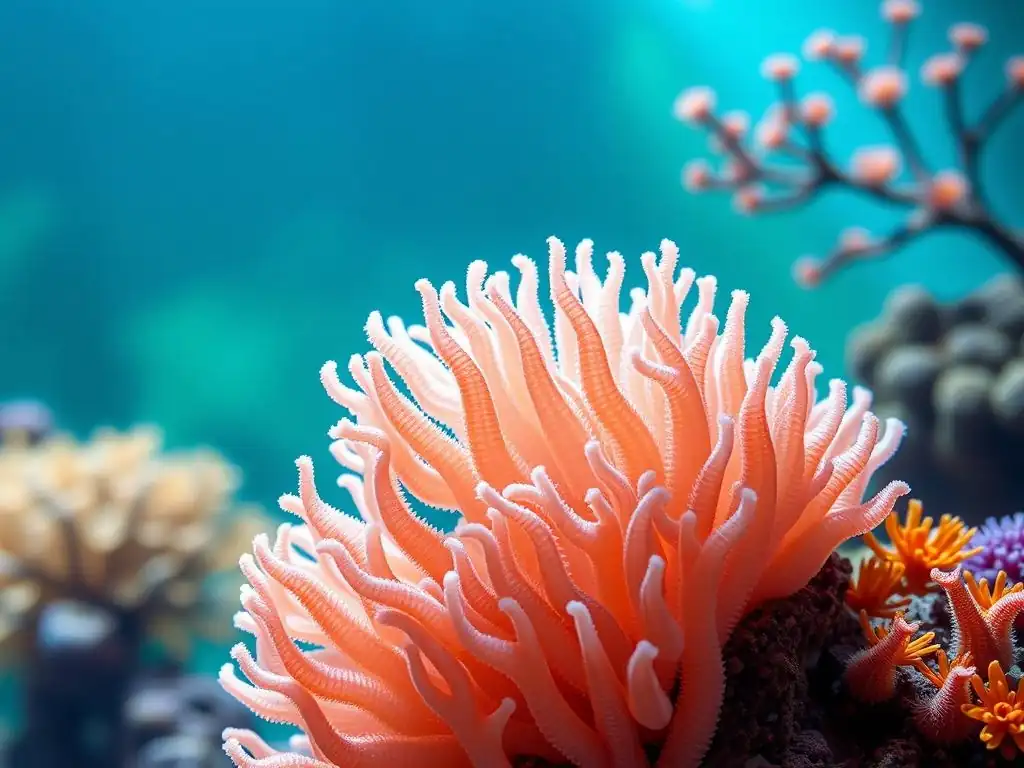
Fragging Seriatopora is a common practice for propagation, managing colony size, or saving portions of a colony affected by tissue loss. To safely frag, you will need a few essential tools: specialized coral bone cutters or sharp, clean clippers, a container of tank water for the coral, frag plugs or small pieces of live rock, and coral epoxy or super glue gel. Choose a healthy branch that is at least 1-2 inches long to ensure the frag has enough energy reserves.
The process involves carefully removing the mother colony from the tank and placing it in the container of tank water. Using the clippers, make a clean, swift cut through a healthy branch. Avoid crushing the coral tissue. Once cut, gently dip both the new frag and the mother colony in a recommended coral dip solution for the specified time to help prevent infection and aid healing. Finally, use coral epoxy or super glue gel to securely attach the frag to a frag plug or small rock, ensuring it is stable and won't tumble in the tank.
Ensuring Successful Healing and Growth of Seriatopora Frags
After fragging, the success of your Seriatopora frag depends on providing optimal conditions for healing and new growth. Place the newly mounted frag in an area of the tank with stable, moderate flow and appropriate lighting (perhaps slightly lower PAR initially than the mother colony, then gradually moved up). Ensure all water parameters, especially alkalinity, calcium, and magnesium, are within their ideal ranges and remain highly stable, as these are crucial for calcification and tissue regeneration.
Monitor the frag closely for the first few days for any signs of stress, tissue recession, or infection. A healthy frag should show good polyp extension within 24-48 hours. Healing of the cut site typically takes a few days to a week, during which a thin layer of new tissue will form over the exposed skeleton. Under ideal Seriatopora SPS care demands, new growth tips should become visible within 2-4 weeks, indicating successful recovery and the start of new colony development.
Advanced Seriatopora SPS Care Techniques
Utilizing Amino Acids and Trace Elements for Enhanced Growth
In highly efficient, ultra-low nutrient (ULNS) reef systems, where natural food sources for corals might be scarce, supplemental feeding with amino acids can significantly enhance Seriatopora growth and coloration. Amino acids provide essential building blocks for coral tissue and proteins. They are typically dosed in very small amounts (e.g., 1-2 drops per 25 gallons daily or every other day) to avoid nutrient spikes. Overdosing can lead to nuisance algae or bacterial blooms.
Trace elements such as iodine, potassium, strontium, and boron are vital for various coral metabolic processes and skeletal formation. While regular water changes with a high-quality salt mix replenish many of these, in tanks with heavy coral loads, these elements can be depleted more rapidly. Advanced aquarists may test for specific trace elements and dose them individually, but this requires precise testing and careful monitoring, as overdosing can be detrimental to the delicate Seriatopora and other inhabitants.
Implementing a Regular Water Change Schedule for Optimal Health
Despite advanced dosing and nutrient control methods, a consistent and regular water change schedule remains one of the most fundamental and effective aspects of Seriatopora SPS care demands. Water changes serve multiple critical purposes: they replenish essential trace elements that are consumed by corals and removed by skimming, reduce accumulated nitrates and phosphates, and export other dissolved organic compounds and pollutants that can build up over time.
For an SPS-dominated tank, a common recommendation is a 10-20% water change bi-weekly or monthly, using high-quality RO/DI water mixed with a reputable reef salt. The exact frequency and volume depend on tank size, bioload, and the efficiency of other nutrient export methods. Consistency is key; performing smaller, more frequent water changes (e.g., 5% weekly) can sometimes be more beneficial for maintaining stability than larger, infrequent changes, especially for sensitive corals like Seriatopora.
Conclusion: Mastering Seriatopora SPS Care for a Thriving Reef Tank
While Seriatopora is often labeled an "easier" SPS coral, a realistic look at its Seriatopora SPS care demands reveals that it still requires dedicated attention and precise environmental conditions to truly thrive. Its perceived hardiness is relative within the SPS category, meaning it's more forgiving than some Acropora, but far from a "set it and forget it" coral. Mastering its care involves a commitment to stability, consistent monitoring, and proactive adjustments.
The keys to a thriving Seriatopora colony lie in maintaining stable water parameters, providing optimal lighting and turbulent flow, and meticulous nutrient control. By understanding and diligently addressing these core requirements, aquarists can successfully cultivate vibrant and fast-growing Seriatopora, enjoying the beauty and dynamic growth that these captivating SPS corals bring to any reef aquarium. The reward of a flourishing Seriatopora colony is a testament to careful husbandry and a deep appreciation for these intricate marine organisms.
Frequently Asked Questions
How difficult is Seriatopora SPS coral to care for in an aquarium?
Seriatopora is often considered a "beginner" SPS, but still requires stable water parameters and proper lighting. It's not as forgiving as some soft corals, demanding more attention than beginner corals, but less than most SPS.
What are the key water parameters to maintain for Seriatopora SPS?
Maintaining stable water parameters is crucial. Focus on consistent alkalinity levels (around 8-11 dKH), calcium levels (around 400-450 ppm), and magnesium levels (around 1250-1350 ppm). Regular testing is essential.
What type of lighting is best suited for Seriatopora SPS?
Seriatopora requires moderate to high lighting. LEDs, metal halides, and T5 fluorescent bulbs are all suitable options, provided they offer sufficient intensity and spectrum. Acclimation to higher light levels is important to prevent bleaching.
What kind of water flow does Seriatopora SPS need?
Seriatopora thrives in moderate to high water flow. Adequate flow prevents detritus buildup and ensures the coral receives sufficient nutrients and oxygen. Direct, strong currents can be harmful, so avoid those.
What are some common problems encountered when keeping Seriatopora SPS and how can they be prevented?
Common problems include bleaching (due to lighting changes or poor water quality), tissue necrosis (often from unstable parameters or pests), and algae overgrowth. Maintaining stability and addressing issues promptly are key to prevention.
Final Reflection: Embracing the Nuances of Reefkeeping
The journey into reefkeeping, especially with delicate corals like Seriatopora, is a constant learning process, and understanding their specific needs is paramount to success. This exploration of Seriatopora care demands highlights the importance of diligent research and realistic expectations in the reef aquarium hobby. While often touted as "easier" SPS, the truth lies in a nuanced understanding of their environmental requirements and a commitment to providing a stable and thriving ecosystem.
The allure of vibrant coral reefs has captivated aquarists for decades, and the desire to recreate these ecosystems in our homes is a powerful motivator. My own experiences with Seriatopora have underscored the critical role of patience and observation in achieving long-term success. The sea, once it casts its spell, holds one in its net of wonder forever.
- Jacques Cousteau. This quote resonates deeply, reminding us that the beauty we seek to replicate demands respect and a dedication to understanding the intricate balance of the marine environment.
Now, as you consider adding Seriatopora to your reef, or perhaps already nurture one, I urge you to reflect on the lessons shared here. Don't be swayed by simplified labels or fleeting trends. Instead, embrace the challenge of understanding the specific needs of this captivating coral. By prioritizing stability, observation, and continuous learning, you can unlock the true potential of Seriatopora and contribute to the vibrant tapestry of life within your reef aquarium.
Ignite Your Reef Tank: Embrace the Seriatopora Challenge!
Thanks for diving into the world of Seriatopora corals! We hope you’ve gained a clearer understanding of their needs and how to potentially thrive with them. Now it's time to translate that knowledge into action and experience the joys (and occasional challenges!) of keeping these beautiful SPS corals.
Here's how you can take your reef keeping to the next level:
- Take the plunge: Carefully select a healthy Seriatopora frag from a reputable source and introduce it to your reef aquarium. Observe its behavior closely, adjusting your parameters as needed, and document the journey.
- Share your experiences: Join our Aquarium Mastery community forums and post photos and updates of your Seriatopora’s progress. Help others avoid common pitfalls and celebrate successes!
- Experiment with flow: Now that you understand the importance of flow, consider testing different powerhead placements to optimize circulation around your Seriatopora and see how it responds.
What small change will you make to your reef tank today based on what you’ve learned?