
Barbs Unveiled: The Dynamic World of Active Cyprinid Schools for Your Aquarium

Welcome to Aquarium Mastery!
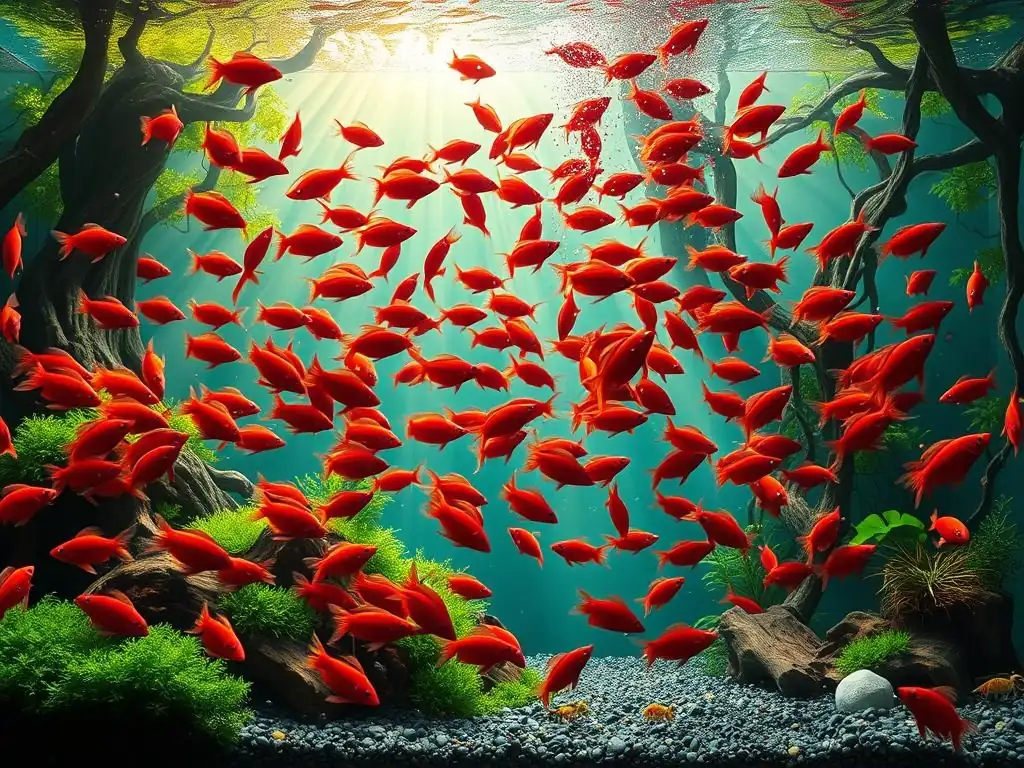
Dive into the vibrant world of aquarium keeping, starting with a fascinating deep-dive into Barbs aquarium care tips. Are you ready to unlock the secrets to keeping these active cyprinids thriving in your freshwater setup? Discover the best practices for creating a stimulating and healthy environment for your barbs and learn how to troubleshoot common challenges. Let's explore their captivating behavior and ensure a long and happy life for these dynamic additions to your aquarium!
- Understanding Barbs: An Introduction to Active Cyprinids
- Essential Barbs Aquarium Care Tips for a Thriving School
- Barb Tank Mates: Creating a Harmonious Aquarium Community
- Maintaining a Healthy Barb Aquarium: Troubleshooting and Prevention
- Barb Fish Breeding: A Guide to Reproduction in Captivity
- Advanced Barb Aquarium Care: Beyond the Basics
- Mastering Barb Aquarium Care: Ensuring a Vibrant Aquatic Ecosystem
- Frequently Asked Questions
- Final Reflection: Embracing the Barb's Vibrant Energy
- Ignite Your Aquarium: Unleash the Barbs' Dynamic Energy!
Understanding Barbs: An Introduction to Active Cyprinids
What are Barbs and Why Choose Them for Your Aquarium?
Barbs are a diverse group of freshwater fish belonging to the family Cyprinidae, primarily originating from Asia and Africa. Renowned for their vibrant colors, energetic swimming patterns, and distinct schooling behavior, they bring a dynamic element to any freshwater aquarium. Their active nature and often hardy disposition make them a popular choice for both novice and experienced aquarists looking to add constant movement and visual interest to their aquatic setups.
Choosing barbs for your aquarium means embracing a lively display of aquatic life. Their schooling tendencies, particularly evident in species like the Tiger Barb, create mesmerizing synchronized movements that captivate observers. Beyond their aesthetic appeal, many barb species are relatively resilient, tolerating a range of water conditions once established, which contributes to their widespread appeal and makes understanding comprehensive barbs aquarium care tips essential for their well-being.
Barb Fish Characteristics: Size, Temperament, and Appearance
The characteristics of barb fish vary significantly across species, impacting their suitability for different tank environments. Sizes can range from the diminutive Cherry Barb, typically reaching 1.5 to 2 inches (3.8-5 cm), to the larger Denison Barb, which can grow up to 6 inches (15 cm) in length. Temperament also spans a spectrum, from the generally peaceful Cherry Barb to the notoriously nippy Tiger Barb, known for its semi-aggressive tendencies, especially if not kept in sufficiently large schools.
Appearance-wise, barbs are incredibly diverse. Many species exhibit brilliant coloration, from the striking orange and black stripes of the Tiger Barb to the deep ruby red of the male Cherry Barb. Other popular varieties include the silver and red-striped Denison Barb and the iridescent Rosy Barb. Their streamlined, often torpedo-shaped bodies are perfectly adapted for fast swimming, reflecting their active nature and making their vibrant presence a highlight in any well-maintained aquarium.
Exploring Different Barb Species: A Guide to Choosing the Right One
When selecting barbs for your aquarium, understanding the distinct traits of popular species is crucial for successful barbs aquarium care tips. The Tiger Barb ( Puntigrus tetrazona) is perhaps the most famous, recognized by its four vertical black stripes on a golden-orange body. While highly active and visually striking, they are known for fin-nipping, especially if kept in schools smaller than six to eight individuals. A larger school helps diffuse aggression among themselves rather than towards other tank mates.
Conversely, the Cherry Barb ( Puntius titteya) offers a more peaceful alternative. Males develop a beautiful deep red during breeding, while females are a subtle brownish-orange. These gentle fish are ideal for smaller community tanks and are less prone to nipping. For those with larger aquariums, the Denison Barb ( Sahyadria denisonii), also known as the Roseline Shark, is a stunning, active species with a silver body adorned with a prominent red stripe and a black line. They require spacious tanks, typically 55 gallons or more, due to their size and rapid swimming.
Essential Barbs Aquarium Care Tips for a Thriving School
Setting Up Your Barb Aquarium: Tank Size and Environment
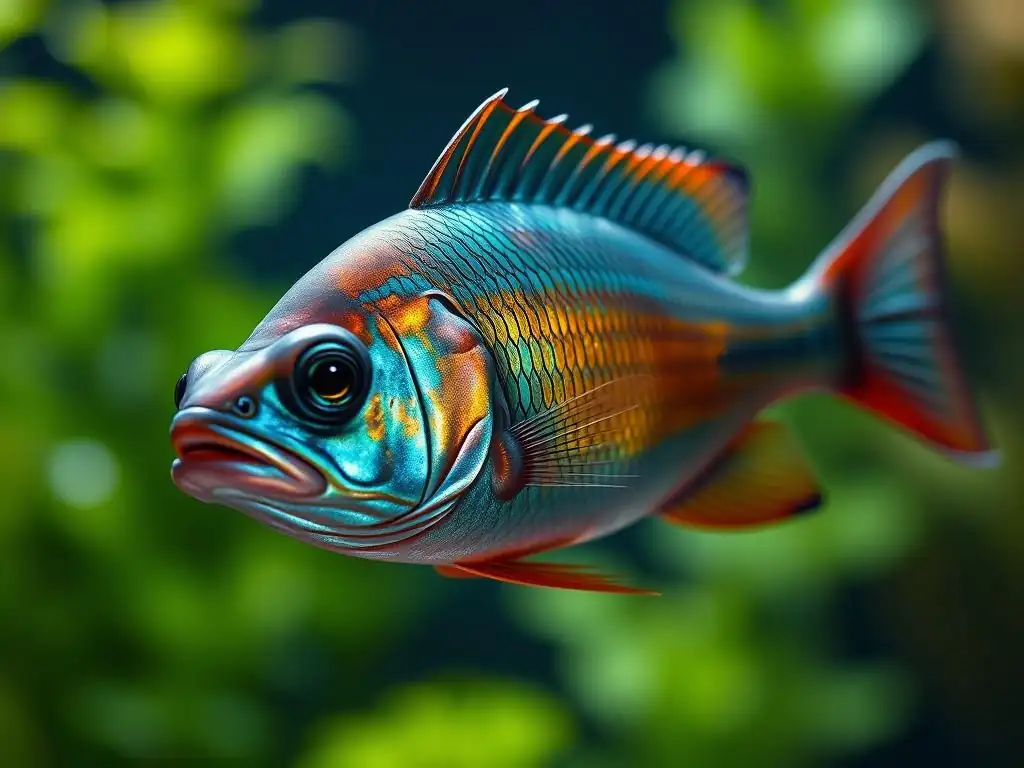
Proper tank size is paramount for the health and behavior of barbs, particularly given their active and schooling nature. For smaller species like Cherry Barbs, a 10-15 gallon tank can suffice for a small group of 5-6 fish. However, for the more common Tiger Barbs, a minimum of 20 gallons is recommended for a school of 6-8 individuals, with 30 gallons or more being ideal to allow ample swimming space and reduce aggression. Larger species like Denison Barbs require significantly more room, typically a 55-gallon tank or larger, to accommodate their size and high activity levels.
The aquarium environment should mimic their natural habitat, providing both open swimming areas and plenty of hiding spots. A substrate of fine gravel or sand is suitable. Dense planting along the back and sides of the tank, using hardy plants like Anubias, Java Fern, or various stem plants, offers security and visual breaks. Driftwood and smooth rocks can also be incorporated to create additional shelter and enrich the environment, contributing to effective barbs aquarium care tips by minimizing stress.
Optimal Water Parameters for Barbs: Maintaining Water Quality
Maintaining stable and appropriate water parameters is critical for the long-term health of barb fish. Most common barb species thrive in temperatures ranging from 72-78°F (22-26°C). While some, like Rosy Barbs, can tolerate slightly cooler conditions, consistency is key. The pH level should ideally be between 6.0 and 7.5, leaning towards slightly acidic to neutral for many species. Water hardness (GH) is generally preferred in the soft to medium range, approximately 5-12 dGH.
Beyond these parameters, consistent water quality is non-negotiable. Regular weekly water changes of 25-30% are essential to remove accumulated nitrates and replenish vital minerals. Employing a reliable filtration system, such as a hang-on-back or canister filter, is crucial to manage biological waste effectively. Regular testing for ammonia, nitrite, and nitrate levels using an aquarium test kit allows for proactive adjustments, ensuring a healthy environment and reinforcing essential barbs aquarium care tips.
Barbs Feeding Guide: Diet and Nutrition for Healthy Fish
Barbs are omnivorous and require a varied and balanced diet to maintain their vibrant colors, high energy levels, and overall health. A high-quality flake or pellet food formulated for omnivorous freshwater fish should serve as the staple of their diet. Supplementing this with live or frozen foods is highly beneficial. Options such as brine shrimp, daphnia, bloodworms, and tubifex worms provide essential proteins and nutrients, mimicking their natural foraging behaviors.
To ensure comprehensive nutrition, it's also advisable to include vegetable matter in their diet. Spirulina flakes or small pieces of blanched vegetables, like peas or zucchini, can be offered occasionally. Feed your barbs small amounts 2-3 times a day, only what they can consume within 2-3 minutes. Overfeeding can lead to detrimental water quality issues and health problems like bloat, making proper feeding an integral component of effective barbs aquarium care tips.
Barb Tank Mates: Creating a Harmonious Aquarium Community
Compatible Fish Species for Barb Aquariums
Selecting appropriate tank mates is crucial for a harmonious barb aquarium, especially when dealing with the semi-aggressive tendencies of species like the Tiger Barb. For Tiger Barbs, ideal companions are fast-moving, similarly sized, and robust fish that can hold their own. Good choices include various Danios (e.g., Zebra Danios, Giant Danios), larger Tetras (e.g., Congo Tetras, Black Skirt Tetras), Plecos (e.g., Bristlenose Plecos), and Rainbowfish. Keeping Tiger Barbs in larger schools (10 or more) often helps to diffuse their aggression within their own group, reducing the likelihood of nipping other species.
For more peaceful barb species like Cherry Barbs, a wider array of community fish can be considered. Compatible tank mates include other peaceful schooling fish such as Neon Tetras, Cardinal Tetras, Rasboras, Corydoras catfish, and Otocinclus catfish. Livebearers like Guppies and Mollies can also coexist, provided the barb species is genuinely non-aggressive. Always research the specific needs and temperaments of potential tank mates to ensure compatibility, a key element of comprehensive barbs aquarium care tips.
Fish to Avoid: Aggressive Tank Mates for Barbs
When planning a community tank with barbs, certain fish species should be avoided to prevent stress, injury, or even death to your barbs or other inhabitants. Slow-moving fish or those with long, flowing fins are particularly vulnerable to fin-nipping, especially from Tiger Barbs. This includes popular species like Angelfish, Bettas, Gouramis, and fancy varieties of Guppies or Mollies. The constant nipping can lead to severe stress, fin rot, and increased susceptibility to disease.
Furthermore, extremely small or timid fish may be outcompeted for food or intimidated by the active nature of barbs. Highly aggressive or predatory cichlids (unless specifically chosen dwarf cichlids with careful research) are also generally unsuitable, as they can pose a direct threat to barbs. Understanding these incompatibilities is a vital part of effective barbs aquarium care tips, ensuring the well-being of all your aquatic residents.
Considering Invertebrates and Plants with Barbs
When integrating invertebrates and plants into a barb aquarium, careful consideration is necessary. Many barb species, particularly the larger and more active ones like Tiger Barbs, may view small invertebrates as a food source. Dwarf shrimp, such as Cherry Shrimp or Amano Shrimp, are often at risk of being preyed upon, especially when they are young or newly molted. Larger, hardier invertebrates like Mystery Snails or Nerite Snails are generally safer additions, as barbs typically leave them alone.
Fortunately, barbs are largely compatible with live plants, making them excellent candidates for planted aquariums. They do not typically graze on or uproot plants, unlike some other fish species. Hardy plants such as Anubias, Java Fern, Cryptocoryne species, and various stem plants like Rotala or Ludwigia thrive in barb tanks. These plants not only enhance the aesthetic appeal but also provide crucial hiding spots, reduce stress, and contribute to improved water quality by absorbing nitrates, further supporting optimal barbs aquarium care tips.
Maintaining a Healthy Barb Aquarium: Troubleshooting and Prevention
Common Barb Fish Diseases and Treatments
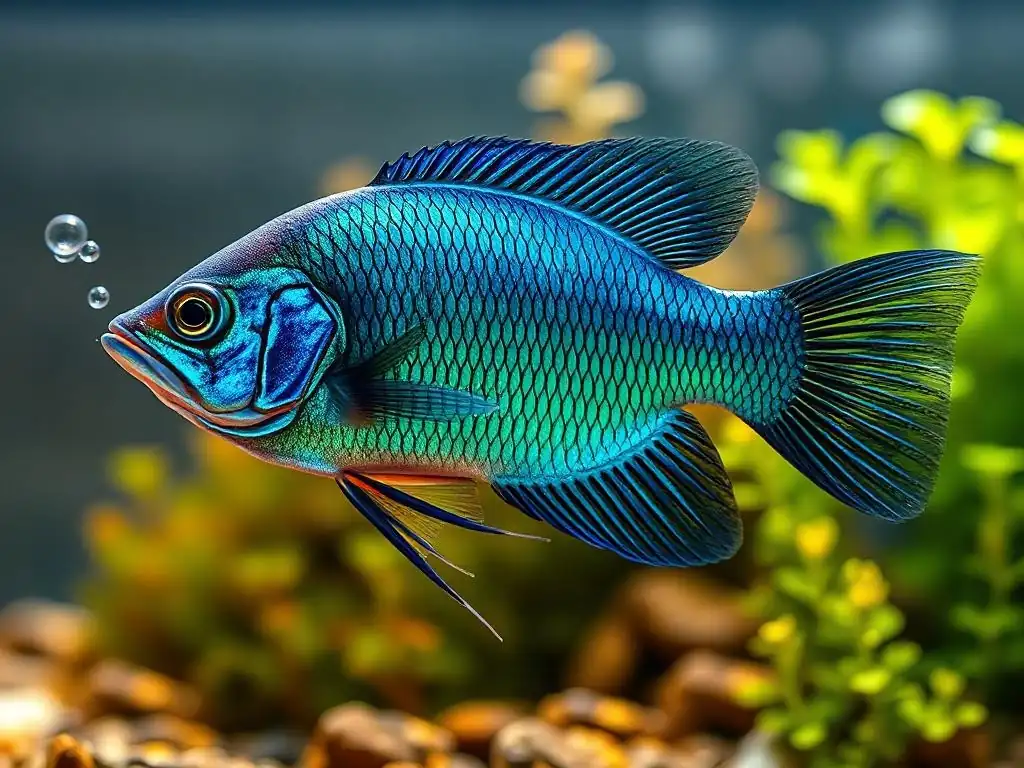
Despite their general hardiness, barbs can fall prey to common aquarium diseases, often triggered by poor water quality, stress, or inconsistent barbs aquarium care tips. Ich (Ichthyophthirius multifiliis), also known as White Spot Disease, is one of the most prevalent. Symptoms include small white spots resembling salt grains on the body and fins. Treatment often involves slowly raising the water temperature to 82°F (28°C) (if compatible with other tank inhabitants), adding aquarium salt, or using commercial Ich medications.
Fin Rot, characterized by frayed, decaying fins, is another common bacterial infection often caused by poor water conditions or physical injury. Addressing the underlying water quality issues through large water changes and treating with broad-spectrum antibiotics or antibacterial medications is usually effective. Other concerns include Bloat and Dropsy, which can indicate internal bacterial infections or organ failure, often exacerbated by improper diet or chronic stress. Early detection and prompt action are crucial for successful treatment outcomes.
Preventing Aggression and Fin Nipping in Barb Schools
Preventing aggression and fin nipping, particularly with species like the Tiger Barb, is a cornerstone of successful barbs aquarium care tips. The most effective strategy is to keep barbs in sufficiently large schools, ideally 8-12 individuals or more, of their own species. This diffuses their natural aggression within the group, as they establish a pecking order among themselves rather than targeting other tank inhabitants. A smaller school often concentrates aggression onto a few individuals or other fish.
Additionally, providing a spacious aquarium with ample hiding spots and visual barriers (e.g., dense planting, driftwood) can help reduce stress and provide retreat areas for less dominant fish. Ensure adequate feeding, as hunger can sometimes exacerbate nipping behaviors. Introduce new fish cautiously, observing interactions closely, and avoid tank mates with long, flowing fins or slow-moving characteristics, as they are prime targets for nipping.
Regular Aquarium Maintenance for Happy and Healthy Barbs
Consistent and thorough aquarium maintenance is fundamental to the long-term health and vitality of your barbs. Weekly water changes of 25-30% are paramount. This routine helps to remove accumulated nitrates, which can be detrimental to fish health at high concentrations, and replenishes essential trace elements. During water changes, use a gravel vacuum to siphon out detritus and uneaten food from the substrate, preventing the buildup of harmful organic matter.
Filter maintenance is also crucial. Rinse filter media regularly (every 2-4 weeks, or as needed) in old tank water to remove sludge without killing beneficial bacteria. Avoid over-cleaning, which can disrupt the biological filter. Daily observation of your barbs for any signs of illness, unusual behavior, or changes in coloration allows for early intervention. Regularly testing water parameters (ammonia, nitrite, nitrate, pH, temperature) provides vital insights into the tank's health, ensuring your barbs aquarium care tips are always on point.
Barb Fish Breeding: A Guide to Reproduction in Captivity
Creating the Ideal Breeding Environment for Barbs
Most barb species are egg-scatterers and do not exhibit parental care, making a separate breeding tank essential for successful fry survival. A dedicated 5-10 gallon tank for smaller species, or larger for bigger barbs, is recommended. The tank should be dimly lit and furnished with spawning mops, fine-leaved plants like Java Moss, or a mesh bottom that allows eggs to fall through, protecting them from the adults who will readily consume their own offspring.
Water parameters in the breeding tank should generally be soft (2-6 dGH) and slightly acidic (pH 6.0-6.5), with a temperature slightly elevated to 78-80°F (25-27°C) to stimulate spawning. Gentle filtration, such as a sponge filter, is ideal to prevent strong currents that could harm delicate eggs or fry. Conditioning the chosen breeding pair or group with high-protein live or frozen foods (e.g., bloodworms, brine shrimp) for 1-2 weeks prior significantly increases spawning success, optimizing your barbs aquarium care tips for reproduction.
Identifying Male and Female Barbs for Breeding
Identifying the sex of barbs for breeding purposes varies slightly among species but generally follows common patterns. For Tiger Barbs, males are typically smaller, more slender, and exhibit more intense coloration, particularly a bright red nose, especially during breeding. Their dorsal fin often appears more pointed. Females, on the other hand, are usually larger, rounder in the belly (especially when gravid with eggs), and tend to be less vibrantly colored.
In species like the Cherry Barb, sexual dimorphism is quite pronounced: males develop a brilliant, deep ruby red coloration across their entire body, while females remain a duller brownish-orange. Rosy Barbs also show similar color differences, with males displaying a more intense pink/red hue. Observing these subtle yet distinct differences in size, body shape, and coloration, particularly when conditioning for breeding, is a key aspect of effective barbs aquarium care tips for aquarists aiming to breed their fish.
Caring for Barb Fry: Raising Young Barbs
Once barbs have spawned, the adult fish should be removed from the breeding tank immediately to prevent them from eating the eggs. Barb eggs are typically small and adhesive, hatching within 24-48 hours, depending on temperature. The newly hatched fry, known as wigglers, will initially feed on their yolk sac. After 3-5 days, they become free-swimming and will require external food sources.
For the first few days of free-swimming, barb fry are incredibly tiny and require microscopic food. Infusoria, liquid fry food, or green water are excellent initial options. As they grow, typically within a week, they can be transitioned to newly hatched brine shrimp or micro-worms. Feed small amounts multiple times a day to support their rapid growth. Maintaining pristine water quality through small, frequent water changes (10-15% daily or every other day) is critical for fry survival, underscoring this vital element of barbs aquarium care tips.
Advanced Barb Aquarium Care: Beyond the Basics
Optimizing Plant Growth in a Barb Aquarium
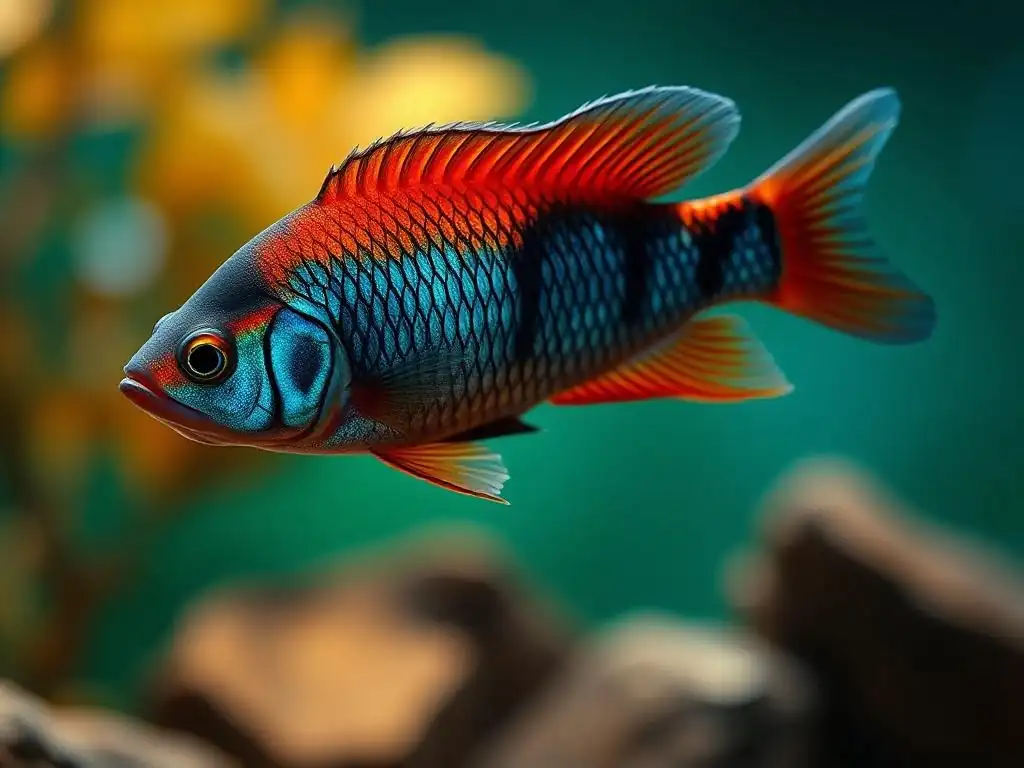
Optimizing plant growth in a barb aquarium not only enhances the aesthetic appeal but also contributes significantly to water quality and overall fish well-being. Barbs thrive in well-planted environments, which provide natural hiding spots and reduce stress. To encourage lush plant growth, consider using a nutrient-rich substrate or supplementing with root tabs for heavy root feeders like Cryptocorynes and Swords. Adequate lighting is crucial; aim for a medium to high intensity light for 8-10 hours daily to support photosynthesis.
Beyond substrate and lighting, regular dosing of liquid fertilizers can provide essential micro and macronutrients (e.g., iron, potassium, nitrates, phosphates) that plants require. This is especially important if your tap water is soft or low in minerals. Consistent pruning of plants not only maintains their shape but also encourages bushier growth and ensures light penetrates to lower leaves. A thriving planted tank is a hallmark of advanced barbs aquarium care tips, creating a more stable and beautiful ecosystem.
Utilizing CO2 Injection for Planted Barb Tanks
For aquarists aiming for truly lush, vibrant plant growth in their barb tanks, particularly those with high-light demanding species, CO2 injection can be a game-changer. Carbon dioxide is a vital nutrient for plants, and supplementing it can significantly accelerate growth, leading to denser foliage and more intense coloration. Recommended CO2 levels for planted tanks are typically between 20-30 parts per million (ppm), which is generally safe for barbs and most other fish.
However, precise monitoring is essential. A CO2 drop checker can provide a visual indication of CO2 levels, changing color based on the concentration. For more advanced setups, a pH controller can automate CO2 dosing to maintain a stable pH, preventing dangerous pH crashes that can be fatal to fish. Introduce CO2 slowly and observe your barbs closely for any signs of distress, such as gasping at the surface, which indicates too much CO2. This advanced technique refines barbs aquarium care tips for a truly balanced planted environment.
Maintaining Pristine Water with UV Sterilization
While not a substitute for regular water changes and robust filtration, a UV sterilizer can be a valuable addition for maintaining exceptionally pristine water quality in a barb aquarium. UV sterilizers work by passing aquarium water through a chamber containing an ultraviolet light bulb. The UV-C light disrupts the DNA of free-floating microorganisms, including bacteria, algae spores, and various parasites, effectively killing or rendering them harmless.
The benefits include significantly clearer water by reducing cloudy bacterial blooms, control over green water algae, and a reduction in the prevalence of certain fish diseases by decreasing the number of free-swimming pathogens. When selecting a UV sterilizer, ensure it is appropriately sized for your tank volume and that the flow rate through the unit allows sufficient contact time for effective sterilization. While an investment, a UV sterilizer can be a sophisticated component of advanced barbs aquarium care tips, contributing to a healthier and more visually appealing aquatic environment.
Mastering Barb Aquarium Care: Ensuring a Vibrant Aquatic Ecosystem
Long-Term Barb Health and Longevity
Achieving long-term health and longevity for your barbs is the ultimate goal of comprehensive barbs aquarium care tips. With optimal conditions, many barb species can live for several years. For instance, Tiger Barbs commonly live for 5-7 years, while larger species like Denison Barbs can often live for 8-10 years or even longer. This longevity is directly correlated with consistent water quality, a nutritious and varied diet, and a stable, stress-free environment free from aggressive tank mates or overcrowding.
Proactive health management plays a crucial role. This includes quarantining all new fish for 2-4 weeks before introducing them to the main tank to prevent the spread of diseases. Prompt identification and treatment of any signs of illness are also vital. Regular observation of their behavior, appetite, and physical appearance allows for early intervention, significantly increasing the chances of recovery and ensuring your barbs thrive for their full lifespan.
Understanding the social dynamics and typical behaviors of your barbs is key to mastering their care. Barbs are highly social fish, and their schooling behavior is a primary indicator of their well-being.
A tight, cohesive school suggests comfort and health, while solitary swimming, hiding, or erratic movements can signal stress, illness, or an inappropriate tank environment (e.g., too few individuals in the school). Fin nipping, especially among Tiger Barbs, is a normal part of their internal hierarchy but should not be excessive or directed consistently at specific tank mates; if it is, it often indicates an insufficient school size or incompatible tank mates.
Pay close attention to their feeding behavior; healthy barbs are typically eager eaters. Any changes in appetite, color intensity, fin clamping, or labored breathing are significant indicators that require immediate investigation into water parameters, potential diseases, or environmental stressors. Daily observation allows you to become attuned to their normal patterns, enabling swift action when something is amiss, a critical component of effective barbs aquarium care tips.
Addressing Bloat and Dropsy in Barbs
Bloat and Dropsy are serious and often fatal conditions that can affect barbs, highlighting the importance of preventative barbs aquarium care tips. Bloat is characterized by a distended abdomen, often appearing swollen and firm. It can be caused by dietary issues (e.g., overfeeding, poor quality food, lack of fiber), internal bacterial infections, or parasitic infestations. For dietary bloat, a temporary fast of 2-3 days followed by feeding blanched, deshelled peas can sometimes help.
Dropsy is not a disease itself but rather a symptom of severe underlying internal organ failure, often due to bacterial infections, kidney failure, or parasitic infestations. It presents as a severely swollen body with scales protruding outwards, resembling a pinecone. The prognosis for dropsy is often poor, but immediate isolation of the affected fish in a hospital tank and treatment with broad-spectrum antibiotics (such as Kanamycin or Metronidazole, if bacterial) might offer a slim chance of recovery. Consistent excellent water quality and a balanced diet are the best preventative measures against these devastating conditions.
Frequently Asked Questions
How do I choose the right Barb species for my aquarium?
Consider your tank size and the temperament of other fish. Some Barb species, like Tiger Barbs, can be nippy. Research the specific needs of each species before purchasing.
What are the ideal water parameters for Barb aquariums?
Barbs generally prefer slightly acidic to neutral water, with a pH of 6.0-7.0. Maintain a temperature between 72-78°F (22-26°C) and ensure good water quality through regular water changes.
What should I feed my Barbs to keep them healthy and vibrant?
Barbs are omnivores and thrive on a varied diet. Offer them high-quality flake food, supplemented with live or frozen foods like bloodworms, daphnia, and brine shrimp for optimal health and color.
How many Barbs should I keep in a school?
Barbs are schooling fish and feel most secure in groups. Aim for a minimum of 6 individuals to reduce stress and encourage natural behavior. Larger schools are even better in larger tanks.
What are some common Barb aquarium care issues and how do I address them?
Common issues include fin nipping, especially with more aggressive species. Ensure adequate space, plenty of hiding places, and compatible tankmates. Also, monitor water quality to prevent disease outbreaks.
Final Reflection: Embracing the Barb's Vibrant Energy
The journey into the world of Barbs reveals more than just aquarium care tips; it unveils a vibrant ecosystem teeming with life and activity. Understanding the nuances of their social dynamics is paramount, not just for their well-being, but also for enriching our own aquascaping experience. By prioritizing their schooling needs and providing the right environment, we transform our aquariums into miniature reflections of the natural world, bursting with color and movement.
This exploration of Barb behavior has profoundly influenced my own perspective on aquarium keeping. It's shifted from simply maintaining a tank to fostering a thriving community, recognizing that each fish plays a crucial role in the overall harmony. The active schooling behavior of Barbs reminds us that connection and interaction are vital, even in the seemingly isolated world of an aquarium. In the end, we will conserve only what we love; we will love only what we understand; and we will understand only what we are taught.
- Baba Dioum. This quote perfectly encapsulates the importance of understanding these fascinating creatures to truly appreciate and care for them.
Now, as you consider adding Barbs to your aquarium, or perhaps re-evaluate your current setup, I invite you to reflect on the principles we've discussed. Embrace the challenge of creating an environment that not only meets their physical needs but also nurtures their social instincts. By doing so, you'll unlock a new level of enjoyment and satisfaction in your aquascaping journey, witnessing the captivating dance of a healthy, thriving Barb school.
Ignite Your Aquarium: Unleash the Barbs' Dynamic Energy!
Thank you for diving into the vibrant world of barb schools! We hope you've discovered some exciting ways to bring more life and color to your aquarium. Now, it's time to put that knowledge into action!
Here are a few things you can do next:
- Start planning your barb school! Research compatible tank mates and create a design that caters to their active lifestyle.
- Share your favorite barb species on social media! Use #AquariumMasteryBarbs to connect with fellow enthusiasts and show off these fascinating fish.
- Dive deeper into the world of cyprinids! Explore less common barb varieties to discover unique personalities for your aquarium.
What exciting barb species are you considering to bring a burst of energy to your aquarium?