
Cherry Barb Water Parameters: The Key to Their Radiant Color and Health

Welcome to Aquarium Mastery!
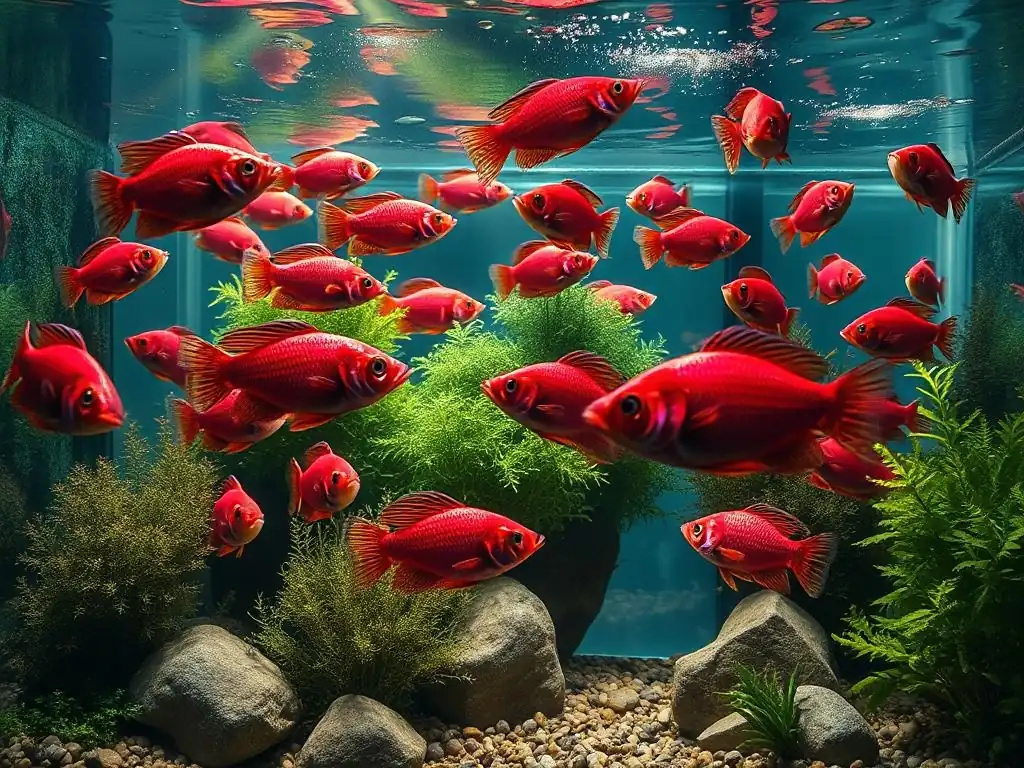
Ever wondered how to unlock the true vibrant red of your Cherry Barbs? Understanding their ideal environment is key! Dive in to discover the secrets behind achieving and maintaining the perfect Cherry Barb water parameters and witness these beauties thrive. Prepare to be amazed by the difference a little knowledge can make – let's get started!
- Cardinal Tetra Water Parameters: The Key to Their Vibrant Colors and Health
- Understanding Cardinal Tetra Needs: More Than Just a Beautiful Fish
- Defining Ideal Water Parameters for Cardinal Tetras
- Achieving and Maintaining Ideal Water Parameters
- Troubleshooting Common Water Parameter Issues
- The Impact of Poor Water Parameters on Cardinal Tetras
- Beyond the Basics: Advanced Water Parameter Management
- Conclusion: Mastering Water Parameters for Thriving Cardinal Tetras
-
Frequently Asked Questions
- What are the ideal temperature parameters for Cherry Barb fish?
- What is the recommended pH range for a Cherry Barb aquarium?
- What water hardness (GH) is best suited for Cherry Barbs?
- How often should I perform water changes in a Cherry Barb tank?
- What are some signs that the water parameters in my Cherry Barb tank are not ideal?
- Final Reflection: Unlocking the Secrets of Cherry Barb Vitality
- Unleash the Full Brilliance of Your Cherry Barbs!
Cardinal Tetra Water Parameters: The Key to Their Vibrant Colors and Health
Understanding Cardinal Tetra Needs: More Than Just a Beautiful Fish
The Importance of Optimal Water Quality for Cardinal Tetra Health
Maintaining pristine water quality is paramount for the long-term health and vitality of Cherry Barbs. These active, schooling fish, native to the clear, slow-moving waters of Sri Lanka, thrive in environments that closely mimic their natural habitat. Suboptimal water conditions can lead to chronic stress, weakened immune systems, and a susceptibility to various diseases like fin rot or ich. For instance, a persistent ammonia level as low as 0.25 ppm can cause gill damage and respiratory distress in Cherry Barbs, significantly reducing their lifespan from an average of 5-7 years to potentially just a few months.
Regular monitoring and proactive management of water parameters are crucial. A stable environment minimizes physiological stress, allowing Cherry Barbs to exhibit their natural behaviors, such as schooling and foraging, and maintain their robust health. Without consistent attention to water quality, even a seemingly healthy Cherry Barb can quickly succumb to the silent threats of poor water chemistry, making the phrase "Cherry Barb ideal water parameters" a fundamental concept for any successful aquarist.
Why Stable Water Parameters are Crucial for Cardinal Tetra Coloration
The renowned vibrant red and subtle black markings of the male Cherry Barb, and the more subdued, yet attractive, orange-brown hues of the female, are direct indicators of their health and well-being. Stable water parameters play a critical role in allowing these fish to display their full, radiant coloration. Fluctuations in temperature, pH, or hardness can cause stress, leading to a dulling of their natural colors as the fish divert energy from pigment production to coping with environmental stressors.
For example, Cherry Barbs kept in water with consistent, appropriate pH levels (around 6.0-7.0) and moderate hardness often display significantly brighter and more intense coloration compared to those subjected to frequent or drastic shifts. This is not merely an aesthetic concern; vibrant colors are a sign of a healthy, unstressed fish. When aquarists prioritize achieving and maintaining Cherry Barb ideal water parameters, they are rewarded with a visually stunning display of these captivating fish at their very best.
Defining Ideal Water Parameters for Cardinal Tetras
Cardinal Tetra Temperature: Finding the Perfect Range
The ideal temperature range for Cherry Barbs is relatively specific, mirroring their tropical origins. They flourish in waters with temperatures between 72°F and 79°F (22°C to 26°C). Maintaining a consistent temperature within this range is vital for their metabolism, immune function, and overall activity levels. Temperatures below 72°F can lead to lethargy, reduced appetite, and increased susceptibility to common cold-water diseases, while temperatures above 79°F can accelerate their metabolism, shorten their lifespan, and reduce dissolved oxygen levels, causing stress.
A reliable aquarium heater with a thermostat is indispensable for keeping the temperature stable. Fluctuations of more than 2-3 degrees Fahrenheit within a 24-hour period can be highly stressful for Cherry Barbs, leading to weakened immune systems. For optimal Cherry Barb ideal water parameters regarding temperature, consider using an appropriately sized heater for your tank volume and a separate thermometer to verify its accuracy.
pH Level for Cardinal Tetras: Achieving the Right Acidity
Cherry Barbs prefer slightly acidic to neutral water conditions, with an ideal pH range of 6.0 to 7.0. While they can tolerate a pH slightly outside this range (e.g., up to 7.5), consistent exposure to highly alkaline water (above 7.5) can cause chronic stress, damage their delicate gill membranes, and inhibit their ability to absorb essential minerals. Conversely, water that is too acidic (below 6.0) can lead to acidosis and a host of other health issues.
Stability is key when it comes to pH. Sudden swings in pH levels are far more detrimental than a consistent pH that is slightly outside the "ideal" but within a tolerable range. Aquarists should test their source water to understand its natural pH and, if necessary, use natural methods like peat filtration or driftwood to gently lower and buffer the pH towards the desired Cherry Barb ideal water parameters. Avoid chemical pH adjusters for regular maintenance, as they often lead to unpredictable and rapid fluctuations.
Water Hardness (GH and KH) and Cardinal Tetra Well-being
Understanding both General Hardness (GH) and Carbonate Hardness (KH) is crucial for maintaining the health of Cherry Barbs. GH measures the concentration of dissolved mineral ions, primarily calcium and magnesium, which are essential for fish osmoregulation and bone development. KH, or alkalinity, measures the concentration of bicarbonate and carbonate ions, which buffer the water against rapid pH swings.
GH (General Hardness) Recommendations for Cardinal Tetras
For Cherry Barbs, a soft to moderately hard water range is preferred, typically between 5-12 dGH (degrees of General Hardness). This translates to approximately 80-200 ppm. Water that is too soft (below 5 dGH) can lead to osmotic stress, as the fish struggle to regulate water balance within their bodies. Conversely, excessively hard water (above 12 dGH) can also be stressful, potentially contributing to kidney issues over the long term.
Achieving the right GH involves understanding your source water. If your tap water is too hard, dilution with reverse osmosis (RO) water can effectively lower GH. If it's too soft, specialized GH boosters can be used, but always in moderation and with careful monitoring to ensure the Cherry Barb ideal water parameters are met without overshooting.
KH (Carbonate Hardness) and Its Role in pH Stability
The ideal KH range for Cherry Barbs is generally 3-8 dKH (approximately 50-140 ppm). KH acts as a buffer, preventing sudden and drastic changes in pH. Without sufficient KH, the pH can "crash," leading to a rapid drop that is highly dangerous to fish. This is particularly important in tanks with biological filtration, which produces nitrates that can consume alkalinity.
Regular testing of KH is advisable, especially in established tanks. If KH levels drop too low, a safe and effective way to increase it is through the controlled addition of baking soda (sodium bicarbonate), dissolved thoroughly before adding to the tank. However, aim for gradual adjustments to prevent shocking the fish, as maintaining stable Cherry Barb ideal water parameters includes a consistent KH level.
Ammonia, Nitrite, and Nitrate Levels: The Foundation of a Healthy Aquarium
The nitrogen cycle is the cornerstone of a healthy aquarium, and managing its byproducts—ammonia, nitrite, and nitrate—is non-negotiable for Cherry Barb health. These compounds are produced from fish waste, uneaten food, and decaying plant matter.
Managing Ammonia and Nitrite in a Cardinal Tetra Tank
Ammonia (NH3/NH4+) and nitrite (NO2-) are highly toxic to fish, even at very low concentrations. In a healthy, cycled aquarium, both ammonia and nitrite levels should always be 0 ppm. Any detectable amount, even 0.25 ppm, indicates a problem with the biological filtration or an overstocked tank. Ammonia attacks gill tissues, impairing oxygen uptake, while nitrite interferes with the blood's ability to carry oxygen, leading to "brown blood disease."
If ammonia or nitrite are detected, immediate action is required. This includes performing a significant water change (e.g., 50-75%), reducing feeding, and ensuring proper filtration. Adding a beneficial bacteria supplement can help re-establish or boost the biological filter. For Cherry Barb ideal water parameters, zero ammonia and zero nitrite are absolute necessities.
Controlling Nitrate Levels for Long-Term Health
Nitrate (NO3-) is the final product of the nitrogen cycle and is less toxic than ammonia or nitrite, but high concentrations can still cause chronic stress, suppress the immune system, and stunt growth in Cherry Barbs. For most freshwater fish, including Cherry Barbs, nitrate levels should ideally be kept below 20 ppm, and certainly no higher than 40 ppm. Levels consistently above 40 ppm are a strong indicator of overdue maintenance.
The primary method for controlling nitrate levels is regular partial water changes. Other strategies include proper stocking levels, avoiding overfeeding, and incorporating live plants which naturally absorb nitrates as nutrients. Consistent monitoring and proactive management of these nitrogenous compounds are fundamental to achieving Cherry Barb ideal water parameters.
Achieving and Maintaining Ideal Water Parameters
Water Testing: Your First Line of Defense
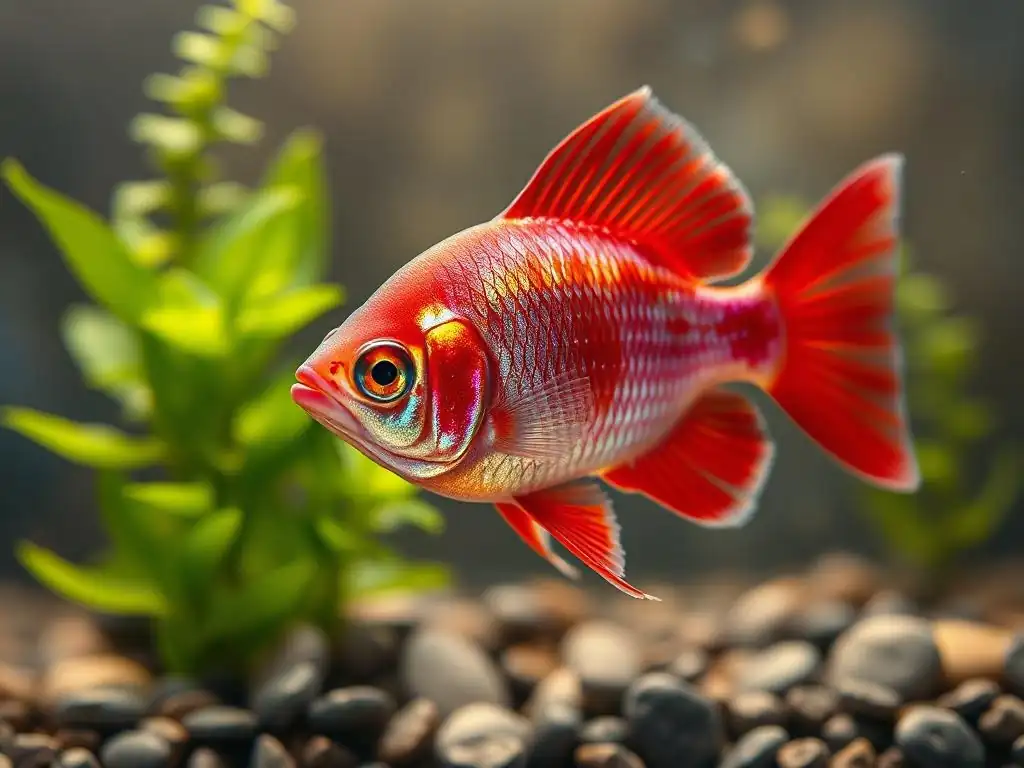
Regular water testing is the single most important practice for ensuring the well-being of your Cherry Barbs. It allows aquarists to proactively identify and address issues before they escalate into serious health problems. Without accurate testing, maintaining Cherry Barb ideal water parameters is merely guesswork.
Choosing the Right Water Testing Kit for Your Cardinal Tetra Tank
For comprehensive water parameter monitoring, a liquid-based master test kit is highly recommended over test strips. While strips offer convenience, their accuracy can be questionable, and they often degrade quickly after opening. A good liquid test kit will typically include tests for pH, ammonia, nitrite, and nitrate. Additionally, separate liquid tests for GH and KH are invaluable for understanding and maintaining water hardness and buffering capacity. Brands like API Freshwater Master Test Kit are widely available and provide reliable results for the core parameters.
Regular Testing Schedule for Optimal Results
A consistent testing schedule is crucial. During the initial cycling of a new tank, daily testing of ammonia, nitrite, and nitrate is necessary. Once the tank is fully cycled and stable, a weekly or bi-weekly routine for these parameters is generally sufficient. pH, GH, and KH should also be checked weekly, especially if you are making adjustments or notice any signs of stress in your Cherry Barbs. Recording your results over time can help identify trends and potential issues before they become critical, ensuring you consistently maintain Cherry Barb ideal water parameters.
Water Changes: A Cornerstone of Cardinal Tetra Care
Regular partial water changes are arguably the most effective and simplest way to maintain excellent water quality and dilute accumulated nitrates and other undesirable substances. This practice is fundamental to providing Cherry Barb ideal water parameters.
Frequency and Volume of Water Changes
For a well-maintained Cherry Barb tank with appropriate stocking levels, a weekly water change of 25-30% of the tank volume is a good standard practice. In heavily stocked tanks or those with a higher bioload, increasing the frequency to twice a week or the volume to 30-40% might be beneficial. Conversely, a very lightly stocked tank with abundant live plants might allow for slightly less frequent changes, perhaps every two weeks, but consistency is always preferred.
Preparing Water for Water Changes: Dechlorination and Temperature Matching
Never add untreated tap water directly to your aquarium. Tap water typically contains chlorine or chloramines, which are highly toxic to fish and beneficial bacteria. Always use a high-quality water conditioner/dechlorinator to neutralize these chemicals. Furthermore, it is critical to match the temperature of the new water to the existing tank water as closely as possible, ideally within 1-2 degrees Fahrenheit. Sudden temperature swings can cause severe stress, shock, and potentially death for Cherry Barbs, compromising Cherry Barb ideal water parameters.
Filtration: Keeping the Water Clean and Clear
Effective filtration is essential for removing physical debris, chemical impurities, and providing a home for beneficial bacteria that process harmful nitrogenous compounds. A robust filtration system is a key component in maintaining Cherry Barb ideal water parameters.
Choosing the Right Filter for a Cardinal Tetra Aquarium
For a Cherry Barb tank, a hang-on-back (HOB) filter or an internal power filter is often sufficient for tanks up to 30 gallons, providing both mechanical and biological filtration. For larger tanks or those with a higher bioload, a canister filter offers superior filtration capacity and media customization. Ensure the filter provides adequate flow for the tank size, typically turning over the tank volume 4-6 times per hour, without creating excessive current that would stress the Cherry Barbs.
Filter Maintenance for Peak Performance
Regular filter maintenance is crucial. Mechanical filter media (e.g., sponges, filter floss) should be rinsed or replaced periodically to prevent clogging, which reduces flow and allows trapped detritus to decompose. Rinse these materials in old tank water removed during a water change to preserve the beneficial bacterial colonies.
Biological media (e.g., ceramic rings, bio-balls) should only be gently rinsed if absolutely necessary and never replaced entirely, as they house the critical nitrifying bacteria. Chemical media (e.g., activated carbon) should be replaced according to manufacturer guidelines, typically every 2-4 weeks. Neglecting filter maintenance can lead to a breakdown in the nitrogen cycle, directly impacting Cherry Barb ideal water parameters.
Substrate and Its Impact on Water Chemistry
The choice of substrate can influence water chemistry and provide a surface for beneficial bacteria, contributing to overall water quality. While Cherry Barbs are not particularly sensitive to substrate type, some considerations are important.
Selecting an Appropriate Substrate for Cardinal Tetras
Fine gravel or sand are excellent choices for a Cherry Barb aquarium. These substrates are easy to clean, provide a natural look, and are gentle on the barbels of bottom-dwelling tank mates, though Cherry Barbs primarily inhabit the mid-water column. Avoid very coarse or sharp gravel that could injure fish. If live plants are desired, a nutrient-rich plant substrate can be used, often capped with a layer of inert gravel or sand.
The Role of Substrate in Biological Filtration
While filters are the primary sites for biological filtration, the substrate, particularly if it's porous, also provides a significant surface area for beneficial nitrifying bacteria to colonize. A well-maintained substrate contributes to the overall stability of the nitrogen cycle by hosting these bacteria, which convert ammonia and nitrite into less harmful nitrates. Regular, gentle gravel vacuuming during water changes helps remove trapped detritus and uneaten food, preventing anaerobic pockets and maintaining the substrate's role in supporting Cherry Barb ideal water parameters.
Troubleshooting Common Water Parameter Issues
High Ammonia or Nitrite Levels: Causes and Solutions
Detecting any level of ammonia or nitrite (above 0 ppm) in an established Cherry Barb tank signals a serious problem. Common causes include an uncycled tank, filter malfunction, overfeeding, overstocking, or the death of a tank inhabitant. The immediate solution is a significant water change, typically 50-75%, to dilute the toxins.
Following the water change, reduce or cease feeding for a day or two. Check the filter for clogs or proper operation. If the tank is new, continue daily water changes and consider adding a bacterial starter product. If an overstocking issue is suspected, consider rehoming some fish. Consistent monitoring until levels return to 0 ppm is crucial for the survival of your Cherry Barbs and to re-establish Cherry Barb ideal water parameters.
pH Instability: Identifying and Addressing the Root Cause
Fluctuating pH is stressful for Cherry Barbs and often points to insufficient buffering capacity (low KH) or the introduction of substances that alter pH. For instance, decaying organic matter can lower pH, while certain rocks (like limestone) or substrates can raise it. Insufficient KH is a common culprit for pH crashes.
To address pH instability, first test your KH. If low, consider carefully adding a buffer like baking soda (sodium bicarbonate) in small, dissolved increments over several hours to slowly raise KH to the desired range (3-8 dKH). If a decor item is raising or lowering pH, consider removing it. Consistent partial water changes with dechlorinated, temperature-matched water also help stabilize pH by replenishing buffers. Avoiding large, infrequent water changes helps prevent sudden pH shifts.
Elevated Nitrate Levels: Effective Mitigation Strategies
High nitrate levels (above 20-40 ppm) are the most common water quality issue in established aquariums and are primarily caused by the accumulation of fish waste and decaying organic matter. While less immediately toxic than ammonia or nitrite, chronic exposure to high nitrates stresses Cherry Barbs.
The most effective mitigation strategy is regular, appropriately sized partial water changes (e.g., 25-30% weekly). Other strategies include reducing feeding amount and frequency, ensuring the tank is not overstocked, and diligently removing uneaten food and decaying plant matter. Incorporating fast-growing live plants like Hornwort or Anacharis can also help, as they absorb nitrates as nutrients. Over time, these practices will help maintain Cherry Barb ideal water parameters regarding nitrates.
Tannins and Their Effect on Water Parameters
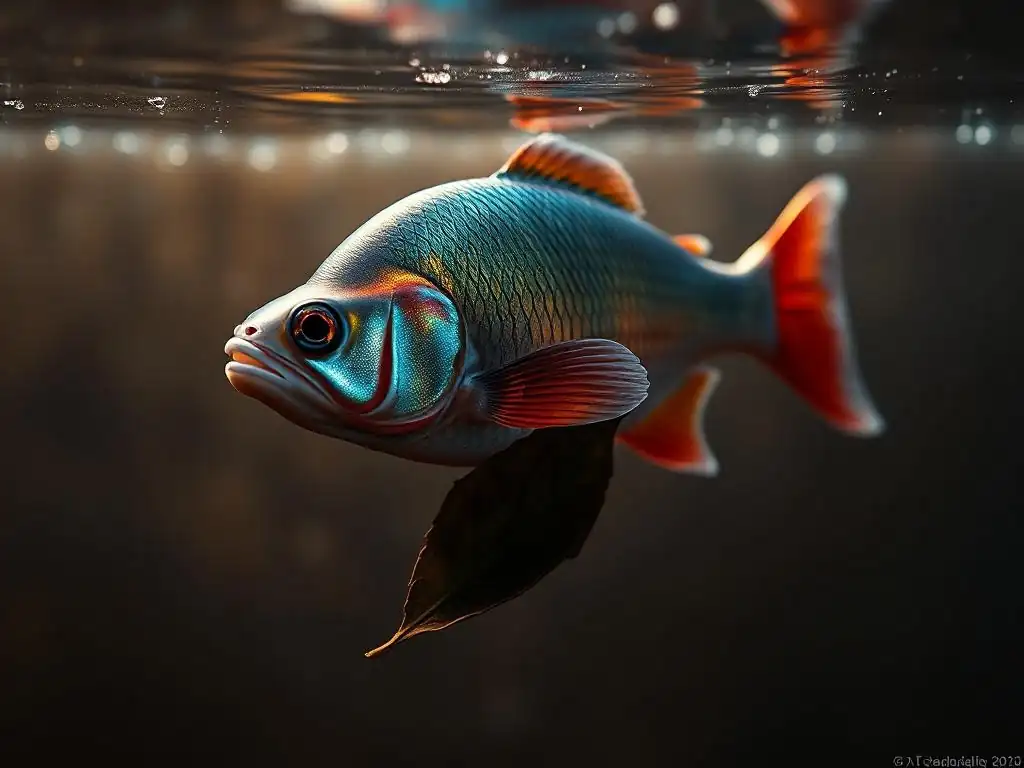
Tannins are organic compounds released by driftwood, catappa leaves, and some substrates. They typically stain the water a tea-like amber color and can subtly lower pH and GH, making the water softer and more acidic. While some fish, like Discus or Bettas, benefit from tannins, Cherry Barbs generally prefer clear water, though a slight tint is usually harmless and can even enhance their coloration.
If the tannin stain is too strong or if it's causing an undesirable drop in pH, activated carbon in the filter can effectively remove the discoloration. Pre-soaking driftwood for several weeks (with frequent water changes) before adding it to the tank can also significantly reduce tannin leaching. Monitoring pH and GH is important when using tannin-releasing decor to ensure it doesn't push the water parameters outside the Cherry Barb ideal water parameters.
Cloudy Water: Causes and Solutions
Cloudy water can be caused by several factors, each requiring a different approach. A milky white cloudiness often indicates a bacterial bloom, common in new tanks during cycling or in established tanks after a large disturbance (e.g., overcleaning the filter). Green water points to an algal bloom, usually due to excessive light or nutrients. Grey or brown cloudiness often means suspended particulate matter.
For bacterial blooms, patience is key; the bloom usually resolves as the beneficial bacteria balance out. Regular, small water changes (10-15%) can help. For algal blooms, reduce lighting periods and consider adding fast-growing plants or a UV sterilizer. For particulate matter, ensure mechanical filtration is adequate and clean it regularly. Avoid overfeeding, as uneaten food contributes significantly to all types of cloudiness. Addressing the root cause is crucial for clear water and maintaining Cherry Barb ideal water parameters.
The Impact of Poor Water Parameters on Cardinal Tetras
Cherry Barbs, like all fish, exhibit clear signs when stressed by poor water parameters. These can include:
- Dull or faded coloration: A primary indicator of stress or illness.
- Clamped fins: Fins held tightly against the body, not spread out.
- Erratic swimming or lethargy: Darting aimlessly or remaining listless at the bottom/surface.
- Rapid gill movement/gasping at surface: Indicates oxygen deprivation due to ammonia/nitrite poisoning or low dissolved oxygen.
- Loss of appetite: Refusal to eat.
- Behavioral changes: Hiding excessively, aggression, or isolation from the school.
- Physical symptoms: Fin rot, white spots (ich), fungal growths, or red streaks on fins/body.
Any of these signs warrant immediate water testing to diagnose the underlying issue and restore Cherry Barb ideal water parameters.
How Improper Water Parameters Affect Cardinal Tetra Lifespan
Consistent exposure to improper water parameters significantly shortens the lifespan of Cherry Barbs. While these fish can typically live for 5-7 years in a well-maintained aquarium, chronic stress from poor water quality can reduce their lifespan to just a few months or a year. For example, constant low-level ammonia exposure, even below lethal doses, can cause irreversible organ damage over time.
Similarly, persistent pH fluctuations weaken their immune system, making them highly susceptible to diseases that healthy fish would easily fight off. The cumulative effect of suboptimal conditions leads to premature aging, organ failure, and increased vulnerability to infections. Investing time and effort into understanding and consistently maintaining Cherry Barb ideal water parameters is the single most effective way to ensure your fish live a full, healthy, and vibrant life.
Beyond the Basics: Advanced Water Parameter Management
Using Catappa Leaves to Mimic Natural Conditions
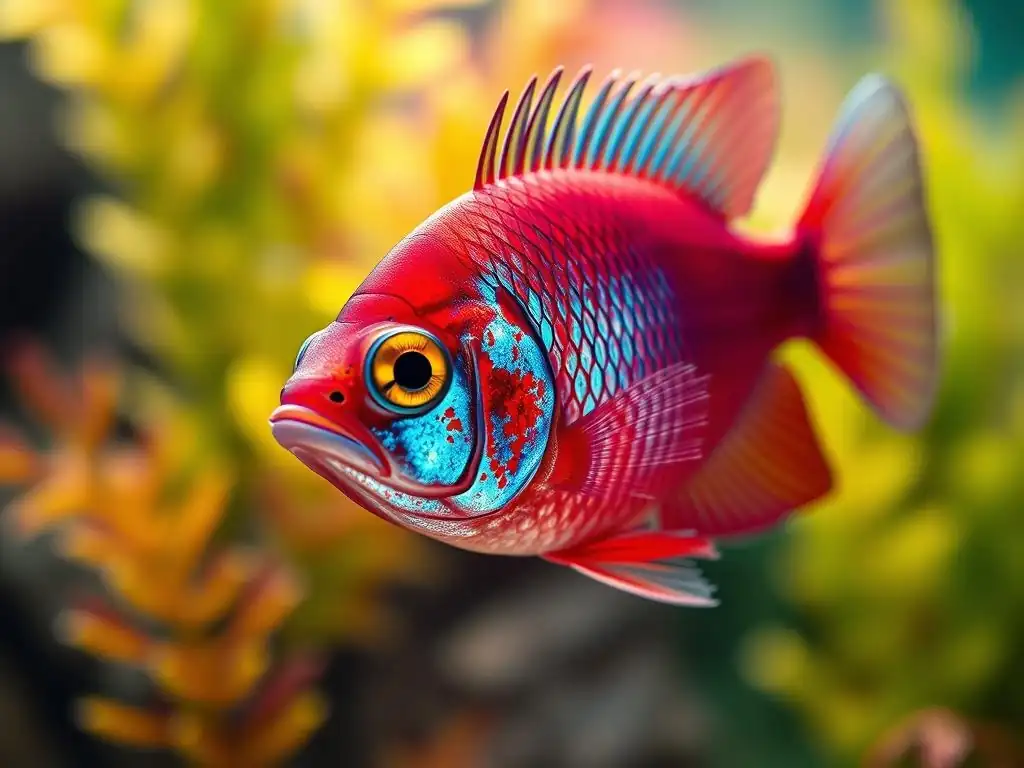
Catappa leaves (Indian Almond Leaves) are a popular natural additive used by aquarists to mimic the blackwater environments many tropical fish, including Cherry Barbs, originate from. When steeped in water, these leaves release tannins and other organic compounds that subtly lower pH, soften water, and provide mild antibacterial and antifungal properties.
For Cherry Barbs, adding a few dried catappa leaves to the tank can create a more natural and comforting environment, potentially enhancing their colors and reducing stress. The leaves also offer a natural food source for beneficial microorganisms and can provide hiding spots. While beneficial, it's important to monitor pH and hardness when using catappa leaves to ensure the Cherry Barb ideal water parameters remain within the desired range, as excessive use can lower pH too much.
Considering RO Water for Optimal Water Chemistry
Reverse Osmosis (RO) water is highly purified water with almost all dissolved minerals removed. For aquarists whose tap water is consistently outside the desired Cherry Barb ideal water parameters, especially if it's too hard or has undesirable contaminants, using RO water can be an excellent solution. By starting with "blank slate" water, aquarists can then precisely remineralize it to achieve the exact GH and KH levels needed for their Cherry Barbs, offering unparalleled control over water chemistry.
However, using pure RO water requires careful remineralization with specialized products designed for freshwater aquariums. Adding only RO water without remineralization can lead to dangerously low GH and KH, causing osmotic shock and pH instability. A common practice is to mix RO water with dechlorinated tap water in a specific ratio to achieve the target parameters, providing a balanced approach to water management.
The Role of Water Conditioners and Additives
Water conditioners are essential for neutralizing chlorine and chloramines in tap water, making it safe for fish. High-quality conditioners often include ingredients that detoxify heavy metals, protect the fish's slime coat, and reduce stress. These are non-negotiable for every water change.
Beyond basic dechlorinators, other additives exist, though their use should be considered carefully. Bacterial starter products can help establish or boost the nitrogen cycle. pH buffers and hardness adjusters can be used for targeted adjustments, but natural methods (like driftwood for pH, or RO water for hardness) are often preferred for long-term stability. Avoid "cure-all" products or those that promise instant fixes, as they often lead to rapid fluctuations that are detrimental to Cherry Barb ideal water parameters. Always research and understand the purpose and impact of any additive before introducing it to your aquarium.
Conclusion: Mastering Water Parameters for Thriving Cardinal Tetras
Frequently Asked Questions
What are the ideal temperature parameters for Cherry Barb fish?
Cherry Barbs thrive in water temperatures between 72°F and 79°F (22°C and 26°C). Maintaining this temperature range is crucial for their overall health and vitality. A consistent temperature prevents stress and disease.
What is the recommended pH range for a Cherry Barb aquarium?
The ideal pH range for Cherry Barbs is slightly acidic to neutral, typically between 6.0 and 7.5. Maintaining a stable pH is vital for their well-being. Drastic pH fluctuations can cause significant stress.
What water hardness (GH) is best suited for Cherry Barbs?
Cherry Barbs prefer moderately soft water, with a general hardness (GH) between 4 and 10 dGH. This hardness level simulates their natural environment. It also helps to prevent mineral imbalances.
How often should I perform water changes in a Cherry Barb tank?
Regular water changes are essential for maintaining optimal water quality. Aim for 25-50% water changes weekly or bi-weekly. This helps to remove nitrates and replenish essential minerals.
What are some signs that the water parameters in my Cherry Barb tank are not ideal?
Signs of poor water parameters include lethargy, loss of color, clamped fins, and rapid breathing. These symptoms indicate stress or illness due to poor water quality. Immediate testing and adjustment are necessary.
Final Reflection: Unlocking the Secrets of Cherry Barb Vitality
The journey into understanding Cherry Barb ideal water parameters reveals more than just numbers; it unveils the delicate balance required to nurture life and unlock the vibrant potential within these captivating fish. The information presented underscores the critical role environmental factors play in the overall health and coloration of Cherry Barbs, highlighting that responsible fishkeeping extends far beyond simply providing food and a tank.
This exploration has profoundly influenced my perspective on aquarium keeping, emphasizing the interconnectedness of all elements within an aquatic ecosystem. It's a constant reminder that our actions directly impact the well-being of the creatures under our care. The best aquarium is not just a container of water, but a miniature ecosystem where every element plays a crucial role.
This quote encapsulates the essence of responsible aquascaping and the importance of understanding the specific needs of each species.
Now, consider the power you hold to create thriving aquatic environments. Armed with this knowledge of Cherry Barb ideal water parameters, I encourage you to reflect on your own aquariums and the conditions you provide. Are you truly meeting the needs of your fish, or are there adjustments you can make to unlock their full potential? Strive to be not just a keeper, but a steward of these beautiful creatures, and witness the radiant transformation that comes with providing the perfect aquatic home.
Unleash the Full Brilliance of Your Cherry Barbs!
Thanks for diving deep into the ideal water parameters for your Cherry Barbs! Now that you understand the nuances of their aquatic environment, it's time to put that knowledge into action.
Here's how you can ensure your Cherry Barbs thrive:
- Precisely calibrate your aquarium's water parameters to match Cherry Barb preferences: Aim for a pH of 6.0-8.0, a GH between 5-19 dGH, and a KH between 4-12 dKH.:
- Share your newfound knowledge! Help other aquarium enthusiasts by discussing your experience with Cherry Barb water parameters on forums or social media.
- Explore the Aquarium Mastery website for related content on optimizing aquarium health and color vibrancy!
What unique challenges have you faced in maintaining ideal water parameters, and what solutions have you discovered for your Cherry Barbs?