
HighEnergy Fuel: Best Foods for Maintaining Denison Barb Vitality


Welcome to Aquarium Mastery!
Dive into the vibrant world of Denison barbs! Ever wondered about the secret to keeping these stunning fish thriving? This guide unlocks the key to a high-energy life for your Denison barbs, offering a comprehensive Denison barb food nutrition guide that will transform your approach to feeding. Ready to fuel their vitality and unlock their full potential? Let's get started!
- Understanding Denison Barb Nutritional Needs: A Comprehensive Guide
- Denison Barb Food Nutrition Guide: Top Food Choices for Optimal Growth
- Creating a Balanced Denison Barb Diet: Feeding Schedules and Portion Control
- Addressing Common Feeding Challenges with Denison Barbs
- The Impact of Food on Denison Barb Breeding and Spawning
- Maintaining a Healthy Aquarium Environment for Optimal Denison Barb Digestion
- Choosing the Right Denison Barb Food: A Summary and Checklist
-
Frequently Asked Questions
- What is the best type of food to give my Denison Barbs for optimal health and color?
- How often should I feed my Denison Barbs?
- What are the key nutrients that Denison Barbs need in their diet?
- Are there any foods I should avoid feeding my Denison Barbs?
- How can I ensure my Denison Barbs are getting enough nutrition in a community tank?
- Final Reflection: Sustaining the Spark of Denison Barbs
- Ignite Your Denison Barb's Inner Spark!
Understanding Denison Barb Nutritional Needs: A Comprehensive Guide
The Importance of Proper Denison Barb Food for Health and Coloration
Providing proper Denison barb food is paramount for their overall health and longevity. These active, schooling fish require a diet rich in essential nutrients to support their high metabolism, robust immune system, and active lifestyle. A nutritionally complete diet helps prevent common deficiencies, reduces susceptibility to diseases like fin rot or dropsy, and ensures steady, healthy growth, allowing them to reach their full potential size, typically around 4-6 inches in captivity.
Beyond health, the right Denison barb food directly influences their stunning coloration. Their distinctive vibrant red stripe and contrasting black markings are signs of a healthy, well-fed fish. Diets lacking essential carotenoids and other pigments can lead to dull, faded colors, significantly diminishing their aesthetic appeal. Ensuring a diverse diet that includes natural color enhancers will maintain their striking appearance, making them a highlight in any freshwater aquarium.
Key Nutrients for Denison Barbs: Protein, Vitamins, and Minerals
Protein is the cornerstone of a Denison barb's diet, given their omnivorous nature with a strong carnivorous leaning. High-quality protein, ideally sourced from fish meal, krill, or spirulina, is crucial for muscle development, tissue repair, and overall growth. Juvenile Denison barbs typically require a higher protein content, often around 40-50% of their diet, to fuel their rapid development, while adult Denison barbs thrive on formulations with 35-45% protein. Insufficient protein can lead to stunted growth and weakened immune responses.
Vitamins and minerals play equally vital roles in the Denison barb food nutrition guide. Vitamins such as A, D3, E, and C are essential for various metabolic functions, bone health, and bolstering the immune system against pathogens. Vitamin C, for instance, is critical for stress reduction and wound healing. Minerals like calcium and phosphorus are necessary for skeletal structure, while trace elements support enzymatic reactions. A varied diet incorporating different food types ensures a broad spectrum of these micronutrients, preventing deficiencies that could manifest as poor appetite, skeletal deformities, or increased disease susceptibility.
Denison Barb Food Nutrition Guide: Top Food Choices for Optimal Growth
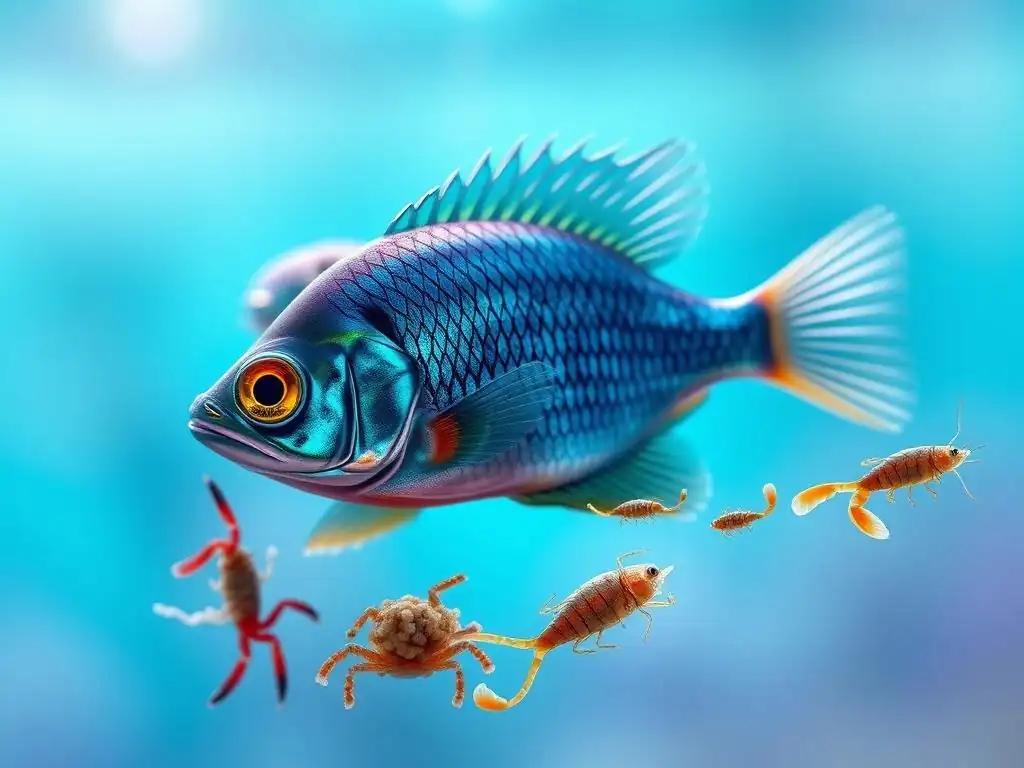
High-Quality Flake Food Formulations for Denison Barbs
High-quality flake foods serve as an excellent staple in any Denison barb food nutrition guide. When selecting flakes, prioritize formulations that list fish meal, krill, or spirulina as the primary ingredients, indicating a high protein content, typically exceeding 40%. Avoid brands with excessive fillers like wheat flour or corn starch, as these offer little nutritional value and can contribute to water pollution. Premium flake brands often include added vitamins and minerals, ensuring a more complete nutritional profile for your active Denison barbs.
The benefits of using flakes as a primary Denison barb food include their comprehensive nutritional value and ease of feeding. They are readily available and simple to portion, making daily feeding routines straightforward. For optimal consumption, especially for younger or smaller Denison barbs, breaking larger flakes into smaller pieces can prevent waste and ensure all fish can easily ingest the food. While flakes provide a solid base, incorporating other food types is crucial for a truly balanced diet.
Live and Frozen Foods: Enhancing Denison Barb Diet with Natural Nutrition
The Benefits of Brine Shrimp for Denison Barb Vitality
Brine shrimp (Artemia) are an exceptional live or frozen Denison barb food that can significantly boost vitality and appetite. They are highly palatable and provide a good source of protein, typically around 60% dry weight, and essential fatty acids. For adult Denison barbs, adult brine shrimp are ideal, while freshly hatched brine shrimp nauplii are perfect for juveniles or conditioning breeding pairs due to their high nutritional density and easy digestibility.
Regularly incorporating brine shrimp into the Denison barb diet can stimulate natural hunting instincts and enhance coloration due to their carotenoid content. They are particularly beneficial for conditioning fish for breeding or for perking up finicky eaters. While not a complete food source on their own, they serve as an excellent supplement, providing crucial nutrients and enrichment that contribute to robust health and vibrant colors.
Daphnia as a Natural Food Source for Denison Barbs
Daphnia, small freshwater crustaceans, are another valuable addition to the Denison barb food nutrition guide. They are an excellent source of digestible protein, often ranging from 50-60% dry weight, and are rich in fiber due to their chitinous exoskeletons. This fiber content acts as a natural laxative, aiding in digestion and helping to clear the digestive tract, which can be particularly beneficial in preventing bloat or constipation issues.
Feeding Daphnia, whether live or frozen, mimics the natural foraging behavior of Denison barbs and provides an enriching experience. They are small enough for most Denison barbs to easily consume and are often used as a healthy treat or as part of a varied diet. Their natural nutritional profile and digestive benefits make them a highly recommended component for maintaining optimal health and vitality in your Denison barbs.
Bloodworms: A Treat for Denison Barbs, Fed in Moderation
Bloodworms, the larvae of non-biting midges, are a highly sought-after Denison barb food due to their exceptional palatability and high protein content, often exceeding 50% dry weight. They are an excellent source of iron and other minerals, making them ideal for conditioning fish, especially prior to breeding, or as an occasional, enriching treat. Denison barbs typically show immediate enthusiasm for bloodworms, making them a great option for encouraging finicky eaters.
Despite their nutritional benefits, bloodworms should be fed in moderation, typically no more than one to two times per week. Their richness can lead to digestive upset or obesity if overfed, and uneaten bloodworms can quickly foul aquarium water. It is generally recommended to use frozen or freeze-dried bloodworms, as live bloodworms can sometimes carry parasites or bacteria if not sourced from reliable, disease-free cultures.
Pelleted Foods: Slow-Sinking Options for Denison Barb Feeding
Pelleted foods offer a significant advantage in a Denison barb food nutrition guide due to their density and slow-sinking nature. This characteristic ensures that the food remains available in the water column for a longer period, allowing all Denison barbs, including those that might be less aggressive feeders, to get their share. Look for small pellet sizes, typically between 0.5mm to 1.0mm, to ensure they fit comfortably into the mouths of your Denison barbs.
High-quality pellets are often nutritionally dense, providing a concentrated source of protein (ideally 40-50%), fats, vitamins, and minerals. They are less likely to break apart and cloud the water compared to some flakes, contributing to better water quality. Incorporating pellets alongside flakes and frozen/live foods provides a well-rounded diet, ensuring your Denison barbs receive a diverse array of nutrients for optimal growth and vibrant health.
Creating a Balanced Denison Barb Diet: Feeding Schedules and Portion Control
Establishing a Consistent Feeding Schedule for Denison Barbs
Establishing a consistent feeding schedule is crucial for the health and well-being of Denison barbs. Instead of one large meal, it is generally recommended to feed them 2-3 small meals throughout the day. This approach mimics their natural foraging behavior and prevents overconsumption in a single sitting, which can lead to digestive issues and water quality problems. Consistency in timing also helps regulate their metabolism and reduces stress associated with irregular feeding.
A regular feeding routine also contributes to a more harmonious tank environment. Denison barbs are active schooling fish, and consistent food availability can reduce competitive aggression. By providing multiple small feedings, you ensure that all fish, including the less dominant individuals within the school, have ample opportunity to consume their share, leading to healthier and more evenly grown fish.
Avoiding Overfeeding: Tips for Maintaining Water Quality and Denison Barb Health
Overfeeding is one of the most common mistakes in aquarium husbandry and can have severe consequences for both water quality and Denison barb health. Uneaten Denison barb food quickly decomposes, releasing harmful ammonia and nitrite into the water, leading to toxic spikes that stress fish and can result in disease or even death. Excess food also fuels unsightly algae blooms and bacterial growth, turning pristine water cloudy.
To avoid overfeeding, a simple rule of thumb is to feed only what your Denison barbs can consume within 2-3 minutes. Observe their feeding behavior closely; if any food remains after this short period, reduce the portion size for the next feeding. Using a feeding ring can help contain floating foods, preventing them from scattering and decaying in inaccessible areas of the tank, thus maintaining superior water quality and supporting a healthy environment for your Denison barbs.
Supplementing Denison Barb Diets: Vegetables and Homemade Food Options
Offering Blanched Vegetables for Added Fiber: Zucchini, Spinach, and Cucumber
While Denison barbs are primarily carnivorous, incorporating blanched vegetables into their diet can provide beneficial fiber and essential vitamins. Vegetables like zucchini slices, spinach leaves, or cucumber pieces can be offered occasionally as a supplement. The fiber content aids in digestion and can help prevent issues such as bloat or constipation, promoting a healthy digestive system.
To prepare vegetables for your Denison barbs, blanch them briefly in hot water to soften their texture, making them easier to digest and sink. Secure the vegetable pieces with an aquarium clip or a weighted object to prevent them from floating to the surface. This occasional dietary addition provides a natural source of roughage and micronutrients that contribute to the overall well-being and varied diet of your Denison barbs.
Homemade Food Options for Denison Barbs
For aquarists seeking complete control over their Denison barb food nutrition guide, homemade food options present an excellent opportunity. These can be formulated using a blend of high-quality ingredients such as finely chopped seafood (e.g., shrimp, white fish), spirulina powder, and a liquid vitamin supplement, all bound together with gelatin. This allows for tailored nutrition, ensuring specific dietary needs are met with fresh, unadulterated ingredients.
When preparing homemade Denison barb food, meticulous attention to nutritional balance and hygiene is paramount. Research specific nutrient requirements and ensure all ingredients are safe for fish consumption. Once prepared, the mixture can be frozen in small, easily portionable cubes, providing a convenient and highly nutritious supplement to their regular diet. While requiring more effort, homemade foods offer unparalleled freshness and customization for your Denison barbs.
Addressing Common Feeding Challenges with Denison Barbs
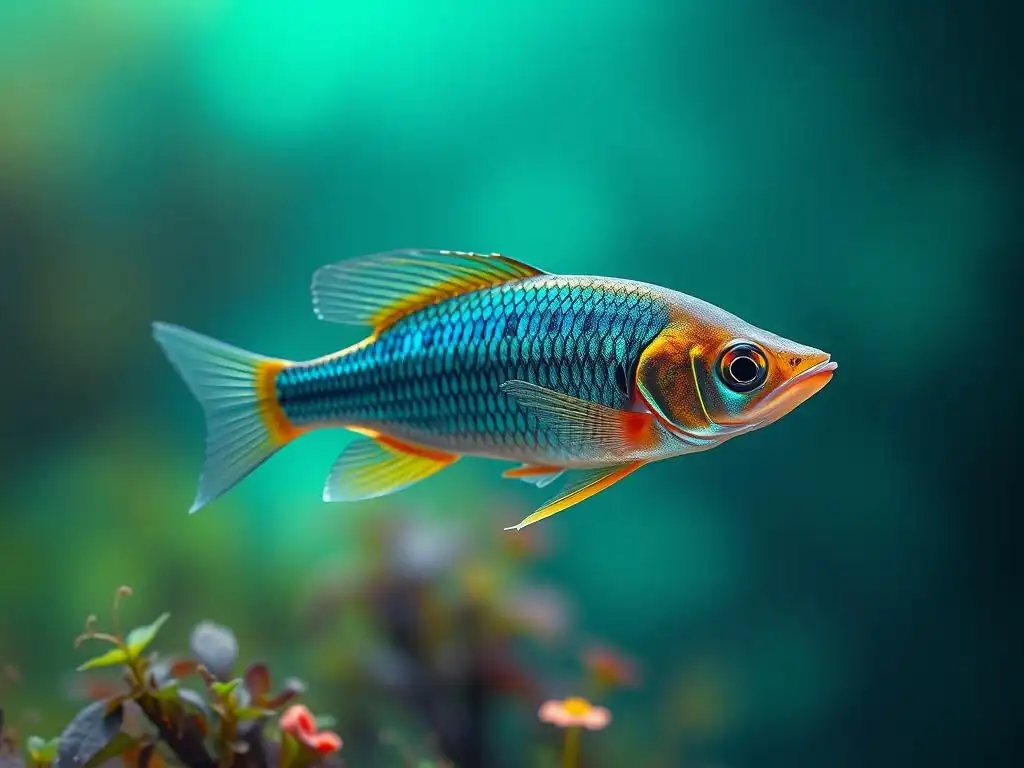
Finicky Eaters: Encouraging Denison Barbs to Accept New Foods
Denison barbs, like many fish, can sometimes become finicky eaters, especially when new foods are introduced to their established Denison barb food nutrition guide. To encourage them to accept novel items, begin by offering very small amounts of the new food mixed in with their accustomed diet. Consistency and patience are key; avoid making abrupt changes to their primary food source, as this can cause stress and refusal to eat.
Another effective strategy is to introduce new foods when the Denison barbs are slightly hungrier, perhaps after a short period without food (e.g., a skipped morning meal). Offering a diverse range of foods from a young age can also prevent pickiness later on, as fish accustomed to variety are generally more open to new tastes and textures. Observe their reactions closely and adjust your approach based on their acceptance.
As active schooling fish, Denison barbs naturally exhibit some competition for food, especially in larger groups. To ensure all individuals in your school receive adequate nutrition, distribute the Denison barb food widely across the tank's surface during feeding times. Scattering flakes or pellets over a larger area allows multiple fish to feed simultaneously without excessive jostling or domination by a few larger individuals.
If you notice significant size disparities or consistent bullying during feeding, consider using multiple feeding points or feeding slightly larger portions to compensate. Observing the behavior of the less dominant or smaller Denison barbs is crucial to ensure they are not consistently outcompeted, which could lead to malnourishment and impact their growth and health within the school.
Preventing Food Waste: Efficient Feeding Techniques
Preventing food waste is essential for maintaining optimal water quality and ensuring your Denison barbs receive their full nutritional benefits. The most efficient feeding technique involves offering small portions frequently, rather than a single large meal. This reduces the likelihood of uneaten food sinking to the substrate and decomposing, which contributes to harmful ammonia and nitrate spikes in the aquarium.
Using a feeding ring for floating foods like flakes can significantly reduce waste by containing the food in a specific area, preventing it from drifting into filter intakes or obscure corners of the tank. Additionally, always observe your Denison barbs during feeding; if food remains after 2-3 minutes, it indicates you are overfeeding. Adjusting portion sizes based on real-time consumption is the most effective way to prevent waste and maintain a clean, healthy environment.
The Impact of Food on Denison Barb Breeding and Spawning
Nutritional Requirements for Breeding Denison Barbs
When preparing Denison barbs for breeding, their nutritional requirements shift significantly, demanding a highly enriched Denison barb food nutrition guide. Increased protein and fat intake becomes crucial to support the development of healthy gonads and egg production in females, and robust milt production in males. A diet rich in high-quality live and frozen foods is paramount during this conditioning phase, as these provide concentrated energy and nutrients essential for reproductive success.
Beyond macronutrients, specific vitamins, particularly Vitamin E, are known to play a vital role in boosting fertility and reproductive health in fish. Foods like bloodworms, Daphnia, and high-quality pellets supplemented with a broad spectrum of vitamins are critical during the pre-spawning period. Providing these nutrient-dense foods 2-3 times daily for several weeks can significantly improve breeding readiness and the viability of eggs and fry.
Foods to Promote Spawning Readiness in Denison Barbs
To actively promote spawning readiness in Denison barbs, focus on "conditioning foods" that are high in energy and nutrients. Live foods such as blackworms, mosquito larvae, and high-quality frozen options like cyclops or mysis shrimp are excellent choices. These foods not only provide superior nutrition but also stimulate natural hunting behaviors, which can act as a trigger for spawning in many fish species.
The feeding regimen during this period should be generous but mindful of water quality. Offering these specialized foods 2-3 times a day for a period of two to three weeks leading up to the intended spawning attempt can simulate natural conditions of abundant food availability, signaling to the Denison barbs that it is an opportune time to reproduce. This intensive feeding provides the necessary energy reserves for egg development and the strenuous act of spawning.
Maintaining a Healthy Aquarium Environment for Optimal Denison Barb Digestion
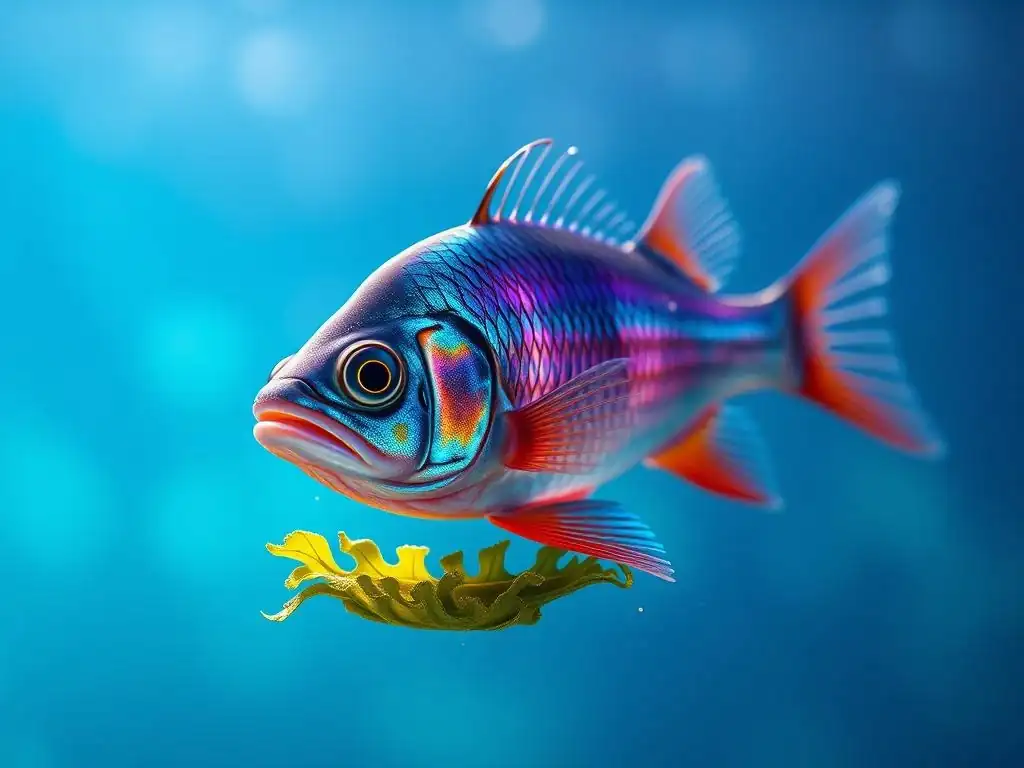
Water Quality Parameters and Their Influence on Denison Barb Appetite
Maintaining stable and optimal water quality parameters is as crucial as the Denison barb food itself for ensuring proper digestion and a healthy appetite. Denison barbs thrive in temperatures between 72-79°F (22-26°C), a pH range of 6.5-7.5, and very low levels of ammonia and nitrite (ideally 0 ppm), with nitrates kept below 20 ppm. Any deviation from these parameters, especially elevated toxins, can cause significant stress, leading to a loss of appetite and impaired digestion.
Sudden fluctuations in temperature or pH, or the presence of harmful nitrogenous compounds, directly inhibit the metabolic processes vital for digestion. Stressed Denison barbs will often refuse food, become lethargic, and be more susceptible to disease. Regular water testing and consistent partial water changes are therefore indispensable practices to ensure a pristine environment that supports robust appetite and efficient nutrient absorption from their Denison barb food.
A robust and efficient filtration system plays a critical role in preventing food-related issues in a Denison barb aquarium. Mechanical filtration effectively removes uneaten Denison barb food particles and other suspended debris from the water column, preventing their decomposition. This is crucial because decaying organic matter rapidly releases ammonia, nitrite, and nitrate, which are detrimental to fish health and can directly impact their digestive system.
Furthermore, biological filtration, typically housed within the filter, is essential for converting the toxic ammonia and nitrite produced by decaying food and fish waste into less harmful nitrates. A well-maintained filter, combined with appropriate feeding practices, minimizes the risk of cloudy water, unsightly algae blooms, and bacterial infections that often arise from excess organic waste. This ensures a clean, stable environment, allowing Denison barbs to digest their food optimally and maintain peak health.
Choosing the Right Denison Barb Food: A Summary and Checklist
Choosing the right Denison barb food is foundational for their vibrant health, striking coloration, and overall longevity. A balanced diet must include a variety of high-quality options to meet their diverse nutritional needs.
Denison Barb Food Checklist:
- High-Quality Flakes: Look for protein content ~40-50% with fish meal/spirulina as top ingredients.
- Slow-Sinking Pellets: Small sizes (0.5-1.0mm) with similar high protein content.
- Live/Frozen Foods:
- Brine Shrimp: Excellent for vitality and appetite stimulation.
- Daphnia: Good for digestion and fiber.
- Bloodworms: High-protein treat, fed sparingly (1-2 times/week).
- Occasional Blanched Vegetables: Zucchini, spinach, cucumber for fiber and vitamins.
- Homemade Options (Optional): Tailored nutrition with fresh ingredients.
Feeding Practices:
- Feed 2-3 small meals daily, what they consume in 2-3 minutes.
- Avoid overfeeding to prevent water quality issues.
- Distribute food widely to reduce competition.
- Maintain optimal water parameters (temperature 72-79°F, pH 6.5-7.5, low toxins).
- Ensure robust filtration to manage waste and support digestion.
By following this comprehensive Denison barb food nutrition guide, you can ensure your Denison barbs thrive, displaying their full beauty and active behavior for years to come.
Frequently Asked Questions
What is the best type of food to give my Denison Barbs for optimal health and color?
The best foods are high-quality flake food supplemented with live or frozen foods like bloodworms and daphnia. A varied diet ensures they receive all the necessary nutrients.
How often should I feed my Denison Barbs?
Feed your Denison Barbs small portions two to three times a day. This prevents overfeeding and helps maintain optimal water quality.
What are the key nutrients that Denison Barbs need in their diet?
Denison Barbs require a balanced diet rich in protein, carbohydrates, and vitamins. These nutrients are essential for growth, color vibrancy, and overall health.
Are there any foods I should avoid feeding my Denison Barbs?
Avoid feeding your Denison Barbs foods with excessive fillers or low nutritional value. These can lead to health problems and poor water quality.
How can I ensure my Denison Barbs are getting enough nutrition in a community tank?
Observe your fish during feeding to ensure they're getting their share. You can also use sinking pellets to ensure bottom feeders don't consume all the food before they do.
Final Reflection: Sustaining the Spark of Denison Barbs
The preceding exploration of Denison barb nutrition is more than just a guide; it's a testament to our responsibility as aquarists to provide optimal care for these vibrant creatures. Understanding the nuances of their dietary needs is paramount to ensuring their health, longevity, and the preservation of their captivating beauty. In a world where biodiversity faces increasing threats, every effort to enhance the well-being of species, even within the confines of our aquariums, contributes to a larger conservation narrative.
The impact of informed aquarist practices extends far beyond individual tanks. It fosters a deeper appreciation for the delicate balance of aquatic ecosystems and encourages responsible sourcing and breeding. This knowledge empowers us to become advocates for sustainable practices within the aquarium hobby. In the end, we will conserve only what we love; we will love only what we understand; and we will understand only what we are taught.
- Baba Dioum's words resonate deeply, reminding us that education is the cornerstone of conservation.
Now, armed with this Denison barb food nutrition guide, I urge you to reflect on your own aquarist practices. Are you providing the optimal diet for your Denison barbs to thrive? Consider the long-term impact of your choices and strive to become a steward of their well-being. Let this guide be a catalyst for continuous learning and a commitment to ensuring that the spark of vitality within these magnificent fish continues to burn brightly for generations to come.
Ignite Your Denison Barb's Inner Spark!
Thanks for diving deep into the dietary needs of Denison Barbs! We hope you’ve gained valuable insights to keep these vibrant fish thriving. Now, let's translate that knowledge into action!
Here's how you can enhance the vitality of your Denison Barbs:
- Implement a Varied Diet: Introduce at least two new high-quality food sources from the recommendations above into your Barb's weekly feeding schedule.
- Share your success! Post a picture of your Denison Barbs enjoying their enhanced diet on social media, tagging Aquarium Mastery.
- Monitor and Adapt: Observe your fish's behavior and color changes, adjusting their diet based on these visual cues and consult with an expert if you see something unusual.
What surprising food do you think your Denison Barbs would love to try next? Share your ideas in the comments below!