
Fish to Avoid with Cherry Barbs: Ensuring a Safe and Serene Environment

Welcome to Aquarium Mastery!
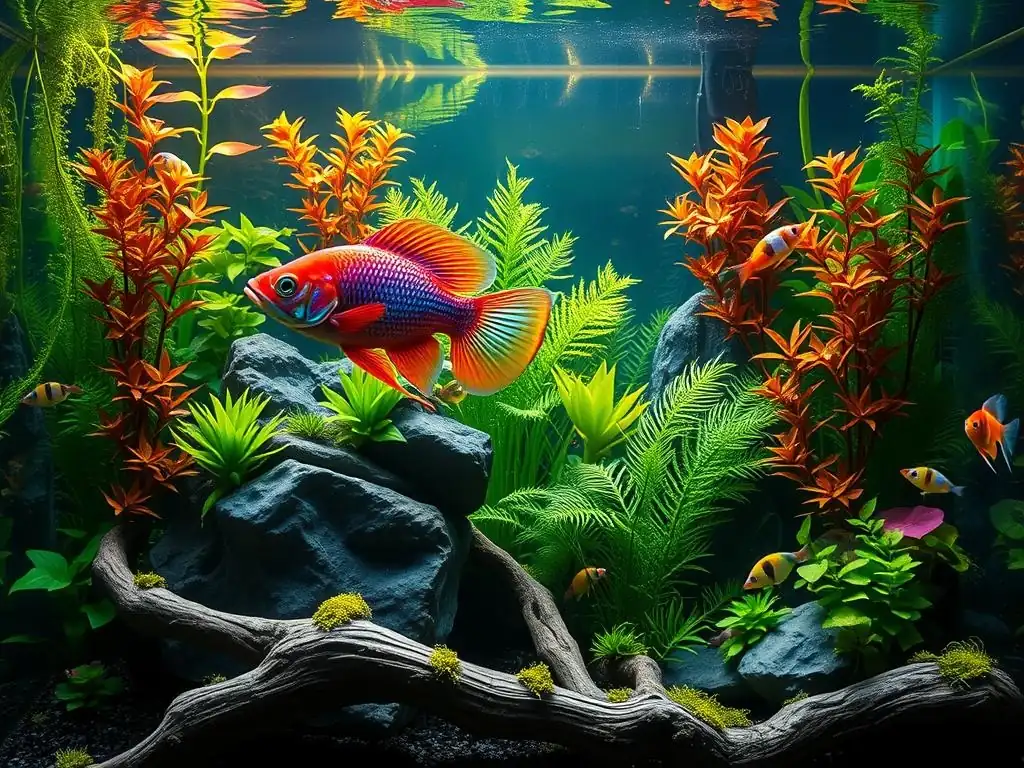
Ever wondered if your dream of a thriving, peaceful aquarium clashes with the vibrant energy of Cherry Barbs? Dive into our comprehensive guide, "Fish to Avoid with Cherry Barbs: Ensuring a Safe and Serene Environment," and discover the secrets to a harmonious freshwater tank. Uncover the surprising compatibility issues and learn how to create a balanced ecosystem where your Cherry Barbs can truly flourish. Ready to unlock the key to a stress-free underwater paradise? Let's explore!
- Understanding Cherry Barb Compatibility in Freshwater Aquariums
- Fish That Don't Mix Well with Cherry Barbs: A Compatibility Guide
- Specific Fish Species to Avoid Keeping with Cherry Barbs
- Creating a Peaceful Community Tank for Cherry Barbs: Best Practices
- Ensuring a Healthy and Stress-Free Environment for Cherry Barbs
-
Frequently Asked Questions
- What are the most important factors to consider when determining cherry barb compatibility in a freshwater tank?
- Why is it crucial to avoid aggressive or overly boisterous fish when keeping cherry barbs?
- Can larger fish pose a threat to cherry barbs, even if they aren't inherently aggressive?
- Are there specific types of fish known to be incompatible with cherry barbs in a freshwater aquarium setting?
- What are some good tank mates for cherry barbs that will promote a safe and serene environment?
- Final Reflection: Cultivating Harmony in Your Freshwater Aquarium
- Cultivate a Harmonious Tank: Nurture Your Cherry Barbs' Sanctuary!
Understanding Cherry Barb Compatibility in Freshwater Aquariums
Why Tank Mate Selection Matters for Cherry Barbs
Selecting appropriate tank mates is paramount for the health and well-being of any aquarium inhabitant, especially for a relatively peaceful species like the Cherry Barb ( Puntius titteya). Incompatible pairings can lead to a cascade of negative effects, ranging from chronic stress and physical injury to increased susceptibility to disease and even premature death. When fish are constantly harassed, bullied, or outcompeted for resources, their immune systems become compromised, making them highly vulnerable to common freshwater ailments such as Ich (white spot disease), fin rot, or bacterial infections.
Cherry Barbs, known for their vibrant red coloration (particularly in males) and generally placid disposition, thrive in a calm and stable environment. They are small fish, typically reaching a maximum size of 1.5 to 2 inches (approximately 3.8 to 5 cm), which makes them vulnerable to larger, more aggressive, or predatory species.
Their schooling nature means they feel safest and display their best colors when kept in groups of six or more. Disrupting this natural social structure or introducing stressors from unsuitable tank mates can cause them to become reclusive, lose their color, and suffer from a diminished quality of life in a freshwater tank.
Key Considerations for Cherry Barb Compatibility
When assessing Cherry barb compatibility freshwater tank setups, several critical factors must be carefully considered beyond just temperament. These include the size of the potential tank mate, their dietary needs, preferred water parameters, and activity levels. For instance, while Cherry Barbs are quite adaptable to a range of freshwater conditions, thriving in temperatures between 72-79°F (22-26°C) and a pH range of 6.0-7.5, introducing fish with vastly different requirements can create an unstable environment, stressing all inhabitants.
Furthermore, the activity level and swimming habits of potential tank mates play a significant role. Cherry Barbs are active but not overly boisterous, preferring to school calmly in the mid-water column. Pairing them with excessively energetic or fast-swimming species can lead to competition for food or simply overwhelm their more docile nature, causing them to hide constantly. Conversely, extremely shy or slow-moving fish might be outcompeted for food by the faster Cherry Barbs. A well-matched community tank ensures that all species can access resources, express natural behaviors, and coexist without undue stress.
Fish That Don't Mix Well with Cherry Barbs: A Compatibility Guide
Aggressive Fish to Avoid with Cherry Barbs
Aggressive fish are those species known for their territoriality, chasing, nipping, or outright attacking other tank inhabitants. Even if not directly predatory, their constant dominant behavior can inflict severe stress and physical harm on the more peaceful Cherry Barbs. This relentless harassment prevents Cherry Barbs from feeding properly, causes their colors to fade due to stress, and leads to chronic injuries such as torn fins or missing scales, making them highly susceptible to secondary infections.
The presence of aggressive tank mates can fundamentally alter the behavior of Cherry Barbs. Instead of schooling openly and exploring their environment, they will spend most of their time hiding, often in dense plant cover or behind decorations, to avoid confrontation. This constant state of anxiety not only impacts their physical health by weakening their immune system but also robs them of the opportunity to exhibit their natural, vibrant beauty and engaging schooling behaviors, making the goal of a harmonious Cherry barb compatibility freshwater tank unattainable.
Examples of Aggressive Fish Unsuitable for Cherry Barb Tanks
- Large Cichlids (e.g., Oscar, Jack Dempsey, Green Terror): These fish are highly territorial and predatory. An Oscar, for instance, can grow to 10-14 inches (25-35 cm) and will view a 2-inch Cherry Barb as a meal, not a tank mate.
- Arowanas: Known predators that grow very large, completely unsuitable for any tank with small, peaceful fish.
- Some Larger Barbs (e.g., Rosy Barbs, Tinfoil Barbs): While some large barbs can be peaceful, many are boisterous and can intimidate or outcompete smaller barbs for food and space. Tinfoil Barbs, for example, can reach over a foot in length.
- Some Gouramis (e.g., Three Spot Gourami): While many gouramis are peaceful, some individuals or specific species can be territorial and nip fins, especially males.
Fin-Nipping Fish and Cherry Barbs: A Recipe for Stress
Fin-nipping is a common aggressive behavior where certain fish species repeatedly bite and tear the fins of other fish. Cherry Barbs, with their relatively long and flowing fins (especially the males' dorsal and anal fins), are prime targets for notorious fin-nippers. This behavior not only causes unsightly physical damage but also inflicts immense psychological stress on the victimized fish, creating a perpetually anxious environment.
The consequences of constant fin-nipping extend beyond mere cosmetic damage. Torn fins are open wounds, highly susceptible to bacterial infections and fungal growths, which can quickly lead to fin rot or other severe health issues if left untreated. Moreover, the chronic stress from being relentlessly harassed significantly weakens the Cherry Barb's immune system, making them more vulnerable to a wide array of diseases. This constant state of alert and injury compromises their ability to feed, swim naturally, and live a full, healthy life in a Cherry barb compatibility freshwater tank.
Why Fin-Nippers are Bad Tank Mates for Cherry Barbs
- Tiger Barbs (Puntius tetrazona): These are perhaps the most infamous fin-nippers in the hobby. Despite being barbs, their aggressive and boisterous nature makes them a poor match for the gentle Cherry Barbs. They will relentlessly chase and nip at the Cherry Barbs' fins.
- Serpae Tetras (Hyphessobrycon eques): While beautiful, Serpae Tetras can be quite nippy, especially if not kept in a large school (minimum 6-8 individuals) or if the tank is too small. They often target the flowing fins of slower-moving fish.
- Black Skirt Tetras (Gymnocorymbus ternetzi): While generally peaceful, some individuals or small groups of Black Skirt Tetras can develop nipping habits, particularly towards fish with long fins.
- Some Dwarf Gouramis: While many Dwarf Gouramis are peaceful, some individuals can become aggressive and territorial, occasionally resorting to fin-nipping, especially towards similarly sized or smaller fish.
Overly Large Fish That May Eat Cherry Barbs
A fundamental rule in aquarium keeping is the "if it fits, it eats" principle. Any fish significantly larger than a Cherry Barb, especially those with wide mouths or strong predatory instincts, poses a direct threat of consumption. This is not necessarily an act of aggression but rather a natural feeding behavior for larger, carnivorous or omnivorous species. Given that Cherry Barbs typically only grow to 1.5 to 2 inches (3.8 to 5 cm), a large number of common aquarium fish species can easily swallow them whole.
The size disparity means that even a seemingly peaceful large fish can become a predator if a smaller fish crosses its path. For instance, an Oscar, which can reach 12 inches (30 cm) or more, has a mouth large enough to consume multiple Cherry Barbs in one gulp. Housing these vastly different sizes together is not about managing aggression; it's about preventing predation. To ensure a safe and thriving Cherry barb compatibility freshwater tank, one must meticulously avoid placing Cherry Barbs with any fish that could view them as a food source.
Preventing Predation: Choosing Appropriate Tank Size and Mates
- Oscars (Astronotus ocellatus): As mentioned, these large cichlids are highly predatory and will consume any fish small enough to fit in their mouth.
- Large Catfish (e.g., Redtail Catfish, Iridescent Shark): Many large catfish species are opportunistic predators that will eat smaller tank mates. An Iridescent Shark, for example, can exceed 2 feet (60 cm) in length.
- Large, Aggressive Cichlids (e.g., Green Terror, Red Devil): These species grow large and have strong predatory instincts, making Cherry Barbs easy prey.
- Piranhas: Obviously highly predatory and unsuitable for any community tank with small fish.
Fish With Similar Temperaments Competing with Cherry Barbs
While aggression and predation are clear threats, a more subtle form of incompatibility arises when fish with very similar temperaments and ecological niches are housed together, leading to competition for resources. If two species are equally timid, slow to feed, or occupy the exact same part of the water column, one group might consistently be outcompeted for food, hiding spots, or optimal swimming space. This isn't overt aggression, but a struggle for survival where the less dominant or slower species gradually declines in health.
This type of competition can manifest in various ways. For instance, if a tank is slightly overstocked or if a particularly shy Cherry Barb is housed with another equally shy species that feeds in the same manner, the Cherry Barb might consistently miss out on food, leading to malnourishment and stunted growth. Similarly, if multiple species prefer the same type of hiding spot, stress can arise from constant jostling for prime locations. A balanced Cherry barb compatibility freshwater tank requires a diversity of behaviors and preferences among its inhabitants to ensure all fish can thrive without direct competition.
Avoiding Competition: Creating a Balanced Aquarium Ecosystem
- Very Shy, Slow-Moving Species: If combined with other timid fish in a small tank, they might all compete for limited hiding spaces and be outcompeted for food by slightly faster eaters.
- Other Small, Peaceful Schooling Fish with Identical Feeding Habits: While many small schooling fish can be good tank mates, if their feeding habits are identical and the tank is overstocked, it can lead to resource competition. It's better to select tank mates that occupy different water columns or have slightly different feeding approaches.
- Bottom Dwellers that are Exceptionally Timid: If the tank is small and there are multiple species competing for limited bottom space and food, the most timid might suffer.
Specific Fish Species to Avoid Keeping with Cherry Barbs
Avoiding Tiger Barbs with Cherry Barbs
Despite both being members of the Barb family, Tiger Barbs ( Puntius tetrazona) and Cherry Barbs ( Puntius titteya) are fundamentally incompatible due to their vastly different temperaments. Tiger Barbs are notoriously boisterous and aggressive fin-nippers, especially when not kept in very large schools of 8-10 individuals or more, which helps to diffuse their aggression among themselves. Their high energy and propensity to chase and nip at the fins of other, slower-moving fish make them a constant threat to the more docile Cherry Barbs.
The consequences of housing these two species together are almost invariably negative for the Cherry Barbs. Their delicate, flowing fins, particularly those of the males, become irresistible targets for the Tiger Barbs. This leads to constant stress, severe fin damage, and a heightened risk of secondary bacterial and fungal infections. Cherry Barbs will often become reclusive, losing their vibrant coloration and failing to thrive in such a stressful environment, completely undermining the goal of Cherry barb compatibility freshwater tank harmony.
Why Serpae Tetras Should Not Be Kept with Cherry Barbs
Serpae Tetras ( Hyphessobrycon eques) are another species often mistakenly considered suitable community fish, but they pose a significant threat to the peaceful Cherry Barbs. Like Tiger Barbs, Serpae Tetras have a reputation for being nippy, particularly towards fish with long fins or those that are slow-moving. Their fast, sometimes erratic swimming patterns can also be intimidating to the calmer Cherry Barbs, even before any physical aggression occurs.
When kept with Cherry Barbs, Serpae Tetras are highly likely to target their fins, leading to chronic stress and physical injury. This constant harassment not only makes the Cherry Barbs vulnerable to infections but also prevents them from displaying their natural schooling behaviors and vibrant colors. The cumulative effect of living under constant threat can drastically shorten their lifespan and diminish their overall quality of life, making Serpae Tetras a poor choice for a Cherry barb compatibility freshwater tank.
The Risks of Housing Cherry Barbs with Oscars
The pairing of Cherry Barbs and Oscars ( Astronotus ocellatus) represents a fundamental incompatibility based on size and predatory instinct. Oscars are large, carnivorous cichlids that can grow up to 12-14 inches (30-35 cm) in captivity, possessing a wide mouth capable of swallowing surprisingly large prey. Cherry Barbs, reaching a maximum of 2 inches (5 cm), fall squarely within the size range that an Oscar naturally preys upon.
It is crucial to understand that housing these two species together is not a matter of managing aggression; it is a matter of providing live food for the Oscar. The size difference is so profound that the smaller Cherry Barbs will inevitably be consumed. There is no tank size or amount of decor that can mitigate this natural predatory behavior. For the safety and survival of the Cherry Barbs, Oscars are unequivocally unsuitable tank mates for any Cherry barb compatibility freshwater tank.
Compatibility Issues Between Cherry Barbs and Goldfish
While both are freshwater fish, Cherry Barbs and Goldfish ( Carassius auratus) are highly incompatible due to critical differences in their preferred environmental conditions and biological needs. Goldfish are coldwater fish, thriving in temperatures typically below 70°F (21°C), with some fancy varieties preferring even cooler water. In stark contrast, Cherry Barbs are tropical fish that require warmer temperatures, ideally between 72-79°F (22-26°C), to maintain their metabolism and immune health.
Furthermore, Goldfish are notorious for producing a significant amount of waste, leading to a high bioload that rapidly degrades water quality. Their waste contributes to elevated ammonia and nitrite levels, which are highly toxic to all fish, especially sensitive species like Cherry Barbs. Maintaining the warmer temperatures required by Cherry Barbs also accelerates the Goldfish's metabolism, shortening their lifespan and making them more susceptible to disease. The combination of differing temperature requirements and disparate waste production makes a shared Cherry barb compatibility freshwater tank environment unsustainable and detrimental to both species.
Creating a Peaceful Community Tank for Cherry Barbs: Best Practices
Ideal Tank Mates for Cherry Barbs: Promoting Harmony
To ensure a thriving and peaceful Cherry barb compatibility freshwater tank, selecting tank mates that share similar water parameter requirements, are non-aggressive, and are of comparable size is crucial. Ideal companions are often other peaceful schooling fish that occupy different areas of the water column or have slightly different feeding habits to minimize competition. This creates a balanced ecosystem where all inhabitants can thrive without undue stress.
Excellent choices for Cherry Barb tank mates include:
- Harlequin Rasboras (Trigonostigma heteromorpha): Peaceful schooling fish that share similar size and water preferences.
- Corydoras Catfish (e.g., Panda Cory, Bronze Cory): Peaceful bottom-dwellers that clean up uneaten food, occupying a different niche.
- Otocinclus Catfish (Otocinclus affinis): Small, peaceful algae eaters that remain at the bottom or on surfaces.
- Dwarf Gouramis (e.g., Honey Gourami, Sparking Gourami): Generally peaceful, occupy the upper water column, but should be observed for individual temperament.
- Small, Peaceful Tetras (e.g., Neon Tetra, Ember Tetra): While some tetras can be nippy, these species are typically peaceful when kept in large schools (8+).
- Kuhli Loaches (Pangio kuhlii): Shy, nocturnal bottom-dwellers that are completely harmless to Cherry Barbs.
Setting Up the Aquarium for Optimal Cherry Barb Compatibility
The physical setup of the aquarium plays a vital role in ensuring optimal Cherry barb compatibility freshwater tank conditions. A minimum tank size of 20 gallons (approximately 75 liters) is recommended for a school of 6 or more Cherry Barbs, allowing ample swimming space and territory for other peaceful tank mates.
Providing plenty of dense live plants, such as Java Fern, Anubias, Amazon Swords, or Cryptocoryne species, is crucial. These plants offer essential hiding spots for Cherry Barbs to retreat to if they feel stressed and help to break up lines of sight, reducing potential territorial disputes among tank mates.
Beyond plants, incorporating driftwood, rocks, and other decorations can create additional territories and visual barriers. A robust filtration system, such as a hang-on-back (HOB) filter or a canister filter, is essential to maintain pristine water quality, which is paramount for the health of all fish. Regular partial water changes, typically 25% weekly, are necessary to keep nitrate levels low and ensure stable water parameters, minimizing stress and preventing disease outbreaks in the carefully curated community.
Monitoring Fish Behavior: Identifying and Addressing Compatibility Issues
Consistent and diligent observation of fish behavior is the most effective way to identify and address potential Cherry barb compatibility freshwater tank issues early on. Daily checks for signs of stress, injury, or aggression are crucial. Look for clamped fins, faded coloration, rapid breathing, constant hiding, or lethargic behavior in your Cherry Barbs, as these are common indicators of stress. Similarly, observe other tank mates for excessive chasing, nipping, or territorial displays towards the Cherry Barbs or other inhabitants.
If compatibility issues are detected, prompt action is necessary to prevent chronic stress and potential fatalities. Solutions can range from simple adjustments, such as rearranging decor to break up established territories or providing more hiding spots, to more significant interventions.
Sometimes, increasing the school size of a particular species (e.g., adding more Cherry Barbs or the aggressive tank mate if it's a schooling fish) can help diffuse aggression. However, in cases of persistent bullying or predation, the problematic fish may need to be rehomed to a more suitable environment to ensure the long-term health and well-being of the Cherry Barbs and the rest of the community.
Ensuring a Healthy and Stress-Free Environment for Cherry Barbs
Frequently Asked Questions
What are the most important factors to consider when determining cherry barb compatibility in a freshwater tank?
The most important factors are the temperament of the other fish, their size, and their fin-nipping tendencies. Cherry barbs are peaceful and easily stressed.
Why is it crucial to avoid aggressive or overly boisterous fish when keeping cherry barbs?
Aggressive fish can bully and stress cherry barbs, leading to illness or even death. Boisterous fish can also outcompete them for food, creating an imbalance in the tank.
Can larger fish pose a threat to cherry barbs, even if they aren't inherently aggressive?
Yes, larger fish can intimidate cherry barbs simply by their size. The cherry barbs may hide constantly and become stressed, affecting their health.
Are there specific types of fish known to be incompatible with cherry barbs in a freshwater aquarium setting?
Yes, avoid fin-nippers like tiger barbs and some tetras, as well as larger predatory fish that might see cherry barbs as a snack.
What are some good tank mates for cherry barbs that will promote a safe and serene environment?
Good tank mates include peaceful community fish like Corydoras catfish, small tetras (like neon tetras), and rasboras. Ensuring a stable and well-planted tank is also key.
Okay, here's a final reflection designed to close your article "Fish to Avoid with Cherry Barbs: Ensuring a Safe and Serene Environment," optimized for the keyword "Cherry barb compatibility freshwater tank" and following your specified structure:
Final Reflection: Cultivating Harmony in Your Freshwater Aquarium
The insights shared throughout this article underscore the crucial role of informed decision-making in creating a thriving freshwater aquarium ecosystem. Understanding Cherry barb compatibility isn't merely about avoiding conflict; it's about fostering an environment where every fish can flourish, contributing to the overall health and beauty of your underwater world.
This journey into Cherry barb compatibility has highlighted the delicate balance within a freshwater tank. It's a reminder that responsible fishkeeping extends beyond basic care; it demands empathy and a deep understanding of each species' needs. The best aquarium is not just a collection of fish, but a carefully curated community.
This quote encapsulates the essence of creating a serene and harmonious environment for your Cherry barbs and their tankmates.
As you embark on, or continue, your aquascaping adventure, remember that the choices you make today will shape the future of your freshwater tank. Take the knowledge you've gained here and apply it thoughtfully, ensuring that your Cherry barbs and all your aquatic companions thrive in a peaceful and balanced ecosystem. Your dedication to responsible fishkeeping will not only benefit your fish but also enrich your own life with the beauty and tranquility of a well-maintained aquarium.
Cultivate a Harmonious Tank: Nurture Your Cherry Barbs' Sanctuary!
Thank you for exploring the world of Cherry Barb compatibility! We hope you’ve gained valuable insights into fostering a peaceful and thriving aquarium environment. Now, let's translate that knowledge into action.
- Prioritize a peaceful community by carefully avoiding potentially aggressive or fin-nipping species like tiger barbs or larger cichlids when selecting tankmates. This is the most crucial step to keeping your Cherry Barbs happy!
- Delve deeper: Research the specific temperament and needs of any fish before introducing them to your Cherry Barb tank to ensure compatibility.
- Share your newfound wisdom! Inspire fellow aquarists by posting your successful Cherry Barb tank setups and lessons learned in online forums or social media groups.
What steps are you taking today to enhance the serenity of your aquarium and ensure the well-being of your Cherry Barbs?