
Aquarium Mastery's Top 10 LPS Corals for Beginners (Euphyllia, Favia, Acans Focus)

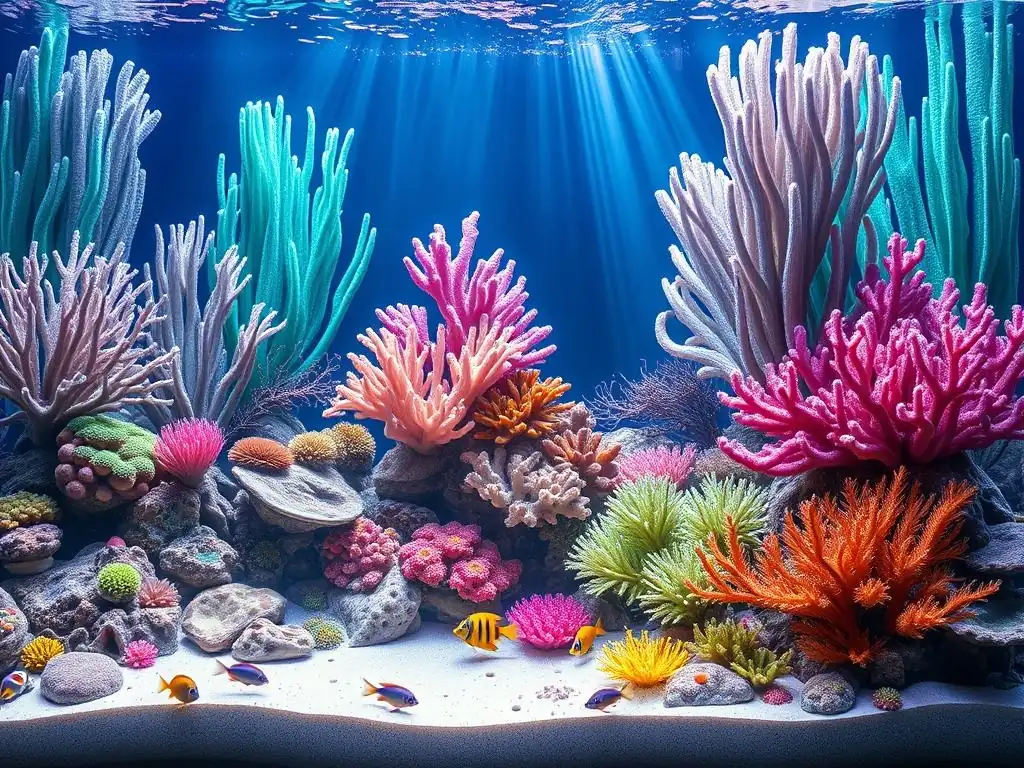
Welcome to Aquarium Mastery, where the mysteries of the underwater world become clear!
Ever dreamt of adding the vibrant beauty of LPS corals to your reef tank, but felt intimidated? You're not alone! Dive into our definitive LPS Corals Beginner Guide and unlock the secrets to successfully keeping these stunning creatures. Discover our top 10 recommendations (with a special focus on Euphyllia, Favia, and Acans) and get ready to transform your aquarium into a thriving coral paradise. Ready to take the plunge?
- Top 10 Beginner-Friendly LPS Corals: Euphyllia, Favia & Acan Focus
- Introduction to LPS Corals for Reef Newcomers
-
Top 10 LPS Corals for Beginners: A Detailed Guide
- 1. Euphyllia (Torch Coral): Flowing Elegance
- 2. Favia (Brain Coral): Hardy and Colorful
- 3. Acanthastrea lordhowensis (Acan Lord): Vibrant and Relatively Easy
- 4. Blastomussa wellsi (Blasto): A Beginner-Friendly Choice
- 5. Duncanopsammia axifuga (Duncan Coral): A Fast Grower
- 6. Galaxea fascicularis (Galaxy Coral): Adding Texture
- 7. Caulastrea furcata (Candy Cane Coral): Bright and Bushy
- 8. Echinophyllia (Chalice Coral): Unique Growth
- 9. Lobophyllia (Open Brain Coral): A Statement Piece
- 10. Physogyra lichtensteini (Pearl Bubble Coral): Intriguing
- Essential LPS Coral Care Tips for Beginners
- Conclusion: Building a Thriving Reef
-
Frequently Asked Questions
- What are LPS Corals and why are they good for beginners?
- What are some examples of LPS corals mentioned in the article "Aquarium Mastery's Top 10 LPS Corals for Beginners"?
- What are the key water parameters I should maintain for LPS corals?
- Does the article provide guidance on lighting requirements for LPS corals?
- What kind of maintenance schedule should I follow for my LPS coral aquarium?
- Final Reflection: Cultivating Underwater Gardens
- Cultivate Your Reef: Begin Your LPS Coral Journey Today!
Top 10 Beginner-Friendly LPS Corals: Euphyllia, Favia & Acan Focus
Introduction to LPS Corals for Reef Newcomers
Understanding LPS Corals and Their Appeal
Large Polyp Stony (LPS) corals represent a captivating group of reef inhabitants, characterized by their substantial, fleshy polyps that extend from a hard, calcium carbonate skeleton. Unlike their Small Polyp Stony (SPS) counterparts, which typically feature tiny polyps and intricate, branching structures, LPS corals boast more prominent, often flowing polyps that create dynamic movement and vibrant displays within the aquarium. This unique combination of a solid skeleton and soft, expressive polyps makes them a popular choice for reef aquarists looking for both structure and lively animation in their tanks.
Their appeal extends beyond their aesthetic beauty; LPS corals are generally considered more forgiving than SPS corals, offering a rewarding experience for aquarists who are new to reef keeping. They come in an astonishing array of shapes, sizes, and colors, from the elegant sweep of a Torch coral to the intricate patterns of a Favia. Their ability to thrive in moderate lighting and flow conditions, coupled with their often impressive growth rates, contributes to their widespread popularity, making them a cornerstone of many successful beginner LPS coral setups.
Advantages of Starting with LPS Corals
For reef newcomers embarking on their aquatic journey, starting with LPS corals offers several distinct advantages. Firstly, their relative hardiness compared to SPS corals means they are more tolerant of minor fluctuations in water parameters. While stability is always paramount in a reef tank, an LPS coral beginner guide often highlights that these corals can withstand slight deviations in alkalinity or calcium levels better than highly sensitive SPS species, providing a valuable buffer for learning aquarists.
Secondly, the visual impact of LPS corals is immediate and striking. Their large, often colorful polyps create a dramatic focal point in any aquarium, providing a sense of achievement and encouraging continued engagement with the hobby. Furthermore, many LPS corals exhibit noticeable growth within months, allowing beginners to observe tangible progress and understand the principles of coral care more effectively. This combination of resilience, beauty, and visible growth makes them an ideal entry point for anyone looking to build a thriving reef environment.
Key LPS Coral Care Principles for Beginners
Successful care for LPS corals hinges on a few fundamental principles, ensuring a stable and healthy environment for these captivating invertebrates. The cornerstone of LPS coral care for beginners is maintaining consistent water parameters. This includes a stable salinity level, typically between 1.025 and 1.026 specific gravity, and balanced levels of key elements like alkalinity (8-12 dKH), calcium (400-450 ppm), and magnesium (1300-1400 ppm). Regular testing and consistent water changes are crucial to prevent parameter swings.
Beyond water chemistry, appropriate lighting and water flow are vital. Most LPS corals thrive under moderate Photosynthetically Active Radiation (PAR) levels, generally ranging from 50 to 150 PAR, depending on the species. Water flow should be moderate and indirect, providing gentle movement without blasting the polyps directly, which can cause tissue damage. Lastly, while many LPS corals are photosynthetic, supplemental feeding with suitable foods like mysis shrimp or coral pellets can significantly enhance their growth and coloration, making them more robust for a beginner LPS coral guide.
Top 10 LPS Corals for Beginners: A Detailed Guide
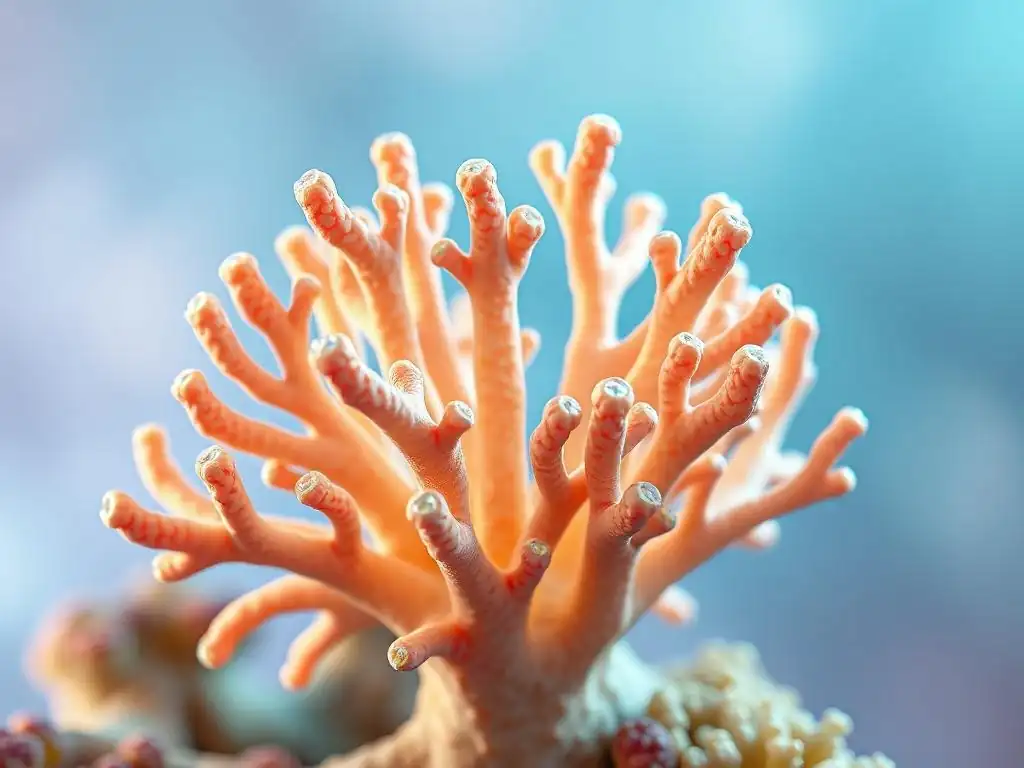
1. Euphyllia (Torch Coral): Flowing Elegance
Torch corals, primarily Euphyllia glabrescens, are among the most iconic and sought-after LPS corals, and an excellent choice for a beginner LPS coral guide due to their dramatic, flowing polyps and relatively straightforward care. Their long, sweeping tentacles, often tipped with contrasting colors like gold, green, or blue, create a mesmerizing display as they sway gently in the current. They are available in various forms, including branching and wall varieties, offering flexibility in aquascaping.
Despite their elegant appearance, Torch corals are quite robust once established in a stable environment. They are primarily photosynthetic but actively feed on larger particulate foods, contributing to their vibrant health and moderate growth rate. Their popularity stems not only from their beauty but also from their resilience, making them a rewarding addition for aquarists transitioning from soft corals or establishing their first LPS corals beginner guide setup.
Torch Coral Care: Placement, Lighting, and Water Flow
Proper placement is critical for Torch corals due to their potent sweeper tentacles, which can extend 4-6 inches at night and sting neighboring corals. They should be positioned in the mid-to-lower sections of the tank, ensuring ample space from other inhabitants. For lighting, a moderate PAR range of 50-150 PAR is ideal; too much intense light can cause bleaching, while too little may lead to poor extension and color.
Water flow should be moderate and indirect, preferably turbulent or chaotic, to prevent detritus accumulation on their polyps and facilitate gas exchange. Avoid direct, laminar flow, as this can cause the polyps to remain retracted or even lead to tissue damage. A gentle, undulating flow pattern encourages full polyp extension and overall health, vital for any beginner LPS coral.
Common Torch Coral Issues and Solutions
One of the most concerning issues for Torch corals is Brown Jelly Disease (BJD), a highly contagious bacterial infection that rapidly consumes coral tissue. It often manifests as a brown, slimy mass on the coral. Other common problems include receding tissue from the base, often due to physical damage or unstable water parameters, and polyps not extending fully.
For BJD, immediate action is crucial: remove the affected coral from the display tank, carefully frag off any healthy tissue that is not yet infected, and perform a freshwater or iodine dip on the healthy fragments. For receding tissue or poor extension, first check all water parameters (alkalinity, calcium, magnesium, nitrates, phosphates) for stability and optimal levels. Ensure proper flow and lighting, and inspect for any physical abrasion or pests. Addressing the underlying stressor is key to recovery for this beginner LPS coral.
2. Favia (Brain Coral): Hardy and Colorful
Favia corals, often referred to as Brain Corals, are a fantastic choice for a beginner LPS coral guide dueability due to their exceptional hardiness and striking coloration. These encrusting or massive corals form solid, brain-like colonies with distinct, often raised, corallites that give them their characteristic appearance. They are celebrated for their incredible diversity in patterns and colors, from vibrant greens and reds to intricate multi-colored morphs.
Their robust nature makes them highly forgiving of minor water parameter fluctuations, a significant advantage for new aquarists still learning the nuances of reef tank chemistry. Favia corals are primarily photosynthetic but are enthusiastic feeders, readily accepting meaty foods, which contributes to their vigorous growth and vibrant hues. Their relatively slow growth rate, combined with their resilience, ensures they are a long-lasting and rewarding addition to any beginner's reef.
Favia Coral Care: Maintaining Optimal Water Conditions
Favia corals are quite adaptable but thrive best in stable water conditions. Aim for alkalinity between 8-10 dKH, calcium levels of 400-450 ppm, and magnesium between 1300-1400 ppm. While they can tolerate a slightly wider range than some more sensitive corals, consistency is more important than hitting exact numbers. Regular testing and consistent water changes (e.g., 10-20% monthly) are key to maintaining these parameters.
For lighting, Favia corals prefer low to moderate PAR, typically in the range of 30-100 PAR. They can be placed in the lower to mid-sections of the tank. Water flow should be moderate and indirect, ensuring that detritus does not settle on their surface. Good, turbulent flow also aids in gas exchange and helps them expel waste, contributing to their overall health as a beginner LPS coral.
Favia Feeding: Types of Food and Frequency
Favia corals are highly receptive to target feeding and will show noticeably better growth and coloration with a consistent feeding regimen. They possess large polyps that can readily consume various meaty foods. Ideal food types include finely chopped mysis shrimp, brine shrimp, copepods, and specialized coral pellets or frozen coral foods designed for LPS corals.
Target feeding should be done 2-3 times per week, preferably at night when their feeding polyps are extended. Turn off powerheads during feeding to prevent food from being swept away, allowing the coral ample time to capture the particles. While Favia corals primarily derive energy from photosynthesis, supplemental feeding provides essential nutrients that promote robust health and enhance their natural vibrancy, making them a great choice for an LPS corals beginner guide.
3. Acanthastrea lordhowensis (Acan Lord): Vibrant and Relatively Easy
Acanthastrea lordhowensis, commonly known as Acan Lords, are small, encrusting LPS corals highly prized for their incredibly vibrant colors and distinctive, fleshy polyps. Their compact size and stunning array of color combinations, ranging from deep reds and oranges to brilliant blues and purples, make them a captivating focal point in any beginner LPS coral setup. Despite their exotic appearance, Acan Lords are surprisingly forgiving and relatively easy to care for, making them an excellent choice for reef newcomers.
These corals typically grow in a massive or encrusting form, slowly expanding their colony over rockwork or the sandbed. Each individual polyp is distinct and can inflate significantly, especially after feeding. While their growth rate is moderate, their resilience to minor parameter swings and their readiness to accept target feeding contribute to their reputation as a beginner-friendly LPS coral, offering a rewarding experience for those looking to add intense color without extreme demands.
Acan Lord Care: Lighting and Flow Requirements
Acan Lords thrive under low to moderate PAR lighting, typically ranging from 30-80 PAR. Placing them on the sandbed or lower rockwork is often ideal, as they can bleach under intense illumination. It's crucial to acclimate them gradually to new lighting conditions to prevent stress. For water flow, Acan Lords prefer low to moderate, indirect flow. Strong, direct flow can cause their polyps to remain retracted, preventing them from feeding and potentially leading to tissue damage.
Gentle, turbulent flow helps keep detritus off their surface while allowing their polyps to fully extend and capture food particles. Maintaining stable water parameters, particularly alkalinity (8-11 dKH), calcium (400-450 ppm), and magnesium (1300-1400 ppm), is also essential for their long-term health and vibrant coloration, solidifying their place in any beginner LPS coral guide.
Preventing and Treating Acan Lord Diseases
Preventing issues with Acan Lords largely revolves around maintaining pristine water quality and stable parameters, as stress is often a precursor to disease. Common problems include tissue recession, often starting from the base or edges, and Brown Jelly Disease (BJD). Tissue recession can be caused by unstable parameters, physical damage, or predation by pests.
If tissue recession is observed, first check all water parameters. If the recession is localized, a freshwater dip or iodine dip (e.g., 5-10 minutes) can sometimes help. For BJD, immediate isolation and removal of affected tissue or fragging of healthy parts are critical to prevent its rapid spread. Ensure no aggressive corals are stinging the Acan Lord, and that it is receiving adequate, targeted feeding. Quarantining new Acan Lords before introduction is also a strong preventative measure for a beginner LPS coral.
4. Blastomussa wellsi (Blasto): A Beginner-Friendly Choice
Blastomussa wellsi, commonly known as Blasto corals, are highly sought-after LPS corals that are remarkably beginner-friendly. These corals feature distinct, individual polyps that grow in compact clusters, often displaying an astonishing range of vibrant colors, from deep reds and maroons to bright greens and blues, often with contrasting mouths. Their relatively small size and manageable growth rate make them an excellent choice for nano tanks or as colorful accents in larger beginner LPS coral setups.
Blastos are known for their resilience and ability to thrive in a variety of conditions, provided basic LPS care principles are met. They are primarily photosynthetic but are also enthusiastic eaters, readily accepting small meaty foods, which enhances their growth and intensifies their coloration. Their captivating appearance and forgiving nature make them a popular and rewarding addition for any aquarist looking to expand their LPS coral collection.
Blastomussa Care: Achieving Optimal Growth and Color
For optimal growth and color, Blastomussa corals prefer low to moderate PAR lighting, typically in the range of 30-70 PAR. They are often best placed in shaded areas or lower in the tank, as intense light can cause them to retract or bleach. Water flow should be very low and gentle, ensuring that the polyps are not constantly buffeted, which can prevent them from extending fully and feeding.
Maintaining stable water parameters, particularly alkalinity (8-11 dKH) and calcium (400-450 ppm), is crucial. While they are hardy, consistency helps them thrive. Regular target feeding of small, meaty foods like mysis shrimp or copepods 2-3 times a week significantly boosts their growth rate and intensifies their already vibrant colors, making them an excellent candidate for a beginner LPS coral guide.
Understanding Blastomussa Color Variations
Blastomussa corals are renowned for their incredible diversity in coloration, a key factor in their popularity among aquarists. The most common varieties include "Red Blastos" (often deep maroon or cherry red), "Green Blastos" (ranging from lime to forest green), and "Wellsophyllia Blastos" which often refer to the larger, more robust varieties with unique color combinations like red and blue, or purple and green.
The intensity and specific hues of a Blasto coral can be influenced by several factors, including the spectrum of light provided and the availability of nutrients. Many aquarists observe that bluer light spectrums can enhance the fluorescent pigments in Blastos, while consistent feeding and stable water parameters contribute to their overall vibrancy and health. Understanding these variations allows aquarists to select specimens that best fit their aesthetic preferences within their beginner LPS coral collection.
5. Duncanopsammia axifuga (Duncan Coral): A Fast Grower
Duncan corals, scientifically known as Duncanopsammia axifuga, are among the most beautiful and beginner-friendly LPS corals available. Characterized by their large, distinct polyps that resemble a bouquet of flowers, they typically display shades of green or brown with contrasting white or cream centers. Their elegant appearance combined with their relatively fast growth rate and ease of care makes them an ideal choice for any beginner LPS coral guide.
These corals grow in a branching formation, with new polyps budding off existing stalks. This growth habit not only creates an attractive, bushy colony but also makes them incredibly easy to frag, allowing aquarists to propagate their collection or share with others. Duncans are primarily photosynthetic but are also enthusiastic feeders, readily accepting a variety of meaty foods, which further contributes to their robust health and rapid expansion.
Duncan Coral Care: Creating the Ideal Environment
Duncan corals thrive under moderate PAR lighting, ideally between 50-100 PAR. They are quite adaptable but will exhibit the best polyp extension and growth in this range. Placement in the mid-to-lower sections of the tank is generally recommended. Water flow should be moderate and indirect, ensuring that detritus does not accumulate on their polyps and that they receive adequate water movement for gas exchange without being constantly buffeted.
Maintaining stable water parameters is crucial for Duncan corals, with alkalinity (8-11 dKH), calcium (400-450 ppm), and magnesium (1300-1400 ppm) being paramount. While they are resilient, consistent stability will promote faster growth and healthier polyps. Regular target feeding of small meaty foods like mysis shrimp or brine shrimp 2-3 times per week will also significantly enhance their vitality, making them a rewarding beginner LPS coral.
Propagating Duncanopsammia: A Beginner's Guide to Fragging
One of the most appealing aspects of Duncanopsammia for beginners is their ease of propagation. Fragging Duncans is straightforward, allowing aquarists to quickly expand their colony or create new frags to trade or sell. To frag a Duncan, simply use bone cutters or a Dremel tool to carefully cut a stalk near its base, ensuring that each cut piece has at least one healthy polyp.
After cutting, it's advisable to give the frag a brief iodine dip (e.g., 5 minutes) to help prevent infection. The frag can then be securely glued to a frag plug or a small piece of live rock using cyanoacrylate gel glue. Duncan frags typically recover very quickly, often extending their polyps within hours and beginning to grow new polyps within a few weeks, making them a highly satisfying coral for any beginner LPS coral guide to propagate.
6. Galaxea fascicularis (Galaxy Coral): Adding Texture
Galaxea fascicularis, commonly known as Galaxy Coral or Starburst Coral, is a distinctive LPS coral that adds a unique spiky texture and shimmering appearance to a reef tank. It features short, often green or brown polyps with contrasting white or cream centers that extend from a solid, calcareous base. Each polyp has a small, star-like structure, giving it its common name. While visually striking and generally easy to care for in terms of basic parameters, its aggressive nature makes it an advanced beginner LPS coral that requires careful placement.
Despite its beauty, Galaxea is infamous for its extremely potent and long sweeper tentacles, which can extend significantly, often 6-8 inches, particularly at night. These tentacles are capable of delivering a powerful sting that can severely damage or even kill neighboring corals. This characteristic means that while the coral itself is hardy, managing its aggression is a key part of its care, making it a unique entry in an LPS corals beginner guide.
Galaxea Care: Managing Aggression and Placement
Due to its aggressive sweeper tentacles, careful placement is paramount for Galaxea coral. It requires significant isolation from other corals, ideally at least 6-8 inches of clear space around it, especially from less aggressive species. Placing it on its own island on the sandbed or at the very edge of your rockwork is often the best strategy. For lighting, Galaxea prefers moderate PAR, typically in the range of 50-120 PAR, and can be placed in the mid-to-lower sections of the tank.
Water flow should be moderate and turbulent, ensuring that detritus is removed from its surface without directly blasting its polyps. While Galaxea is primarily photosynthetic, it will also benefit from occasional target feeding of small meaty foods like mysis shrimp. Consistent water parameters (alkalinity 8-11 dKH, calcium 400-450 ppm) are also important for its overall health.
Identifying and Addressing Galaxea Sting Issues
Identifying Galaxea sting issues usually involves observing damage to neighboring corals. The affected coral will typically show signs of bleached or receded tissue on the side facing the Galaxea, often appearing overnight due to the nocturnal extension of its sweeper tentacles. The Galaxea itself will appear healthy, as it is the aggressor.
If a sting is identified, the immediate solution is to relocate either the Galaxea or the affected coral to ensure adequate spacing. In some cases, if relocation isn't possible, a physical barrier could be considered, though this is often impractical. Prevention is always the best approach: research the aggression levels of all corals before purchase and plan your aquascape with sufficient spacing in mind, especially for potentially aggressive beginner LPS corals like Galaxea.
7. Caulastrea furcata (Candy Cane Coral): Bright and Bushy
Caulastrea furcata, commonly known as Candy Cane Coral or Trumpet Coral, is a highly popular and robust LPS coral, making it an excellent addition to any beginner LPS coral guide. It is easily recognized by its distinctive, often striped, polyps that resemble candy canes, typically featuring vibrant green polyps with contrasting white or cream stripes. These corals grow in a bushy, branching manner, forming attractive colonies that can quickly fill a space.
Candy Cane corals are prized for their hardiness and relatively fast growth rate under optimal conditions. They are primarily photosynthetic but are also active feeders, readily accepting small meaty foods, which enhances their polyp extension and overall vitality. Their forgiving nature regarding water parameters and their striking appearance make them a rewarding and beautiful choice for new reef aquarists.
Caulastrea Care: Ensuring Healthy Polyp Extension
For healthy polyp extension and vibrant coloration, Caulastrea corals prefer low to moderate PAR lighting, typically ranging from 40-90 PAR. While adaptable, they should not be exposed to overly intense light, which can cause retraction. Placement in the lower to mid-sections of the tank is usually ideal. Water flow should be low to moderate and indirect, ensuring that detritus does not settle on their polyps and that they receive gentle movement without being constantly battered.
Maintaining stable water parameters, particularly alkalinity (8-11 dKH) and calcium (400-450 ppm), is crucial for their calcification and robust growth. Regular target feeding of small meaty foods like mysis shrimp or coral pellets 2-3 times per week significantly boosts their health and encourages the full, bushy polyp extension that makes them so appealing as a beginner LPS coral.
Troubleshooting Common Caulastrea Problems
Common problems encountered with Caulastrea corals often include poor polyp extension, tissue recession, or bleaching. Poor polyp extension can be a sign of insufficient feeding, unstable water parameters, or excessive light/flow. Tissue recession, often starting from the base, can indicate stress from water quality issues, physical damage, or an aggressive neighbor. Bleaching occurs when the coral expels its symbiotic algae, usually due to overly intense lighting or rapid changes in temperature.
To troubleshoot, first check all water parameters for stability and optimal levels. Adjust lighting or flow if they appear stressed. Ensure they are receiving adequate target feeding. If tissue recession is present, inspect for physical damage or pests. For bleaching, gradually reduce light intensity. Addressing these underlying causes promptly is key to helping your Caulastrea recover and thrive as a beginner LPS coral.
8. Echinophyllia (Chalice Coral): Unique Growth
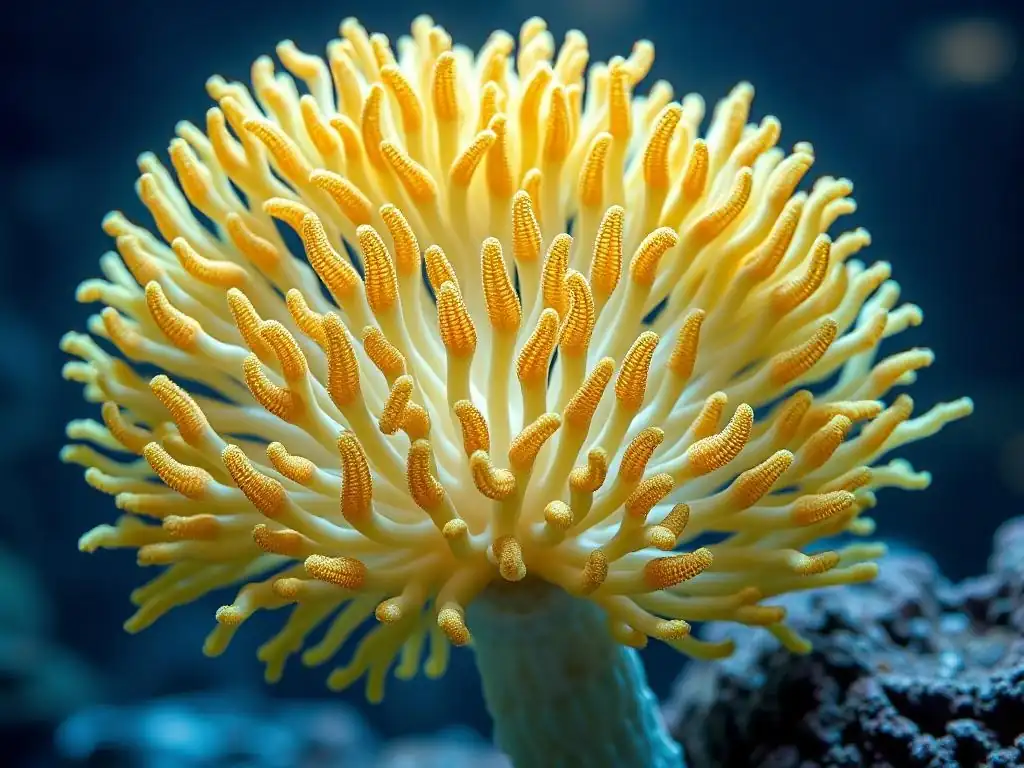
Echinophyllia, commonly known as Chalice Corals, represent a diverse and captivating group of encrusting LPS corals, offering a unique growth form and intricate patterns that set them apart in a beginner LPS coral guide. These corals typically grow as flat plates or develop complex, scrolling structures, often displaying an incredible array of colors, from vibrant reds and greens to iridescent blues and purples, sometimes with contrasting eyes or patterns.
Chalice corals are generally considered hardy and adaptable, making them suitable for beginners seeking to add a distinct texture and appearance to their reef tank. While their growth rate is typically slow to moderate, their resilience to various conditions and their stunning visual appeal make them a rewarding long-term inhabitant. Their unique encrusting habit also allows them to grow over rockwork, creating natural-looking formations.
Echinophyllia Care: Lighting and Nutrient Balance
Echinophyllia corals prefer low to moderate PAR lighting, generally ranging from 30-80 PAR. They are particularly prone to bleaching if introduced to overly intense light too quickly, so gradual acclimation is crucial. Placement in the lower to mid-sections of the tank, sometimes even in shaded areas, is often ideal for this beginner LPS coral. Water flow should be low to moderate and indirect, ensuring that detritus does not settle on their plating surface without causing stress to their polyps.
Maintaining stable water parameters, especially alkalinity (8-11 dKH) and calcium (400-450 ppm), is important for their skeletal growth. Echinophyllia also benefits from a balanced nutrient environment; while they can tolerate slightly higher nitrates (e.g., 5-10 ppm) than some SPS, very low nutrient levels can sometimes lead to dulling of colors. Occasional target feeding of fine particulate foods can enhance their vitality.
Selecting the Right Echinophyllia for Your Tank
When selecting an Echinophyllia coral for your beginner LPS coral setup, look for specimens with fully extended polyps and no signs of tissue recession, bleaching, or brown jelly disease. Starting with more common and generally hardier varieties, such as "Watermelon Chalice" (green with red eyes) or "Miami Hurricane Chalice" (multi-colored with orange eyes), can be a good strategy for beginners.
It's also crucial to inspect the frag thoroughly for any pests like nudibranchs or flatworms before introducing it to your display tank. Due to their encrusting growth form, ensure they have adequate space to expand without shading out or stinging other corals. While generally peaceful, some Chalice corals can develop short sweeper tentacles, so a few inches of clearance from other corals is always a good precaution.
9. Lobophyllia (Open Brain Coral): A Statement Piece
Lobophyllia corals, commonly known as Open Brain Corals or Lobed Brain Corals, are large, fleshy LPS corals that can serve as a magnificent centerpiece in a beginner's reef tank. They are characterized by their deeply folded or lobed appearance, often displaying a rich palette of colors, including vibrant reds, greens, oranges, and blues, sometimes with contrasting valleys and ridges. Their substantial size and striking coloration make them an impressive addition to any LPS corals beginner guide.
These corals are relatively hardy once properly acclimated and can grow quite large, making them a long-term commitment. They are primarily photosynthetic but are also excellent feeders, readily accepting a variety of meaty foods, which contributes to their robust health and impressive size. Their generally peaceful nature, combined with their captivating form, makes them a rewarding choice for aquarists looking for a substantial and beautiful LPS coral.
Lobophyllia Care: Providing Adequate Space and Flow
Due to their potential for significant size, Lobophyllia corals require ample space on the sandbed or lower rockwork. While generally peaceful, they can extend short sweeper tentacles, so ensuring a few inches of clearance from other corals is advisable. For lighting, they prefer low to moderate PAR, typically in the range of 40-100 PAR. Intense light can cause them to retract or bleach, so gradual acclimation is important.
Water flow should be low to moderate and gentle. Strong, direct flow can damage their fleshy polyps or prevent them from fully extending. Good, indirect water movement helps keep detritus off their surface and aids in gas exchange. Maintaining stable water parameters, especially alkalinity (8-11 dKH), calcium (400-450 ppm), and magnesium (1300-1400 ppm), is crucial for their long-term health and vibrant coloration, key for this beginner LPS coral.
Preventing and Treating Lobophyllia Infections
Preventing infections in Lobophyllia corals largely depends on maintaining excellent water quality, stable parameters, and avoiding physical damage. Common issues include tissue recession (often from stress, poor water, or physical abrasion) and Brown Jelly Disease (BJD), which can spread rapidly. Stressors like rapid parameter swings, high nitrates/phosphates, or inadequate flow can weaken the coral and make it susceptible.
If tissue recession is observed, first check all water parameters. For localized recession, ensure no physical abrasion is occurring. For BJD, immediate action is needed: carefully remove the coral, freshwater dip (e.g., 5 minutes) or iodine dip (e.g., 5-10 minutes) the affected area, and if possible, frag off healthy sections. Ensuring proper acclimation for new corals and maintaining consistent tank conditions are the best preventative measures for this beginner LPS coral.
10. Physogyra lichtensteini (Pearl Bubble Coral): Intriguing
Physogyra lichtensteini, commonly known as Pearl Bubble Coral, is an exceptionally unique and intriguing LPS coral that adds a captivating, dynamic element to a reef tank. It is characterized by its large, fluid-filled vesicles that resemble glistening bubbles or grapes, which inflate and deflate throughout the day depending on light intensity. This mesmerizing movement and unusual appearance make it a fascinating choice for an advanced beginner LPS coral guide.
While undoubtedly beautiful, Pearl Bubble Corals are somewhat delicate and require very specific care, particularly regarding light and flow. Their sensitivity to handling and water parameter fluctuations means they are best suited for a very stable and mature beginner LPS coral setup. When cared for properly, they are a stunning and rewarding addition, providing a truly distinctive visual appeal with their constantly shifting, iridescent "bubbles."
Physogyra Care: Maintaining Water Quality and Stability
Physogyra corals are highly sensitive to light and flow. They absolutely require very low PAR lighting, typically in the range of 30-60 PAR. High light intensity will cause their bubbles to retract significantly, stressing the coral. Placement in shaded areas or the very bottom of the tank is often necessary. Water flow must be extremely low, gentle, and indirect; strong flow can easily damage their delicate vesicles, leading to tissue tears and infection.
Maintaining pristine water quality and exceptional stability is paramount for Physogyra. They are highly intolerant of fluctuating parameters, so consistent alkalinity (8-9 dKH), calcium (400-450 ppm), and magnesium (1300-1400 ppm) are crucial. Nitrate and phosphate levels should be kept very low (e.g., nitrates below 5 ppm, phosphates below 0.03 ppm). Any sudden changes can cause retraction or tissue damage, making them a challenge for a beginner LPS coral.
Understanding Physogyra Sensitivity
The most notable aspect of Physogyra is its extreme sensitivity. Their delicate, fluid-filled vesicles can be easily damaged by direct handling or strong water currents. Aquarists should avoid touching the bubbles whenever possible. They also possess potent sweeper tentacles, which extend at night to capture food and defend their space. These tentacles can reach several inches, so the coral requires ample clearance (at least 4-6 inches) from all other corals to prevent stinging.
Due to their delicate nature and precise requirements for very low light and flow, Physogyra is best introduced into a well-established, mature reef tank with highly stable water parameters. They are not a "set it and forget it" coral and require consistent monitoring and a gentle approach, making them a rewarding but more advanced choice for a beginner LPS coral.
Essential LPS Coral Care Tips for Beginners
Water Parameters for LPS Corals: Maintaining Stability
Maintaining stable water parameters is the single most critical factor for the long-term health and vibrancy of LPS corals in any beginner LPS coral setup. The ideal salinity range is 1.025-1.026 specific gravity (or 35 ppt), which mimics natural ocean conditions. For alkalinity, aim for 8-12 dKH; consistency within this range is more important than hitting a specific number, as rapid swings can stress corals. Calcium levels should be maintained between 400-450 ppm, essential for skeletal growth, and magnesium between 1300-1400 ppm, which helps regulate alkalinity and calcium availability.
Regular testing, at least weekly for alkalinity, calcium, and magnesium, is vital using reliable test kits. If consumption is significant due to coral growth, dosing solutions or a calcium reactor may be necessary. However, for a beginner LPS coral guide, consistent weekly or bi-weekly water changes (e.g., 10-20%) with high-quality saltwater often suffice to replenish trace elements and maintain overall stability, preventing the need for complex dosing regimens initially.
Lighting and Flow Requirements for Healthy LPS Growth
Appropriate lighting and water flow are fundamental for the successful cultivation of LPS corals. Most beginner-friendly LPS corals thrive under moderate Photosynthetically Active Radiation (PAR) levels, generally ranging from 50 to 150 PAR, though specific needs vary by species. Too much intense light can lead to bleaching, where the coral expels its symbiotic algae, while too little can result in poor growth and dull coloration. Acclimating new corals to your tank's lighting by placing them in lower light areas initially and gradually moving them up is crucial.
Water flow should be moderate, indirect, and turbulent rather than laminar (straight-line). This type of flow helps to keep detritus from settling on the coral's polyps, facilitates gas exchange, and brings food particles to the coral. Avoid blasting LPS corals with strong, direct flow, as this can cause tissue damage or prevent polyps from extending. Powerheads with adjustable flow or wave-making capabilities are excellent tools for creating the ideal water movement for your beginner LPS corals.
Feeding LPS Corals: A Practical Guide
While many LPS corals are primarily photosynthetic, meaning they derive most of their energy from light through symbiotic algae (zooxanthellae), supplemental feeding significantly enhances their growth, color, and overall vitality. Most LPS corals are carnivorous and will readily accept small, meaty foods. Excellent choices for a beginner LPS coral guide include frozen mysis shrimp, brine shrimp, copepods, finely chopped clam or shrimp, and specialized coral pellets or frozen foods designed for LPS.
Target feeding is the most effective method: turn off your return pump and powerheads for about 15-30 minutes to prevent food from being swept away. Use a pipette or turkey baster to deliver food directly to the coral's extended polyps, ideally at night or during dimmer periods when their feeding tentacles are most active. Feeding 2-3 times per week is generally sufficient for most LPS species. Observe your corals; if they quickly consume the food, they are likely benefiting from the supplemental nutrition.
Preventing and Treating Common LPS Coral Diseases
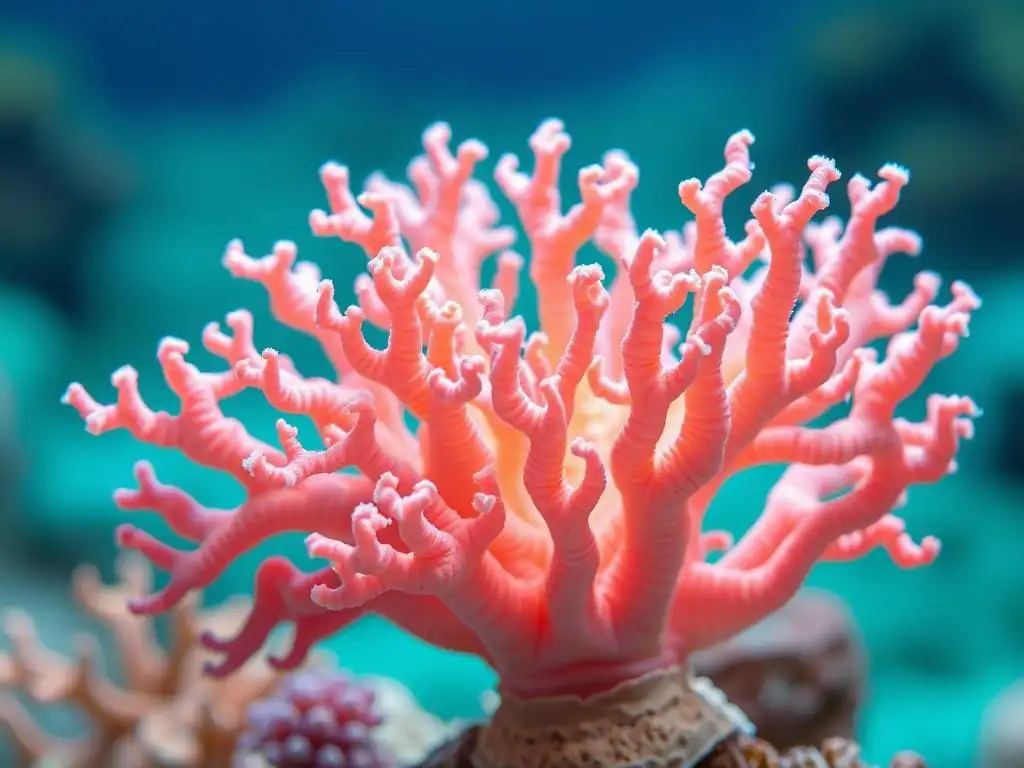
Preventing common LPS coral diseases is largely about maintaining a pristine and stable reef environment. The most prevalent issues include Brown Jelly Disease (BJD), tissue recession, and bleaching. BJD is a rapidly spreading bacterial infection often triggered by physical damage or poor water quality. Tissue recession can result from unstable parameters, physical abrasion, pests, or starvation. Bleaching is usually caused by excessive light, rapid temperature changes, or prolonged stress.
To prevent:
- Maintain highly stable water parameters and excellent water quality.
- Handle corals gently to avoid physical damage.
- Quarantine all new corals for 2-4 weeks before adding them to your display tank to prevent introducing pests or diseases.
To treat:
- For BJD: Immediately remove the affected coral. If possible, frag off healthy tissue and perform a freshwater dip (e.g., 5 minutes) or iodine dip (e.g., 5-10 minutes) on the healthy fragment.
- For tissue recession: Identify and rectify the underlying cause (parameters, pests, flow, light).
- For bleaching: Gradually reduce light intensity and ensure stable temperatures.
Prompt action and addressing the root cause are crucial for the recovery of any beginner LPS coral.
Acclimation Process: Introducing New LPS Corals
Proper acclimation is crucial for the successful introduction of new LPS corals into your aquarium, minimizing stress and preventing shock. The drip acclimation method is highly recommended for temperature and salinity equalization. Begin by floating the bag in your sump or display tank for 15-30 minutes to equalize temperature. Then, transfer the coral and its water into a separate container. Using airline tubing and a knot or valve, slowly drip water from your display tank into the container at a rate of 1-2 drops per second until the volume in the container has roughly quadrupled (typically 30-60 minutes).
Before adding the coral to your display tank, consider a freshwater dip or iodine dip (e.g., 5-10 minutes) to dislodge and kill common pests like flatworms or nudibranchs. After the dip, carefully place the coral in a low-light, low-flow area of your tank for the first few days. Gradually increase its exposure to light and flow over several days or weeks, observing its polyp extension and overall health. This gentle approach greatly increases the chances of success for your new beginner LPS coral.
Conclusion: Building a Thriving Reef
The Rewards of Keeping LPS Corals
Embarking on the journey of keeping LPS corals is an incredibly rewarding experience for any aquarist, especially for beginners. These captivating invertebrates offer a unique blend of vibrant coloration, dynamic movement, and relatively forgiving care requirements compared to more delicate coral types. As highlighted in this LPS corals beginner guide, they provide a tangible sense of accomplishment as you witness their polyps extend, their colors deepen, and their colonies slowly expand within your home aquarium.
The beauty and diversity of LPS corals, from the elegant sway of a Torch to the intricate patterns of an Acan Lord, transform a simple tank into a living, breathing piece of art. Beyond the visual appeal, the process of understanding their needs, maintaining pristine water quality, and observing their subtle behaviors fosters a deeper connection to the marine environment. The rewards extend beyond aesthetics, encompassing the satisfaction of creating a thriving ecosystem and mastering the art of reef keeping.
Resources for Learning About LPS Coral Care
The world of LPS coral care is vast and continually evolving, making continuous learning an essential part of the hobby. This LPS corals beginner guide provides a strong foundation, but expanding your knowledge through various resources will ensure long-term success. Reputable online forums and dedicated reef keeping websites, such as Aquarium Mastery, offer a wealth of information, articles, and community support where you can ask questions, share experiences, and learn from seasoned aquarists.
Local fish stores (LFS) with knowledgeable staff can also be invaluable resources, providing advice tailored to your specific setup and local conditions. Consider joining local reef club meetings, which often feature guest speakers, frag swaps, and opportunities to connect with other enthusiasts. By actively engaging with these resources, you can deepen your understanding of LPS coral care, troubleshoot issues effectively, and stay updated on best practices, fostering a more successful and enjoyable reef keeping journey.
Expanding Your LPS Coral Collection
Once you've successfully established a thriving environment for your initial beginner LPS corals and gained confidence in their care, you may naturally consider expanding your collection. However, patience and continued dedication to stability are key. Before adding new species, ensure your tank's capacity can accommodate their growth and that any new additions are compatible with your existing inhabitants in terms of aggression and environmental needs.
When acquiring new corals, always prioritize healthy specimens from reputable sources. Implement a strict quarantine protocol for all new arrivals to prevent the introduction of pests or diseases into your main display tank. As you expand, continue to monitor your water parameters diligently, adjusting your maintenance routine or dosing as coral biomass increases. By approaching expansion thoughtfully and responsibly, you can build a diverse and stunning LPS coral collection that continues to thrive for years to come, truly mastering the art of the LPS corals beginner guide.
Frequently Asked Questions
What are LPS Corals and why are they good for beginners?
LPS stands for Large Polyp Stony corals. They are generally considered good for beginners because they are relatively hardy and tolerant of less-than-perfect water conditions, compared to Small Polyp Stony (SPS) corals.
What are some examples of LPS corals mentioned in the article "Aquarium Mastery's Top 10 LPS Corals for Beginners"?
The article specifically mentions Euphyllia, Favia, and Acanthastrea (Acans) as being focus corals. Other LPS corals suitable for beginners are likely listed within the "Top 10" in the article.
What are the key water parameters I should maintain for LPS corals?
Maintaining stable water parameters is crucial. Important factors include alkalinity, calcium, and magnesium levels. Regular testing and adjustments are essential for coral health and growth.
Does the article provide guidance on lighting requirements for LPS corals?
While not explicitly mentioned in this FAQ, Aquarium Mastery articles typically provide detailed guidance. It's likely the "Top 10" article specifies the appropriate lighting intensity and spectrum for each coral species listed.
What kind of maintenance schedule should I follow for my LPS coral aquarium?
A regular maintenance schedule should include partial water changes, testing water parameters, and adjusting equipment as needed. The specific schedule will depend on the size and inhabitants of your aquarium.
Final Reflection: Cultivating Underwater Gardens
The journey through the vibrant world of LPS corals, as outlined in this guide, highlights not only the beauty and diversity of these fascinating creatures but also the growing accessibility of reef keeping for beginners. What was once considered an exclusive and challenging hobby is now within reach for many, thanks to readily available information and advancements in aquarium technology. This shift empowers more individuals to connect with and appreciate the delicate ecosystems of our oceans.
The allure of LPS corals extends beyond their aesthetic appeal; they represent a tangible connection to the natural world, fostering a sense of responsibility and wonder. My own experiences with these corals have instilled in me a profound respect for the intricate balance of marine life, and I believe this is a sentiment shared by many reef keepers. In the end, we will conserve only what we love; we will love only what we understand; and we will understand only what we are taught.
- Baba Dioum. This quote perfectly encapsulates the importance of accessible guides like this one in fostering a deeper understanding and appreciation for these incredible organisms.
Now, as you embark on your own reef-keeping adventure, take a moment to reflect on the profound impact even a small aquarium can have. Consider the lessons learned about patience, observation, and the delicate interplay of life. Let this guide be more than just a list of corals; let it be a catalyst for a lifelong journey of learning, appreciation, and responsible stewardship of our planet's precious marine resources. Embrace the challenge, nurture your underwater garden, and share the beauty of the reef with the world.
Cultivate Your Reef: Begin Your LPS Coral Journey Today!
Thank you for diving into the captivating world of LPS corals! We hope you've gained valuable insights to confidently start your reef-keeping adventure. Now it's time to transform that knowledge into action.
Here's how you can take your next steps:
- Select one coral from our list and begin researching its specific care requirements. Success in reefing hinges on detailed knowledge!
- Join the Aquarium Mastery community forum and share your tank parameters to receive personalized advice.
- Surprise us: Instead of buying, try fragging an LPS coral from a friend or local reef club to share and expand the hobby!
Ready to take the plunge and add a stunning LPS coral to your aquarium? What are you waiting for?