
The SPS Leap: Are You Truly Ready for Acropora, Montipora, and Seriatopora Dominance?

Welcome to Aquarium Mastery!
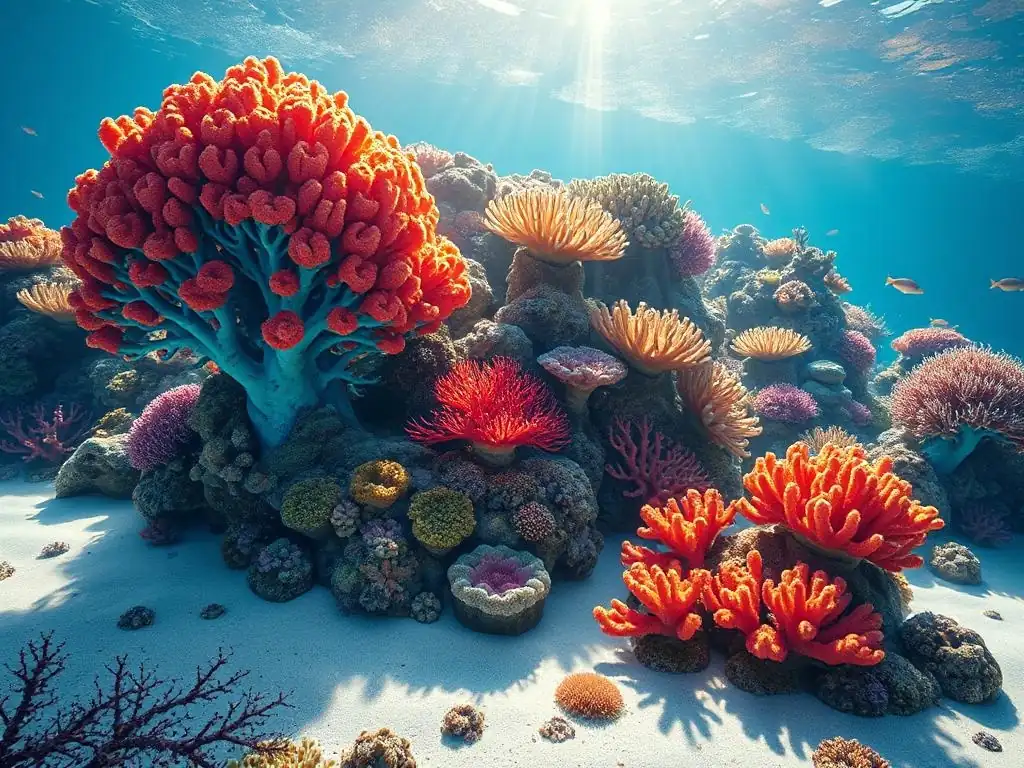
Ready to take your reef tank to the next level? That shimmering rainbow of color and intricate structure you've been dreaming of is within reach. But are you truly prepared for the challenge and reward of an SPS coral tank setup? Dive in to discover the secrets to mastering Acropora, Montipora, and Seriatopora, and unlock the potential of a truly breathtaking reef. Let's explore what it takes to achieve SPS dominance!
- Understanding SPS Corals: A Gateway to Reef Aquarium Mastery
- Assessing Your Readiness for an SPS Coral Tank Setup
-
The SPS Coral Tank Setup: A Step-by-Step Guide
- Step 1: Choosing the Right Aquarium and Sump for SPS
- Step 2: Selecting High-Intensity Lighting for Optimal SPS Growth
- Step 3: Implementing Strong and Random Water Flow for SPS Health
- Step 4: Establishing a Robust Filtration System for SPS Coral Tanks
- Step 5: Cycling Your New SPS Coral Tank and Introducing Live Rock
- Maintaining a Thriving SPS Reef: Advanced Care and Husbandry
- Troubleshooting Common SPS Coral Problems
- Advanced Techniques for SPS Coral Propagation and Fragging
- Optimizing Coloration in Your SPS Coral Tank
- Advanced Considerations for Long-Term SPS Coral Success
-
Frequently Asked Questions
- What exactly are SPS corals, and why are they considered advanced?
- What are the most critical water parameters to monitor in an SPS coral tank?
- What kind of lighting is necessary for a thriving SPS coral tank?
- What is the recommended tank size and equipment for a successful SPS coral tank setup?
- How often should I perform water changes in an SPS coral tank, and what percentage should I change?
- Final Reflection: Embracing the SPS Reefing Journey
- Ignite Your Reef: Dare to Master SPS Coral Keeping?
Understanding SPS Corals: A Gateway to Reef Aquarium Mastery
What are SPS Corals and Why are They Considered Advanced?
Small Polyp Stony (SPS) corals are a diverse group of reef-building corals characterized by their small polyps and hard, calcified skeletons made primarily of aragonite. Unlike their larger-polyped counterparts (LPS corals) or soft corals, SPS corals derive the majority of their energy from the photosynthesis performed by symbiotic algae called zooxanthellae residing within their tissues. This dependence necessitates extremely high-intensity lighting and robust water flow to thrive, making them a cornerstone of advanced reef aquariums. Their delicate structure and rapid growth rates demand a pristine and stable environment.
The advanced nature of SPS coral keeping stems directly from their incredibly narrow parameter tolerances and high equipment demands. Even slight fluctuations in water chemistry, such as a swing of 0.5 dKH in alkalinity over 24 hours, can induce stress, leading to tissue recession or even rapid tissue necrosis (RTN).
Maintaining ultra-low nutrient levels (nitrates below 5 ppm, phosphates below 0.03 ppm) is crucial to prevent nuisance algae outbreaks that can smother these sensitive corals. The significant investment in high-end lighting, powerful flow pumps, and precise dosing equipment further categorizes an SPS coral tank setup as an endeavor for experienced aquarists.
Distinguishing Acropora, Montipora, and Seriatopora: Key Differences for Successful SPS Keeping
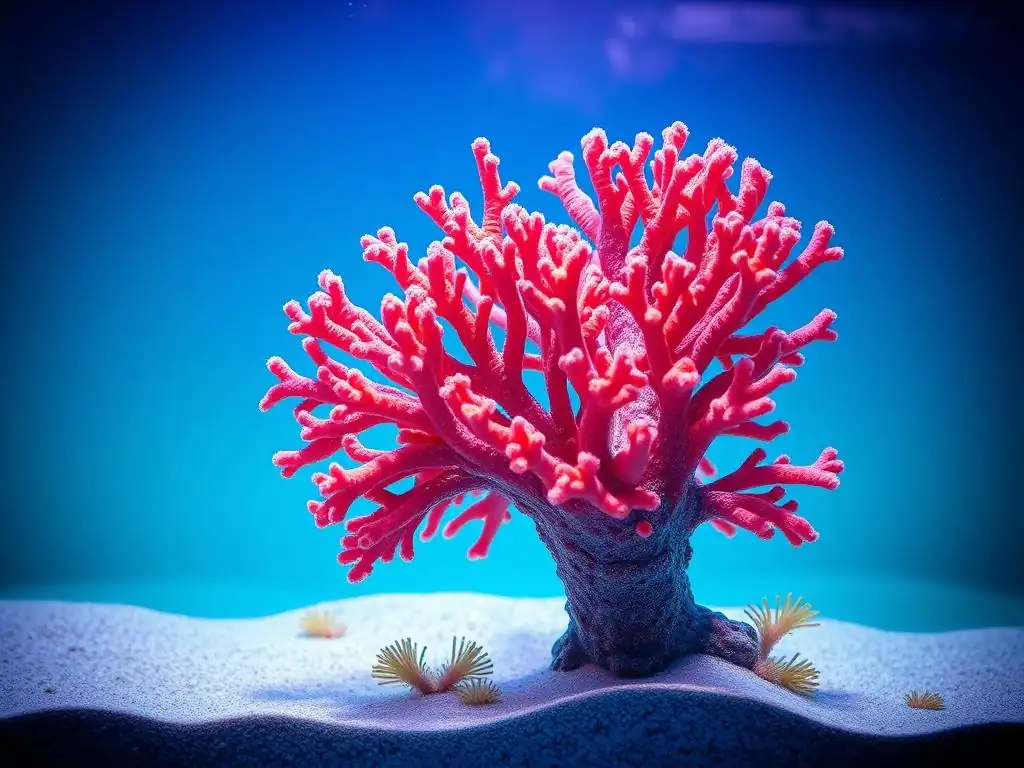
Acropora corals are often considered the pinnacle of SPS keeping due to their exquisite beauty and demanding care. They exhibit a vast array of growth forms, including branching, plating, and encrusting, and come in an astonishing spectrum of colors, from vibrant blues and greens to deep purples and reds. Species like Acropora millepora are known for their fuzzy appearance, while Acropora valida often displays thick, club-like branches. Their extreme sensitivity to water parameter fluctuations, especially alkalinity and magnesium, means they are often the first corals to show signs of stress in an unstable SPS coral tank setup.
Montipora corals are generally more forgiving than Acropora, making them an excellent choice for aquarists transitioning into advanced SPS keeping. They display a wide range of growth patterns, including plating ( Montipora capricornis), encrusting, and digitate ( Montipora digitata). Montipora corals are renowned for their striking colors, particularly bright oranges, greens, and reds, which can become incredibly vivid under appropriate lighting. While still requiring stable parameters and strong flow, they tend to tolerate minor inconsistencies slightly better than Acropora, offering a less steep learning curve for a new SPS coral tank setup.
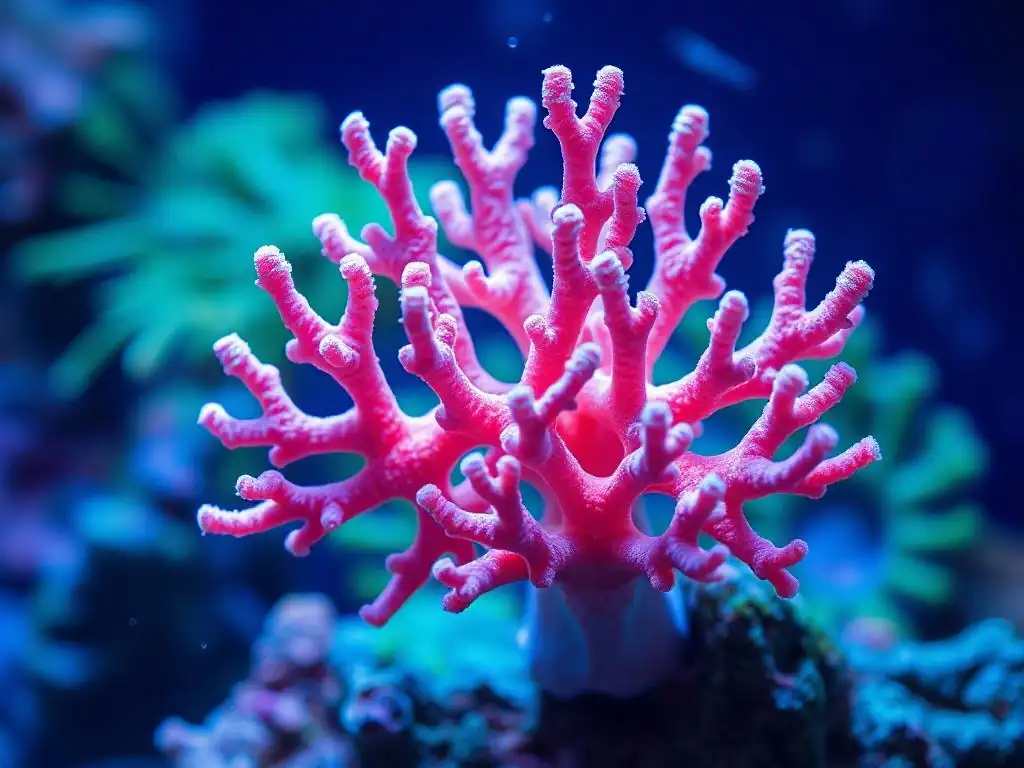
Seriatopora corals, commonly known as Birdsnest corals, are another popular choice for those venturing into SPS. They are characterized by their delicate, intricate branching structures and often exhibit pastel pink, green, or yellow hues. Seriatopora hystrix is a classic example, known for its rapid growth and relatively robust nature compared to Acropora. While they still demand high light and flow, Seriatopora are often more resilient to minor parameter shifts and can be a good "stepping stone" for aquarists before attempting the more challenging Acropora species within their SPS coral tank setup.
Assessing Your Readiness for an SPS Coral Tank Setup
Evaluating Your Existing Reef Tank: Is it SPS-Ready?
Before embarking on an SPS coral tank setup, a thorough evaluation of your existing reef system is paramount. A mature tank, typically aged 6 to 12 months or more, is crucial as it has established a stable biological filter and a robust microfauna population, reducing the likelihood of unpredictable parameter swings. If your current tank consistently struggles with nuisance algae or exhibits elevated nitrate levels (e.g., above 5 ppm) or phosphate levels (e.g., above 0.05 ppm), it indicates an underlying nutrient control issue that must be resolved before introducing sensitive SPS corals.
Beyond stability, the existing equipment must be assessed for its capacity to meet the rigorous demands of an SPS coral tank setup. Does your lighting system provide sufficient Photosynthetically Active Radiation (PAR) for SPS corals, generally ranging from 200-450 PAR across the aquascape? Is your water flow adequate, providing turbulent and random flow at 20-40 times the tank volume per hour? Furthermore, is your current filtration robust enough to maintain ultra-low nutrient levels, potentially requiring an oversized protein skimmer or the addition of GFO (Granular Ferric Oxide) and carbon reactors? Addressing any equipment shortcomings proactively will prevent significant setbacks.
The Importance of Water Chemistry for Thriving SPS Corals
Water chemistry stability is not merely important for SPS corals; it is absolutely critical for their survival and vibrant growth. SPS corals, particularly Acropora species, are highly sensitive to even the slightest fluctuations in key parameters. Inconsistent water chemistry, such as rapid drops in alkalinity or sudden shifts in salinity, can induce severe stress, leading to tissue recession, bleaching, or even complete colony loss. Maintaining a stable environment minimizes stress, allowing the corals to allocate energy towards growth and coloration rather than recovery from environmental shock.
The consequences of unstable water chemistry in an SPS coral tank setup are often dire. For instance, a sudden drop in alkalinity by more than 1.0 dKH within 24 hours can cause 'alkalinity burn,' where the coral's tips or base appear white and necrotic. Similarly, persistently high nitrate levels (e.g., above 10 ppm) or phosphate levels (e.g., above 0.05 ppm) will inhibit calcification, leading to stunted growth and dull coloration, while simultaneously promoting the growth of undesirable algae that can outcompete and smother the corals. Accurate, frequent testing and precise parameter adjustments are non-negotiable for long-term SPS success.
Mastering Alkalinity, Calcium, and Magnesium: The Holy Trinity of SPS Growth
Alkalinity, measured in dKH (degrees of carbonate hardness), is arguably the most critical parameter for an SPS coral tank setup. It represents the concentration of carbonates and bicarbonates, which are essential building blocks for the coral's skeletal growth. Maintaining alkalinity within a tight range, typically 7.5-8.5 dKH, is crucial. Fluctuations of more than 0.5 dKH per day can cause significant stress. For a heavily stocked 100-gallon SPS tank, daily alkalinity consumption can be as high as 1.0-2.0 dKH, necessitating precise daily dosing via two-part solutions, kalkwasser, or a calcium reactor.
Calcium (Ca), typically maintained between 400-450 ppm, is another fundamental component for SPS coral calcification. It works synergistically with alkalinity; if either parameter is out of balance, the coral's ability to build its skeleton is compromised. While SPS corals rapidly consume calcium for growth, its availability is dependent on stable alkalinity. Regular testing, perhaps 2-3 times per week, is necessary to track consumption and adjust dosing accordingly in an active SPS coral tank setup.
Magnesium (Mg), ideally kept between 1300-1400 ppm, plays a vital role in preventing the precipitation of calcium carbonate, thereby ensuring that calcium and alkalinity remain available for coral uptake. Without adequate magnesium, calcium and alkalinity can crash out of solution, becoming unavailable to the corals. If you struggle to maintain stable calcium and alkalinity levels despite consistent dosing, low magnesium is often the culprit. Supplementing magnesium, typically once or twice a week depending on consumption, is essential for the overall stability and long-term health of your SPS coral tank setup.
Essential Equipment for a Successful SPS Coral Aquarium
High-intensity lighting is paramount for an SPS coral tank setup, as these corals are highly photosynthetic. Modern LED fixtures, T5 fluorescent lamps, or metal halide systems capable of delivering Photosynthetically Active Radiation (PAR) levels between 250-450 PAR at the coral level are essential. Insufficient light will lead to pale colors and stunted growth, while excessive light can cause bleaching. A PAR meter is an invaluable tool for accurately measuring light intensity and ensuring optimal placement of corals.
Robust water flow is equally critical for SPS corals. They require strong, turbulent, and random flow patterns to deliver nutrients, remove waste products from their polyps, and prevent detritus accumulation. Multiple powerheads placed strategically throughout the tank are necessary to eliminate dead spots. A general guideline for an SPS coral tank setup is to achieve a total flow rate of 20-40 times the tank volume per hour. For instance, a 100-gallon tank would ideally have 2,000-4,000 gallons per hour (GPH) of total flow, often provided by two or more high-performance, wave-making powerheads.
To maintain the precise and stable water parameters demanded by SPS corals, a reliable dosing system or a calcium reactor is indispensable. Dosing pumps automate the daily addition of two-part alkalinity and calcium solutions, ensuring consistency.
A calcium reactor, utilizing CO2 to dissolve aragonite media, provides a continuous supply of calcium and alkalinity for larger or heavily stocked SPS coral tank setups. Additionally, an oversized protein skimmer is crucial for efficient nutrient export, and a high-quality RO/DI (Reverse Osmosis/Deionization) unit producing 0 TDS (Total Dissolved Solids) water is vital for all top-off and saltwater mixing needs, preventing the introduction of impurities.
The SPS Coral Tank Setup: A Step-by-Step Guide
Step 1: Choosing the Right Aquarium and Sump for SPS
Selecting the appropriate aquarium size is the foundational step for any successful SPS coral tank setup. While smaller tanks can house SPS, a minimum of 75-100 gallons is highly recommended. Larger tanks offer significantly greater water volume, which inherently provides more stability in terms of water parameters and temperature, acting as a crucial buffer against minor fluctuations. The dimensions of the tank are also important, as they influence light spread and flow patterns; a wider tank often allows for better aquascaping and light penetration for branching corals.
A generously sized sump is equally vital for an SPS coral tank setup. Ideally, the sump volume should be 20-30% of the display tank's volume. A larger sump provides ample space for essential equipment such as an oversized protein skimmer, a refugium for nutrient export, various reactors (GFO, carbon), and an auto top-off reservoir. The increased total water volume provided by a large sump contributes significantly to the overall stability of the system, making it easier to maintain the pristine conditions that SPS corals require.
Step 2: Selecting High-Intensity Lighting for Optimal SPS Growth
SPS corals thrive under high-intensity lighting, which is crucial for their photosynthetic zooxanthellae. The Photosynthetically Active Radiation (PAR) levels required typically range from 250 PAR at the bottom of the aquascape to over 450 PAR near the surface for demanding Acropora species. Inadequate light will result in pale, "washed-out" colors and stunted growth, while excessive or sudden changes in light intensity can lead to bleaching. Modern LED fixtures offer excellent control over intensity and spectrum, often allowing for customization to suit specific coral needs.
Beyond intensity, the light spectrum plays a significant role in both coral health and coloration. A balanced spectrum, often heavy in the blue wavelengths (e.g., 450-470nm), is essential for stimulating zooxanthellae photosynthesis and enhancing the vibrant fluorescent proteins within the coral tissue.
Many successful SPS coral tank setups utilize a high proportion of royal blue and blue LEDs, supplemented with cool white, violet, and sometimes a touch of UV, red, or green. A typical photoperiod for high-intensity lighting is 8-10 hours daily, often preceded and followed by dawn/dusk ramping cycles to ease corals into and out of the high-intensity phase.
Step 3: Implementing Strong and Random Water Flow for SPS Health
Strong and turbulent water flow is absolutely non-negotiable for a thriving SPS coral tank setup. SPS corals, with their small polyps, rely on vigorous water movement to deliver food particles, carry away metabolic waste products, and facilitate gas exchange. Stagnant areas can lead to detritus accumulation, localized nutrient buildup, and ultimately, tissue necrosis. The flow should be random and chaotic, not laminar, to mimic natural reef conditions and ensure all parts of the coral colony receive adequate circulation.
To achieve the necessary flow, multiple powerheads are typically deployed throughout the aquarium. A commonly cited guideline is to provide total water turnover of 20 to 40 times the tank volume per hour. For a 100-gallon SPS system, this translates to 2,000 to 4,000 gallons per hour (GPH) of combined flow from all pumps.
Advanced powerheads with wave-making or random flow capabilities are highly recommended. Strategic placement of these pumps, often aimed at creating opposing flows, helps to eliminate dead spots and prevent the formation of boundary layers around the coral tissue, which can inhibit nutrient uptake and waste removal.
Step 4: Establishing a Robust Filtration System for SPS Coral Tanks
A robust and multi-faceted filtration system is paramount for maintaining the ultra-low nutrient environment required by an SPS coral tank setup. Mechanical filtration, typically in the form of filter socks or filter floss, is essential for removing particulate matter and detritus from the water column. These should be cleaned or replaced frequently, ideally every 1-2 days, to prevent trapped organic material from breaking down and contributing to nitrate and phosphate levels. Neglecting mechanical filtration can quickly turn it into a nutrient source rather than a nutrient remover.
Biological filtration is primarily provided by a generous amount of cured live rock, typically 1 to 1.5 pounds per gallon, which offers vast surface area for beneficial nitrifying and denitrifying bacteria. A properly cured and aquascaped live rock structure facilitates the nitrogen cycle, converting toxic ammonia and nitrite into less harmful nitrate.
Chemical filtration is equally critical; an oversized protein skimmer running 24/7 is a must for efficient organic waste removal. Additionally, granular ferric oxide (GFO) for phosphate removal and high-quality activated carbon for organic pollutant absorption and water clarity should be run in reactors or media bags and replaced regularly (e.g., every 2-4 weeks) to maintain optimal water quality for your SPS coral tank setup.
Step 5: Cycling Your New SPS Coral Tank and Introducing Live Rock
The cycling process is an absolutely critical, non-negotiable step before introducing any corals, especially sensitive SPS. This involves establishing the nitrogen cycle, where beneficial bacteria convert toxic ammonia (from decaying matter or an ammonia source) to nitrite, and then to less harmful nitrate. A full cycle typically takes 4-8 weeks, and involves consistently testing ammonia, nitrite, and nitrate levels.
Only when ammonia and nitrite both read zero for several consecutive days, and nitrates are present, is the tank biologically mature enough for the first inhabitants. Using a pure ammonia source (e.g., Dr. Tim's Aquatics Ammonium Chloride) allows for a controlled, fishless cycle.
Live rock is introduced either at the beginning of the cycle or after, depending on whether it's fully cured. If using uncured live rock, it will contribute to the ammonia spike during the cycle.
Aquascaping the live rock not only creates an aesthetically pleasing environment but also provides crucial surface area for biological filtration and offers diverse flow patterns and secure attachment points for future SPS colonies. After the cycle is complete and the live rock is in place, it's advisable to allow the system to stabilize for an additional few weeks, perhaps with a few hardy fish, before considering the introduction of your first delicate SPS corals to ensure the system is truly ready for an SPS coral tank setup.
Maintaining a Thriving SPS Reef: Advanced Care and Husbandry
Regular Water Testing and Adjustments: Maintaining Stability
Consistent and precise water testing is the backbone of successful SPS coral husbandry. For an SPS coral tank setup, alkalinity should be tested daily or every other day, particularly when dialing in dosing or after significant coral additions, as it is the most rapidly consumed parameter. Calcium and magnesium can typically be tested 2-3 times a week. Nitrates and phosphates, the primary indicators of nutrient levels, should be tested weekly using high-accuracy test kits, such as colorimetric kits or Hanna Checkers, which provide more precise readings for ultra-low ranges (e.g., phosphates below 0.03 ppm).
Based on the test results, prompt and careful adjustments are necessary. When adjusting alkalinity, calcium, or magnesium, it is crucial to make small, incremental changes to avoid shocking the corals. For instance, alkalinity should not be adjusted by more than 0.2 dKH per 24 hours. Dosing pumps or a calcium reactor allow for automated, continuous additions, significantly contributing to stability. The goal is to identify your tank's daily consumption rate for each parameter and then match it with consistent supplementation, maintaining the target ranges with minimal fluctuation for your SPS coral tank setup.
Effective Nutrient Control Strategies for SPS Coral Health
Maintaining ultra-low nutrient levels is paramount for a vibrant SPS coral tank setup, as high nitrates and phosphates can inhibit coral growth, dull coloration, and promote nuisance algae. An oversized, high-performance protein skimmer running 24/7 is the primary line of defense for nutrient export, efficiently removing organic waste before it breaks down into nitrates and phosphates. Regular, small water changes (e.g., 10-15% weekly) using a high-quality salt mix also play a crucial role by replenishing trace elements and diluting accumulated pollutants.
Beyond skimming and water changes, several advanced strategies can enhance nutrient control. A refugium with macroalgae like Chaetomorpha, illuminated on a reverse photoperiod, effectively consumes nitrates and phosphates. Dosing carbon sources (e.g., vinegar, vodka, or commercial carbon sources) can promote bacterial proliferation, which then consumes excess nutrients and is exported via the protein skimmer.
However, carbon dosing must be implemented cautiously to avoid bacterial blooms or oxygen depletion. Regularly siphoning detritus from sumps and sand beds, and ensuring strong flow to prevent detritus accumulation in the display tank, are also vital for maintaining the pristine conditions required by SPS corals.
The Role of Amino Acids and Trace Elements in SPS Coral Growth
While SPS corals primarily rely on photosynthesis, supplemental feeding with amino acids and trace elements can significantly enhance their growth rates, coloration, and overall vitality. Amino acids provide essential building blocks for protein synthesis and tissue development, which can boost coral resilience and promote faster growth, especially in tanks with ultra-low nutrient levels where corals may not get enough from incidental feeding. Many aquarists report enhanced color saturation and polyp extension when dosing small amounts of amino acids 2-3 times per week, typically 1-2 ml per 100 gallons.
Trace elements, such as iodine, potassium, strontium, and boron, are vital micronutrients consumed by corals during calcification and various metabolic processes. While some are replenished through regular water changes with quality salt mixes, heavily stocked SPS coral tank setups may deplete these elements more rapidly. Targeted supplementation can be beneficial, for instance, potassium can intensify pinks and reds in Acropora, and iodine can deepen blues. However, caution is advised; over-dosing trace elements can be detrimental. It is often best to start with lower doses and carefully observe coral response, or use all-for-one solutions that maintain a balanced profile.
Preventing and Treating Common SPS Coral Diseases and Pests
Prevention is always superior to treatment in an SPS coral tank setup. A strict quarantine protocol for all new coral additions is absolutely essential. New corals should be dipped (e.g., with Coral Rx or Revive) upon arrival to remove external pests, then placed in a separate quarantine tank (QT) for a minimum of 4-6 weeks. During this period, observe for signs of pests like Red Bugs ( Tegastes acroporanus), Montipora Eating Nudibranchs ( Phestilla melanobrachia), or flatworms. Treating issues in a QT prevents their introduction and potential devastation in your main display tank.
Despite preventative measures, diseases and pests can sometimes emerge. Rapid Tissue Necrosis (RTN) is a sudden, often overnight, loss of coral tissue, frequently leaving bare skeleton. It can be caused by severe stress (e.g., drastic parameter swings, temperature shock) or bacterial infections, requiring immediate removal of affected parts and addressing the underlying cause.
Slow Tissue Necrosis (STN) is a more gradual tissue loss, often from the base upwards, usually indicative of chronic stress, poor water quality, or insufficient flow/light. Specific pests like Red Bugs can be treated with insecticides like Interceptor, while Montipora Eating Nudibranchs typically require manual removal and repeated dips. Early detection through vigilant observation is key to successful intervention and saving your SPS coral tank setup.
Troubleshooting Common SPS Coral Problems
Addressing Coral Bleaching in SPS Tanks
Coral bleaching is a serious condition where corals expel their symbiotic zooxanthellae, leading to a loss of color and a stark white appearance. While often associated with rising ocean temperatures, in a home SPS coral tank setup, it can be triggered by various stressors. The most common causes include rapid or extreme temperature fluctuations (e.g., sustained temperatures above 82°F or below 74°F), sudden increases or decreases in light intensity (e.g., new, powerful lights introduced too quickly), or drastic swings in water parameters like alkalinity or salinity.
If bleaching occurs, immediate action is crucial to give the coral a chance at recovery. First, identify and rectify the stressor. If temperature is the issue, ensure your heaters and chillers are functioning correctly and maintaining a stable range (e.g., 76-78°F). If lighting is suspected, reduce intensity by raising the fixture, shortening the photoperiod, or dimming LEDs, and then gradually re-acclimate. Double-check all water parameters for stability. While some corals can recover if the stress is short-lived, prolonged or severe bleaching often leads to coral mortality, highlighting the importance of consistent stability in an SPS coral tank setup.
Identifying and Resolving Tissue Necrosis in SPS Corals
Tissue necrosis in SPS corals manifests as the loss of living tissue, exposing the underlying skeleton. It can occur rapidly (Rapid Tissue Necrosis, or RTN) or slowly (Slow Tissue Necrosis, or STN). RTN is often sudden and devastating, with tissue disappearing overnight, frequently due to severe acute stress, such as a major water parameter crash, a sudden temperature shock, or a virulent bacterial infection. The coral may appear perfectly healthy one day and be a bare skeleton the next.
STN, on the other hand, is a more gradual process, often starting from the base of the coral or its tips and slowly progressing. It is typically indicative of chronic stress factors, including persistent poor water quality (e.g., consistently high nitrates/phosphates), insufficient or improper water flow leading to detritus buildup, inadequate lighting, or the presence of specific coral pests. Resolving necrosis requires identifying and eliminating the root cause.
For RTN, immediate fragging of any healthy tissue might save a portion of the colony. For STN, a comprehensive review of all husbandry practices, from water parameters and nutrient control to flow patterns and lighting, is necessary to restore the health of your SPS coral tank setup.
Combating Algae Outbreaks that Threaten SPS Health
Algae outbreaks are a common headache in reef aquariums, but in an SPS coral tank setup, they pose a direct threat. Nuisance algae, such as hair algae, cyanobacteria, and dinoflagellates, compete with corals for light and space, can directly smother delicate SPS polyps, and are a clear indicator of elevated nutrient levels (nitrates and phosphates). High nutrient levels, even if not immediately lethal, will inhibit the calcification process, leading to stunted growth and dull coloration in SPS corals.
Combating algae outbreaks requires a multi-pronged approach focused on aggressive nutrient export. First, intensify mechanical filtration by cleaning or replacing filter socks daily and ensuring your protein skimmer is oversized and operating optimally. Increase the frequency and volume of water changes (e.g., 20% twice weekly) to dilute accumulated nutrients.
Implement or increase the use of chemical filtration media like GFO (Granular Ferric Oxide) to bind phosphates, and activated carbon to remove dissolved organics. Reduce feeding amounts to minimize nutrient input, and consider introducing appropriate herbivorous snails (e.g., Trochus, Turbo) and fish (e.g., Tangs, Rabbitfish) as part of a comprehensive clean-up crew. Proactive nutrient management is key to maintaining a pristine SPS coral tank setup.
Advanced Techniques for SPS Coral Propagation and Fragging
Fragging Acropora, Montipora, and Seriatopora: A Practical Guide
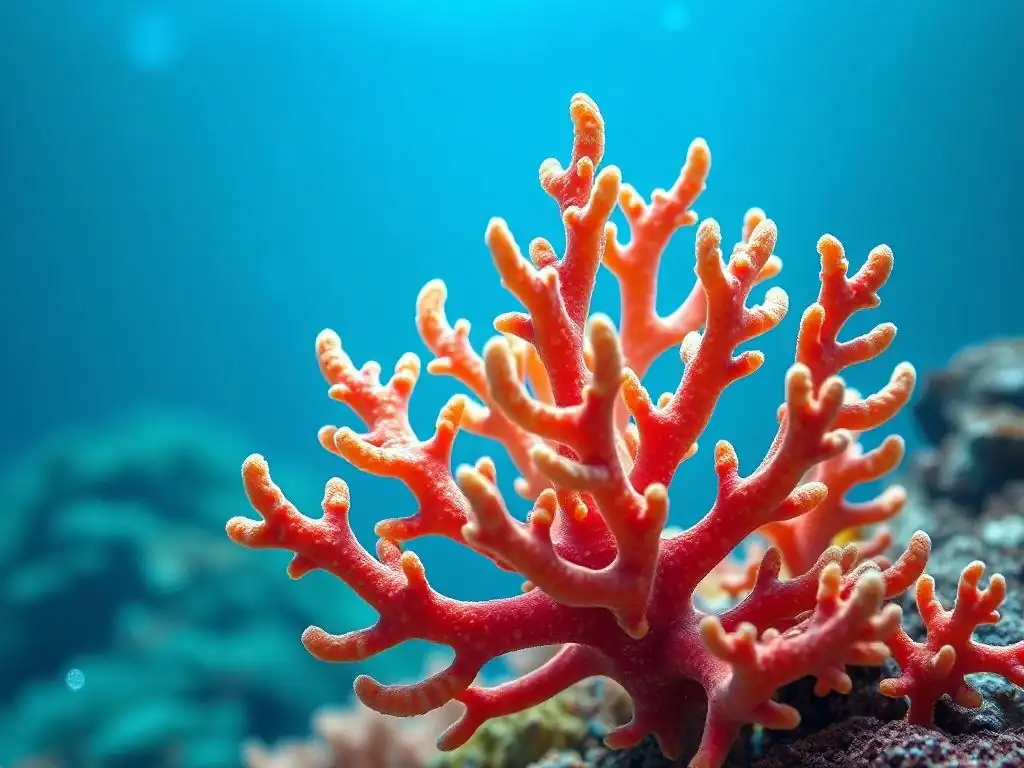
Fragging, or propagating, SPS corals is a rewarding aspect of the hobby, allowing aquarists to share corals, recover from tissue loss, or manage colony growth. The process for Acropora, Montipora, and Seriatopora involves making a clean cut from a healthy mother colony. Specialized bone cutters are ideal for branching Acropora and Seriatopora, while a Dremel with a diamond blade may be preferred for plating Montipora or thicker Acropora branches. Always sterilize your tools thoroughly between different coral colonies to prevent the transfer of diseases or pests.
After making the cut, the frag should be dipped in an antiseptic coral dip solution (e.g., Lugol's iodine or a commercial dip) to cleanse the cut area and prevent potential infections. The frag is then typically mounted onto a frag plug or a small piece of live rock using cyanoacrylate gel (super glue) or epoxy.
Once mounted, place the new frag in a lower-light, lower-flow area of your SPS coral tank setup for several days to a week. This allows the frag to heal and acclimate to its new environment before gradually moving it to its permanent, high-light, high-flow location within the display.
Growing Out SPS Frags: Optimizing Growth and Coloration
Optimizing the grow-out environment for SPS frags is crucial for their survival and rapid development into mature colonies. Initially, place newly fragged corals in areas of your SPS coral tank setup with moderate light and flow. This reduces initial stress, allowing the coral to heal and acclimate. As the frag shows signs of recovery and polyp extension, it can be gradually moved to higher intensity light and stronger flow areas that are appropriate for its specific species. Consistency in water parameters, particularly alkalinity, calcium, and magnesium, is paramount, as rapid growth consumes these elements quickly.
Beyond stable parameters, providing supplemental nutrition can significantly accelerate frag growth and enhance coloration. While zooxanthellae are the primary energy source, target feeding with amino acids, phytoplankton, or specialized coral foods can provide essential nutrients. Observe your frags closely for signs of growth, such as lighter-colored tips indicating new skeletal formation, or increased polyp extension. Monitoring for any signs of stress, tissue recession, or pests is also critical during this vulnerable growth phase. A well-managed SPS coral tank setup will see frags encrusting their plugs and beginning to branch within a few weeks to months.
Optimizing Coloration in Your SPS Coral Tank
The Influence of Lighting Spectrum on SPS Coral Color
The lighting spectrum is a primary driver of SPS coral coloration, influencing both the health of their symbiotic zooxanthellae and the expression of the coral's own fluorescent and non-fluorescent proteins. Blue wavelengths, particularly royal blue (around 450nm) and blue (around 470nm), are critical. These wavelengths penetrate deepest into the water column and are highly efficient at stimulating zooxanthellae photosynthesis, which provides energy to the coral. More importantly for coloration, intense blue light promotes the production of fluorescent proteins within the coral tissue, enhancing vibrant blues, purples, and greens.
A balanced spectrum, rather than just high PAR, is key for an SPS coral tank setup. While blue light dominates, incorporating other wavelengths like cool white, UV, violet, and sometimes small amounts of red or green can fill out the spectrum, contributing to overall coral health and a broader range of color expressions. For instance, white light often highlights warmer colors like yellows and oranges.
Many successful aquarists utilize LED fixtures that allow for fine-tuning of individual color channels, enabling experimentation to achieve the desired aesthetic and optimal health for their specific SPS coral collection. A common starting point might be a 2:1 or 3:1 ratio of blue to white light.
Utilizing Supplements to Enhance SPS Coral Pigmentation
While stable water parameters, optimal lighting, and strong flow are the foundational pillars of vibrant SPS coloration, specific trace element supplementation can sometimes further enhance coral pigmentation in a well-established SPS coral tank setup. For example, potassium is known to intensify pinks and reds in Acropora species, while iodine can deepen blues and purples. Iron, though consumed in very small quantities, is vital for zooxanthellae health and can contribute to overall vibrancy.
However, caution is paramount when using supplements. Overdosing trace elements can be highly detrimental to sensitive SPS corals and lead to issues like tissue necrosis or algae outbreaks. It is critical to ensure all primary water parameters (alkalinity, calcium, magnesium, nitrates, phosphates) are stable and within optimal ranges before considering targeted supplementation.
Many experienced aquarists find that consistent large water changes with a high-quality salt mix, combined with a robust feeding regimen for fish and corals, often provide sufficient trace elements for excellent coloration without the need for additional, specific dosing. Always follow manufacturer recommendations precisely and observe your corals closely for any adverse reactions.
Advanced Considerations for Long-Term SPS Coral Success
The Importance of a Quarantine Tank for New SPS Arrivals
A dedicated quarantine tank (QT) is not merely a recommendation but a fundamental requirement for the long-term health and stability of an SPS coral tank setup. New coral arrivals, even from reputable sources, can harbor a multitude of pests and diseases invisible to the naked eye, such as Montipora Eating Nudibranchs, Red Bugs, flatworms, or bacterial infections. Introducing an infected coral directly into your display tank risks devastating your entire collection, which can represent a significant investment in time and money.
A quarantine tank should be a separate, fully cycled system (minimum 10-20 gallons) with basic heating, circulation, and lighting. All new corals should undergo a thorough dip (e.g., with an iodine-based or commercial coral dip) upon arrival to dislodge external pests, then be placed in the QT for a minimum of 4-6 weeks.
During this period, observe them closely for any signs of pests, tissue loss, or unusual behavior. Treating any issues in the isolated environment of the QT is far more effective and safer than attempting to treat a problem in a large, complex display tank filled with established corals.
Reef Tank Automation and Monitoring for SPS Health
For the serious SPS enthusiast, integrating automation and monitoring systems can significantly enhance the stability and ease of maintaining a thriving SPS coral tank setup. Automated dosing pumps provide precise and consistent delivery of alkalinity, calcium, and magnesium solutions, eliminating manual errors and ensuring stable parameters, which is critical for sensitive SPS corals. Auto top-off (ATO) systems maintain stable salinity by automatically replacing evaporated water. Automated feeders can also provide consistent, small feedings, contributing to overall coral health.
Advanced controllers, such as those from Apex or Hydros, take automation and monitoring to the next level. These systems can monitor and log critical water parameters (temperature, pH, salinity, ORP) in real-time, send immediate alerts to your phone if parameters deviate, and control various equipment like heaters, chillers, and powerheads based on pre-set conditions. This proactive monitoring allows for immediate intervention, preventing minor issues from escalating into major problems that could jeopardize your SPS corals. Automation reduces daily workload and provides peace of mind, making the demanding SPS coral tank setup more manageable.
Staying Updated on the Latest SPS Coral Research and Best Practices
The field of reef keeping, particularly concerning SPS corals, is dynamic and constantly evolving. New research emerges regularly on coral biology, optimal lighting spectrums, advanced filtration techniques, and pest management strategies. To achieve and maintain long-term success with an SPS coral tank setup, it is crucial to commit to continuous learning. Regularly engaging with reputable online forums, reading scientific articles from marine biology journals, attending virtual or in-person webinars, and following respected aquarists and industry experts can provide invaluable insights into the latest best practices.
Beyond formal research, engaging with the broader reef keeping community is highly beneficial. Participating in local reef club meetings or active online communities allows for the exchange of experiences, troubleshooting advice, and even access to local coral frags. Learning from the successes and failures of others can accelerate your understanding and prevent common pitfalls. Sharing your own experiences also contributes to the collective knowledge base, fostering a supportive environment where enthusiasts can collectively push the boundaries of what's possible in an SPS coral tank setup.
Frequently Asked Questions
What exactly are SPS corals, and why are they considered advanced?
SPS corals, short for small polyp stony corals, are considered advanced due to their demanding requirements for stable water parameters and high light levels. They are much more sensitive than beginner-friendly corals.
What are the most critical water parameters to monitor in an SPS coral tank?
The most critical parameters include alkalinity, calcium, and magnesium, which must be maintained within a narrow and specific range. Also important are stable temperature and low nutrient levels (nitrates and phosphates).
What kind of lighting is necessary for a thriving SPS coral tank?
SPS corals require intense lighting, typically provided by metal halides, LEDs, or a combination of both. The specific wattage and spectrum will depend on the depth of the tank and the specific coral species.
What is the recommended tank size and equipment for a successful SPS coral tank setup?
While smaller tanks are possible, a larger tank (75 gallons or more) is generally recommended for greater stability. Essential equipment includes a high-quality protein skimmer, powerful circulation pumps, and a reliable controller to monitor and adjust parameters.
How often should I perform water changes in an SPS coral tank, and what percentage should I change?
Regular water changes are crucial for replenishing trace elements and removing accumulated waste. A typical recommendation is a 10-20% water change every 1-2 weeks, using high-quality saltwater mix.
Final Reflection: Embracing the SPS Reefing Journey
The journey into SPS coral dominance is more than just setting up a tank; it's about embracing a commitment to understanding and nurturing a complex ecosystem. The information presented throughout this article highlights the critical balance required for success, emphasizing that meticulous planning and consistent execution are paramount for anyone aspiring to cultivate these vibrant, yet demanding, corals.
This pursuit of SPS reefing excellence has profoundly shaped the modern reefing landscape, pushing hobbyists to innovate and refine their techniques. The dedication required to maintain a thriving SPS tank mirrors the dedication required for any significant achievement in life, demanding patience, perseverance, and a willingness to learn from both successes and failures. The sea, once it casts its spell, holds one in its net of wonder forever.
- Jacques Cousteau. This quote encapsulates the enduring allure of reef keeping and the profound connection we forge with these delicate ecosystems.
Now, as you stand on the precipice of your own SPS adventure, I urge you to reflect on the principles outlined here. Are you truly ready to dedicate the time, resources, and unwavering attention required to create a thriving SPS coral tank? Let the knowledge gained from this article empower you to make informed decisions, cultivate a sustainable reef, and experience the unparalleled beauty of a truly vibrant SPS-dominated ecosystem. The ocean's wonders await those who approach them with respect and dedication.
Ignite Your Reef: Dare to Master SPS Coral Keeping?
Thanks for diving deep into the world of small polyp stony (SPS) corals with us! You've now got the knowledge to potentially transform your reef into a vibrant, SPS-dominated paradise. Ready to take the plunge?
Here’s how you can turn your SPS dreams into reality:
- Commit to consistent alkalinity testing: Accurate and regular testing is the cornerstone of SPS success. Invest in a reliable testing kit and make it a weekly ritual.
- Document your tank’s journey! Start a visual diary with weekly photos. Comparing your tank over time will highlight subtle changes and help you fine-tune your approach.
- Reach out to other advanced reef keepers! Share your parameters and ask for honest feedback on your setup. You might be surprised what you learn!
What's one surprising lesson you've learned about reef keeping that completely changed your approach?