
Signs Your Rosette Plants Are Starving: Nutrient Deficiency Guide

Welcome to Aquarium Mastery!
Ever wondered if your beautiful rosette plants are truly thriving, or silently suffering from hidden nutrient deficiencies? This guide dives deep into the telltale signs, offering practical solutions to revitalize your aquatic garden. Uncover the secrets to lush, vibrant rosette plants and unlock the full potential of your aquarium's ecosystem – keep reading to learn how!
- Understanding Rosette Plants and Their Nutritional Needs in Freshwater Aquariums
- Identifying Rosette Plant Nutrient Deficiency Symptoms
- Diagnosing the Cause of Rosette Plant Nutrient Deficiencies
- Correcting Rosette Plant Nutrient Deficiencies: Solutions and Treatments
- Preventing Future Rosette Plant Nutrient Deficiencies
-
Frequently Asked Questions
- What are the most common signs of nutrient deficiency in rosette aquarium plants?
- How does water chemistry affect nutrient uptake in rosette plants?
- Can I over-fertilize rosette plants, and what are the consequences?
- What are the key nutrients rosette plants need for healthy growth?
- How often should I fertilize my aquarium with rosette plants?
- Final Reflection: Nurturing Life's Delicate Balance
- Nourish Your Rosettes: Cultivate Thriving Aquatic Beauty!
Understanding Rosette Plants and Their Nutritional Needs in Freshwater Aquariums
What are Rosette Plants and Why Are They Popular?
Rosette plants are a distinct category of aquatic flora characterized by their leaves growing in a circular pattern from a central basal point, often with a robust root system. Common examples found in freshwater aquariums include the diverse Echinodorus (Sword Plants), Cryptocoryne (Crypts), Anubias species, and many Bucephalandra varieties. Their unique growth habit allows them to anchor firmly in the substrate, making them excellent choices for creating focal points or dense midground and background landscaping in an aquascape.
Their popularity stems from several factors, including their varied aesthetic appeal, ranging from the large, majestic leaves of an Amazon Sword to the intricate, compact foliage of a Bucephalandra. Many rosette species, such as Anubias barteri 'Nana', are renowned for their hardiness and adaptability to a wide range of water parameters, making them suitable for both beginner and experienced aquarists. Furthermore, their efficient nutrient absorption contributes to water clarity and oxygenation, enhancing the overall health and stability of the aquarium ecosystem.
Essential Nutrients for Healthy Rosette Plant Growth
Macronutrients: Nitrogen, Phosphorus, and Potassium (NPK) for Rosette Plants
Macronutrients – Nitrogen (N), Phosphorus (P), and Potassium (K) – are the primary elements required by aquatic plants in relatively large quantities for robust growth. Nitrogen is crucial for protein synthesis and lush leafy development, while phosphorus is vital for energy transfer, root growth, and cell division. Potassium plays a key role in enzymatic activities, water regulation, and overall plant resilience, contributing significantly to a rosette plant's ability to thrive and resist stress.
The demand for these macronutrients can vary among rosette species. For instance, large Echinodorus species, often referred to as 'heavy root feeders,' require substantial amounts of phosphorus and potassium, which they primarily absorb through their extensive root systems from the substrate. Conversely, Anubias species, being slower growers, have a lower overall NPK demand but still require consistent availability to prevent a rosette plant nutrient deficiency, often absorbing these from the water column.
Micronutrients: Iron, Magnesium, and Trace Elements for Rosette Plants
Micronutrients, though needed in smaller quantities, are equally indispensable for healthy rosette plant growth. Iron (Fe) is perhaps the most critical, directly involved in chlorophyll production, which is essential for photosynthesis and vibrant green coloration. Magnesium (Mg) forms the central atom of the chlorophyll molecule itself, making it fundamental for energy conversion. Other trace elements like Boron (B), Manganese (Mn), Zinc (Zn), and Copper (Cu) facilitate various metabolic processes and enzyme functions.
Deficiencies in these micronutrients can severely impact rosette plants. Iron deficiency, for example, is a common rosette plant nutrient deficiency issue that manifests as pale or yellowing new leaves, even if the plant has adequate macronutrients. Magnesium deficiency, while less common than iron, can lead to interveinal yellowing on older leaves, affecting the plant's ability to photosynthesize efficiently. These elements are absorbed through both the leaves and the roots, depending on the plant species and the form of the nutrient.
Identifying Rosette Plant Nutrient Deficiency Symptoms
General Signs of Nutrient Deficiency in Rosette Plants
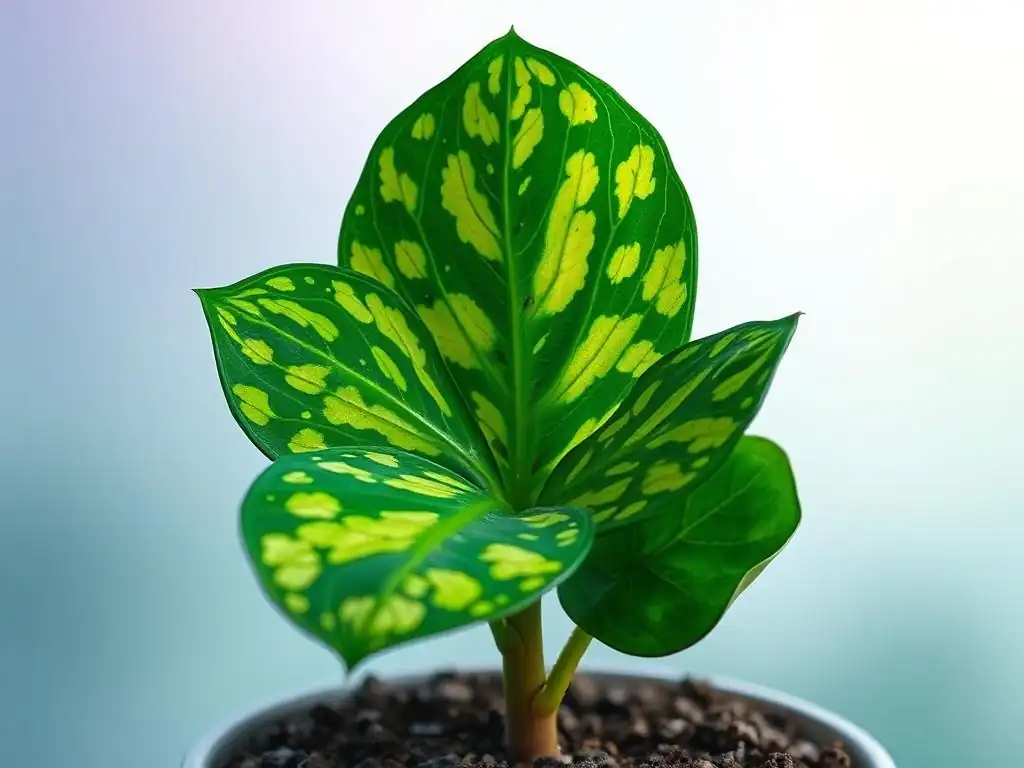
When rosette plants begin to suffer from a nutrient deficiency, they often display a range of general symptoms that indicate overall stress before specific deficiencies become apparent. These include a noticeable slowdown or complete halt in growth, leaves appearing dull, faded, or discolored instead of their vibrant natural hues, and a reduction in the size of new leaves compared to older, healthy ones. In severe cases, parts of the plant, such as leaf tips or margins, may begin to melt, decay, or disintegrate, signaling acute distress in the rosette plant.
Observing these general signs early is crucial for effective intervention. For example, a healthy Cryptocoryne wendtii typically produces new leaves consistently, with a rich green or reddish-brown coloration. If new leaves are significantly smaller, emerge slowly, or appear pale, it's a strong indicator that the plant is not receiving adequate nutrition. This general decline in vigor is the first warning that your rosette plant might be experiencing a nutrient deficiency, prompting further investigation into specific symptoms.
Specific Nutrient Deficiency Symptoms and Their Visual Cues
Nitrogen Deficiency: Yellowing Leaves in Rosette Plants
Nitrogen deficiency is characterized by a general yellowing or paling of the entire leaf, often starting with the older leaves at the base of the rosette plant. As the deficiency progresses, these older leaves may turn completely yellow, then brown, and eventually melt away. New growth, while still green initially, will appear stunted and less vibrant than usual, reflecting the plant's struggle to produce sufficient chlorophyll and proteins.
This occurs because nitrogen is a highly mobile nutrient within the plant. When nitrogen becomes scarce, the plant reallocates it from older, less critical leaves to support the growth of new, vital tissues. For instance, a large Echinodorus bleheri (Amazon Sword) in a nutrient-poor substrate might show its outermost, oldest leaves gradually turning a uniform pale yellow, indicating a severe nitrogen-related rosette plant nutrient deficiency that requires immediate attention.
Phosphorus Deficiency: Stunted Growth and Dark Green Leaves in Rosette Plants
Phosphorus deficiency typically manifests as severely stunted growth, with leaves remaining unusually small and often developing an abnormally dark green, sometimes even purplish or reddish, coloration. This darkening is particularly noticeable on the undersides of the leaves. Root development is also significantly impaired, leading to a weaker plant overall, less capable of anchoring or absorbing nutrients efficiently.
Phosphorus is essential for energy transfer and cell division, and its scarcity directly limits the plant's ability to expand and grow. A Cryptocoryne crispatula experiencing a phosphorus-related rosette plant nutrient deficiency might exhibit extremely slow, compact growth, failing to reach its potential height and width, and its leaves may appear unusually rigid and dark, rather than the expected vibrant green.
Potassium Deficiency: Pinholes and Yellowing Leaf Edges in Rosette Plants
Potassium deficiency is commonly identified by yellowing or necrosis (dead spots) that typically begin at the margins of older leaves. These affected areas may eventually lead to the formation of small, transparent pinholes or larger holes within the leaf blade. The leaves can appear tattered or ragged, and overall plant vigor diminishes, making the plant more susceptible to stress and disease.
Potassium plays a vital role in maintaining cell turgor, enzyme activation, and overall plant metabolism. Its deficiency compromises cell wall integrity, leading to the characteristic holes and decaying edges. For example, Anubias barteri or Bucephalandra species, while known for their hardiness, can develop distinct pinholes or ragged edges on their older leaves when experiencing a potassium-related rosette plant nutrient deficiency, despite appearing otherwise healthy.
Iron Deficiency: Pale or White Leaves (Chlorosis) in Rosette Plants
Iron deficiency is a frequent issue, particularly in high-pH or high-light tanks, and presents as interveinal chlorosis on new or young leaves. This means the areas between the leaf veins turn pale yellow or white, while the veins themselves remain distinctly green. In severe cases, newly emerging leaves can be almost entirely white, translucent, or bleached, lacking any green pigmentation.
Iron is an immobile nutrient within the plant and is crucial for the synthesis of chlorophyll. Therefore, new growth shows symptoms first because the plant cannot reallocate iron from older tissues to support new development. A classic example is Echinodorus red flame, which should display vibrant reddish new leaves. If these new leaves emerge pale yellow or even bleached white, it's a clear sign of an iron-related rosette plant nutrient deficiency.
Magnesium Deficiency: Yellowing Between Veins in Rosette Plants
Magnesium deficiency often presents symptoms similar to iron deficiency but typically affects older leaves first. These leaves will show interveinal yellowing, where the tissue between the veins turns yellow while the veins themselves remain green. In some cases, the affected leaves might also curl upwards or cup, and their overall color may appear dull or faded.
Magnesium is a mobile nutrient and a central component of the chlorophyll molecule. When magnesium is scarce, the plant mobilizes it from older, mature leaves to support new growth, causing the older leaves to display symptoms first. If an Anubias nana shows its oldest leaves turning yellow between the veins while the veins themselves stay dark green, it's a strong indicator of a magnesium-related rosette plant nutrient deficiency, requiring a targeted supplement.
Diagnosing the Cause of Rosette Plant Nutrient Deficiencies
Testing Your Aquarium Water Parameters: A Crucial First Step
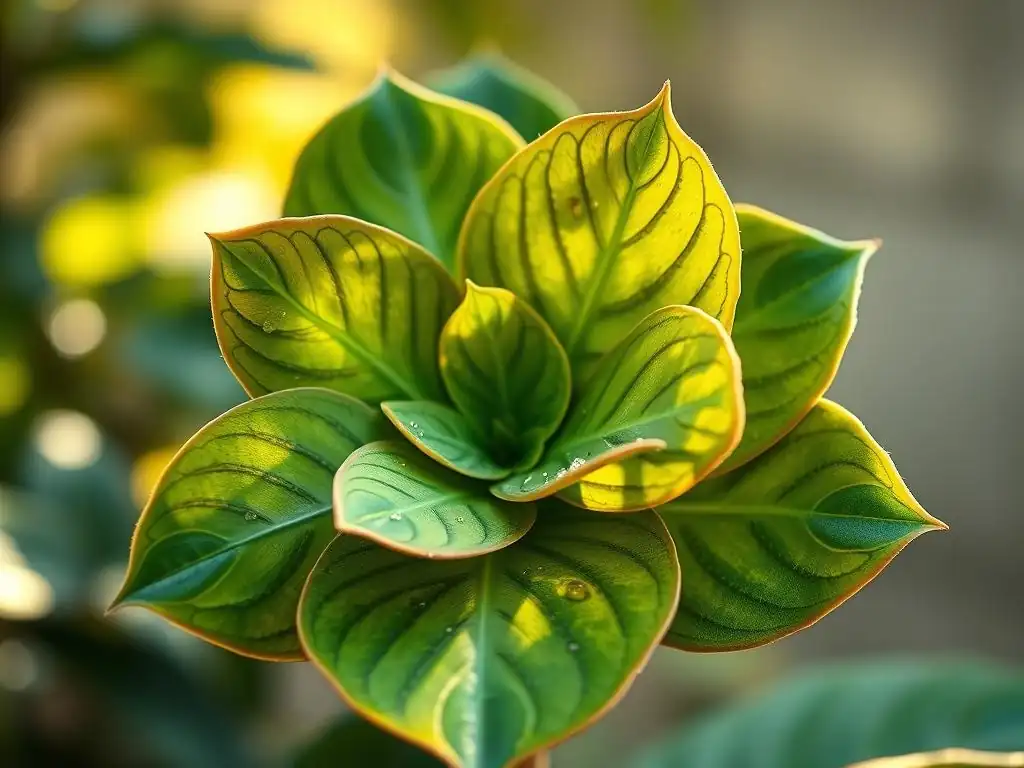
Diagnosing the precise cause of a rosette plant nutrient deficiency begins with a comprehensive assessment of your aquarium's water parameters. Utilizing reliable liquid test kits for essential parameters such as pH, GH (General Hardness), KH (Carbonate Hardness), and specifically for key nutrients like Nitrate (N), Phosphate (P), and sometimes Iron (Fe), provides invaluable insights. These tests help establish a baseline of nutrient availability in the water column and can immediately highlight a severe deficiency or an imbalance.
For instance, if your water test reveals consistently low or undetectable levels of nitrates (e.g., below 5 ppm) in a tank where Cryptocoryne species are showing overall yellowing, it strongly points towards a nitrogen-related rosette plant nutrient deficiency. Conversely, if iron tests show adequate levels but new Echinodorus leaves are still pale, it suggests that the iron might not be in a bioavailable form, or other factors are hindering its uptake, necessitating further investigation.
Understanding Nutrient Imbalances in Your Aquarium
It is not merely the absence of a nutrient that causes a rosette plant nutrient deficiency, but often an imbalance between different elements. The availability of one nutrient can directly impact the uptake of another. For example, excessively high phosphate levels can sometimes "lock up" or inhibit the absorption of iron, even if iron is present in the water. This phenomenon, known as nutrient antagonism, means that simply adding more of a deficient nutrient might not solve the problem if another nutrient is present in inhibitory concentrations.
Consider a scenario where Echinodorus plants exhibit classic iron deficiency symptoms (pale new leaves) despite regular iron dosing. If water tests reveal high phosphate levels, reducing the phosphate might improve iron uptake more effectively than simply increasing iron. This complex interplay highlights that a holistic understanding of nutrient ratios and their interactions is crucial for resolving a rosette plant nutrient deficiency rather than just addressing a single element in isolation.
Considering Other Factors Affecting Rosette Plant Health
Lighting Issues Affecting Nutrient Uptake
Lighting is a fundamental component for aquatic plant health, directly influencing photosynthesis, the process by which plants convert light energy into chemical energy to grow and absorb nutrients. Too little light means plants cannot photosynthesize efficiently, regardless of nutrient availability, leading to stunted growth and symptoms that mimic a rosette plant nutrient deficiency. Conversely, excessive light can accelerate nutrient depletion and promote algae growth, further stressing the plants.
For example, a low-light demanding Anubias nana placed under an overly intense high-tech lighting setup might struggle, not primarily due to a direct rosette plant nutrient deficiency, but because the high light intensity drives a faster metabolic rate and nutrient demand than the plant or the aquarium's fertilization regimen can sustain. This can lead to the plant appearing starved, even if nutrients are theoretically available in the water column.
CO2 Levels and Rosette Plant Growth
Carbon dioxide (CO2) is a critical carbon source for aquatic plants, essential for photosynthesis. Insufficient CO2 levels severely limit a plant's ability to grow, even when all other nutrients are abundant. Symptoms of low CO2, such as stunted growth, slow melt, and general lack of vigor, can often be mistaken for a rosette plant nutrient deficiency, making proper CO2 management vital for planted aquariums.
In a tank with Echinodorus species that exhibit stunted growth and pale leaves despite adequate NPK fertilization, low CO2 levels (e.g., below the recommended 15-20 ppm for planted tanks) could be the underlying issue. Without sufficient CO2, the plant cannot efficiently utilize the available nutrients to build new tissue, leading to a chronic state of underperformance that visually resembles a nutrient deficiency.
Substrate Quality and Root Health
For many rosette plants, especially heavy root feeders like Cryptocoryne and Echinodorus species, the quality and nutrient content of the substrate are paramount. An inert or nutrient-depleted substrate (e.g., plain gravel without a rich base layer or root tabs) will not provide the essential elements these plants require for robust root development and nutrient absorption, leading to a long-term rosette plant nutrient deficiency.
Over time, even initially nutrient-rich substrates can become depleted. An Amazon Sword that thrived for its first year might suddenly show signs of potassium or phosphorus rosette plant nutrient deficiency because its extensive root system has exhausted the localized nutrients in the substrate. This necessitates replenishing substrate nutrients through specialized planted tank substrates or the targeted application of root tabs.
Correcting Rosette Plant Nutrient Deficiencies: Solutions and Treatments
Implementing a Regular Fertilization Routine for Rosette Plants
Choosing the Right Fertilizer for Your Rosette Plants
Selecting the appropriate fertilizer is crucial for correcting and preventing rosette plant nutrient deficiency. For plants that primarily absorb nutrients through their leaves from the water column, such as Anubias or Bucephalandra, a comprehensive liquid fertilizer (e.g., Seachem Flourish, Aquarium Co-Op Easy Green) that provides a balanced mix of macro and micronutrients is ideal. For heavy root feeders like Echinodorus or Cryptocoryne species, nutrient-rich root tabs or capsules inserted into the substrate are often more effective, delivering essential elements directly to their root systems.
For a mixed aquarium containing both types of rosette plants, a combination approach is often most effective. This might involve a lean dosing of a liquid all-in-one fertilizer for water column absorption, supplemented with root tabs placed strategically around the base of root-feeding plants every few months. This dual strategy ensures that all rosette plants receive the nutrients they need, addressing both water column and substrate-based rosette plant nutrient deficiency issues.
Liquid Fertilizers vs. Root Tabs: Which is Best?
Liquid fertilizers are designed for rapid absorption by plant leaves from the water column. They are particularly beneficial for epiphytic rosette plants (like Anubias and Bucephalandra) and stem plants, providing a quick boost of nutrients. Their immediate availability makes them suitable for addressing acute water column nutrient deficiencies, and they are easy to dose regularly, allowing for precise control over nutrient levels.
Root tabs, on the other hand, are slow-release capsules or tablets designed to be inserted into the substrate near the roots of plants. They are indispensable for heavy root feeders such as Echinodorus and Cryptocoryne species, providing a steady, long-term supply of nutrients directly where these plants absorb the majority of their sustenance. For a dense planting of Cryptocoryne wendtii, placing root tabs every 4-6 inches around the plants every 3-4 months is a common and highly effective practice to prevent a chronic rosette plant nutrient deficiency.
Dosage Recommendations for Rosette Plant Fertilization
When starting or adjusting a fertilization routine, it is always recommended to begin with half the manufacturer's suggested dose and carefully observe your rosette plants' response over a week or two. Every aquarium is unique, influenced by factors such as plant density, fish bioload, lighting intensity, and CO2 levels, all of which impact nutrient consumption rates. Overdosing, especially with certain micronutrients like iron, can lead to algae outbreaks or even plant toxicity.
For example, if a liquid comprehensive fertilizer recommends 5ml per 10 gallons weekly, starting with 2.5ml allows you to assess the impact without risking an overdose. For root tabs, if they are designed to last 3-4 months, mark your calendar for consistent reapplication. Careful observation of leaf color, growth rate, and the presence of algae will guide you in gradually increasing the dosage until optimal plant health is achieved and any rosette plant nutrient deficiency is resolved.
Addressing Specific Nutrient Deficiencies
Correcting Nitrogen Deficiency in Rosette Plants
To correct nitrogen deficiency, which typically presents as overall yellowing of older leaves, the primary solution is to increase the available nitrogen source in the aquarium. This can be achieved by dosing a liquid nitrogen supplement (e.g., potassium nitrate, KNO3) directly into the water column. Alternatively, in tanks with a low fish bioload, a slight increase in fish food can contribute to nitrate levels, although this must be done cautiously to avoid water quality issues.
For instance, if your Cryptocoryne crispatula shows uniform yellowing and nitrate tests consistently read near zero, adding a liquid nitrogen supplement to reach a target of 5-10 ppm weekly can quickly alleviate this rosette plant nutrient deficiency. Visible improvement, such as new, greener growth and a reduction in the yellowing of older leaves, can often be observed within one to two weeks of consistent dosing.
Correcting Phosphorus Deficiency in Rosette Plants
Phosphorus deficiency, characterized by stunted growth and abnormally dark green or purplish leaves, requires the addition of a phosphate supplement. While many comprehensive fertilizers contain phosphorus, a separate phosphate solution might be necessary if your plants show persistent symptoms despite adequate dosing of other nutrients. Maintaining a target phosphate level within the range of 0.05-0.1 ppm is generally recommended for planted tanks.
For example, if your Echinodorus species exhibit very slow, compact growth and an unusually dark green hue, dosing a phosphate solution to achieve 0.1-0.2 ppm can help. Many aquarists monitor phosphate levels closely as part of their NPK regimen to ensure a balanced nutrient profile, thereby preventing this specific rosette plant nutrient deficiency that can severely limit overall plant biomass.
Correcting Potassium Deficiency in Rosette Plants
Potassium deficiency, often identifiable by pinholes, yellowing margins, or ragged edges on older leaves, is a common issue that can be corrected by adding a potassium-specific liquid fertilizer (e.g., potassium sulfate, K2SO4) or ensuring your comprehensive fertilizer provides sufficient potassium. For root-feeding rosette plants, potassium-rich root tabs are also highly effective.
If Anubias barteri develops characteristic pinholes or tattered edges on its older foliage, a potassium supplement dosed to reach 10-20 ppm weekly can resolve the issue. Many all-in-one liquid fertilizers are formulated with a higher potassium content specifically to combat this prevalent rosette plant nutrient deficiency, which is crucial for maintaining cell integrity and overall plant health.
Correcting Iron Deficiency in Rosette Plants
Iron deficiency, presenting as pale or white new leaves with green veins (interveinal chlorosis), is best corrected by dosing chelated iron supplements. Chelated iron forms (such as Fe-DTPA or Fe-EDTA) are designed to remain soluble and bioavailable to plants in aquarium water, even at higher pH levels where unchelated iron can quickly precipitate out.
When new leaves of Echinodorus red flame emerge pale yellow or even bleached white instead of their characteristic reddish hue, adding a liquid chelated iron supplement at 0.1-0.2 ppm every few days, or using iron-rich root tabs, will typically restore vibrant coloration within one to two weeks as new, healthy leaves grow. Consistent iron dosing is key to preventing the recurrence of this common rosette plant nutrient deficiency.
Correcting Magnesium Deficiency in Rosette Plants
Magnesium deficiency, which appears as interveinal yellowing on older leaves with the veins remaining green, can be corrected by adding magnesium sulfate (commonly known as Epsom salts) or a specific liquid magnesium supplement. It's also important to ensure your general hardness (GH) is within an appropriate range, as magnesium contributes to GH, and very low GH can sometimes indicate a magnesium shortage.
For instance, if older Anubias nana leaves show distinct yellowing between the veins while the veins themselves remain dark green, adding magnesium sulfate at a rate of 1-2 ppm can help. Regular monitoring of GH and targeted magnesium supplementation can effectively resolve this rosette plant nutrient deficiency, ensuring the plant's ability to produce chlorophyll and photosynthesize properly.
Improving Aquarium Conditions for Optimal Nutrient Uptake
Optimizing Lighting for Rosette Plant Growth
Optimizing lighting is fundamental for ensuring rosette plants can efficiently utilize available nutrients and avoid a perceived rosette plant nutrient deficiency. Adjusting light intensity and duration to match the specific needs of your plant species is critical. Most rosette plants thrive under moderate lighting for 8-10 hours daily. Insufficient light hinders photosynthesis, leading to poor growth even with ample nutrients, while excessive light can induce stress, promote algae, and accelerate nutrient consumption beyond the system's supply capacity.
For example, if your Cryptocoryne species are struggling, ensure your light fixture provides adequate PAR (Photosynthetically Active Radiation) for your tank depth. A 20-gallon long tank with these plants might thrive under an LED light providing 20-30 PAR for 8 hours. Conversely, if Echinodorus plants show signs of nutrient deficiency despite dosing, and you suspect too much light, reducing the photoperiod or dimming the light can alleviate stress and allow the plants to better assimilate available nutrients, effectively addressing the root cause of the rosette plant nutrient deficiency.
Maintaining Proper CO2 Levels for Rosette Plants
Maintaining proper CO2 levels is paramount for the vigorous growth of rosette plants, particularly in high-tech aquariums. CO2 is a primary carbon source, and its deficiency can severely limit photosynthesis, regardless of nutrient availability. For tanks with CO2 injection, ensuring a stable level of 20-30 ppm (often indicated by a lime green color on a drop checker) is crucial. In low-tech setups, liquid carbon supplements can provide a bioavailable carbon source.
If Echinodorus species exhibit stunted growth, pale leaves, or slow melting despite consistent nutrient dosing, an unstable or insufficient CO2 supply is a likely culprit. A drop checker that remains blue, or fluctuating CO2 levels due to inconsistent injection, will prevent the plant from efficiently utilizing available nutrients, leading to symptoms that mirror a rosette plant nutrient deficiency. Consistent CO2 supply allows plants to fully metabolize nutrients and achieve their growth potential.
Ensuring a Nutrient-Rich Substrate for Rosette Plants
For a significant number of rosette plants, particularly heavy root feeders like Cryptocoryne and Echinodorus species, a nutrient-rich substrate is essential for long-term health and preventing a chronic rosette plant nutrient deficiency. Specialized planted tank substrates (e.g., ADA Aquasoil, Fluval Stratum) provide an initial store of essential macro and micronutrients that roots can directly access. However, these substrates will eventually deplete their nutrient content over time.
To ensure a continuous supply of nutrients for these root-dependent rosette plants, regularly replenish the substrate with nutrient-rich root tabs or capsules every 3-6 months. This proactive approach is particularly critical for large Echinodorus specimens or dense Cryptocoryne carpets, which extract substantial amounts of nutrients from the substrate. Neglecting substrate maintenance can lead to a gradual onset of rosette plant nutrient deficiency, even if water column fertilizers are consistently dosed.
Preventing Future Rosette Plant Nutrient Deficiencies
Regular Water Testing and Monitoring
Implementing a routine schedule for water testing is a cornerstone of preventing future rosette plant nutrient deficiencies. Weekly or bi-weekly testing for key parameters such as nitrates, phosphates, and potentially potassium or iron levels allows aquarists to monitor nutrient consumption trends and identify potential shortages before they manifest as visible plant symptoms. Keeping a detailed log of test results helps in tracking changes and making informed adjustments to fertilization.
For example, if your nitrate levels consistently drop below 5 ppm just a few days after your weekly fertilization, it indicates that your plants are consuming nitrogen faster than it's being supplied. Adjusting your nitrogen dosing frequency or amount based on this data can proactively prevent future instances of nitrogen-related rosette plant nutrient deficiency, ensuring a stable and optimal environment for plant growth.
Consistent Fertilization Practices
Consistency in fertilization practices is paramount for the long-term health of rosette plants. Sporadic or inconsistent dosing can lead to nutrient fluctuations, stressing plants and making them more susceptible to deficiencies. Plants thrive on stability, and a regular, predictable supply of nutrients allows them to grow steadily and absorb elements efficiently without periods of starvation or excess.
Whether you opt for a daily micro-dosing regimen of liquid fertilizers or a monthly placement of root tabs, adhering to a strict schedule is key. For instance, if you apply root tabs to your Echinodorus every three months, mark your calendar and stick to it. This consistent approach ensures a steady supply of both water column and substrate-based nutrients, significantly reducing the likelihood of a rosette plant nutrient deficiency developing over time.
Proper Aquarium Maintenance and Substrate Management
Beyond fertilization, regular aquarium maintenance plays a vital role in preventing rosette plant nutrient deficiencies. Routine water changes (e.g., 20-30% weekly) help to replenish trace elements that are quickly consumed and remove accumulated organic waste, which can sometimes bind nutrients or foster undesirable conditions. Balancing water changes with your fertilization regimen is crucial to avoid inadvertently stripping the tank of essential elements.
Furthermore, gentle substrate management is important for root-feeding rosette plants. While avoiding excessive disruption to root systems, periodically siphoning detritus from the substrate surface and gently disturbing the top layer can help release trapped gases and ensure nutrient availability. This ongoing care supports the substrate's ability to provide for your rosette plants, preventing a breakdown in their primary nutrient source and thus avoiding a chronic rosette plant nutrient deficiency.
Choosing the Right Rosette Plants for Your Aquarium Environment
The most effective long-term strategy for preventing rosette plant nutrient deficiencies begins with selecting plant species that are well-suited to your aquarium's specific conditions and your level of commitment to maintenance. Attempting to grow high-demand rosette plants in a low-tech, unfertilized tank will almost inevitably lead to nutrient deficiencies and plant health issues.
For instance, Anubias and Bucephalandra are excellent choices for low-light, low-tech setups due to their slower growth rate and lower nutrient requirements. Conversely, larger Echinodorus species and many Cryptocoryne varieties thrive in tanks with nutrient-rich substrates, moderate to high lighting, and consistent fertilization. By matching the rosette plant's needs with your aquarium's environment, you establish a foundation for success, significantly reducing the likelihood of ever encountering a severe rosette plant nutrient deficiency.
Frequently Asked Questions
What are the most common signs of nutrient deficiency in rosette aquarium plants?
The most common signs include yellowing leaves (chlorosis), stunted growth, and holes appearing in the leaves. You might also observe poor root development.
How does water chemistry affect nutrient uptake in rosette plants?
Improper water chemistry, such as incorrect pH levels or lack of essential minerals, can hinder a plant's ability to absorb nutrients. Maintaining a balanced environment is crucial.
Can I over-fertilize rosette plants, and what are the consequences?
Yes, over-fertilization can lead to algae blooms and potentially harm your fish. Always follow the recommended dosage for your specific fertilizer.
What are the key nutrients rosette plants need for healthy growth?
Rosette plants need a balanced mix of macronutrients like nitrogen, phosphorus, and potassium (NPK), as well as micronutrients like iron and trace elements.
How often should I fertilize my aquarium with rosette plants?
The frequency depends on the specific plant and your tank setup, but a good starting point is once or twice a week with a liquid fertilizer, adjusted based on observation.
Final Reflection: Nurturing Life's Delicate Balance
The signs of nutrient deficiency in rosette plants, as we've explored, are more than just aesthetic imperfections; they are urgent pleas for help from living organisms struggling to thrive. Understanding these signals and responding with informed care is not simply about maintaining a beautiful garden, but about fostering a deeper connection with the natural world and recognizing the intricate balance that sustains life.
This understanding extends beyond our gardens and into our own lives. Recognizing the subtle signs of imbalance, whether in our plants or ourselves, is a crucial skill for cultivating well-being. As the saying goes, The best time to plant a tree was 20 years ago. The second best time is now.
Similarly, the best time to address a nutrient deficiency is before it becomes critical, and the best time to cultivate awareness is always.
So, let us take this knowledge and apply it not only to our rosette plants but also to our own lives and communities. Observe, learn, and respond with compassion and intention. Let us strive to create environments, both internal and external, that are rich in the nutrients needed for growth, resilience, and vibrant life. The health of our plants, and ultimately, our world, depends on it.
Nourish Your Rosettes: Cultivate Thriving Aquatic Beauty!
Thank you for diving into the world of rosette plants! We hope this guide has illuminated the path to understanding their unique nutritional needs. Now, let's translate this knowledge into flourishing aquatic gardens.
Here’s how you can take action:
- Immediately assess your plants: Check for the telltale signs of nutrient deficiency outlined in this article and adjust your fertilization strategy accordingly. Don't delay, early intervention is key!
- Explore different liquid fertilizers tailored for rosette plants. Experiment with small doses and observe their impact.
- Share this guide with fellow aquascapers! Help others unlock the secrets to vibrant rosette growth.
What's the first adjustment you'll make to your fertilization routine after reading this?