
LowTech Planted Tanks: Thriving Flora Without CO2 Injection

Welcome to Aquarium Mastery, your ultimate guide to unlocking the secrets of a thriving underwater world!
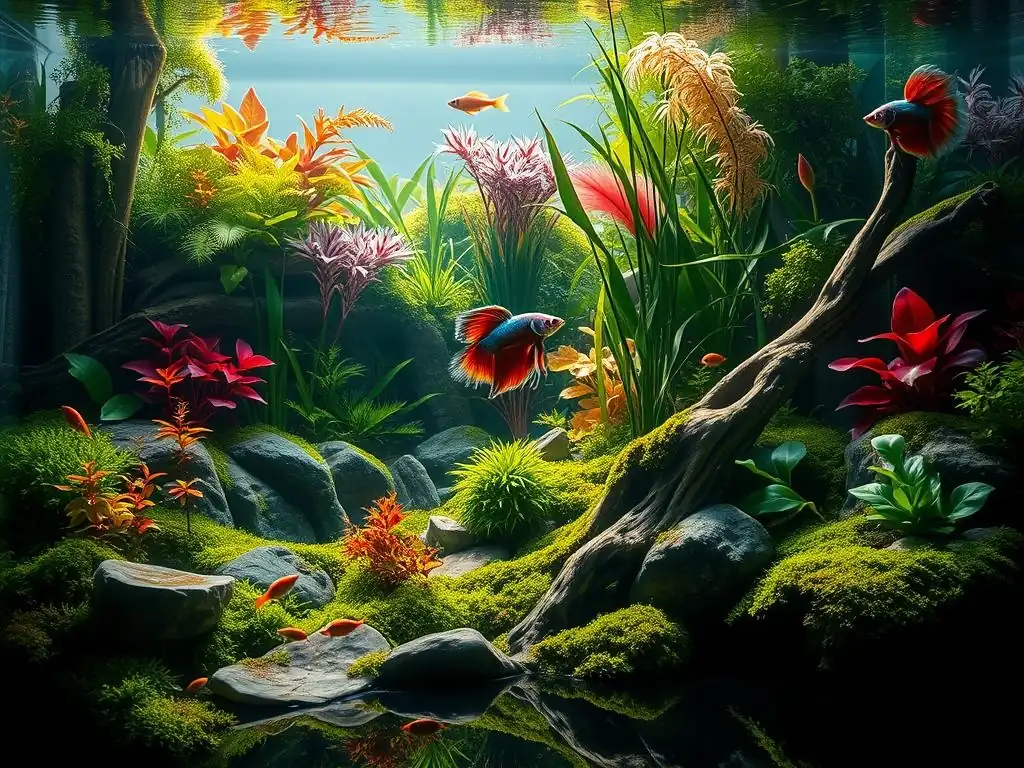
Ever dreamt of a lush, vibrant planted aquarium without the hassle of CO2 injection? Intrigued? Our latest deep dive into Lowtech Planted Aquarium Care unveils the surprisingly simple secrets to cultivating stunning aquatic flora. Prepare to be amazed as we demystify the process, empowering you to create a flourishing ecosystem with minimal effort. Ready to explore? Let's get started!
- Understanding Low-Tech Planted Aquarium Care
- Setting Up Your Low-Tech Planted Aquarium
- Plant Selection for Low-Tech Planted Aquariums
- Maintaining a Healthy Low-Tech Planted Aquarium
- Troubleshooting Common Low-Tech Planted Aquarium Issues
- The Long-Term Success of Your Low-Tech Planted Aquarium
-
Frequently Asked Questions
- What is a low-tech planted aquarium?
- What are the key differences between a low-tech and a high-tech planted aquarium?
- What type of plants are best suited for a low-tech planted aquarium?
- How often should I perform water changes in a low-tech planted aquarium?
- What kind of lighting is recommended for a low-tech planted aquarium?
- Final Reflection: Embracing Simplicity in Aquatic Gardens
- Ignite Your Low-Tech Aquarium Journey!
Understanding Low-Tech Planted Aquarium Care
Defining a Low-Tech Planted Tank: Simplicity and Sustainability
A low-tech planted tank is characterized by its reliance on natural processes rather than complex equipment or constant intervention. Unlike high-tech setups that utilize injected carbon dioxide (CO2) systems, powerful lighting, and precise fertilization regimens, a low-tech planted aquarium thrives on ambient CO2, moderate light, and a balanced nutrient cycle. The core principle is to create a stable, self-sustaining ecosystem where plants grow at a more natural, slower pace, leading to a less demanding and more forgiving environment for the aquarist.
This approach emphasizes sustainability and ease of maintenance. Typical equipment for a low-tech setup includes a standard aquarium filter, a heater (if tropical fish are kept), and a moderate LED light fixture. The absence of a CO2 system, which can cost anywhere from $200 to $500 or more, significantly reduces the initial investment and ongoing operational costs. This simplicity makes lowtech planted aquarium care an appealing option for beginners and those seeking a beautiful, thriving aquascape without the complexity.
The Appeal of CO2-Free Planted Aquariums: Benefits for Beginners and Beyond
The primary appeal of CO2-free planted aquariums lies in their reduced complexity and lower maintenance requirements, making them ideal for individuals new to the hobby. With fewer parameters to monitor and no need for daily CO2 dosing or intricate light adjustments, beginners can focus on fundamental aquarium husbandry like water changes and feeding. This simplified approach dramatically lessens the learning curve and the potential for common pitfalls, such as algae outbreaks caused by imbalanced CO2 or nutrient levels.
Beyond beginners, even experienced aquarists find value in the low-tech method. These setups are inherently more stable, less prone to sudden algae blooms, and offer a more relaxed approach to aquascaping. The slower growth rate of plants means less frequent pruning, and the overall ecosystem tends to be more resilient. Furthermore, the lower electricity consumption from less powerful lighting and the absence of a CO2 system translates to reduced utility bills, reinforcing the economic and environmental benefits of lowtech planted aquarium care.
Setting Up Your Low-Tech Planted Aquarium
Choosing the Right Aquarium Size and Shape for Low-Tech Plant Growth
When establishing a low-tech planted aquarium, tank size plays a crucial role in overall stability. Larger tanks, typically 20 gallons (approximately 75 liters) or more, are generally recommended because they offer greater water volume, which helps to buffer changes in water chemistry and temperature. This inherent stability is highly beneficial for the slower, more gradual processes that define lowtech planted aquarium care, such as the natural diffusion of ambient CO2 and nutrient cycling. While smaller tanks (e.g., 5-10 gallons) can be successful, they require more diligent monitoring due to their propensity for faster parameter shifts.
The shape of the aquarium also influences light distribution and plant arrangement. Standard rectangular tanks are often preferred due to their uniform light penetration and ease of aquascaping. Tall, narrow tanks can create significant shading issues for plants at lower depths, potentially limiting plant choices. Conversely, wide, shallow tanks are excellent for creating lush foregrounds or carpeting plants and provide a larger surface area for gas exchange, which is advantageous for replenishing ambient CO2 in a low-tech setup. Considering these dimensions ensures optimal conditions for your flora.
Selecting a Suitable Substrate for Flourishing Plants in a Low-Tech Setup
Gravel vs. Soil: Which Substrate is Best for Your Low-Tech Planted Tank?
When it comes to substrate for your low-tech planted aquarium, you primarily have two main options: inert gravel or nutrient-rich aqua soil. Inert gravel, typically with a grain size of 2-3mm, provides excellent anchorage for plant roots and allows for good water circulation within the substrate. However, it lacks inherent nutrients, meaning you will need to supplement with liquid fertilizers for water column feeders and root tabs for heavy root feeders. Gravel is generally more cost-effective and easier to clean during maintenance.
Aqua soil, such as ADA Aqua Soil or Fluval Stratum, is specifically designed for planted aquariums and comes packed with essential nutrients, releasing them slowly over time. These substrates often buffer the water to a slightly acidic pH, which many aquatic plants prefer. While more expensive (a 9-liter bag can cost $30-$50), aqua soil provides a strong nutritional foundation for plants from the outset, simplifying the initial stages of lowtech planted aquarium care. It can cause initial water cloudiness but settles over a few days.
Substrate Depth: How Much is Enough for Rooted Plant Growth?
For most rooted aquatic plants common in low-tech setups, such as Cryptocorynes, Amazon Swords, and Vallisneria, a substrate depth of 2-3 inches (approximately 5-7.5 cm) is generally recommended. This depth provides ample space for robust root development, allowing plants to firmly anchor themselves and access nutrients effectively. Insufficient depth can lead to poor root growth and instability, while excessively shallow areas may not retain enough moisture or nutrients for optimal plant health.
In certain areas of your lowtech planted aquarium, particularly for larger plant species or when creating sloped aquascapes, a depth of up to 4 inches (approximately 10 cm) might be beneficial. However, deeper substrates require careful consideration to prevent the formation of anaerobic pockets, which can lead to harmful gas buildup and root rot. Ensuring a granular substrate size that allows for some water flow and avoiding overly compacted layers can mitigate this risk, promoting healthy root systems.
Lighting for Low-Tech Planted Tanks: Achieving Balance Without Overdoing It
Understanding PAR (Photosynthetically Active Radiation) in Low-Tech Aquariums
In the context of lowtech planted aquarium care, Photosynthetically Active Radiation (PAR) is the most accurate measure of light usable by plants for photosynthesis. Unlike the outdated "watts per gallon" metric, PAR quantifies the light intensity that actually penetrates the water column and reaches the plants. For a successful low-tech setup, moderate PAR levels, typically ranging from 15 to 30 PAR at the substrate level, are ideal. Higher PAR levels without supplemental CO2 can quickly lead to an imbalance, as plants may outpace the available ambient CO2, resulting in stunted growth and, more commonly, algae outbreaks.
Different LED light fixtures will provide varying PAR values depending on their design and distance from the substrate. For instance, a basic LED fixture designed for planted tanks might deliver around 20-25 PAR at a 12-inch depth. It's crucial to select a light that can be dimmed or adjusted to achieve these moderate levels. Overlighting is one of the most common mistakes in low-tech setups, as it exhausts the limited ambient CO2 and provides excessive energy for algae to proliferate, hindering overall lowtech planted aquarium care.
Light Duration: Optimizing Plant Growth Cycles in Low-Tech Setups
Optimizing light duration is a critical aspect of successful lowtech planted aquarium care. For most low-tech setups, a continuous lighting period of 6-8 hours per day is generally sufficient to support healthy plant growth without encouraging excessive algae. This duration allows plants to photosynthesize effectively using the available ambient CO2 and nutrients. Using a reliable timer is highly recommended to ensure consistency in the light cycle, as erratic lighting can stress plants and contribute to algae issues.
Some aquarists employ a "siesta period," which involves breaking the light cycle into two shorter periods, such as 4 hours on, 2-3 hours off, then another 4 hours on. The idea behind this method is that the break allows ambient CO2 levels to replenish, potentially benefiting plants. While this can be effective for some setups, a single 6-8 hour period is often simpler and equally effective for the majority of low-tech planted tanks. The key is to find a duration that promotes healthy plant growth while minimizing algae, which is fundamental to lowtech planted aquarium care.
Filtration in Low-Tech Planted Aquariums: Maintaining Water Quality Naturally
Choosing the Right Filter for a Low-Tech Planted Tank
For a low-tech planted aquarium, the choice of filter should prioritize gentle flow and effective biological filtration over aggressive water movement. Sponge filters are an excellent, cost-effective option for smaller tanks (up to 20 gallons), providing both mechanical and biological filtration with minimal current. Hang-on-back (HOB) filters are popular for tanks up to 50 gallons, offering good surface agitation for gas exchange and customizable media options. For larger tanks or those desiring an uncluttered in-tank appearance, canister filters provide robust biological filtration and precise flow control.
It's important to remember that in a well-established lowtech planted aquarium, the plants themselves act as powerful natural filters, consuming nitrates and other waste products. Therefore, an overly powerful filter is usually unnecessary and can even be detrimental by creating excessive flow that stresses plants or disperses ambient CO2 too rapidly. The primary role of the filter in a low-tech setup is to facilitate mechanical debris removal and, most importantly, provide ample surface area for beneficial bacteria to thrive, ensuring a stable nitrogen cycle.
Mechanical, Chemical, and Biological Filtration in Low-Tech Aquariums
Effective filtration in a low-tech planted aquarium relies on a balanced approach to its three main types. Mechanical filtration, typically achieved with sponges or filter floss, removes physical particulate matter from the water column, preventing detritus buildup and maintaining water clarity. Regular cleaning or replacement of these media (e.g., weekly or bi-weekly) is essential to prevent them from becoming sources of decaying organic matter.
Biological filtration is arguably the most crucial component for lowtech planted aquarium care. Media like ceramic rings, bio-balls, or even the surface of the filter sponge provide vast areas for nitrifying bacteria to colonize. These bacteria convert toxic ammonia (from fish waste and decaying matter) into less toxic nitrite, and then into nitrate, which plants readily absorb.
This process is fundamental to a stable nitrogen cycle. Chemical filtration, such as activated carbon, is generally not needed long-term in low-tech setups as it can remove beneficial plant nutrients. It should only be used temporarily for specific purposes like removing medications or water discoloration.
Plant Selection for Low-Tech Planted Aquariums
Best Beginner-Friendly Plants for CO2-Free Tanks
Java Fern (Microsorum pteropus): A Hardy Low-Tech Staple
Java Fern (Microsorum pteropus) is an incredibly hardy and versatile plant, making it a cornerstone for any lowtech planted aquarium. It is an epiphytic plant, meaning it thrives when attached to hardscape like driftwood or rocks, rather than being planted directly into the substrate. This plant has very low light requirements and can tolerate a wide range of water parameters, typically pH 6.0-8.0 and temperatures from 68-82°F (20-28°C). Its resilience makes it an ideal choice for beginners seeking reliable lowtech planted aquarium care.
Propagation of Java Fern is straightforward: new plantlets often form on the edges of older leaves, which can be gently detached and reattached elsewhere. Alternatively, the rhizome (the thick, horizontal stem from which leaves and roots grow) can be cut into sections, with each section developing into a new plant. A crucial care tip is to never bury the rhizome in the substrate, as this will cause it to rot. Instead, use fishing line or super glue gel to secure it to your chosen hardscape until its roots attach naturally.
Anubias Species: Slow-Growing and Undemanding
Anubias species, including popular varieties like Anubias barteri, Anubias nana, and Anubias coffeefolia, are highly prized for their robust nature and minimal demands, making them perfect for lowtech planted aquarium care. Like Java Fern, they are epiphytic plants that should be attached to driftwood or rocks, never buried in the substrate, as their rhizomes are prone to rot. Anubias are renowned for their extremely slow growth rate and exceptional tolerance to low light conditions, thriving where many other plants would struggle.
These plants are also incredibly resilient to a wide range of water parameters, generally preferring pH 6.0-8.0 and temperatures between 72-82°F (22-28°C). Their tough, leathery leaves are an added benefit, as they are often unappealing to herbivorous fish that might otherwise nibble on softer foliage. Propagation involves simply dividing the rhizome, ensuring each section has at least a few leaves and some root material. Their undemanding nature and resistance to algae (when light is kept low) make Anubias a reliable choice for long-term lowtech planted aquarium care.
Cryptocoryne Species: Adapting to Low-Tech Environments
Cryptocoryne species, often simply called "Crypts," are a diverse group of rooted plants that are excellent for lowtech planted aquarium care once established. Varieties such as Cryptocoryne wendtii (available in green, brown, and red forms), Cryptocoryne lutea, and Cryptocoryne parva offer a range of sizes and colors suitable for foreground, midground, or background placement. While they are famously known for "crypt melt"—a phenomenon where leaves dissolve upon introduction to a new tank or significant changes in water parameters—they typically recover and send out new growth once adapted to their environment.
Crypts thrive with a nutrient-rich substrate and benefit greatly from the addition of root tabs, as they primarily absorb nutrients through their root systems. They prefer stable water conditions, generally within a pH range of 6.0-7.5 and temperatures of 72-80°F (22-27°C). Once settled, Cryptocorynes are very hardy and require minimal intervention, propagating slowly via runners. Their ability to adapt to lower light and CO2 levels makes them a reliable and beautiful choice for creating a lush, natural-looking lowtech planted aquarium.
Vallisneria: Creating Lush Backgrounds Without CO2
Vallisneria, commonly known as "Vals," is a genus of tall, grass-like plants that are superb for creating lush, flowing backgrounds in a lowtech planted aquarium. Species like Jungle Val (Vallisneria americana) or Corkscrew Val (Vallisneria spiralis) are characterized by their long, ribbon-like leaves and relatively fast growth rate for a low-tech plant. They propagate vigorously through runners, quickly forming dense thickets that provide excellent cover for fish and contribute significantly to nitrate consumption.
Vallisneria is highly adaptable and tolerant of a wide range of water parameters, typically thriving in pH 6.5-8.5 and temperatures from 68-82°F (20-28°C). They absorb nutrients from both the water column and the substrate, making them versatile. While they appreciate moderate lighting, they can do well in lower light conditions too. To maintain a tidy appearance, older or excessively long leaves can be trimmed near the base. Their ability to grow tall and spread easily makes them a fantastic choice for establishing a natural, green backdrop in your lowtech planted aquarium without the need for CO2 injection.
Plants That Thrive in Low-Light Conditions
Beyond the aforementioned Java Fern, Anubias, Cryptocorynes, and Vallisneria, several other plants are excellent choices for the low-light conditions prevalent in lowtech planted aquarium care. Mosses, such as Java Moss (Taxiphyllum barbieri) and Christmas Moss (Vesicularia montagnei), are incredibly versatile and can be attached to driftwood, rocks, or even used to create moss walls. They require very little light and are highly effective at absorbing excess nutrients from the water column, contributing to water clarity.
Other notable low-light champions include Bucephalandra species, which are similar in care to Anubias and Java Fern, preferring to be attached to hardscape. Floating plants like Frogbit (Limnobium laevigatum) or Dwarf Water Lettuce (Pistia stratiotes) also thrive in low-tech setups, but care must be taken to ensure they don't completely block light from submerged plants, as they can grow quite rapidly.
These plants succeed in low-light environments because they have slower metabolic rates and are highly efficient at capturing the limited light available, making them less demanding in terms of CO2 and nutrient uptake, perfectly suiting lowtech planted aquarium care.
Avoiding Plants That Require High CO2 Levels
A fundamental rule in lowtech planted aquarium care is to avoid plant species that have a high demand for CO2. These plants, often vibrant red-leafed varieties or those known for dense, compact growth, are typically found in high-tech setups where CO2 injection and intense lighting accelerate photosynthesis. Examples include Rotala macrandra, Ludwigia repens 'Rubin', Staurogyne repens, and Hemianthus callitrichoides 'Cuba' (HC Cuba). Attempting to grow these species in a CO2-free environment will almost inevitably lead to disappointment.
Without sufficient CO2, these demanding plants will exhibit stunted growth, pale or translucent leaves, and may eventually melt away. More commonly, their weakened state makes them highly susceptible to algae colonization, as they cannot effectively compete for the limited resources. Understanding and respecting the CO2 limitations of a lowtech planted aquarium is paramount for success; choosing resilient, undemanding species ensures a thriving, beautiful aquascape rather than a constant battle against plant decline and algae.
Maintaining a Healthy Low-Tech Planted Aquarium
Water Changes: Frequency and Volume for Optimal Plant Health
Regular water changes are a cornerstone of effective lowtech planted aquarium care, even in a system where plants naturally consume nitrates. For a well-established low-tech setup, a 20-30% water change performed weekly or bi-weekly is typically sufficient. This routine serves multiple vital functions: it replenishes essential trace elements that plants absorb from the water column, removes accumulated nitrates (even if plants consume a significant amount), and eliminates other dissolved organic compounds that can build up over time.
While plants play a significant role in nutrient cycling, they cannot fully replace the benefits of fresh water. Consistent, smaller water changes are generally preferable to infrequent, large ones, as drastic shifts in water parameters can stress both fish and plants. For example, in a 30-gallon low-tech tank, a routine 6-9 gallon water change every 7 to 14 days maintains stability and ensures a healthy environment for both flora and fauna. This consistent approach is key to long-term success in lowtech planted aquarium care.
Fertilization in Low-Tech Tanks: Providing Essential Nutrients
Liquid Fertilizers vs. Root Tabs: Which is Right for Your Plants?
In lowtech planted aquarium care, a balanced fertilization strategy is crucial to provide plants with essential nutrients not adequately supplied by fish waste or tap water. Liquid fertilizers, such as Seachem Flourish or API Leaf Zone, are ideal for plants that primarily absorb nutrients through their leaves, including epiphytes like Java Fern and Anubias, as well as mosses. These are typically dosed once or twice weekly, replenishing micronutrients and some macronutrients directly into the water column.
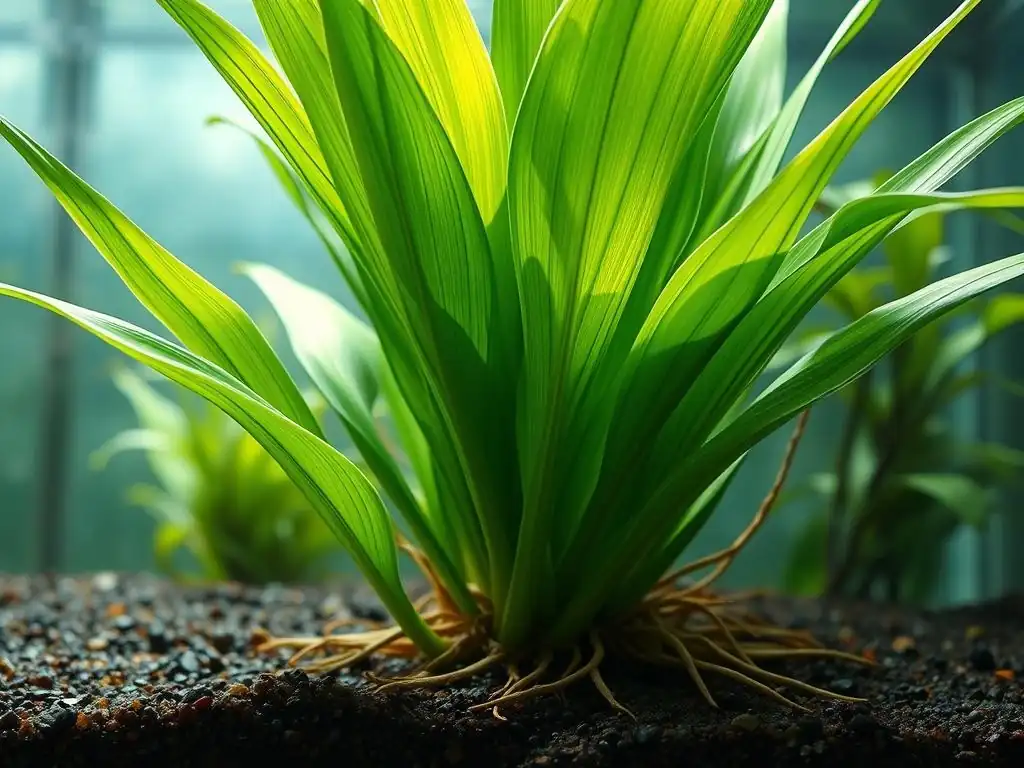
Conversely, root tabs, like Seachem Flourish Tabs or API Root Tabs, are designed for heavy root-feeding plants such as Cryptocorynes, Amazon Swords, and Vallisneria. These tabs are inserted directly into the substrate near the plant roots, slowly releasing nutrients over several months (typically 3-6 months). For a comprehensive lowtech planted aquarium care regimen, a combination of both liquid fertilizers and root tabs often yields the best results, ensuring all plant types receive the specific nutrients they need from their preferred absorption pathways.
Understanding Macro and Micro Nutrients for Plant Growth
For thriving plants in a lowtech planted aquarium, understanding the distinction between macronutrients and micronutrients is essential. Macronutrients are required in larger quantities by plants and include Nitrogen (N), Phosphorus (P), and Potassium (K). While fish waste and decaying organic matter can supply some N and P, Potassium is often the most common macronutrient deficiency in low-tech tanks, manifesting as yellowing or holes in older leaves. Supplementation via liquid fertilizers or specific potassium additives is often necessary.
Micronutrients, on the other hand, are needed in smaller, trace amounts but are equally vital for plant health. These include Iron (Fe), Manganese (Mn), Boron (B), Zinc (Zn), and Molybdenum (Mo). Deficiencies in micronutrients often present as pale or stunted new growth, particularly iron deficiency causing chlorosis (yellowing) in new leaves. Most liquid fertilizers specifically formulated for planted tanks contain a balanced blend of these micronutrients, ensuring your plants have access to everything they need for robust growth in your lowtech planted aquarium.
Algae Control in Low-Tech Planted Aquariums
Natural Algae Control Methods: Snails, Shrimp, and Fish
Incorporating natural algae control methods is a key strategy in lowtech planted aquarium care. Certain aquatic inhabitants are excellent at grazing on various types of algae, helping to keep outbreaks in check. Nerite snails (e.g., 1-2 per 10 gallons) are highly effective at consuming diatoms (brown algae) and green spot algae, leaving tank surfaces clean. Amano shrimp (e.g., 1 per 2-3 gallons) are renowned for their voracious appetite for hair algae and other filamentous types.
For soft green algae on leaves and decor, Otocinclus catfish (e.g., a group of 3-5 in a 20-gallon tank) can be very beneficial. While these creatures are valuable allies, it's crucial to remember that they are helpers, not ultimate solutions. They manage existing algae, but the underlying cause of an algae bloom (e.g., excessive light, nutrient imbalance, or insufficient healthy plant mass) must be addressed for long-term success in lowtech planted aquarium care.
Maintaining a Balanced Ecosystem to Prevent Algae Blooms
The most effective strategy for algae control in a lowtech planted aquarium is to maintain a balanced ecosystem where healthy plants outcompete algae for nutrients. This involves several key practices: ensuring your lighting duration and intensity are appropriate (e.g., 6-8 hours of moderate light), avoiding overfeeding your fish (as excess food decomposes and releases nutrients), and performing regular water changes to remove accumulated waste products.
Healthy, thriving plants are the best defense against algae. When plants are growing well, they actively absorb available nutrients, leaving less for algae to consume. If plants are struggling due to nutrient deficiencies or limited ambient CO2, algae will quickly seize the opportunity to proliferate. By focusing on consistent maintenance, proper lighting, and robust plant growth, you create a stable environment where algae struggles to gain a foothold, which is fundamental to successful lowtech planted aquarium care.
Pruning and Propagation in Low-Tech Planted Tanks
Propagating Java Fern and Anubias
Propagating Java Fern and Anubias species in a lowtech planted aquarium is remarkably simple, allowing aquarists to easily expand their plant collection or fill in sparse areas. For Java Fern, new plantlets frequently appear on the edges of older, mature leaves. Once these plantlets develop a few leaves and some roots, they can be gently detached and reattached to new hardscape. Alternatively, the rhizome (the thick, horizontal stem) of a mature plant can be carefully cut into sections, ensuring each section has at least a few leaves. Each section will then grow into a new plant.
Anubias propagation follows a similar method. Simply divide the rhizome using a sharp, clean pair of scissors or a razor blade. Each new section should ideally have 2-3 leaves and a portion of the rhizome from which new roots and leaves can sprout. Crucially, like the parent plant, the new Anubias sections must also be attached to hardscape and not buried in the substrate. This easy propagation method allows for continuous expansion and shaping of your lowtech planted aquarium layout.
Trimming Stem Plants for Bushier Growth
While many low-tech plants are slow-growing, some stem plants suitable for these setups (such as certain Ludwigia or Rotala species that can tolerate lower CO2) will benefit from regular trimming to encourage bushier growth and maintain the desired aquascape. To trim a stem plant, simply cut the top portion of the stem (typically 2-4 inches) using sharp aquascaping scissors. Make the cut just above a leaf node, as this is where new side shoots will emerge.
The cut top portion of the stem can then be replanted directly into the substrate. This acts as a form of propagation, creating new individual plants from the cuttings. The remaining bottom portion of the stem in the substrate will respond by sprouting multiple new shoots from the leaf nodes below the cut, resulting in a denser, more compact plant. Regular trimming (e.g., monthly for faster growers) not only helps maintain the aesthetic appeal of your lowtech planted aquarium but also promotes healthier, more robust plant growth.
Troubleshooting Common Low-Tech Planted Aquarium Issues
Plant Deficiencies: Identifying and Addressing Nutrient Imbalances
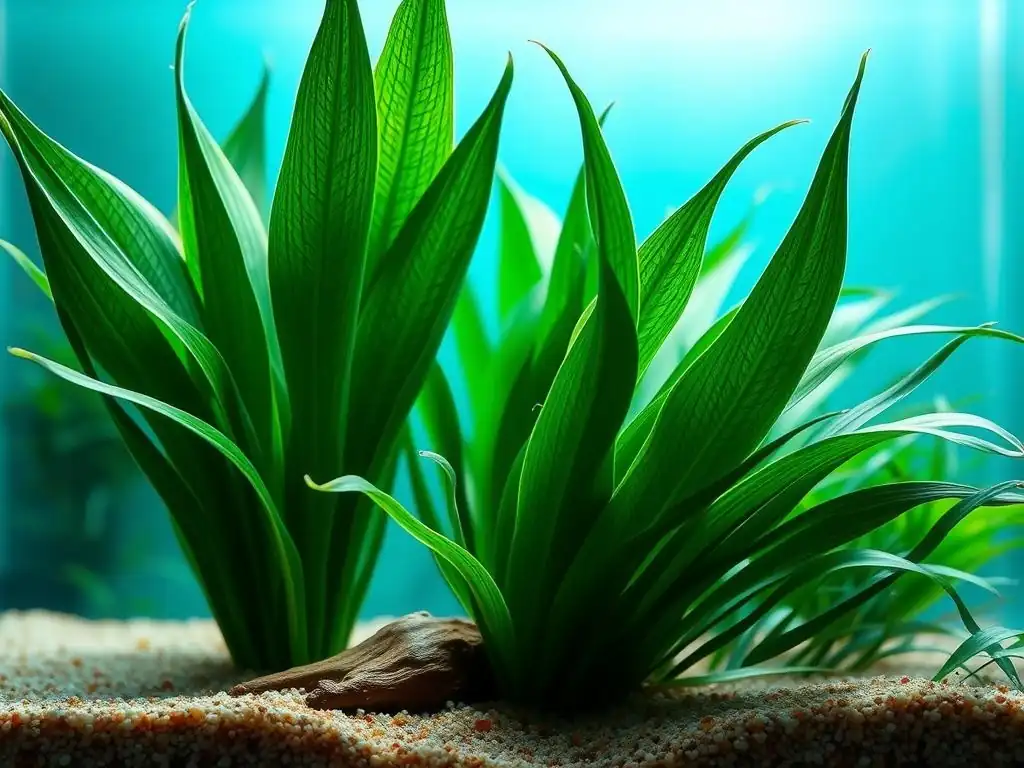
Identifying plant deficiencies is a crucial aspect of responsive lowtech planted aquarium care. Visual cues often indicate specific nutrient imbalances. For instance, Nitrogen (N) deficiency typically appears as overall yellowing or paling of older leaves, as the plant moves mobile nutrients to new growth. Phosphorus (P) deficiency can manifest as stunted growth, dark green leaves, or even purple coloration. Potassium (K) deficiency often causes yellowing or holes along the edges of older leaves.
New growth is particularly sensitive to micronutrient deficiencies. Pale new leaves or stunted tips often point to a lack of Iron (Fe), which is vital for chlorophyll production. Other micronutrient deficiencies can cause distorted or twisted new growth. Addressing these issues involves targeted fertilization: using a comprehensive liquid fertilizer for water column nutrients and ensuring root tabs are in place for heavy root feeders. Regular water changes also help replenish trace elements, supporting robust lowtech planted aquarium care.
Slow Plant Growth: Causes and Solutions in Low-Tech Setups
Slow plant growth is a common concern in lowtech planted aquarium care, and it can stem from several factors. The most frequent causes include insufficient lighting (either too low PAR intensity or too short a duration), a lack of essential nutrients (particularly potassium or key micronutrients), or, fundamentally, insufficient ambient CO2, which is the primary limiting factor in non-injected setups. Water parameters outside the plant's ideal range, such as extreme pH or temperature, can also contribute to sluggish growth.
To address slow growth, begin by verifying your light schedule and intensity; try slightly increasing the duration (e.g., from 6 to 7 hours), but cautiously to avoid algae. Ensure you are consistently fertilizing with both liquid fertilizers and root tabs as appropriate for your plant types. Test your water parameters to confirm they are within a healthy range for your specific plants and fish. Sometimes, simply allowing more time for the tank to establish its biological equilibrium and for plants to adapt to the low-tech conditions will naturally improve growth rates.
Algae Outbreaks: Preventing and Controlling Unwanted Algae Growth
Algae outbreaks are a common challenge in lowtech planted aquarium care, often signaling an imbalance within the system. The most frequent culprits are too much light (either excessive intensity or prolonged duration), an overabundance of nutrients (from overfeeding, infrequent water changes, or decaying organic matter), or an imbalance between the available light, nutrients, and limited ambient CO2. For instance, Black Beard Algae (BBA) often indicates fluctuating CO2 or nutrient issues, while Green Dust Algae (GDA) suggests excessively high light levels.
To prevent and control algae, adjust your lighting first: reduce the duration (e.g., from 8 hours to 6-7 hours) or lower the light intensity. Increase the frequency of small water changes (e.g., 20% twice weekly instead of 30% weekly) to remove excess nutrients. Manually remove as much algae as possible during maintenance. Ensure your filter is clean and functioning optimally, and avoid overfeeding your fish. A stable, mature lowtech planted aquarium with healthy, actively growing plants is the best defense, as they outcompete algae for available resources.
The Long-Term Success of Your Low-Tech Planted Aquarium
Maintaining a Balanced Ecosystem for Long-Term Stability
The long-term success of your lowtech planted aquarium hinges on maintaining a delicate, balanced ecosystem. In these setups, plants are not merely decorative; they are active participants in the nitrogen cycle, consuming nitrates produced by fish waste and decaying organic matter. In return, fish benefit from cleaner water, natural hiding spots, and a more stable environment. Beneficial bacteria in the filter and substrate further process pollutants, creating a synergistic relationship where each component supports the others.
Consistency in your maintenance routine is paramount for this equilibrium. Adhering to a regular feeding schedule, performing consistent water changes, and maintaining a stable light cycle prevent drastic fluctuations that can upset the balance. A thriving low-tech tank is a testament to patience and a deep understanding of these subtle, interconnected biological processes, allowing it to flourish with minimal intervention over many years. This holistic approach is the bedrock of enduring lowtech planted aquarium care.
Regularly Monitoring Water Parameters
While lowtech planted aquarium care is less demanding than high-tech setups, regular monitoring of key water parameters remains a beneficial practice for long-term success. Testing for nitrates (ideally kept low, between 5-20 ppm) helps confirm that your plants are effectively consuming waste products. Monitoring pH ensures stability within the preferred range for your specific plants and fish (e.g., 6.5-7.5 for many common species). Additionally, checking General Hardness (GH) and Carbonate Hardness (KH) provides insights into overall water mineral content and buffering capacity, respectively.
Consistent monitoring helps aquarists identify potential issues before they escalate. For example, a sudden spike in nitrates might indicate overfeeding or insufficient plant mass, prompting a larger water change or a reduction in food. A dropping KH could signal a loss of buffering capacity, potentially leading to pH instability. This proactive approach to water parameter testing allows for timely adjustments, ensuring the continued health and stability of your lowtech planted aquarium.
Adapting Your Approach Based on Plant Growth and Health
Successful lowtech planted aquarium care is an ongoing, adaptive process. Your plants are the most direct indicators of the tank's health, and observing them regularly is crucial. Pay close attention to signs like new leaf growth, color vibrancy, and any signs of melting, discoloration, or stunting. Healthy plants should exhibit steady, albeit slower, growth and vibrant coloration, with minimal algae on their leaves.
Based on your observations, be prepared to make small, incremental adjustments to your care routine. If plants appear leggy or stretched, a slight increase in light intensity or duration might be warranted. Conversely, if you notice an increase in algae, reducing light or checking for excess nutrients might be the solution. This iterative process of observation, analysis, and minor adjustment—rather than drastic changes—is key to continuously optimizing your lowtech planted aquarium, ensuring its long-term health and aesthetic appeal.
Frequently Asked Questions
What is a low-tech planted aquarium?
A low-tech planted aquarium is a setup that emphasizes simplicity and ease of maintenance, typically avoiding CO2 injection and relying on natural processes for plant growth. This makes it ideal for beginners and those seeking a low-maintenance aquarium.
What are the key differences between a low-tech and a high-tech planted aquarium?
The primary difference lies in the use of CO2 injection. High-tech setups use CO2 to maximize plant growth, while low-tech aquariums rely on natural CO2 levels and less demanding plant species.
What type of plants are best suited for a low-tech planted aquarium?
Plants that thrive in low-tech environments are typically slow-growing and undemanding, such as Java Fern, Anubias, and Cryptocoryne. These plants are adapted to lower light levels and CO2 availability.
How often should I perform water changes in a low-tech planted aquarium?
Regular water changes are crucial for removing excess nutrients and maintaining water quality. A general guideline is a 25-50% water change every 1-2 weeks, depending on the tank's bioload and plant mass.
What kind of lighting is recommended for a low-tech planted aquarium?
Low-tech aquariums require moderate to low lighting. Standard LED aquarium lights designed for plant growth are usually sufficient. The aim is to provide enough light for plant photosynthesis without promoting excessive algae growth, so it's a balanced approach.
Final Reflection: Embracing Simplicity in Aquatic Gardens
The journey into low-tech planted aquarium care reveals a profound truth: beauty and abundance can flourish even without the complexities of CO2 injection. What began as a practical guide to creating thriving aquatic ecosystems has evolved into a testament to the power of mindful simplicity in a world often obsessed with technological advancement. The principles outlined here are not just about growing plants; they represent a conscious choice to connect with nature on a more fundamental level, fostering a sustainable and rewarding hobby.
This approach to aquascaping has deeply influenced the way we perceive our relationship with the natural world. It reminds us that patience, observation, and a deep understanding of ecological balance are often more valuable than expensive equipment. The gentle rhythm of a low-tech tank, the subtle growth of plants, and the harmonious interaction of its inhabitants offer a constant source of tranquility and inspiration. Look deep into nature, and then you will understand everything better.
- Albert Einstein. This quote resonates deeply with the low-tech philosophy, urging us to observe and learn from the inherent wisdom of the natural world.
Now, as you embark on your own low-tech planted aquarium adventure, consider the broader implications of this approach. Can we apply this same principle of mindful simplicity to other aspects of our lives? Can we find beauty and abundance in the things we already possess, rather than constantly striving for more? Let the gentle ecosystem you create serve as a daily reminder that true flourishing comes not from technological intervention, but from a deep connection with the natural world and a commitment to sustainable harmony.
Ignite Your Low-Tech Aquarium Journey!
Thank you for diving into the world of low-tech planted tanks with us! We hope you've discovered that creating a lush, thriving underwater garden is achievable without the complexities of CO2 injection. Now, let's translate that knowledge into action!
Here are a few steps you can take to further your low-tech planted tank adventure:
- Embrace the simplicity: Start by designing or upgrading your own low-tech planted tank using the principles discussed, focusing on nutrient-rich substrate and carefully selected plants.
- Share your successes (and learning experiences!): Post photos and videos of your low-tech aquarium progress on social media using #AquariumMasteryLowTech and inspire others.
- Explore alternative lighting options: Research and experiment with different types of LED lighting to discover which spectrum best promotes growth and coloration in your plants.
Ready to transform your aquarium into a vibrant, low-maintenance ecosystem? What small change will you implement in your tank this week to witness a big impact?