
Nano Tank Showdown: Comparing the Hardiest Gobies, Blennies, and Dragonets

Welcome to Aquarium Mastery!
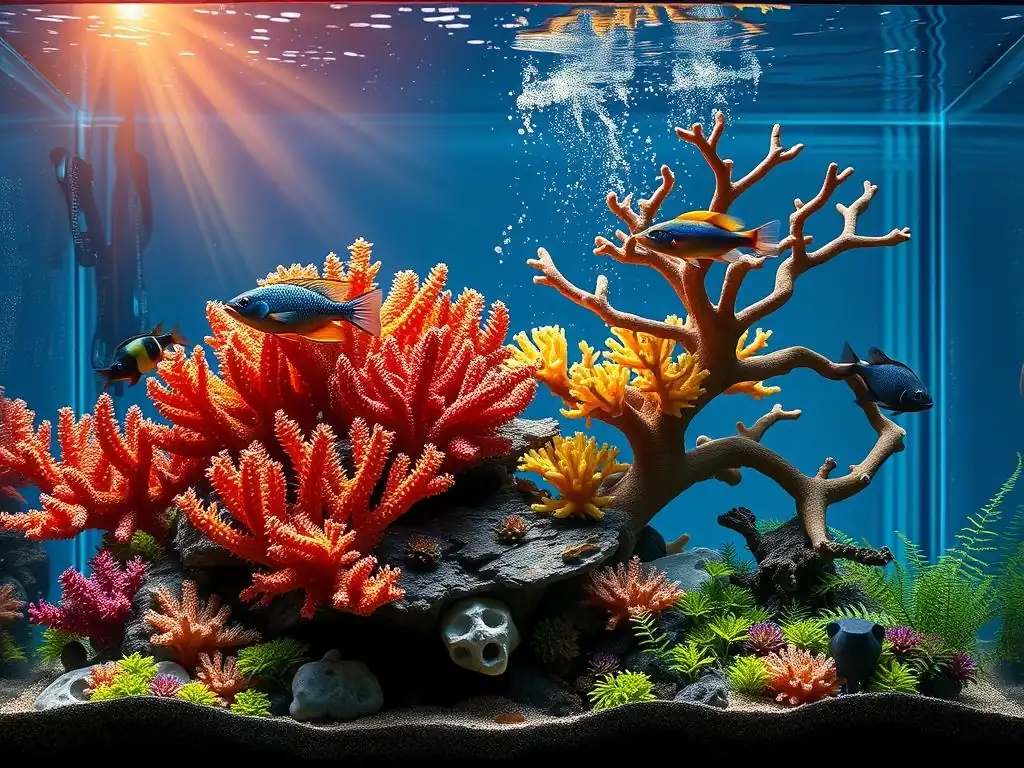
Intrigued by the idea of a miniature underwater world? You've come to the right place! Delve into the fascinating realm of nano tanks and discover the secrets to keeping them thriving. Ever wondered which pint-sized powerhouses can truly endure in a small saltwater setup?
Our latest article, "Nano Tank Showdown: Comparing the Hardiest Gobies, Blennies, and Dragonets," unveils the most resilient nano tank hardy fish and how to care for them. Get ready to unlock the potential of your tiny aquarium and create a captivating ecosystem! But which of these tiny fish will take the crown? Read on to find out!
- Introduction: Finding the Perfect Hardy Fish for Your Nano Reef Tank
- Hardy Gobies for Nano Tanks: A Detailed Comparison
- Blennies for Nano Tanks: Hardy and Full of Personality
- Dragonets for Nano Tanks: A Challenging but Rewarding Option
- Comparing the Hardiness and Compatibility of Gobies, Blennies, and Dragonets for Nano Tanks
- Maintaining a Healthy Nano Reef for Your Hardy Fish
- Conclusion: Choosing the Right Hardy Fish for Your Nano Reef Adventure
-
Frequently Asked Questions
- What exactly defines a "nano tank" in the context of hardy fish?
- Why are gobies, blennies, and dragonets often recommended for nano tanks?
- What are some key considerations for maintaining a healthy nano tank with hardy fish?
- Are there any specific water parameter requirements that are particularly important for nano tank hardy fish?
- Where can I find more detailed information about specific species of hardy fish suitable for nano tanks?
- Final Reflection: The Enduring Appeal of Miniature Reefs
- Unleash the Tiny Titan Within Your Nano Tank!
Introduction: Finding the Perfect Hardy Fish for Your Nano Reef Tank
Exploring the Unique Appeal of Nano Reef Aquariums
Nano reef aquariums, typically ranging from 5 to 30 gallons, offer a captivating window into the marine world within a compact footprint. Their unique appeal lies in their ability to bring the intricate beauty of a coral reef into smaller spaces, making them ideal for apartments, offices, or even a bedside table. While a 10-gallon nano tank might have an initial setup cost of $300-$600, significantly less than a 50-gallon tank which can exceed $1000, they demand meticulous attention to detail and a keen understanding of miniature ecosystems.
These smaller systems allow aquarists to focus on specific, smaller species, fostering a more intimate connection with their aquatic inhabitants. The challenge of maintaining stable parameters in such a confined volume, coupled with the reward of a thriving, vibrant miniature reef, makes nano tanks a popular and engaging facet of the marine aquarium hobby.
Why Choosing Hardy Fish is Crucial for Nano Tank Success
The inherent challenge of nano reef aquariums stems from their limited water volume, which makes them highly susceptible to rapid fluctuations in water parameters. For instance, temperature can swing by 2-3°F over a few hours, or salinity by 0.001-0.002 specific gravity (SG) due to evaporation, compared to the much slower changes observed in larger tanks. This volatility means that nano tank hardy fish are not just a preference but a necessity for long-term success.
Delicate or sensitive fish quickly succumb to these environmental stresses, leading to weakened immune systems, susceptibility to disease, and ultimately, loss. Selecting resilient nano tank hardy fish that can tolerate minor parameter shifts and adapt to the unique dynamics of a small system is paramount. Their robust nature ensures a greater chance of survival and a more stable, healthy environment for the entire miniature reef ecosystem.
Gobies, Blennies, and Dragonets: Ideal Nano Reef Candidates
Gobies, blennies, and dragonets stand out as prime candidates for nano reef aquariums due to their generally smaller adult sizes, often under 3-4 inches, and their fascinating, often specialized, behaviors. These groups offer a diverse array of personalities and ecological niches, making them incredibly engaging inhabitants for compact systems.
From the sand-sifting antics of certain gobies that help maintain substrate health, to the perching habits of blennies that tirelessly graze on algae, and the meticulous copepod hunting of dragonets, each group contributes unique dynamics. Their relatively low bioload (waste production) for their size, combined with their captivating interactions, positions them as ideal nano tank hardy fish choices, provided their specific care requirements are met.
Hardy Gobies for Nano Tanks: A Detailed Comparison
The Yellow Watchman Goby (Cryptocentrus cinctus): A Nano Tank Workhorse
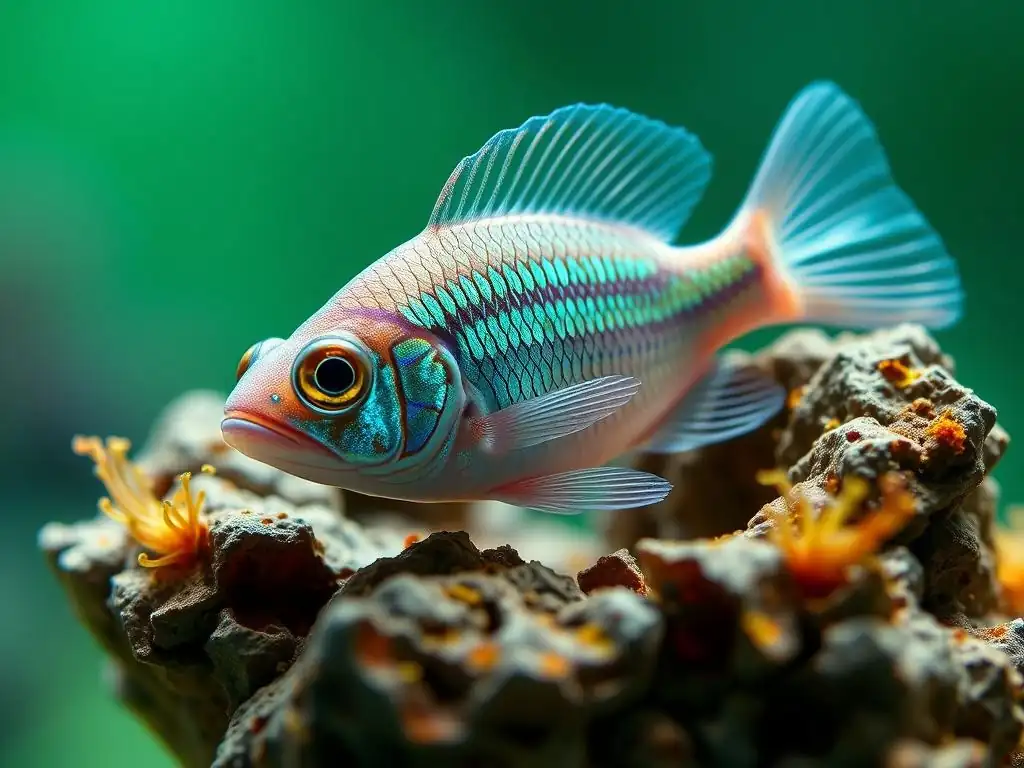
The Yellow Watchman Goby is a highly popular and exceptionally nano tank hardy fish, renowned for its distinctive yellow and brown mottled pattern and its engaging personality. Reaching an adult size of approximately 4 inches, this goby is celebrated for its peaceful demeanor and its fascinating symbiotic relationship with pistol shrimp, making it a captivating addition to a small reef environment.
Yellow Watchman Gobies are well-suited for nano tanks as small as 10 gallons, provided they have a suitable substrate. They are carnivores, readily accepting a varied diet of frozen mysis shrimp, brine shrimp, and high-quality marine pellets. With proper care, these robust gobies can live for 5-7 years, becoming a long-term fixture in a well-maintained system.
Yellow Watchman Goby Care Requirements and Temperament
A crucial requirement for the Yellow Watchman Goby is a deep sand bed, at least 2-3 inches, to facilitate their natural burrowing behavior. They will construct elaborate tunnels, often sharing them with a symbiotic pistol shrimp (e.g., Alpheus bellulus). While generally peaceful, they can exhibit territoriality towards other bottom-dwelling fish if the tank is excessively small or lacks sufficient hiding spots.
Maintaining stable water parameters is key, though their hardiness allows for slight fluctuations. Ideal conditions include a specific gravity of 1.023-1.026, a temperature range of 74-78°F (23-26°C), and a pH of 8.1-8.4. Their tolerance for minor shifts makes them an excellent choice for beginner aquarists seeking nano tank hardy fish.
Benefits of Keeping Yellow Watchman Gobies in Nano Reefs
One significant benefit of the Yellow Watchman Goby in a nano reef is its natural sand-sifting behavior. As they constantly sift through the substrate, they help aerate the sand bed, preventing the accumulation of detritus and reducing the risk of anaerobic pockets. This natural "cleaning" action is particularly valuable in a confined system where waste management is critical.
Furthermore, the symbiotic relationship with a pistol shrimp offers a mesmerizing display of interspecies cooperation. The goby acts as a lookout, warning the nearly blind shrimp of danger, while the shrimp maintains their shared burrow. This unique interaction adds dynamic behavioral interest to the tank without significantly increasing the bioload, making the Yellow Watchman Goby a truly rewarding nano tank hardy fish.
The Clown Goby (Gobiodon okinawae): A Colorful and Resilient Choice
The Clown Goby, particularly the vibrant yellow Gobiodon okinawae, is a charming and resilient nano tank hardy fish known for its striking coloration and unique perching habits. Typically reaching a diminutive size of 1.5 to 2 inches, these gobies add a splash of bright color to any small reef. They are often found nestled among the branches of stony corals in their natural habitat.
Their peaceful demeanor and small size make them suitable for nano tanks as compact as 5 gallons. Clown Gobies are generally considered reef-safe and exhibit a calm, non-aggressive temperament, making them ideal for mixed-species nano environments where aggression can quickly become problematic.
Clown Goby Compatibility and Feeding Habits in Nano Aquariums
Clown Gobies are predominantly reef-safe, though some individual specimens have been observed to nip at the polyps of stony corals, particularly Acropora, their preferred perching spots. To minimize this rare occurrence, it is advisable to introduce them to a well-established reef with ample coral growth. They are best kept singly or in a bonded pair, and aggressive tank mates should be avoided to prevent stress.
Their diet primarily consists of small invertebrates and zooplankton, but in captivity, they readily accept prepared foods. It is recommended to feed them 2-3 times daily with small portions of enriched brine shrimp, mysis shrimp, and finely crushed high-quality flake foods. Ensuring they receive adequate nutrition is vital for their long-term health in a nano tank hardy fish setup.
Maintaining a Healthy Clown Goby in a Small Reef Environment
To thrive, Clown Gobies require plenty of branching coral or rockwork that provides numerous perching and hiding spots. While they appreciate good water circulation, they prefer calmer areas within the tank to rest and observe their surroundings. A stable environment with minimal fluctuations is crucial for their well-being.
Due to their small size, Clown Gobies are more susceptible to rapid changes in water quality. Regular small water changes, such as 10% weekly, are highly beneficial to maintain pristine conditions and prevent the buildup of pollutants. Consistent water parameters (SG 1.023-1.026, Temp 74-78°F, pH 8.1-8.4) are essential for keeping these nano tank hardy fish healthy and vibrant.
The Hector's Goby (Koumansetta hectori): A Nano Reef Algae Grazing Specialist
The Hector's Goby is a slender and attractive nano tank hardy fish, growing up to 3 inches, distinguished by its elegant horizontal stripes. This species is highly valued for its continuous microalgae grazing, making it a beneficial addition to a nano reef for natural algae control.
Despite their constant activity, Hector's Gobies maintain a peaceful disposition, making them suitable for tanks 10 gallons and larger. They can be shy initially, often darting into rockwork when startled, but typically become more outgoing as they acclimate to their environment and recognize their keeper.
Hector's Goby's Role in Algae Control within Nano Tanks
Hector's Gobies primarily feed on filamentous algae and diatoms, constantly picking at surfaces throughout the tank. Their consistent grazing contributes significantly to keeping live rock and sand free of nuisance algae, acting as a valuable part of the cleanup crew. This natural behavior helps maintain a cleaner aesthetic and reduces the need for manual algae removal.
While effective at managing minor algae growth, they are not a complete solution for severe outbreaks. They serve as a supplementary cleaner, providing gentle yet consistent grazing pressure. For instance, in a 15-gallon tank, a Hector's Goby can significantly reduce the need for scrubbing specific rock surfaces by up to 20-30% over a month, but it won't eliminate a widespread problem.
Considerations for Keeping Hector's Gobies in Nano Reefs
Hector's Gobies thrive in mature nano tanks that have established microalgae growth for them to graze upon. If natural food sources are insufficient, it is crucial to supplement their diet with spirulina-enriched foods, small pieces of nori, or algae wafers to ensure they receive adequate nutrition. They are constant grazers and require a steady food supply.
Provide ample live rock with numerous crevices and caves, as these nano tank hardy fish will utilize them for hiding and refuge. Like many gobies, they are prone to jumping, so a tight-fitting lid is an absolute necessity to prevent escapes. Maintaining stable water parameters consistent with a typical reef environment will ensure their long-term health.
Blennies for Nano Tanks: Hardy and Full of Personality
The Tailspot Blenny (Ecsenius stigmatura): A Nano Tank Algae Eating Machine
The Tailspot Blenny is a captivating nano tank hardy fish, reaching about 2.5 inches, instantly recognizable by the distinct black spot at the base of its tail and its remarkably expressive eyes. This species is highly sought after for its continuous algae grazing and charming, inquisitive personality, making it an active and engaging inhabitant for tanks 10 gallons and larger.
Tailspot Blennies are constantly active, perching on rockwork, darting into crevices, and "hopping" around their environment. Their quirky movements and curious nature make them a focal point in any nano reef, providing endless entertainment for the observant aquarist.
Tailspot Blenny Behavior and Diet in a Nano Reef Setup
Tailspot Blennies are primarily herbivorous, with a diet consisting mainly of filamentous algae, diatoms, and cyanobacteria. In captivity, they readily accept spirulina flakes, small pieces of nori, and blenny-specific pellets, which should be offered regularly to supplement their natural grazing. Ensuring a varied diet helps maintain their health and vibrant coloration.
While generally peaceful, male Tailspot Blennies can become territorial towards other blennies or fish with similar body shapes in confined nano environments. To mitigate potential aggression, provide multiple perching spots and visual barriers within the rockwork. They are considered reef-safe, posing no threat to corals or invertebrates.
Creating an Ideal Habitat for Tailspot Blennies
An ideal habitat for Tailspot Blennies includes an abundance of live rock with numerous holes, caves, and crevices. These structures provide essential hiding spots and perching locations, allowing the blenny to feel secure and establish its territory. A mature tank with established algae growth is beneficial, offering a natural food source for continuous grazing.
Maintaining stable water parameters (SG 1.023-1.026, Temp 74-78°F, pH 8.1-8.4) is crucial for their well-being. Like many blennies, Tailspot Blennies are excellent jumpers, capable of leaping out of open-top tanks. Therefore, a secure, tight-fitting lid or mesh top is an absolute necessity to prevent escapes and ensure these nano tank hardy fish remain safely within their environment.
The Bicolor Blenny (Ecsenius bicolor): A Hardy and Adaptable Blenny for Small Tanks
The Bicolor Blenny is a remarkably hardy and adaptable nano tank hardy fish, easily identified by its striking coloration—a brownish-tan front half transitioning to a dark blue or black rear half. Growing up to 4 inches, this blenny possesses a strong personality and an active grazing habit, making it a popular choice for aquarists.
Due to its potential adult size and territorial nature, the Bicolor Blenny is best suited for nano tanks of 20 gallons or larger. Its constant activity and distinctive appearance add significant character to a small reef system, though careful consideration of tank mates is necessary.
Bicolor Blenny Care and Compatibility in Nano Aquariums
Bicolor Blennies are primarily herbivorous, voraciously consuming nuisance algae from rockwork and glass surfaces. Their diet should be supplemented with high-quality spirulina flakes, marine pellets, and occasional meaty foods like mysis shrimp to ensure complete nutrition. They are diligent grazers, contributing to tank cleanliness.
They can exhibit aggression towards other blennies, particularly those of similar size or shape, and sometimes towards passive bottom-dwellers in smaller tanks. It is generally recommended to keep only one Bicolor Blenny per nano aquarium to prevent territorial disputes. While mostly reef-safe, some individuals have been known to nip at soft corals or clam mantles, though this behavior is not universal.
Addressing Common Bicolor Blenny Issues in Nano Reefs
Given their relatively larger size for a nano tank, ensuring adequate swimming space and providing multiple distinct hiding spots within the rockwork is crucial for reducing stress in Bicolor Blennies. A cluttered tank can exacerbate territorial aggression.
Regularly monitor their behavior for signs of aggression towards other tank mates. If issues arise, increasing visual barriers with additional rockwork can sometimes help. In extreme cases, rehoming the blenny might be necessary. Maintaining pristine water quality through consistent water changes and effective filtration will help prevent stress-related diseases and keep these nano tank hardy fish in optimal health.
The Midas Blenny (Ecsenius midas): A Vibrant and Hardy Reef Safe Option for Nano Tanks
The Midas Blenny is a stunning and elongated nano tank hardy fish, reaching up to 5 inches, celebrated for its brilliant golden-yellow coloration that can intensify or fade depending on its mood and environment. While larger than many nano species, its generally peaceful nature makes it a suitable, albeit spacious, option for nano tanks of 20 gallons or more.
Unlike many of its benthic blenny cousins, the Midas Blenny often "hovers" gracefully in the water column, darting back into secure rockwork crevices when startled. This unique pelagic behavior adds dynamic vertical movement and visual interest to the reef, distinguishing it from other bottom-dwelling nano tank hardy fish.
Midas Blenny Temperament and Feeding in a Nano Reef Environment
Midas Blennies are widely regarded as peaceful and fully reef-safe, making them excellent companions for a variety of corals and invertebrates. Their tendency to occupy the water column rather than the substrate reduces competition with other bottom-dwelling fish species, allowing for a more diverse stocking plan in a nano tank.
They are omnivorous, readily accepting a broad range of prepared foods. A diet consisting of high-quality marine flakes, pellets, frozen mysis shrimp, and enriched brine shrimp should be offered. Feeding small amounts multiple times a day is beneficial to ensure consistent nutrition and maintain their vibrant coloration.
Creating a Thriving Environment for Midas Blennies in Small Aquariums
To thrive, Midas Blennies require ample swimming space within the water column and plenty of live rock with secure hiding places they can quickly retreat into. They also appreciate moderate to strong water flow, which mimics their natural current-swept habitats and encourages their natural hovering behavior.
A tight-fitting lid is absolutely critical, as Midas Blennies are exceptional jumpers, often leaping out of tanks if given the opportunity. Maintaining stable water parameters (SG 1.023-1.026, Temp 74-78°F, pH 8.1-8.4) and providing consistent, varied feeding are key to their long-term health and impressive lifespan, often reaching 5-7 years in a well-maintained nano reef.
Dragonets for Nano Tanks: A Challenging but Rewarding Option
The Ocellaris Dragonet (Synchiropus ocellatus): A Nano Tank Copepod Hunter
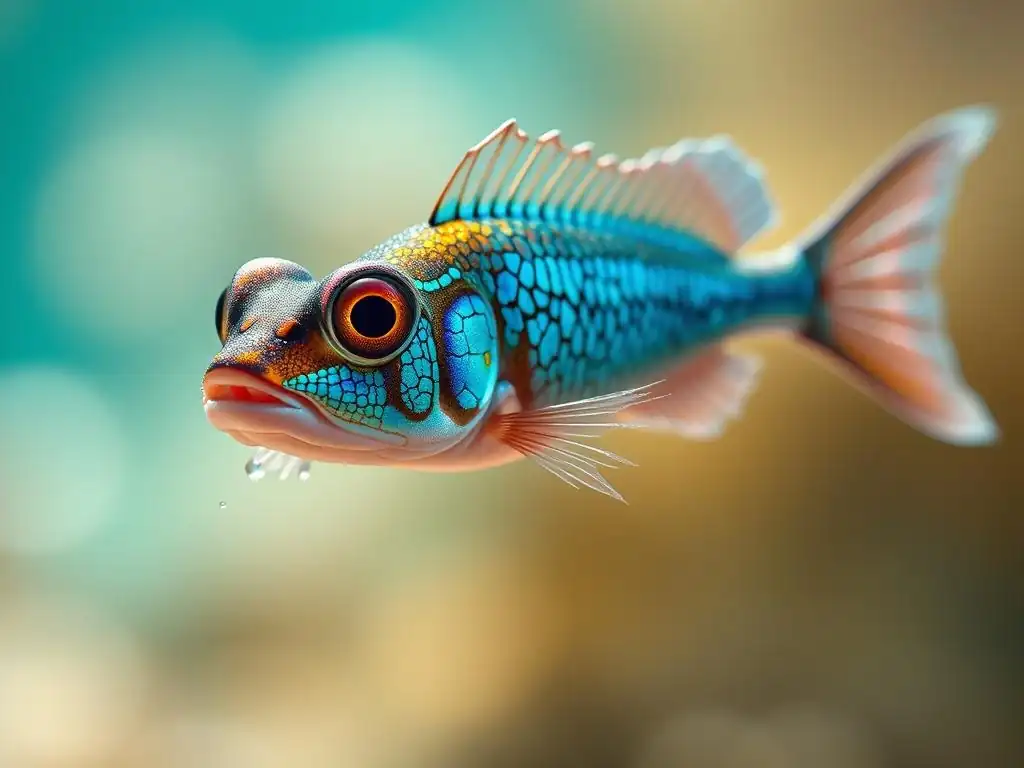
The Ocellaris Dragonet, a small and exquisitely patterned fish growing up to 3 inches, features striking ocellated (eye-like) spots, making it a highly sought-after inhabitant for marine aquariums. While undeniably captivating, it is crucial to understand that Ocellaris Dragonets are not "hardy" in the traditional sense of nano tank hardy fish due to their highly specialized dietary requirements.
These beautiful fish are strictly micropredators, relying almost entirely on a constant supply of live copepods (tiny crustaceans) that they graze from live rock and sand throughout the day. This specialized diet means they are only suitable for very mature, established nano reefs—at least 6 months old, but preferably 1 year or more—and typically 20 gallons or larger to support a sustainable copepod population.
The Importance of a Mature Nano Reef for Ocellaris Dragonets
A mature nano reef is absolutely vital for the survival of Ocellaris Dragonets because it allows for the development of a sufficiently robust and continuous population of live copepods. These microscopic crustaceans reproduce within the tank's live rock and substrate, providing the dragonet with a constant food source. A 20-gallon tank, for example, might barely sustain one Ocellaris Dragonet if heavily seeded with copepods.
Without a continuous, self-sustaining supply of live copepods, dragonets will slowly but inevitably starve, even if they appear to occasionally pick at prepared foods. Their high metabolism demands constant grazing, and prepared foods rarely provide the necessary nutritional completeness or the constant availability required for their long-term health.
Ensuring Adequate Copepod Population for Dragonet Survival
To ensure an adequate copepod population, regular dosing of live copepod cultures (such as Tisbe, Tigriopus, or Apocyclops) into the nano tank is often necessary, especially during the initial months. Furthermore, integrating a refugium—a separate, unlit compartment attached to the display tank—can significantly aid in cultivating and maintaining a sustainable copepod population. A refugium of 5-10 gallons dedicated to copepod propagation can dramatically increase success rates.
It is also important to avoid strong mechanical filtration methods, such as fine filter socks, that can inadvertently remove copepods from the water column. Keeping tank mates to a minimum, especially those that compete for the same live food source (e.g., other dragonets, pipefish, certain wrasses), is crucial to ensure the Ocellaris Dragonet has sufficient access to its primary diet.
The Ruby Red Dragonet (Synchiropus splendidus): A Nano Tank Jewel (Advanced Care)
The Ruby Red Dragonet, a close relative of the popular Mandarinfish, is an even smaller (up to 2 inches) but equally breathtaking nano tank hardy fish specimen, adorned with vibrant red and white striped patterns. Like the Ocellaris Dragonet, its stunning beauty belies its highly specialized care requirements, making it an advanced choice for experienced aquarists only.
This species also relies exclusively on a constant supply of live copepods. Due to its smaller size and potentially higher metabolic rate, it often requires an even more established and larger nano reef, typically 20-30 gallons minimum, to provide the consistent grazing opportunities it needs to survive and thrive.
Meeting the Specific Dietary Needs of Ruby Red Dragonets in Nano Reefs
Ruby Red Dragonets are micro-predators that spend their entire day meticulously hunting and consuming copepods from every surface of the live rock and sand. Unlike many other reef fish, they very rarely accept prepared foods, even frozen options, making the consistent delivery of live food paramount for their survival in a nano reef.
A dedicated refugium, plumbed to the display tank, is almost a necessity for maintaining a dense and continuous copepod population sufficient to sustain a Ruby Red Dragonet. This supplementary system provides a safe breeding ground for copepods, which then flow into the main display. Even with a refugium, daily dosing of live copepods is often required, particularly when the dragonet is first introduced.
Creating a Sustainable Copepod Culture for Dragonets
To create a sustainable copepod culture, a healthy refugium should be established with ample macroalgae, such as Chaetomorpha, and live rock. These elements provide both habitat and a food source for the copepods. Maintaining optimal water parameters within the refugium itself is also important to encourage robust copepod reproduction.
For those committed to providing the best possible care, culturing copepods separately in a dedicated breeder tank can ensure an uninterrupted and dense supply. This proactive approach significantly increases the chances of long-term success for these delicate nano tank hardy fish. Without such dedicated efforts, the Ruby Red Dragonet's lifespan in captivity is often tragically short, averaging only a few months.
Considerations Before Adding Dragonets to Your Nano Reef
Adding a dragonet to your nano reef is a significant commitment that requires careful planning and a thorough understanding of their unique needs. It is not a decision to be taken lightly.
- Tank Maturity: An absolute minimum of 6 months, and preferably 1 year, is required for a nano reef to develop a robust and sustainable microfauna population sufficient for dragonet survival.
- Tank Size: A minimum of 20 gallons for an Ocellaris Dragonet and 20-30 gallons for a Ruby Red Dragonet is recommended, with ample live rock providing extensive surface area for copepod growth.
- Feeding Strategy: You must be prepared for consistent live copepod dosing, often daily, or committed to maintaining a thriving refugium specifically for copepod cultivation. This is non-negotiable for their long-term health.
- Tank Mates: Avoid introducing any tank mates that will compete with the dragonet for its essential copepod diet, such as other dragonets, pipefish, or certain wrasses. Keep the bioload minimal.
- Commitment: Dragonets are a long-term commitment requiring specialized care, consistent monitoring, and a proactive approach to their dietary needs. They are not nano tank hardy fish for beginners.
Comparing the Hardiness and Compatibility of Gobies, Blennies, and Dragonets for Nano Tanks
Hardiness Ranking: Which Fish are Most Likely to Thrive in a Nano Reef?
When evaluating nano tank hardy fish, it's crucial to understand that "hardiness" in a small, volatile environment often correlates with adaptability to prepared foods and tolerance for minor parameter swings. Based on these factors, we can rank the discussed species.
Most Hardy: The Yellow Watchman Goby, Clown Goby, Tailspot Blenny, and Hector's Goby are undeniably the most resilient options for nano reefs. These species readily accept a variety of prepared foods, tolerate slight fluctuations in water parameters more gracefully than others, and generally exhibit robust health in well-maintained small systems. They are excellent choices for aquarists seeking truly nano tank hardy fish.
Moderately Hardy: The Bicolor Blenny and Midas Blenny fall into this category. While robust and adaptable, their larger adult size (up to 4-5 inches) and potential for territoriality (Bicolor) or need for ample swimming space (Midas) require more careful consideration of tank volume and tank mate selection. They thrive best in larger nano tanks (20+ gallons) where their specific needs can be met without stressing other inhabitants.
Least Hardy (Specialized Care): The Ocellaris Dragonet and Ruby Red Dragonet are the most challenging species discussed. Their absolute reliance on a constant supply of live copepods makes them unsuitable for most standard nano setups and necessitates advanced husbandry techniques, such as dedicated refugiums and regular live food dosing. They are not nano tank hardy fish for beginners and require significant commitment to thrive long-term.
Compatibility Considerations: Preventing Aggression and Competition in Small Tanks
In the confined space of a nano tank, compatibility is paramount to prevent stress, aggression, and competition among inhabitants. Even generally peaceful fish can become territorial when space is limited. For example, a 15-gallon nano tank might only comfortably house 1-2 small nano tank hardy fish to ensure adequate individual territory and reduce conflict.
Careful species selection is crucial. Avoid mixing multiple fish from the same genus, such as two Ecsenius blennies, which are highly likely to fight. Similarly, species with similar body shapes or ecological niches (e.g., two sand-sifting gobies) can lead to intense competition for resources. Always research specific compatibility charts and observe new additions closely.
Feeding Strategies: Ensuring All Fish Receive Adequate Nutrition in a Nano Environment
In a multi-species nano tank, ensuring all nano tank hardy fish receive adequate nutrition can be challenging, especially with varying feeding behaviors and speeds. Offering a diverse diet is key: a mix of high-quality flakes, pellets, frozen mysis shrimp, enriched brine shrimp, and spirulina will cater to different nutritional needs. For herbivorous blennies, a small clip of nori can provide essential grazing.
Instead of one large daily feeding, offer 2-3 smaller feedings throughout the day. This reduces the amount of uneaten food that can degrade water quality and ensures that shyer or slower-feeding fish have ample opportunities to eat. For particularly shy or slow feeders, like some gobies or, crucially, dragonets, target feeding with a turkey baster to deliver food directly to their hiding spots or perching areas may be necessary. This personalized approach is vital for the health of all nano tank hardy fish.
Maintaining a Healthy Nano Reef for Your Hardy Fish
Water Parameters: Essential Chemistry for Nano Tank Success
Maintaining stable water parameters is the cornerstone of a healthy nano reef, especially for nano tank hardy fish that, while resilient, still thrive in consistent conditions. Salinity is critical; aim for a specific gravity (SG) of 1.025-1.026. Due to rapid evaporation in small tanks, daily top-offs with RODI (Reverse Osmosis De-Ionized) water are essential to prevent salinity swings; a 10-gallon tank can lose 0.5-1 gallon per day. Use an accurate refractometer for precise measurements.
Temperature stability is equally vital, ideally maintained between 74-78°F (23-26°C). A small, reliable heater (e.g., 50W for 10-15 gallons) with a precise thermostat is crucial to prevent rapid temperature fluctuations of more than 1-2°F per day, which can stress fish. Alkalinity (7-9 dKH), Calcium (400-450 ppm), and Magnesium (1250-1350 ppm) are important for coral health and overall system stability; weekly testing is recommended. Finally, keep nitrates below 10-20 ppm and phosphates below 0.03 ppm through regular 10-20% weekly water changes and nutrient export methods like macroalgae or carbon dosing.
Filtration: Keeping Your Nano Tank Clean and Clear
Effective filtration is paramount in a nano reef to manage waste and maintain pristine water quality for your nano tank hardy fish. Mechanical filtration, typically achieved with filter socks or sponges, removes particulate matter. These should be cleaned or replaced every few days (e.g., 2-3 times a week) to prevent trapped detritus from breaking down into nitrates and phosphates.
Biological filtration is primarily provided by live rock, which offers extensive surface area for beneficial nitrifying and denitrifying bacteria. Aim for 1-1.5 pounds of live rock per gallon to ensure robust biological waste processing. Chemical filtration, such as activated carbon, helps remove dissolved organic compounds and yellowing agents, while granular ferric oxide (GFO) effectively removes phosphates.
These media can be used passively in media bags or in small, dedicated reactors. While not strictly necessary for all nano tanks (especially under 10 gallons), a small, appropriately sized protein skimmer can significantly enhance water quality by removing organic waste before it has a chance to break down, providing an extra layer of purification.
Lighting: Providing the Right Spectrum for Coral and Fish Health
While primarily chosen for coral growth, appropriate lighting also plays a role in the health and natural behavior of your nano tank hardy fish. For a mixed reef, a light fixture that provides a balanced spectrum strong in blue wavelengths (450-470nm) and white light (6500K-10000K) is generally preferred. This spectrum supports optimal coral photosynthesis and enhances the vibrant coloration of both corals and fish.
The intensity and photoperiod should be tailored to the specific corals you keep. A typical photoperiod for a reef tank ranges from 10-12 hours, including dawn and dusk simulations, with a shorter "peak" intensity period of 6-8 hours. It is crucial to avoid excessive lighting, which can lead to rapid proliferation of nuisance algae. For fish, sufficient light helps them maintain their natural coloration and activity cycles, but also ensure there are shaded areas created by rockwork for them to retreat to if needed, preventing undue stress from constant bright illumination.
Conclusion: Choosing the Right Hardy Fish for Your Nano Reef Adventure
Recap of the Best Hardy Gobies, Blennies, and Dragonets for Nano Tanks
Embarking on a nano reef adventure requires careful consideration of stocking choices, and selecting truly nano tank hardy fish is paramount for success. The Yellow Watchman Goby, Clown Goby, and Tailspot Blenny stand out as excellent starting points. Their resilience, manageable size, and adaptability to prepared foods make them robust and reliable inhabitants for smaller systems, tolerating minor environmental fluctuations.
For slightly larger nano tanks (20+ gallons), the Bicolor Blenny and Midas Blenny offer unique personalities and active behaviors. While requiring more space, their hardiness and engaging presence make them rewarding additions. Conversely, Dragonets, such as the Ocellaris and Ruby Red, are stunning jewels of the reef but demand significant commitment to live food and a highly mature ecosystem. They are beautiful, but an advanced nano tank hardy fish choice, not for the faint of heart or novice aquarist.
Final Thoughts on Creating a Thriving and Balanced Nano Reef Ecosystem
Ultimately, success in a nano reef hinges on meticulous maintenance, unwavering stability, and thoughtful stocking decisions. The inherently small water volume of these tanks means that every parameter fluctuation, every missed water change, and every overfeeding incident has a magnified impact. Consistent attention to detail, coupled with a deep understanding of the chosen inhabitants' needs, is the recipe for a thriving ecosystem.
A balanced system, achieved through appropriate filtration, regular small water changes, and precise feeding, will support your nano tank hardy fish and corals for years to come. Remember that a healthy nano reef is a dynamic, living system that responds directly to the care it receives, rewarding diligence with breathtaking beauty.
Encouragement to Research and Observe Your Fish
This article provides a comprehensive overview, but the marine aquarium hobby is vast and constantly evolving. We strongly encourage you to continue researching specific species care requirements beyond this guide. Each fish, even within the same genus, can have unique nuances in its behavior, diet, and environmental needs. Online forums, reputable books, and experienced aquarists can provide invaluable insights.
Most importantly, cultivate a habit of daily observation. Spend time watching your nano tank hardy fish. Pay attention to their swimming patterns, feeding behavior, coloration, and interactions with tank mates. Early detection of subtle changes is the best way to identify potential issues, whether it's a water quality problem, an emerging disease, or a compatibility conflict. Your keen eye is the most powerful tool for ensuring the health, happiness, and longevity of your beloved nano reef inhabitants.
Frequently Asked Questions
What exactly defines a "nano tank" in the context of hardy fish?
A nano tank is generally considered a smaller aquarium, typically under 10 gallons. The small size necessitates choosing hardy fish that can tolerate the limited space and potential fluctuations in water parameters.
Why are gobies, blennies, and dragonets often recommended for nano tanks?
These fish groups often include species that are relatively small in size and can adapt to smaller environments. Many exhibit hardy characteristics and can tolerate the unique conditions of a nano tank better than larger species.
What are some key considerations for maintaining a healthy nano tank with hardy fish?
Regular water changes are crucial to maintain water quality. Careful feeding and avoiding overstocking are also essential for the well-being of the hardy fish in the confined space.
Are there any specific water parameter requirements that are particularly important for nano tank hardy fish?
Maintaining stable water parameters, such as pH, ammonia, nitrite, and nitrate levels, is vital. Regular testing and adjustments are necessary to ensure a healthy environment for the fish.
Where can I find more detailed information about specific species of hardy fish suitable for nano tanks?
AquariumMastery.com offers detailed species profiles and guides on selecting and caring for various fish suitable for nano tanks, including information on their hardiness and specific needs.
Final Reflection: The Enduring Appeal of Miniature Reefs
The exploration of hardy fish species suitable for nano tanks, as we've discussed, isn't just about filling a small aquarium; it's about creating a thriving ecosystem in miniature. The enduring popularity of nano tanks speaks volumes about our desire to connect with nature, even within the confines of our homes, and to witness the intricate beauty of marine life on a manageable scale.
This fascination with nano reefs has profoundly shaped the aquascaping community, pushing the boundaries of what's possible in a limited space. It's truly inspiring to see how hobbyists, myself included, have embraced the challenge of creating balanced and beautiful environments for these resilient creatures. The question is not what you look at, but what you see.
- Henry David Thoreau. This quote perfectly encapsulates the nano tank experience; it's about appreciating the subtle nuances and interconnectedness within a small, self-contained world.
As you consider the possibilities of your own nano tank, remember that responsible fishkeeping is paramount. Choose wisely, research thoroughly, and prioritize the well-being of your aquatic companions. Let the information shared here inspire you to create a miniature reef that not only showcases the hardiness of gobies, blennies, and dragonets, but also reflects your commitment to ethical and sustainable practices within the aquarium hobby.
Unleash the Tiny Titan Within Your Nano Tank!
Thank you for diving into the fascinating world of nano tank inhabitants! Now that you’re equipped with knowledge of the hardiest gobies, blennies, and dragonets, it's time to put your expertise to the test and create a thriving ecosystem. Let's take those insights and turn them into action.
- Plan your nano tank stocking list today: Create a detailed list of compatible species, considering their temperament, size, and specific needs. Prioritize the well-being of your future aquatic companions!
- Dive deeper into the community! Visit local aquarium clubs and online forums to exchange insights and discover unexpected additions to your nano tank.
- Share your knowledge and inspire others! Post a picture of your ideal nano tank setup on social media, and tag three friends who might find inspiration in your design.
Which of these hardy nano tank characters will you choose to be the star of your underwater masterpiece?