
BlueGreen Chromis: The Ideal ReefSafe Schooling Fish? Pros and Cons

Welcome to Aquarium Mastery, your ultimate guide to thriving aquatic ecosystems!
Ever dreamt of a vibrant, shimmering reef tank teeming with life? Could the Bluegreen Chromis be the perfect, reef-safe schooling fish you've been searching for? Dive into our comprehensive guide to uncover the pros, cons, and everything you need to know before adding these dazzling beauties to your saltwater aquarium. Let's explore if they truly are the ideal choice for your reef!
- Introduction: Exploring the Bluegreen Chromis for Reef Aquariums
- Bluegreen Chromis: Pros for Reef Tank Enthusiasts
-
Bluegreen Chromis: Cons and Potential Challenges in Reef Tanks
- Occasional Aggression within the School: The Pecking Order
- Bluegreen Chromis and the Need for a Large School for Best Behavior
- Dietary Needs and Potential Competition with Other Reef Inhabitants
- Bluegreen Chromis Susceptibility to Marine Ich (White Spot Disease)
- Can Be Difficult to Initially Acclimate to Captivity
- Bluegreen Chromis Care Guide: Ensuring Success in Your Reef Tank
- Bluegreen Chromis: Reef Safe or Reef Risk? A Balanced Perspective
- Alternatives to Bluegreen Chromis for Reef Aquariums
- Conclusion: Making an Informed Decision about Bluegreen Chromis
-
Frequently Asked Questions
- What makes the Bluegreen Chromis potentially a good choice for a reef tank?
- Are Bluegreen Chromis truly always reef safe, or are there exceptions?
- What size tank is recommended for a school of Bluegreen Chromis?
- What are some common challenges in keeping Bluegreen Chromis?
- What should I feed Bluegreen Chromis to ensure their health and vibrant coloration?
- Final Reflection: A School of Thought on Reef Harmony
- Unlock the Reef's Hidden Beauty: Start Your Chromis Adventure!
Introduction: Exploring the Bluegreen Chromis for Reef Aquariums
What are Bluegreen Chromis and Why are They Popular?
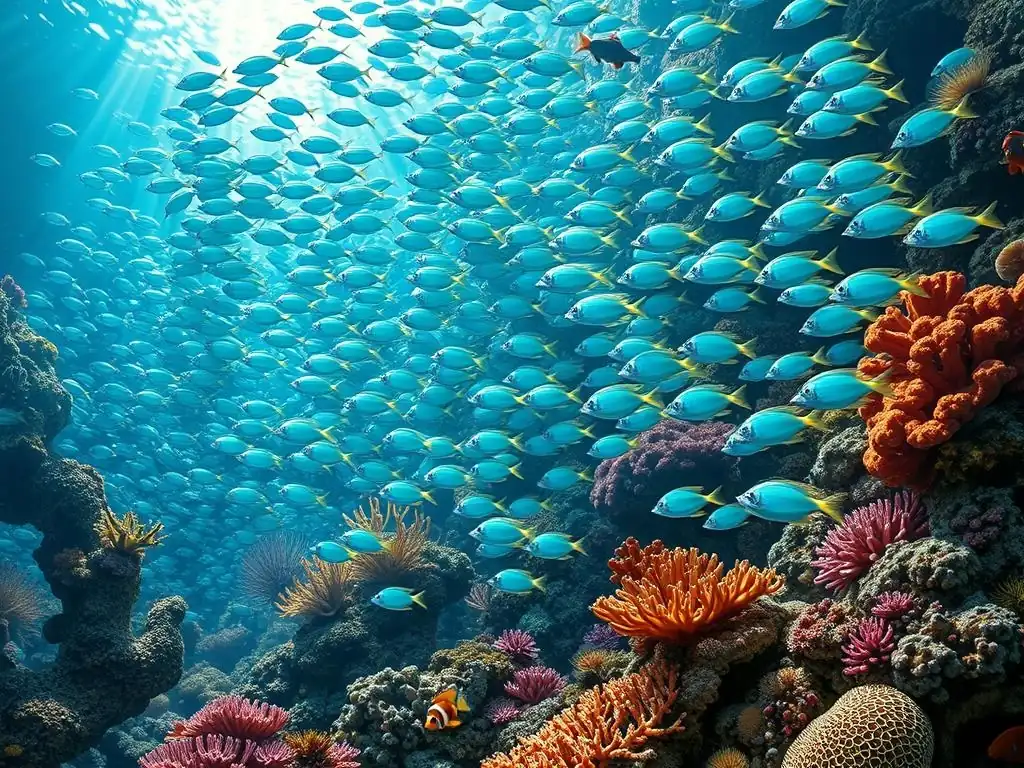
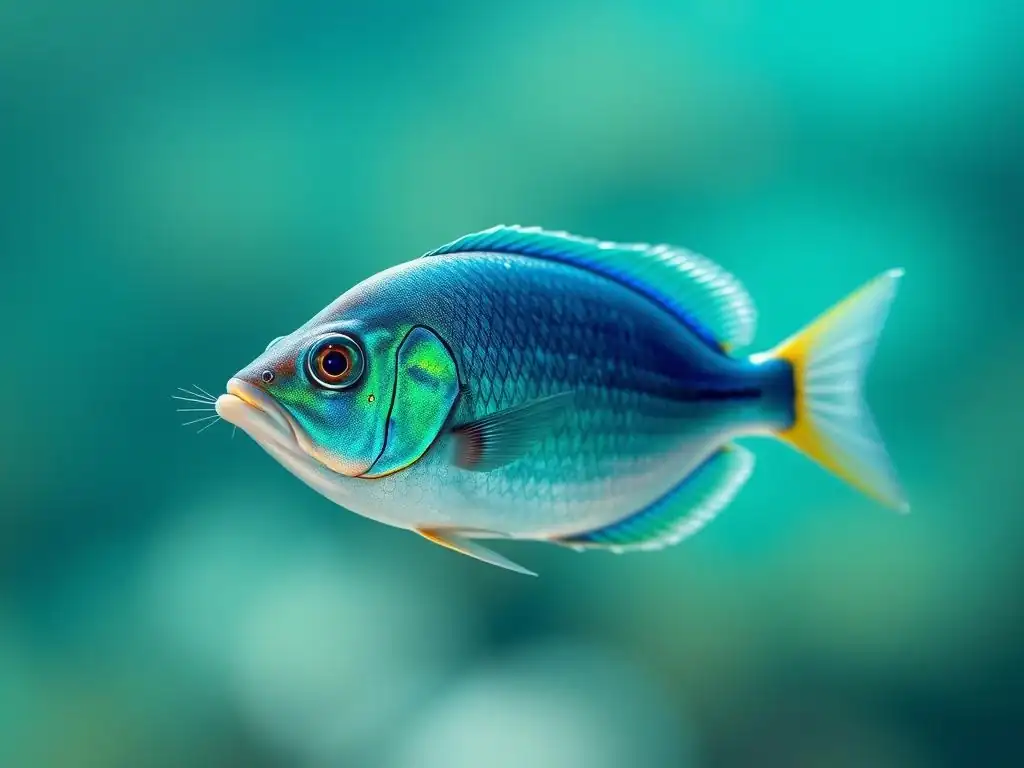
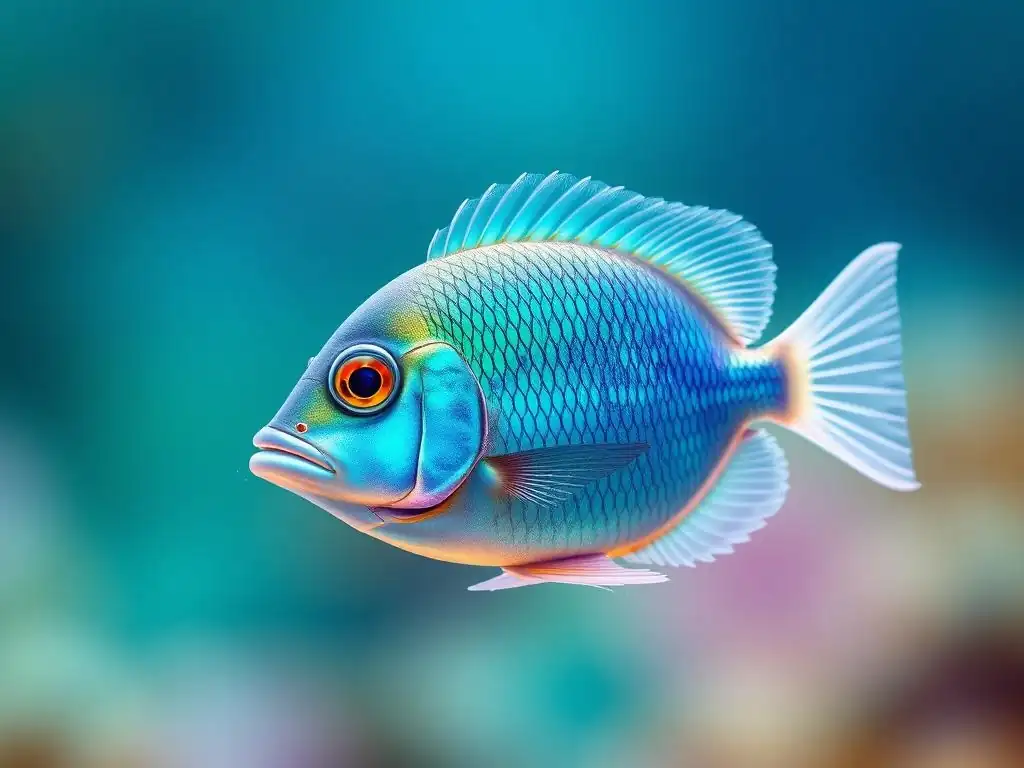
Bluegreen chromis, scientifically known as Chromis viridis, are small, vibrant fish belonging to the Pomacentridae family, which also includes damselfish. They are characterized by their iridescent blue-green coloration, which shimmers beautifully under aquarium lighting, making them a visually stunning addition to many marine setups.
Their popularity stems not only from their aesthetic appeal but also from their generally peaceful demeanor and their natural tendency to school, creating a dynamic and lively display in a well-established reef tank. Aquarists often seek them out to add movement and a splash of color, particularly in larger systems where their schooling behavior can be fully appreciated.
These fish typically reach a maximum size of about 3 to 4 inches (7.5-10 cm) in captivity, making them suitable for a range of tank sizes, though larger schools naturally require more space. Their active swimming patterns and schooling instincts contribute significantly to the overall aesthetic and perceived health of a reef aquarium. Furthermore, their relatively affordable price point compared to many other reef inhabitants, combined with their hardiness, makes them an accessible entry point for both novice and experienced aquarists looking to enhance their reef environments with active, colorful schooling fish.
Is the Bluegreen Chromis Truly Reef Safe? Understanding Their Behavior
The question of whether the bluegreen chromis is truly reef safe is a critical one for any marine aquarist considering their addition. Generally, Chromis viridis are considered excellent candidates for reef tanks due to their diet and behavior. They are primarily planktivores, meaning their natural diet consists of small zooplankton and phytoplankton found drifting in the water column. This dietary preference means they typically pose no threat to corals, anemones, or other sessile invertebrates commonly found in a reef environment, unlike some other fish species that might nip at polyps or consume corals.
However, the term "reef safe" can sometimes be nuanced. While bluegreen chromis do not consume corals or desirable invertebrates, their behavior within a school can sometimes lead to issues. Specifically, as they mature, a dominant "pecking order" can emerge, potentially resulting in aggression among themselves, which, in extreme cases, can stress or even lead to the demise of weaker individuals within the school. This internal dynamic is important to consider, as it can impact the overall harmony of your bluegreen chromis reef safe schooling display, especially in smaller tanks where escape routes for subordinate fish are limited.
Bluegreen Chromis: Pros for Reef Tank Enthusiasts
Vibrant Color and Active Schooling Behavior Enhances Reef Aesthetics
The most immediate and striking advantage of incorporating bluegreen chromis into a reef aquarium is their stunning visual impact. Their iridescent blue-green scales reflect light beautifully, creating a dynamic and ever-changing display as they move through the water. This vibrant coloration adds a crucial element of visual interest, especially when contrasted against the diverse colors of corals and live rock. A well-established school of these fish can transform a static reef landscape into a lively, flowing ecosystem, providing constant motion and a sense of natural vitality.
Beyond their individual beauty, the inherent schooling behavior of bluegreen chromis significantly enhances the aesthetic appeal of a reef tank. Watching a cohesive group of these fish gracefully navigate the water column, darting and weaving in unison, is a captivating experience. This natural schooling instinct not only looks impressive but also mimics the natural behavior observed in their wild habitats, contributing to a more authentic and visually rich marine environment. For aquarists aiming to replicate a piece of the ocean, the active, synchronized movements of a bluegreen chromis school are invaluable.
Bluegreen Chromis are Generally Peaceful Community Fish
Bluegreen chromis are widely regarded as generally peaceful inhabitants, making them excellent candidates for a diverse community reef tank. Their non-aggressive nature towards most other fish species is a significant advantage, as it minimizes the risk of conflict and stress among your tank inhabitants.
They rarely bother other fish, even smaller or more timid species, and typically ignore corals and invertebrates, solidifying their reputation as a reliable bluegreen chromis reef safe option. This peaceful disposition allows aquarists to house them alongside a wide variety of other popular reef fish, such as gobies, blennies, tangs, and even more delicate species like certain cardinalfish, without fear of undue harassment.
However, it's important to note that while peaceful towards most tank mates, some internal aggression can occur within the bluegreen chromis school itself, particularly if the school size is too small or if they are introduced into an already established pecking order. This internal hierarchy, where dominant individuals may assert themselves over weaker ones, is a natural part of their social structure. Despite this, their overall interaction with the broader community remains largely harmonious, making them a foundational choice for those building a tranquil and diverse reef ecosystem.
Relatively Small Size Makes Them Suitable for Many Reef Aquariums
With an adult size typically ranging from 3 to 4 inches (7.5 to 10 cm), bluegreen chromis are considered small to medium-sized fish, which is a significant advantage for many reef tank setups. Their modest size means they do not require an exceptionally large footprint, making them suitable for tanks ranging from 20-30 gallons for a very small school, though 50 gallons or more is recommended for a more robust and stable group.
This allows aquarists with moderate-sized systems to still enjoy the benefits of a schooling fish without the need for a massive display tank that larger species would demand.
Furthermore, their compact size means they contribute minimally to the bioload of the aquarium compared to larger fish species. A lower bioload translates to less waste production, which in turn helps maintain stable water parameters, a critical factor for the health of sensitive corals and other invertebrates in a reef tank. Their efficient use of space and reduced impact on water quality further enhances their appeal as a bluegreen chromis reef safe choice, allowing for a healthy balance between the fish population and the delicate reef ecosystem.
Bluegreen Chromis are Hardy and Adaptable to Reef Environments
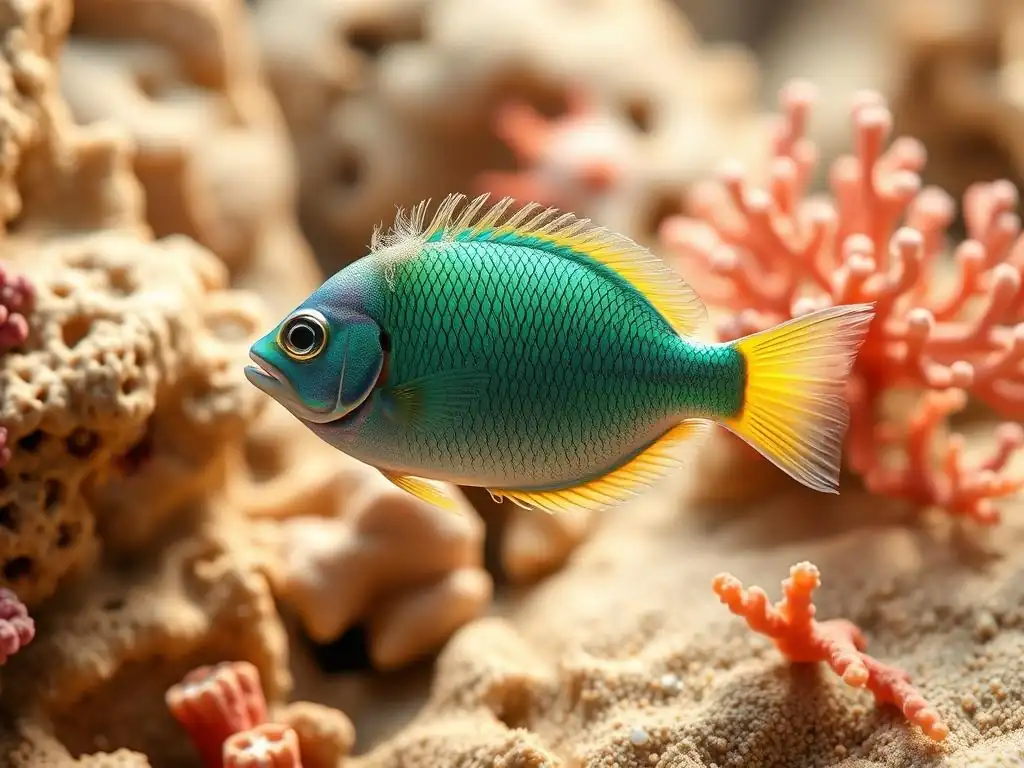
One of the standout features of bluegreen chromis is their remarkable hardiness and adaptability, particularly when compared to some of the more delicate marine species. Once properly acclimated to a new environment, they are generally resilient to minor fluctuations in water parameters, although stable conditions are always paramount for any reef tank. This robustness makes them an excellent choice for both beginner reef aquarists and experienced hobbyists alike, as they are forgiving of the learning curve often associated with marine husbandry. Their ability to thrive in a range of well-maintained reef conditions contributes significantly to their widespread popularity.
Their adaptability also extends to their feeding habits. While they are primarily planktivores in the wild, bluegreen chromis readily accept a variety of prepared foods in captivity, including high-quality flake foods, pellets, and frozen offerings like mysis shrimp, brine shrimp, and copepods. This willingness to consume diverse foods simplifies their care and ensures they receive a balanced diet, further contributing to their overall health and longevity in a reef environment. Their general resilience and ease of care solidify their position as a highly desirable and reliable bluegreen chromis reef safe addition.
Readily Available and Relatively Inexpensive
The accessibility of bluegreen chromis is another major advantage for reef tank enthusiasts. These fish are among the most commonly stocked marine species in local fish stores and online retailers, ensuring that aquarists can easily acquire them when needed. Their widespread availability means that finding a healthy school, or replacing individual fish if necessary, is rarely an issue, unlike some rarer or more specialized marine species that may require extensive searching or pre-ordering. This ease of acquisition makes planning and stocking a reef tank much simpler and more convenient.
Furthermore, bluegreen chromis are typically very affordable, especially when purchased in groups. Their lower price point, often ranging from $5 to $15 per fish depending on size and supplier, allows aquarists to purchase a sufficiently large school without a significant financial outlay. This cost-effectiveness makes it feasible to maintain the ideal school size (typically 6 or more individuals) for their well-being and natural schooling behavior, ensuring that the bluegreen chromis reef safe experience is accessible to a broader range of budgets.
Bluegreen Chromis: Cons and Potential Challenges in Reef Tanks
Occasional Aggression within the School: The Pecking Order
While generally peaceful towards other species in a community tank, bluegreen chromis are not entirely without their internal conflicts. A common challenge observed with these fish is the establishment of a "pecking order" within the school, which can lead to occasional aggression among themselves.
Typically, one or two dominant individuals will emerge, frequently harassing or nipping at weaker or more submissive members of the group. This behavior is a natural part of their social hierarchy but can result in stress, fin nipping, and in severe cases, even the death of the most bullied individuals if they cannot escape the aggression.
This internal aggression is often exacerbated in smaller tanks where there isn't enough space or adequate hiding spots for subordinate fish to retreat. A school of fewer than six individuals can also intensify this issue, as the aggression is concentrated on fewer targets. To mitigate this, aquarists are advised to keep a larger school (eight or more is often recommended for stability) and provide ample rockwork with crevices and caves, allowing weaker fish to find refuge and break the line of sight from aggressive dominant members.
Bluegreen Chromis and the Need for a Large School for Best Behavior
One of the key aspects of successful bluegreen chromis keeping, and indeed for achieving the desired bluegreen chromis reef safe behavior, is maintaining an adequately sized school. While a small group of two or three might seem appealing for smaller tanks, it often leads to heightened internal aggression and stress among the fish. In such small numbers, the natural schooling instinct is hampered, and the aggression from dominant individuals is concentrated on very few targets, often resulting in the demise of the weakest fish.
For optimal behavior, reduced stress, and the most visually appealing schooling display, a minimum of six to eight bluegreen chromis is generally recommended. In larger tanks (75 gallons and above), even larger schools of 10-15 or more can thrive, dispersing aggression and allowing their natural schooling patterns to fully manifest. Without a sufficiently large group, their natural behaviors are suppressed, and the potential for internal conflict significantly increases, diminishing their otherwise peaceful reputation and making them less ideal for a harmonious reef environment.
Dietary Needs and Potential Competition with Other Reef Inhabitants
While bluegreen chromis are hardy and adaptable eaters, their planktivorous nature means they require frequent feedings of small, high-quality foods. In a busy reef tank with many inhabitants, this can sometimes lead to competition for food, particularly with faster or more aggressive eaters. If not adequately fed, or if outcompeted by tank mates, bluegreen chromis may become stressed, lose coloration, or even become more susceptible to disease due to nutritional deficiencies. Ensuring they receive enough food is crucial for their long-term health and vibrant appearance.
To address this, aquarists often need to feed the tank multiple times a day with small amounts of food, or target feed if necessary, to ensure that the chromis, along with other more timid species, get their share. Their diet should ideally consist of a variety of frozen foods like copepods, mysis shrimp, and enriched brine shrimp, supplemented with high-quality marine flakes or pellets. Overfeeding, however, must be avoided to prevent nutrient spikes that can negatively impact water quality and promote nuisance algae growth in a reef system.
Bluegreen Chromis Susceptibility to Marine Ich (White Spot Disease)
Despite their general hardiness, bluegreen chromis are known to be particularly susceptible to marine ich (Cryptocaryon irritans), also known as white spot disease. This parasitic infection is common in marine aquariums and can spread rapidly, especially in systems with fluctuating water quality or high stress levels. When an outbreak occurs, bluegreen chromis often show signs of infection, such as white spots on their body and fins, labored breathing, and scratching against rocks, earlier and more severely than some other fish species.
Their susceptibility means that strict quarantine protocols for all new fish additions are highly recommended to prevent introducing the parasite into the main display tank. Furthermore, maintaining pristine water quality, stable parameters, and a low-stress environment are crucial preventative measures. Once infected, treatment options in a reef tank are limited due to the sensitivity of corals and invertebrates to common ich medications like copper. Therefore, prevention through careful husbandry and quarantine is paramount to keep bluegreen chromis reef safe and healthy.
Can Be Difficult to Initially Acclimate to Captivity
While bluegreen chromis are generally hardy once established, their initial acclimation to a new aquarium environment can sometimes be challenging, particularly if they have undergone significant stress during collection and transport. It is not uncommon for newly introduced chromis to appear shy, hide extensively, or refuse food for the first few days or even a week. This stress can weaken their immune system, making them more vulnerable to diseases like marine ich during this critical period.
Proper acclimation techniques, such as drip acclimation over an extended period (at least 60-90 minutes), are essential to slowly equalize water parameters like temperature, pH, and salinity. Providing a low-light, low-stress environment immediately after introduction, with plenty of hiding spots, can help them settle in more comfortably. Observing their behavior closely during the first week is crucial, and offering small, tempting foods like live brine shrimp or copepods can encourage them to start feeding and regain their strength.
Bluegreen Chromis Care Guide: Ensuring Success in Your Reef Tank
Tank Size and Water Parameters for Bluegreen Chromis
For a thriving school of bluegreen chromis, tank size is a crucial consideration. While a very small group (3-4 individuals) might temporarily survive in a 20-30 gallon tank, a more stable and less aggressive school of 6-8 fish requires a minimum of 50-75 gallons. For larger schools of 10 or more, a tank of 90 gallons or more is highly recommended to provide ample swimming space and disperse potential internal aggression, allowing them to exhibit their natural schooling behavior fully. Overcrowding can lead to stress, disease, and increased internal conflict.
Maintaining stable water parameters is paramount for the health of bluegreen chromis reef safe environments. Ideal water temperature should be between 74-82°F (23-28°C), with a specific gravity of 1.023-1.026. The pH level should be kept stable between 8.1-8.4. Additionally, for a mixed reef tank, alkalinity should be 8-12 dKH, calcium 400-450 ppm, and magnesium 1250-1350 ppm. Consistent monitoring with reliable test kits and regular water changes are essential to keep these parameters within optimal ranges, ensuring a healthy environment for your bluegreen chromis and the entire reef.
Diet and Feeding Recommendations for Optimal Health
Bluegreen chromis are primarily planktivores in their natural habitat, consuming microscopic organisms from the water column. In a home aquarium, replicating this varied diet is key to their long-term health and vibrant coloration. They should be fed small, high-quality foods multiple times a day, ideally 2-3 times, rather than one large feeding. This frequent feeding schedule mimics their natural grazing behavior and ensures all members of the school receive adequate nutrition, reducing competition.
Their diet should consist of a mix of frozen foods such as enriched brine shrimp, mysis shrimp, cyclop-eeze, and copepods. These provide essential proteins and fatty acids. High-quality marine flakes or small pellets designed for omnivores or planktivores can also be offered as a staple, provided they are readily accepted. Occasional offerings of live copepods or rotifers can further enhance their diet and stimulate natural feeding behaviors. Ensuring a varied and nutritious diet is fundamental to keeping your bluegreen chromis reef safe and thriving.
Choosing the Right Tank Mates for Bluegreen Chromis
Selecting appropriate tank mates is crucial for maintaining a harmonious reef aquarium with bluegreen chromis. Given their generally peaceful nature, they coexist well with a wide variety of non-aggressive, reef-safe fish. Good companions include other small to medium-sized peaceful species such as gobies (e.g., watchman gobies, diamond gobies), blennies (e.g., lawnmower blennies, starry blennies), cardinalfish (e.g., pajama cardinalfish, banggai cardinalfish), and smaller tangs or angelfish once they are established. They typically ignore corals, anemones, and most invertebrates, making them excellent bluegreen chromis reef safe additions.
However, certain tank mates should be avoided or introduced with caution. Aggressive or predatory fish, such as large groupers, lionfish, or certain triggers, will view bluegreen chromis as food. Similarly, highly territorial damselfish (other than chromis) can be problematic, as they may relentlessly harass the chromis. When introducing new fish, observe interactions closely to ensure compatibility. Providing ample hiding spots and ensuring the tank is adequately sized for all inhabitants will further reduce stress and promote peaceful coexistence.
Maintaining Water Quality for Bluegreen Chromis: A Crucial Aspect
Maintaining excellent water quality is perhaps the single most crucial aspect of keeping bluegreen chromis healthy and vibrant in a reef tank. As with all marine fish, stable and pristine water parameters are essential to prevent stress and disease, particularly for species like chromis that can be susceptible to marine ich. Regular water changes are fundamental: typically 10-20% of the tank volume every 1-2 weeks, using high-quality reverse osmosis/deionized (RO/DI) water mixed with a good marine salt mix. This helps replenish essential trace elements and remove accumulated nitrates and phosphates.
Beyond water changes, robust filtration is necessary. This includes mechanical filtration (filter socks, sponges) to remove particulate matter, chemical filtration (activated carbon, GFO) to absorb dissolved organics, and biological filtration (live rock, sand bed) for ammonia and nitrite processing. A properly sized protein skimmer is also highly recommended to remove organic waste before it breaks down. Consistent testing of ammonia, nitrite, nitrate, pH, salinity, and temperature, coupled with proactive adjustments, will ensure a stable and healthy environment for your bluegreen chromis reef safe inhabitants.
Preventing and Treating Common Bluegreen Chromis Diseases
The primary disease concern for bluegreen chromis is marine ich (Cryptocaryon irritans), a highly contagious parasitic infection. Prevention is by far the most effective strategy. All new fish, including chromis, should undergo a strict quarantine period of at least 4-6 weeks in a separate observation tank before being introduced to the main display. During quarantine, observe for any signs of disease and treat if necessary. This prevents the introduction of parasites and pathogens into your established reef tank, which can be challenging to treat without harming corals.
Maintaining optimal water quality, providing a stable environment, and offering a nutritious diet significantly boost the chromis' immune system, making them less susceptible to diseases. If an ich outbreak occurs in the main reef tank, traditional copper-based medications are generally not reef-safe. Alternative treatments include hyposalinity (reducing salinity to 1.009-1.010 for several weeks, though this can also stress some corals/inverts), or the use of reef-safe medications (efficacy varies).
The most effective long-term solution for ich in a reef tank is often a fallow period (removing all fish for 76 days) combined with treating the fish in a hospital tank, but this is a significant undertaking. Prevention remains the best cure for keeping bluegreen chromis reef safe and healthy.
Bluegreen Chromis: Reef Safe or Reef Risk? A Balanced Perspective
Analyzing the Reef Safety of Bluegreen Chromis
When evaluating the reef safety of bluegreen chromis, the overwhelming consensus points towards them being an excellent choice for the vast majority of reef aquariums. Their dietary preference for plankton means they pose virtually no threat to corals, anemones, or other sessile invertebrates. Unlike some other fish species that might nip at polyps or consume coral tissue, Chromis viridis are not known to exhibit such destructive behaviors. This makes them a reliable and worry-free addition from a coral-preservation standpoint, a primary concern for many reef aquarists.
Their generally peaceful nature towards other fish species further solidifies their reef-safe status. They are not aggressive towards most tank mates and typically integrate well into a diverse community. The main caveat to their "reef safe" label pertains to their internal social dynamics, where aggression can occur within the school itself. However, this internal pecking order does not typically extend to harming the reef structure or its invertebrate inhabitants, meaning the bluegreen chromis reef safe designation holds true for the physical integrity of the reef itself.
Mitigating Potential Risks Associated with Bluegreen Chromis
While bluegreen chromis are largely reef-safe, certain measures can mitigate the minor risks associated with their internal social structure and disease susceptibility. To minimize intra-school aggression, it is crucial to introduce a sufficiently large school, ideally 8 or more individuals, into the aquarium simultaneously. This larger number helps to diffuse aggression, as the dominant fish have more targets, preventing concentrated bullying on a few individuals. Providing ample rockwork with numerous hiding spots and visual breaks also offers escape routes for submissive fish, reducing stress.
Regarding their susceptibility to marine ich, stringent quarantine protocols for all new fish additions are paramount. A dedicated quarantine tank allows for observation and treatment of any potential parasites or diseases before they can enter the main display, protecting not only the chromis but also all other tank inhabitants. Maintaining consistently high water quality, stable parameters, and a balanced diet further strengthens their immune system, making them more resilient to common pathogens and ensuring your bluegreen chromis reef safe companions remain healthy.
Bluegreen Chromis: A Good Choice for Reef Aquariums? [Summary of Pros/Cons]
Considering all factors, the bluegreen chromis generally stands out as a very good choice for many reef aquariums.
Pros:
- Vibrant Color & Schooling: Adds significant aesthetic appeal and dynamic movement.
- Reef Safe: Does not bother corals or invertebrates.
- Peaceful: Generally coexists well with other fish species.
- Small Size: Suitable for a range of tank sizes and contributes minimally to bioload.
- Hardy & Adaptable: Resilient once established and accepts various foods.
- Available & Inexpensive: Easy to acquire and budget-friendly, facilitating larger school sizes.
Cons:
- Internal Aggression: Pecking order within the school can lead to stress or loss of weaker individuals if school size is too small or space is limited.
- School Size Requirement: Needs a large school (min. 6-8) for best behavior and reduced aggression.
- Feeding Competition: May be outcompeted by faster eaters if not fed adequately.
- Ich Susceptibility: Prone to marine ich, necessitating strict quarantine and stable conditions.
- Acclimation: Can be shy or stressed initially upon introduction.
Overall, the benefits of bluegreen chromis, particularly their reef safety and stunning schooling display, often outweigh their potential challenges, especially when best practices for care and stocking are followed. For those seeking a vibrant, active, and largely bluegreen chromis reef safe schooling fish, they remain a top recommendation.
Alternatives to Bluegreen Chromis for Reef Aquariums
Other Reef-Safe Schooling Fish Options
While bluegreen chromis are an excellent choice, several other reef-safe schooling fish can also add dynamic movement and color to a marine aquarium. One popular alternative is the Lyretail Anthias ( Pseudanthias squamipinnis), known for their striking orange and pink hues and active, graceful swimming.
While they are more demanding in terms of feeding (requiring multiple small feedings daily) and can grow larger, a school of anthias provides a truly spectacular display. Another option is the Banggai Cardinalfish ( Pterapogon kauderni), which forms smaller, less active schools, but offers unique striped patterns and a calm demeanor, making them suitable for quieter reef setups.
For smaller tanks or those seeking less intense schooling, various gobies and blennies can offer interesting behaviors, though they typically do not form large, cohesive schools like chromis or anthias. For instance, the Yellow Watchman Goby ( Cryptocentrus cinctus) often pairs with a pistol shrimp, creating a fascinating symbiotic relationship. When considering alternatives, it is crucial to research their specific care requirements, maximum size, and compatibility with your existing tank inhabitants to ensure they are truly reef safe for your unique setup.
It is important to clarify that the "Bluegreen Chromis" commonly referred to in the hobby is, in fact, Chromis viridis, often simply called the Green Chromis. The common name "bluegreen" perfectly describes their iridescent hue, which can appear more blue or more green depending on lighting and the individual fish. Therefore, when looking for alternatives, the "Green Chromis" is not a separate species but the very same one discussed throughout this article. This means all the pros, cons, and care requirements detailed for the bluegreen chromis directly apply to the fish you might find labeled simply as "Green Chromis."
Their widespread availability and consistent reputation for being a bluegreen chromis reef safe and peaceful schooling fish make them a perennial favorite. Aquarists will often see variations in their exact coloration from different collection points, with some appearing slightly more blue and others more green, but they are genetically the same species. Thus, if you are considering a "Green Chromis" as an alternative, you are essentially looking at the exact same, highly recommended fish for your reef tank.
Lyretail Anthias (Pseudanthias squamipinnis): A More Demanding but Colorful Choice
For aquarists seeking a schooling fish with even more vibrant coloration and graceful movement than the bluegreen chromis, the Lyretail Anthias ( Pseudanthias squamipinnis) is a compelling, albeit more demanding, alternative. These stunning fish display a spectrum of colors, from orange to pink and purple, with males often exhibiting elongated fin rays and more intense coloration.
They are active swimmers and, like chromis, thrive in groups, creating a breathtaking display as they dart through the water column. However, they typically grow larger, often reaching 5-7 inches (12-18 cm), necessitating a larger tank, usually 90 gallons or more for a small school.
The primary challenge with Lyretail Anthias lies in their feeding requirements. They are obligate planktivores in the wild and require multiple small feedings throughout the day (3-5 times) of high-quality, meaty frozen foods like mysis shrimp, enriched brine shrimp, and copepods. They can be prone to wasting away if not fed frequently and adequately, making them less suitable for beginners or those unable to commit to frequent feeding schedules. Despite this, their beauty and active schooling behavior make them a highly rewarding reef safe addition for experienced aquarists willing to meet their specific needs.
Conclusion: Making an Informed Decision about Bluegreen Chromis
Bluegreen Chromis: Weighing the Advantages and Disadvantages
The bluegreen chromis ( Chromis viridis) presents a compelling case as an ideal reef-safe schooling fish, offering a multitude of advantages for marine aquarists. Their vibrant iridescent blue-green coloration and natural schooling behavior provide unparalleled aesthetic appeal, bringing dynamic movement and visual interest to any reef tank. They are generally peaceful towards other tank mates, do not harm corals or invertebrates, and their relatively small size, hardiness, and affordability make them accessible and manageable for a wide range of hobbyists. These cumulative benefits firmly establish them as a top choice for those seeking a bluegreen chromis reef safe addition.
However, a balanced perspective requires acknowledging their potential drawbacks. The most notable is the internal aggression that can manifest within the school, particularly if the group size is too small or space is limited. Their susceptibility to marine ich also necessitates strict quarantine protocols and consistent water quality. While these challenges exist, they are largely manageable through proper planning, adequate tank size, a sufficiently large school, and diligent husbandry practices. Understanding these nuances allows aquarists to proactively mitigate risks and ensure the long-term well-being of their chromis.
Final Thoughts on Bluegreen Chromis in Reef Aquariums
For aquarists aiming to create a vibrant, active, and harmonious reef environment, the bluegreen chromis remains an outstanding choice. Their ability to form cohesive, shimmering schools that gracefully navigate the water column adds an unparalleled sense of natural beauty and dynamism.
When kept in appropriate numbers (a minimum of 6-8, preferably more in larger tanks) and provided with stable, pristine water conditions and a varied diet, they thrive and contribute significantly to the overall health and visual appeal of the ecosystem. Their reputation as a bluegreen chromis reef safe species is well-earned, making them a foundational fish for many successful marine aquariums.
Ultimately, the decision to include bluegreen chromis in your reef tank should be based on a thorough understanding of their specific needs and behaviors. With proper care and attention to detail, these beautiful, hardy, and generally peaceful fish can be a truly rewarding addition, transforming your aquarium into a captivating underwater spectacle that mimics the lively energy of a natural coral reef.
Frequently Asked Questions
What makes the Bluegreen Chromis potentially a good choice for a reef tank?
Bluegreen Chromis are generally considered reef safe because they rarely bother corals or invertebrates. They are also a schooling fish, adding visual interest and activity to the aquarium.
Are Bluegreen Chromis truly always reef safe, or are there exceptions?
While generally reef safe, individual Chromis can exhibit aggressive behavior, especially in smaller tanks or when not kept in a large enough school. Careful observation is crucial.
What size tank is recommended for a school of Bluegreen Chromis?
A minimum of 30 gallons is recommended for a small school (5-7) of Bluegreen Chromis. Larger tanks are preferable as they allow for more stable water parameters and reduce aggression.
What are some common challenges in keeping Bluegreen Chromis?
Despite their hardiness, they can be susceptible to stress during acclimation and are prone to diseases like ich. Maintaining pristine water quality is essential for their health.
What should I feed Bluegreen Chromis to ensure their health and vibrant coloration?
They are omnivores and require a varied diet including high-quality flake food, frozen foods like mysis shrimp, and algae. A balanced diet promotes optimal health and color.
Final Reflection: A School of Thought on Reef Harmony
The vibrant allure of the Bluegreen Chromis, as we've explored, presents a compelling case for reef aquarium enthusiasts. However, the nuances of their compatibility, particularly concerning their reef-safe reputation and schooling behavior, demand careful consideration. The decision to introduce these shimmering fish into a delicate ecosystem is not merely aesthetic; it's a commitment to responsible reef keeping.
The ongoing debate surrounding the Bluegreen Chromis highlights the complexities of maintaining a balanced reef environment. My own fascination with these fish stems from their potential to bring life and movement to a reef tank, but also from the responsibility we bear to ensure their well-being and the health of the entire ecosystem. In the end, we will conserve only what we love; we will love only what we understand; and we will understand only what we are taught.
- Baba Dioum. This quote underscores the importance of continued learning and observation in the reef keeping hobby, especially when considering the introduction of any new species.
As you contemplate adding Bluegreen Chromis to your reef, remember that knowledge is your greatest asset. Reflect on the information presented here, consider your tank's specific needs and limitations, and prioritize the long-term health and harmony of your underwater world. Let the shimmering scales of the Bluegreen Chromis inspire not only beauty, but also a deeper understanding and appreciation for the delicate balance of the reef ecosystem.
Thanks for diving into the world of BlueGreen Chromis with us! We hope you've gained a clearer understanding of whether these reef-safe fish are right for your aquarium. Now it's time to take the next step and bring some vibrant life to your tank.
Here are a few ways you can continue your Chromis journey:
- Immediately Assess Your Tank's Suitability: Carefully review your tank's current environment, size, and inhabitants to ensure it meets the specific needs of a Chromis school.
- Delve deeper into Chromis behavior by researching successful community tank setups, focusing on minimizing aggression.
- Share this article with fellow reef enthusiasts and start a discussion on their experiences with BlueGreen Chromis.
Ready to create a thriving reef environment with these dazzling fish?