
Are Two Gobies Better Than One? Pairing & Group Strategies for Nano Tanks

Welcome to Aquarium Mastery!
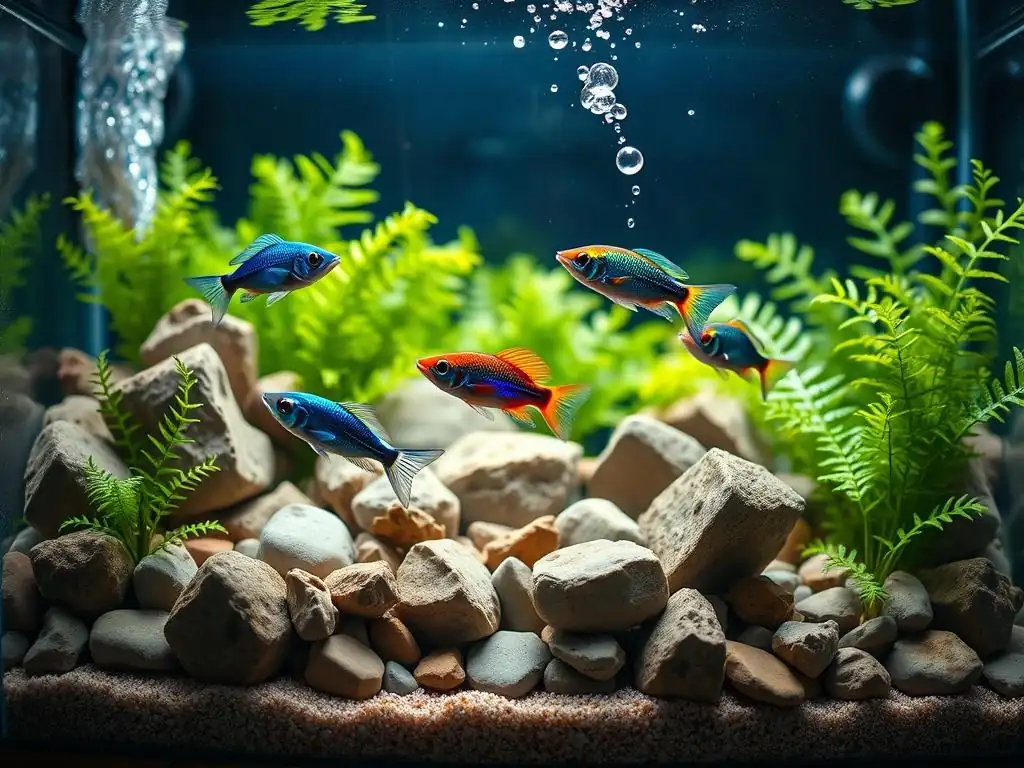
Ever wondered if you can unlock even more personality in your nano tank with a pair of adorable gobies? Dive in to discover the secrets of successfully pairing gobies, exploring the best strategies for group dynamics, and ensuring a thriving, peaceful community. Let's explore the fascinating world of Gobies in nano tanks and learn how to create the perfect underwater haven!
- Introduction: Exploring Gobies for Nano Reef Aquariums
- The Benefits and Challenges of Pairing Gobies in Nano Tanks
- Choosing the Right Goby Pair for Your Nano Reef
- Step-by-Step Guide to Introducing Gobies to a Nano Tank Environment
- Feeding Strategies for Paired Gobies in a Nano Reef
- Monitoring Goby Health and Behavior: Identifying Potential Issues
- Alternatives to Pairing: Considering a Single Goby or a Small Group
- Case Studies: Successful Goby Pairings in Nano Reef Aquariums
- Conclusion: Optimizing Goby Keeping in Nano Reefs for a Thriving Ecosystem
- Frequently Asked Questions
- Final Reflection: The Symbiotic Dance of Nano Life
- Unleash the Goby Power!
Introduction: Exploring Gobies for Nano Reef Aquariums
Gobies are a remarkably diverse family of fish, with over 2,000 known species, and their natural habitats vary widely, from shallow coral reefs and rocky intertidal zones to sandy bottoms and even freshwater environments. In their marine reef habitats, gobies are typically benthic, meaning they spend most of their time on or near the substrate. Many species are highly territorial, establishing small home ranges around a specific rock, coral, or burrow.
Their social dynamics range from solitary individuals, fiercely defending their space, to monogamous pair-bonds, often seen in symbiotic relationships with pistol shrimp, and in rare cases, loose aggregations or small schools. This inherent territoriality and diverse social structure are crucial considerations when planning to keep gobies in nano tanks.
Their reliance on the substrate for shelter and foraging is a defining characteristic. Many gobies are expert burrowers, creating intricate tunnels under live rock or in the sand, which they use for protection from predators and as a resting place. Others prefer to perch on corals or within rock crevices, blending seamlessly with their surroundings.
In the wild, their diet primarily consists of small benthic invertebrates, copepods, amphipods, and detritus, with some species also sifting sand for food particles. Replicating these natural behaviors and providing appropriate infrastructure is paramount for the well-being of gobies in nano tanks, ensuring they have adequate space and security to thrive.
Goby Species Suitable for Nano Aquariums: Size and Temperament
When considering gobies for nano tanks, selecting species that remain small and exhibit peaceful temperaments is essential. Popular choices for nano reef aquariums typically include species that mature at 1 to 4 inches.
Examples of excellent candidates include the Okinawa Clown Goby ( Gobiodon okinawae), which reaches about 1.5 inches and is known for its peaceful, perching behavior on corals; various Trimma and Eviota gobies, often staying under an inch, making them ideal for the smallest nano tanks; and the Yellow Watchman Goby ( Cryptocentrus cinctus), which grows to about 4-5 inches but is generally docile and forms a classic symbiotic relationship with pistol shrimp.
The temperament of these gobies varies but generally leans towards peacefulness. However, even typically docile species can exhibit aggression towards conspecifics (members of the same species) or similar-looking fish, especially if the nano tank lacks sufficient space or hiding spots. For instance, while an Okinawa Clown Goby is peaceful with other fish, two males of the same species might squabble in a confined 10-gallon tank. Understanding these nuances is key to successful goby keeping in nano tanks and preventing undue stress or harm to your aquatic inhabitants.
The Benefits and Challenges of Pairing Gobies in Nano Tanks
Advantages of Keeping Gobies in Pairs: Natural Behavior and Breeding
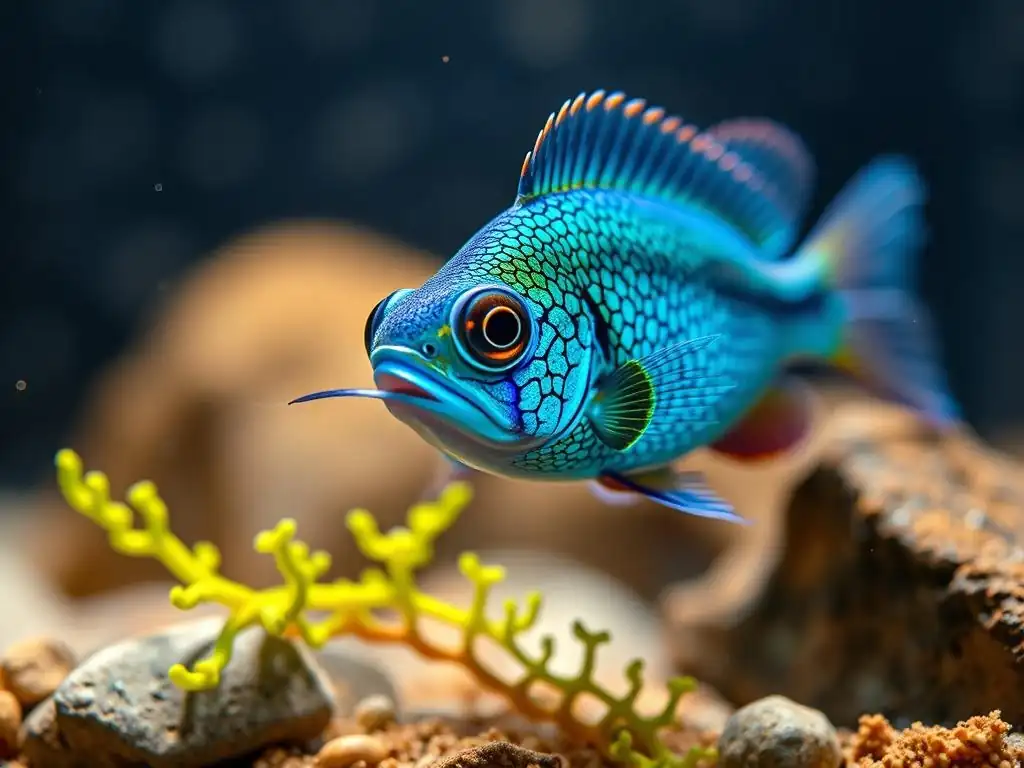
Keeping certain goby species in pairs, especially those known to form monogamous bonds or symbiotic relationships, can unlock a fascinating array of natural behaviors rarely observed with a single specimen. For instance, the classic pairing of a Yellow Watchman Goby ( Cryptocentrus cinctus) with a Tiger Pistol Shrimp ( Alpheus bellulus) creates a dynamic, cooperative partnership where the goby acts as a lookout while the shrimp maintains their shared burrow. This symbiotic dance is incredibly engaging and showcases the intricate adaptations of these creatures. Such pairings can transform a simple nano tank into a captivating miniature ecosystem.
Beyond symbiosis, some gobies, like many Gobiodon species (e.g., Green Clown Goby, Gobiodon atrangulatus), are known to form pairs and even breed successfully in captivity when provided with proper conditions. Observing courtship rituals, egg laying, and parental care (though often short-lived in a community tank) adds an immensely rewarding dimension to the hobby. A bonded pair often exhibits reduced stress, more confident behavior, and can become a more vibrant focal point in a nano reef system, providing a unique insight into their natural life cycle.
Potential Problems: Aggression, Competition, and Tank Size Limitations
While pairing gobies in nano tanks offers unique rewards, it also presents significant challenges, primarily revolving around aggression and the inherent limitations of small tank volumes. Many goby species, even those considered peaceful, can become highly territorial towards members of their own kind or closely related species, especially in the confined space of a nano tank.
This intraspecific aggression can manifest as constant chasing, fin nipping, or preventing the weaker individual from feeding, leading to chronic stress, starvation, and even death for the submissive fish. For example, attempting to pair two Diamond Watchman Gobies ( Valenciennea puellaris) in anything less than a 50-gallon tank would almost certainly result in intense territorial disputes.
Tank size is the most critical limiting factor for gobies in nano tanks. A 10-gallon nano, while suitable for a single small goby, is rarely adequate for a pair unless it's a very specific symbiotic duo or tiny, non-aggressive species like Trimma gobies.
Even for a pair of small Clown Gobies, a 15-20 gallon tank provides significantly more territorial space and reduces the likelihood of conflict. Overcrowding not only exacerbates aggression but also places a higher bioload on the filtration system, leading to rapid degradation of water quality, increased nitrate levels (e.g., rising from <5 ppm to 20+ ppm in days without sufficient maintenance), and a higher susceptibility to diseases for all inhabitants.
Choosing the Right Goby Pair for Your Nano Reef
Species Compatibility: Which Gobies Can Coexist Peacefully?
Successful goby pairing in nano tanks hinges on selecting compatible species, which most often means a male and female of the same species or, in symbiotic relationships, a specific goby and shrimp. For true pair-bonds, such as those seen in many shrimp gobies like Amblyeleotris guttata or Stonogobiops nematodes, introducing a known male-female pair is ideal. These species are generally peaceful with other fish but can be highly aggressive towards another goby of the same species if not a bonded mate. For instance, two un-paired Stonogobiops gobies would likely fight to the death in a 20-gallon nano tank.
When considering multiple gobies in a nano tank that are not a breeding pair, it's generally best to choose species that are vastly different in appearance and occupy different ecological niches. For example, a small, perching Clown Goby ( Gobiodon okinawae) might peacefully coexist with a burrowing Diamond Watchman Goby ( Valenciennea puellaris) in a 20-gallon or larger tank, as they don't compete directly for territory or food. However, attempting to pair two different species of burrowing gobies in a nano tank is highly discouraged due to their similar habitat requirements and inherent territoriality.
Size Considerations: Matching Gobies to Tank Volume
Matching the size of the gobies to the tank volume is paramount for their long-term health and preventing aggression in nano tanks. A general guideline is that a 10-gallon nano tank is typically suitable for only one small goby, such as an Okinawa Clown Goby (1.5 inches) or a small Trimma species (1 inch).
If you aspire to keep a pair, the minimum tank size often jumps to 20 gallons for smaller species, and 30 gallons or more for larger pairs like Yellow Watchman Gobies. For example, a pair of Okinawa Clown Gobies might be content in a well-aquascaped 15-gallon tank, but a pair of Yellow Watchman Gobies would ideally need a 30-gallon system to establish distinct, less overlapping territories.
Beyond just volume, the footprint of the nano tank also plays a significant role. A longer, shallower 20-gallon "long" tank (e.g., 30" x 12" x 12") provides more linear space for gobies to establish territories compared to a taller, narrower 20-gallon "high" tank (e.g., 24" x 12" x 16"). This extra horizontal space can dramatically reduce stress and aggression between paired gobies. Remember that two gobies will double the bioload, necessitating robust filtration and consistent weekly water changes of 15-20% to maintain pristine water quality and prevent nitrate accumulation, which can quickly exceed 20 ppm in an undersized system.
Identifying Male and Female Gobies
Sexing gobies, especially when they are young or for species that do not exhibit strong sexual dimorphism, can be challenging. For many goby species, males and females appear very similar, making it difficult for the average aquarist to distinguish them visually. However, some species do show subtle differences: male Trimma gobies, for instance, might display more vibrant coloration or elongated fin rays during breeding attempts. In certain shrimp gobies, the female may appear slightly plumper or show a more rounded abdomen when gravid with eggs.
The most reliable way to obtain a compatible pair for gobies in nano tanks, particularly for species known to form monogamous bonds, is often to purchase a "known pair" from a reputable breeder or specialized fish store. Alternatively, for species that are generally peaceful and form pairs from a group (e.g., some Gobiodon species), you might purchase a small group of 3-4 juveniles and allow them to naturally pair off in a larger observation tank.
Once a pair has clearly bonded and exhibits peaceful cohabitation, the non-paired individuals can be rehomed. This method, while requiring more initial investment, significantly increases the chances of a successful and harmonious pairing in your nano reef.
Step-by-Step Guide to Introducing Gobies to a Nano Tank Environment
Quarantine Procedures: Preventing Disease Introduction
Quarantining all new fish, including gobies, is a non-negotiable step, especially for nano tanks where the small water volume makes them highly susceptible to rapid disease outbreaks. A dedicated quarantine tank (QT) of at least 5-10 gallons, equipped with a heater, a small sponge filter or hang-on-back filter, and PVC pipes or small rock structures for hiding, is essential.
New gobies should be housed in the QT for a minimum of 2-4 weeks, allowing ample time to observe for any signs of disease, such as marine ich ( Cryptocaryon irritans), velvet ( Amyloodinium ocellatum), or bacterial infections (e.g., fin rot, cloudy eyes).
During the quarantine period, maintain pristine water quality through regular small water changes and consistent monitoring of parameters like ammonia, nitrite, and nitrate (ideally 0 ppm for all). Medicate only if specific symptoms are identified and a diagnosis is made, using appropriate treatments like copper-based medications for parasites or broad-spectrum antibiotics for bacterial issues, always following manufacturer instructions precisely. This rigorous quarantine protocol significantly reduces the risk of introducing pathogens that could decimate your carefully established nano reef and its existing inhabitants, ensuring the long-term health of your gobies in nano tanks.
Acclimation Process: Minimizing Stress for New Gobies
The acclimation process is crucial for minimizing stress and preventing osmotic shock when introducing new gobies to your nano tank. The drip acclimation method is highly recommended, as it slowly equalizes the temperature, salinity, and pH of the transport water with your aquarium water. Begin by floating the bag containing the goby in your nano tank for 15-20 minutes to equalize temperature. Then, transfer the goby and its bag water into a clean, separate container (e.g., a small bucket or plastic tub).
Using airline tubing and a control valve, set up a slow drip from your nano tank into the container holding the goby. Aim for a drip rate of about 2-3 drops per second. Allow this process to continue for 45-60 minutes, or until the volume of water in the container has quadrupled.
Finally, gently net the goby from the container and release it into your nano tank, being careful not to transfer any of the transport water into your display system. Dimming the tank lights for several hours after introduction can further reduce stress, allowing your new gobies to calmly explore their new home. When introducing a pair, it's best to release them simultaneously or within minutes of each other to encourage immediate bonding and reduce the chances of one establishing dominance before the other is present.
Initial Tank Setup: Creating Territory and Hiding Places
A thoughtfully designed tank setup is paramount for the success of gobies in nano tanks, especially when housing a pair. Gobies are inherently territorial and require ample hiding spots and visual barriers to feel secure and prevent aggression. For burrowing gobies like shrimp gobies, a deep sand bed of at least 2-3 inches is crucial, along with stable live rock arranged to create caves, crevices, and overhangs that they can use as part of their burrow system. Ensure the live rock is placed directly on the bottom glass before adding sand to prevent collapses.
For perching gobies, such as Gobiodon species, provide plenty of branching corals (e.g., Acropora, Stylophora) or intricate live rock structures where they can comfortably perch and retreat. Arranging the rockwork to create distinct zones or "neighborhoods" can help delineate territories for paired gobies, reducing direct competition. The goal is to establish a complex yet stable environment that mimics their natural habitat, offering numerous points of interest and escape routes. This proactive approach to aquascaping is key to fostering a harmonious environment for your gobies in nano tanks.
Feeding Strategies for Paired Gobies in a Nano Reef
Dietary Needs: Ensuring Proper Nutrition for Different Goby Species
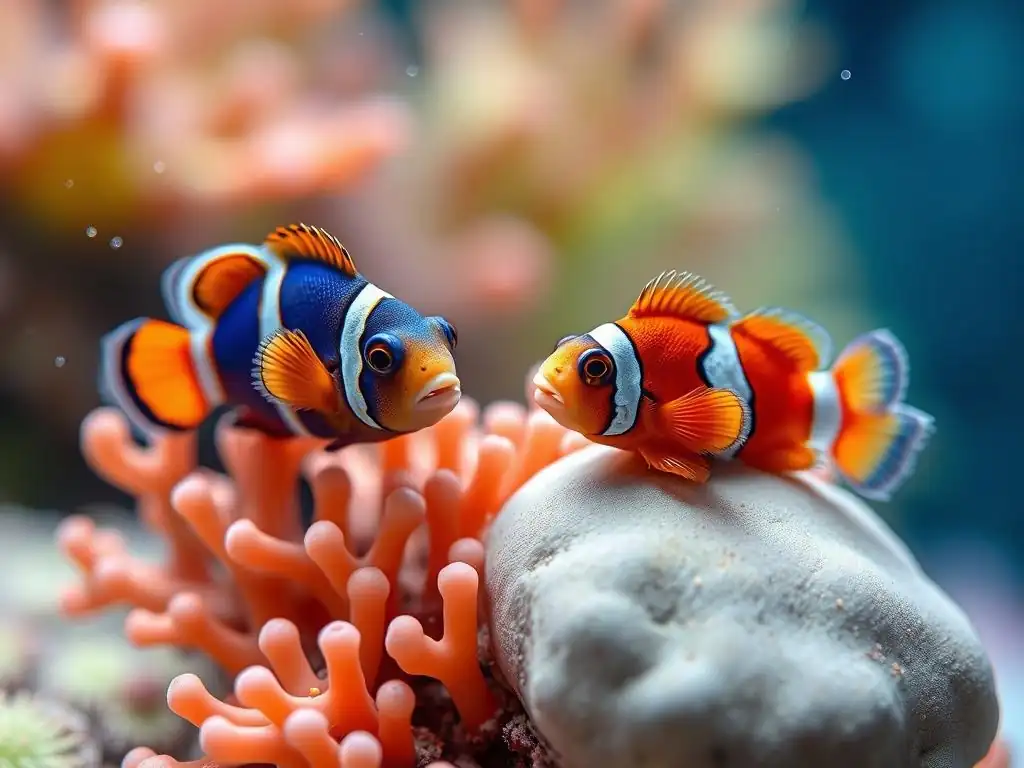
Gobies in nano tanks, like their wild counterparts, have diverse dietary needs that must be met for optimal health and vibrancy. Most gobies are carnivorous, primarily feeding on small benthic invertebrates, copepods, and amphipods found in the substrate or on live rock. Some, like the Diamond Watchman Goby ( Valenciennea puellaris), are sand-sifters, constantly sifting through the sand for small organisms and detritus. Others, such as the Clown Gobies ( Gobiodon species), are more prone to picking at coral polyps if not adequately fed, though this is often a rare occurrence with proper nutrition.
A varied diet is essential. High-quality frozen foods like mysis shrimp, enriched brine shrimp, cyclop-eeze, and finely chopped clam or fish are excellent staples. For smaller species, live copepods and amphipods are invaluable, providing natural foraging opportunities and essential fatty acids. For example, a typical feeding regimen for a pair of Yellow Watchman Gobies might involve small portions of frozen mysis shrimp twice daily, supplemented with a dose of live copepods once or twice a week. Ensure the food size is appropriate for the goby's mouth and that it sinks to their preferred feeding zone.
Targeted Feeding Techniques: Preventing Food Competition
In a nano tank setting with paired gobies, competition for food can quickly become an issue, especially if one goby is more dominant or a faster eater. To ensure both individuals receive adequate nutrition, targeted feeding techniques are highly effective. Using a turkey baster or a long pipette, you can precisely deliver food directly to each goby's hiding spot or territory. This method is particularly beneficial for shy gobies or those that might be outcompeted by more aggressive tank mates or even their own partner.
For example, if you have a pair of shrimp gobies that share a burrow, you can squirt food directly near the entrance of their burrow, ensuring both the goby and its symbiotic shrimp partner get their share. If one goby is noticeably more assertive, you might feed it first in one area of the tank, then immediately move to a different, more secluded spot to feed the other goby. This direct approach minimizes competition, reduces stress, and ensures that both gobies in your nano tank are well-nourished, leading to better health and more vibrant coloration.
Supplementing with Small Invertebrates
Supplementing the diet of gobies in nano tanks with live small invertebrates, such as copepods and amphipods, is highly beneficial and mimics their natural foraging behavior. These tiny crustaceans can reproduce within the aquarium, establishing a sustainable population that provides a continuous, natural food source for your gobies, particularly between frozen food feedings. This constant availability of live prey encourages natural hunting instincts, provides essential nutrients, and can significantly improve the overall health and vitality of your gobies.
Species like Tisbe copepods are excellent for smaller gobies and can colonize live rock and sand, while larger amphipods can be a good food source for bigger gobies. Regularly adding a starter culture of live copepods (e.g., 8 oz every 2-4 weeks for a 20-gallon tank) can boost the microfauna population, ensuring your gobies have access to a diverse and nutritious diet. This not only keeps them healthy but also reduces the likelihood of them picking at corals or becoming overly reliant on prepared foods, contributing to a more robust and self-sustaining nano reef ecosystem.
Monitoring Goby Health and Behavior: Identifying Potential Issues
Signs of Aggression: Fin Nipping, Chasing, and Bullying
Vigilant monitoring of your gobies' behavior in nano tanks is crucial for early detection of potential issues, especially aggression within a pair. Clear signs of aggression include constant chasing, fin nipping, or one goby persistently hiding and refusing to come out. If one goby appears significantly stressed, shows faded coloration, or exhibits physical injuries like torn fins or body scrapes, it's a strong indication of bullying. For instance, a dominant goby might repeatedly dart at its partner, preventing it from accessing food or prime hiding spots.
If severe aggression persists, intervention may be necessary. This could involve rearranging the live rockwork to create new territories and visual barriers, which sometimes resets the dynamic. However, if the aggression is relentless and causing harm, it's often best to separate the gobies. This might mean removing the aggressor to a separate tank or, in some cases, rehoming one of the individuals. Ignoring persistent aggression in a nano tank can lead to the death of the weaker goby due to chronic stress, starvation, or direct injury.
Disease Prevention and Treatment: Common Goby Ailments
Gobies in nano tanks, particularly when stressed by aggression or poor water quality, can be susceptible to common marine fish diseases. The most prevalent parasitic infections include marine ich ( Cryptocaryon irritans), characterized by small white spots resembling salt grains, and velvet ( Amyloodinium ocellatum), which appears as a fine, dusty coating. Bacterial infections, such as fin rot (eroded fins) and cloudy eyes, can also occur. Prevention is always the best approach, relying on strict quarantine procedures for new fish and maintaining stable, pristine water parameters.
If disease strikes, treatment typically requires removing the affected goby to a hospital tank to avoid medicating the main display, especially if it contains corals and invertebrates sensitive to medications. Copper-based medications are effective against ich and velvet, while broad-spectrum antibiotics are used for bacterial infections.
For example, a goby showing signs of ich might be treated with a therapeutic dose of copper sulfate (e.g., 0.2-0.3 ppm) in a dedicated 5-gallon hospital tank for 14-21 days. Maintaining stable temperature (e.g., 76-78°F) and salinity (1.025-1.026 specific gravity) is vital for strengthening their immune system and preventing stress-induced ailments in your gobies in nano tanks.
Water Quality Maintenance: Crucial for Goby Health in Nano Tanks
Maintaining impeccable water quality is arguably the single most important factor for the health and longevity of gobies in nano tanks. Due to their small water volume, nano tanks are far less forgiving of fluctuations in water parameters or accumulation of waste products. Regular testing for ammonia (0 ppm), nitrite (0 ppm), nitrate (<10-20 ppm), salinity (1.025-1.026), pH (8.1-8.4), and temperature (76-78°F) is absolutely essential. Even slight deviations can stress gobies and make them prone to disease.
Consistent maintenance practices are key. Weekly water changes of 10-20% are often necessary, especially in a nano tank housing a pair of gobies, to dilute nitrates and replenish essential trace elements. Always use high-quality RO/DI (Reverse Osmosis/Deionized) water mixed with a reputable marine salt brand.
Ensure your filtration system is robust enough for the bioload – a hang-on-back filter with activated carbon and filter floss, or a small protein skimmer for larger nano tanks (e.g., 20+ gallons), can significantly help maintain water clarity and chemical stability. Good water flow within the tank also prevents detritus buildup and ensures proper gas exchange, all contributing to a healthy environment for your gobies in nano tanks.
Alternatives to Pairing: Considering a Single Goby or a Small Group
The Lone Goby: Advantages of Keeping a Single Specimen
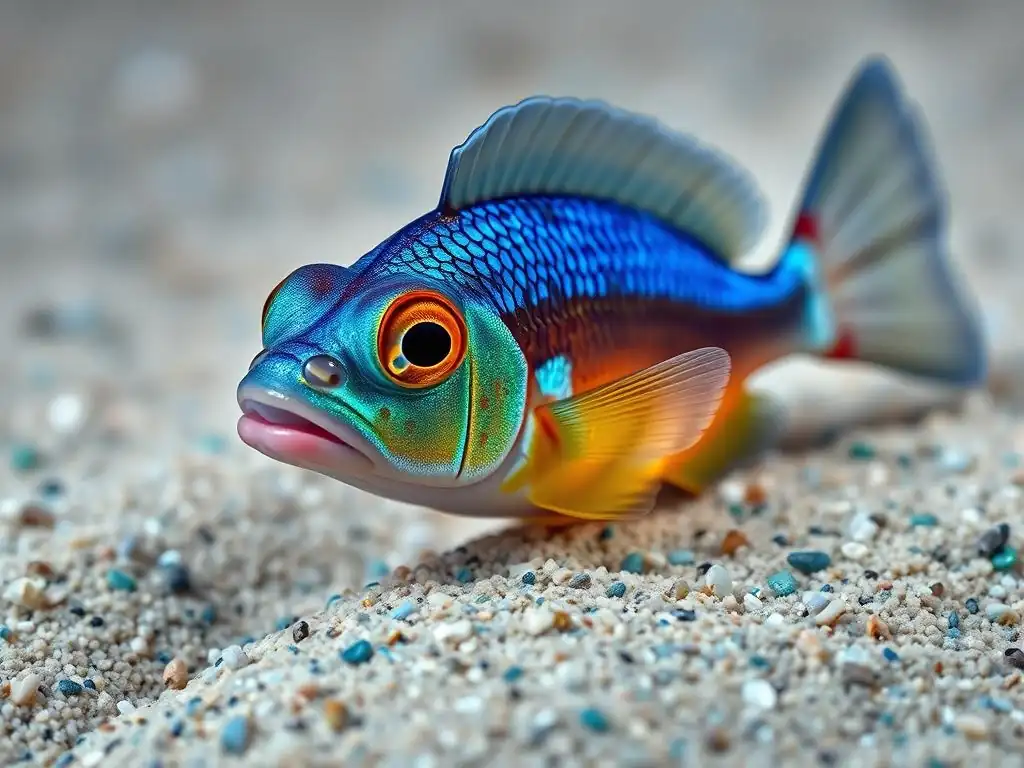
For many aquarists, particularly those with smaller nano tanks (under 15-20 gallons), keeping a single goby is often the most straightforward and successful approach. The primary advantage of a lone goby is the significantly reduced bioload, which makes maintaining pristine water quality far easier. With only one fish, there's less waste production, less demand on filtration, and a lower risk of nitrate accumulation. This simplified maintenance can be a huge benefit for busy hobbyists.
Furthermore, a single goby eliminates all risks of intraspecific aggression or competition for food and territory. This results in a less stressed, healthier fish that is more likely to exhibit its natural behaviors confidently. A single Yellow Watchman Goby, for example, can become a very personable and engaging centerpiece in a 15-gallon nano tank, often becoming quite interactive with its owner. Similarly, a lone Diamond Watchman Goby ( Valenciennea puellaris) is an excellent choice for a 20-gallon or larger system, diligently sifting the sand and keeping it clean without competing with another goby.
Small Group Dynamics: Species That Tolerate Congeners
While most goby species are best kept singly or in bonded pairs, a very select few can be successfully maintained in small groups in nano tanks, provided the tank is adequately sized (typically 20 gallons or larger) and heavily aquascaped. The most common examples are the tiny Trimma and Eviota gobies, which are often sold in small groups because they are naturally schooling or shoaling fish in the wild. These species are generally less territorial towards their own kind and can form loose aggregations.
However, even with these exceptions, careful consideration is necessary. A group of 3-5 Trimma gobies, each typically under an inch, might thrive in a 20-gallon nano tank if introduced simultaneously and if the tank offers abundant hiding spots and visual breaks within the rockwork.
Despite their generally peaceful nature, a pecking order can still establish, and constant vigilance for signs of aggression is required. This strategy is not recommended for the vast majority of goby species, especially more robust or territorial types, as it almost invariably leads to stress, aggression, and potential fatalities in the confined space of nano tanks.
Case Studies: Successful Goby Pairings in Nano Reef Aquariums
Case Study 1: Yellow Watchman Goby (Cryptocentrus cinctus) and Tiger Pistol Shrimp (Alpheus bellulus) Pairing in a 10-Gallon Tank
One notable success involved a 10-gallon nano reef tank, established for over a year, featuring a deep sand bed (approximately 3 inches) and a stable live rock structure providing ample crevices. A 3.5-inch male Yellow Watchman Goby ( Cryptocentrus cinctus) was introduced first, followed by a 2-inch Tiger Pistol Shrimp ( Alpheus bellulus) a week later after proper quarantine. The tank maintained consistent water parameters: salinity 1.025 specific gravity, temperature 77°F, and nitrates consistently below 5 ppm.
Within three days of the shrimp's introduction, the goby and shrimp formed their classic symbiotic relationship. The shrimp excavated an intricate burrow system under a large piece of live rock, with the goby standing guard at the entrance. They exhibited fascinating cooperative behaviors, with the goby signaling danger by flicking its tail, prompting both to retreat into the burrow.
They were fed small portions of frozen mysis shrimp and live copepods daily. This specific pairing thrived for over two years, demonstrating that a true symbiotic goby-shrimp pair can successfully inhabit a 10-gallon nano tank when meticulous attention is paid to aquascaping, water quality, and feeding.
Case Study 2: Ocellaris Clownfish (Amphiprion ocellaris) and Yellow Clown Goby (Gobiodon okinawae) in a 20-Gallon Tank
Another successful nano reef scenario involved a 20-gallon long (30" x 12" x 12") tank, established for six months, housing a variety of LPS and SPS corals, including a large, healthy Euphyllia coral. A single, established 2-inch Ocellaris Clownfish ( Amphiprion ocellaris) was the primary inhabitant. Two 1-inch Yellow Clown Gobies ( Gobiodon okinawae) were introduced simultaneously after a thorough 3-week quarantine period. Water parameters were rigorously maintained at salinity 1.026, temperature 78°F, and nitrates at undetectable levels.
The two Yellow Clown Gobies quickly established a shared territory within a branching Stylophora coral, perching comfortably among its polyps. They displayed no aggression towards each other or the clownfish, which continued to host exclusively in the Euphyllia coral on the opposite side of the tank. The gobies readily accepted small frozen foods like cyclop-eeze and finely crushed mysis shrimp, and were observed picking at the live rock throughout the day.
This pair even spawned once, laying a small clutch of eggs within their coral, although the fry were not reared. This case exemplifies a harmonious multi-species nano tank, where two peaceful goby species can coexist with another fish due to distinct niche partitioning and adequate space in a 20-gallon system.
Conclusion: Optimizing Goby Keeping in Nano Reefs for a Thriving Ecosystem
Frequently Asked Questions
How many gobies can I keep in my nano tank?
The number of gobies depends on the tank size and species. Generally, a nano tank (under 30 gallons) should only house one or two small goby species to prevent territorial aggression and maintain water quality.
What goby species are best suited for nano tanks?
Suitable nano tank gobies include clown gobies, yellow watchman gobies (in larger nano tanks), and neon gobies. Avoid larger, more aggressive species like engineer gobies that require more space.
Can I keep different goby species together in a nano tank?
Mixing goby species in a nano tank can be risky. Choose species with different ecological niches and temperaments to minimize competition for food and territory. Thorough research is crucial.
What are the signs of aggression between gobies in a nano tank?
Signs of aggression include chasing, nipping fins, hiding, and decreased appetite. Immediate action, such as separating the gobies, is necessary if aggression is observed.
What are the key considerations for successfully pairing gobies in a nano tank?
Ensure the tank is adequately sized, provide plenty of hiding places, and introduce both gobies simultaneously. Careful observation and a well-established tank are essential for success.
Final Reflection: The Symbiotic Dance of Nano Life
The exploration of goby pairing and group dynamics in nano tanks, as we've seen, isn't just about aesthetics; it's about understanding the intricate ecosystems we create within these miniature worlds. This understanding is crucial now more than ever, as the popularity of nano aquariums continues to surge, demanding responsible and informed husbandry practices to ensure the well-being of these tiny creatures.
The delicate balance within a nano tank underscores the profound impact even small choices can have on an entire community. My own journey into nano aquascaping has taught me the importance of patient observation and continuous learning. In nature, nothing exists alone.
- Rachel Carson. This quote resonates deeply when considering the interconnectedness of life within a nano tank, where the success of one species is often intertwined with the well-being of another.
As you consider adding gobies to your own nano tank, I invite you to reflect on the lessons we've explored. Let the principles of compatibility, space, and responsible research guide your decisions. By embracing a mindful approach, you can create not just a visually stunning aquarium, but a thriving ecosystem where these fascinating creatures can flourish, showcasing the beauty and complexity of the underwater world in miniature.
Unleash the Goby Power!
Thanks for diving into the world of gobies! Hopefully, you've discovered the secrets to creating a thriving nano-tank community with these fascinating fish. Now, it's time to put that knowledge into action!
Here's how to take the next step:
- Take the plunge and introduce a compatible goby pair to your nano tank! Observe their interactions closely to ensure a harmonious environment.
- Explore specialized forums to connect with other nano tank enthusiasts and share your unique goby pairing experiences.
- Consider creating a short video showcasing your goby's behaviour and post it on social media, using the hashtag #NanoTankGobies.
What fascinating goby pairing strategy will you try first?