
Leopard Blenny: A Spotted Marvel and Its Unique Nano Tank Needs

Welcome to Aquarium Mastery!
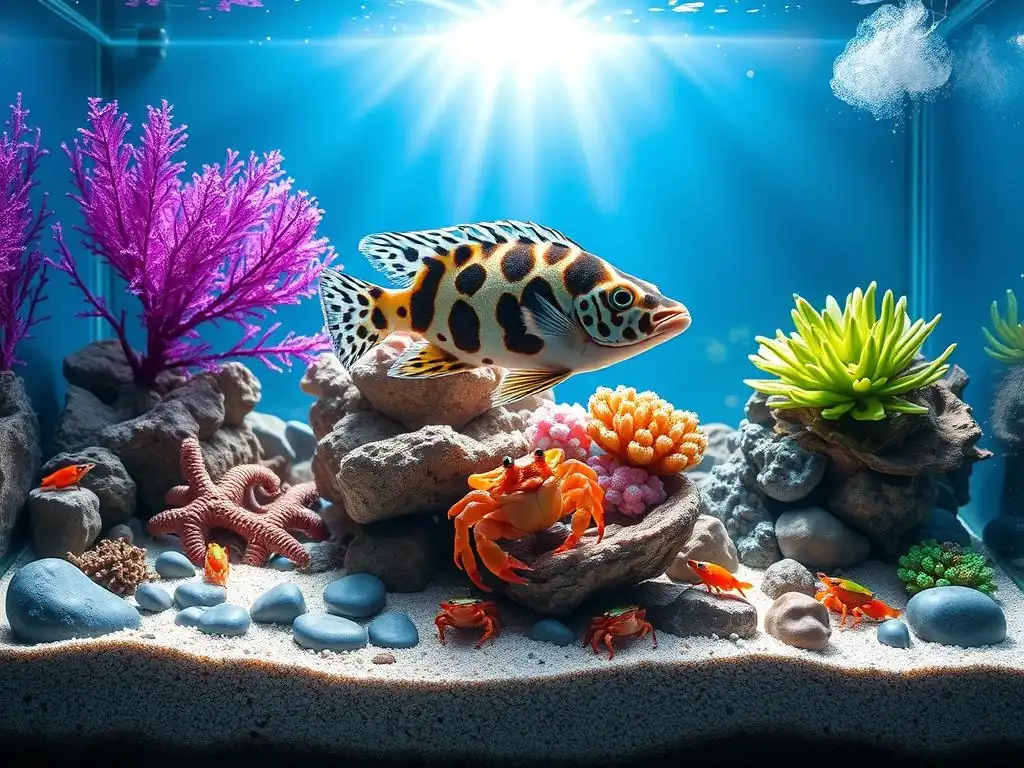
Ever wondered if you could keep a tiny, captivating reef inhabitant in a nano tank? Prepare to be amazed! Our latest deep dive explores the fascinating world of the Leopard Blenny, and uncovers the secrets to successfully creating its perfect nano tank environment. Ready to unlock the key to keeping this spotted marvel thriving? Let's dive in!
- Introduction to the Leopard Blenny: A Captivating Nano Reef Addition
- Leopard Blenny Care Guide: Essential Information
- Setting Up a Leopard Blenny Nano Tank: Step-by-Step
- Leopard Blenny Behavior and Temperament: Understanding Their Quirks
- Leopard Blenny Health and Disease: Prevention and Treatment
- Breeding Leopard Blennies: Is it Possible in a Home Aquarium?
- Troubleshooting Common Leopard Blenny Nano Tank Issues
- Leopard Blenny vs. Other Blenny Species: Making the Right Choice
- Conclusion: Enjoying the Beauty of a Leopard Blenny in Your Nano Reef
-
Frequently Asked Questions
- What is a Leopard Blenny and why is it considered a "spotted marvel"?
- Can Leopard Blennies thrive in nano tanks, and if so, what size is recommended?
- What are the specific water parameters required to keep a Leopard Blenny healthy in a nano tank?
- What kind of diet does a Leopard Blenny need in a nano tank environment?
- What are some common health issues Leopard Blennies face in nano tanks, and how can they be prevented?
- Final Reflection: Appreciating the Delicate Balance
- Unleash the Beauty: Start Your Leopard Blenny Adventure!
Introduction to the Leopard Blenny: A Captivating Nano Reef Addition
Why Choose a Leopard Blenny for Your Nano Reef Aquarium?
The Leopard Blenny, Exallias brevis, offers a delightful blend of unique aesthetics and engaging behavior, making it an excellent choice for the discerning nano reef aquarist. Its distinctive spotted pattern, ranging from deep brown to reddish-orange on a lighter background, provides a captivating focal point in a smaller aquatic environment. Unlike some larger, more boisterous marine species, the Leopard Blenny's modest adult size, typically around 3.5 to 4 inches (9-10 cm), allows it to thrive without overcrowding a compact setup.
Beyond their visual appeal, these blennies exhibit fascinating personalities. They are often observed perching on live rock, diligently grazing on microalgae and detritus, or darting between crevices with surprising agility. Their relatively peaceful disposition towards other non-similar fish species means they can integrate well into a carefully planned community, adding a dynamic and natural element to your Leopard blenny nano tank.
Leopard Blenny ( Exallias brevis): A Brief Overview
The Leopard Blenny, scientifically known as Exallias brevis, originates from the Indo-Pacific region, spanning from the Red Sea to the central Pacific Ocean, including diverse locales like the Great Barrier Reef and the waters around Japan. In their natural habitat, they are typically found clinging to hard corals and rocky substrates in shallow reef environments, often at depths ranging from 3 to 60 feet (1 to 18 meters). Their coloration provides excellent camouflage amidst the intricate patterns of coral branches and rocks.
These blennies are primarily herbivorous, feeding on filamentous algae, detritus, and small benthic invertebrates that they glean from the surfaces of rocks and corals. Their specialized comb-like teeth are perfectly adapted for scraping these food sources. In a home aquarium, understanding their natural diet is crucial for providing appropriate nutrition and ensuring their long-term health within a Leopard blenny nano tank.
Leopard Blenny Care Guide: Essential Information
Ideal Leopard Blenny Tank Size: Is a Nano Tank Suitable?
A Leopard blenny nano tank is indeed suitable, provided it meets specific volume and aquascaping requirements. For a single Leopard Blenny, a minimum tank size of 10 gallons (approximately 38 liters) is generally recommended. While they are not highly active swimmers, their need for ample live rock with numerous crevices and perching spots necessitates a tank that offers sufficient real estate for exploration and territory establishment.
For optimal health and to reduce potential stress, a 15 to 20-gallon (57-76 liter) nano tank is often preferred, especially if considering a very small number of other peaceful, compatible inhabitants. This slightly larger volume also contributes to greater water parameter stability, which is a critical factor in any nano reef environment. The key is not just the gallonage, but the physical space and structural complexity provided by the aquascape.
Water Parameters for Leopard Blennies: Maintaining a Healthy Environment
Maintaining stable and appropriate water parameters is paramount for the health of any marine inhabitant, especially in a small Leopard blenny nano tank. Leopard Blennies thrive in conditions that mimic their natural coral reef habitat. The ideal temperature range is between 72-78°F (22-26°C). Fluctuations should be minimized, ideally staying within a 1-2°F range daily.
Salinity should be kept stable at 1.023-1.026 specific gravity, or 32-35 parts per thousand (ppt). The pH level should be maintained between 8.1 and 8.4. Additionally, monitoring alkalinity (8-12 dKH), calcium (400-450 ppm), and magnesium (1250-1350 ppm) is important, particularly if you plan to keep corals alongside your blenny. Regular water testing, at least once a week for key parameters like salinity, pH, ammonia, nitrite, and nitrate, is essential to quickly identify and correct any imbalances.
Leopard Blenny Diet and Feeding: Ensuring Proper Nutrition
What Do Leopard Blennies Eat in the Wild?
In their natural coral reef habitats, Leopard Blennies are primarily micro-grazers. Their diet consists predominantly of filamentous algae, diatoms, and detritus that they meticulously scrape from live rock and coral surfaces. They also consume a variety of tiny benthic invertebrates, such as copepods and amphipods, which are often found living within the algal turf. This natural feeding behavior highlights their continuous grazing habit throughout the day.
This specialized diet means they are not typically predatory fish, but rather rely on the natural productivity of the reef to sustain themselves. Providing a mature, established Leopard blenny nano tank with plenty of live rock will allow them to exhibit this natural grazing behavior, which is crucial for their well-being and helps them feel secure in their environment.
Recommended Foods for Leopard Blennies in Captivity
To replicate their natural diet in captivity, a varied approach is best. High-quality marine flakes and pellets that are rich in spirulina or other algae are excellent staples. It is also beneficial to offer sheets of dried marine algae (nori), which can be clipped to the tank glass, allowing the blenny to graze on it throughout the day. This provides both nutrition and an engaging activity.
Supplementing their diet with frozen foods such as spirulina-enriched brine shrimp, mysis shrimp, and finely chopped marine preparations is also highly recommended. These provide essential proteins and fats. Ensuring that the tank has established live rock with natural algae growth and a healthy population of microfauna (like copepods) will further enhance their dietary intake and overall health in a Leopard blenny nano tank.
Feeding Frequency and Amounts
Due to their continuous grazing nature in the wild, Leopard Blennies benefit from frequent, small feedings in captivity rather than one large meal. Aim to feed them two to three times per day, offering only what they can consume within a few minutes. This prevents uneaten food from decaying and negatively impacting water quality, which is especially critical in the smaller volume of a Leopard blenny nano tank.
If offering nori, a small sheet can be left in the tank for several hours or even a full day, as they will graze on it intermittently. Observe your blenny's behavior closely; a healthy Leopard Blenny will actively graze and show interest in offered foods. If they appear thin or reluctant to eat, adjust feeding frequency or food types accordingly.
Leopard Blenny Tank Mates: Compatibility and Considerations
Good Tank Mates for Leopard Blennies
Leopard Blennies are generally peaceful and can coexist with a variety of small, non-aggressive marine fish and invertebrates. Ideal tank mates include other small gobies, such as Watchman Gobies ( Cryptocentrus cinctus) or Clown Gobies ( Gobiodon okinawae), which occupy different niches in the tank and typically do not compete for food or territory. Small cardinalfish, such as Banggai Cardinalfish ( Pterapogon kauderni), or peaceful firefish ( Nemateleotris magnifica) are also suitable choices, as they tend to swim in the mid-water column, avoiding direct competition with the bottom-dwelling blenny.
Invertebrates like various species of snails (e.g., Nassarius snails, Astrea snails) and hermit crabs (e.g., small blue-legged or red-legged hermits) make excellent clean-up crew members and pose no threat to the blenny. Small, peaceful shrimp species like Cleaner Shrimp ( Lysmata amboinensis) can also be housed successfully in a Leopard blenny nano tank.
Fish to Avoid Housing with Leopard Blennies
When selecting tank mates for a Leopard blenny nano tank, it's crucial to avoid aggressive, predatory, or very large fish that could intimidate or prey upon the blenny. Examples include large angelfish, triggers, puffers, or aggressive damselfish. These species can cause significant stress or physical harm to the small and relatively docile Leopard Blenny.
Furthermore, avoid housing the Leopard Blenny with other blennies or fish that have a very similar body shape and diet, especially in a smaller nano tank, unless the tank is significantly large (50+ gallons) and offers abundant distinct territories. While Leopard Blennies are generally peaceful, they can become territorial towards conspecifics or closely related species, leading to aggression and competition for food and space. For a single Leopard Blenny in a nano setup, it is best to err on the side of caution and choose distinctly different tank mates.
Setting Up a Leopard Blenny Nano Tank: Step-by-Step
Choosing the Right Nano Tank for a Leopard Blenny
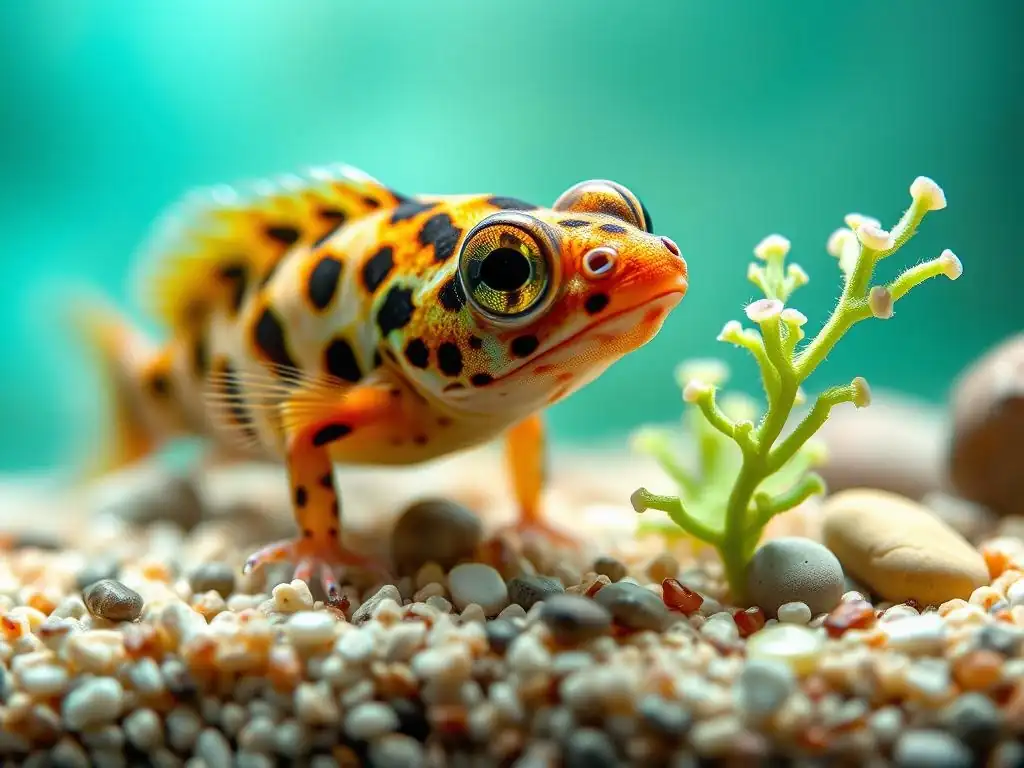
When establishing a Leopard blenny nano tank, the choice of the aquarium itself is foundational. As previously mentioned, a tank size of 10-20 gallons (approximately 38-76 liters) is ideal for a single Leopard Blenny. While a 10-gallon tank can suffice, a 15 or 20-gallon tank offers more stability and space for aquascaping, which is crucial for this species. Consider tanks with a wider footprint rather than tall, narrow designs, as blennies prefer horizontal surfaces for perching and grazing.
Many all-in-one (AIO) nano tanks are excellent options, as they come equipped with built-in filtration and sumps, simplifying the setup process and maintaining a clean aesthetic. These integrated systems often include designated compartments for heaters and protein skimmers, making the management of a Leopard blenny nano tank more efficient.
Essential Equipment for a Leopard Blenny Tank
Filtration Systems for Small Reef Aquariums
For a Leopard blenny nano tank, robust filtration is non-negotiable due to the smaller water volume's susceptibility to rapid parameter shifts. A combination of mechanical, biological, and chemical filtration is recommended. Live rock serves as the primary biological filter, providing vast surface area for beneficial bacteria that process ammonia and nitrite; aim for approximately 1-1.5 pounds of live rock per gallon.
Mechanical filtration can be achieved with filter socks or sponges, which should be cleaned or replaced regularly (e.g., every few days) to prevent nitrate buildup. Chemical filtration, such as activated carbon or GFO (granular ferric oxide), helps remove dissolved organic compounds and phosphates, maintaining water clarity and purity. Many AIO systems integrate these components effectively, making them a streamlined choice for a Leopard blenny nano tank.
Lighting Requirements for Leopard Blennies
Leopard Blennies themselves do not have highly specific lighting demands; moderate lighting suitable for viewing and encouraging natural algal growth is sufficient. However, if you plan to keep photosynthetic corals or macroalgae in your Leopard blenny nano tank, the lighting system must be chosen to meet their specific PAR (photosynthetically active radiation) requirements.
Modern LED lighting fixtures are highly versatile, offering adjustable intensity and spectrum, making them an excellent choice for nano reefs. They provide sufficient light for both the blenny's environment and any low-to-moderate light corals (e.g., soft corals, LPS corals) you might wish to include. Ensure the lighting schedule is consistent, typically 8-10 hours per day, mimicking natural daylight cycles.
Heating and Circulation
Maintaining a stable temperature is critical for the health of a Leopard Blenny. A submersible heater with a thermostat, appropriately sized for your Leopard blenny nano tank (e.g., 50-75 watts for a 10-15 gallon tank), is essential to keep the water within the ideal range of 72-78°F (22-26°C). Placing the heater in an area with good water flow will ensure even heat distribution.
Gentle water circulation is also important to prevent dead spots and ensure oxygenation. A small powerhead or wavemaker, rated for nano tanks, can provide adequate flow without creating excessive turbulence that might stress the blenny. Aim for a flow rate that circulates the tank water 10-20 times per hour, ensuring detritus is suspended for filtration but allowing the blenny to comfortably perch and move about.
Creating a Leopard Blenny-Friendly Aquascape
Providing Hiding Places and Grazing Surfaces
The aquascape of a Leopard blenny nano tank should prioritize providing ample hiding places and extensive grazing surfaces. Live rock is the cornerstone of this design. Arrange the live rock to create numerous caves, crevices, and overhangs where the blenny can retreat and feel secure. These structures also provide an increased surface area for the growth of beneficial algae and microfauna, which are crucial components of the blenny's natural diet.
Ensure that the rockwork is stable and securely stacked to prevent collapses, which can be disastrous in a small tank. Creating varying heights and textures with the rock will also enhance the visual appeal and provide diverse perching opportunities for your blenny. The more complex and natural the rock structure, the more comfortable and active your Leopard Blenny will be.
Substrate Selection for a Nano Reef
For a Leopard blenny nano tank, the choice of substrate contributes to both aesthetics and water chemistry. Aragonite sand or crushed coral is the preferred substrate for saltwater aquariums due to its buffering capacity, which helps maintain stable pH levels. A substrate bed of 1-2 inches (2.5-5 cm) is generally sufficient for a nano reef.
While Leopard Blennies are not burrowing fish, a fine-to-medium grain sand provides a natural base for the aquascape and can support beneficial denitrifying bacteria in deeper sections. Ensure the sand is rinsed thoroughly before adding it to the tank to prevent cloudiness. The substrate also offers another surface for the growth of microalgae and detritus, which the blenny may occasionally graze upon.
Leopard Blenny Behavior and Temperament: Understanding Their Quirks
Observing Natural Leopard Blenny Behaviors
Observing the natural behaviors of your Leopard Blenny is one of the most rewarding aspects of keeping them in a Leopard blenny nano tank. These blennies are renowned for their distinctive "perching" habit, often found resting on prominent rocks, corals, or even the glass, seemingly observing their surroundings with curious eyes. They frequently exhibit a unique "bobbing" motion, subtly shifting their bodies up and down, which is characteristic of many blenny species.
They are primarily bottom-dwellers, meticulously grazing on surfaces throughout the day, using their specialized teeth to scrape off algae and detritus. You will often see them darting quickly from one perch to another, especially if startled, before resuming their stationary vigilance. Their inquisitive nature means they will often peer out from their chosen spots, interacting with their environment in a calm yet engaging manner.
Identifying and Addressing Potential Behavioral Issues
While Leopard Blennies are generally peaceful, certain behavioral issues can arise, particularly in a confined Leopard blenny nano tank. The most common issue is aggression or territoriality towards conspecifics (other Leopard Blennies) or fish with similar body shapes and diets, especially if the tank lacks sufficient space and hiding spots. In most nano setups, it is best to keep only one Leopard Blenny to prevent such conflicts.
If aggression towards other tank mates is observed, it often stems from competition for food or territory. Ensure adequate feeding, distributing food widely to prevent a single fish from monopolizing it. Rearranging the rockwork can sometimes alleviate territorial disputes by creating new boundaries and visual breaks, offering more distinct "homes" for each inhabitant. Persistent aggression might necessitate relocating the more aggressive fish or, ideally, providing a larger aquarium.
Leopard Blenny Health and Disease: Prevention and Treatment
Common Diseases Affecting Leopard Blennies
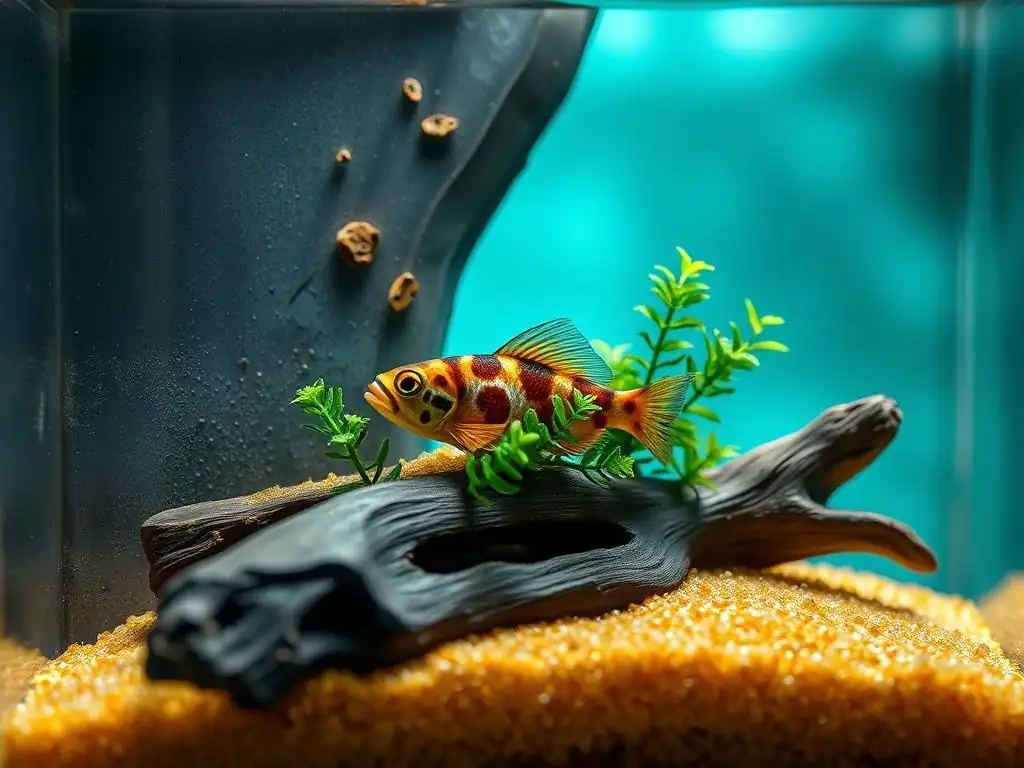
Leopard Blennies, like all marine fish, are susceptible to common saltwater diseases, especially if stressed by poor water quality, inadequate diet, or improper tank mates in a Leopard blenny nano tank. The most prevalent external parasites include Marine Ich ( Cryptocaryon irritans) and Marine Velvet ( Amyloodinium ocellatum), which manifest as white spots or a dusty appearance on the fish's body and fins.
Bacterial infections can also occur, often presenting as fin rot, cloudy eyes, or red sores. Internal parasites, though less common, can lead to lethargy and wasting. Fungal infections are rare in properly maintained saltwater systems but can appear as cotton-like growths. Vigilant observation and maintaining pristine water conditions are the best preventative measures against these ailments.
Recognizing Signs of Illness in Leopard Blennies
Early detection of illness is crucial for successful treatment in a Leopard blenny nano tank. Be attentive to any changes in your Leopard Blenny's appearance or behavior. Signs of distress or disease include clamped fins, rapid or labored breathing, loss of appetite, lethargy, or hiding more than usual. Physical symptoms might include white spots (Ich), a velvety film (Velvet), frayed fins, cloudy eyes, or unusual growths.
Changes in coloration, such as fading or darkening, can also indicate stress or illness. If you notice any of these signs, prompt action is necessary. Isolate the affected fish in a quarantine tank if possible, and begin appropriate treatment based on the identified symptoms. Addressing the underlying cause, such as poor water quality, is equally important to prevent recurrence.
Quarantine Procedures for New Leopard Blennies
Implementing a strict quarantine procedure for any new Leopard Blenny before introducing it to your main Leopard blenny nano tank is paramount for disease prevention. A separate quarantine tank, typically 5-10 gallons, should be set up with a heater, small filter, and a few PVC pipes or inert rock for hiding. This tank does not require substrate or elaborate lighting, simplifying cleaning and observation.
New blennies should be quarantined for at least 2-4 weeks. During this period, observe them closely for any signs of disease, parasites, or unusual behavior. You can opt for prophylactic treatments (e.g., a freshwater dip, or a low-dose copper treatment for a few days) if you suspect a particular issue, but often, just observation and stable conditions are sufficient. This critical step minimizes the risk of introducing pathogens that could devastate your established reef system.
Breeding Leopard Blennies: Is it Possible in a Home Aquarium?
Challenges of Breeding Leopard Blennies in Captivity
Breeding Leopard Blennies in a home aquarium, particularly in a Leopard blenny nano tank, is exceptionally challenging and rarely achieved by hobbyists. One significant hurdle is reliably identifying sexes, as sexual dimorphism in Exallias brevis is often subtle, with males potentially having slightly larger dorsal fins or more intense coloration during breeding periods. Inducing spawning requires highly specific environmental cues, including pristine water quality, precise temperature, and potentially specific photoperiods or lunar cycles.
Even if spawning occurs, the eggs are typically laid in crevices and guarded by the male, but the larvae are planktonic and extremely small upon hatching. Raising these tiny larvae presents the greatest difficulty, as they require live, microscopic food sources (e.g., rotifers, copepod nauplii) of specific sizes and densities that are difficult to culture and maintain in sufficient quantities. The survival rate of Leopard Blenny larvae in captive environments is extremely low, making successful captive breeding a rare feat for dedicated public aquariums or highly specialized breeders.
Troubleshooting Common Leopard Blenny Nano Tank Issues
Maintaining Stable Water Parameters in a Small Volume Tank
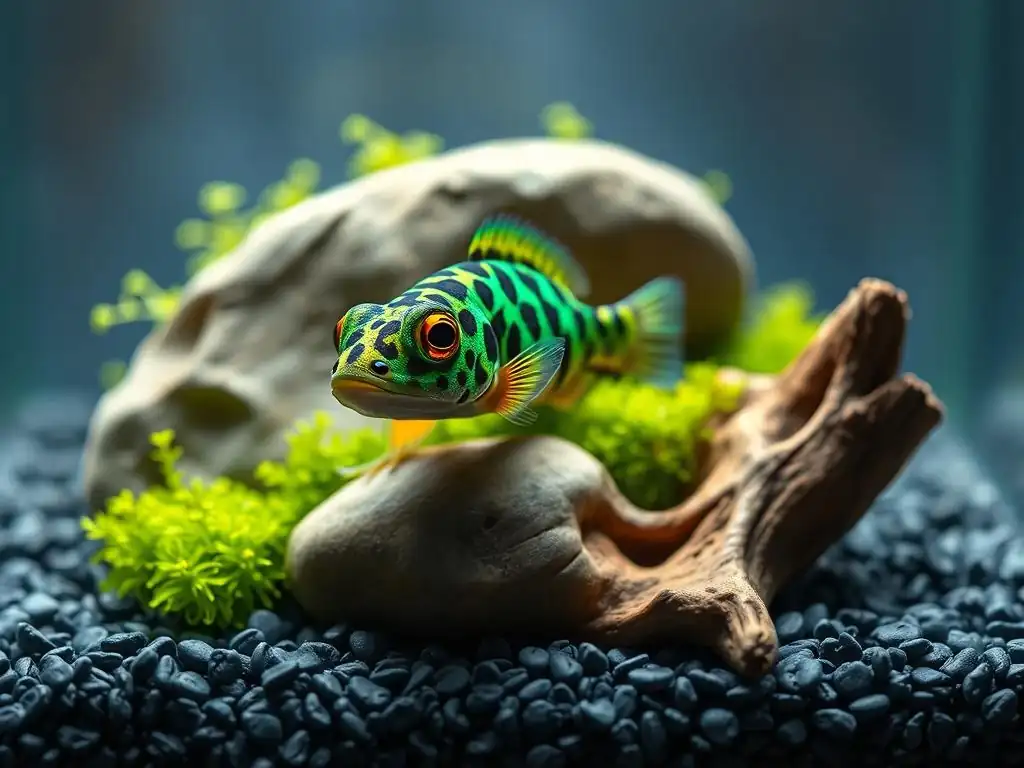
One of the most persistent challenges in a Leopard blenny nano tank is maintaining stable water parameters due to the smaller water volume. Small tanks are more susceptible to rapid fluctuations in temperature, salinity, and nutrient levels compared to larger systems. A slight oversight in feeding or a missed water change can quickly lead to ammonia or nitrate spikes.
To combat this, perform regular, small water changes (e.g., 10-15% weekly) with high-quality reverse osmosis/deionized (RO/DI) water mixed with a good marine salt. Use reliable test kits to monitor parameters frequently, ideally daily or every other day for the first few weeks, then weekly once the tank is stable. Consider an auto top-off (ATO) system to consistently replenish evaporated water with fresh RO/DI water, preventing salinity swings. Overfeeding should be strictly avoided, as it is a major contributor to nutrient buildup in small volumes.
Addressing Leopard Blenny Aggression or Competition
While Leopard Blennies are generally peaceful, aggression or competition can arise in a Leopard blenny nano tank, usually due to territorial disputes or insufficient resources. If your blenny is showing aggression towards tank mates, especially those of similar size or body shape, the primary cause is often a lack of sufficient hiding places or defined territories.
To address this, re-evaluate your aquascape. Add more live rock to create additional caves, overhangs, and visual barriers. This allows each fish to establish its own perceived territory and retreat when stressed. Ensure that all inhabitants are receiving adequate food; sometimes, competition for food can manifest as aggression. If aggression persists despite these measures, consider rehoming the more aggressive fish or, ideally, upgrading to a larger tank where territorial boundaries are less likely to overlap.
Leopard Blenny vs. Other Blenny Species: Making the Right Choice
Comparing Leopard Blennies to Other Popular Blenny Varieties
When considering a blenny for your reef tank, it's helpful to compare the Leopard Blenny ( Exallias brevis) to other popular blenny species, as each has unique characteristics. For example, the Lawnmower Blenny ( Salarias fasciatus) is a much larger species, reaching up to 5 inches, and is a dedicated algae eater often chosen for its ability to control nuisance algae. However, its size makes it less suitable for a true Leopard blenny nano tank of 10-20 gallons.
The Tailspot Blenny ( Ecsenius stigmatura) is a smaller, often more active species, known for its charismatic personality and relatively peaceful nature, making it a great nano tank candidate. Unlike the Leopard Blenny, which prefers to perch, Tailspots often dart in and out of rockwork. Midas Blennies ( Ecsenius midas) are larger, more predatory, and semi-aggressive, unsuitable for most nano setups. The Leopard Blenny stands out with its unique spotted pattern, specific perching behavior, and specialized diet requiring a mature system with ample grazing surfaces, making it a distinct and rewarding choice for a dedicated Leopard blenny nano tank.
Conclusion: Enjoying the Beauty of a Leopard Blenny in Your Nano Reef
The Rewarding Experience of Keeping a Leopard Blenny.
The Leopard Blenny, Exallias brevis, truly is a spotted marvel that brings unique charm and personality to a well-planned nano reef aquarium. Their captivating patterns, inquisitive nature, and characteristic perching behaviors make them a focal point, offering endless hours of observation and enjoyment. While they demand specific care, particularly regarding diet, water stability, and aquascaping, meeting these needs is incredibly rewarding.
Successfully maintaining a Leopard blenny nano tank demonstrates a hobbyist's dedication and skill in providing a thriving miniature ecosystem. With proper planning, consistent maintenance, and a keen eye for their subtle behaviors, the Leopard Blenny can become a cherished and long-lived inhabitant, proving that even a small space can host extraordinary marine life.
Frequently Asked Questions
What is a Leopard Blenny and why is it considered a "spotted marvel"?
The Leopard Blenny (Exallias brevis) is a small, reef-safe fish known for its distinctive leopard-like spots and peaceful temperament. Its unique appearance makes it a prized addition to many aquariums.
Can Leopard Blennies thrive in nano tanks, and if so, what size is recommended?
Yes, Leopard Blennies can live in nano tanks, but careful consideration is needed. A minimum tank size of 20 gallons is recommended to provide adequate swimming space and grazing opportunities.
What are the specific water parameters required to keep a Leopard Blenny healthy in a nano tank?
Leopard Blennies require stable water parameters including a salinity of 1.024-1.026, a temperature of 72-78°F, and a pH of 8.1-8.4. Regular water testing and adjustments are critical.
What kind of diet does a Leopard Blenny need in a nano tank environment?
Leopard Blennies are primarily algae grazers, so a mature tank with plenty of algae growth is essential. Supplement their diet with small meaty foods like mysis shrimp and brine shrimp.
What are some common health issues Leopard Blennies face in nano tanks, and how can they be prevented?
Common issues include starvation due to insufficient algae, and stress from poor water quality. Provide ample algae, supplement their diet, and maintain pristine water conditions through regular water changes.
Final Reflection: Appreciating the Delicate Balance
The journey into understanding the Leopard Blenny and its specific needs within a nano tank environment highlights the critical importance of responsible reef keeping. What began as a simple exploration of a captivating fish has evolved into a deeper appreciation for the delicate ecosystems we attempt to recreate in our homes, demanding a commitment to knowledge and ethical practices.
This exploration has underscored how profoundly our choices impact the lives of these creatures. The success of a Leopard Blenny in a nano tank is not just about aesthetics; it's a testament to our dedication to providing a thriving, enriching environment. In the end, we will conserve only what we love; we will love only what we understand; and we will understand only what we are taught.
- Baba Dioum. This quote resonates deeply, reminding us that education and understanding are the cornerstones of responsible aquarium keeping and conservation.
As you consider adding a Leopard Blenny to your nano tank, or any creature to your aquatic world, I urge you to reflect on the commitment it entails. Embrace the responsibility, delve into the research, and strive to create not just a visually appealing display, but a thriving ecosystem where these spotted marvels can truly flourish. Let's all contribute to a future where reef keeping is synonymous with conservation and respect for the ocean's wonders.
Unleash the Beauty: Start Your Leopard Blenny Adventure!
Thank you for diving into the fascinating world of the Leopard Blenny. We hope you've discovered the joy and unique challenges these spotted marvels bring to the nano aquarium hobby. Now, it's time to take the next step!
Here's how you can bring that knowledge to life:
- Prioritize your Blenny's safety: Evaluate your current or future aquarium to ensure that it is free of aggressive tank mates to prevent a hostile environment for your Leopard Blenny.
- Delve deeper: Research compatible invertebrates and corals to cultivate a thriving nano ecosystem around your Blenny.
- Spread the word: Share this article with fellow reef enthusiasts and ignite a conversation about the responsible keeping of Leopard Blennies.
What fascinating discovery will you share with others about the Leopard Blenny?