
Flaring & Fighting: Decoding Dwarf Cichlid Confrontations

Welcome to Aquarium Mastery!
Ever wondered why those vibrant Dwarf Cichlids suddenly turn from dazzling displays to miniature gladiators? You're in the right place! Dive in to uncover the secrets behind Dwarf Cichlid aggression fighting and learn how to create a peaceful and thriving freshwater haven for these captivating fish. Ready to decode the drama? Let's get started!
- Understanding Dwarf Cichlid Aggression: An Introduction
- Recognizing the Signs of Dwarf Cichlid Fighting
- Factors Contributing to Dwarf Cichlid Fighting and Aggression
- Preventing and Managing Dwarf Cichlid Aggression
- Specific Dwarf Cichlid Species and Their Aggressive Tendencies
- Long-Term Strategies for a Peaceful Dwarf Cichlid Aquarium
- Conclusion: Creating a Harmonious Environment for Your Dwarf Cichlids
-
Frequently Asked Questions
- What are the main reasons why dwarf cichlids exhibit aggression and fighting behaviors?
- How can I minimize aggression and fighting among dwarf cichlids in my aquarium?
- What are the common signs of aggression and fighting in dwarf cichlids?
- What steps should I take if I witness dwarf cichlids engaging in serious fighting that results in injury?
- How does the size of the aquarium impact the level of aggression seen in dwarf cichlids?
- Final Reflection: Understanding the Dance of Aggression
- Unleash Your Inner Cichlid Whisperer!
Understanding Dwarf Cichlid Aggression: An Introduction
Why Do Dwarf Cichlids Fight? Exploring the Roots of Aggression
Dwarf cichlids, despite their often vibrant colors and relatively small stature, are cichlids nonetheless, inheriting a natural inclination towards territoriality and dominance. Their aggressive tendencies are deeply rooted in their evolutionary biology, primarily driven by the need to secure resources, establish breeding territories, and protect offspring.
Factors such as limited space, competition for food, and the presence of perceived rivals can all trigger dwarf cichlid aggression fighting within an aquarium environment. For instance, a male Apistogramma cacatuoides in a small tank might aggressively defend an area as large as 10-12 inches in diameter, even against larger fish, if he feels his breeding territory is threatened.
Furthermore, the desire to establish a pecking order or dominance hierarchy within a group is a significant contributor to dwarf cichlid aggression. This is particularly evident in species like Mikrogeophagus ramirezi (Ram Cichlids) where males will often engage in ritualized displays to assert their superiority. Stress, induced by poor water quality, unsuitable tank mates, or a lack of hiding places, can also exacerbate these natural instincts, leading to more frequent and intense instances of dwarf cichlid fighting. Understanding these foundational reasons is crucial for any aquarist aiming to mitigate unwanted confrontations in their community tank.
Identifying Different Types of Dwarf Cichlid Aggression
Dwarf cichlid aggression fighting manifests in various forms, each with distinct underlying causes and implications for the aquarium ecosystem. One common type is territorial aggression, where a fish defends a specific area of the tank, often a cave, plant cluster, or piece of driftwood, as its personal domain. This is especially prevalent during breeding cycles, as pairs fiercely guard their eggs and fry. For example, a pair of Pelvicachromis pulcher (Kribensis Cichlids) can effectively claim and defend a significant portion of a 20-gallon long tank when spawning, deterring any fish that ventures too close.
Another type is inter-species aggression, which occurs between different species, often when tank mates are incompatible in size, temperament, or dietary needs. This might involve nipping fins, chasing, or outright attacking other fish. Conversely, intra-species aggression involves dwarf cichlids fighting among themselves, typically between males competing for mates or dominance, or even between a pair if the female is not receptive to spawning. Recognizing these distinct patterns of dwarf cichlid aggression is the first step in diagnosing the problem and implementing effective management strategies to ensure a peaceful environment.
Recognizing the Signs of Dwarf Cichlid Fighting
Deciphering Dwarf Cichlid Body Language: Flaring, Posturing, and Displays
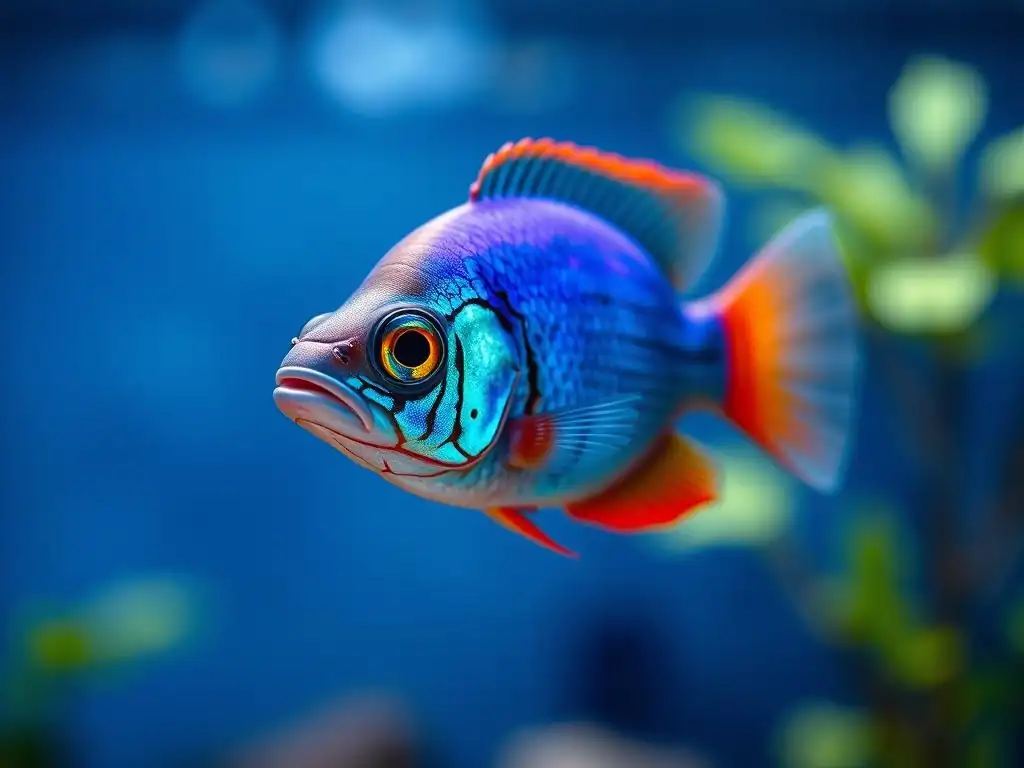
Before physical altercations begin, dwarf cichlids typically engage in a series of visual displays to assert dominance or intimidate rivals, which are critical indicators of impending dwarf cichlid aggression fighting. One of the most common behaviors is flaring, where a cichlid extends its gill covers (opercula) to make itself appear larger and more formidable.
This is often accompanied by the spreading of all fins, particularly the dorsal and caudal fins, creating an impressive, exaggerated silhouette. For instance, a male Apistogramma borellii might flash vibrant colors and spread his fins widely when encountering another male, signaling a challenge without immediate physical contact.
Posturing involves more elaborate movements, such as head-down displays, tail-beating, or parallel swimming where two fish swim side-by-side, often quivering, to assess each other's size and resolve. Mouth-locking is a more direct form of display, where two cichlids grasp each other by the mouth and push, testing strength. While these displays are often ritualized and can resolve disputes without injury, persistent flaring and posturing are clear warnings that dwarf cichlid aggression is escalating and could soon lead to physical dwarf cichlid fighting. Observing these nuanced behaviors allows aquarists to intervene before serious harm occurs.
Identifying Physical Injuries from Dwarf Cichlid Battles: Torn Fins, Missing Scales, and Bite Marks
When dwarf cichlid aggression escalates beyond mere displays, physical injuries become apparent, serving as undeniable proof of dwarf cichlid fighting. The most common signs include torn fins, particularly the delicate caudal (tail) and anal fins, which can appear ragged or split. Pectoral and dorsal fins may also show nips or tears. For example, a male Ram Cichlid frequently harassed by a dominant tank mate might exhibit frayed fins and a general disheveled appearance.
Beyond fin damage, missing scales are another clear indicator of direct physical contact during dwarf cichlid aggression. These often appear as small, shiny patches where scales have been dislodged, sometimes accompanied by minor abrasions or red marks on the body. More severe dwarf cichlid fighting can result in bite marks, which may appear as small, discolored indentations or even open wounds, particularly around the head or flanks.
In extreme cases, injuries around the eyes can lead to cloudiness or even blindness. Any observation of these physical injuries necessitates immediate action to address the underlying dwarf cichlid aggression and prevent further harm.
Stress Indicators in Dwarf Cichlids: Recognizing Signs of a Stressed Fish Due to Aggression
Chronic dwarf cichlid aggression fighting doesn't just result in physical injuries; it also places immense stress on the targeted fish, leading to a range of physiological and behavioral changes. One of the most immediate signs of stress is clamped fins, where a fish holds its fins tightly against its body rather than spreading them naturally.
This is often accompanied by rapid breathing or gill movements, indicating elevated metabolic rates due to anxiety. A fish constantly being chased or harassed will also likely exhibit a loss of vibrant coloration, appearing pale or dull, as stress hormones can inhibit natural pigment expression.
Furthermore, a stressed dwarf cichlid will often hide excessively, spending most of its time in secluded areas, refusing to come out even for food, or conversely, it might become listless and lethargic, hovering motionlessly in a corner. A refusal to eat is another critical stress indicator, as chronic stress suppresses appetite and the immune system, making the fish more susceptible to diseases like Ich or fin rot. Recognizing these stress indicators is vital because ongoing stress due to dwarf cichlid aggression can severely compromise a fish's health and lead to premature death, even without direct fatal injuries.
Factors Contributing to Dwarf Cichlid Fighting and Aggression
Tank Size and Overcrowding: The Impact on Dwarf Cichlid Behavior
One of the most significant contributors to dwarf cichlid aggression fighting is insufficient tank size and overcrowding. Dwarf cichlids, by their nature, require personal space and territories, especially during breeding. When a tank is too small, or too many fish are housed together, these territorial needs cannot be met, leading to constant competition and conflict. For instance, attempting to house multiple male Apistogramma cacatuoides in a tank smaller than 40 gallons without ample line-of-sight breaks almost guarantees intense dwarf cichlid aggression, often resulting in the demise of weaker individuals.
Even a single pair of a moderately aggressive species like Pelvicachromis pulcher (Kribensis) ideally requires a minimum of a 20-gallon long tank (approx. 30x12x12 inches) to establish a comfortable territory, particularly if they are breeding. In a smaller tank, their natural territorial instincts become amplified, leading to them aggressively defending their space against all other inhabitants. Overcrowding also increases the bioload, leading to poorer water quality, which in turn stresses fish and further exacerbates dwarf cichlid aggression. Providing ample space is foundational to preventing dwarf cichlid fighting.
Inadequate Hiding Places: Providing Refuge to Reduce Stress and Aggression
The absence of sufficient hiding places is a primary catalyst for dwarf cichlid aggression fighting, as it removes opportunities for weaker or submissive fish to escape the notice of dominant individuals. Dwarf cichlids thrive in environments that offer plenty of visual barriers and secure retreats, mimicking their natural habitats of rocky crevices, dense plant thickets, and driftwood snags. Without these, subordinate fish are constantly exposed to harassment, leading to chronic stress and often fatal outcomes due to relentless dwarf cichlid aggression.
An ideal setup should include a variety of hiding spots:
- Caves: Ceramic caves, coconut shells, or small rock formations provide secure, dark retreats. For species like Apistogramma, having multiple caves is crucial, allowing each female or less dominant male a private space.
- Dense Plant Cover: Live plants, especially those that reach the surface or form thickets (e.g., Anubias, Java Fern, Cryptocorynes, or even dense stem plants), offer excellent visual breaks and refuge.
- Driftwood: Large pieces of driftwood create intricate structures with nooks and crannies, breaking up line of sight and offering complex territories.
Providing an abundance of these elements significantly reduces stress and minimizes instances of dwarf cichlid fighting by allowing fish to establish territories and retreat when threatened.
Water Quality and its Effect on Dwarf Cichlid Temperament
Poor water quality is a silent but potent instigator of dwarf cichlid aggression fighting. Suboptimal water parameters, such as elevated ammonia or nitrite levels, high nitrates, or incorrect pH and temperature, act as chronic stressors on fish. When fish are constantly under physiological stress, their immune systems are compromised, and their natural behavior can become erratic and more aggressive. For example, a Ram Cichlid (e.g., Mikrogeophagus ramirezi), which prefers soft, acidic water (pH 5.0-7.0, GH 0-5 dGH) and warm temperatures (78-82°F or 25.5-27.8°C), will become highly stressed and potentially aggressive if kept in hard, alkaline water or fluctuating temperatures.
Maintaining stable and appropriate water parameters is paramount for reducing dwarf cichlid aggression. Regular water changes (e.g., 25-30% weekly for most setups) are essential to keep nitrate levels low and replenish essential minerals. Consistent monitoring of pH, ammonia, nitrite, and nitrate levels with a reliable test kit allows aquarists to detect issues early and prevent the physiological stress that can trigger or exacerbate dwarf cichlid fighting. A healthy fish, thriving in optimal conditions, is far less likely to engage in unwarranted aggression.
Improper Tank Mates: Choosing Compatible Species for Dwarf Cichlid Community Tanks
The selection of tank mates is a critical factor in preventing dwarf cichlid aggression fighting. Introducing incompatible species can quickly turn a peaceful aquarium into a battleground. Generally, tank mates that are too large, overly boisterous, fin-nippers, or equally territorial can provoke or become victims of dwarf cichlid aggression. For instance, housing small, delicate dwarf cichlids with notoriously aggressive fish like certain larger cichlids (e.g., Convict Cichlids) or even some larger, nippy barbs (e.g., Tiger Barbs) is almost guaranteed to result in conflict and stress for the dwarf cichlids.
Similarly, other fish that occupy the same niche or have similar body shapes can be perceived as rivals. For example, keeping multiple species of dwarf cichlids in a tank that is too small can lead to inter-species dwarf cichlid aggression, as they compete for the same territorial resources.
Conversely, slow-moving or long-finned fish, such as some types of guppies or angelfish, might become targets for fin-nipping by more assertive dwarf cichlid species, especially during breeding periods. Careful research into the temperament, size, and habitat preferences of all potential tank mates is crucial to minimize the potential for dwarf cichlid fighting and ensure a harmonious community.
Preventing and Managing Dwarf Cichlid Aggression
Optimizing Tank Setup for Reducing Dwarf Cichlid Fighting
Optimizing the physical layout of your aquarium is perhaps the most effective proactive measure against dwarf cichlid aggression fighting. A well-designed tank provides the necessary structure to minimize territorial disputes and stress.
Creating Territories: Using Decorations to Define Spaces
Strategic placement of decorations can effectively create multiple distinct territories within the tank, breaking up lines of sight and reducing direct confrontations. For dwarf cichlids, particularly those that form pairs or establish individual territories, defining clear boundaries is crucial. This can be achieved by:
- Rock Formations: Arranging rocks to form caves, arches, and visual barriers. Using smooth, non-abrasive rocks is important to prevent injury.
- Driftwood Branches: Large, intricate pieces of driftwood can create complex swimming paths and visual blocks, allowing fish to claim sections without constant visual contact with rivals.
- Tall Plants: Planting tall, dense plants (e.g., Vallisneria, Amazon Swords) or creating thickets can serve as natural screens.
By creating these distinct zones, each dwarf cichlid or pair can establish a "home base," significantly reducing the likelihood of widespread dwarf cichlid aggression as they feel secure in their own defined space.
Increasing Hiding Places: Plants, Caves, and Driftwood
Beyond defining territories, providing an abundance of safe hiding places is paramount for reducing stress and preventing dwarf cichlid aggression fighting. These retreats offer subordinate or threatened fish a sanctuary to escape dominant individuals.
- Caves and Coconuts: Ceramic caves, PVC pipes disguised with substrate, or inverted coconut shells offer dark, secure hideaways. Aim for at least one cave per dwarf cichlid, plus extras.
- Dense Plant Cover: Heavily planted tanks, especially with broad-leafed or bushy plants (e.g., Anubias, Cryptocorynes, Java Fern, or even artificial silk plants if live plants aren't feasible), provide excellent cover and visual breaks.
- Intricate Driftwood: Pieces of driftwood with numerous crevices and overhangs not only provide visual appeal but also serve as excellent hiding spots.
The more options fish have to retreat and feel secure, the less likely they are to engage in or suffer from chronic dwarf cichlid aggression.
Maintaining Optimal Water Parameters: pH, Temperature, and Hardness
Consistent and appropriate water parameters are foundational to the health and temperament of dwarf cichlids, directly influencing the likelihood of dwarf cichlid aggression fighting. Fluctuations or unsuitable conditions induce stress, which can manifest as increased aggression.
- pH: Most popular dwarf cichlids, such as Rams ( Mikrogeophagus ramirezi) and Apistogramma species, prefer slightly acidic to neutral water, typically ranging from pH 5.0 to 7.0. Kribensis ( Pelvicachromis pulcher) are more adaptable, tolerating pH 6.0-8.0. Drastic pH swings are highly stressful.
- Temperature: Optimal temperatures usually fall between 75°F and 82°F (24°C and 28°C), depending on the species. Rams, for instance, thrive at the higher end of this range (78-82°F), while lower temperatures can stress them and make them more susceptible to disease and aggression.
- Hardness (GH/KH): Many dwarf cichlids prefer soft to moderately hard water (GH 1-10 dGH). While Kribensis can tolerate harder water, Apistogramma and Rams generally do best in softer conditions.
Regular weekly water changes (25-30% is a common recommendation) and consistent monitoring with a reliable test kit are essential to maintain these parameters. Stable, clean water reduces overall stress, making dwarf cichlids less prone to dwarf cichlid aggression.
Choosing Appropriate Tank Mates for Dwarf Cichlids
Careful selection of tank mates is paramount to avoiding dwarf cichlid aggression fighting. The goal is to choose species that are peaceful, occupy different areas of the tank, and do not compete directly for resources or territory.
Compatible Community Fish: Tetras, Corydoras, and Rasboras
Several groups of fish are generally considered excellent tank mates for dwarf cichlids, as they are typically peaceful, schooling, and occupy different water columns, minimizing direct competition and reducing the potential for dwarf cichlid aggression.
- Tetras: Small to medium-sized schooling tetras like Neon Tetras ( Paracheirodon innesi), Cardinal Tetras ( Paracheirodon axelrodi), Rummy-Nose Tetras ( Hemigrammus bleheri), or Ember Tetras ( Hyphessobrycon amandae) are ideal. They are fast enough to avoid occasional chases and stay in the mid to upper water column, largely out of the cichlids' breeding territories.
- Corydoras Catfish: These peaceful bottom-dwellers (e.g., Corydoras aeneus, Corydoras paleatus) are excellent scavengers and typically ignored by dwarf cichlids, as they don't compete for the same hiding spots or food in the water column. They are also armored, making them less susceptible to fin nipping.
- Rasboras: Species like Harlequin Rasboras ( Trigonostigma heteromorpha) or Chili Rasboras ( Boraras brigittae) are small, peaceful, and stay in the mid to upper levels, providing movement and interest without provoking dwarf cichlid aggression.
When introducing these, ensure the tank is large enough to accommodate the full adult size and schooling needs of all inhabitants to prevent overcrowding, which can lead to dwarf cichlid fighting.
Fish to Avoid: Angelfish, Large Cichlids, and Aggressive Barbs
To minimize dwarf cichlid aggression fighting, certain fish species should be avoided as tank mates due to their size, temperament, or predatory nature.
- Angelfish (Pterophyllum scalare): While often appearing peaceful, Angelfish can grow quite large and become territorial, especially as they mature. They may nip at the fins of smaller, slower dwarf cichlids, or even prey on their fry. Their size can also intimidate dwarf cichlids, leading to chronic stress.
- Large Cichlids: Any cichlid species that grows significantly larger than the dwarf cichlids (e.g., Oscar, Jack Dempsey, Convict Cichlid) should be strictly avoided. These fish are often highly territorial and predatory, viewing dwarf cichlids as either threats or food, resulting in severe dwarf cichlid aggression.
- Aggressive Barbs: While some barbs are peaceful, species like Tiger Barbs ( Puntigrus tetrazona) are notorious fin-nippers and can relentlessly harass dwarf cichlids, especially those with flowing fins like Ram Cichlids. Their constant nipping leads to stress, injury, and an environment ripe for dwarf cichlid fighting.
Careful research into adult size, temperament, and specific needs of all potential tank mates is essential to prevent unwanted dwarf cichlid aggression and maintain a peaceful aquarium.
Dietary Considerations: Ensuring Proper Nutrition for Dwarf Cichlids
While not a direct cause of dwarf cichlid aggression fighting, an inadequate or monotonous diet can contribute to overall stress and poor health, indirectly increasing a fish's susceptibility to aggression or making it more aggressive due to nutrient deficiencies. A healthy, well-fed fish is generally more robust and less prone to stress-induced behavioral issues. Dwarf cichlids are omnivores with a preference for meaty foods, requiring a varied diet to thrive.
Ensuring proper nutrition involves:
- High-Quality Pellets or Flakes: A staple diet should be a high-quality cichlid-specific pellet or flake food, rich in protein and essential vitamins. Look for brands that list fish meal or krill as primary ingredients.
- Frozen Foods: Supplementing with frozen foods like bloodworms, brine shrimp, daphnia, or mysis shrimp provides crucial proteins and micronutrients. These can be offered 2-3 times a week.
- Live Foods: Occasionally offering live foods such as small worms or newly hatched brine shrimp can stimulate natural hunting behaviors and provide excellent nutrition, though care must be taken to ensure they are disease-free.
- Vegetable Matter: Some dwarf cichlids, like Kribensis, will also graze on algae or accept blanched vegetables, contributing to a balanced diet.
Feeding small amounts multiple times a day (e.g., 2-3 times) rather than one large meal ensures better nutrient absorption and reduces competition during feeding, which can sometimes escalate into dwarf cichlid aggression.
Intervention Strategies for Ongoing Dwarf Cichlid Aggression
Despite best efforts in tank setup and tank mate selection, dwarf cichlid aggression fighting can still emerge. When it does, timely intervention is crucial to prevent serious harm or even death to the affected fish.
Re-arranging the Tank Layout: Disrupting Established Territories
If dwarf cichlid aggression persists, especially territorial disputes, a highly effective intervention is to re-arrange the tank layout. This involves significantly moving or adding/removing decorations such as rocks, driftwood, and plants. The purpose is to disrupt established territories and "reset" the pecking order. When the landscape changes, the dominant fish's established boundaries are gone, and all fish must re-evaluate the new environment and re-establish their claims. This often provides a temporary truce or permanent reduction in dwarf cichlid aggression.
For example, if a male Apistogramma is relentlessly chasing another, completely re-scaping the side of the tank where the aggression occurs can break his perception of that area as 'his' exclusive territory. This forces him to re-explore and potentially establish a smaller, less aggressive territory, or find a new one, reducing the intensity of dwarf cichlid fighting. It's often beneficial to do this after a water change to further minimize stress.
Temporary Separation: Using a Divider or Quarantine Tank
For severe or persistent dwarf cichlid aggression fighting, temporary separation of the aggressor or the target fish is often necessary. This provides immediate relief and allows the stressed or injured fish to recover without further harassment.
- Tank Divider: A clear, perforated tank divider can be inserted into the main aquarium to separate the aggressive fish from the others. This allows the fish to still see each other, which can sometimes help reduce aggression over time as the dominant fish's "novelty" wears off, but prevents physical contact. This is a good option for short-term separation (e.g., a few days to a week).
- Quarantine Tank: For more serious cases, or if injuries are present, moving the target fish to a dedicated quarantine or hospital tank is ideal. This separate tank, equipped with a filter and heater, allows the fish to recover in a stress-free environment, away from the source of dwarf cichlid aggression. This also allows for easier treatment of any injuries or secondary infections.
Temporary separation gives the aquarist time to reassess the situation, make permanent changes to the tank setup, or consider rehoming if the dwarf cichlid aggression is unmanageable.
Rehoming Aggressive Individuals: A Last Resort Option
When all other prevention and intervention strategies fail to curb persistent and harmful dwarf cichlid aggression fighting, rehoming aggressive individuals becomes a necessary last resort. This decision should not be taken lightly, but it is sometimes the only way to ensure the long-term well-being of the entire aquarium community. If a particular dwarf cichlid consistently harasses and injures tank mates, despite optimal tank conditions, appropriate tank mates, and attempts at re-scaping, it indicates an inherent temperament that is incompatible with a community setup.
For example, a male Pelvicachromis pulcher that aggressively claims an entire 20-gallon tank and injures other fish, even after spawning is over, might be too dominant for that specific setup. Rehoming could involve finding a new home with another experienced aquarist who has a larger, more suitable tank, or returning the fish to the pet store if they offer such a service. While difficult, rehoming ensures that the aggressive fish can thrive in a more appropriate environment and, critically, restores peace and reduces stress for the remaining inhabitants, preventing further dwarf cichlid aggression.
Specific Dwarf Cichlid Species and Their Aggressive Tendencies
Ram Cichlid Aggression: Understanding the Behavior of Mikrogeophagus ramirezi
Ram Cichlids ( Mikrogeophagus ramirezi), including the popular German Blue Rams, Electric Blue Rams, and Gold Rams, are generally considered one of the more peaceful dwarf cichlid species, making them popular choices for community tanks. However, they are still cichlids and can exhibit dwarf cichlid aggression, particularly when breeding or if conditions are not ideal.
Their aggression is predominantly territorial, with pairs fiercely defending a small area (often 6-8 inches in diameter) around their chosen spawning site, such as a flat rock or a broad plant leaf. Male-on-male aggression can occur if multiple males are kept in a tank that is too small (e.g., less than 20 gallons for a single pair) or lacks sufficient line-of-sight breaks.
Outside of breeding, Ram Cichlid aggression is usually limited to chasing or minor nipping, rarely resulting in significant physical harm to robust tank mates. However, if kept with very delicate or slow-moving fish, even their mild dwarf cichlid fighting can cause stress. Maintaining their preferred warm, soft, acidic water conditions (78-82°F, pH 5.0-7.0) and providing ample hiding spots and clear territories significantly reduces their aggressive tendencies, allowing their vibrant colors and engaging behaviors to shine through in a peaceful community.
Apistogramma Aggression: Exploring the Different Personalities of Apistogramma Species
The genus Apistogramma encompasses over a hundred described species, showcasing a wide spectrum of temperaments, from relatively peaceful to quite aggressive. Understanding these individual variations is key to managing Apistogramma aggression and preventing dwarf cichlid fighting. Species like Apistogramma borellii and Apistogramma cacatuoides (Cockatoo Dwarf Cichlid) are among the most commonly kept, and their aggressive tendencies can differ notably. A. borellii males, for instance, are generally more subdued, often content in a 15-20 gallon tank with multiple females, displaying minimal dwarf cichlid aggression towards other tank mates.
In contrast, Apistogramma cacatuoides males can be significantly more territorial and prone to dwarf cichlid aggression, especially towards other males or non-receptive females. A single male A. cacatuoides might aggressively defend a territory spanning up to a square foot during breeding.
Keeping these species in a "harem" setup (one male with multiple females) in a sufficiently large, heavily planted tank (e.g., 20 gallons for a trio, 30+ gallons for more) helps disperse aggression. Providing numerous caves and visual barriers is crucial for all Apistogramma species to allow submissive females or males to escape the dominant individual, thereby mitigating serious dwarf cichlid fighting.
Kribensis Cichlid Aggression: Managing the Temperament of Pelvicachromis pulcher
Kribensis Cichlids ( Pelvicachromis pulcher), often simply called Kribs, are known for being one of the more assertive dwarf cichlid species, particularly when breeding. While generally peaceful outside of spawning, a Kribensis pair will become fiercely territorial and exhibit significant dwarf cichlid aggression fighting when they have eggs or fry. During this period, they will aggressively defend an area of up to 1-2 square feet, chasing away any fish that approaches their cave or fry. This can be problematic in smaller tanks (e.g., less than 20 gallons) where other tank mates have nowhere to escape.
Their aggression is typically directed at fish that intrude on their breeding territory, but they can also be nippy towards slow-moving or long-finned fish. If housing Kribensis, it is crucial to provide a dedicated spawning cave (e.g., a ceramic cave or coconut shell) and ensure the tank is large enough (a minimum of 20 gallons for a pair, 30+ gallons for a community tank with a breeding pair) to allow other fish ample space to retreat.
While their dwarf cichlid aggression can be intense during breeding, it usually subsides once the fry are free-swimming or dispersed. Careful tank mate selection and proper setup are essential to manage the temperament of Pelvicachromis pulcher and prevent ongoing dwarf cichlid fighting.
Long-Term Strategies for a Peaceful Dwarf Cichlid Aquarium
Regular Observation and Monitoring of Dwarf Cichlid Behavior
Maintaining a harmonious dwarf cichlid aquarium is an ongoing process that requires diligent observation and monitoring of fish behavior. Regular visual checks, ideally daily, allow aquarists to detect early signs of dwarf cichlid aggression fighting before it escalates into serious injury or chronic stress. This includes observing subtle changes in body language, such as increased flaring, chasing, or hiding, as well as checking for any new nips on fins or missing scales. Noticing a fish consistently clamped, pale, or avoiding food are critical indicators of stress due to dwarf cichlid aggression.
By observing how different fish interact, an aquarist can identify specific aggressors or victims and understand the dynamics of their particular tank. For instance, if a male Apistogramma consistently harasses a female, it might indicate an incompatible pair or a need for more hiding spots for the female. Consistent monitoring allows for proactive adjustments to the tank environment or fish population, preventing prolonged periods of dwarf cichlid fighting and ensuring the well-being of all inhabitants.
Maintaining Consistent Tank Maintenance: Water Changes and Cleaning
Consistent and thorough tank maintenance is a cornerstone of preventing dwarf cichlid aggression fighting in the long term. Stable, pristine water conditions directly contribute to the health and reduced stress levels of fish, making them less prone to aggression. Regular water changes are perhaps the most critical aspect, as they remove accumulated nitrates and replenish essential minerals. For most dwarf cichlid setups, a weekly water change of 25-30% is recommended, ensuring water parameters remain within optimal ranges for the specific species.
Beyond water changes, keeping the substrate clean by regular gravel vacuuming prevents the buildup of detritus and organic waste, which can degrade water quality and contribute to stress. Cleaning filter media regularly (rinsing in old tank water to preserve beneficial bacteria) ensures efficient filtration and prevents spikes in ammonia and nitrite. Neglecting these maintenance tasks leads to deteriorating water quality, which in turn stresses fish, weakens their immune systems, and can exacerbate or trigger dwarf cichlid aggression. A clean, stable environment fosters healthy, calm fish, significantly reducing the likelihood of dwarf cichlid fighting.
Adapting Your Approach: Learning from Experience and Adjusting Your Strategies
Creating a truly harmonious dwarf cichlid aquarium is not a one-time setup but an adaptive process that requires continuous learning and adjustment. Every aquarium is a unique ecosystem, and what works for one setup or species combination might not work for another. Aquarists must be prepared to learn from their observations and adapt their strategies to address specific instances of dwarf cichlid aggression fighting. This might involve experimenting with different types of decorations to create more effective visual barriers, adjusting the feeding schedule, or even re-evaluating tank mate compatibility based on real-world interactions.
For example, if a specific rock formation consistently leads to territorial disputes, experimenting with a different arrangement or replacing it with dense planting might alleviate the dwarf cichlid aggression. Keeping a log of observations, interventions, and their outcomes can be invaluable for understanding the specific dynamics of your tank and developing a tailored approach to managing dwarf cichlid aggression. Patience, flexibility, and a willingness to learn are key to successfully maintaining a peaceful and thriving dwarf cichlid community over the long term.
Conclusion: Creating a Harmonious Environment for Your Dwarf Cichlids
Successfully managing dwarf cichlid aggression fighting hinges on a comprehensive understanding of their natural behaviors and a commitment to providing an optimal environment. From recognizing the subtle cues of flaring and posturing to identifying physical injuries and stress indicators, an informed aquarist can proactively address potential conflicts. The root causes of dwarf cichlid aggression often stem from inadequate tank size, insufficient hiding places, poor water quality, or incompatible tank mates.
By meticulously optimizing the tank setup with strategically placed decorations, abundant hiding spots, and consistently maintaining pristine water parameters, much of the dwarf cichlid aggression can be prevented. Careful selection of peaceful tank mates and a nutritious diet further contribute to a stress-free environment.
When dwarf cichlid fighting does occur, timely intervention through re-arranging the layout, temporary separation, or, as a last resort, rehoming, can restore peace. Ultimately, creating a harmonious environment for your dwarf cichlids is an ongoing endeavor that requires regular observation, diligent maintenance, and an adaptive approach, ensuring these captivating fish can thrive and display their full, vibrant personalities without constant conflict.
Frequently Asked Questions
What are the main reasons why dwarf cichlids exhibit aggression and fighting behaviors?
Dwarf cichlid aggression is often driven by territorial disputes, breeding competition, and hierarchical establishment. These behaviors are natural, but can become problematic in a confined aquarium environment.
How can I minimize aggression and fighting among dwarf cichlids in my aquarium?
To reduce aggression, ensure your tank is adequately sized with plenty of hiding places and broken lines of sight. Also, avoid overcrowding and consider the sex ratio of your cichlids.
What are the common signs of aggression and fighting in dwarf cichlids?
Key signs include chasing, nipping fins, flaring gills, and mouth locking. Observe your fish closely to identify any individuals being bullied or exhibiting excessive aggression.
What steps should I take if I witness dwarf cichlids engaging in serious fighting that results in injury?
Isolate the aggressive fish or the injured fish immediately to prevent further harm. Consider re-homing the aggressor if the behavior persists despite interventions.
How does the size of the aquarium impact the level of aggression seen in dwarf cichlids?
A larger aquarium provides more space, allowing dwarf cichlids to establish territories and avoid constant confrontation. Overcrowding in a small tank significantly increases stress and aggression.
Final Reflection: Understanding the Dance of Aggression
The intricacies of dwarf cichlid aggression, as explored throughout this article, are not merely academic observations; they offer a crucial lens through which to understand the delicate balance within our aquariums and, by extension, the broader natural world. Understanding the nuances of dwarf cichlid aggression is essential for responsible fishkeeping, allowing us to create environments where these vibrant creatures can thrive without succumbing to the destructive consequences of unchecked conflict.
This exploration of flaring and fighting reveals that aggression isn't simply brute force, but a complex language of communication, territory, and survival. Witnessing these interactions, even in miniature, reminds us of the constant negotiation for resources and dominance that shapes ecosystems everywhere. The question is not, 'Can they reason?' nor, 'Can they talk?' but rather, 'Can they suffer?'
- Jeremy Bentham. This quote, often applied to animal welfare in general, resonates deeply when considering the potential suffering caused by unchecked aggression in our aquariums. It underscores the importance of understanding and mitigating these conflicts.
Now, consider the implications of these observations in your own aquarium keeping. Are you providing adequate space, hiding places, and balanced social groups? Are you truly observing the subtle cues of aggression and responding proactively? Let this understanding of dwarf cichlid aggression not just inform your fishkeeping practices, but inspire a deeper respect for the complex lives of these fascinating creatures and a commitment to creating environments where they can flourish.
Unleash Your Inner Cichlid Whisperer!
Thanks for diving deep into the complex world of dwarf cichlid aggression! We hope you’ve gained valuable insights into understanding and managing their vibrant personalities. Now, let's put that knowledge into action and create a harmonious aquatic environment.
Here are a few ways to take your cichlid keeping to the next level:
- Strategically rearrange your tank decorations to disrupt established territories and reduce aggression triggers. It's more than just aquascaping, it's about creating peace!
- Share this article with fellow aquarium enthusiasts to spread awareness about responsible cichlid care and help build a supportive community.
- Record and meticulously document your cichlids' behaviour for one week, noting instances of aggression, territory disputes, and interactions. This will help you personalize strategies better.
What specific observation about your cichlids' behaviour has surprised you the most, and how will you adjust your approach based on what you've learned?