
How Many CUC Members Do You Need? A Practical Calculation Guide

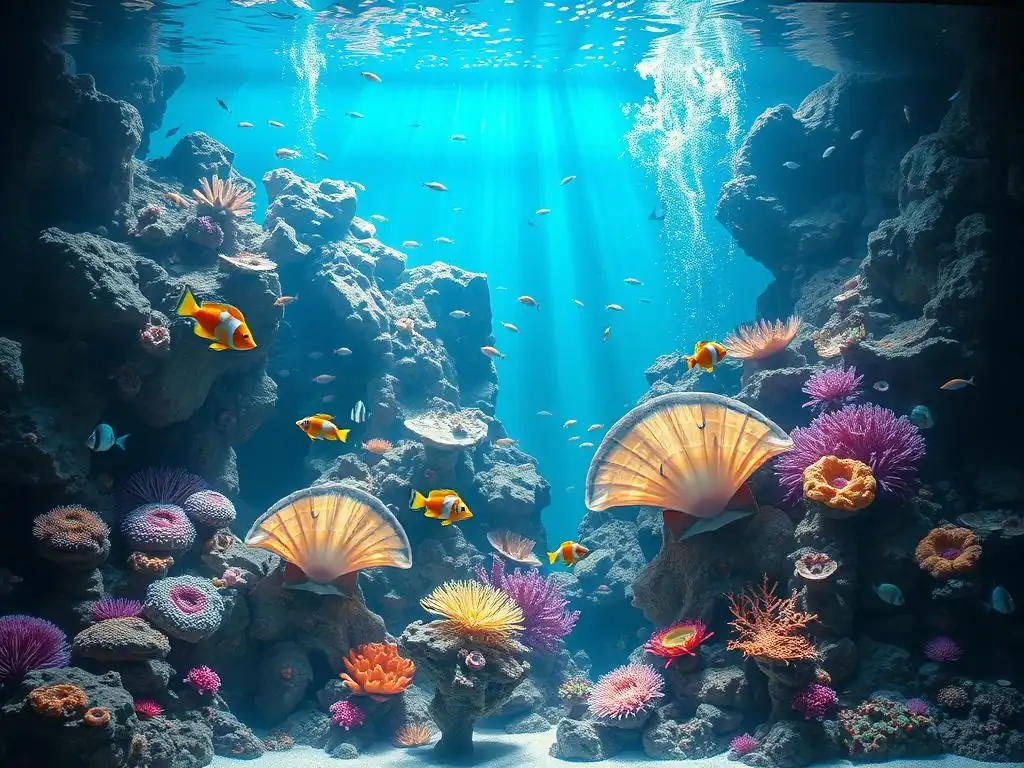
Welcome to Aquarium Mastery!
Ever wondered if you're truly harnessing the power of nature in your saltwater aquarium? Get ready to dive deep into the fascinating world of saltwater ecosystems! This article unlocks a crucial secret: understanding and optimizing your saltwater aquarium beneficial bacteria count. But that's just the start! Learn how to calculate the perfect number of CUC members to keep your tank thriving and balanced. Intrigued? Let's get started!
- Saltwater Aquarium Clean-Up Crew (CUC) Sizing Guide
- Understanding the Clean-Up Crew (CUC)
- Calculating Initial CUC Size
- Choosing CUC Members
- Maintaining a Healthy CUC Population
- Advanced CUC Management
- Troubleshooting CUC Issues
- Optimizing CUC for Long-Term Success
- Conclusion: Achieving a Balanced Ecosystem.
-
Frequently Asked Questions
- How does the size of my saltwater aquarium affect the necessary Cleaner Crew (CUC) size?
- What types of CUC members are most effective at controlling algae in a saltwater aquarium?
- How does the beneficial bacteria count in my saltwater aquarium influence the number of CUC members I need?
- What are the signs of an inadequate CUC in a saltwater aquarium?
- Can I overstock my saltwater aquarium with CUC members?
- Final Reflection: Cultivating a Thriving Ecosystem
- Optimize Your Aquarium: Calculate Your Ideal CUC Size Now!
Saltwater Aquarium Clean-Up Crew (CUC) Sizing Guide
Understanding the Clean-Up Crew (CUC)
The Role of the CUC in a Saltwater Aquarium
The Clean-Up Crew (CUC) in a saltwater aquarium refers to a diverse group of invertebrates, primarily snails, crabs, and other specialized organisms, that play a vital role in maintaining the tank's cleanliness and ecological balance. These unsung heroes diligently consume nuisance algae, scavenge uneaten food, and process detritus, which is decaying organic matter. By actively grazing and sifting, they reduce the build-up of organic waste, preventing it from breaking down into harmful nutrients like nitrates and phosphates.
A well-chosen and appropriately sized CUC acts as a natural waste management system, significantly easing the burden on mechanical and biological filtration. They help to prevent unsightly algae outbreaks and contribute to clearer water, which in turn supports the health and vibrancy of fish and corals. Their continuous activity also helps to aerate the substrate and prevent the formation of anaerobic pockets, which can release toxic hydrogen sulfide gas.
The Importance of Beneficial Bacteria
While the CUC handles larger organic debris, the microscopic work of beneficial bacteria is equally, if not more, critical for a healthy saltwater aquarium. These bacteria, primarily nitrifying bacteria like Nitrosomonas and Nitrobacter, are responsible for the essential nitrogen cycle. Nitrosomonas convert toxic ammonia (from fish waste, uneaten food, and decaying matter) into nitrite, and then Nitrobacter convert nitrite into less toxic nitrate. This process is fundamental to preventing lethal ammonia and nitrite spikes.
The CUC directly supports the thriving of these beneficial bacteria by reducing the overall organic load in the system. When there's less uneaten food and detritus decomposing, the production of ammonia is minimized, allowing the existing saltwater aquarium beneficial bacteria count to efficiently handle the remaining waste. Without a robust CUC to manage macroscopic waste, the beneficial bacteria can become overwhelmed, leading to poor water quality and potential tank crashes.
Maintaining a Balanced Ecosystem
A truly thriving saltwater aquarium is a meticulously balanced ecosystem where every component plays a crucial role. The Clean-Up Crew, the fish, corals, and the invisible army of beneficial bacteria all interact to create a stable and healthy environment. The CUC's constant grazing and scavenging directly contribute to this balance by keeping nutrient levels in check and preventing the proliferation of nuisance algae, which can compete with corals for resources and light.
When the CUC is appropriately sized for the tank's bio-load, it helps to maintain consistent water parameters, which is vital for the sensitive inhabitants of a reef or fish-only system. This stability, coupled with effective filtration and a strong saltwater aquarium beneficial bacteria count, minimizes stress on fish and invertebrates, promotes vibrant colors, and significantly reduces the likelihood of disease outbreaks. Achieving this equilibrium is an ongoing process of observation and adjustment.
Calculating Initial CUC Size
Determining Aquarium Size and Type
The first critical step in calculating your initial Clean-Up Crew (CUC) size is accurately determining your aquarium's dimensions and overall gallonage. A 20-gallon nano reef, for instance, will require a vastly different CUC composition and quantity compared to a 120-gallon display tank.
Moreover, the type of aquarium — whether it's a dedicated reef tank with delicate corals, a fish-only with live rock (FOWLR) system, or a heavily stocked fish-only tank — significantly influences the required CUC. Reef tanks typically demand a more diverse and vigilant CUC to maintain pristine water quality for sensitive corals, while FOWLR tanks might tolerate a slightly higher bio-load but still benefit immensely from effective cleaners.
For example, a standard 75-gallon tank might support a moderate CUC, whereas a 200-gallon established reef system with a deep sand bed will necessitate a much larger and more specialized group of scavengers and grazers. Understanding the tank's volume is essential because CUC member recommendations are often provided per gallon, giving you a baseline for your initial calculations.
Assessing Bio-Load: Fish and Invertebrates
Bio-load refers to the total amount of organic waste produced by all living inhabitants in your aquarium, including fish, corals, and other invertebrates. A tank with a single small clownfish will naturally have a much lower bio-load than one housing a large Achilles Tang, a school of anthias, and multiple LPS corals. Factors contributing to bio-load include the number of inhabitants, their size, their feeding habits (e.g., messy eaters versus precise feeders), and the frequency of feeding.
A higher bio-load inherently means more waste production, which in turn demands a more robust and active CUC to process the excess detritus and uneaten food. This direct correlation emphasizes the need for an accurate assessment of your tank's population. By effectively managing organic waste, the CUC directly assists the saltwater aquarium beneficial bacteria count in keeping ammonia and nitrite levels at zero, ensuring a healthy environment.
Estimating Algae Growth Potential
The primary function of many CUC members, particularly snails, is to control algae. Therefore, estimating your tank's potential for algae growth is a crucial factor in CUC sizing. This estimation isn't always straightforward but involves considering several key elements that fuel algae blooms. Tanks with excessive lighting, high nutrient levels (nitrates and phosphates), or inconsistent maintenance routines are more prone to rampant algae growth and will require a larger or more specialized CUC to keep it in check.
Observing existing algae, even if minimal, can provide clues. For instance, diatoms (brown algae) often indicate new tank syndrome or silicates, while green film algae suggests excess nutrients. A proactive approach involves anticipating these factors rather than waiting for an outbreak.
Factors Affecting Algae Growth: Lighting, Nutrients, Water Chemistry
Lighting plays a significant role in algae proliferation. High-intensity LED or T5 lighting systems, common in reef tanks, can accelerate algae growth if not properly managed in terms of duration and intensity. A typical reef tank might run its lights for 10-12 hours a day, which, if combined with abundant nutrients, can lead to aggressive algae blooms. In contrast, lower intensity lighting in a FOWLR tank might result in slower algae accumulation.
Nutrients, specifically nitrates and phosphates, are the primary fuel for algae. Sources include overfeeding, decaying organic matter, tap water (if not purified by RO/DI), and even some aquarium additives. Maintaining nitrates below 10-20 ppm and phosphates below 0.03-0.05 ppm is crucial for controlling algae. Regular water changes and efficient protein skimming are vital for nutrient export, directly impacting the CUC's workload. Finally, overall water chemistry stability, including pH (ideally 8.1-8.4), alkalinity (7-11 dKH), and calcium (400-450 ppm) for reef systems, indirectly affects algae by influencing the health of corals and other desirable organisms that compete with algae for resources.
Calculating Initial CUC Size
Calculating the initial CUC size is not an exact science but rather an informed estimate based on tank volume, bio-load, and algae potential. It's always better to start conservatively and gradually add more members if needed, rather than overstocking and risking starvation and subsequent die-off, which can cause nutrient spikes. A common mistake is to purchase a "starter" CUC pack without considering the specific needs of your system.
Consider your tank's maturity as well; a brand-new tank typically needs a lighter CUC than an established one, as nutrient cycling is still developing. The goal is to find a balance where the CUC has enough food to thrive but isn't overwhelmed.
General Guidelines for CUC Members per Gallon
While these are approximations, they provide a solid starting point for most saltwater aquariums:
- Snails (e.g., Nassarius, Trochus, Astrea): Begin with approximately 1-2 small snails per 2-3 gallons. For a 50-gallon tank, this would mean an initial purchase of 17-50 snails. Nassarius snails are excellent for sand sifting and detritus, while Trochus and Astrea are strong grazers on rock and glass.
- Hermit Crabs (e.g., Blue Leg, Scarlet Reef): Plan for about 1 reef-safe hermit crab per 5-10 gallons. So, for a 50-gallon tank, 5-10 hermit crabs would be a reasonable starting point. Ensure you provide plenty of empty shells for them to move into as they grow.
- Specialized Cleaners (e.g., Emerald Crabs): These should be added more sparingly, perhaps 1 per 30-50 gallons, specifically for nuisance algae like bubble algae. Monitor them closely as some can become opportunistic.
Remember, these are initial figures. Monitor your tank's cleanliness and the CUC's activity closely over the first few weeks and months, adjusting quantities as needed. A healthy and efficient CUC directly contributes to a stable environment where the saltwater aquarium beneficial bacteria count can flourish and perform its vital role.
Impact of Substrate Type on CUC Needs
The type and depth of your aquarium's substrate significantly influence the specific CUC members you should choose. A bare-bottom tank, with no sand bed, will have less surface area for detritus to accumulate, thus requiring fewer sand-sifting or detritus-dwelling CUC members. Instead, the focus would be on grazers for the live rock and glass.
Conversely, tanks with a deep sand bed (typically 3 inches or more) benefit immensely from CUC members that actively sift through the sand. Species like Nassarius snails and certain sand-sifting starfish are crucial for preventing the accumulation of detritus within the sand, which can lead to anaerobic pockets. These pockets are detrimental not only due to the release of toxic gases but also because they inhibit the thriving of aerobic saltwater aquarium beneficial bacteria count vital for nutrient cycling. A well-maintained sand bed, thanks to an active CUC, supports a healthy microbial ecosystem.
Choosing CUC Members
Snails: Algae Control
Snails are arguably the most indispensable members of any saltwater Clean-Up Crew, primarily due to their relentless grazing habits. They are the frontline defense against various types of nuisance algae, including diatoms, green film algae, and even some hair algae, depending on the species. Their continuous movement across rocks, glass, and sand helps keep surfaces clean and reduces the overall organic load, which directly benefits the saltwater aquarium beneficial bacteria count by preventing excessive nutrient build-up.
Different snail species specialize in different types of algae and areas of the tank. It's often beneficial to include a variety of snail species to ensure comprehensive algae control throughout the aquarium. This diversity ensures that all available surfaces, from the substrate to the highest points of the rockwork, are regularly grazed.
Recommended Snail Species and Their Roles
- Nassarius Snails (Nassarius vibex, Nassarius distortus): These small, active snails are excellent sand sifters. They burrow into the sand during the day and emerge at night or when food is detected, consuming detritus, uneaten food, and decaying matter. They are highly beneficial for keeping sand beds clean and aerated. A good starting point is 1 Nassarius snail per 10-15 gallons for sand sifting purposes.
- Trochus Snails (Trochus histrio, Trochus niloticus): Known for their conical shells, Trochus snails are superb grazers on both glass and live rock. They are effective against green film algae and some hair algae. They are less prone to flipping over than Astrea snails and can often right themselves. Consider adding 1 Trochus snail per 5-10 gallons.
- Astrea Snails (Astrea tecta): These snails are diligent grazers of green film algae on glass and rock. While highly effective, they are notorious for flipping onto their backs and being unable to right themselves, requiring manual assistance. Their effectiveness makes them a worthwhile addition, typically 1 per 5 gallons, with regular monitoring.
- Turbo Snails (Turbo fluctuosa, Turbo fluctuosus): Larger and more robust than other snails, Turbo snails are powerful grazers for heavy algae outbreaks, especially on rocks. They can consume large quantities of green hair algae. However, they are prone to bulldozing corals if not carefully monitored and can be less effective on glass. Use sparingly, perhaps 1 per 20-30 gallons, for tanks with significant algae issues.
Crabs: Algae and Detritus Removal
Crabs in the CUC serve a dual purpose, acting as both scavengers of detritus and consumers of various types of algae. However, caution is advised when selecting crabs, as many species can be opportunistic or even predatory, posing a risk to corals, small fish, or other invertebrates. The key is to choose truly "reef-safe" species that will contribute positively to the tank's cleanliness without causing harm.
Crabs are often more active at night, diligently searching for scraps of food and detritus that might have settled in crevices where snails cannot reach. Their agility and ability to navigate complex rock structures make them valuable additions to a diverse CUC, complementing the work of snails and other cleaners.
Selecting Reef-Safe Crab Species
- Blue Leg Hermit Crabs (Clibanarius tricolor): These small, vibrant crabs are among the most popular and generally reef-safe CUC members. They are excellent scavengers of detritus, uneaten food, and some nuisance algae. They require empty shells to move into as they grow; providing a few extra shells slightly larger than their current one is crucial to prevent them from preying on snails for their shells. A good starting number is 1 Blue Leg Hermit per 5-10 gallons.
- Scarlet Reef Hermit Crabs (Paguristes cadenati): Larger and more colorful than blue legs, Scarlet Reef Hermits are highly effective detritus and hair algae eaters. They are generally considered very reef-safe and are a robust addition to any CUC. Like all hermit crabs, they need a supply of empty shells. Consider 1 Scarlet Reef Hermit per 10-15 gallons.
- Emerald Crabs (Mithraculus sculptus): These unique crabs are highly sought after for their ability to consume bubble algae ( Valonia), a notoriously difficult nuisance algae. While generally reef-safe, some individuals may become opportunistic and nip at corals or small invertebrates if not sufficiently fed or if bubble algae supplies diminish. They are best added at a rate of 1 per 30-50 gallons, with close observation.
Starfish: Detritus Cleaners
Starfish, particularly sand-sifting species and certain brittle/serpent stars, can be valuable additions to a Clean-Up Crew, specializing in detritus consumption. They are particularly useful for maintaining the cleanliness of sand beds, preventing the accumulation of organic matter that can lead to nutrient spikes and unfavorable conditions for the saltwater aquarium beneficial bacteria count. However, it's crucial to select the right species, as some starfish are predatory and can decimate a tank's population of snails, clams, or even corals.
Starfish require mature tanks with stable conditions and a consistent food source. They are sensitive to rapid changes in water parameters, especially salinity and nitrates.
Choosing Suitable Starfish Species
- Sand-Sifting Starfish (Archaster typicus): These starfish are highly efficient at sifting through sand beds, consuming detritus and micro-organisms. They are excellent for keeping deep sand beds clean and aerated, preventing anaerobic zones. However, they require a very large, mature sand bed (e.g., 50+ gallons with at least 3 inches of sand) to find enough food. They can starve in smaller or newer tanks. Typically, one sand-sifting starfish is sufficient for a 75-100 gallon tank.
- Brittle Stars / Serpent Stars (various Ophiuroid species): Most small to medium-sized brittle and serpent stars are excellent scavengers, consuming uneaten food and detritus that falls into crevices. They are generally reef-safe and can be very secretive, often hiding within the live rock. Avoid the larger Green Brittle Star ( Ophiarachna incrassata), which can be predatory. Smaller, unidentifiable micro brittle stars often hitchhike on live rock and are highly beneficial. Consider 1-2 small brittle stars per 20-30 gallons.
Other CUC Members: Sea Cucumbers, Shrimp
Beyond the common snails, crabs, and starfish, several other invertebrates can contribute to a healthy Clean-Up Crew, each with unique roles. These members often fill niche cleaning roles or add biodiversity to the tank, further enhancing its natural waste processing capabilities. However, some require specific conditions or carry potential risks, making careful consideration essential before introduction.
These specialized cleaners, by contributing to overall tank cleanliness, indirectly support the flourishing of the saltwater aquarium beneficial bacteria count by ensuring a low organic load and stable water parameters.
- Sea Cucumbers (e.g., Tiger Tail Sea Cucumber, Holothuria impatiens): These fascinating creatures are highly specialized detritivores that ingest sand and process the organic matter within it, expelling clean sand. They are excellent for maintaining deep sand beds. However, they require very mature and stable tanks with a consistent supply of detritus. The primary risk with sea cucumbers is that if stressed or dying, they can release toxins (holothurin) that can wipe out an entire tank. They are generally recommended for experienced aquarists with larger tanks, perhaps 1 per 75+ gallons, and should be introduced with extreme caution.
- Shrimp: While not primarily algae eaters, several shrimp species are valuable scavengers and can play a significant role in the CUC.
- Peppermint Shrimp (Lysmata wurdemanni): These shrimp are most famous for their ability to consume Aiptasia anemones, a common and persistent pest in reef tanks. They are also active scavengers, readily consuming uneaten food and detritus. They are generally reef-safe and can be added at a rate of 1-2 per 20 gallons.
- Skunk Cleaner Shrimp (Lysmata amboinensis): These highly recognizable shrimp are primarily known for setting up "cleaning stations" where they remove parasites and dead tissue from fish. They are also excellent scavengers of uneaten food and detritus, making them a beneficial addition to any CUC. They are completely reef-safe. 1-2 per 20 gallons is a common stocking.
- Blood Red Fire Shrimp (Lysmata debelius): Similar to cleaner shrimp in their scavenging habits and reef-safeness, Fire Shrimp are prized for their striking red coloration. They contribute to tank cleanliness by consuming detritus and uneaten food. 1-2 per 20 gallons is typical.
Maintaining a Healthy CUC Population
Monitoring CUC Health and Activity
Maintaining a healthy Clean-Up Crew (CUC) population is an ongoing process that requires diligent observation. Regularly monitor your CUC members for signs of activity and health. Are your snails actively grazing on rocks and glass? Are hermit crabs moving around and sifting through the sand? Are there any empty snail shells or dead crabs? Inactivity, a significant reduction in grazing, or unexplained deaths are clear indicators that something might be amiss.
Early detection of issues, such as starvation, water quality problems, or predation, allows for timely intervention, preventing a larger die-off that could lead to nutrient spikes. A sudden CUC die-off can release a significant organic load, potentially overwhelming the saltwater aquarium beneficial bacteria count and leading to dangerous ammonia and nitrite levels. Consistent monitoring helps ensure your CUC remains a vital and effective part of your tank's ecosystem.
Adjusting CUC Size Based on Performance
The initial CUC calculation is merely a starting point. The true art of CUC management lies in adjusting their numbers based on the tank's ongoing needs and the CUC's performance. If you consistently observe nuisance algae blooming on your glass or rocks despite your CUC's presence, it may be an indication that you need more grazers. Conversely, if your CUC members appear lethargic, constantly searching for food, or if you find empty shells regularly, it might suggest starvation, indicating you have too many CUC members for the available food source.
It's better to add CUC members incrementally, perhaps 5-10 at a time for a medium-sized tank, and observe their impact over a few weeks. This iterative approach ensures you achieve the optimal balance without overstocking or understocking, ensuring the CUC has sufficient food to thrive and effectively support a healthy saltwater aquarium beneficial bacteria count.
Supplementing with Manual Cleaning
While an effective CUC is an invaluable asset, it is not a complete substitute for regular manual aquarium maintenance. The CUC will manage the daily accumulation of detritus and algae, but they cannot remove all waste. Manual tasks such as scraping algae from the glass (especially in corners or tight spots the CUC can't reach), siphoning detritus from the sand bed during water changes, and cleaning protein skimmer cups are still essential.
This supplementary manual cleaning directly reduces the overall organic load in the system. By removing larger accumulations of waste, you ease the burden on both your CUC and the biological filtration, creating a cleaner environment where the saltwater aquarium beneficial bacteria count can operate more efficiently and without being overwhelmed. Regular manual intervention ensures overall long-term tank health.
Addressing Common CUC Problems
Predation Issues
One of the most common challenges with CUC populations is predation, either from tank inhabitants or sometimes from other CUC members. Certain fish species, such as Wrasses (especially Coris, Halichoeres, or Six-Line Wrasses), Puffers, Triggerfish, and Hawkfish, are notorious for preying on snails and hermit crabs. Even seemingly "reef-safe" fish might occasionally nip at a snail. Within the CUC itself, larger hermit crabs can become aggressive and kill smaller snails or other crabs to steal their shells, especially if there's a shortage of suitable empty shells.
To mitigate predation, research potential fish tank mates thoroughly before introduction. For hermit crabs, consistently provide a variety of empty shells slightly larger than their current ones to reduce their motivation for shell theft. If predation becomes a persistent issue, consider relocating the problematic fish or increasing the CUC population to account for losses.
Maintaining Optimal Water Parameters
CUC members, being invertebrates, are highly sensitive to fluctuations and imbalances in water quality. Poor water parameters are a leading cause of CUC stress, illness, and ultimately, die-off. Ammonia and nitrite levels must always remain at zero; even slight detectable amounts can be lethal. Nitrate should ideally be kept below 10-20 ppm, and phosphate below 0.03-0.05 ppm, as high levels of these nutrients promote nuisance algae growth and can stress invertebrates.
Furthermore, maintaining stable salinity (1.025-1.026 specific gravity), temperature (75-78°F or 24-25.5°C), pH (8.1-8.4), alkalinity (7-11 dKH), calcium (400-450 ppm), and magnesium (1250-1350 ppm) is crucial, especially in reef tanks. Sudden swings in any of these parameters can cause significant stress, leading to molting issues, lethargy, or death among your CUC. Consistent and stable water parameters are equally vital for maintaining a robust and efficient saltwater aquarium beneficial bacteria count.
Advanced CUC Management
Role of Supplements
While a balanced diet and pristine water quality are paramount, certain trace element supplements can play a supportive role in advanced CUC management, particularly in heavily stocked reef tanks. Iodine, strontium, and magnesium are critical for the health and successful molting of many invertebrates, including shrimp and some crabs. Iodine aids in molting, preventing issues where an invertebrate gets stuck in its old exoskeleton, which can be fatal. Strontium and magnesium are incorporated into the skeletal structures of some invertebrates and contribute to overall vitality.
However, supplementation should always be approached with caution. Overdosing can be more detrimental than not dosing at all. It is essential to test your water parameters regularly to identify any deficiencies and follow manufacturer guidelines precisely. Supplements should never be used as a substitute for consistent water changes and proper husbandry practices, which are the foundational elements for a thriving saltwater aquarium beneficial bacteria count and overall ecosystem.
Managing Nutrient Levels
Beyond the direct consumption by the CUC, comprehensive nutrient management is key to preventing nuisance algae outbreaks and maintaining a healthy environment for all tank inhabitants. Protein skimmers are highly effective at removing dissolved organic compounds before they break down into nitrates and phosphates, thus significantly reducing the workload on your CUC and biological filtration. Refugiums, often stocked with macroalgae like Chaetomorpha, absorb excess nitrates and phosphates, exporting them when the macroalgae is harvested.
Other advanced methods include the use of Granular Ferric Oxide (GFO) reactors to chemically remove phosphates, and carbon dosing (e.g., vinegar, vodka) to promote bacterial growth that consumes nitrates and phosphates. By actively controlling nutrient levels through these methods, you reduce the primary fuel source for nuisance algae, making the CUC's job easier and fostering an environment where the saltwater aquarium beneficial bacteria count can efficiently process the remaining waste without being overwhelmed.
Avoiding Overstocking
Overstocking, whether with fish or CUC members, is a common pitfall in aquarium keeping. Overstocking fish directly leads to a higher bio-load, producing more waste than the CUC and beneficial bacteria can effectively process. This can result in chronic high nutrient levels, frequent algae blooms, and stressed inhabitants. Similarly, overstocking the CUC itself can be detrimental. If there isn't enough food (algae or detritus) to sustain a large CUC population, members will starve and die off.
A CUC die-off, especially a rapid one, can lead to a sudden spike in ammonia and nitrite as the decaying bodies release organic matter, severely stressing or even crashing the saltwater aquarium beneficial bacteria count responsible for the nitrogen cycle. Therefore, a balanced approach is crucial: stock fish responsibly, and introduce CUC members gradually, observing their performance and adjusting numbers to match the tank's actual needs, ensuring a sustainable and healthy ecosystem.
Troubleshooting CUC Issues
CUC Not Eating Algae
When your Clean-Up Crew (CUC) seems to ignore the very algae they were introduced to control, several factors could be at play. The most common reason is starvation; if there isn't enough algae or detritus to sustain the CUC population, they may become lethargic or simply die off.
Conversely, if your tank is pristine, you might need to supplement their diet with algae wafers or small pieces of nori. Another possibility is that you have the wrong species for the specific type of algae present; for instance, Trochus snails are excellent for green film algae, while Emerald Crabs are known for bubble algae.
Water quality issues can also stress CUC members, making them inactive. Check your parameters for ammonia, nitrite, high nitrates, or significant salinity swings. Lastly, predation from fish or other CUC members might be causing them to hide and not graze effectively. Observe closely during lights-out to see if they become more active.
CUC Die-Off
A sudden or gradual die-off of your CUC is a serious warning sign for your aquarium. The most frequent causes include improper acclimation during introduction; CUC members are highly sensitive to changes in salinity, temperature, and pH. Starvation due to insufficient food or overstocking is another common culprit, where CUC members simply run out of sustenance.
A rapid decline in water quality, such as an ammonia or nitrite spike, or a significant salinity crash, will quickly decimate CUC populations. Less commonly, old age can be a factor, as some invertebrates have limited lifespans. Predation from fish or other aggressive tank mates can also lead to unexplained disappearances. A significant CUC die-off can itself trigger an ammonia spike as their bodies decompose, severely impacting the saltwater aquarium beneficial bacteria count and potentially leading to a cascading system crash.
CUC Overpopulation
While it might seem counterintuitive, having too many Clean-Up Crew members can also lead to problems. The most immediate sign of CUC overpopulation is when members begin to die off due to starvation because there isn't enough algae or detritus to sustain them all. You might notice them constantly moving, appearing frantic in their search for food, or congregating in areas where food might be scarce.
Overpopulation can indirectly lead to nutrient issues if the starving CUC members die off, releasing a concentrated organic load into the water, which then needs to be processed by your filtration and beneficial bacteria. If you observe signs of overpopulation, the best course of action is to remove some of the excess CUC members, either by selling them, giving them to another aquarist, or relocating them to another suitable tank. Reducing supplemental feeding can also help manage their numbers naturally.
Optimizing CUC for Long-Term Success
Regular Water Testing
Regular and consistent water testing is the cornerstone of maintaining a healthy and balanced saltwater aquarium, directly impacting the long-term success of your Clean-Up Crew and the entire ecosystem. Monitoring key parameters such as ammonia, nitrite, nitrate, phosphate, alkalinity, calcium, magnesium, salinity, and pH provides crucial insights into your tank's stability and any emerging issues. For instance, detecting rising nitrates or phosphates can indicate overfeeding or insufficient nutrient export, prompting you to adjust feeding habits or enhance filtration before nuisance algae overwhelms your CUC.
Early detection of parameter imbalances allows for timely intervention, protecting your sensitive CUC members from stress and potential die-off. Consistent parameters are also vital for the saltwater aquarium beneficial bacteria count to thrive and efficiently perform the nitrogen cycle, ensuring a stable and toxin-free environment for all inhabitants. Aim for weekly tests of basic parameters and monthly tests for advanced reef parameters.
Consistent Maintenance Schedule
A consistent and diligent maintenance schedule works hand-in-hand with your Clean-Up Crew to ensure long-term aquarium health. Regular water changes, typically 10-20% bi-weekly or monthly depending on your tank's bio-load, are essential for diluting accumulated nitrates and phosphates and replenishing vital trace elements. During water changes, siphoning detritus from the sand bed and vacuuming visible waste significantly reduces the organic load that your CUC would otherwise have to process.
Other crucial maintenance tasks include routinely cleaning your protein skimmer cup to ensure efficient waste removal, and replacing or cleaning filter socks and other mechanical filtration media to prevent trapped detritus from breaking down and leaching nutrients. These consistent practices directly support your CUC by reducing their workload and, more importantly, create a stable and low-nutrient environment where the saltwater aquarium beneficial bacteria count can flourish, leading to a vibrant and thriving marine system.
Conclusion: Achieving a Balanced Ecosystem.
The Clean-Up Crew is an indispensable component of any healthy saltwater aquarium, acting as a vital, natural line of defense against nuisance algae and accumulating detritus. While calculating their initial numbers provides a crucial starting point, the true success of CUC management lies in continuous observation, understanding their specific roles, and making adjustments based on your tank's evolving needs. It's an art that balances the bio-load with the capacity of these diligent invertebrates.
Ultimately, a thriving saltwater aquarium is a testament to a perfectly balanced ecosystem, where the visible work of the CUC harmonizes with the unseen, yet critical, activity of the saltwater aquarium beneficial bacteria count. By providing a stable environment, managing nutrient levels, and supplementing with consistent maintenance, aquarists can create a vibrant, self-sustaining marine habitat that is both beautiful and resilient. Patience, attention to detail, and a proactive approach are the keys to long-term success.
Frequently Asked Questions
How does the size of my saltwater aquarium affect the necessary Cleaner Crew (CUC) size?
The larger the aquarium, the more waste it generates. Therefore, a larger tank requires a higher number of CUC members to effectively manage detritus and algae. A good rule of thumb is to start with one CUC member per gallon for smaller tanks and adjust based on observation.
What types of CUC members are most effective at controlling algae in a saltwater aquarium?
Different CUC members target different types of algae. Snails like Nerite Snails and Turbo Snails are great for controlling film algae, while hermit crabs help with hair algae. A diverse CUC is often the best approach.
How does the beneficial bacteria count in my saltwater aquarium influence the number of CUC members I need?
While not directly correlated, a healthy beneficial bacteria colony helps break down waste. A robust bacteria colony reduces the overall waste load, potentially slightly reducing the need for an extremely large CUC, but the CUC still plays a crucial role in removing visible detritus.
What are the signs of an inadequate CUC in a saltwater aquarium?
Common signs include excessive algae growth on glass and decorations, a buildup of detritus on the substrate, and increased levels of nitrates in the water. These indicate the CUC is not keeping up with the waste production.
Can I overstock my saltwater aquarium with CUC members?
Yes, overstocking is possible. Too many CUC members can deplete food sources, leading to starvation and death. This can then cause a nitrogen spike and negatively impact the aquarium's ecosystem.
Final Reflection: Cultivating a Thriving Ecosystem
The principles outlined in this guide, while focused on the seemingly niche topic of calculating the optimal saltwater aquarium beneficial bacteria count, extend far beyond the glass walls of a fish tank. Understanding the delicate balance required for a thriving ecosystem, even a miniature one, offers profound insights into the interconnectedness of all living systems and the importance of mindful intervention.
This journey into the microscopic world of nitrifying bacteria has underscored the power of informed decision-making and the responsibility we bear in shaping our environments, both large and small. The pursuit of a stable and healthy aquarium mirrors our broader aspirations for a sustainable and harmonious world. The best time to plant a tree was 20 years ago. The second best time is now.
This ancient proverb reminds us that proactive measures, guided by knowledge and foresight, are essential for cultivating a flourishing future.
Now, consider how these principles of balance, calculation, and mindful intervention apply to your own life. What ecosystems are you a part of, and how can you contribute to their health and stability? Let this guide serve as a reminder that even small, deliberate actions, rooted in understanding and care, can have a profound and lasting impact on the world around you. Embrace the challenge of cultivating thriving ecosystems, both within and beyond the aquarium, and witness the transformative power of informed action.
Optimize Your Aquarium: Calculate Your Ideal CUC Size Now!
Thanks for diving into the world of aquarium cleanup crews! We hope this guide has empowered you with the knowledge to create a balanced and thriving ecosystem. Now, it's time to put that knowledge into action and see real results in your own aquarium.
Here are some actionable steps you can take right away:
- Calculate your ideal CUC size using the formulas and factors outlined in this article to ensure a balanced ecosystem.
- Explore the specific needs of different CUC members. Research which snails, crabs, or starfish thrive in your aquarium's unique environment.
- Share your CUC calculations and planned additions in the comments below! Let's build a community knowledge base to help each other succeed.
What fascinating new creature will you introduce to your cleanup crew, and how do you think it will impact your aquarium's health?