
Natural vs. Artificial Rearing: Which Method is Best for Healthy Clownfish Fry?

Welcome to Aquarium Mastery!
Ever wondered if you're giving your clownfish fry the best possible start? Dive in and explore our comprehensive guide, "Natural vs. Artificial Rearing: Which Method is Best for Healthy Clownfish Fry?" We'll unravel the secrets to successful clownfish breeding, comparing natural and artificial rearing methods. Discover the key factors that influence fry survival and growth, and learn which approach will help you raise vibrant, healthy clownfish. Ready to unlock the mysteries of Clownfish fry rearing methods? Let's get started!
- Introduction to Clownfish Fry Rearing Methods
- Natural Clownfish Fry Rearing: Mimicking the Reef Environment
- Artificial Clownfish Fry Rearing: Controlled Environment for Maximum Growth
- Comparing Natural and Artificial Clownfish Fry Rearing Methods: A Side-by-Side Analysis
- Optimizing Clownfish Fry Health: Key Factors for Success in Both Methods
- Choosing the Right Clownfish Fry Rearing Method for You: Evaluating Resources and Goals
- Conclusion: Achieving Success with Clownfish Fry Rearing
-
Frequently Asked Questions
- What are the main differences between natural and artificial rearing methods for clownfish fry?
- Why might someone choose artificial rearing over natural rearing for clownfish fry?
- What are the potential benefits of allowing parent clownfish to rear their fry naturally?
- What are some common challenges associated with artificial clownfish fry rearing?
- How does water quality management differ between natural and artificial clownfish fry rearing?
- Final Reflection: Nurturing the Future of Clownfish
- Nurture Your Knowledge: Dive Deeper into Clownfish Care!
Introduction to Clownfish Fry Rearing Methods
The Growing Popularity of Breeding Clownfish at Home
The allure of breeding clownfish in a home aquarium has captivated aquarists for decades, driven by both the personal satisfaction of witnessing the life cycle unfold and a growing commitment to marine sustainability. Species like the Ocellaris clownfish ( Amphiprion ocellaris) and Percula clownfish ( Amphiprion percula) are particularly popular due to their relatively predictable breeding habits and vibrant appeal. This trend is significant, as while over 80% of marine ornamental fish globally are wild-caught, clownfish stand out as a notable exception, with a substantial and increasing percentage now originating from captive breeding programs, including those run by hobbyists.
The demand for captive-bred clownfish continues to rise, not only because they are often hardier and more accustomed to aquarium life but also because breeding them at home contributes directly to reducing pressure on wild populations and their delicate reef habitats. This shift towards responsible aquaculture reflects a broader understanding within the hobby of the environmental impact of wild collection, making successful clownfish fry rearing methods a highly sought-after skill.
Understanding the Challenges of Raising Clownfish Fry
Despite the popularity of breeding clownfish, raising their fry from hatching to juvenile stages presents considerable challenges that often deter novice breeders. Clownfish fry are incredibly small, typically measuring just 3-4 millimeters at hatching, making them highly vulnerable and difficult to manage. Their diminutive size necessitates specific, microscopic food sources that are not readily available in typical aquarium environments.
Furthermore, clownfish fry are extremely sensitive to water quality fluctuations. Even slight changes in ammonia, nitrite, or pH levels can lead to rapid mortality, with initial survival rates often plummeting below 50-70% without meticulous care. Their delicate nature also makes them highly susceptible to various diseases and parasites, which can decimate an entire batch of fry within hours. These inherent difficulties underscore why mastering specific clownfish fry rearing methods is crucial for achieving consistent success.
Natural Clownfish Fry Rearing: Mimicking the Reef Environment
What is Natural Clownfish Fry Rearing?
Natural clownfish fry rearing is an approach that seeks to replicate the conditions found in the clownfish's native reef environment as closely as possible within an aquarium system. This method often involves allowing the adult clownfish to lay eggs and for the fry to hatch directly within a mature, established reef tank, or a dedicated "naturalized" breeding system equipped with live rock, a deep sand bed, and a diverse microfauna population.
The core philosophy behind this technique is to leverage the natural biological processes and microbial communities present in a healthy reef system to support the development and survival of the fry.
In this context, the system relies heavily on the tank's inherent stability and the presence of copepods, rotifers, and other tiny organisms that naturally proliferate within live rock and sand, serving as initial food sources for the newly hatched fry. The goal is to minimize human intervention, allowing the fry to forage and develop in an environment that closely mirrors the one they would encounter in the wild, thereby promoting more natural behaviors and potentially robust development.
Setting Up a Natural Rearing Tank for Clownfish Fry
Importance of Live Rock and Natural Filtration
Live rock is a cornerstone of natural clownfish fry rearing methods, providing extensive surface area for beneficial nitrifying bacteria, which are essential for processing ammonia and nitrite into less toxic nitrates. Beyond its role in biological filtration, live rock also acts as a living ecosystem, harboring a rich diversity of microfauna, including various species of copepods, amphipods, and other tiny invertebrates. These organisms, often too small to be seen with the naked eye, serve as a continuous, albeit sometimes insufficient, food supply for newly hatched clownfish fry.
Moreover, live rock contributes to the overall stability of water chemistry by providing buffering capacity and releasing trace elements, which can be beneficial for the developing fry. A mature live rock system can help maintain consistent pH levels, typically between 8.1 and 8.4, and stable salinity, around 1.025-1.026 specific gravity, which are critical parameters for fry survival. The complex structure of live rock also offers hiding places and a sense of security for the delicate fry, potentially reducing stress.
Maintaining Optimal Water Parameters for Natural Rearing
Maintaining optimal water parameters in a natural rearing system for clownfish fry presents a unique set of challenges compared to more controlled artificial setups. While the goal is stability, the biological complexity of a natural system can sometimes make precise control difficult. Key parameters include a stable temperature range of 78-80°F (25.5-26.5°C), which encourages healthy metabolism and development. Salinity should be kept consistent at marine levels, typically 1.025-1.026 specific gravity, using a high-quality refractometer for daily checks.
Crucially, ammonia and nitrite levels must remain at zero parts per million (ppm), as even trace amounts are highly toxic to fry. While a mature live rock system provides robust biological filtration, the sheer metabolic load from hundreds of tiny fry can quickly overwhelm it, especially if supplemental feeding is introduced. Regular, small water changes, perhaps 5-10% daily or every other day, might still be necessary to export nitrates and replenish trace elements, despite the "natural" approach.
Feeding Clownfish Fry in a Natural Rearing System
Culturing and Introducing Live Food Sources (Rotifers, Copepods)
For newly hatched clownfish fry, the primary challenge in natural rearing is ensuring a consistent and adequate supply of appropriately sized live food. Their mouths are incredibly small, typically only 50-100 microns wide, meaning they cannot consume standard aquarium foods or even newly hatched brine shrimp (Artemia nauplii) initially. Therefore, live microscopic organisms are indispensable. Rotifers, specifically the L-type Brachionus plicatilis, are often the first food of choice due to their ideal size (around 100-250 microns) and slow swimming speed, making them easy targets for the fry.
As the clownfish fry grow, which typically occurs within 7-10 days, their mouths enlarge, allowing them to consume larger prey. At this stage, copepods, such as Tisbe or Tigriopus species, become highly valuable.
These copepods range in size from 200-800 microns and offer a richer nutritional profile, particularly in essential fatty acids like DHA and EPA, which are critical for neurological and visual development. While a natural system might spontaneously generate some of these organisms, successfully breeding hundreds of clownfish fry usually necessitates culturing large quantities of rotifers and copepods externally to supplement the natural supply, ensuring the fry do not starve.
Advantages of Natural Clownfish Fry Rearing
Enhanced Fry Survival Rates in Some Cases
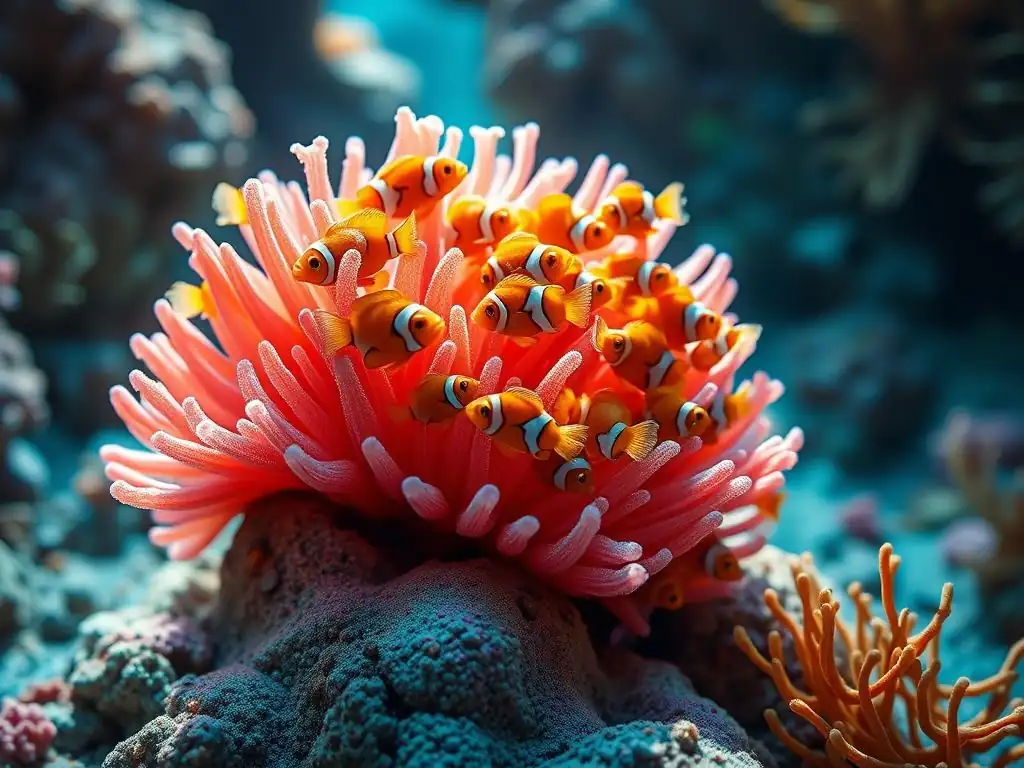
While often perceived as more challenging, natural clownfish fry rearing methods can, in specific well-established systems, lead to surprisingly robust survival rates. This is primarily attributed to the stable, diverse microbial environment provided by mature live rock and a deep sand bed, which can offer a continuous, if sometimes insufficient, supply of natural food organisms. Experienced hobbyists with highly stable and biodiverse reef tanks have reported survival rates ranging from 30% to 50% from a clutch of 300-1000 eggs, particularly when the system is allowed to mature for several months or even years prior to breeding.
This success often hinges on the presence of a thriving copepod population and other microfauna that can sustain the fry through their most vulnerable initial days. The inherent stability of a large, mature system can also buffer against minor water parameter fluctuations, which might otherwise be lethal in a smaller, more sterile setup.
Promotion of Natural Behaviors and Feeding Habits
One significant advantage of natural clownfish fry rearing is the way it fosters the development of more natural behaviors and robust feeding habits in the fry. By growing up in an environment rich with live rock, sand, and a diverse microbial community, the fry are encouraged to actively forage for food, developing stronger hunting instincts. This contrasts with artificial methods where food is often simply poured into the tank.
The constant availability of various small organisms within the natural system also exposes the fry to a more varied diet from an early age, which can contribute to better overall health and resilience. Anecdotal evidence suggests that clownfish reared naturally may exhibit more vibrant coloration and be more adaptable to different tank environments later in life, possibly due to their early exposure to a complex ecosystem.
Difficulty in Controlling Water Parameters
A major drawback of natural clownfish fry rearing methods is the inherent difficulty in precisely controlling water parameters. While a mature system offers stability, the sheer biomass of hundreds of rapidly growing fry, combined with the introduction of supplemental live food cultures, can quickly overwhelm the natural filtration capacity. This can lead to rapid spikes in ammonia and nitrite, which are highly toxic to delicate fry.
Furthermore, performing large water changes, often necessary to dilute waste products, can be challenging without disturbing or harming the tiny, free-swimming fry. The complex structure of live rock and sand also makes it difficult to siphon out uneaten food and waste, allowing detritus to accumulate, which can further degrade water quality and contribute to bacterial blooms.
Challenges in Maintaining a Consistent Food Supply
Despite the presence of natural microfauna, maintaining a consistent and sufficient food supply for hundreds of growing clownfish fry in a natural rearing system is a significant hurdle. While live rock and sand beds will generate some copepods and other minute organisms, the quantity is rarely enough to sustain an entire clutch of fry through their critical early stages. This often necessitates external culture of rotifers and copepods, which then need to be introduced into the system.
This reliance on supplemental feeding effectively undermines some of the "natural" aspects of the method, as the breeder is still responsible for culturing and delivering food. If the external food supply is inconsistent or insufficient, fry mortality rates can skyrocket due to starvation, particularly within the first week post-hatch when they are most vulnerable.
Increased Risk of Parasites and Diseases
The very nature of a biodiverse, natural rearing system, while beneficial in some aspects, inherently carries an increased risk of parasites and diseases for clownfish fry. Live rock, sand, and the water itself can harbor various pathogens, including bacteria, protozoa, and other parasites, which can be devastating to the immune-compromised and undeveloped fry. Unlike a sterile artificial setup where pathogens are rigorously excluded, a natural system offers numerous niches for these organisms to thrive.
Treating diseases in a large, complex natural system with live rock is also extremely difficult. Many medications designed to combat parasites or bacterial infections can harm the beneficial bacteria on the live rock, crash the biological filter, or even be toxic to the delicate fry themselves. This makes prevention through stringent quarantine of new inhabitants and careful sourcing of live rock critical, but outbreaks remain a higher risk.
Artificial Clownfish Fry Rearing: Controlled Environment for Maximum Growth
What is Artificial Clownfish Fry Rearing?
Artificial clownfish fry rearing refers to the practice of raising clownfish fry in highly controlled, often bare-bottom, dedicated tanks that allow for precise manipulation of environmental parameters. This method contrasts sharply with natural rearing by emphasizing sterility, external filtration, and the precise delivery of cultured and enriched foods rather than relying on a self-sustaining ecosystem. The primary goal is to maximize fry survival rates and growth by eliminating variables and creating an optimal, pathogen-reduced environment.
In an artificial setup, the breeder has complete control over water quality, temperature, and lighting, and can meticulously manage the nutritional intake of the fry. This approach is widely adopted by commercial hatcheries and serious hobbyist breeders due to its potential for consistent, high yield and the ability to troubleshoot issues systematically.
Setting Up an Artificial Rearing Tank for Clownfish Fry
Importance of a Sterile Environment
The cornerstone of successful artificial clownfish fry rearing methods is the establishment and maintenance of a sterile or near-sterile environment. This typically involves using bare-bottom tanks, often made of glass or acrylic, with minimal or no decorations, making them easy to clean and disinfect. The absence of substrate or complex structures eliminates hiding places for detritus and pathogens, significantly reducing the risk of bacterial blooms and disease outbreaks that can quickly decimate vulnerable fry.
Before introducing fry, all equipment, including tanks, air lines, and heaters, is thoroughly cleaned and often disinfected with a mild bleach solution or similar sterilizing agent, followed by complete rinsing. This meticulous attention to cleanliness prevents the introduction of harmful bacteria, parasites, and fungi, which are the leading causes of mortality in young clownfish fry.
Utilizing Filtration Systems (Sponge Filters, UV Sterilizers)
In artificial clownfish fry rearing, filtration systems are chosen for their effectiveness in maintaining water quality without harming the delicate fry. Air-driven sponge filters are a staple, providing gentle mechanical filtration by trapping particulate matter and biological filtration by offering a surface area for nitrifying bacteria. Their slow, gentle water movement is ideal for tiny fry, preventing them from being swept away or injured.
Additionally, ultraviolet (UV) sterilizers are often employed in the water column to reduce the number of free-floating bacteria, algae, and protozoa. By passing the water through a chamber exposed to UV-C light, these units disrupt the DNA of microorganisms, effectively sterilizing the water and further minimizing the risk of disease. While not always used continuously, a UV sterilizer can be a valuable tool for maintaining pristine water conditions, especially during the critical first few weeks of the fry's life.
Feeding Clownfish Fry in an Artificial Rearing System
Using Prepared Foods and Enriched Rotifers
Feeding clownfish fry in an artificial rearing system is a precise and critical aspect of their care, starting immediately after hatching. For the first 7-10 days, newly hatched clownfish fry require live, microscopic food due to their tiny mouthparts and undeveloped digestive systems.
Enriched rotifers ( Brachionus plicatilis) are the staple food during this period. These rotifers are cultured separately and then "enriched" – fed with highly nutritious algal concentrates (e.g., Nannochloropsis, Tetraselmis) or commercial enrichment products rich in essential fatty acids like DHA and EPA (e.g., Selco, Roti-Rich) – to boost their nutritional value before being fed to the fry.
As the fry grow, typically around day 7-10, they can transition to larger live foods such as newly hatched Artemia nauplii (brine shrimp), which are also often enriched. After another week or two, around 14-21 days post-hatch, fry can be slowly weaned onto high-quality prepared dry foods, such as fine powders or crumble diets (e.g., Otohime, Golden Pearls, Reef Nutrition TDO), specifically designed for marine fish fry.
Precise Feeding Schedules and Food Quality Control
One of the significant advantages of artificial clownfish fry rearing methods is the ability to implement precise feeding schedules and maintain strict control over food quality. Clownfish fry have incredibly high metabolic rates and require a constant supply of food. This translates to frequent, small feedings, often every 2-4 hours, 24 hours a day, especially during the first week. This continuous feeding ensures that the fry always have access to food, minimizing starvation and promoting rapid growth.
Food quality control is paramount. Live foods like rotifers and brine shrimp must be cultured under clean conditions and consistently enriched to provide optimal nutrition. Prepared foods must be stored properly to prevent spoilage and used before their expiration date. Any uneaten food must be siphoned out regularly to prevent water degradation, as decaying food can quickly lead to ammonia spikes. This meticulous approach to feeding is a key factor in achieving high survival rates and robust fry development.
Advantages of Artificial Clownfish Fry Rearing
Precise Control Over Water Parameters
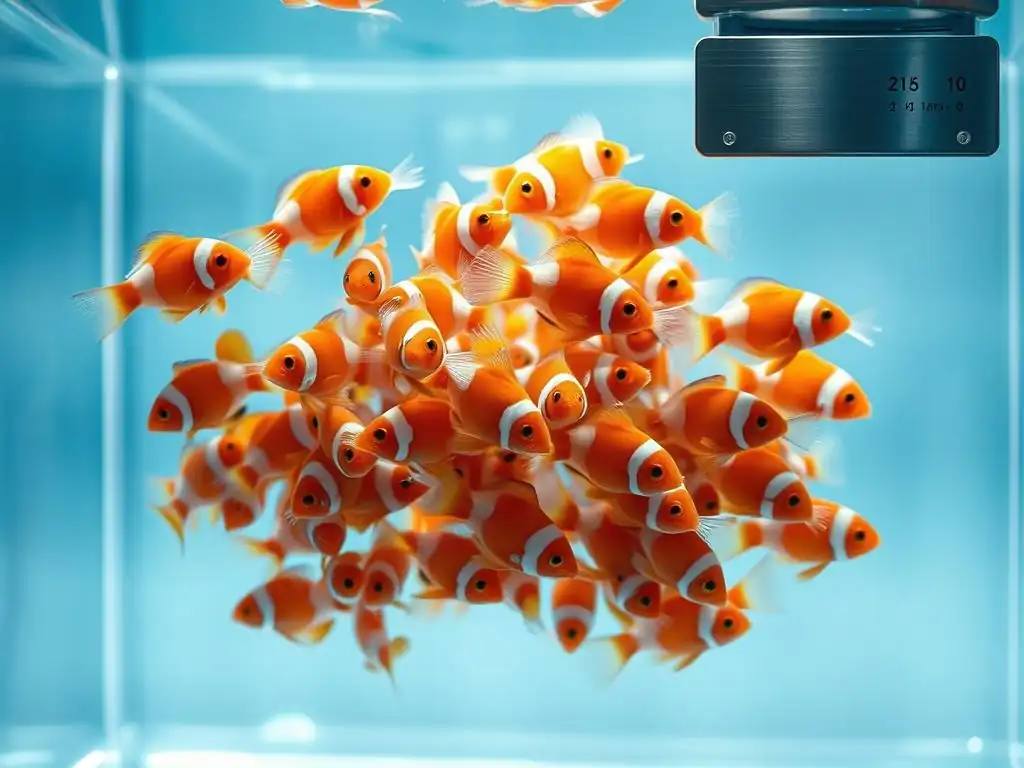
A primary advantage of artificial clownfish fry rearing methods is the unparalleled level of control over water parameters. In a bare-bottom tank with minimal biological load from substrate or live rock, the breeder can easily monitor and adjust crucial parameters such as salinity (typically maintained at 1.025-1.026 SG), temperature (78-80°F or 25.5-26.5°C), and pH (8.1-8.4). More importantly, ammonia and nitrite, which are lethal to fry even at trace levels, can be kept at undetectable levels (0 ppm) through frequent, often daily, water changes.
These water changes, typically ranging from 10% to 30% or more, allow for the direct removal of waste products and uneaten food, preventing the buildup of toxins. The ability to precisely control these parameters significantly reduces environmental stress on the fry, contributing directly to higher survival rates and healthier development compared to less controllable natural systems.
Easier Management of Food Supply and Nutrition
Artificial clownfish fry rearing offers a distinct advantage in the management of food supply and nutrition. By culturing live foods like rotifers and brine shrimp in separate, controlled environments, breeders can ensure a consistent and abundant supply tailored to the specific needs of the fry at each developmental stage. This allows for precise control over the quantity of food delivered, preventing both underfeeding and overfeeding, the latter of which can rapidly degrade water quality.
Furthermore, the ability to enrich live foods with specialized nutritional supplements (e.g., DHA/EPA-rich concentrates) means that the nutritional profile of the diet can be precisely optimized. This targeted nutrition is crucial for the rapid growth and development of fry, particularly for skeletal, neurological, and visual systems. The transition to prepared dry foods can also be managed systematically, ensuring a smooth dietary progression.
Reduced Risk of Parasites and Diseases
The emphasis on sterility and controlled environments in artificial clownfish fry rearing methods significantly reduces the risk of parasites and diseases, which are major threats to young fry. By using bare-bottom tanks, sterilizing equipment, and performing regular water changes with freshly mixed saltwater, the introduction and proliferation of pathogens (bacteria, protozoa, fungi) are minimized. There are no substrates or complex structures where disease-causing organisms can hide or build up.
Should an outbreak occur, the isolated nature of the rearing tank makes diagnosis and treatment much simpler and more effective. Medications can be dosed precisely, and there's no concern about harming a complex biological filter or other tank inhabitants, as would be the case in a natural reef environment. This proactive approach to disease prevention is a key factor in achieving high and consistent survival rates, often exceeding 50-80% for experienced breeders from a single clutch.
Higher Initial Investment in Equipment
While highly effective, artificial clownfish fry rearing methods typically demand a higher initial investment in equipment compared to attempting natural rearing within an existing reef tank. A dedicated setup requires specific components: several small bare-bottom tanks (e.g., 5-10 gallons for rearing, plus separate vessels for food cultures), an air pump, air stones, airline tubing, heaters, thermometers, and often specialized lighting.
Beyond the basic tank setup, the necessity of culturing live foods like rotifers and brine shrimp adds to the cost, requiring culture vessels, air pumps, specific foods for the cultures (e.g., marine phytoplankton), and potentially enrichment products. For hobbyists looking to achieve consistent success, a UV sterilizer, refractometer for salinity measurement, and a full set of water testing kits (ammonia, nitrite, nitrate, pH) are also essential. Total initial costs for a comprehensive artificial rearing setup can easily range from $200 to $500 or more, depending on the scale and sophistication.
Risk of "Sterile Gut" Syndrome if Probiotics are not Used
One lesser-known disadvantage of the highly sterile environment in artificial clownfish fry rearing is the potential risk of "sterile gut" syndrome or insufficient gut flora development. In a natural environment, fry are exposed to a diverse range of beneficial bacteria from their surroundings and food, which colonize their digestive tracts and aid in nutrient assimilation and disease resistance. In a sterile artificial setup, this natural colonization may not occur sufficiently.
Without a robust and diverse gut microbiome, fry can suffer from poor digestion, reduced nutrient absorption, and increased susceptibility to opportunistic bacterial infections. To counteract this, many artificial rearing protocols now incorporate the use of probiotics. These beneficial bacterial strains, such as specific Bacillus species, are either added to the fry's food or directly to the water, helping to establish a healthy gut flora and improve overall health and resilience.
Labor-Intensive Water Changes and Maintenance
Artificial clownfish fry rearing, while offering precise control, is notably labor-intensive. The bare-bottom tanks, while easy to clean, require daily or even twice-daily maintenance to remove uneaten food and waste products. This often involves siphoning the bottom of the tank with a small airline tube, a delicate process given the tiny size of the fry.
Furthermore, frequent water changes are crucial for maintaining pristine water quality and preventing the buildup of toxic ammonia and nitrite. Breeders often perform 10-30% water changes every day or every other day during the critical first few weeks. This consistent routine of cleaning, siphoning, and preparing new saltwater adds significantly to the daily time commitment, often requiring an hour or more per day, making it a demanding method that requires dedication and consistency.
Comparing Natural and Artificial Clownfish Fry Rearing Methods: A Side-by-Side Analysis
Water Quality Management: Natural vs. Artificial
In terms of water quality management, natural clownfish fry rearing methods rely heavily on the established biological filtration of a mature reef system. While this can offer inherent stability and buffering capacity, it provides less direct control. Correcting sudden spikes in ammonia or nitrite, which can occur with the introduction of hundreds of fry and their waste, is difficult without disrupting the delicate ecosystem. Large water changes are challenging to perform without stressing or losing fry, and detritus can accumulate in live rock and sand.
Conversely, artificial clownfish fry rearing methods offer precise and direct control over water parameters. Bare-bottom tanks allow for easy visual inspection of waste, and frequent, often daily, water changes (e.g., 10-30%) directly remove toxins and replenish trace elements. This proactive management allows breeders to maintain consistently pristine conditions, with ammonia and nitrite levels typically at 0 ppm, which is critical for the survival of delicate fry.
Feeding Strategies: Natural vs. Artificial
The feeding strategies employed in natural versus artificial clownfish fry rearing methods differ significantly in their approach and control. In natural rearing, the initial reliance is on the microfauna (copepods, rotifers) naturally present within the live rock and sand bed. While this provides a continuous source, it's often insufficient to sustain a large clutch of fry, necessitating supplemental feeding with cultured live foods. The precise quantity and nutritional value of naturally occurring food are hard to ascertain or control.
Artificial rearing, on the other hand, allows for highly controlled and precise feeding. Breeders culture large quantities of specific live foods like enriched rotifers and brine shrimp, ensuring they are packed with essential fatty acids (DHA, EPA). Food is delivered frequently, often every 2-4 hours, ensuring constant availability. This method allows for exact measurement of food intake and ensures optimal nutrition, leading to faster growth and higher survival rates.
Disease Prevention: Natural vs. Artificial
Disease prevention is a critical area where natural and artificial clownfish fry rearing methods diverge sharply. Natural rearing, by its very nature, involves a biodiverse environment that can harbor a wider range of potential pathogens, including bacteria, protozoa, and parasites. While a robust natural system can offer some resilience, the immature immune systems of fry make them highly susceptible, and treating diseases in a complex reef tank is extremely difficult and often harmful to the beneficial biology.
Artificial rearing prioritizes sterility and biosecurity. Bare-bottom tanks, rigorous cleaning, and disinfection protocols minimize the presence of pathogens. The controlled environment makes it easier to prevent outbreaks and, if they do occur, to diagnose and treat them effectively without collateral damage to a complex ecosystem. This proactive approach to pathogen control is a key reason for the higher and more consistent survival rates often achieved with artificial methods.
Cost Considerations: Natural vs. Artificial
When comparing the cost considerations of natural versus artificial clownfish fry rearing methods, both have their unique financial implications. Natural rearing, if integrated into an existing mature reef system, might appear to have lower initial hardware costs, as it utilizes existing infrastructure like live rock and filtration. However, the ongoing cost of culturing supplemental live foods (rotifers, copepods, and their phytoplankton feed) can be substantial and continuous, given the high demand from hundreds of fry.
Artificial rearing typically involves a higher initial investment in dedicated equipment, including bare-bottom tanks, air pumps, heaters, and specialized food culture systems. A basic setup might cost $200-$500, with more advanced setups running higher. However, the consistent high survival rates often achieved with artificial methods can make the investment worthwhile for serious breeders. The ongoing costs for live food cultures are similar to natural rearing, but the control over the environment often leads to a more predictable and often higher yield of healthy fry.
Optimizing Clownfish Fry Health: Key Factors for Success in Both Methods
Importance of Water Quality: Ammonia, Nitrite, and Nitrate Control
Maintaining impeccable water quality is paramount for the health and survival of clownfish fry, regardless of the rearing method employed. Ammonia (NH3/NH4+) and nitrite (NO2-) are highly toxic to fish, particularly delicate fry, and must be kept at undetectable levels (0 parts per million, or ppm) at all times. Even trace amounts can cause gill damage, stress, and lead to rapid mortality. These compounds are produced from the breakdown of uneaten food and fish waste.
Nitrate (NO3-), while less toxic than ammonia or nitrite, should also be kept as low as possible, ideally below 10-20 ppm, as high levels can cause chronic stress and inhibit growth. Regular and diligent water testing using reliable kits is essential to monitor these parameters. Frequent small water changes (e.g., 10-30% daily or every other day) are the primary method for controlling these nitrogenous waste products, effectively diluting toxins and replenishing essential minerals.
Nutritional Requirements of Clownfish Fry: A Detailed Look
The nutritional requirements of clownfish fry are incredibly specific and demanding, especially during their initial larval stages. From the moment they hatch, they require a diet rich in protein, lipids, and essential fatty acids, particularly Docosahexaenoic Acid (DHA) and Eicosapentaenoic Acid (EPA). These fatty acids are crucial for the development of their nervous system, eyes, and overall growth. The first 7-10 days post-hatch are considered the most critical feeding period, as fry have very limited energy reserves.
Initially, their tiny mouths (50-100 microns) necessitate live, microscopic food sources like enriched rotifers ( Brachionus plicatilis), which provide the necessary size and nutritional profile. As they grow, they transition to larger live foods such as enriched Artemia nauplii (brine shrimp). The enrichment process, where live foods are fed a diet high in DHA/EPA, is vital to ensure the fry receive adequate nutrition. Failing to provide the correct size and nutritional content of food during these early stages will inevitably lead to high mortality rates and stunted growth.
Probiotics and Gut Health for Clownfish Fry
The role of probiotics in enhancing the health and survival of clownfish fry is gaining significant recognition, particularly in artificial rearing setups. Probiotics are beneficial microorganisms that, when administered in adequate amounts, confer a health benefit on the host, primarily by improving gut flora and digestion. In sterile rearing environments, fry may not naturally acquire a diverse and robust gut microbiome, leading to potential digestive issues and increased susceptibility to disease.
Introducing specific probiotic strains, such as Bacillus subtilis or Lactobacillus species, can help establish a healthy gut environment in the fry. These bacteria can be incorporated into the fry's diet by enriching live foods or by directly adding them to the rearing water. A healthy gut microbiome aids in nutrient absorption, strengthens the immune system, and can competitively exclude harmful bacteria, thereby reducing the incidence of "sterile gut" syndrome and improving overall fry vitality and survival rates.
Preventing and Treating Diseases in Clownfish Fry
Preventing diseases in clownfish fry is far more effective and less stressful than attempting to treat an outbreak, given their extreme fragility. Strict biosecurity measures are paramount in all clownfish fry rearing methods. This includes meticulously cleaning and sterilizing all equipment before use, quarantining and disinfecting any live food cultures or parent fish, and practicing excellent hygiene (e.g., washing hands before handling fry or equipment). The goal is to minimize the introduction of pathogens into the rearing environment.
Despite best efforts, diseases can still occur. Common issues include bacterial infections (often visible as cloudy eyes, fin rot, or lethargy) and ciliate infestations (e.g., Brooklynella hostilis). Treating these in fry tanks is challenging because fry are highly sensitive to many medications. Formalin dips or very low concentrations of broad-spectrum antibiotics might be used in severe cases, but often the best "treatment" is maintaining pristine water quality and optimal nutrition, allowing the fry's natural resilience to take over. Early detection and immediate isolation of affected fry are also crucial to prevent widespread outbreaks.
Choosing the Right Clownfish Fry Rearing Method for You: Evaluating Resources and Goals
Tank Space and Equipment Availability
The choice between natural and artificial clownfish fry rearing methods often hinges on the tank space and equipment available to the aquarist. Natural rearing typically requires a well-established, mature reef tank, ideally 20 gallons or larger, capable of supporting a breeding pair and potentially accommodating the fry within the main system or a connected sump. While this may seem to reduce the need for new equipment, it necessitates a highly stable and biodiverse existing setup.
Artificial rearing, conversely, demands dedicated space for several smaller bare-bottom tanks (e.g., 5-10 gallons for the rearing tank, plus additional vessels for live food cultures). This method requires a comprehensive suite of specific equipment: air pumps, heaters, sponge filters, lighting, and specialized culture equipment for rotifers and copepods. Hobbyists must assess if they have the physical space and are willing to invest in these separate, dedicated components.
Time Commitment for Maintenance and Feeding
The time commitment required for successful clownfish fry rearing varies significantly between natural and artificial methods. Natural rearing, especially if the fry are left in a large, established reef tank, might appear to be less hands-on for daily maintenance like water changes. However, it still demands regular monitoring of fry behavior and water parameters, and crucially, consistent culture and introduction of supplemental live foods, which can be a daily task.
Artificial rearing is considerably more labor-intensive. It typically requires daily or even twice-daily water changes (10-30%), meticulous siphoning of uneaten food and waste, and precise, frequent feedings (every 2-4 hours, potentially 24/7 during the first week). This level of dedication can easily consume 1-2 hours or more of a breeder's time daily, particularly during the critical initial weeks. Aquarists must honestly evaluate their available time and commitment before choosing an intensive artificial rearing protocol.
Desired Growth Rate and Survival Rate
The desired growth rate and survival rate are crucial factors that influence the choice of clownfish fry rearing methods. Artificial rearing generally offers a higher, more consistent survival rate and faster growth. With precise control over water parameters, tailored nutrition, and a reduced pathogen load, experienced breeders often achieve survival rates of 50-80% or even higher from a single clutch of eggs. The controlled feeding schedules and optimal conditions also lead to more rapid development and larger, healthier juveniles.
Natural rearing methods, while potentially rewarding, often result in more variable survival rates, which can range widely from less than 10% to, in rare highly successful cases, up to 50%. Growth rates can also be slower due to less consistent food availability or less-than-optimal water parameters. If the primary goal is to produce a high number of healthy, fast-growing clownfish fry consistently, artificial rearing provides a more predictable and often superior outcome.
Conclusion: Achieving Success with Clownfish Fry Rearing
Combining Natural and Artificial Elements for Optimal Results
While natural and artificial clownfish fry rearing methods are often presented as distinct approaches, combining elements from both can often yield optimal results and higher success rates for hobbyist breeders. A popular hybrid strategy involves utilizing the highly controlled environment of artificial rearing for the most vulnerable initial larval stages, typically the first 7-14 days post-hatch. During this period, precise water parameters, sterile conditions, and consistent delivery of enriched live foods are critical for maximizing survival.
Once the clownfish fry have undergone metamorphosis and are robust enough to consume larger foods, they can then be transferred to a "naturalized" grow-out tank. This tank might incorporate live rock or a deep sand bed to provide beneficial bacteria, microfauna, and a more stimulating environment, mimicking their natural habitat while still allowing for easier maintenance than a full reef tank. This blended approach leverages the strengths of both methods: the control and high survival of artificial rearing during the critical early days, followed by the benefits of a more naturalistic environment for development.
The Future of Clownfish Fry Rearing: Innovations and Advancements
The field of clownfish fry rearing continues to evolve, driven by ongoing research and the dedication of both commercial aquaculturists and hobbyist breeders. Innovations are constantly emerging, aiming to make clownfish fry rearing methods more efficient, sustainable, and accessible. One key area of advancement is the development of new, highly nutritious prepared foods that can potentially reduce the reliance on labor-intensive live food cultures, offering complete nutrition from an earlier stage.
Furthermore, research into specific probiotic strains and their precise application continues to improve gut health and disease resistance in fry. Automation in feeding systems, water quality monitoring, and environmental control is also making significant strides, promising to reduce the daily labor commitment for breeders. These advancements, coupled with a deeper understanding of clownfish biology and larval development, are paving the way for even higher survival rates and healthier clownfish populations in the future, further solidifying the role of captive breeding in the marine aquarium hobby.
Maintaining a Healthy Clownfish Population Through Responsible Breeding.
The increasing success of various clownfish fry rearing methods, both natural and artificial, plays a vital role in maintaining a healthy and sustainable clownfish population within the aquarium trade. By consistently producing captive-bred clownfish, hobbyists and commercial hatcheries significantly reduce the demand for wild-caught specimens, thereby alleviating pressure on natural reef ecosystems. This responsible breeding effort contributes directly to the conservation of clownfish species and their delicate habitats.
Beyond environmental benefits, successful breeding also ensures the availability of robust, disease-resistant fish that are already accustomed to aquarium life, making them better inhabitants for home aquariums. As aquarists continue to refine and innovate their clownfish fry rearing methods, they not only contribute to the personal satisfaction of witnessing life cycles but also actively participate in a broader movement towards ethical and sustainable marine aquaculture, fostering a healthier future for these iconic fish.
Frequently Asked Questions
What are the main differences between natural and artificial rearing methods for clownfish fry?
Natural rearing involves allowing the parent clownfish to care for the fry in a dedicated breeding tank. Artificial rearing involves removing the fry and raising them in a separate tank with controlled conditions.
Why might someone choose artificial rearing over natural rearing for clownfish fry?
Artificial rearing offers greater control over the environment and diet. This can lead to higher survival rates compared to natural rearing, especially in the early stages.
What are the potential benefits of allowing parent clownfish to rear their fry naturally?
Natural rearing can lead to more naturally behaving fry, as they learn from their parents. It also minimizes the risk of human error associated with artificial methods.
What are some common challenges associated with artificial clownfish fry rearing?
Challenges include maintaining pristine water quality, providing the correct food size and type, and preventing diseases due to the crowded environment.
How does water quality management differ between natural and artificial clownfish fry rearing?
In natural rearing, the parent fish contribute to maintaining water quality. In artificial rearing, frequent water changes and filtration are crucial to prevent ammonia and nitrite buildup.
Final Reflection: Nurturing the Future of Clownfish
The exploration of clownfish fry rearing methods reveals more than just techniques for raising these vibrant creatures; it highlights our responsibility in preserving marine biodiversity. The choices we make, whether leaning towards natural or artificial approaches, directly impact the health and resilience of future generations of clownfish, and by extension, the delicate balance of coral reef ecosystems.
This journey into the world of clownfish rearing has underscored the profound influence of human intervention on natural processes. It's a constant reminder that our actions, however small, ripple outwards, shaping the future of these captivating fish and the environments they inhabit. The ultimate test of a moral society is the kind of world that it leaves to its children.
- Dietrich Bonhoeffer. This quote resonates deeply, urging us to consider the long-term consequences of our rearing methods and strive for practices that prioritize the well-being of both the fish and the planet.
As we conclude this exploration, I invite you to reflect on your own role in this narrative. Consider how your choices, whether as an aquarist, a researcher, or simply an admirer of marine life, can contribute to a more sustainable and ethical approach to clownfish rearing. Let us all strive to learn from the lessons presented here and actively participate in nurturing a future where clownfish thrive, both in our tanks and in the vast, interconnected ocean.
Nurture Your Knowledge: Dive Deeper into Clownfish Care!
Thank you for exploring the fascinating world of clownfish rearing with us! We hope you've gained valuable insights into the nuances of natural and artificial methods. Now, let's put that knowledge into action.
Here are a few ways you can continue your clownfish journey:
- Embark on Your First Hatch: Consider setting up a small-scale breeding tank to experience the joys of raising clownfish fry firsthand. Start small and document your progress.
- Join the Conversation: Share your experiences and questions with fellow aquarists in the Aquarium Mastery community forum. Let's learn from each other.
- Explore Further: Research specific clownfish diets and rearing techniques to refine your approach and achieve even greater success.
Ready to transform your aquarium hobby with hands-on experience?