
Anemone Predators: Protecting Your Clownfish's Host from Hidden Dangers

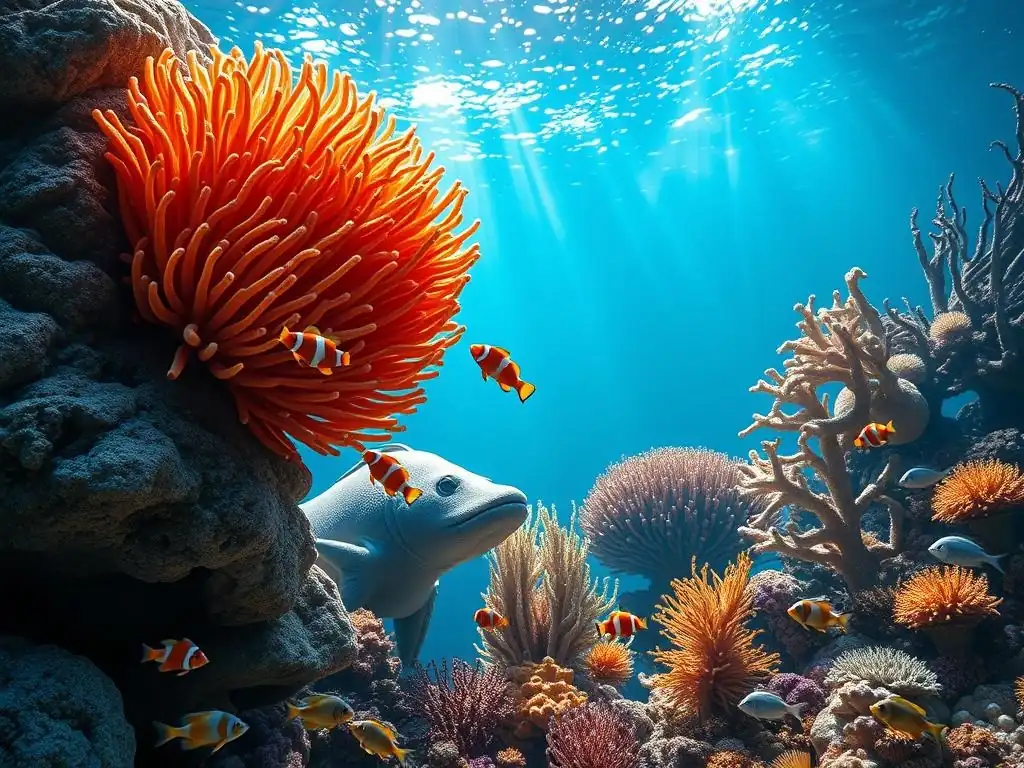
Welcome to Aquarium Mastery!
Ever wondered what secret threats might be lurking in your saltwater aquarium, jeopardizing the crucial symbiotic relationship between your clownfish and their anemone? Dive in to discover how to identify and combat these hidden dangers. Our latest article, " Anemone Predators: Protecting Your Clownfish's Host from Hidden Dangers," unveils the secrets to safeguarding your anemone and ensuring a thriving, balanced ecosystem for your beloved clownfish. Ready to learn how to protect your underwater haven?
- Understanding the Anemone's Role in the Clownfish Ecosystem
- Identifying Potential Anemone Predators in Your Saltwater Aquarium
- Major Anemone Predators and How to Control Them
- Prevention Strategies for Anemone Predator Protection
- Creating a Predator-Free Environment for Your Clownfish and Anemone
- Conclusion: Ensuring a Healthy and Thriving Clownfish-Anemone Partnership
-
Frequently Asked Questions
- What are the most common predators of anemones in a saltwater aquarium?
- How can I identify if my anemone is being targeted by a predator?
- What steps can I take to protect my anemone from potential predators?
- Does the size of the anemone affect its vulnerability to predation?
- How does protecting the anemone ultimately benefit my clownfish?
- Final Reflection: Safeguarding Symbiosis
- Safeguard Your Sanctuary: Empower Your Anemone's Survival!
Understanding the Anemone's Role in the Clownfish Ecosystem
The Symbiotic Relationship: Clownfish and Anemone Benefits
The iconic bond between clownfish and their host anemones is one of nature's most fascinating examples of mutualism, where both species benefit. Clownfish receive crucial protection from predators, such as triggerfish and moray eels, by sheltering within the anemone's stinging tentacles. Their unique mucus coating prevents them from being stung, allowing them safe refuge. This protective haven is vital for their survival in the wild and in a captive environment.
In return, the anemone also benefits from this partnership. Clownfish are known to deter anemone predators, such as certain butterflyfish species, which might otherwise nip at the anemone's tentacles. Furthermore, clownfish help keep the anemone clean by removing detritus and uneaten food particles, and their movements can improve water circulation around the anemone. Some studies even suggest that clownfish waste products can provide essential nutrients, contributing to the anemone's overall health and growth. This intricate relationship underscores why clownfish anemone predator protection is paramount.
Why Anemone Health is Crucial for Clownfish Wellbeing
The health and vitality of the host anemone are directly linked to the wellbeing and longevity of the clownfish. A thriving anemone provides a stable, secure home, a safe breeding ground, and a constant source of protection from potential threats in the aquarium. Without a healthy anemone, clownfish become highly stressed, more susceptible to disease, and vulnerable to predation from other tank inhabitants.
If an anemone becomes unhealthy, shrinks, or perishes, the clownfish may abandon it, leading to increased stress and a significant reduction in their lifespan. In some severe cases, a dying anemone can even release toxins that harm its clownfish residents. Therefore, ensuring robust anemone predator protection is not just about safeguarding a beautiful invertebrate; it's about preserving the entire symbiotic partnership and providing a secure environment for your beloved clownfish.
Identifying Potential Anemone Predators in Your Saltwater Aquarium
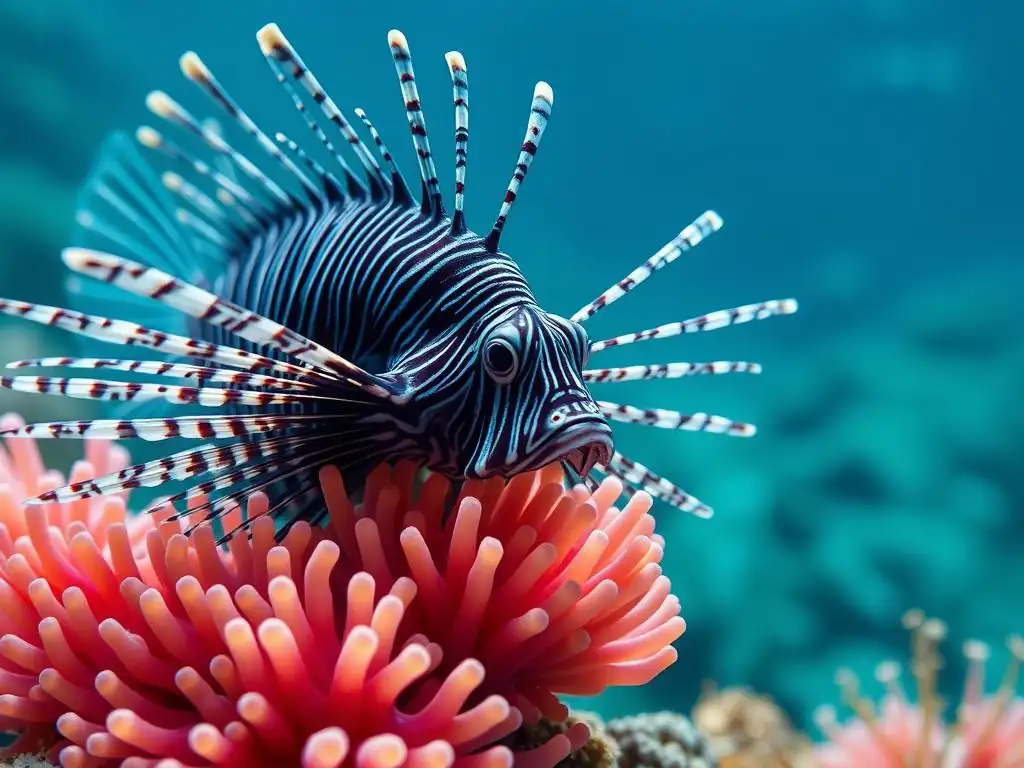
Common Aquarium Pests that Threaten Anemones
Saltwater aquariums, especially those with live rock and corals, can inadvertently introduce a variety of small invertebrates, some of which may pose a direct threat to your anemones. These "hitchhikers" are often cryptic and can go unnoticed until they've caused significant damage. Common culprits include certain species of nudibranchs, specific bristleworms, and even some types of starfish.
These pests can slowly but surely consume anemone tissue, leading to recession, bleaching, and ultimately, the anemone's demise. Unlike larger, more obvious predators, these smaller threats often operate under the cover of darkness or are camouflaged, making early detection challenging but crucial for effective anemone predator protection. Vigilance and understanding the signs of predation are your best defenses.
Recognizing the Signs of Anemone Predation: Tissue Recession and Color Loss
Observing your anemone regularly for subtle changes is key to identifying predation early. One of the most common signs is tissue recession, where the anemone appears to shrink, its tentacles may not fully inflate, or its foot may become more exposed than usual. This can indicate that parts of its tissue are being consumed or damaged.
Another critical indicator is color loss or bleaching, which manifests as pale or white patches on the tentacles or column. While bleaching can also be caused by poor water quality or inadequate lighting, localized color loss or areas of white tissue, especially accompanied by recession, often point to irritation or direct predation. You might also notice open wounds, tears, or a general lack of vigor in the anemone, with the clownfish acting unusually agitated or attempting to "clean" the anemone more frequently.
Major Anemone Predators and How to Control Them
Nudibranchs: Identifying and Eliminating This Anemone Threat
Species of Nudibranchs that Prey on Anemones
While many nudibranchs are harmless or feed on specific algae or detritus, some species are obligate predators of cnidarians, including anemones. These predatory nudibranchs are often highly camouflaged, blending seamlessly with their prey, making them incredibly difficult to spot. They can range in size from a few millimeters to several centimeters. They typically feed by slowly consuming the anemone's tissue, often starting from the base or the underside, causing gradual recession. Identifying the exact species can be challenging, as many are visually similar, but any nudibranch observed on or near an anemone should be viewed with suspicion.
Nudibranch Removal Strategies: Iodine Dips, Manual Removal, and Berghia Nudibranchs
Effective nudibranch control for clownfish anemone predator protection primarily relies on manual removal and prevention. For new corals or live rock, a preventative iodine dip or commercial coral dip (following manufacturer instructions) can help dislodge hitchhiking nudibranchs before introduction to the main tank. However, dipping an established anemone is generally not recommended due to its sensitivity.
Once a nudibranch infestation is suspected in the main display, manual removal is the most direct method. This often requires careful observation, especially at night with a red-light flashlight, as many nudibranchs are nocturnal. Use tweezers or tongs to gently remove any visible nudibranchs. Repeated removal over several days or weeks may be necessary to break their life cycle. It's important to note that Berghia nudibranchs are specific predators of Aiptasia anemones and do not consume host anemones, so they are not a solution for this particular threat.
Bristleworms: Are They Always a Problem for Anemones?
Understanding the Role of Bristleworms in the Aquarium Ecosystem
Bristleworms (Polychaetes) are common inhabitants of saltwater aquariums and are generally considered beneficial. Most species are detritivores, acting as part of the tank's clean-up crew. They help break down uneaten food, decaying organic matter, and detritus, contributing to nutrient cycling and maintaining a healthy substrate. Their presence is often a sign of a mature and balanced ecosystem.
The vast majority of bristleworms, including the common fireworm ( Hermodice carunculata), are opportunistic scavengers and will only consume an anemone if it is already dead or severely stressed. A healthy, vigorous anemone is typically safe from these generalist scavengers.
When Bristleworms Become a Threat to Anemones: Overpopulation and Predatory Species
While most bristleworms are benign, certain circumstances can turn them into a threat to your anemones. Overpopulation, often a result of overfeeding, can lead to increased competition for food. In such cases, even typically harmless species might become bolder and opportunistically pick at a weakened or struggling anemone. Furthermore, there are a few genuinely predatory bristleworm species that can target sessile invertebrates like anemones, especially if the anemone is not fully retracted or is otherwise compromised. Look for large bristleworms actively crawling on or around the anemone, particularly after lights out.
Bristleworm Control Methods: Trapping and Population Management
If bristleworm populations become excessive or if you suspect a predatory species, several control methods can be employed for anemone predator protection. Manual removal using tongs or tweezers (always wear gloves due to their irritating bristles) can be effective for visible worms. Bristleworm traps are also highly effective; these can be purchased or homemade using a small plastic bottle baited with a piece of shrimp or fish, placed in the tank overnight.
Reducing the amount of uneaten food in the tank is crucial for long-term population management, as overfeeding directly contributes to their proliferation. Some biological controls, such as certain wrasses (e.g., six-line wrasse) or arrow crabs, may consume smaller bristleworms, but they are not a guaranteed solution for large infestations.
Certain Fish Species: Identifying Incompatible Tank Mates
Fish That May Nibble or Damage Anemones: Triggerfish, Butterflyfish, and Pufferfish
Selecting compatible tank mates is a cornerstone of effective clownfish anemone predator protection. Unfortunately, many popular and visually striking fish species are not suitable for an anemone-hosting setup due to their natural diets or behaviors. Triggerfish (e.g., Picasso Triggerfish, Humu Humu Triggerfish) possess powerful jaws designed for crushing shells and are notorious for picking at and consuming invertebrates, including anemones.
Similarly, many Butterflyfish species are corallivores or general invertebrate grazers (e.g., Copperband Butterflyfish, Longnose Butterflyfish) and may nip at anemones, causing significant stress and tissue damage. Pufferfish (e.g., Dogface Puffer, Porcupine Puffer), with their strong, beak-like mouths, are also well-known for their destructive tendencies towards sessile invertebrates. Even if these fish don't fully consume the anemone, constant harassment and nipping can lead to its decline.
Choosing Compatible Tank Mates for a Clownfish-Anemone Setup
To ensure the safety of your anemone and its clownfish, thorough research into the compatibility of any potential tank mate is essential. Prioritize peaceful, "reef-safe" species that are known not to harass or prey on anemones or other invertebrates.
Always err on the side of caution when selecting tank mates for an anemone-hosting clownfish setup. A single incompatible fish can jeopardize the entire ecosystem.
Excellent choices for an anemone-centric aquarium often include most gobies, blennies, cardinalfish, and many species of wrasses (such as flasher wrasses, fairy wrasses, or some peaceful halichoeres wrasses). Herbivorous tangs are generally safe, but their large size should be considered for tank space. Focus on creating a harmonious community where the anemone can thrive undisturbed.
Starfish: Identifying Anemone-Eating Varieties
Asterina Starfish: A Potential Threat?
Small, often cryptic starfish known as Asterina starfish are common hitchhikers on live rock and corals. Most Asterina species are harmless detritivores or graze on film algae, and their presence is often benign. However, a small percentage of Asterina populations, estimated to be less than 5% by some hobbyists, have been reported to become problematic.
These specific variants may consume coralline algae or, in rare cases, nip at soft corals or anemones, especially if other food sources are scarce or if the anemone is already stressed. They typically appear as tiny, flat starfish, often white, grey, or mottled, with five or more arms.
Managing Starfish Populations to Protect Anemones
If you observe Asterina starfish congregating on or actively nipping at your anemone, manual removal is the most straightforward approach. Simply pick them off the anemone or rockwork. Since they reproduce rapidly through fission (splitting), consistent removal is key to keeping their population in check.
While Harlequin Shrimp ( Hymenocera picta) are highly effective predators of starfish, they are not a general solution for anemone predator protection as they will consume all starfish in the tank, including desirable ones, and require a constant supply of starfish as food. Maintaining excellent water quality and avoiding overfeeding can also help manage Asterina populations by limiting their food sources.
Prevention Strategies for Anemone Predator Protection
Quarantine New Additions to Your Aquarium: Preventing Introductions
The most effective method for clownfish anemone predator protection is preventing their introduction in the first place. A dedicated quarantine tank (QT) for all new live rock, corals, and invertebrates is an invaluable tool. Maintain new additions in the QT for a minimum of 4-6 weeks. During this period, meticulously inspect all items for any signs of unwanted hitchhikers, such as tiny nudibranchs, bristleworms, or starfish.
For new corals, consider appropriate coral dips (following manufacturer guidelines) to dislodge and kill pests before they enter your main display. Remember, an anemone itself should generally not be dipped, as these solutions can be too harsh for them. This proactive approach significantly reduces the risk of introducing hidden predators.
Regular Observation and Early Detection of Pests
Consistent and careful observation is paramount for early detection of potential threats. Dedicate 10-15 minutes daily to observing your anemone and its clownfish. Look for any changes in the anemone's appearance, behavior, or signs of tissue damage. Pay close attention to any unusual invertebrates crawling on or near the anemone.
Many anemone predators, such as nudibranchs and some bristleworms, are nocturnal. Performing nighttime checks using a red-light flashlight after the main tank lights have been off for an hour or two can reveal these hidden threats that are otherwise unseen during the day. Early detection allows for prompt intervention, preventing minor issues from escalating into significant damage.
Maintaining Optimal Water Parameters for Anemone Health
The Importance of Water Quality for Anemone Resilience
Anemones are highly sensitive to fluctuations in water quality and require stable, pristine conditions to thrive. Maintaining optimal water parameters is crucial for anemone predator protection because a healthy, unstressed anemone is far more resilient to potential attacks and can recover more effectively from minor nips. Key parameters include stable salinity (1.025-1.026 specific gravity), temperature (76-78°F or 24.4-25.5°C), pH (8.1-8.4), alkalinity (8-12 dKH), calcium (400-450 ppm), and magnesium (1250-1350 ppm).
Furthermore, keeping nitrates below 10 ppm and phosphates below 0.03 ppm is essential. High nutrient levels can stress anemones and contribute to algae growth, which can further irritate them. Regular water changes (e.g., 10-20% bi-weekly) help maintain stability and replenish essential trace elements, directly supporting the anemone's immune system and overall vitality.
Proper Feeding and Nutrition for Anemones: Strengthening Defenses
A well-fed anemone is a healthy anemone, and proper nutrition plays a vital role in its resilience against predators. Anemones, especially host anemones, benefit significantly from target feeding 2-3 times per week. Offer appropriately sized, high-quality meaty foods such as mysis shrimp, chopped silversides, krill, or small pieces of marine-grade fish.
Directly feeding the anemone ensures it receives sufficient nutrients, which strengthens its tissues, improves its immune response, and enhances its ability to recover from stress or minor damage. A robust, well-fed anemone is less likely to be seen as an easy target by opportunistic predators. However, avoid overfeeding, as this can lead to fouled water and contribute to overall pest problems.
Creating a Predator-Free Environment for Your Clownfish and Anemone
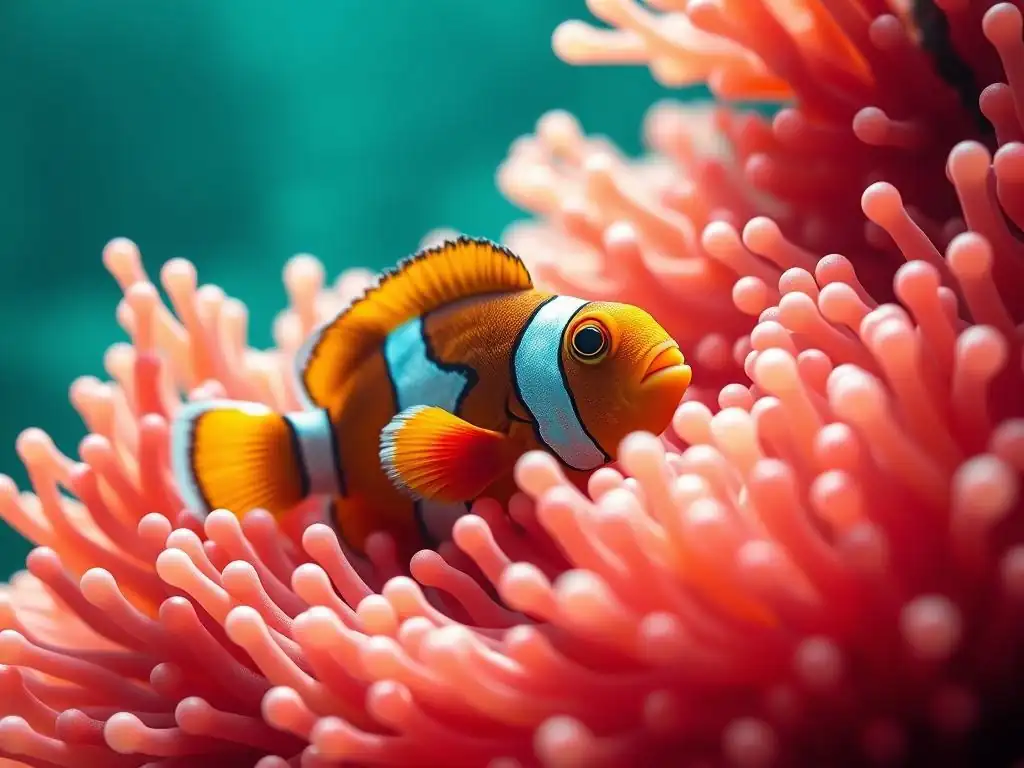
Reef Tank Design Considerations for Anemone Safety
Thoughtful reef tank design can significantly contribute to clownfish anemone predator protection. When placing your anemone, choose a spot with stable water flow and appropriate lighting, away from powerheads, overflows, or other equipment that could injure it if it decides to move. Anemones will often move to find their ideal spot, so ensure the rockwork offers safe crevices and anchoring points.
Design your rockscape to provide secure attachment sites and minimize areas where predators could easily ambush the anemone from behind. Creating a stable, well-established environment reduces stress on the anemone, making it less vulnerable to opportunistic attacks. Some aquarists even design a dedicated "anemone island" or a section of the tank specifically for the anemone, allowing for easier monitoring and isolation from potential threats.
Utilizing Biological Control Methods: Wrasse Species and Arrow Crabs
While not foolproof, certain biological control agents can assist in maintaining a predator-free environment. Some species of wrasse, such as the Six-Line Wrasse ( Pseudocheilinus hexataenia), Yellow Coris Wrasse ( Halichoeres chrysus), or Melanurus Wrasse ( Halichoeres melanurus), are known to consume small parasitic invertebrates like flatworms and might opportunistically feed on juvenile bristleworms or small, problematic nudibranchs. However, their effectiveness against specific anemone predators is not guaranteed, and they should not be relied upon as the sole solution.
Arrow Crabs ( Stenorhynchus seticornis) are another option sometimes considered. They are excellent scavengers and can consume bristleworms, but they can also be opportunistic and potentially nip at anemones or small fish if not well-fed, so their introduction should be approached with caution. Biological controls should be seen as a supplementary tool within a comprehensive anemone predator protection strategy, rather than a primary defense.
Conclusion: Ensuring a Healthy and Thriving Clownfish-Anemone Partnership
Long-Term Strategies for Anemone Predator Protection
Ensuring a healthy and thriving clownfish-anemone partnership requires a multi-faceted, long-term approach to clownfish anemone predator protection. It begins with rigorous prevention, primarily through diligent quarantine of all new additions to your aquarium. This proactive step is the most effective way to prevent the introduction of hidden threats.
Ongoing success hinges on continuous vigilance: daily observation of your anemone for any signs of stress or predation, including dedicated nighttime checks. Maintaining pristine and stable water parameters is non-negotiable, as a healthy anemone is inherently more resilient. Furthermore, providing proper nutrition through targeted feeding strengthens its defenses.
By carefully selecting compatible tank mates and designing a safe environment, you create a sanctuary where your clownfish and its host can flourish. This diligent care not only protects your investment but also allows you to enjoy the captivating beauty and unique symbiosis of this iconic marine pair for years to come.
Frequently Asked Questions
What are the most common predators of anemones in a saltwater aquarium?
Common anemone predators include certain types of filefish, butterflyfish, and some crabs. These creatures may nibble on or even consume anemones, potentially impacting the health of your clownfish's host.
How can I identify if my anemone is being targeted by a predator?
Signs of predation include tissue damage or receding tentacles on the anemone. You might also observe fish actively picking at the anemone's surface.
What steps can I take to protect my anemone from potential predators?
Carefully research the compatibility of tank mates before introducing them to your aquarium. Quarantine new fish to observe their behavior and ensure they don't develop a taste for anemones.
Does the size of the anemone affect its vulnerability to predation?
Smaller, younger anemones are generally more vulnerable to predation than larger, established ones. Larger anemones have more defensive capabilities and resilience.
How does protecting the anemone ultimately benefit my clownfish?
A healthy anemone provides essential shelter and protection for clownfish from predators. Without a healthy host, clownfish become more vulnerable and stressed, potentially impacting their overall health and well-being.
Final Reflection: Safeguarding Symbiosis
The intricate dance between clownfish and anemones, a cornerstone of vibrant reef ecosystems, is constantly threatened by unseen predators. Understanding these dangers, as we've explored, is not merely about protecting our aquariums; it's about appreciating the delicate balance of nature and the responsibility we bear as stewards of these miniature worlds. The survival of this iconic partnership hinges on our awareness and proactive measures.
This symbiotic relationship, so captivating and seemingly harmonious, is a constant reminder of the hidden struggles within the natural world. Witnessing the resilience of clownfish and anemones in the face of adversity underscores the importance of conservation efforts, both in our homes and in the wild. In the end, we will conserve only what we love; we will love only what we understand; and we will understand only what we are taught.
- Baba Dioum. This quote perfectly encapsulates the need for education and understanding to fuel our conservation efforts.
Now, armed with this knowledge of clownfish anemone predator protection, I urge you to reflect on your own role in preserving these underwater wonders. Consider the choices you make, the products you use, and the information you share. Let's commit to fostering a deeper understanding of these ecosystems and actively contribute to their well-being, ensuring that future generations can marvel at the beauty of the clownfish and anemone partnership.
Safeguard Your Sanctuary: Empower Your Anemone's Survival!
Thank you for exploring the hidden dangers lurking in your reef tank and learning how to protect your anemone. Now it's time to take action and ensure its vibrant health.
Here are a few steps you can take:
- Take decisive action by diligently inspecting your tank's inhabitants for any signs of anemone-eating pests. Early detection is key!
- Explore the fascinating world of symbiotic relationships in your aquarium by researching compatible tank mates that naturally deter predators.
- Share this vital knowledge with fellow reef keepers. Together, we can create thriving and balanced aquarium ecosystems.
What surprising predator have you encountered in your reef tank, and what creative solutions did you implement to protect your anemone?