
Establishing a Thriving Copepod Culture: Fueling Your Nano Dragonets Naturally

Welcome to Aquarium Mastery!
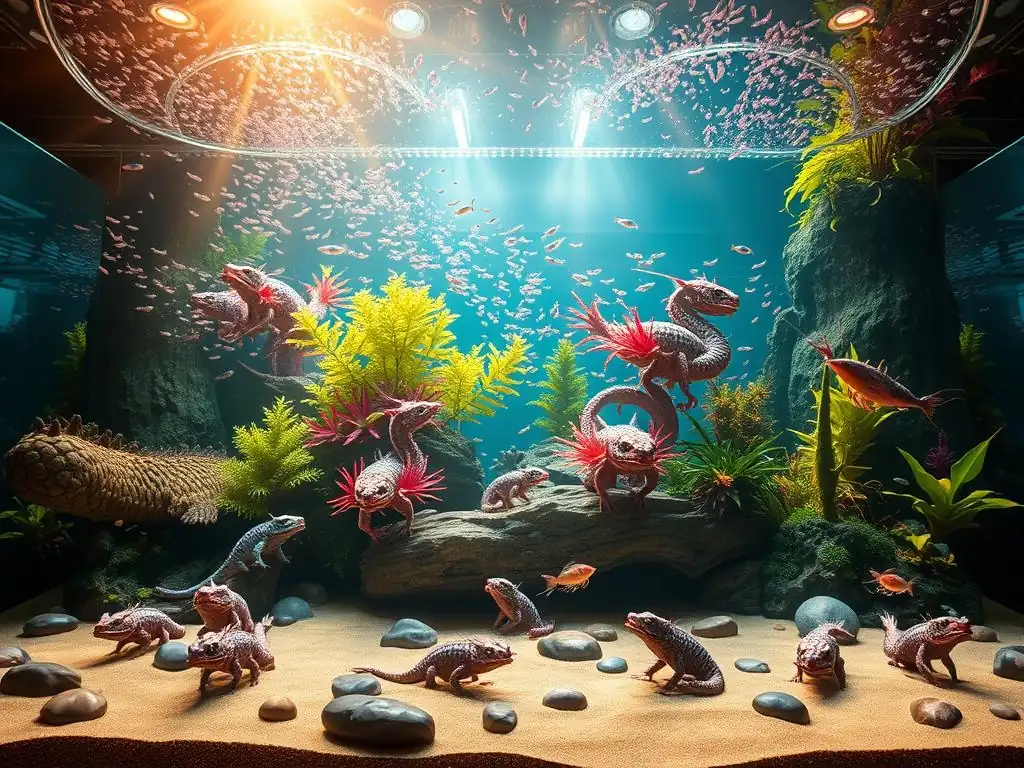
Dive into the fascinating world of saltwater aquariums and discover the secrets to a thriving ecosystem. Ever wondered how to provide the perfect natural food source for your delicate nano dragonets? This guide unravels the mystery of copepod culture, offering a step-by-step approach to ensure your tiny dragons flourish. Get ready to unlock the secrets to vibrant, healthy fish and a truly captivating underwater world!
- Why Copepod Culture is Essential for Nano Dragonets
-
Setting Up Your Copepod Culture: A Step-by-Step Guide
- Choosing the Right Container for Copepod Culturing
- Selecting a Suitable Copepod Species for Nano Dragonet Nutrition: Tigriopus californicus, Apocyclops panamensis, Parvocalanus crassirostris
- Essential Equipment for a Successful Copepod Culture: Culture Container, Air Pump, Airline Tubing, Air Stone, Light Source, Heater (optional), Thermometer, Salinity Refractometer, Pipettes, Siphon
- Maintaining a Healthy Copepod Culture: Water Parameters and Feeding
- Harvesting Copepods for Your Nano Dragonets
- Advanced Copepod Culturing Techniques for Maximum Production
- Troubleshooting Copepod Culture Problems
- Frequently Asked Questions About Copepod Cultures for Nano Dragonets
-
Frequently Asked Questions
- How do copepods benefit Nano Dragonets?
- What size tank is recommended for a copepod culture to feed Nano Dragonets?
- What type of algae or food is best for culturing copepods for Nano Dragonets?
- How often should I harvest copepods from my culture to feed my Nano Dragonets?
- What are some common problems encountered when culturing copepods for Nano Dragonets, and how can I fix them?
- Final Reflection: Cultivating Life, Sustaining Beauty
- Cultivate Your Copepod Kingdom!
Why Copepod Culture is Essential for Nano Dragonets
The Nutritional Needs of Nano Dragonets: A Copepod-Centric Diet
Nano dragonets, particularly popular species like the Mandarinfish ( Synchiropus splendidus) and Spotted Mandarinfish ( Synchiropus picturatus), possess highly specialized feeding habits that make a copepod culture for nano dragons not just beneficial, but often critical for their long-term survival in captivity. In their natural habitats, these vibrant fish are constant grazers, meticulously picking at microscopic invertebrates, with copepods forming the vast majority of their diet. Their slow, deliberate feeding pace means they cannot compete with faster, more aggressive tank mates for prepared foods, making a continuous, abundant supply of live, moving prey indispensable.
A single Mandarinfish, for instance, can spend 10 to 12 hours a day sifting through live rock and sand, consuming thousands of individual copepods and other microfauna. This consistent, low-intensity feeding is crucial for their metabolism and overall well-being. Without a readily available and naturally renewable source of live food, dragonets quickly deplete their energy reserves, leading to emaciation and a decline in health. Therefore, understanding and addressing this copepod-centric diet is the cornerstone of successfully keeping these captivating fish.
Copepods vs. Prepared Foods: Understanding the Difference for Dragonet Health
The fundamental difference between live copepods and prepared foods lies in their nutritional completeness, palatability, and the dragonet's innate feeding behavior. Prepared foods, such as flakes or pellets, often lack the essential fatty acids, carotenoids, and other micronutrients found in live copepods. More importantly, dragonets are visual predators that respond to movement; a static pellet or flake, no matter how nutritious on paper, simply doesn't trigger their hunting instinct effectively. While some dragonets might occasionally pick at frozen brine or mysis shrimp, these often fail to sustain them long-term.
Many aquarists observe that even if a Mandarinfish appears to "eat" prepared foods, it may not be consuming enough to thrive. The fish might peck at it out of curiosity or hunger, but its digestive system is optimized for live prey. This often leads to a slow decline, where the fish gradually wastes away despite the owner's best efforts. A dedicated copepod culture for nano dragons ensures that the fish receives not only the correct nutritional profile but also the necessary behavioral stimulus to feed adequately, preventing starvation and promoting robust health.
Benefits of Live Copepods for Vibrant Coloration and Breeding
Beyond mere survival, a consistent supply of live copepods significantly contributes to the vibrant coloration and potential breeding success of nano dragonets. The brilliant blues, oranges, and greens characteristic of Mandarinfish are derived from carotenoid pigments present in their diet. Copepods, particularly those fed on nutrient-rich phytoplankton, are excellent sources of these vital pigments. When dragonets consume an abundance of live copepods, their colors intensify, becoming more striking and reflective of their natural beauty and health.
Furthermore, a robust diet of live copepods provides the energy reserves and specific nutrients necessary to condition adult dragonets for spawning. Successful captive breeding of Mandarinfish, for example, almost invariably relies on a rich and continuous supply of various copepod species, not only for the adult breeders but also for the minuscule, delicate larvae. Species like Parvocalanus crassirostris are particularly vital for the initial feeding of dragonet fry, highlighting the comprehensive role of a thriving copepod culture for nano dragons in supporting their entire life cycle.
Setting Up Your Copepod Culture: A Step-by-Step Guide
Choosing the Right Container for Copepod Culturing
The first step in establishing a successful copepod culture for nano dragons is selecting an appropriate container. While specialized culture vessels are available, simple, readily accessible options work just as well. A 2 to 5-gallon clear plastic container, such as a food-grade bucket or a large plastic bottle with the top cut off, is often ideal for beginners. The transparency allows for easy observation of the copepod population and water clarity, which are crucial indicators of culture health.
When choosing a container, prioritize food-grade plastics (HDPE or PP) to avoid leaching harmful chemicals into the water. Ensure the container has a wide opening for easy access during feeding, harvesting, and cleaning. While the exact dimensions are flexible, a taller, narrower container may sometimes be preferred for pelagic copepods to encourage vertical movement, whereas a broader base might suit benthic species like Tigriopus californicus. Regardless of shape, cleanliness is paramount; thoroughly wash and rinse the chosen container before use, ideally sterilizing it with a bleach solution (then rinsing extensively) to prevent contamination.
Selecting a Suitable Copepod Species for Nano Dragonet Nutrition: Tigriopus californicus, Apocyclops panamensis, Parvocalanus crassirostris
For optimal nutrition and to cater to different dragonet sizes and life stages, it's beneficial to understand the characteristics of various copepod species commonly used in a copepod culture for nano dragons. Three species stand out for their ease of culture and nutritional value:
- Tigriopus californicus (Tigriopods): These are relatively large (around 1-2 mm), reddish-orange, and primarily benthic (bottom-dwelling) copepods. They are excellent for adult dragonets due to their size and high nutritional content, particularly in omega-3 fatty acids. Tigriopods are robust, tolerant of a range of conditions, and reproduce every 5-7 days, making them a popular choice for home cultures.
- Apocyclops panamensis (Apocyclops): These are smaller (around 0.5-1 mm), pelagic (free-swimming) copepods. Their mid-water swimming habit makes them easily accessible to dragonets in the water column. Apocyclops have a rapid reproduction rate, often doubling their population in 3-5 days under optimal conditions, providing a steady supply for juveniles and smaller adult dragonets.
- Parvocalanus crassirostris (Parvo): At just 0.1-0.3 mm, Parvo copepods are the smallest of the commonly cultured species and are entirely pelagic. They are indispensable for feeding dragonet larvae and very small juveniles, as well as providing a continuous food source for adult dragonets. Their extremely fast reproduction rate, often completing a life cycle in 2-3 days, allows for explosive population growth, making them ideal for high-demand situations.
Culturing a mix of these species, or rotating between them, can provide a diverse and comprehensive diet for your nano dragonets, ensuring all their nutritional needs are met from larvae to adult.
Essential Equipment for a Successful Copepod Culture: Culture Container, Air Pump, Airline Tubing, Air Stone, Light Source, Heater (optional), Thermometer, Salinity Refractometer, Pipettes, Siphon
Setting up a thriving copepod culture for nano dragons requires a few key pieces of equipment to ensure optimal conditions for growth and reproduction:
- Culture Container: As discussed, a 2-5 gallon clear, food-grade plastic container is a common choice.
- Air Pump, Airline Tubing, Air Stone: A small air pump connected to an air stone via airline tubing provides gentle aeration. This is crucial for oxygenating the water and keeping detritus suspended, preventing anoxic zones and bacterial buildup. Aim for a very gentle flow, just 1-2 bubbles per second, to avoid stressing the copepods.
- Light Source: While copepods themselves don't require intense light, their primary food source, phytoplankton, does. Ambient room light is often sufficient if you are feeding a prepared phytoplankton concentrate. However, if you plan to culture your own phytoplankton, a dedicated LED light (e.g., a simple desk lamp with a daylight spectrum bulb) will be necessary.
- Heater (optional): Maintaining a stable temperature is vital for consistent copepod reproduction. If your room temperature fluctuates significantly or is consistently below 72°F (22°C), a small submersible heater (e.g., 25-50 watts) is recommended to keep the culture water between 75-80°F (24-27°C).
- Thermometer: Essential for monitoring and ensuring the culture temperature remains within the optimal range.
- Salinity Refractometer: Critical for maintaining stable salinity. Copepods are sensitive to fluctuations. Aim to match the salinity of your display tank (e.g., 1.025 Specific Gravity) or slightly lower (1.020-1.023 SG), but consistency is key.
- Pipettes and Siphon: Large pipettes (e.g., 10-50 ml) are invaluable for precise feeding of phytoplankton and for gently transferring small amounts of copepods. A length of airline tubing can serve as a simple siphon for harvesting larger quantities of copepods.
Ensuring all equipment is clean and dedicated solely to the copepod culture helps prevent cross-contamination from the display tank or other sources.
Maintaining a Healthy Copepod Culture: Water Parameters and Feeding
Optimizing Water Quality for Copepod Growth: Salinity, Temperature, and pH
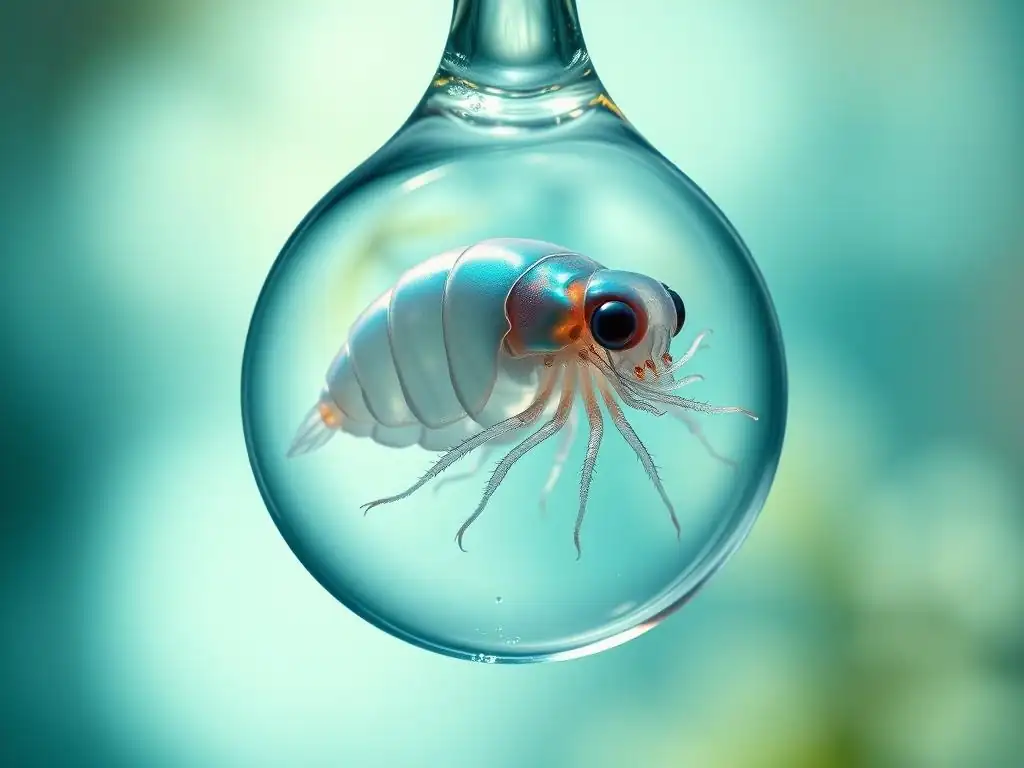
Maintaining stable and appropriate water parameters is paramount for a thriving copepod culture for nano dragons. Copepods are sensitive to drastic shifts, which can quickly lead to a culture crash.
- Salinity: Consistency is more important than an exact number within a reasonable range. Aim for a specific gravity (SG) of 1.020 to 1.025, ideally matching the salinity of your display tank if you plan to add them directly. Use a refractometer regularly to check and top off with fresh RO/DI water to compensate for evaporation, which increases salinity. For example, if your culture is 1.023 SG, replenish evaporated water with RO/DI to maintain this level.
- Temperature: The optimal temperature range for most copepod species is between 72°F and 80°F (22°C to 27°C). Within this range, higher temperatures generally lead to faster reproduction rates, but also increase metabolism and the risk of oxygen depletion if aeration is insufficient. Below 70°F (21°C), reproduction will slow significantly. A stable temperature, ideally maintained with a small heater, is crucial.
- pH: Copepods thrive in a stable pH range of 7.8 to 8.2, similar to natural reef water. Major fluctuations often indicate issues with water quality, such as accumulating waste or insufficient aeration. Regular partial water changes (e.g., 10-20% weekly or bi-weekly) using aged, dechlorinated saltwater will help maintain stable parameters and replenish trace elements.
Feeding Your Copepod Culture: Best Practices and Food Sources
The cornerstone of a prolific copepod culture for nano dragons is consistent and appropriate feeding with high-quality food sources. The primary and most effective food for copepods is live phytoplankton.
- Primary Food Source: Live Phytoplankton: Species like Nannochloropsis oculata, Tetraselmis chuii, and Isochrysis galbana are excellent choices. They provide essential nutrients, including fatty acids, that are then passed on to your dragonets.
- Feeding Frequency and Dosage: The goal is to provide enough phytoplankton to keep the water tinted green, but not so much that it causes a bacterial bloom. Start with a small daily dose, for example, 1-2 ml of dense phytoplankton concentrate per gallon of culture water. Observe how quickly the green tint clears. If it clears within 24 hours, you're feeding correctly. If it remains cloudy green for more than 24 hours, you are overfeeding; reduce the dosage. If it clears too quickly (e.g., in 6-8 hours), you might need to increase the dosage or frequency.
- Best Practices: Feed daily or every other day. Gently swirl or aerate the culture before feeding to ensure even distribution. Avoid overfeeding, as this is the most common cause of culture crashes, leading to oxygen depletion and the proliferation of harmful bacteria.
Preventing Copepod Culture Crashes: Troubleshooting Common Issues
Even with careful management, a copepod culture for nano dragons can encounter issues. Recognizing and addressing these problems quickly is key to preventing a complete crash.
- Overfeeding: This is the most frequent culprit. Signs include cloudy, foul-smelling water, a thick layer of detritus at the bottom, and a sudden drop in copepod numbers. Solution: Stop feeding immediately, perform a 50% water change with fresh, aged saltwater, and increase aeration. Resume feeding at a much lower dose once the water clears.
- Lack of Food: If the water remains crystal clear and copepod numbers are stagnant or declining, they might be starving. Solution: Gradually increase phytoplankton feeding, observing consumption rates.
- Poor Water Quality: Accumulation of nitrates, nitrites, or ammonia from waste breakdown can poison the culture. Signs are similar to overfeeding. Solution: Regular partial water changes (e.g., 20% every few days) and ensuring adequate aeration will help dilute waste products.
- Temperature Swings: Drastic or prolonged temperature fluctuations stress copepods, slowing reproduction or causing die-offs. Solution: Use a heater to maintain a stable temperature within the optimal range.
- Contamination: The introduction of unwanted organisms (e.g., rotifers, hydroids, protozoa) can outcompete or prey on your copepods. Prevention is best: always start with a clean culture vessel and use reputable starter cultures. If contamination occurs, it's often best to start a new culture with clean supplies.
Harvesting Copepods for Your Nano Dragonets
Harvesting Techniques: Gentle Methods to Avoid Stressing Copepods
Once your copepod culture for nano dragons is thriving, the next step is to harvest them efficiently and gently to ensure their viability when introduced to your display tank. The goal is to collect a concentrated amount of copepods without damaging them.
- Siphon Method: This is one of the gentlest and most common techniques. Use a length of airline tubing or a small-diameter hose. For benthic species like Tigriopus californicus, siphon directly from the bottom of the culture container, where they tend to congregate. For pelagic species like Apocyclops panamensis or Parvocalanus crassirostris, siphon from the middle or top of the water column. You can direct the siphoned water through a fine-mesh sieve (e.g., 50-100 micron) to concentrate the copepods, then rinse them gently with clean tank water before feeding.
- Light Method (Phototaxis): Many copepods are phototactic, meaning they are attracted to light. Turn off the primary culture light source and shine a flashlight or small LED light directly onto one side or the bottom of the culture container. After 10-15 minutes, the copepods will congregate towards the light, making it easier to siphon a concentrated batch from that area.
- Partial Water Change Integration: Sometimes, a portion of the culture water, rich in copepods, can be siphoned out during a routine culture water change and directly added to the display tank. This method is less precise for targeting specific numbers but can be a convenient way to continuously add copepods to your system.
Avoid aggressive netting or pouring that can crush or damage the delicate copepods, which would reduce their nutritional value and appeal to your dragonets.
Determining the Right Amount of Copepods to Feed Your Dragonets
Determining the precise amount of copepods to feed your nano dragonets requires observation and adjustment, as it depends on the number of dragonets, their size, their activity level, and the presence of other copepod-consuming inhabitants in your tank. The aim is to provide a continuous, accessible supply without overfeeding the display tank, which could lead to nutrient issues.
- Start Conservatively: Begin by feeding a small amount, perhaps 5-10 ml of concentrated copepod solution per dragonet, once or twice a day. Observe your dragonets' behavior. Are they actively hunting and consuming? Do they appear well-fed and active?
- Observe Consumption: Watch how quickly the copepods are consumed. If they disappear almost immediately, you can increase the amount. If they linger for hours, you might be feeding too much or too infrequently. The goal is for the copepods to be consumed within an hour or two, allowing them to disperse and settle on rockwork, providing continuous grazing opportunities.
- Multiple Small Feedings: It's often more effective to feed smaller amounts multiple times throughout the day rather than one large dump. This mimics their natural grazing behavior and ensures a more consistent presence of live food.
- Adjust Based on Health: The ultimate indicator of correct feeding is the health and vibrancy of your dragonets. If they maintain good body weight, vibrant coloration, and active foraging behavior, your feeding regimen is likely appropriate for your copepod culture for nano dragons.
Introducing Copepods to Your Nano Reef Tank: Best Practices
Proper introduction of copepods to your nano reef tank maximizes their availability to your dragonets and minimizes losses to filtration or other predators.
- Turn Off Flow and Filtration: Before adding copepods, temporarily turn off all powerheads, return pumps, and mechanical filtration (e.g., protein skimmers, filter socks) for 15-30 minutes. This prevents the copepods from being immediately swept away, crushed, or pulled into filtration where they would be lost.
- Disperse Evenly: Gently pour or pipette the harvested copepods into the display tank, ideally near the rockwork or areas where your dragonets typically forage. Avoid dumping them all in one spot. A broad, slow dispersal helps them spread throughout the tank and find refuge quickly.
- No Acclimation Needed (Generally): If your copepod culture for nano dragons is maintained at similar salinity and temperature to your display tank, drip acclimation is generally not necessary for the copepods themselves. They are quite robust to minor shifts in parameters when introduced in small batches.
- Targeted Feeding: For very shy or newly introduced dragonets, you can use a turkey baster or long pipette to gently release copepods directly into their preferred hiding spots or near their foraging areas.
- Nighttime Introduction (Optional): Some aquarists prefer to introduce copepods at night or just after the lights go out. This can give the copepods a chance to settle and find refuge before other fish become active, increasing the chances of survival and availability for your dragonets.
Advanced Copepod Culturing Techniques for Maximum Production
Implementing Continuous Culture Systems for Consistent Copepod Supply
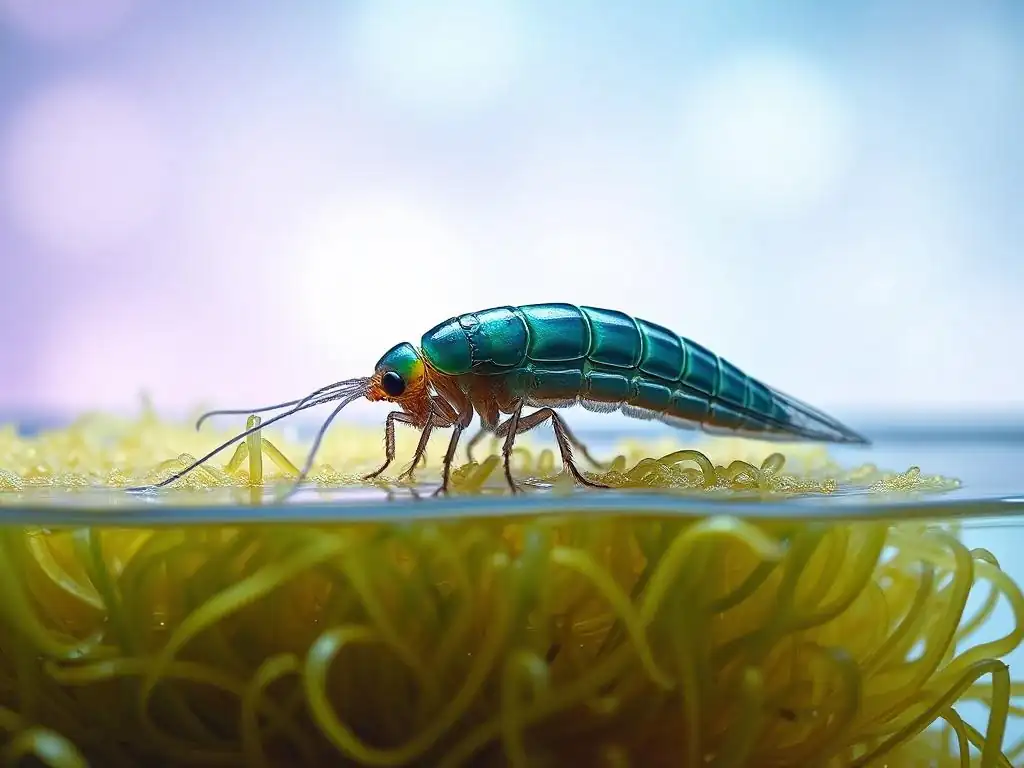
For aquarists with high-demand dragonet populations or those seeking to minimize culture crashes, transitioning from batch culturing to a continuous culture system for your copepod culture for nano dragons can be highly beneficial. In a continuous system, a portion of the copepod culture is harvested regularly (e.g., daily or every other day), and the harvested volume is immediately replenished with fresh, aged saltwater and phytoplankton.
This method prevents the culture from reaching a "crash" point due to waste accumulation or food depletion, as nutrients are constantly refreshed and waste products diluted. For example, you might harvest 20-30% of your culture volume every 2-3 days and replace it with fresh, pre-mixed saltwater and a measured dose of phytoplankton. This consistent harvesting also removes older, less reproductive copepods, encouraging the growth of younger, more prolific generations. While requiring consistent monitoring and feeding, a well-managed continuous system provides a much more stable and reliable supply of copepods for your nano dragonets compared to a start-and-stop batch method.
Utilizing Refugiums to Supplement Copepod Production in Your Display Tank
A highly effective advanced technique for supplementing your copepod culture for nano dragons and providing a natural, continuous food source within your display system is to incorporate a refugium. A refugium is a separate, typically dimly lit compartment connected to the main display tank, often within the sump, designed to provide a safe, predator-free environment for the proliferation of beneficial microfauna, including copepods.
In a refugium, you can grow macroalgae like Chaetomorpha ( Chaeto), which not only helps with nutrient export by absorbing nitrates and phosphates but also provides ample surface area and a protective habitat for copepods to breed and thrive. The flow through the refugium should be gentle to prevent copepods from being washed into the main display too quickly.
As copepod populations boom in the refugium, excess copepods will naturally drift into the main display tank via the return pump, providing a constant, low-level food drip for your dragonets. This passive, in-system copepod culture for nano dragons significantly reduces the reliance on external culturing and contributes to a more stable and natural reef environment.
Enhancing Copepod Nutritional Value Through Gut Loading
To maximize the benefits of your copepod culture for nano dragons, advanced aquarists often employ a technique called "gut loading." This involves feeding the copepods themselves a highly nutritious diet just before they are harvested and fed to your dragonets. The principle is that the valuable nutrients consumed by the copepods are then transferred directly to the dragonet when it consumes the copepod.
For gut loading, use phytoplankton strains known to be rich in essential fatty acids, particularly DHA and EPA, which are crucial for fish health, coloration, and reproductive success. You can also use specialized phytoplankton blends or enrichment products designed for this purpose. Approximately 12-24 hours before you plan to harvest your copepods, feed your culture a slightly heavier dose of this nutrient-dense phytoplankton.
This allows the copepods sufficient time to consume and digest the phytoplankton, filling their gut with these beneficial compounds. When your nano dragonets consume these gut-loaded copepods, they receive a concentrated dose of vital nutrients, significantly enhancing the overall nutritional impact of your copepod culture for nano dragons.
Troubleshooting Copepod Culture Problems
Identifying and Addressing Common Copepod Culture Pests: Rotifers, Protozoa, Hydroids
Even a meticulously maintained copepod culture for nano dragons can occasionally fall victim to unwanted pests that compete for resources or prey on your copepods. Early identification and prompt action are crucial.
- Rotifers: These are tiny, often translucent invertebrates, smaller than copepods, that can appear as rapidly swimming specks. They reproduce extremely quickly and compete directly with copepods for phytoplankton. If you see a sudden explosion of very small, fast-moving organisms and your copepod numbers decline, rotifers might be the culprit. Solution: It's often best to start a new culture with fresh, sterile water and a clean starter culture. Increased aeration and partial water changes can sometimes help, but rotifers are notoriously hard to eliminate from an established culture.
- Protozoa: These are microscopic, single-celled organisms that can cause the culture water to become cloudy and foul-smelling, often indicating poor water quality or overfeeding. While not direct predators of adult copepods, they can consume phytoplankton and create an unhealthy environment. Solution: Perform aggressive water changes (e.g., 50%), reduce feeding significantly, and ensure vigorous aeration. If the problem persists, a complete culture restart is recommended.
- Hydroids: These are small, stinging polyps that can attach to the culture container walls or bottom. They can consume copepod larvae or compete for food. While less common, their presence indicates a lack of thorough sterilization or introduction via contaminated source water/starter. Solution: Manual removal (scraping them off) is possible for minor infestations, but for larger outbreaks, it's safer to discard the contaminated culture and start anew with fully sterilized equipment and a clean copepod starter.
Preventative measures, such as sterilizing all equipment and using only clean, reputable starter cultures, are the best defense against these pests in your copepod culture for nano dragons.
Dealing with Low Copepod Reproduction Rates: Poor Water Quality, Insufficient Food, Temperature Fluctuations
A common frustration in a copepod culture for nano dragons is a stagnant or declining population, indicating low reproduction rates. This usually points to one of three core issues:
- Poor Water Quality: Accumulation of metabolic waste products like ammonia, nitrite, and nitrate can inhibit reproduction and even be toxic. Even if these aren't directly lethal, they stress the copepods, reducing their breeding efficiency. Solution: Perform regular partial water changes (e.g., 20-30% every few days) with fresh, aged saltwater. Ensure adequate, gentle aeration to maintain high dissolved oxygen levels and prevent anoxic zones, especially at the bottom of the culture vessel.
- Insufficient Food: Copepods require a constant supply of phytoplankton to fuel their rapid reproduction. If the water remains crystal clear and there's no visible phytoplankton, your copepods are likely starving. Solution: Gradually increase the feeding frequency and/or volume of phytoplankton. Observe how quickly the phytoplankton is consumed; the water should maintain a slight green tint that clears within 24 hours. Too little food means slower growth and fewer offspring.
- Temperature Fluctuations: Consistent, optimal temperature is crucial for copepod metabolism and reproduction. Drastic swings or sustained temperatures outside their ideal range (e.g., below 72°F or above 80°F) will significantly slow down their life cycle. Solution: Use a reliable aquarium heater to maintain a stable temperature within the optimal range (e.g., 75-78°F / 24-26°C). A consistent environment promotes consistent breeding.
If these issues are addressed and reproduction still lags, consider the age of your culture; sometimes, starting a fresh culture with new starter copepods can revitalize production.
Recognizing and Preventing Copepod Culture Contamination
Contamination is a significant threat to a copepod culture for nano dragons, often leading to crashes or a decline in productivity. Recognizing the signs and implementing preventative measures are key.
- Signs of Contamination:
- Foul Odor: A strong, unpleasant smell (beyond a mild "oceanic" scent) often indicates a bacterial bloom or decomposition.
- Persistent Cloudiness: Water that remains cloudy even after phytoplankton has been consumed suggests a bacterial or protozoan bloom.
- Presence of Unwanted Organisms: Seeing organisms other than your target copepods (e.g., small worms, algae, other crustaceans, or the pests mentioned above) indicates contamination.
- Rapid Population Decline: A sudden, unexplained drop in copepod numbers can be a sign of a toxic contaminant or an aggressive competitor.
- Prevention Strategies:
- Sterilization: Thoroughly sterilize all equipment (culture containers, air stones, tubing, pipettes) before setting up a new culture or making significant changes. Bleach solutions (diluted, followed by extensive rinsing and dechlorinating) or boiling water are effective.
- Clean Water Source: Always use high-quality RO/DI water mixed with a good marine salt mix for your culture water. Ensure the saltwater is aged for at least 24 hours with aeration before use.
- Reputable Starter Culture: Source your initial copepod and phytoplankton cultures from reputable suppliers to ensure they are pure and healthy.
- Dedicated Equipment: Use separate equipment (pipettes, siphons, buckets) exclusively for your copepod culture and never use items that have been in your display tank or other systems, as this is a common vector for contamination.
- Hygiene: Wash your hands thoroughly before handling any part of the culture. Avoid introducing anything from outside the sterile culture environment.
By adhering to strict hygiene and preventative measures, you significantly reduce the risk of contamination and increase the likelihood of maintaining a stable and productive copepod culture for nano dragons.
Frequently Asked Questions About Copepod Cultures for Nano Dragonets
What are the best copepod species for feeding nano dragonets?
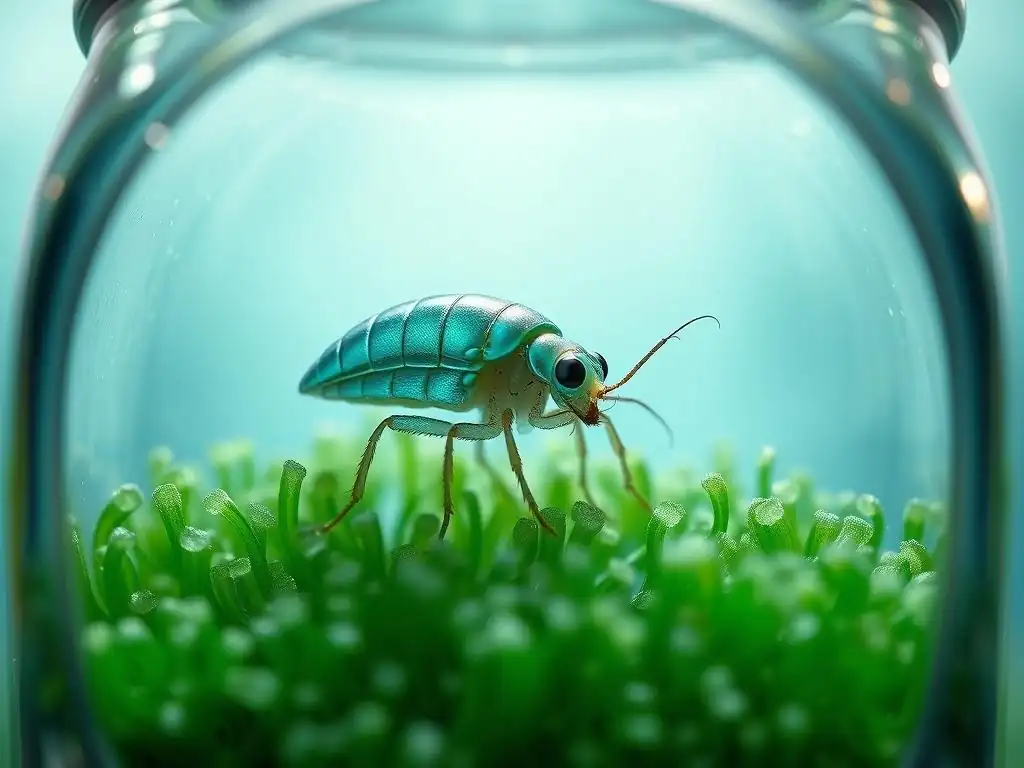
For feeding nano dragonets, the best copepod species are those that are small enough to be consumed and provide high nutritional value. The most recommended species are Tigriopus californicus (benthic, larger, excellent for adult dragonets), Apocyclops panamensis (pelagic, medium-sized, great for juveniles and smaller adults), and Parvocalanus crassirostris (pelagic, smallest, indispensable for dragonet larvae and very small individuals). A diverse copepod culture for nano dragons often involves culturing a mix of these species to cater to different sizes and life stages of the dragonets.
How often should I feed my copepod culture?
The feeding frequency for your copepod culture for nano dragons depends on the density of your copepod population and the concentration of your phytoplankton food source. Generally, you should feed daily or every other day. The goal is to add enough phytoplankton to give the culture water a slight green tint that clears within 24 hours as the copepods consume it. If the water remains green for longer, you are overfeeding; if it clears much faster, you may need to increase the amount or frequency. Observation is key to finding the right balance.
How do I know if my copepod culture is healthy?
A healthy copepod culture for nano dragons exhibits several key indicators: the water should be clear (after phytoplankton has been consumed) with no foul odor; you should observe a visible and active population of copepods, including different life stages (nauplii, copepodites, adults); and the culture should be consistently reproducing, meaning the population is stable or growing, even after harvesting. The absence of excessive detritus buildup and unwanted pests (like rotifers or hydroids) also signifies a healthy culture.
Can I use copepods to feed other fish in my nano reef?
Absolutely. While a copepod culture for nano dragons is specifically vital for these specialized feeders, copepods are an excellent and highly nutritious live food source for many other small reef inhabitants. This includes other gobies, blennies, seahorses, pipefish, and even corals, especially filter-feeding types such as gorgonians or non-photosynthetic corals. Introducing copepods to your display tank benefits the entire reef ecosystem by providing a natural food web and enhancing biodiversity.
How long does it take to establish a thriving copepod culture?
Establishing a thriving copepod culture for nano dragons typically takes 1 to 2 weeks for the initial population to grow sufficiently for your first small harvest. However, to reach a truly robust and self-sustaining culture that can support a consistent feeding schedule for your dragonets, it may take 3 to 4 weeks. This timeframe allows the copepod population to establish a stable reproductive cycle under optimal conditions of temperature, food availability, and water quality. Patience and consistent care are crucial during this initial establishment phase.
Frequently Asked Questions
How do copepods benefit Nano Dragonets?
Copepods are a natural food source for Nano Dragonets, providing essential nutrients and stimulating their natural hunting behavior. They offer a live and readily available food option, crucial for these picky eaters.
What size tank is recommended for a copepod culture to feed Nano Dragonets?
A small tank, around 5-10 gallons, is generally sufficient for a dedicated copepod culture. This provides enough space for the copepods to reproduce and thrive without overwhelming the system.
What type of algae or food is best for culturing copepods for Nano Dragonets?
Cultured phytoplankton, such as Nannochloropsis or Isochrysis, is the ideal food source for copepods. Alternatively, a specialized copepod food can be purchased from aquarium supply stores.
How often should I harvest copepods from my culture to feed my Nano Dragonets?
Harvesting frequency depends on the size of your culture and the number of Nano Dragonets you're feeding. Typically, harvesting every few days to once a week is sufficient to provide a consistent food supply.
What are some common problems encountered when culturing copepods for Nano Dragonets, and how can I fix them?
Common issues include culture crashes due to poor water quality or overfeeding. Maintaining stable water parameters, regular water changes, and careful feeding are crucial for a healthy copepod culture.
Final Reflection: Cultivating Life, Sustaining Beauty
The journey into copepod culture for nano dragons reveals more than just a feeding strategy; it unveils a microcosm of interconnectedness, mirroring the delicate balance we strive for in our own lives and ecosystems. Understanding the intricacies of these tiny crustaceans and their impact on the health and vibrancy of our nano aquariums highlights the profound influence even the smallest creatures can wield.
This exploration has underscored the importance of sustainable practices and mindful observation in our interactions with the natural world. It's a reminder that nurturing life, even on a microscopic scale, contributes to the overall health and beauty of our planet. Look deep into nature, and then you will understand everything better.
- Albert Einstein. This quote resonates deeply, urging us to appreciate the complex web of life and our role in preserving it.
As you embark on or continue your copepod cultivation journey, remember that you are not simply raising food; you are fostering life, contributing to a thriving ecosystem, and enriching the lives of your nano dragonets. Let the lessons learned here inspire you to cultivate not only copepods but also a deeper appreciation for the interconnectedness of all living things, and to act as a responsible steward of the natural world, one tiny creature at a time.
Cultivate Your Copepod Kingdom!
Thank you for diving into the world of copepod cultivation! We hope you’ve discovered the secrets to creating a flourishing live food source for your nano dragonets and other picky eaters. Now, let's turn that knowledge into action and create a sustainable ecosystem right in your own home.
Here's how you can continue your journey:
- Start Your Culture Today: Don't wait! Order your starter copepod culture and necessary supplies (rotifer culture, phytoplankton) to kickstart your colony and provide a consistent food source for your dragonets.
- Experiment with Different Phytoplankton Strains: Dive deeper by exploring various phytoplankton strains. Find the ones that best promote rapid copepod reproduction and maximize the nutritional value for your fish. Discover the best option based on your space and requirements.
- Share Your Success (and Struggles!): Join our Aquarium Mastery community forum and share your copepod cultivation journey! Your insights can help others, and you might just find the solution to a challenging problem.
What innovative methods are you considering to boost your copepod production and further enhance the diet of your beloved dragonets?