
Anemone Acclimation: Introducing Your Clownfish's New Home Safely & Effectively

Welcome to Aquarium Mastery!
Ever wondered how to ensure a seamless and stress-free introduction of your clownfish to its anemone host? Dive in! This guide unveils the secrets to a successful clownfish anemone acclimation process safe for both your fish and invertebrate. Discover the steps, tips, and tricks to create a thriving symbiotic relationship and avoid common pitfalls. Ready to build a happier, healthier aquarium? Let's get started!
- Understanding the Importance of a Safe Clownfish Anemone Acclimation Process
- Preparing Your Aquarium for Anemone Introduction
- The Clownfish Anemone Acclimation Process: A Step-by-Step Guide
- Monitoring Your Anemone Post-Acclimation
- Choosing the Right Anemone Species for Your Clownfish
- Common Mistakes to Avoid During Anemone Acclimation
- Troubleshooting Anemone Acclimation Issues
- Maintaining a Healthy Anemone and Clownfish Symbiotic Relationship
-
Frequently Asked Questions
- How long should I float the anemone bag in the aquarium water before releasing it?
- What's the best way to introduce the anemone to the tank, avoiding stress?
- How long does it typically take for a clownfish to host an anemone?
- What water parameters are crucial for anemone health during acclimation?
- What are some signs that the anemone is not acclimating well?
- Final Reflection: Cultivating Harmony in the Reef
- Ignite Your Anemone's New Life!
Understanding the Importance of a Safe Clownfish Anemone Acclimation Process
Why Proper Anemone Acclimation is Crucial for Clownfish Health
Anemones are remarkably sensitive invertebrates, and their successful integration into a home aquarium hinges entirely on a meticulous acclimation process. Sudden or drastic changes in water parameters—such as temperature, salinity, or pH—can inflict severe osmotic shock, leading to tissue necrosis, rapid deflation, and often, irreversible damage or death. A healthy anemone is not merely an aesthetic addition; it is the vital cornerstone of a thriving symbiotic relationship for your clownfish, providing essential protection and a natural habitat.
Furthermore, a stressed or dying anemone poses a significant threat to the entire aquarium ecosystem. When an anemone is in distress, it can release toxins or decay, leading to dangerous ammonia spikes that can harm other fish and invertebrates. Investing time and effort into a safe clownfish anemone acclimation process safeguards not only the anemone and its future clownfish host but also protects the substantial investment made in setting up and maintaining a marine environment.
The Risks of Rushing the Anemone Introduction Process
Rushing the introduction of an anemone into your aquarium carries immediate and severe risks. The most common pitfall is osmotic shock, which occurs when an organism is abruptly moved from water with one set of parameters to another with significantly different ones. For instance, transitioning an anemone directly from shipping water with a specific gravity of 1.020 to a display tank at 1.025 without gradual adjustment can cause cellular damage and organ failure, often resulting in death within 24 to 48 hours. Many new aquarists unfortunately experience rapid anemone loss due to this oversight.
Beyond immediate mortality, a poorly acclimated anemone may survive but exhibit long-term health issues. These can include chronic retraction, refusal to fully expand, a lack of vibrancy, or exhibiting a behavior known as "walking" excessively around the tank, which is a clear sign of severe distress as it searches for more favorable conditions.
Such persistent stress delays or entirely prevents the clownfish from hosting, defeating the primary purpose of introducing the anemone. A rushed acclimation also contributes to overall ecosystem instability, as the stressed anemone's waste products can elevate nutrient levels, potentially triggering nuisance algae blooms or further stressing other tank inhabitants.
Preparing Your Aquarium for Anemone Introduction
Ensuring Optimal Water Parameters for Anemones
Before even considering introducing an anemone, your aquarium's water parameters must be meticulously stable and within optimal ranges. Anemones thrive in pristine conditions: salinity should be maintained between 1.024 and 1.026 specific gravity (or 32-35 parts per thousand), temperature consistently between 75-78°F (24-26°C), and pH between 8.1-8.4.
Essential elements like alkalinity (8-12 dKH), calcium (400-450 ppm), and magnesium (1250-1350 ppm) should also be within target ranges, as these are crucial for the anemone's calcification and overall health. Critically, nitrates should be near undetectable, ideally below 5 ppm, and phosphates below 0.03 ppm, as higher levels can stress and even poison anemones.
The key to success with anemones is not just hitting these numbers, but maintaining their unwavering stability. Slight fluctuations are often more detrimental than parameters that are slightly off but consistently stable. For example, a daily swing of 0.002 in specific gravity or 0.1 in pH can stress an anemone more than a tank consistently at 1.023 SG or 8.0 pH. Utilizing reliable, high-quality test kits and performing regular checks is paramount to ensuring the environment is perfectly suited for a safe clownfish anemone acclimation process.
Lighting Requirements for Anemones: A Key to Success
Most popular host anemones, such as the Bubble Tip Anemone (Entacmaea quadricolor) and Magnificent Anemone (Heteractis magnifica), are photosynthetic and rely heavily on adequate lighting to sustain their symbiotic zooxanthellae algae. These algae convert light energy into food for the anemone, providing a significant portion of its nutritional needs. Different species have varying light requirements; for instance, a Bubble Tip Anemone typically thrives under moderate to high PAR (Photosynthetically Active Radiation) levels, often ranging from 150 to 300 PAR, depending on the specific light fixture and tank depth.
Modern LED fixtures offer excellent control over light intensity and spectrum, allowing aquarists to fine-tune conditions for their anemone. However, it's crucial to avoid both insufficient and excessive lighting. Too little light can lead to bleaching as the anemone expels its zooxanthellae, while too much light can also cause stress and bleaching, especially if the anemone is not accustomed to such intensity.
When introducing a new anemone, it's often beneficial to place it in a slightly shaded area initially, gradually exposing it to more light over several days. Proper lighting is a non-negotiable factor for a successful and safe clownfish anemone acclimation.
Evaluating Tank Maturity: Is Your Aquarium Ready?
Tank maturity is arguably the most critical factor for anemone success, often overlooked by enthusiastic new aquarists. A marine aquarium should be fully cycled and demonstrably stable for at least 6 to 12 months before an anemone is introduced. This extended period allows beneficial bacterial colonies to fully establish themselves in the live rock and substrate, creating a robust biological filter capable of processing waste efficiently.
Immature tanks are highly susceptible to unpredictable ammonia and nitrite spikes, unstable pH, and fluctuating nutrient levels, all of which are lethal to sensitive invertebrates like anemones. For instance, a tank less than six months old might experience a nitrate surge from 5 ppm to 20 ppm after a minor feeding event, a level that would severely stress a newly introduced anemone.
A mature aquarium also typically exhibits less nuisance algae and possesses more efficient natural nutrient export mechanisms, such as a stable population of copepods and amphipods, indicative of a healthy microfauna. These established micro-ecosystems contribute to overall water stability and resilience. Experienced aquarists often recommend waiting until the tank has successfully housed other sensitive invertebrates or even LPS corals for a few months without issue, demonstrating its stability. This patience ensures a truly ready environment, making the clownfish anemone acclimation process significantly safer and more likely to succeed long-term.
The Clownfish Anemone Acclimation Process: A Step-by-Step Guide
Step 1: Gradual Temperature Acclimation for Your New Anemone
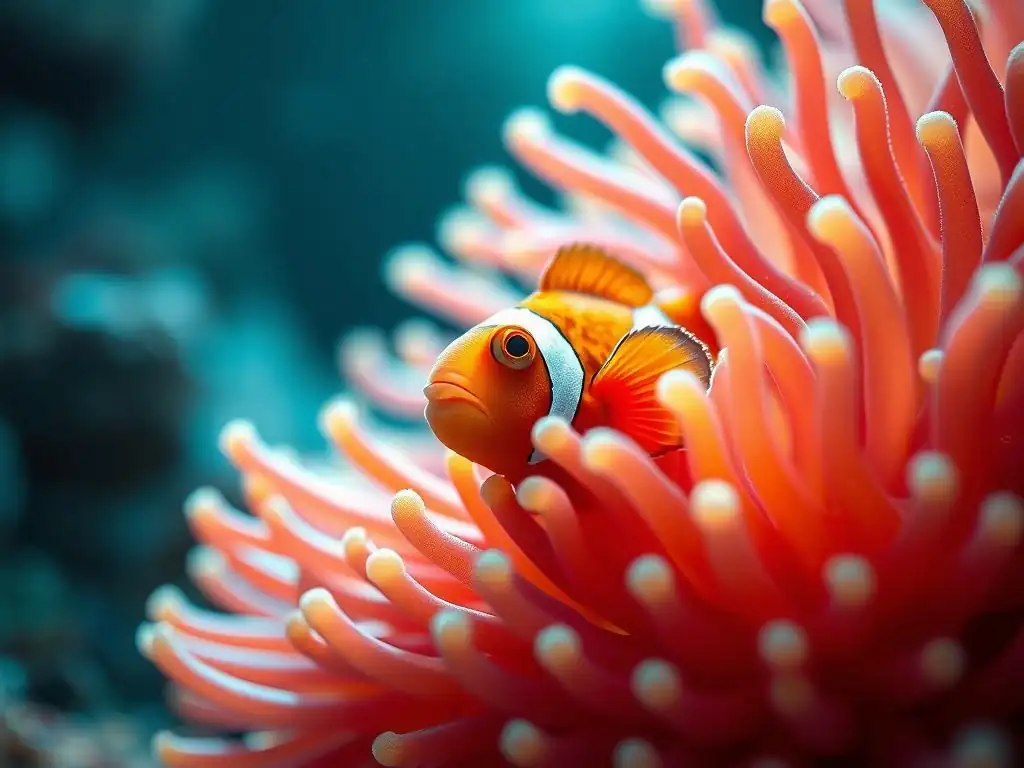
The initial step in a safe clownfish anemone acclimation process begins immediately upon the anemone's arrival. Keep the anemone in its sealed shipping bag and float it in your aquarium's sump or display tank for a period of 15 to 30 minutes. This simple action allows the water temperature inside the bag to slowly and passively equalize with the temperature of your aquarium water. Preventing sudden temperature shock is paramount, as even a rapid change of just 2-3°F (1-1.5°C) can induce significant stress and potentially be fatal to sensitive invertebrates like anemones.
During this temperature acclimation phase, it is crucial not to open the shipping bag. Opening the bag exposes the water to atmospheric air, which can cause a rapid and potentially harmful shift in pH due to carbon dioxide exchange. The goal here is solely temperature equalization, ensuring the anemone experiences a smooth thermal transition before moving on to the more critical water chemistry adjustments. This careful initial step sets the foundation for a successful and stress-free introduction.
Step 2: Drip Acclimation: Slowly Adjusting Salinity and Water Chemistry
Drip acclimation is widely considered the safest and most effective method for introducing sensitive marine invertebrates, including anemones, to a new environment. Begin by carefully transferring the anemone and all of its original shipping water into a clean, appropriately sized container, such as a dedicated bucket or food-grade plastic tub. Next, using a length of airline tubing and an adjustable control valve (or a knot to regulate flow), initiate a slow drip of water from your display tank into the container. The ideal rate is typically 1 to 2 drips per second, ensuring a gradual change in water parameters.
Continue this drip acclimation process for at least 1 to 2 hours, or until the volume of water in the acclimation container has approximately quadrupled. This extended period allows the anemone to slowly adjust to your aquarium's specific gravity, pH, alkalinity, and other crucial water chemistry parameters, minimizing osmotic shock. Periodically, carefully remove and discard excess water from the acclimation container to prevent overflow, ensuring that none of this potentially contaminated or parameter-unmatched water ever enters your main display tank. This slow, controlled method is the cornerstone of a safe clownfish anemone acclimation process.
Step 3: Gentle Introduction to the Aquarium: Minimizing Stress
Once the drip acclimation is complete, the final transfer must be performed with utmost care to minimize stress on the anemone. Gently net the anemone, taking extreme caution to avoid touching or damaging its delicate foot, which is essential for attachment. Do not pour the acclimation water from the container into your main display tank, as it may contain ammonia or other undesirable substances from shipping. Instead, only the anemone should be transferred.
Carefully place the anemone onto a suitable rock or substrate in your display tank, ideally in an area with moderate, non-direct water flow and appropriate lighting for its species. Resist the urge to force the anemone to attach to a specific spot; allow it to naturally find its preferred location. Some aquarists temporarily turn off powerheads for 15-30 minutes after placement to allow the anemone to settle and begin attaching without being buffeted by strong currents.
Observe the anemone closely for the first few hours; it may retract or appear deflated, which is a normal stress response. Within a few hours to a day, a healthy anemone should begin to expand, signaling the successful completion of the active phase of the safe clownfish anemone acclimation process.
Monitoring Your Anemone Post-Acclimation
Observing Anemone Behavior: Signs of a Healthy Anemone
Post-acclimation, continuous observation of your anemone's behavior is critical to ensure its long-term health and successful integration. A healthy anemone will typically expand fully, displaying its tentacles prominently, and will firmly adhere to a stable rock or substrate. Its coloration should remain vibrant and consistent with its species; for example, a healthy Bubble Tip Anemone often exhibits distinct, bubbly tips (though this can vary) and a strong, robust foot. It should sway gently with the water flow without becoming dislodged or tumbling.
Furthermore, a healthy anemone will demonstrate a clear feeding response, extending its tentacles in anticipation of food and effectively capturing and ingesting prey. While some initial movement as it seeks its ideal spot is normal, excessive "walking" around the tank for prolonged periods (days or weeks) is a significant indicator of stress, often pointing to unsuitable water parameters, inadequate lighting, or improper flow. Consistent monitoring of these behavioral cues is essential for confirming that your safe clownfish anemone acclimation process was truly successful.
Identifying and Addressing Potential Problems After Anemone Introduction
Despite a meticulous acclimation, problems can still arise, and early identification is key to successful intervention. Warning signs of an unhealthy or stressed anemone include prolonged retraction (remaining deflated for more than 24-48 hours), bleaching (a significant loss of color due to the expulsion of symbiotic zooxanthellae algae), a persistently gaping mouth, or a "melting" appearance where tissues begin to disintegrate.
If the anemone detaches from its substrate and floats around the tank, often getting swept by currents, it is in critical distress and requires immediate attention. For instance, a Bubble Tip Anemone turning pale white or translucent within a week of introduction almost always signals severe stress from poor water quality or light shock.
Upon observing any of these distress signals, immediate remedial action is necessary. First, meticulously recheck all water parameters: salinity, temperature, pH, alkalinity, calcium, magnesium, nitrates, and phosphates. Slowly adjust any parameters that are out of range. If light shock is suspected, consider moving the anemone to a slightly shaded area or reducing light intensity gradually over several days. Ensure adequate but not excessive water flow. Sometimes, a small, perfectly matched partial water change (10-20%) can help stabilize conditions. Prompt and precise intervention significantly increases the chances of recovery.
Water Quality Testing: Maintaining Ideal Conditions for Anemones and Clownfish
Maintaining optimal water quality is an ongoing commitment, not just a pre-acclimation checklist item. Post-introduction, it's advisable to test salinity and temperature daily or every other day for the first week to ensure stability. Weekly testing of pH, alkalinity, calcium, and magnesium should follow, as these are crucial for the anemone's metabolic processes and overall health. Nitrates and phosphates should be checked bi-weekly or weekly, as any elevation can quickly stress an anemone. For example, a gradual increase in nitrates from 5 ppm to 15 ppm over two weeks could be a precursor to anemone stress and bleaching.
While anemones are highly sensitive to water quality, clownfish also thrive in stable and pristine conditions. Poor water quality that stresses the anemone will inevitably impact the clownfish, potentially leading to increased susceptibility to disease or a reduced lifespan. Therefore, maintaining consistently pristine water conditions is not merely for the anemone's survival but is fundamental to fostering a robust and enduring symbiotic relationship. This continuous vigilance solidifies the long-term success of the safe clownfish anemone acclimation process.
Choosing the Right Anemone Species for Your Clownfish
Popular Anemone Species for Clownfish Symbiosis
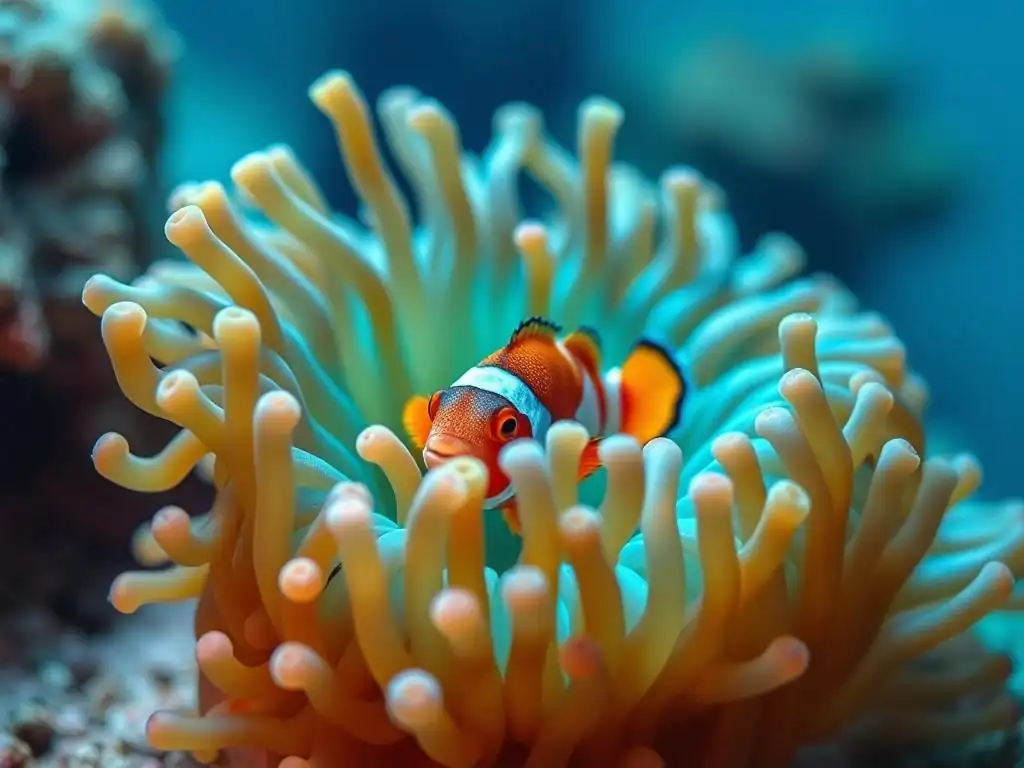
When selecting an anemone for your clownfish, understanding the most popular and compatible species is crucial. The most commonly available and generally recommended host anemones include the Bubble Tip Anemone (Entacmaea quadricolor), Sebae Anemone (Heteractis crispa), Magnificent Anemone (Heteractis magnifica), and Long Tentacle Anemone (Macrodactyla doreensis). Of these, the Bubble Tip Anemone is often considered the hardiest and most forgiving for beginner aquarists, capable of growing to a substantial size, typically between 6 to 12 inches in diameter.
However, each species possesses unique care requirements that must be met for long-term success. Magnificent Anemones, for instance, demand very high light intensity and strong, turbulent water flow, and can reach impressive sizes of up to 20 inches, making them suitable only for very large, mature aquariums (e.g., 100 gallons or more). Sebae Anemones, while visually striking, are notoriously sensitive to water quality fluctuations and have specific lighting needs, often proving challenging for even experienced aquarists. Thorough research into the specific requirements of any chosen species is paramount for a successful and safe clownfish anemone acclimation.
Understanding Anemone Host Preferences for Clownfish
While clownfish are known for their symbiotic relationship with anemones, not all clownfish species will host in every anemone, and some anemones are not suitable hosts at all. Clownfish exhibit natural host preferences, often based on what they would encounter in their native habitats. For example, the popular Ocellaris and Percula clownfish (Amphiprion ocellaris and A. percula) most commonly host in Bubble Tip Anemones, Sebae Anemones, and Magnificent Anemones in the wild. Other species, like the Maroon Clownfish (Premnas biaculeatus), are frequently found associated with Bubble Tip Anemones or Stichodactyla mertensii.
It is equally important to understand which anemones are not suitable hosts. For instance, Rock Flower Anemones (Phymanthus spp.) are beautiful but are not natural hosts for clownfish and are generally too small to provide adequate protection. Similarly, some species of Carpet Anemones (Stichodactyla spp.) are highly aggressive and possess a potent sting that can be dangerous or even lethal to clownfish, sometimes consuming them. Choosing an anemone that is naturally compatible with your clownfish species significantly increases the likelihood of successful hosting and contributes to a truly safe clownfish anemone acclimation process.
Factors to Consider When Selecting an Anemone for Your Tank
Beyond species compatibility, several critical factors must be considered when selecting an anemone for your aquarium. Firstly, tank size is paramount. An anemone like the Bubble Tip, which can expand to 12 inches or more, requires ample space to thrive and move without encroaching on other tank inhabitants. A minimum tank size of 30 gallons is often cited for Bubble Tip Anemones, but 50 gallons or more is strongly recommended to allow for growth and prevent stinging conflicts with corals. Ensure your tank is also fully mature, ideally 6-12 months old, with consistently stable water parameters.
Secondly, assess your existing lighting system and water flow. Does your lighting provide the correct PAR levels for the chosen anemone species? Is the water flow moderate and indirect, without blasting the anemone directly? Finally, consider your current tank inhabitants.
Some fish, such as certain angelfish, may nip at anemones, while other corals (e.g., LPS corals) can be stung by anemone tentacles if placed too close. Planning for at least 6-12 inches of clear space around the anemone's potential attachment point is advisable. Careful consideration of these factors before purchase is essential for a safe clownfish anemone acclimation and long-term success.
Common Mistakes to Avoid During Anemone Acclimation
Avoiding Direct Handling of the Anemone
One of the most critical mistakes to avoid during anemone acclimation is direct, forceful handling, particularly of its foot. The anemone's pedal disc, or foot, is an incredibly delicate organ essential for its attachment to the substrate and its overall survival.
Attempting to peel or pull an anemone off a surface, whether it's the bottom of a shipping bag or a piece of rock, can cause severe and often irreversible damage, leading to tearing, infection, and ultimately, death. For instance, a common mistake is trying to detach a Bubble Tip Anemone that has glued itself firmly to the side of a plastic container, resulting in a laceration that becomes infected.
If handling is absolutely necessary, such as guiding it into a container, always use clean, wet gloves and exercise extreme gentleness. It is best to encourage the anemone to move on its own by manipulating light or flow, rather than forcing it. For transfer, a wide, soft net can be used if the anemone is free-floating, but direct contact should be minimized at all costs. Respecting the anemone's delicate structure is fundamental to a safe clownfish anemone acclimation process.
Preventing Sudden Changes in Water Parameters
The primary objective of a slow, meticulous acclimation process, particularly drip acclimation, is to prevent sudden and drastic shifts in water parameters. Rapid changes in salinity, pH, or temperature can induce osmotic shock, a potentially fatal condition where the anemone's cells cannot cope with the sudden change in their external environment.
A swift transition of even 0.002 in specific gravity or 0.2 in pH from the shipping water to the display tank without gradual adjustment can cause immediate and severe stress, often leading to rapid decline. For example, simply scooping an anemone from a bag at 1.020 SG and placing it into a tank at 1.025 SG is a common cause of immediate anemone distress and failure.
Even after successful acclimation, vigilance is required. Avoid performing large, infrequent water changes that could dramatically alter the tank's parameters. Instead, opt for smaller, more frequent water changes (e.g., 10-20% bi-weekly) using perfectly matched water. Similarly, be cautious with dosing supplements; overdosing can cause sudden parameter swings. Consistent monitoring and a commitment to stability are non-negotiable for maintaining the long-term success initiated by a safe clownfish anemone acclimation.
Overcrowding the Tank: Providing Adequate Space for the Anemone
A common mistake is underestimating the space requirements of an anemone, leading to an overcrowded tank. Anemones need ample room to fully expand, attach securely, and potentially move without stinging or interfering with other sessile invertebrates like corals. A mature Bubble Tip Anemone, for example, can easily occupy a diameter of 12 inches when fully extended. Placing it in a small tank (e.g., less than 30 gallons) or too close to other corals will inevitably lead to conflict.
Anemones are territorial and can wage chemical warfare, releasing allelopathic compounds to compete for space, which can harm or kill nearby corals. Furthermore, anemones will naturally move to find their ideal spot regarding light and flow.
In a crowded tank, this movement can result in the anemone stinging valuable corals, getting sucked into powerheads, or falling into overflows, posing a threat to both the anemone and the rest of the tank. Ensuring at least 6-12 inches of clear space around the chosen anemone placement area is a vital aspect of a safe clownfish anemone acclimation and a thriving mixed reef tank.
Troubleshooting Anemone Acclimation Issues
Addressing Anemone Bleaching After Introduction
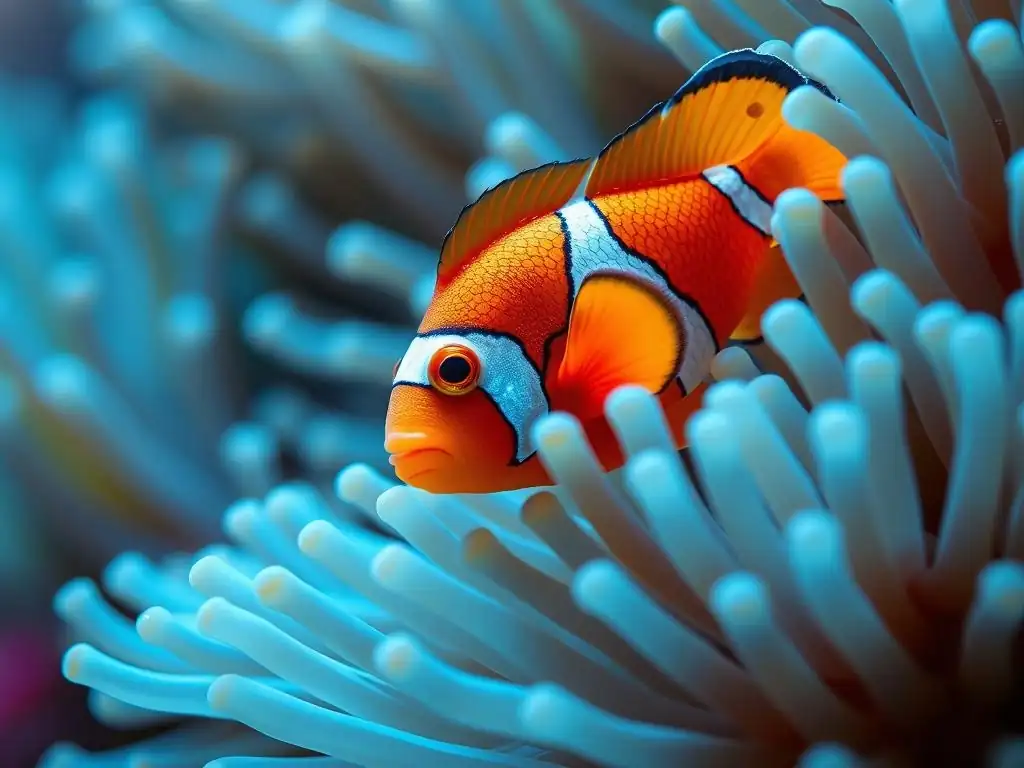
Anemone bleaching, characterized by the loss of vibrant color and a pale or white appearance, is a critical sign of stress and indicates the expulsion of symbiotic zooxanthellae algae. This phenomenon can be triggered by various factors post-introduction, including light shock (too much or too little light, or a sudden change in intensity), temperature shock, poor water quality (e.g., elevated nitrates or phosphates), or disease. If a newly introduced anemone turns translucent or stark white within days, light or temperature shock are often the primary culprits.
To address bleaching, immediate remedial actions are necessary. If light shock is suspected, gently move the anemone to a slightly shaded area, or if possible, dim your aquarium lights temporarily. Gradually increase light intensity over several days to allow for adaptation. Meticulously recheck all water parameters and perform a small, perfectly matched water change if any values are off. Ensure stable temperatures and consistent flow. While bleaching is a severe condition, an anemone can recover if the stressor is identified and alleviated promptly. Quick intervention is essential during this critical phase of the clownfish anemone acclimation process.
Dealing with Anemone Movement and Placement
It is normal for a newly introduced anemone to move around the tank for a short period as it seeks its ideal spot, a location offering optimal light, flow, and a secure attachment point. However, excessive or prolonged movement (lasting several days or weeks) indicates that the anemone is not finding suitable conditions or is under stress. For instance, a Bubble Tip Anemone might persistently move from the sand bed to the rockwork, or vice versa, if it's searching for a firmer anchor or a different flow regime.
While it's generally best to allow the anemone to settle naturally, intervention may be necessary if it moves into dangerous areas, such as directly into a powerhead, overflow, or too close to aggressive corals. In such cases, gently redirect water flow away from the anemone or place physical barriers to guide its movement. However, avoid forcing it to attach or trying to peel it off a surface, as this can cause severe damage.
If persistent movement continues, re-evaluate your tank's overall parameters, lighting intensity, and flow patterns. Sometimes, patience is required, but continuous wandering signals an underlying issue that needs to be addressed for a truly safe clownfish anemone acclimation outcome.
What to Do if Your Clownfish Isn't Hosting the Anemone
It can be disappointing when your clownfish doesn't immediately host its new anemone, but it's important to remember that patience is key. Not all clownfish host immediately, and some, particularly those that are tank-bred and have never encountered an anemone before, may never host. It can take days, weeks, or even several months for a clownfish to decide to host. For example, a captive-bred Ocellaris clownfish might initially ignore a Bubble Tip Anemone for several weeks before suddenly initiating the symbiotic relationship.
To encourage hosting, ensure the anemone is completely healthy, fully expanded, and thriving in its environment. A stressed or unhealthy anemone will be less appealing as a host. Sometimes, placing a small, smooth rock or a piece of live rock near the anemone can provide an initial investigative point for the clownfish.
Avoid any attempts to force the clownfish into the anemone, as this can stress both animals. The best approach is to maintain a consistently healthy and stable environment for both the anemone and the clownfish, allowing the natural symbiotic instinct to develop at its own pace. The success of the safe clownfish anemone acclimation process extends beyond mere survival, encompassing the establishment of this iconic bond.
Maintaining a Healthy Anemone and Clownfish Symbiotic Relationship
Proper Feeding Practices for Anemones
While most host anemones derive a significant portion of their energy from photosynthesis through their symbiotic zooxanthellae, supplemental feeding is crucial for their long-term health, growth, and vibrancy. Anemones are opportunistic feeders and will benefit from small, meaty foods offered a few times per week. Suitable foods include mysis shrimp, chopped silversides, krill, or even small pieces of marine pellets. For an average 6-inch Bubble Tip Anemone, offering a few pieces of mysis shrimp or one finely chopped silverside every other day is a good starting point.
To feed, use a turkey baster or long tongs to gently place the food directly onto the anemone's tentacles. Ensure the food pieces are small enough for the anemone to easily ingest without struggling. Avoid overfeeding, as uneaten food can decompose and degrade water quality, leading to elevated nitrates and phosphates. A well-fed anemone will be more robust, grow larger, and provide a more stable and attractive home for your clownfish, directly contributing to the overall success and longevity of the safe clownfish anemone acclimation.
Regular Water Changes and Maintenance
Regular water changes are fundamental to maintaining pristine water quality, which is paramount for the health of both anemones and clownfish. Performing routine water changes, typically 10-20% bi-weekly or monthly, helps replenish essential trace elements that are consumed by corals and anemones, while simultaneously diluting accumulated nitrates, phosphates, and other undesirable compounds. Always use high-quality salt mix mixed with RO/DI water to ensure consistency and prevent the introduction of impurities. For example, replacing 15% of your tank's water volume every two weeks is a highly effective strategy for parameter stability.
Beyond water changes, consistent tank maintenance is equally vital. Regularly siphon detritus from the sand bed and clean powerheads, skimmers, and filter socks to prevent the buildup of organic waste that can lead to nutrient spikes. Periodically inspect the anemone for any subtle signs of stress, damage, or disease. Proactive and consistent maintenance creates a stable and healthy environment, which is the backbone of a thriving reef tank and ensures the long-term success initiated by a safe clownfish anemone acclimation.
Ensuring Long-Term Anemone Health for a Thriving Ecosystem
Ensuring the long-term health of your anemone and its symbiotic relationship with your clownfish hinges on unwavering environmental consistency. Avoid any sudden or drastic changes in lighting intensity, water flow patterns, or water chemistry. Regularly test and, if necessary, dose essential elements like alkalinity, calcium, and magnesium, as these are continuously utilized by the anemone and other calcifying inhabitants. For instance, if alkalinity is allowed to drop from 9 dKH to 7 dKH over a month, the anemone's ability to maintain its structure and thrive will be significantly compromised.
As your aquarium matures and livestock grows, the needs of your anemone might subtly change. Be prepared to adapt lighting schedules, adjust flow patterns, or modify feeding routines as required. A healthy, well-cared-for anemone can live for many years, even decades, in a stable and well-maintained aquarium, providing a consistent and enriching environment for its clownfish host. This continuous commitment to optimal conditions solidifies the success of the safe clownfish anemone acclimation process, fostering a truly thriving and enduring symbiotic ecosystem.
Frequently Asked Questions
How long should I float the anemone bag in the aquarium water before releasing it?
You should float the bag for approximately 15-30 minutes to equalize the temperature. This minimizes temperature shock to the anemone.
What's the best way to introduce the anemone to the tank, avoiding stress?
Dim the aquarium lights and gently release the anemone near a rock crevice or shaded area. Avoid direct light and strong currents initially.
How long does it typically take for a clownfish to host an anemone?
It varies, but some clownfish will host immediately, while others may take days or weeks. Patience is key, and ensure the anemone is healthy first.
What water parameters are crucial for anemone health during acclimation?
Maintaining stable and appropriate salinity, pH, and temperature are vital. Regularly test your water and make gradual adjustments.
What are some signs that the anemone is not acclimating well?
Signs of distress include shrunken size, excessive mucus production, or detachment from its chosen spot. Immediate action may be needed to correct water parameters or flow.
Final Reflection: Cultivating Harmony in the Reef
The journey of introducing an anemone to a reef tank, as we've explored, is not merely a technical process, but a careful dance of patience and understanding. The success of the clownfish anemone acclimation process hinges on respecting the delicate balance of the marine ecosystem, a principle that extends far beyond the confines of our glass boxes and resonates deeply with our responsibility as stewards of the natural world.
This careful consideration for the anemone's well-being, and subsequently the clownfish's, mirrors the broader need for empathy and mindful integration in all aspects of life. The act of patiently acclimating an anemone becomes a microcosm of how we should approach new relationships and environments, allowing them to unfold naturally and thrive. The best and most beautiful things in the world cannot be seen or even touched - they must be felt with the heart.
- Helen Keller, reminding us that true understanding requires more than just observation.
As you embark on the rewarding journey of creating a symbiotic haven for your clownfish and anemone, remember the lessons learned here. Consider how the principles of patience, observation, and respect for delicate ecosystems can be applied to your own life. Let the success of your clownfish anemone acclimation process serve as a constant reminder to approach new challenges and relationships with the same care and dedication, fostering a world where harmony and balance prevail.
Ignite Your Anemone's New Life!
Thank you for exploring the secrets to successfully acclimating your anemone and ensuring a thriving environment for your clownfish. Now, let's put that knowledge into action!
- Take Immediate Action: Carefully observe your anemone for the next 24 hours, noting its initial reaction to the tank and ensuring it securely attaches to a rock or surface. Any signs of distress should prompt further research and potentially a water change.
- Dive Deeper: Share your anemone acclimation experience (successes or challenges!) in the comments below, helping fellow reef keepers learn and grow.
- Explore Different Setups: Consider researching different flow and lighting options to optimize your anemone's health long term.
What unique method did you use to introduce your anemone, and how did it impact its initial attachment?