
Feeding Your Aquarium Sea Stars: Diets for Different Species

Welcome to Aquarium Mastery!
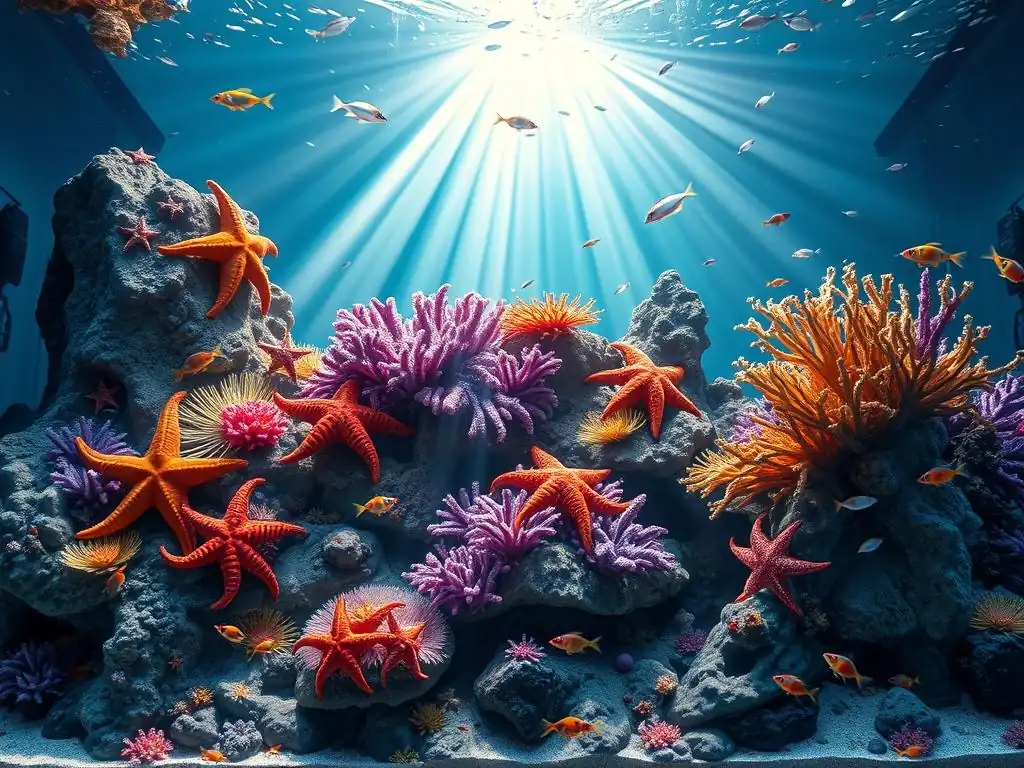
Ever wondered how to ensure your dazzling sea stars are thriving in their underwater world? Dive into our comprehensive Sea Star Aquarium Feeding Guide and unlock the secrets to providing the perfect diet for these fascinating invertebrates. From understanding species-specific needs to mastering feeding techniques, this is your first step towards creating a vibrant and healthy aquarium ecosystem. Curious to know what your sea stars are really craving? Read on!
- Feeding Your Aquarium Sea Stars: A Comprehensive Guide
- Understanding Sea Star Nutrition in Aquariums
- Sea Star Aquarium Feeding Guide: Species-Specific Diets
- Preparing Food for Your Sea Stars
- Avoiding Overfeeding and Water Quality Issues
- Sea Star Acclimation and Initial Feeding
- Troubleshooting Sea Star Feeding Problems
- Conclusion: Mastering Sea Star Aquarium Feeding
- Frequently Asked Questions
- Final Reflection: Illuminating the Starry Depths
- Ignite Your Sea Star Care Journey!
Feeding Your Aquarium Sea Stars: A Comprehensive Guide
Understanding Sea Star Nutrition in Aquariums
The Importance of Proper Sea Star Feeding
Proper feeding is paramount for the long-term health and survival of sea stars in a home aquarium. Unlike fish, many sea stars have highly specialized diets and are particularly sensitive to environmental changes and nutritional deficiencies. Inadequate feeding can lead to slow starvation, tissue recession, and ultimately, the demise of the animal, often over several months rather than days. For instance, a Linckia laevigata (blue Linkia star) might appear healthy for weeks, but if its specific biofilm diet isn't met, it will slowly waste away, losing its vibrant coloration and body mass.
Furthermore, incorrect feeding practices can severely impact overall aquarium water quality. Overfeeding, or providing foods that are not consumed by the sea star, can lead to decaying organic matter, which elevates nitrates and phosphates. This, in turn, can trigger nuisance algae blooms and stress other tank inhabitants. A well-executed sea star aquarium feeding guide focuses not just on what to feed, but how to feed to maintain a balanced and healthy ecosystem.
Nutritional Needs of Sea Stars: A General Overview
Sea stars exhibit a remarkable diversity in their feeding strategies, ranging from detritivores and scavengers to specialized grazers and active predators. Despite this variety, their fundamental nutritional needs generally involve a balanced intake of proteins, lipids, and carbohydrates, along with essential trace elements and vitamins. For example, a brittle star relies heavily on protein-rich detritus and small invertebrates, while a Fromia star thrives on microscopic biofilm and algae.
Many sea stars, especially those considered "reef safe," primarily consume detritus, microalgae, and the complex microbial films that grow on live rock and sand. Their digestive systems are adapted to process these often low-nutrient food sources efficiently. However, in the confines of an aquarium, these natural food sources may be insufficient, necessitating targeted supplementation. Understanding these general needs, alongside species-specific requirements, is crucial for any successful sea star aquarium feeding guide.
Sea Star Aquarium Feeding Guide: Species-Specific Diets
Brittle Stars: Detritivores and Scavengers
Brittle stars are among the most common and adaptable sea stars kept in aquariums, highly valued for their efficiency as detritivores and scavengers. Their long, flexible arms, which can number from five to eight or more, are adept at sweeping the substrate and live rock for food particles. They readily consume uneaten fish food, decaying organic matter, and even small, opportunistic invertebrates like copepods and amphipods that inhabit the sand bed and rockwork.
These nocturnal feeders are largely opportunistic, making them relatively straightforward to nourish in captivity. A healthy population of brittle stars, such as the popular serpent stars ( Ophiarachna spp. or Ophiolepsis spp. ), can significantly contribute to the clean-up crew, breaking down waste and preventing its accumulation. Their ability to quickly locate and consume excess food helps maintain water quality, making them a beneficial addition to many reef and fish-only tanks.
Best Foods for Brittle Stars in Aquariums: Detritus, Small Invertebrates
In a well-established aquarium, brittle stars will naturally consume a significant amount of detritus and uneaten food. To supplement this, a varied diet of sinking pellets, frozen mysis shrimp, brine shrimp, finely chopped clam, or pieces of silverside fish are excellent choices. For instance, a half-inch piece of frozen mysis shrimp, thawed and rinsed, can be offered to a medium-sized brittle star two to three times per week. The diversity in food items ensures a broader nutritional profile, preventing deficiencies.
Beyond prepared foods, brittle stars actively hunt and consume small micro-invertebrates that reside in the aquarium. This natural foraging behavior is beneficial for the entire ecosystem, as they help control populations of unwanted organisms while also aerating the substrate. In a mature reef tank with a deep sand bed and ample live rock, these natural food sources can significantly contribute to their diet, though targeted feeding is still recommended to ensure optimal health.
Brittle Star Feeding Frequency and Techniques: Target Feeding
Most brittle stars benefit from feeding 2-3 times per week, depending on the bioload of the tank and the amount of uneaten food available from other inhabitants. The most effective method is target feeding, which ensures the food reaches the sea star directly and is not consumed by faster tank mates. Using a turkey baster or long feeding tongs, place the food directly onto the sand bed near the brittle star, or gently under one of its arms.
Observe the brittle star's response; it will typically raise an arm or two and begin to manipulate the food towards its central mouth. Adjust the quantity based on consumption – if food remains uneaten after an hour, reduce the portion size for the next feeding. Overfeeding can quickly foul the water, so a careful approach is essential. Smaller species, such as mini brittle stars, may require less frequent feeding and smaller, more finely chopped portions.
Fromia Stars: Specialized Grazers
Fromia stars, such as the popular Red Fromia ( Fromia milleporella) or Marble Fromia ( Fromia monilis), are exquisite additions to a reef aquarium, but they are specialized grazers with challenging dietary requirements. They primarily feed on the microscopic biofilm, microalgae, and detritus that coat the surfaces of live rock, glass, and sand. Unlike many other sea stars, they do not typically consume large food particles or prepared foods, making their successful long-term care highly dependent on the maturity and stability of the aquarium.
These delicate invertebrates are not suitable for newly established tanks, as such systems lack the extensive, complex microfauna and biofilm necessary to sustain them. A tank less than 12-18 months old often cannot provide sufficient natural food sources, leading to a slow and often irreversible decline in the Fromia star's health. Their survival hinges on a rich, diverse, and well-established ecosystem.
Feeding Recommendations for Fromia Stars: Biofilm and Algae
The primary "food" for Fromia stars is the abundant, naturally occurring biofilm and microalgae present in a mature reef system. For this reason, it is strongly recommended that Fromia stars only be introduced into aquariums with a significant amount of established live rock – ideally at least 1 pound per gallon, though more is always better for grazers. This live rock provides the vast surface area required for the growth of the microscopic organisms they consume.
Attempts to spot-feed Fromia stars with prepared foods like sinking pellets, nori, or even finely powdered spirulina are generally unsuccessful. They rarely recognize these as food items and their mouthparts are not adapted for consuming large particles. Success with these species in a sea star aquarium feeding guide relies almost entirely on the natural productivity of the tank, emphasizing the need for a stable, long-established environment with minimal disruption to the live rock's surface.
Maintaining Algae Growth for Fromia Stars
To ensure a continuous supply of biofilm and microalgae for Fromia stars, maintaining stable water parameters and promoting healthy, though not excessive, algae growth is key. Moderate nutrient levels (e.g., nitrates around 5-10 ppm) can actually be beneficial for the growth of the microalgae and bacteria that constitute their diet, as long as phosphates are kept low to prevent nuisance algae outbreaks. Consistent lighting schedules also contribute to stable algal production.
Avoid aggressive cleaning of live rock surfaces that Fromia stars actively graze on, as this removes their food source. If possible, ensure there are multiple pieces of live rock with varied textures to provide diverse grazing opportunities. A mature tank that has been running for at least two years and has a thriving ecosystem of microfauna and microalgae offers the best chance of long-term success for these challenging but beautiful sea stars.
Linkia Stars: Challenging Dietary Requirements
Linkia stars, particularly the iconic Blue Linkia ( Linckia laevigata), are among the most beautiful and sought-after sea stars, yet they are notoriously difficult to keep long-term in captivity due to their highly specialized and largely unknown natural diet. They are believed to consume specific biofilms, bacteria, and microscopic organisms that are abundant on natural reef substrates but are incredibly challenging to replicate in a home aquarium environment. Many aquarists report that their Linkia stars slowly decline over several months, despite seemingly ideal water parameters.
The exact composition of their natural diet remains a subject of scientific study, making it nearly impossible to provide targeted supplementation that fully meets their needs. This inherent difficulty means that Linkia stars are often considered a species for expert aquarists with very large, long-established systems, or even best left in the wild. Their slow starvation process can be heartbreaking for dedicated hobbyists.
What to Feed Linkia Stars: Natural Biofilm and Microorganisms
Given their specialized diet, the primary "food" for Linkia stars is the complex microbial film that develops on extensive live rock and sand in a very mature aquarium. To even attempt to meet their dietary needs, a tank of at least 100 gallons, ideally 150 gallons or more, with a substantial amount of cured, established live rock (e.g., 50-100+ pounds) that has been in place for several years (3-5+ years) is essential. This provides the vast surface area and ecological diversity required for their sustenance.
Some aquarists attempt to provide supplemental "food" by broadcasting finely powdered spirulina, marine snow, or specialized invertebrate liquid foods into the water column, hoping the Linkia stars will absorb or filter some nutrients. However, these are not true dietary solutions but rather attempts to enrich the micro-environment. Success with these methods is rare and inconsistent, and they do not replace the need for a truly mature and biologically rich system.
Addressing Linkia Star Starvation: A Difficult Task
Recognizing Linkia star starvation can be challenging initially, as they may appear healthy for weeks or even months. Signs of decline include a gradual loss of vibrant coloration, shrinking or thinning of their arms, development of lesions, and eventually, tissue necrosis, often starting from the tips of their arms. Once these signs become apparent, recovery is highly unlikely, as the starvation process is usually well advanced.
Due to their extremely challenging dietary requirements and high mortality rates in captivity, many ethical aquarists advise against purchasing Linkia stars unless one possesses a truly massive, very mature reef system with a proven track record of sustaining delicate invertebrates for extended periods. Even in the best conditions, their long-term survival rates are significantly lower than other common sea star species, making them a significant commitment and a species that often highlights the limitations of captive environments.
Asterina Stars: Population Management
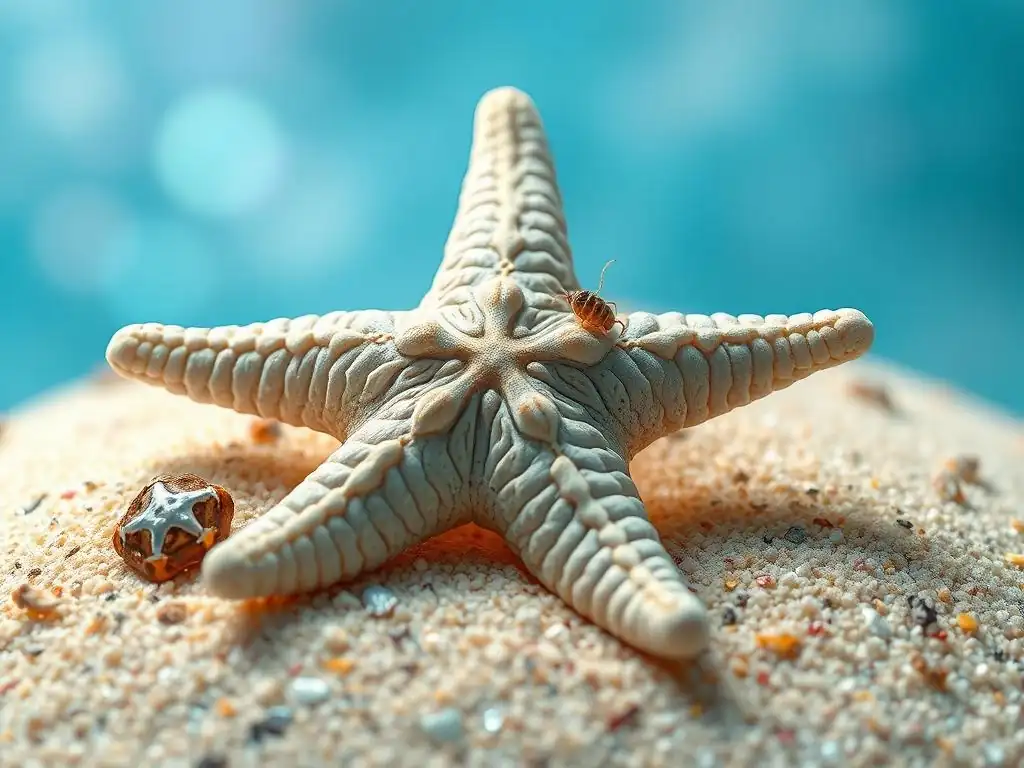
Asterina stars are small, often translucent sea stars that commonly appear as hitchhikers on live rock or coral frags. They are prolific breeders, reproducing rapidly through fission (splitting themselves in half), and their populations can explode quickly. Their diet is varied, generally consisting of detritus, diatoms, and film algae, making many species beneficial members of the clean-up crew. They are often seen grazing on the aquarium glass or live rock surfaces.
While most Asterina species are harmless scavengers, certain varieties are known coral predators. These problematic Asterina stars typically have pointed arms or sometimes a reddish tint and are observed directly on coral polyps, leaving behind white, denuded patches where they have grazed. Identifying the specific species and its dietary habits is crucial for effective management in a reef tank.
Are Asterina Stars Beneficial or Pests? Impact on Coral
The vast majority of Asterina stars are beneficial detritivores, diligently consuming nuisance algae, diatoms, and decaying organic matter. They contribute to the overall cleanliness of the tank and pose no threat to corals or other invertebrates. Their small size and efficient scavenging make them a welcome, albeit often uninvited, addition to the clean-up crew in many aquariums.
However, a small percentage of Asterina species are obligate coral predators, specifically targeting zoanthids, palythoa, and even small polyp stony (SPS) corals like Montipora. If you observe Asterina stars consistently congregating on corals and notice tissue recession or white patches on the coral where they have been, it is highly likely you have a problematic, predatory species. A rapid population explosion of any Asterina species can also indicate an overabundance of available food, potentially leading to issues even if they are not directly predatory on corals.
Controlling Asterina Star Populations in Aquariums: Manual Removal
For problematic or overpopulated Asterina stars, the most effective and safest control method is manual removal. They are often most active and visible on the glass or live rock at night, making this the best time to intervene. Using tweezers or a small siphon hose, gently pick or suction them off surfaces. Consistent manual removal over several weeks can significantly reduce their population to manageable levels.
Natural predators like the Harlequin Shrimp ( Hymenocera picta) are highly effective at controlling all types of starfish, including Asterina stars, as starfish are their sole food source. However, introducing a Harlequin Shrimp should be considered with extreme caution. Once they have consumed all the Asterina stars, they will begin to starve unless a continuous supply of other starfish (e.g., chocolate chip stars purchased as food) is provided. Therefore, for targeted Asterina control without risking other desirable starfish, manual removal remains the preferred method in a comprehensive sea star aquarium feeding guide.
Sand Sifting Sea Stars: Diet and Sand Bed Health
Sand sifting sea stars, such as the common Archaster typicus, are active burrowers that play a vital role in maintaining the health of a deep sand bed in a marine aquarium. They constantly sift through the substrate, consuming detritus, diatoms, and various organic particles embedded within the sand. This continuous movement helps to aerate the sand bed, preventing the build-up of toxic hydrogen sulfide pockets and promoting the growth of beneficial infauna.
Their entire existence revolves around the sand bed; their health and longevity are directly tied to the availability of food within this environment. In tanks with insufficient detritus or a poorly established sand bed, sand sifting sea stars will slowly starve, as they are unable to find adequate nutrition. They are not filter feeders in the water column, but rather active consumers of the microscopic life and organic matter within the substrate itself.
Feeding Sand Sifting Sea Stars: Replenishing the Sand Bed
The primary food source for sand sifting sea stars is the organic detritus and the diverse community of microorganisms (bacteria, protozoa, copepods, etc.) that thrive within a mature sand bed. In a well-fed aquarium with a sufficient bioload, enough uneaten food and fish waste will settle into the sand to provide a continuous food source for these diligent sifters. However, in very clean or sparsely populated tanks, supplementation may be necessary.
Directly feeding sand sifting sea stars can be challenging due to their burrowing nature. One effective approach is to occasionally add finely crushed sinking pellets, marine snow, or a liquid invertebrate food directly onto the sand bed in areas where the sea star is actively foraging. This allows the food to settle into the substrate, making it accessible. A robust refugium connected to the main display tank can also significantly enrich the sand bed with beneficial microfauna, providing a natural and continuous food supply.
Maintaining Sand Bed Health for Sand Sifting Sea Stars: Substrate Depth and Infauna
To ensure the long-term health and survival of sand sifting sea stars, a deep sand bed is absolutely critical. A minimum depth of 3-4 inches, and ideally 5-6 inches, provides ample foraging ground and a stable environment for the diverse infauna that contributes to the sea star's diet. A shallow sand bed will quickly become depleted of food sources, leading to starvation for these specialized invertebrates.
Avoid aggressive sand bed stirring or vacuuming, as this can disrupt the delicate ecosystem and destroy the beneficial microorganisms and infauna that the sea star relies upon. Instead, encourage the presence of other detritivores like copepods, amphipods, and various worms, which will help keep the sand bed healthy and provide a continuous food source for the sea star. A mature sand bed, established for at least 6-12 months, is essential before introducing a sand sifting sea star, as it allows the beneficial infauna to flourish.
Preparing Food for Your Sea Stars
Choosing the Right Food Size and Texture
When preparing food for your sea stars, selecting the appropriate size and texture is crucial for effective consumption and preventing waste. Most sea stars feed by extending their stomach or using their tube feet to manipulate food towards their central mouth, located on their underside. For predatory or scavenging species like brittle stars, finely chopped pieces of marine flesh (e.g., clam, shrimp, fish) or small, sinking pellets (1-3 mm in diameter) are ideal. The food should be small enough for them to easily engulf or manipulate.
The texture of the food should be soft and easily digestible. Hard or sharp food items can potentially injure the delicate tissues of the sea star's mouth or digestive system. Frozen foods, such as mysis shrimp or brine shrimp, should always be thoroughly thawed and rinsed with RO/DI water before being offered. This rinsing step helps remove excess phosphates and nitrates that can be present in the freezing solution, further contributing to a healthy sea star aquarium feeding guide.
Supplementing Sea Star Diets with Vitamins and Minerals
While a varied diet of high-quality prepared foods and natural detritus is fundamental, supplementing sea star diets with marine-specific vitamin and mineral solutions can significantly support their overall health, growth, and skeletal integrity. Sea stars, like other invertebrates, require specific trace elements such as iodine, strontium, and various other minerals for proper calcification and metabolic functions. These elements may not always be present in sufficient quantities in prepared foods or in the aquarium water itself.
A common and effective method for supplementation is to soak frozen or dried foods in a high-quality liquid vitamin and mineral supplement designed for marine invertebrates. A 5-10 minute soak before feeding allows the food to absorb these essential micronutrients. This ensures that the sea stars receive vital elements that might otherwise be lacking, contributing to stronger skeletons, better tissue health, and increased resilience to environmental stressors, a key aspect of any advanced sea star aquarium feeding guide.
Avoiding Overfeeding and Water Quality Issues
Recognizing the Signs of Overfeeding in Sea Stars: Algae Blooms, Increased Nitrates
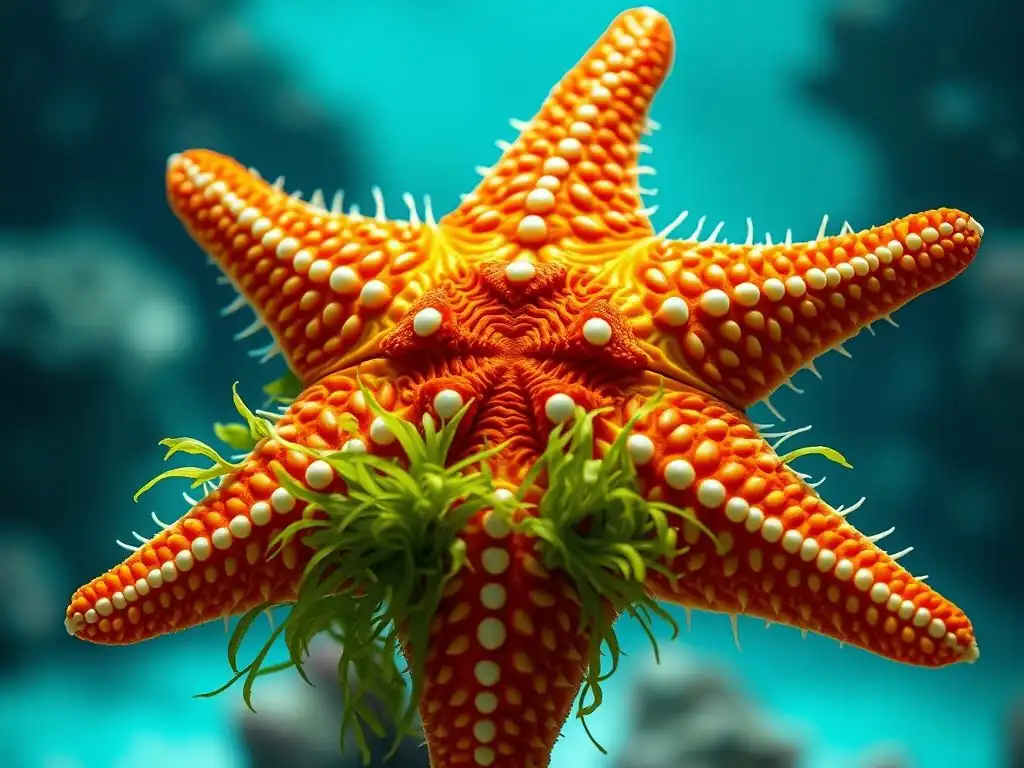
Overfeeding is a common pitfall in aquarium husbandry and can have severe negative consequences for sea stars and the entire tank ecosystem. The most immediate signs of overfeeding include visible uneaten food accumulating on the substrate or live rock, and cloudy water. Within a few days, this decaying organic matter will lead to a rapid increase in nuisance algae, such as diatoms, hair algae, or cyanobacteria, which thrive on excess nutrients.
More critically, overfeeding overwhelms the aquarium's biological filtration system, leading to elevated levels of ammonia and nitrite, followed by a spike in nitrates. While sea stars can tolerate some nitrate, prolonged exposure to levels above 20 ppm can cause stress, leading to sluggish behavior, tissue recession, and increased susceptibility to disease. Consistent monitoring of water parameters is crucial to prevent these issues, making it an integral part of any responsible sea star aquarium feeding guide.
Maintaining Optimal Water Parameters for Sea Stars
Maintaining stable and optimal water parameters is as critical as proper feeding for the long-term health of sea stars. These invertebrates are particularly sensitive to fluctuations in salinity, temperature, and pH. The ideal salinity range for most marine sea stars is 1.024-1.026 specific gravity, with temperatures between 74-78°F (23-26°C), and a pH of 8.1-8.4. Consistent alkalinity (7-11 dKH), calcium (400-450 ppm), and magnesium (1250-1350 ppm) levels are also vital for their skeletal health.
Regular water changes, typically 10-20% bi-weekly, are essential to replenish trace elements and dilute accumulated nitrates and other undesirable compounds. Consistent testing of water parameters using reliable test kits helps identify and address any imbalances before they become problematic. Sea stars are also highly sensitive to heavy metals and sudden shifts in salinity, emphasizing the need for slow drip acclimation and careful water management whenever performing maintenance or adding new water.
Sea Star Acclimation and Initial Feeding
Acclimating New Sea Stars to Your Aquarium: Drip Acclimation
Acclimating new sea stars to your aquarium is a critical step that cannot be rushed, particularly due to their extreme sensitivity to changes in salinity and pH. Drip acclimation is the safest and most recommended method. This involves placing the sea star, still in its transport water, into a clean bucket or container. Then, using airline tubing and a control valve, slowly drip water from the display tank into the bucket, aiming for a drip rate of 2-3 drips per second.
Allow this process to continue for at least 1-2 hours, or until the salinity in the bucket matches that of your display tank. During the transfer, it is paramount to avoid exposing the sea star to air, as this can trap air bubbles in their delicate water vascular system, which can be fatal. Gently submerge the entire container into the display tank and allow the sea star to slowly crawl out on its own, rather than forcing it or lifting it out of the water.
First Feeding Strategies for Newly Introduced Sea Stars: Observation
After successful acclimation, it is generally advisable to allow newly introduced sea stars 24-48 hours to settle into their new environment before attempting their first feeding. This period allows them to recover from the stress of transport and acclimation, explore their surroundings, and begin to feel secure. Observe their behavior; a healthy, acclimated sea star will typically begin to move around and attach firmly to surfaces.
When ready to feed, start with a small amount of appropriate food based on the species' dietary needs. For scavenger sea stars like brittle stars, place a tiny piece of thawed mysis shrimp or a small sinking pellet on the substrate near them. For grazing species like Fromia stars, simply ensure they have ample mature live rock to graze upon. Continue to observe their feeding response over the next few hours to gauge their acceptance and adjust future feeding schedules accordingly. This initial observation is a crucial part of any sea star aquarium feeding guide.
Troubleshooting Sea Star Feeding Problems
Identifying and Addressing Feeding Issues: Tissue Recession
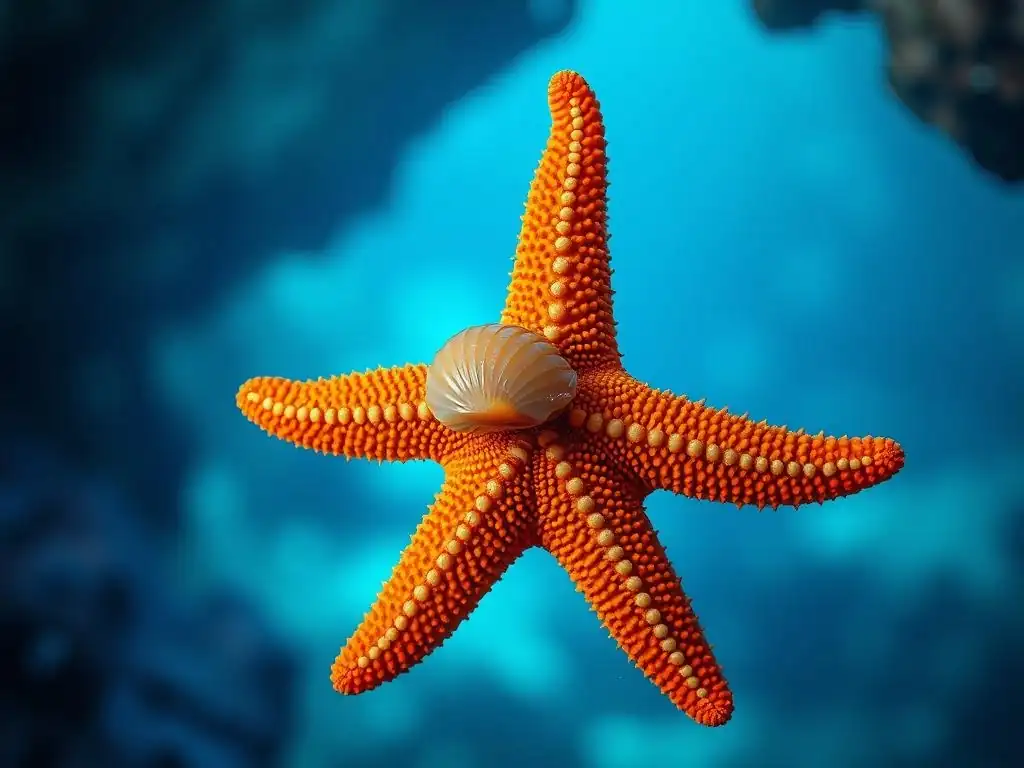
Identifying feeding issues in sea stars can be challenging, as they often decline slowly. Common signs of insufficient feeding or poor health include sluggishness, reduced activity, arms curling upwards at the tips, a loss of suction cup grip on surfaces, and, most critically, tissue recession. Tissue recession manifests as a thinning or shrinking of the arms and body, sometimes accompanied by a loss of vibrant coloration or the development of lesions. These are often advanced signs of starvation or prolonged exposure to poor water quality.
To address feeding issues, first, rigorously test all water parameters (salinity, temperature, pH, alkalinity, calcium, magnesium, nitrates, phosphates) to ensure they are stable and within optimal ranges. If water parameters are good, assess the food availability. For scavenger species, increase the frequency or quantity of targeted feedings. For grazing species, thoroughly evaluate the maturity of your live rock and sand bed, and consider adding more established rock if possible. The age and maturity of the tank play a significant role in sustaining grazers.
Dealing with Competition from Other Tank Inhabitants: Targeted Feeding
Competition for food can be a significant problem for slow-moving sea stars, especially in community tanks with fast-moving fish or aggressive invertebrates like hermit crabs and shrimp. During broadcast feeding, these faster tank inhabitants can quickly consume all the available food before the sea star has a chance to reach it. This is particularly true for bottom-dwelling or burrowing sea stars that are not agile foragers.
To overcome this competition, targeted feeding is essential. Use a turkey baster or long feeding tongs to deliver food directly to the sea star's underside or arms. This method ensures that the food reaches the intended recipient. It is often most effective to perform targeted feedings after the main aquarium lights have dimmed or turned off for the night, as many sea stars are more active then, and other tank inhabitants are less likely to compete. This direct approach is a fundamental technique in any effective sea star aquarium feeding guide, ensuring your sea stars receive their necessary nutrition.
Conclusion: Mastering Sea Star Aquarium Feeding
Mastering sea star aquarium feeding is a journey that requires patience, observation, and a deep understanding of each species' unique dietary needs. From the opportunistic scavenging of brittle stars to the highly specialized grazing of Fromia and Linkia stars, a successful sea star aquarium feeding guide hinges on providing species-specific nutrition within a stable, mature aquarium environment. Key elements include ensuring a well-established tank with ample live rock and sand, maintaining impeccable water quality through consistent testing and water changes, and employing precise acclimation and feeding techniques.
The rewards of diligently adhering to these principles are healthy, vibrant sea stars that contribute both beauty and biological balance to your marine ecosystem. By prioritizing their specific dietary requirements and being vigilant for any signs of distress, aquarists can enjoy the fascinating behaviors of these unique invertebrates for many years, truly mastering the art of sea star care.
Frequently Asked Questions
What do sea stars typically eat in a home aquarium?
Sea stars have varied diets. Some consume algae and detritus, while others are predators of invertebrates like snails and clams. It's crucial to know your sea star's species.
How often should I feed my sea star?
Feeding frequency depends on the species and age. Generally, feeding every 2-3 days is a good starting point. Monitor your sea star's body condition to adjust accordingly.
What are some common foods I can offer my sea star?
Options include sea star-specific food pellets, small pieces of shrimp or fish, and even some algae wafers, depending on the species' dietary needs.
How can I ensure my sea star gets enough food without overfeeding the tank?
Target feeding is key. Use a turkey baster or feeding tube to deliver food directly to the sea star. This minimizes waste and ensures they get adequate nutrition.
What are the signs of an underfed or overfed sea star?
An underfed sea star may appear thin or deflated. Overfeeding can lead to poor water quality and algae blooms, so monitor your water parameters closely.
Final Reflection: Illuminating the Starry Depths
The journey through the diverse dietary needs of aquarium sea stars underscores a crucial point: responsible aquarism hinges on understanding and replicating natural environments. The well-being of these captivating creatures depends not just on providing food, but on offering the right food, tailored to their specific species and ecological roles. Neglecting this fundamental principle transforms a beautiful hobby into a potential source of suffering, highlighting the ethical responsibility we bear as caretakers of marine life.
This exploration into sea star diets has profoundly influenced the way we perceive the aquarium hobby, moving beyond mere aesthetics to embrace a deeper understanding of marine ecosystems. It reminds us that even seemingly simple creatures like sea stars are complex organisms with intricate needs, demanding our respect and diligent care. In the end, we will conserve only what we love; we will love only what we understand; and we will understand only what we are taught.
- Baba Dioum. This quote perfectly encapsulates the importance of education and informed decision-making in ensuring the survival and thriving of these fascinating animals in our care.
As you consider the information presented in this guide, remember that the health and vitality of your sea stars are directly linked to the effort you invest in understanding their dietary requirements. Let this knowledge inspire you to become a more conscientious aquarist, constantly seeking to improve your practices and provide the best possible environment for these incredible creatures. Embrace the challenge, and witness the rewarding beauty of a thriving, ethically maintained sea star aquarium.
Ignite Your Sea Star Care Journey!
Thanks for diving into the fascinating world of sea star diets! We hope you've uncovered some valuable insights to keep your celestial invertebrates thriving. Now, let's turn that knowledge into action.
Here's how you can continue your journey:
- Immediately assess your current sea star's diet. Is it meeting their specific needs based on species? Make a dietary adjustment plan today.
- Delve deeper! Research lesser-known feeding habits of sea star species you're interested in. You might be surprised what you discover!
- Share your sea star feeding successes (or challenges!) with fellow aquarists. Your experience could help others!
What's one small change you can make this week to improve your sea star's feeding routine?