
Cobalt Blue Zebra (Maylandia callainos): Unveiling the True Blue Mbuna

Welcome to Aquarium Mastery!
Ever been captivated by the electric shimmer of a Cobalt Blue Mbuna? Prepare to dive deep! We're unveiling the secrets to successful Cobalt Blue Mbuna care, guiding you through everything from selecting the right tank mates to mastering their unique dietary needs. Curious how to keep these vibrant beauties thriving? Let's unlock the mysteries together!
Understanding the Cobalt Blue Mbuna: An Introduction to Maylandia callainos
Origin and Habitat of the Cobalt Blue Zebra Cichlid
The Cobalt Blue Zebra cichlid, scientifically known as Maylandia callainos, originates exclusively from the rocky shores of Lake Malawi in East Africa. This ancient rift lake is renowned for its incredible biodiversity, particularly its endemic cichlid species, which have evolved to fill diverse ecological niches.
Maylandia callainos is specifically found in the northern parts of the lake, with notable populations around islands like Likoma and Chizumulu, as well as along the mainland coast near Nkhata Bay. Their natural habitat is characterized by clear, highly oxygenated water with abundant rock formations, providing countless crevices and caves for shelter and territory establishment.
In their native environment, these cichlids are primarily rock-dwelling (lithophilous) fish, preferring areas where the substrate consists of large boulders and intricate rockwork rather than open sand. They are typically found at depths ranging from 3 to 15 meters (approximately 10 to 50 feet), where they graze on the algal bio-film (aufwuchs) that covers the rocks. This specialized diet and habitat preference are crucial considerations for successful Cobalt Blue Mbuna care in an aquarium setting, as replicating these conditions is vital for their health and natural behavior.
Distinguishing Features: Identifying the True Cobalt Blue Mbuna
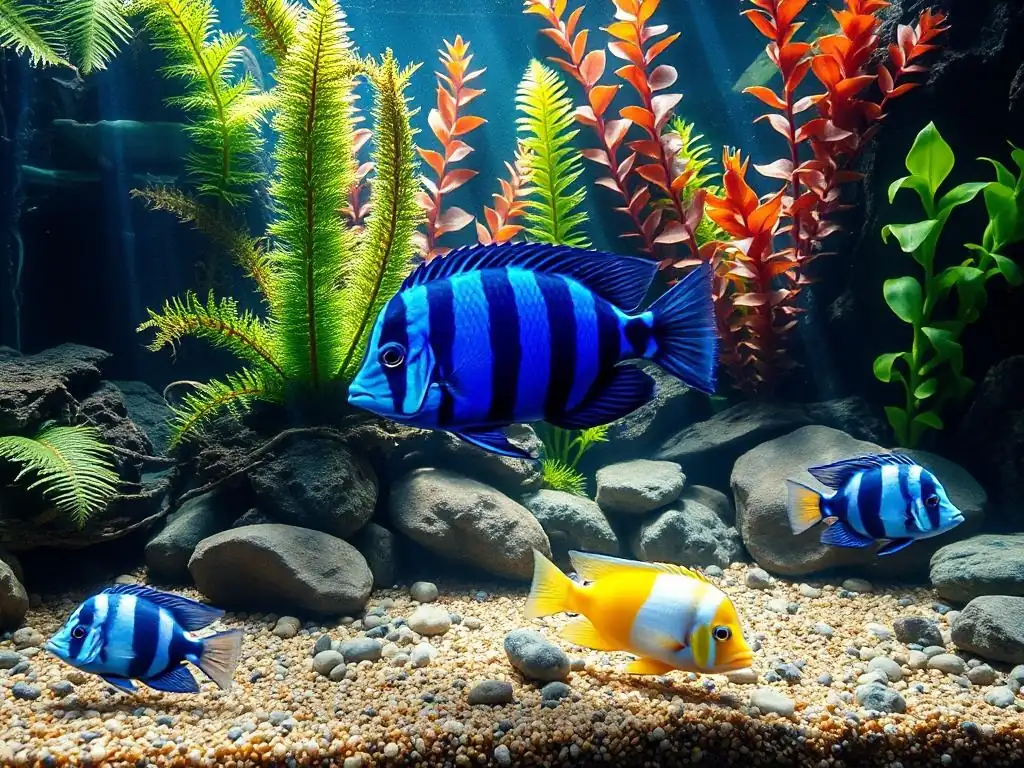
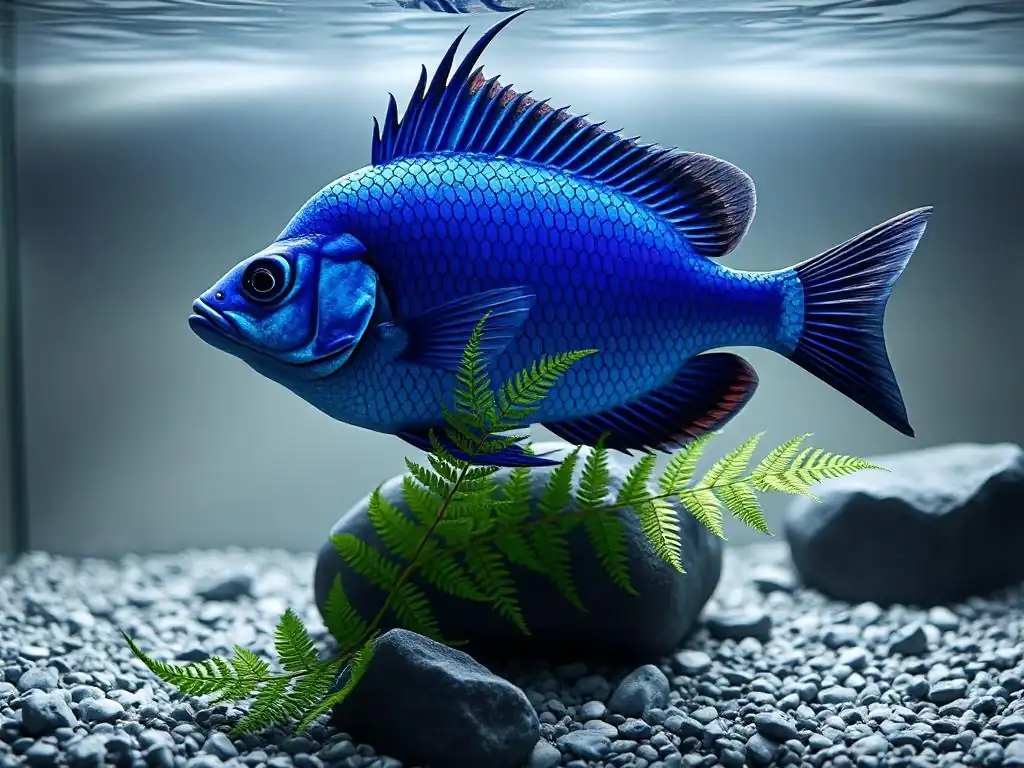
The Cobalt Blue Zebra cichlid is aptly named for its striking, iridescent blue coloration, which can vary in intensity depending on the individual's mood, health, and dominance. Adult males typically exhibit a brilliant, uniform sky-blue or deep azure hue, often lacking the distinct vertical bars that characterize other "zebra" Mbuna, though faint bars may sometimes be visible. Their fins, particularly the dorsal and anal fins, are often edged in a lighter, almost electric blue or white, and dominant males will display prominent yellow to orange egg spots on their anal fins, which are crucial for breeding rituals.
Distinguishing Maylandia callainos from other blue Mbuna can be challenging due to the numerous closely related species and captive-bred hybrids. True Cobalt Blue Zebras are characterized by their robust body shape, which is typical of Mbuna cichlids, and their relatively small mouths adapted for scraping algae.
Females are generally smaller and may exhibit a slightly duller blue, sometimes with more noticeable vertical barring, or even a brownish-blue tint. When evaluating specimens for your aquarium, look for vibrant, consistent blue coloration and the absence of strong, dark vertical stripes, especially in males, to ensure you are acquiring the true Maylandia callainos for optimal Cobalt Blue Mbuna care.
Why Choose a Cobalt Blue Zebra for Your African Cichlid Tank?
Choosing Cobalt Blue Zebras for your African cichlid tank offers a captivating visual spectacle and an engaging behavioral dynamic. Their vibrant blue color provides a stunning contrast to the rocky aquascape, making them a centerpiece in any Mbuna-dominated setup. They are relatively hardy fish once established in a well-maintained environment, making them a rewarding species for aquarists who are committed to proper African cichlid care. Their active swimming patterns and territorial displays add constant interest to the aquarium, showcasing natural behaviors from Lake Malawi.
Beyond their aesthetic appeal, Maylandia callainos are an excellent choice for dedicated Mbuna enthusiasts looking to create a true Lake Malawi biotope. Their dietary needs and water parameter preferences align well with other rock-dwelling cichlids, simplifying the overall Cobalt Blue Mbuna care regimen. While they possess the typical Mbuna aggression, it is manageable with appropriate tank size, aquascaping, and species selection, allowing for a vibrant and thriving community. Their relatively common availability and reasonable price point also make them an accessible entry point for those venturing into the fascinating world of African cichlids.
Cobalt Blue Mbuna Care: Essential Guidelines for a Thriving Aquarium
Frequently Asked Questions
How difficult is it to care for Cobalt Blue Mbuna (Maylandia callainos)?
Cobalt Blue Mbuna care is considered moderately difficult. They require specific water parameters and can be aggressive, making them unsuitable for beginner aquarists. Careful planning and research are essential for success.
What is the ideal tank size for Cobalt Blue Mbuna?
A minimum of a 40-gallon breeder tank is recommended for a small group. Larger tanks are preferable to accommodate their active swimming habits and reduce aggression. Overcrowding can mitigate aggression.
What type of diet do Cobalt Blue Mbuna need?
They are primarily herbivorous and require a diet rich in vegetable matter. Flake food formulated for African cichlids, spirulina flakes, and blanched vegetables are suitable. Avoid overfeeding protein-rich foods.
What are the ideal water parameters for Cobalt Blue Mbuna?
They thrive in alkaline water with a pH between 7.8 and 8.6. Maintaining a stable temperature between 78°F and 82°F is also crucial. Regular water changes are vital for their health.
How can I manage aggression among Cobalt Blue Mbuna?
Overcrowding the tank with other Mbuna species, providing plenty of rockwork for hiding places, and maintaining a proper male-to-female ratio can help. Observe your fish closely for signs of excessive bullying.
Okay, here's a final reflection you can use for your article "Cobalt Blue Zebra (Maylandia callainos): Unveiling the True Blue Mbuna," optimized for the keyword "Cobalt Blue Mbuna care," and following the requested structure:
Final Reflection: Appreciating the Azure Jewel
The journey into understanding the Cobalt Blue Mbuna, Maylandia callainos, culminates in a profound appreciation for its unique beauty and specific needs. Effective Cobalt Blue Mbuna care is not just about maintaining a tank; it's about fostering an environment where this vibrant creature can thrive. The insights shared throughout this article highlight the importance of informed aquascaping, appropriate tank mates, and a well-balanced diet to ensure the well-being of these captivating fish.
The captivating allure of the Cobalt Blue Mbuna extends beyond its stunning coloration. Its presence in our aquariums serves as a constant reminder of the delicate balance within aquatic ecosystems and the responsibility we bear as custodians of these miniature underwater worlds. As we strive to replicate their natural habitat, we gain a deeper understanding of their behavior and needs. In the end, we will conserve only what we love; we will love only what we understand; and we will understand only what we are taught.
- Baba Dioum. This quote perfectly encapsulates the essence of responsible fishkeeping.
Now, as you embark on your own journey with the Cobalt Blue Mbuna, remember that knowledge is your greatest tool. Take the lessons learned here and apply them diligently, not just to ensure the survival of your fish, but to enhance their quality of life. Embrace the challenge of creating a thriving ecosystem, and in doing so, you'll not only witness the breathtaking beauty of the Cobalt Blue Mbuna, but also contribute to a greater appreciation for the wonders of the natural world.
Unlock the Secrets of Your Own Thriving Cobalt Blue Cichlid Tank!
Thank you for diving deep into the captivating world of the Cobalt Blue Zebra! We hope you've gained valuable insights into keeping these vibrant fish happy and healthy. Now, it's time to turn that knowledge into action and create a stunning aquarium centerpiece.
- Start planning your ideal Mbuna setup: Research tank size, rock placement, and compatible tank mates to design a thriving habitat for your Cobalt Blues.
- Contribute to our growing community: Share your experiences or challenges with Cobalt Blue Zebras in the comments below – let's learn from each other!
- Dare to experiment: Try introducing a unique cave structure in your tank to observe the Cobalt Blue Zebra's territorial behavior and create an enriching environment.
What's one small change you'll make this week to improve your Cobalt Blue Zebra's environment or care routine?