
Red Zebra Cichlid (Maylandia estherae): A Splash of Color for Your Mbuna Tank

Welcome to Aquarium Mastery!
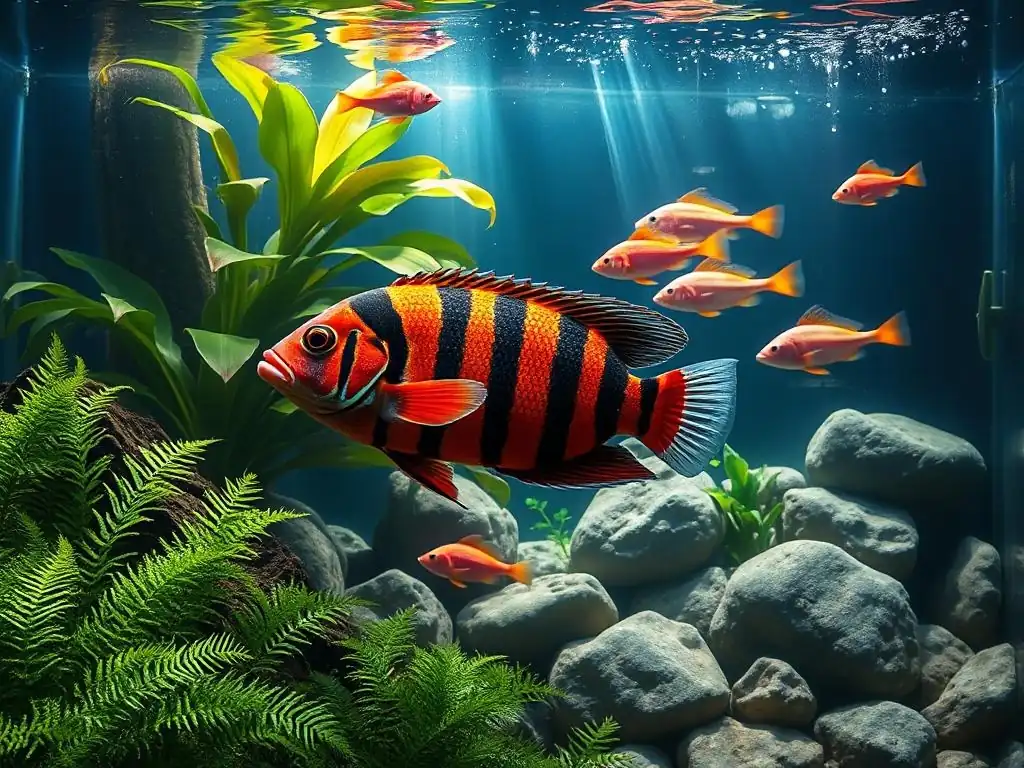
Ever been captivated by the vibrant, almost fiery hues of the Red Zebra Cichlid? Maylandia estherae isn't just another fish; it's a dynamic addition that can transform your aquarium into a living masterpiece. Dive into our comprehensive guide to Red Zebra Cichlid care, where we unlock the secrets to keeping these stunning Mbuna thriving. Ready to discover the perfect environment, diet, and tank mates for your Red Zebras? Let's get started!
- Understanding the Red Zebra Cichlid: An Introduction to Maylandia estherae
- Red Zebra Cichlid Care: A Comprehensive Guide
- Red Zebra Cichlid Tank Mates: Compatibility and Aggression
- Red Zebra Cichlid Breeding: A Detailed Overview
- Common Red Zebra Cichlid Diseases and Treatments
- Enhancing Red Zebra Cichlid Colors: Tips and Tricks
- Troubleshooting Common Red Zebra Cichlid Problems
- Red Zebra Cichlid: Is This the Right Fish for You?
- Frequently Asked Questions
- Final Reflection: Embracing the Vibrant Legacy of the Red Zebra Cichlid
- Unleash the Vibrant Potential of Your Aquarium!
Understanding the Red Zebra Cichlid: An Introduction to Maylandia estherae
Origin and Habitat: The Natural Home of the Red Zebra Cichlid
The Red Zebra Cichlid, scientifically known as Maylandia estherae, originates from the rocky shores of Lake Malawi in East Africa. This vast freshwater lake is one of the African Great Lakes, renowned for its incredible biodiversity, especially its cichlid population.
Maylandia estherae specifically thrives in the rocky, sediment-poor zones, inhabiting depths typically ranging from 3 to 10 meters (approximately 10 to 33 feet), where they graze on the algae growing on the rocks. Their natural habitat is characterized by clear, alkaline, and warm waters, which are crucial factors to replicate for proper Red zebra cichlid care in an aquarium setting.
The specific localities where Maylandia estherae are found, such as Minos Reef, Metangula, and Chilumba, contribute to the genetic diversity and color variations seen within the species. These rocky environments provide ample hiding spots, territories, and surfaces for algal growth, which forms a significant part of their natural diet. Understanding these environmental conditions is paramount for aquarists aiming to provide optimal Red zebra cichlid care, as replicating their natural habitat helps reduce stress and promotes overall health and vibrant coloration.
Distinguishing Features: Identifying Male and Female Red Zebra Cichlids
Distinguishing between male and female Red Zebra Cichlids can be relatively straightforward, though some variations exist, particularly with certain morphs. Males typically exhibit more intense and vivid coloration, often a striking orange, red, or even blue, depending on the specific strain. They tend to be larger, reaching lengths of up to 12-15 cm (around 5-6 inches), and possess more pronounced egg spots on their anal fins, which are used during spawning to entice females. Their dorsal and anal fins may also be more elongated and pointed compared to females.
Females, while generally smaller, usually grow to about 10-12 cm (4-5 inches) and often display a more subdued coloration, though some dominant females can show impressive hues, especially the orange blotch (OB) morphs. Their egg spots are typically fewer and less defined. Observing these physical characteristics, along with behavioral cues such as territorial displays from males, is key for aquarists managing Red zebra cichlid care, especially when trying to balance male-to-female ratios to mitigate aggression in a community tank.
Red Zebra Cichlid Color Variations: From OB Morphs to Wild Types
The Red Zebra Cichlid is celebrated for its stunning array of color variations, which contribute significantly to its popularity among aquarists. The "Red" or "Orange" morph is perhaps the most iconic, showcasing a brilliant, uniform orange to reddish hue across the entire body. This specific morph is largely a result of selective breeding within the aquarium hobby, enhancing the naturally occurring red pigments. Providing excellent Red zebra cichlid care, including a proper diet, can further intensify these colors.
Beyond the classic "Red" morph, other notable variations include the Orange Blotch (OB) morph, characterized by irregular black or dark brown blotches over an orange or yellow base. This pattern is often seen in females but can also occur in males, adding a unique aesthetic to the tank.
Wild-type Maylandia estherae typically exhibit a more muted coloration, often a brownish-blue or light orange with subtle vertical bars, showcasing the natural genetic diversity before extensive selective breeding. Understanding these variations is part of comprehensive Red zebra cichlid care, as it helps appreciate the fish's genetic background and potential for color display.
Red Zebra Cichlid Care: A Comprehensive Guide
Tank Size Requirements for Red Zebra Cichlids
Providing an appropriately sized aquarium is fundamental for successful Red zebra cichlid care, directly impacting their health, stress levels, and aggression. For a small group of Red Zebra Cichlids, a minimum tank size of 55 gallons (approximately 208 liters) is recommended. This allows for sufficient swimming space and helps to establish individual territories, which is crucial given their semi-aggressive nature. However, for a community tank featuring multiple Mbuna species or a larger group of Red Zebras, a 75-gallon (approximately 284 liters) or even 125-gallon (approximately 473 liters) tank is far more ideal.
Larger tanks not only dilute aggression by providing more territory but also offer greater water volume, which contributes to more stable water parameters. This stability is a cornerstone of effective Red zebra cichlid care, as these fish are sensitive to fluctuating conditions. For instance, in a 55-gallon tank, a general guideline might be to keep 6-8 juvenile Red Zebras, carefully monitoring their growth and behavior to determine if rehoming or a larger tank is eventually needed as they mature and establish dominance hierarchies.
Water Parameters: Maintaining Optimal Conditions for Your Red Zebras
Maintaining stable and appropriate water parameters is arguably the most critical aspect of Red zebra cichlid care, as these fish are highly sensitive to deviations from their natural Lake Malawi environment. Regular testing of pH, temperature, ammonia, nitrite, and nitrate levels is essential to ensure a healthy habitat. Investing in reliable test kits and performing consistent monitoring will prevent many common health issues.
Temperature and pH Levels for Red Zebra Cichlid Health
The ideal water temperature for Red Zebra Cichlids ranges from 24°C to 28°C (76°F to 82°F). Maintaining a consistent temperature within this range is vital, as sudden fluctuations can cause stress and weaken their immune system, making them susceptible to diseases. A reliable aquarium heater with a thermostat is a necessary piece of equipment for optimal Red zebra cichlid care.
Equally important is the pH level, which should be maintained in the alkaline range, specifically between 7.8 and 8.6. Lake Malawi water is naturally hard and alkaline, and replicating these conditions is crucial for the Red Zebra Cichlid's well-being. Using buffering agents, crushed coral, or aragonite substrate can help maintain the desired pH and hardness, ensuring the water chemistry supports robust health and vibrant coloration for your Red Zebras.
Water Changes and Filtration: Crucial Elements of Red Zebra Cichlid Care
Regular water changes are indispensable for effective Red zebra cichlid care, as they help remove accumulated nitrates and other dissolved organic compounds that can become toxic. A weekly water change of 25-30% of the tank's volume is generally recommended, though this can be adjusted based on stocking density and filtration efficiency. Using a gravel vacuum during water changes also helps remove detritus from the substrate, preventing the build-up of harmful substances.
High-quality filtration is equally vital for maintaining pristine water conditions. Red Zebra Cichlids are messy eaters and produce a significant bioload. Therefore, a robust filtration system, combining mechanical, chemical, and biological filtration, is essential. Canister filters are often preferred for larger Mbuna tanks due to their superior capacity and efficiency in processing waste, ensuring crystal-clear water and a healthy environment for comprehensive Red zebra cichlid care.
Red Zebra Cichlid Diet: What to Feed Your Mbuna
The Red Zebra Cichlid is primarily herbivorous, grazing on algae and other plant matter in its natural habitat. Therefore, a diet rich in vegetable matter is crucial for their long-term health and to prevent common digestive issues like Malawi Bloat. Misfeeding with high-protein foods is a common mistake in Red zebra cichlid care that can lead to severe health problems.
Recommended Food Types for Red Zebra Cichlids
The cornerstone of a healthy Red Zebra Cichlid diet should be high-quality spirulina-based flakes or pellets. These specialized foods are formulated to meet the nutritional needs of herbivorous cichlids, providing essential vitamins and minerals without excessive protein. Brands like New Life Spectrum Cichlid Formula or Hikari Cichlid Excel are excellent choices, known for their balanced nutrient profiles.
Supplementing their staple diet with blanched vegetables such as zucchini slices, shelled peas, or romaine lettuce can further enhance their nutrition and provide natural roughage. Occasional treats of very low-protein live or frozen foods like brine shrimp or mysis shrimp can be given sparingly, perhaps once or twice a week, but should not constitute a significant portion of their diet. This balanced approach to feeding is central to effective Red zebra cichlid care.
Feeding Schedule and Quantities for Healthy Growth
A consistent feeding schedule is important for Red Zebra Cichlids, promoting healthy digestion and growth. It is generally recommended to feed them small amounts two to three times a day, rather than one large meal. This mimics their natural grazing behavior and prevents overfeeding, which can lead to poor water quality and digestive issues.
The quantity of food should be no more than what they can consume within 1-2 minutes. Overfeeding is a common cause of poor water quality and the potentially fatal Malawi Bloat. Observing their feeding behavior and adjusting quantities accordingly is a key aspect of responsible Red zebra cichlid care. If food remains after a few minutes, you are likely feeding too much and should reduce the portion size for subsequent feedings.
Red Zebra Cichlid Tank Mates: Compatibility and Aggression
Understanding Mbuna Aggression: Managing Red Zebra Cichlid Behavior
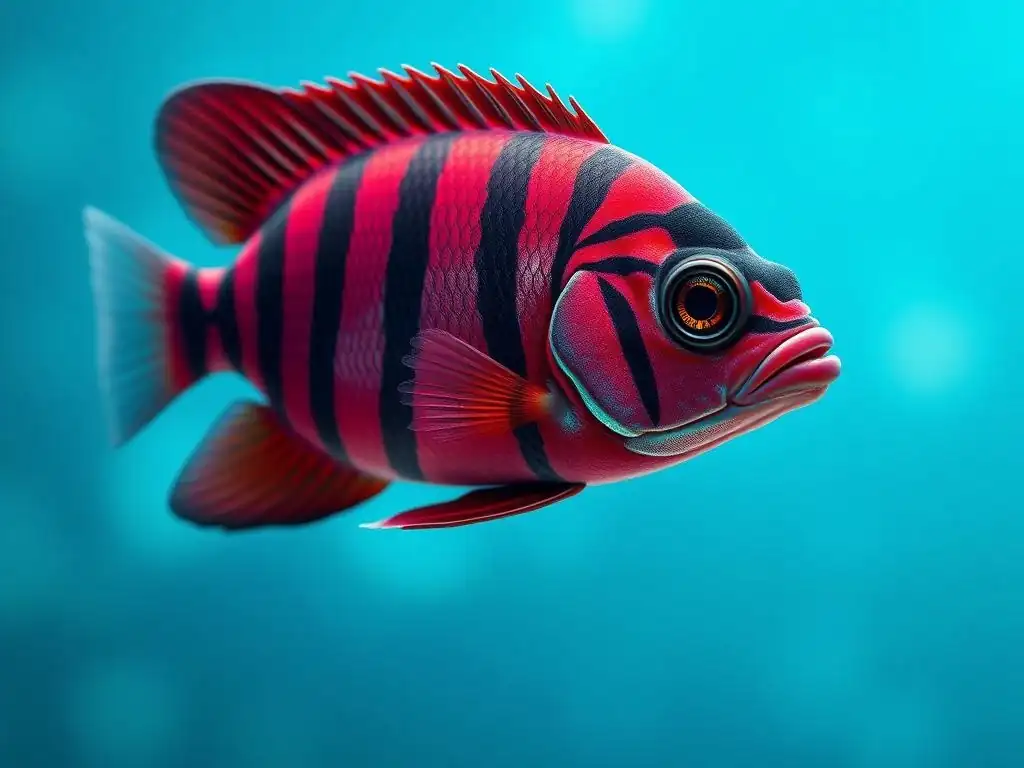
Red Zebra Cichlids, like most Mbuna species, are known for their territorial and assertive behavior. This aggression is a natural part of their social structure in the wild, where they establish and defend territories among the rocks. In an aquarium, this can manifest as bullying, fin nipping, and even fatal attacks if not managed correctly. Effective Red zebra cichlid care involves understanding and mitigating this inherent aggression.
One common strategy to manage Mbuna aggression is "overstocking" the tank, paradoxically. By keeping a higher density of fish, individual aggression is diffused among many targets, preventing any one fish from being singled out and relentlessly bullied. However, this strategy requires significantly more filtration and vigilant water quality management. Providing ample rockwork with caves, crevices, and visual barriers is also crucial, allowing subdominant fish to escape and establish their own territories.
Suitable Tank Mates for Red Zebra Cichlids
Choosing appropriate tank mates is a critical component of successful Red zebra cichlid care. The best companions for Red Zebra Cichlids are other Mbuna species from Lake Malawi that share similar dietary and water parameter requirements but differ in color or pattern to avoid excessive inter-species aggression. Examples include Yellow Labs ( Labidochromis caeruleus), Kenyi Cichlids ( Maylandia lombardoi), and Demasoni Cichlids ( Chindongo demasoni).
When selecting tank mates, it's advisable to introduce all fish simultaneously as juveniles to allow them to grow up together and establish a pecking order. Maintaining a proper male-to-female ratio, typically one male to three or more females for each species, can also help distribute aggression and reduce stress on individual females from constant male attention. This thoughtful approach to stocking is vital for creating a harmonious Mbuna community.
Avoiding Aggression: Choosing the Right Tank Mates for Maylandia estherae
To minimize aggression in a Maylandia estherae tank, focus on species with comparable temperaments and sizes. Avoid mixing them with significantly smaller or more docile fish that would be easily intimidated or bullied. Furthermore, try to select species with distinct colorations to prevent misidentification and territorial disputes, especially during breeding periods when male Red Zebra Cichlids become particularly aggressive. For instance, pairing an orange Red Zebra with a blue Kenyi cichlid is generally more successful than with another orange-hued species.
Another effective strategy for Red zebra cichlid care in a community setting is to ensure that the aquarium layout provides abundant hiding spots and visual breaks. Creating multiple territories with rock formations, caves, and artificial decor allows weaker or subdominant fish to retreat and feel secure. This not only reduces stress but also helps prevent injuries that can occur during territorial skirmishes, contributing to a more stable and less aggressive tank environment.
Incompatible Tank Mates: Fish to Avoid with Red Zebra Cichlids
Due to their aggressive and territorial nature, many fish species are incompatible with Red Zebra Cichlids. Avoiding these pairings is a crucial aspect of responsible Red zebra cichlid care. Generally, any docile, slow-moving, or long-finned fish should be excluded from an Mbuna tank, as they will likely be stressed, harassed, or have their fins nipped. Examples include Gouramis, Angelfish, and most community tetras or rasboras.
Furthermore, other cichlid types, such as South American cichlids (e.g., Oscars, Jack Dempseys) or even Peacocks (Aulonocara species) from Lake Malawi, are often unsuitable. While Peacocks share the same lake, their dietary needs differ (Peacocks are primarily piscivores/insectivores) and they are generally less aggressive than Mbunas, making them susceptible to bullying. Mixing fish with vastly different dietary requirements or aggression levels can lead to poor health, stress, and ultimately, fatalities within the aquarium.
Red Zebra Cichlid Breeding: A Detailed Overview
Setting Up a Breeding Tank for Red Zebra Cichlids
Breeding Red Zebra Cichlids can be a rewarding experience, and setting up a dedicated breeding tank can significantly increase success rates and ensure the survival of fry. While spawning can occur in a well-maintained community tank, a separate breeding setup (typically 20-30 gallons, or 75-113 liters) offers a controlled environment free from aggression and predation. The breeding tank should be equipped with a reliable heater to maintain stable temperatures (around 26-27°C or 79-81°F) and a sponge filter for gentle yet effective filtration.
The substrate can be bare bottom or a thin layer of fine sand, which makes cleaning easier and prevents food from getting trapped. Essential decor for a breeding tank includes several flat rocks or slate pieces arranged to form caves and crevices. These serve as ideal spawning sites for the female and provide security for her after egg-laying. A 1:3 male-to-female ratio is often recommended to distribute the male's attention and reduce stress on any single female during the breeding process.
Red Zebra Cichlid Spawning Behavior: What to Expect
Red Zebra Cichlids are maternal mouthbrooders, meaning the female carries the fertilized eggs and fry in her mouth until they are free-swimming. The spawning process typically begins with the male displaying vibrant colors and performing a "shimmering" dance to attract a receptive female. He will then lead her to a chosen spawning site, usually a flat rock or a depression dug in the sand.
The female will lay a small batch of eggs, often 5-10 at a time, which she immediately picks up into her mouth. The male then presents his anal fin, which has distinct egg spots mimicking real eggs. As the female attempts to pick up these "eggs," the male releases sperm, fertilizing the eggs already in her mouth. This process is repeated until all eggs (typically 20-60, depending on the female's size and age) are laid and fertilized. The female will then retreat to a quiet, secure spot to brood her clutch for approximately 21-28 days.
Caring for Red Zebra Cichlid Fry: Raising Healthy Offspring
Once the female has released the fry, usually after 3-4 weeks, they are relatively self-sufficient but still require careful Red zebra cichlid care to ensure their survival and healthy development. If the fry are released in a community tank, they are highly susceptible to predation by adult fish, including their parents. For this reason, many breeders choose to "strip" the eggs or fry from the female's mouth after about 14-20 days and transfer them to a separate grow-out tank.
The grow-out tank should be well-filtered with a gentle sponge filter and maintained with pristine water conditions, mimicking the parameters of the main tank. Regular, small water changes (10-15% daily or every other day) are crucial to remove waste and maintain optimal water quality for the delicate fry. Providing ample hiding spots with small rocks or artificial plants can also help reduce stress among the developing fry.
Feeding Red Zebra Cichlid Fry: First Foods and Growth
Feeding Red Zebra Cichlid fry correctly is a vital part of successful Red zebra cichlid care for new generations. Upon release, the fry are typically large enough to consume finely crushed flake food or specialized fry food. High-quality spirulina flakes, crushed to a powder, are an excellent first food, aligning with their herbivorous diet. Alternatively, commercial fry foods designed for cichlid fry provide a balanced nutritional profile.
As the fry grow, their diet can be gradually diversified. After a few weeks, they can transition to finely ground pellets and occasional blanched, crushed peas. Feeding should occur frequently, about 3-5 times a day, in small quantities that can be consumed within a few minutes. This frequent feeding schedule supports their rapid growth and development. Overfeeding should be avoided to prevent water quality issues, which can be detrimental to young fry.
Maintaining Water Quality for Red Zebra Cichlid Fry Survival
Maintaining impeccable water quality is paramount for the survival and healthy growth of Red Zebra Cichlid fry. Due to their small size and sensitivity, poor water conditions can quickly lead to stress, disease, and high mortality rates. Daily or every-other-day partial water changes (10-15%) are highly recommended to remove waste and replenish essential minerals without causing drastic parameter shifts.
Using a gentle filtration method, such as an air-driven sponge filter, is crucial to prevent fry from being sucked into the filter intake and to avoid strong currents that can exhaust them. Monitoring water parameters—especially ammonia, nitrite, and nitrate—is essential. Any detectable levels of ammonia or nitrite indicate a problem with the biological filter or overfeeding and must be addressed immediately to ensure the success of your Red zebra cichlid care efforts for the fry.
Common Red Zebra Cichlid Diseases and Treatments
Recognizing Symptoms of Illness in Red Zebra Cichlids
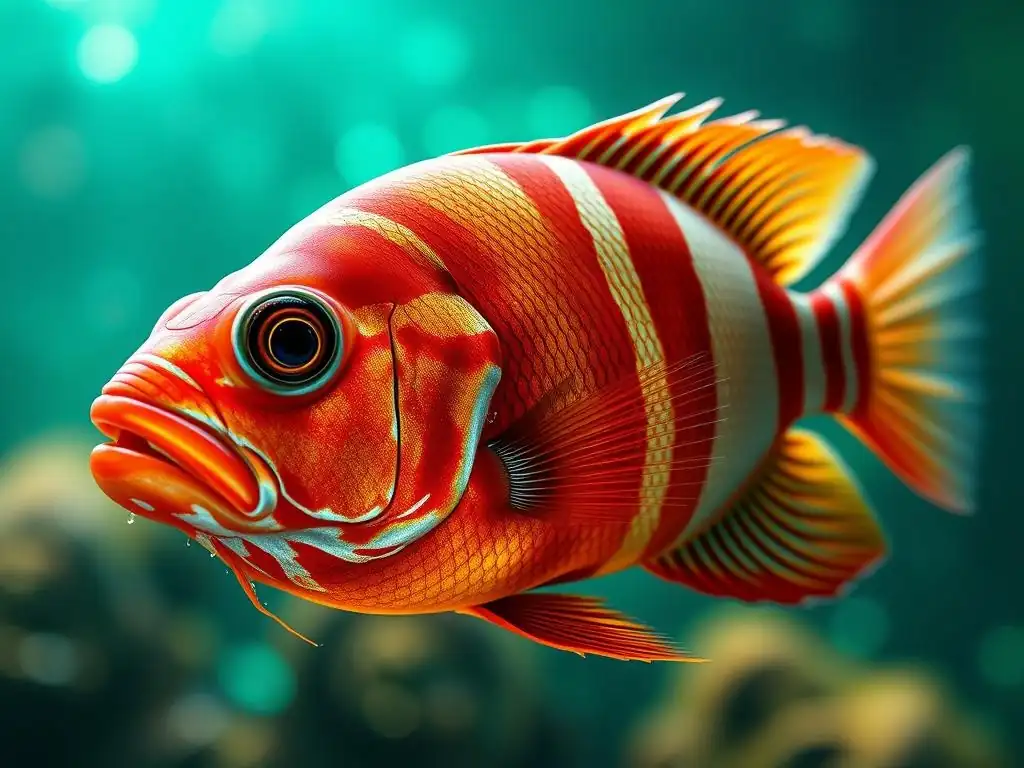
Early detection of illness is a key component of effective Red zebra cichlid care. Healthy Red Zebras exhibit vibrant coloration, active swimming, and a strong appetite. Any deviation from these norms can signal a problem. Common symptoms of illness include:
- Loss of appetite: Refusing food or spitting it out.
- Lethargy or unusual swimming: Hiding excessively, staying at the bottom, or swimming erratically.
- Changes in coloration: Fading, darkening, or unusual blotches.
- Physical signs: White spots, fuzzy growths, clamped fins, swollen abdomen, or lesions.
- Respiratory distress: Rapid gill movement or gasping at the surface.
Observing these signs promptly allows for quicker intervention and increases the chances of successful treatment. A proactive approach to Red zebra cichlid care includes daily visual inspections of all fish.
Common Diseases Affecting Red Zebra Cichlids
Despite robust Red zebra cichlid care, these fish can still fall victim to common aquarium diseases, particularly if water quality is compromised or new fish are introduced without proper quarantine. Two of the most prevalent and serious diseases affecting Mbuna cichlids are Ich and Malawi Bloat. Understanding their symptoms and treatments is vital for any aquarist keeping these vibrant fish.
Ich (White Spot Disease)
Ich, caused by the parasite Ichthyophthirius multifiliis, is one of the most common external parasitic infections in freshwater aquariums. In Red Zebra Cichlids, it manifests as small, white spots resembling grains of salt scattered across the body, fins, and gills. Infected fish may also exhibit flashing (rubbing against tank decorations), clamped fins, and labored breathing due to gill irritation. Stress from poor water quality or temperature fluctuations often triggers Ich outbreaks.
Treatment for Ich typically involves increasing the water temperature gradually to 28-30°C (82-86°F) over 24 hours (as the higher temperature speeds up the parasite's life cycle, making it more vulnerable to treatment), coupled with the use of an over-the-counter Ich medication containing malachite green or formalin. Removing carbon from the filter during treatment is crucial, as carbon can absorb the medication. Consistent daily water changes and gravel vacuuming are also recommended to remove free-swimming parasites.
Malawi Bloat
Malawi Bloat is a highly lethal disease specific to African cichlids, particularly Mbuna, and is often linked to improper diet and poor Red zebra cichlid care. It is believed to be caused by an internal parasitic or bacterial infection, often triggered by feeding high-protein, difficult-to-digest foods that disrupt their sensitive digestive systems. Symptoms include a distended abdomen (bloating), loss of appetite, white and stringy feces, rapid breathing, and lethargy. In advanced stages, fish may lose balance and float uncontrollably.
Treating Malawi Bloat is challenging and often unsuccessful if not caught early. Initial steps involve isolating the affected fish in a hospital tank and ceasing all feeding for several days. Treatment usually involves broad-spectrum antibiotics or antiparasitic medications, such as Metronidazole or Epsom salts (1 tablespoon per 10 gallons) to help reduce swelling. Prevention through a proper herbivorous diet and pristine water quality is the most effective form of Red zebra cichlid care against this devastating disease.
Quarantine and Treatment Protocols for Sick Red Zebra Cichlids
Implementing a quarantine protocol for all new fish before introducing them to the main display tank is a cornerstone of preventative Red zebra cichlid care. A separate quarantine tank (10-20 gallons, or 38-75 liters) should be set up with a heater, sponge filter, and basic hiding spots. New fish should be observed in this tank for at least 2-4 weeks, allowing time for any latent diseases to manifest. During this period, prophylactic treatments for common parasites might be considered.
If a Red Zebra Cichlid in the main tank shows symptoms of illness, it should be immediately transferred to a hospital tank. This prevents the spread of disease to other tank inhabitants and allows for targeted treatment without affecting the beneficial bacteria in the main filter or exposing healthy fish to medication. The hospital tank should be set up similarly to a quarantine tank, with emphasis on stable water parameters. Follow medication instructions precisely, perform necessary water changes, and monitor the fish closely for recovery.
Enhancing Red Zebra Cichlid Colors: Tips and Tricks
Optimizing Diet for Vibrant Red Zebra Cichlid Coloration
The diet plays a paramount role in the vibrancy of Red Zebra Cichlid colors. To achieve the most striking reds and oranges, their diet should be rich in natural carotenoids, which are pigments responsible for these warm hues. High-quality spirulina-based flakes and pellets are essential as they contain these necessary plant-derived pigments. Look for foods specifically formulated for cichlids that list spirulina, astaxanthin, or other natural color enhancers among their primary ingredients.
Supplementing their diet with blanched vegetables like carrots (which are high in beta-carotene), sweet potatoes, or red bell peppers can further boost coloration. These should be offered sparingly as treats. Avoiding high-protein foods, which can lead to Malawi Bloat and overall poor health, is also crucial. A healthy fish with a proper diet will naturally display more intense and consistent coloration, making diet a primary focus in Red zebra cichlid care for aesthetics.
The Role of Lighting in Red Zebra Cichlid Color Display
Appropriate lighting can significantly enhance the visual appeal of Red Zebra Cichlids and bring out their brilliant colors. While lighting doesn't directly influence the fish's pigment production like diet does, it plays a critical role in how those colors are perceived by the human eye. Full-spectrum LED lights with adjustable color temperatures are ideal, allowing aquarists to fine-tune the light to best showcase the Red Zebra's hues.
Lights with a Kelvin rating between 6500K and 10000K are generally effective for freshwater cichlid tanks. Some aquarists find that lights with a slight bias towards the red or blue spectrum can accentuate specific colors in their Red Zebras. For instance, a light with more red wavelengths can make orange and red morphs pop, while a touch of blue might enhance any underlying blue tones. Establishing a consistent light cycle (e.g., 10-12 hours per day) also contributes to a stable environment, which is part of holistic Red zebra cichlid care.
Maintaining Water Quality for Enhanced Red Zebra Cichlid Appearance
Pristine water quality is not only essential for the health of Red Zebra Cichlids but also directly impacts their coloration. Fish living in suboptimal conditions, characterized by high nitrates, ammonia, or fluctuating pH, will often appear stressed, dull, and washed out. Their colors will fade, and their overall vitality will diminish. Therefore, meticulous water parameter management is a fundamental aspect of enhancing their appearance through Red zebra cichlid care.
Regular partial water changes (25-30% weekly), robust filtration, and consistent monitoring of pH, temperature, and nitrogenous waste products ensure a stable and clean environment. When water parameters are consistently within the ideal range (pH 7.8-8.6, temperature 76-82°F, ammonia/nitrite 0 ppm, nitrates <20 ppm), Red Zebra Cichlids are less stressed, their immune systems are stronger, and they are more likely to display their most vibrant and natural colors.
Troubleshooting Common Red Zebra Cichlid Problems
Aggression Issues: Dealing with Bullying in the Tank
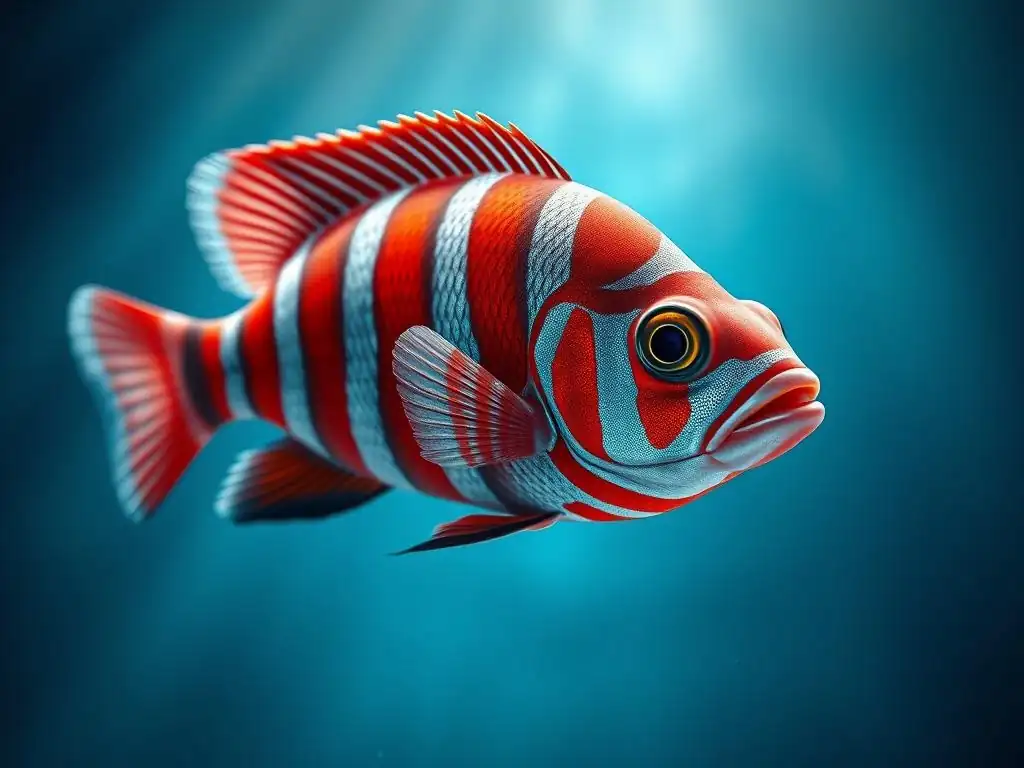
Aggression is a common challenge in Red zebra cichlid care, given their territorial nature. If bullying becomes problematic, several strategies can be employed. Firstly, evaluate the tank's stocking density and layout. Ensure there are enough hiding spots and visual barriers (e.g., rock piles, caves) for all fish, allowing subdominant individuals to retreat. Rearranging the decor can also disrupt established territories, forcing fish to re-establish them and sometimes reducing existing pecking orders.
If aggression persists, consider adding more Red Zebras (especially females) or other compatible Mbuna species to diffuse aggression across more individuals, provided the tank size can accommodate the increased bioload. As a last resort, removing the most aggressive individual may be necessary. Sometimes, the problem fish can be isolated in a breeder net within the tank for a few days; upon reintroduction, its dominance may be reduced as other fish have established new territories.
Red Zebra Cichlid Not Eating: Possible Causes and Solutions
A Red Zebra Cichlid refusing to eat is a significant concern and requires prompt investigation. This symptom can indicate various issues, from stress to disease. The first step in troubleshooting is to check all water parameters (ammonia, nitrite, nitrate, pH, temperature) to ensure they are within optimal ranges. Poor water quality is a common stressor that can lead to a loss of appetite.
If water parameters are good, observe the fish for other symptoms of illness, such as bloating (Malawi Bloat), white spots (Ich), or clamped fins. If disease is suspected, isolate the fish in a hospital tank and begin appropriate treatment. If no physical signs of disease are present, stress from bullying by tank mates might be the cause. Consider isolating the fish or re-evaluating the tank's social dynamics. Offering a varied diet, including blanched vegetables, can sometimes entice a reluctant eater.
Cloudy Water and Algae Growth: Maintaining a Healthy Aquarium Environment
Cloudy water and excessive algae growth are common aesthetic and health issues in Red Zebra Cichlid tanks, often indicating an imbalance in the aquarium ecosystem. Cloudy water can be caused by bacterial blooms (common in new tanks or after large disturbances), suspended particulate matter, or overfeeding. Algae growth is typically a result of excess nutrients (high nitrates/phosphates) and/or too much light.
To address cloudy water, ensure your filtration system is adequate and well-maintained. Perform regular water changes (25-30% weekly) and avoid overfeeding. If it's a bacterial bloom, it often resolves on its own within a few days with consistent water changes. For algae, reduce the duration of lighting (to 8-10 hours per day), perform more frequent water changes to lower nitrates, and consider adding algae-eating snails (ensure they are Mbuna-safe) or a few non-Mbuna algae eaters if compatible. Cleaning the tank glass and decor regularly also helps control visible algae.
Red Zebra Cichlid: Is This the Right Fish for You?
Assessing Your Experience Level: Is the Red Zebra Cichlid Suitable for Beginners?
While Red Zebra Cichlids are captivating, assessing your experience level before committing to their Red zebra cichlid care is crucial. They are not typically recommended for absolute beginners due to their specific water parameter requirements, dietary needs, and aggressive tendencies. Beginners might find the challenges of maintaining stable alkaline water, managing aggression in a community, and preventing diseases like Malawi Bloat overwhelming.
However, for a dedicated beginner who is willing to invest time in research, has access to proper equipment (large tank, robust filtration, water test kits), and understands the commitment involved, Red Zebra Cichlids can be a rewarding experience. It requires a proactive approach to Red zebra cichlid care, including consistent water changes, careful feeding, and vigilant observation of fish behavior. Success largely depends on the aquarist's willingness to learn and adapt.
Long-Term Commitment: The Lifespan of a Red Zebra Cichlid
The Red Zebra Cichlid has a relatively long lifespan compared to many other freshwater aquarium fish, typically living for 6 to 10 years with proper Red zebra cichlid care. Some individuals, under exceptional conditions, may even live slightly longer. This longevity means that acquiring Red Zebra Cichlids is a significant long-term commitment, requiring consistent attention to their needs over many years.
Understanding this lifespan is important for planning tank maintenance, potential rehoming needs if tank dynamics change, and overall financial commitment to food, electricity, and supplies. A healthy, well-cared-for Red Zebra Cichlid will bring years of vibrant color and engaging behavior to your aquarium, making the dedication to excellent Red zebra cichlid care a worthwhile endeavor.
Conclusion: Responsible Red Zebra Cichlid Keeping
The Red Zebra Cichlid ( Maylandia estherae) offers a spectacular splash of color and dynamic behavior for the dedicated aquarist's Mbuna tank. Their captivating presence, coupled with their unique social structures, makes them a fascinating subject for observation. However, successful Red zebra cichlid care hinges on a comprehensive understanding of their specific needs, derived from their natural Lake Malawi habitat.
Key elements for thriving Red Zebras include providing a spacious aquarium (minimum 55-75 gallons), maintaining pristine and stable alkaline water parameters (pH 7.8-8.6, temperature 76-82°F), and adhering strictly to a herbivorous diet. Managing their inherent aggression through appropriate tank mates and tank decor is equally vital. While they present challenges, the rewards of keeping these vibrant cichlids, from their stunning coloration to their intricate breeding behaviors, are immense, making the commitment to responsible Red zebra cichlid care a truly enriching experience.
Frequently Asked Questions
How difficult is it to care for Red Zebra Cichlids?
Red Zebra Cichlids are considered relatively easy to care for, making them a good choice for intermediate aquarists. They are hardy but require specific water parameters and a carefully planned diet.
What is the ideal tank size for a group of Red Zebra Cichlids?
A minimum of a 75-gallon tank is recommended for a group of Red Zebra Cichlids. This provides enough space for them to establish territories and reduce aggression.
What type of diet do Red Zebra Cichlids require?
Red Zebra Cichlids are primarily herbivores and require a diet rich in algae and plant-based foods. Supplement with high-quality cichlid pellets and occasional small amounts of protein.
Are Red Zebra Cichlids aggressive fish?
Yes, Red Zebra Cichlids are known for their aggressive behavior, especially towards other Mbuna cichlids. It's crucial to maintain a proper male-to-female ratio and provide plenty of hiding places to minimize conflicts.
What are the ideal water parameters for Red Zebra Cichlids?
Ideal water parameters include a temperature of 78-82°F (25-28°C), a pH of 7.8-8.6, and hard, alkaline water. Regular water changes are essential to maintain water quality.
Final Reflection: Embracing the Vibrant Legacy of the Red Zebra Cichlid
The captivating allure of the Maylandia estherae, or Red Zebra Cichlid, extends far beyond its striking coloration. Its popularity in the aquarium hobby underscores a deeper appreciation for the biodiversity and intricate ecosystems of Lake Malawi. This vibrant fish serves as a living testament to the beauty and complexity found within our planet's aquatic environments, reminding us of the responsibility we bear to protect these fragile habitats.
The Red Zebra Cichlid's enduring appeal has not only enriched the aquascaping world but has also fostered a community of passionate hobbyists dedicated to responsible fishkeeping and conservation. My own journey with these fish has instilled in me a profound respect for their resilience and the delicate balance required to maintain a thriving aquarium. In the end, we will conserve only what we love; we will love only what we understand; and we will understand only what we are taught.
- Baba Dioum. This quote perfectly encapsulates the importance of sharing knowledge and fostering a deeper connection with the natural world, starting with the captivating Red Zebra Cichlid.
As you consider adding a splash of color to your own aquarium with the Red Zebra Cichlid, remember that you are not just acquiring a pet, but becoming a steward of a small piece of the African Great Lakes. Let the vibrant energy of this fish inspire you to learn more about its natural habitat, to practice responsible aquarium management, and to contribute to the ongoing efforts to protect the remarkable biodiversity of Lake Malawi for generations to come.
Unleash the Vibrant Potential of Your Aquarium!
Thanks for diving into the captivating world of Red Zebra Cichlids! We hope you found inspiration to create a stunning Mbuna aquarium. Now, let's bring that vision to life.
Here are some actions to take next:
- Plan your tank design! Sketch out a layout that replicates the rocky, cave-filled environment Red Zebras love, focusing on dimensions that meet their active swimming needs.
- Share your newfound knowledge! Discuss your Red Zebra Cichlid plan with a fellow aquarium enthusiast and gather insights.
- Consider this: Research a less commonly known Mbuna species and compare its needs to the Red Zebra – you might discover a fascinating new addition to your future tanks!
Ready to start building your own vibrant Red Zebra Cichlid paradise? What unique rock formations will you use to make your aquarium stand out?