
Gut Loading for Peacock Cichlids: Enhancing Nutritional Value of Live Foods

Welcome to Aquarium Mastery!
Ever wondered how to really make your Peacock cichlids thrive, displaying their most vibrant colors and healthiest behaviors? Prepare to unlock a crucial secret: the art of gut loading. Dive into our in-depth guide on Peacock cichlid live food and discover how enriching their diet with vital nutrients can transform your aquarium into a thriving ecosystem. Curious to know more? Let's explore the fascinating world of gut loading and elevate your cichlid care to the next level!
- Introduction to Gut Loading: Optimizing Peacock Cichlid Nutrition
- What is Gut Loading and How Does it Benefit Peacock Cichlids?
- Live Foods Suitable for Gut Loading and Feeding Peacock Cichlids
- Effective Gut Loading Techniques for Peacock Cichlid Live Food
- Nutritional Supplements for Gut Loading Peacock Cichlid Food
- Gut Loading for Specific Life Stages of Peacock Cichlids
- Troubleshooting Gut Loading Issues for Peacock Cichlids
- The Long-Term Impact of Gut Loading on Peacock Cichlid Health and Well-being
- Conclusion: Elevating Peacock Cichlid Care Through Gut Loading
-
Frequently Asked Questions
- How does gut loading benefit Peacock Cichlids?
- What are some good live food options for Peacock Cichlids that can be gut loaded?
- What should I use to gut load live foods for my Peacock Cichlids?
- How long should I gut load live food before feeding it to my Peacock Cichlids?
- How often should I feed my Peacock Cichlids gut-loaded live food?
- Final Reflection: Nourishing the Future of Peacock Cichlids
- Ignite Your Cichlids' Vigor!
Introduction to Gut Loading: Optimizing Peacock Cichlid Nutrition
Why Gut Loading Matters for Peacock Cichlid Health
Gut loading is a critical practice for aquarists aiming to provide the best possible nutrition for their Peacock cichlids. In their natural habitat, these vibrant fish consume a diverse diet of insect larvae, small crustaceans, and other invertebrates, which are naturally rich in essential nutrients.
However, the live foods commonly available in captivity, such as brine shrimp or bloodworms, often lack the full spectrum of vitamins, minerals, and fatty acids found in wild prey, especially after being harvested and stored. This nutritional gap can lead to deficiencies that manifest as faded colors, stunted growth, weakened immune systems, and increased susceptibility to diseases like Malawi bloat.
By gut loading, aquarists effectively transform common Peacock cichlid live food into super-nutritious meals. This process involves feeding the live prey a nutrient-dense diet for a period before offering them to the cichlids. This ensures that the essential nutrients are passed directly to the Peacock cichlids, mimicking the natural food chain more closely and providing a holistic nutritional boost that staple dry foods alone cannot always achieve. The direct benefit is seen in the fish's enhanced vitality, more brilliant coloration, and a robust defense against common ailments, leading to a healthier and more visually stunning aquarium.
Understanding the Nutritional Needs of Peacock Cichlids
Peacock cichlids, primarily belonging to the Aulonocara genus, are largely insectivores and carnivores in their natural African Rift Lake habitats. Their diet in the wild consists predominantly of small invertebrates they sift from the substrate, including insect larvae, copepods, and ostracods. This natural diet provides a high protein content, along with crucial fats, vitamins, and minerals necessary for their active lifestyle, vibrant coloration, and successful reproduction. For instance, the carotenoids found in their natural prey are directly responsible for the intense blues, reds, and yellows seen in healthy Peacock cichlids.
In the aquarium environment, while high-quality flakes and pellets form the dietary backbone, they often fall short in delivering the critical micronutrients and beneficial fatty acids that Peacock cichlids require for optimal health and color. Without supplementation, these fish can develop deficiencies in key vitamins like Vitamin A, C, and E, as well as essential Omega-3 fatty acids, which are vital for immune function and overall well-being.
Therefore, incorporating gut-loaded Peacock cichlid live food into their feeding regimen is not just a treat, but a necessary step to replicate their natural diet and fulfill their specific nutritional needs, ensuring they thrive rather than merely survive.
What is Gut Loading and How Does it Benefit Peacock Cichlids?
Defining Gut Loading: A Natural Supplementation Method
Gut loading is the practice of feeding feeder insects or crustaceans a highly nutritious diet shortly before they are offered as food to other animals, such as Peacock cichlids. The principle is simple: the nutrients consumed by the feeder organism are stored within its gut and tissues, and then transferred to the predator when consumed.
This method ensures that the target animal receives a concentrated dose of vitamins, minerals, and other essential compounds that might otherwise be lacking in the feeder's natural state or commercial availability. Unlike simply dusting feeder insects with supplements, which can rub off and pollute the water, gut loading integrates the nutrients directly into the prey, making it a more efficient and less wasteful delivery system.
This technique transforms ordinary Peacock cichlid live food into a fortified meal, significantly enhancing its nutritional profile. For example, a batch of brine shrimp, which are relatively low in certain fatty acids, can be gut loaded with spirulina and marine lipids to become a powerhouse of Omega-3s and carotenoids. This process effectively bridges the nutritional gap often found between the wild diet of Peacock cichlids and what can be provided in a captive environment, ensuring they receive a more complete and balanced intake of the necessary dietary components for their specific needs.
Benefits of Gut Loading Live Food for Peacock Cichlids: Enhanced Color, Growth, and Immunity
The advantages of feeding gut-loaded Peacock cichlid live food are numerous and directly observable in the health and appearance of the fish. One of the most striking benefits is the enhancement of their already brilliant coloration.
Carotenoids, which are pigments responsible for the vibrant reds, oranges, and yellows, and which also contribute to blue hues, are often deficient in standard diets. By gut loading live foods with spirulina, chlorella, or other carotenoid-rich supplements, these essential pigments are transferred to the cichlids, leading to noticeably more intense and vivid colors, often exceeding the vibrancy of fish fed un-gut-loaded diets by 15-20% within a few weeks.
Beyond aesthetics, gut loading significantly contributes to robust growth and a stronger immune system. Young Peacock cichlids, in particular, benefit from the concentrated nutrients, which support rapid and healthy development, reducing instances of stunted growth by an estimated 10-15%. The inclusion of essential vitamins like Vitamin C and E, along with beneficial fatty acids, fortifies the cichlids' immune response, making them more resilient to common diseases such as bloat, fin rot, and bacterial infections. This proactive approach to nutrition helps maintain overall vitality, leading to a longer, healthier life for your Peacock cichlids.
Live Foods Suitable for Gut Loading and Feeding Peacock Cichlids
Popular Live Food Choices for Peacock Cichlids: Brine Shrimp, Daphnia, and Bloodworms
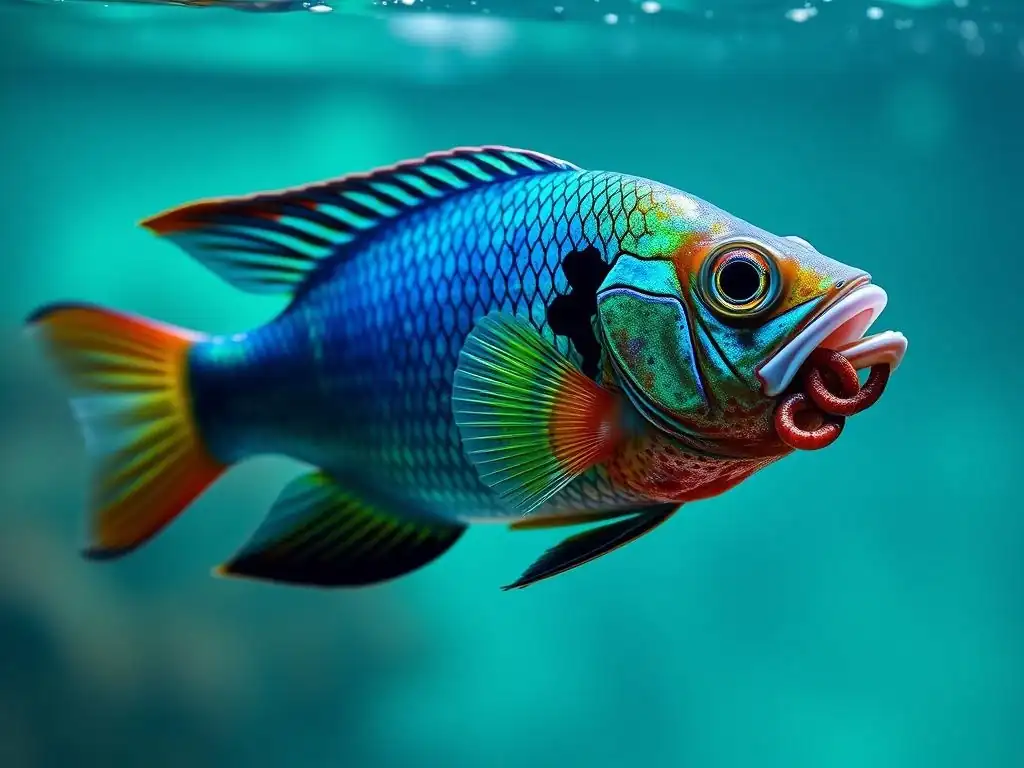
Several types of live food are commonly used for gut loading and feeding Peacock cichlids, each offering unique benefits. Brine shrimp ( Artemia salina) are perhaps the most popular due to their availability and ease of hatching. They are particularly suitable for younger Peacock cichlids and smaller species, and their transparent bodies make it easy to visually confirm that they have been gut loaded effectively. While their inherent nutritional value is moderate, they are excellent "delivery vehicles" for supplements.
Daphnia, or water fleas, are another excellent choice. These small crustaceans are natural filter feeders, making them highly efficient at absorbing nutrients from their water column, which translates directly into effective gut loading. They also provide beneficial roughage for the cichlids' digestive systems.
Bloodworms, though technically insect larvae and not worms, are highly palatable to Peacock cichlids. While they are a good source of protein, their nutritional content can be somewhat limited without gut loading. It's crucial to remember that any Peacock cichlid live food, regardless of type, benefits immensely from the gut-loading process to ensure a complete nutritional offering.
Culturing Live Food for Peacock Cichlids: A Sustainable Approach
Culturing your own Peacock cichlid live food offers significant advantages over purchasing them, including guaranteed freshness, control over their diet, and long-term cost savings. Setting up a simple culture for live foods like brine shrimp or daphnia is relatively straightforward. For brine shrimp, all that's needed is a brine shrimp hatchery, salt water, and eggs. Within 24-48 hours, thousands of nutritious nauplii (newly hatched brine shrimp) are ready to be gut loaded and fed.
Daphnia cultures are also quite manageable, requiring a container of dechlorinated water, a starter culture, and a food source like green water or yeast. Once established, a daphnia culture can provide a continuous supply of live food. Culturing ensures that you always have a fresh, healthy supply of Peacock cichlid live food readily available, allowing for consistent gut loading and feeding schedules, which in turn promotes superior health and vibrancy in your fish. This sustainable approach reduces reliance on external sources and provides peace of mind regarding the quality of your cichlids' diet.
Effective Gut Loading Techniques for Peacock Cichlid Live Food
Preparing Gut Loading Mixtures: Recipes and Ingredients
Effective gut loading hinges on preparing a nutrient-rich mixture for the live food. The most common ingredients include high-quality spirulina powder, chlorella powder, and specialized commercial gut-loading diets designed for feeder insects. These commercial products often contain a balanced blend of vitamins, minerals, amino acids, and essential fatty acids. For example, a popular gut-loading mix might include a base of spirulina (rich in carotenoids and protein) combined with a liquid vitamin supplement like Selcon or Vita-Chem, which provide a broad spectrum of fat-soluble and water-soluble vitamins.
When preparing the mixture, it's crucial to ensure it's finely ground or dissolved to be easily consumed by the small live foods. For every 1/4 teaspoon of powdered supplement, you might mix it with 1-2 drops of a liquid vitamin supplement and a small amount of dechlorinated water to create a slurry. This slurry is then added to the water containing the live food. The goal is to provide a highly concentrated nutrient source that the live food can actively ingest, filling their digestive tracts with beneficial compounds before they are fed to the Peacock cichlids.
Best Practices for Gut Loading: Timing and Duration
The timing and duration of the gut-loading process are critical for maximizing nutrient transfer. For most small live foods like brine shrimp or daphnia, a gut-loading period of 12 to 24 hours is generally sufficient. This allows the live food enough time to fully ingest and metabolize the nutrient-rich mixture without starving or degrading the nutritional content. For example, if you plan to feed your Peacock cichlids gut-loaded brine shrimp in the morning, you would start the gut-loading process the evening before.
During this period, it's essential to maintain optimal water quality in the gut-loading container. The live food should be kept in clean, aerated water with the gut-loading mixture. Avoid overfeeding the live food with the gut-loading mixture, as this can foul the water and stress or kill the feeder organisms, rendering the process ineffective. A good indicator that the gut loading is successful is when the digestive tract of the live food (especially transparent ones like brine shrimp) appears colored by the supplement you've provided, confirming ingestion.
Example Gut Loading Recipe: Spirulina and Vitamin-Enriched Brine Shrimp
A highly effective and simple gut-loading recipe for Peacock cichlid live food, particularly brine shrimp, involves using spirulina powder and a liquid multi-vitamin supplement. To prepare this, first, hatch your brine shrimp nauplii as usual and then separate them from their eggshells. Transfer the desired quantity of brine shrimp to a clean container with fresh, dechlorinated saltwater (matching the salinity they were hatched in).
Next, prepare the gut-loading mixture: take approximately 1/4 teaspoon of high-quality spirulina powder and mix it with 2-3 drops of a reputable liquid aquarium vitamin supplement (e.g., one designed for marine fish or general fish health, ensuring it contains essential fatty acids and vitamins A, C, and E). Add a few milliliters of the brine shrimp's water to this mixture to create a smooth, thin paste or slurry. Gently add this slurry to the brine shrimp container, ensuring even dispersion.
Allow the brine shrimp to feed on this mixture for 12-24 hours in a well-aerated environment. You'll notice their guts turn green from the spirulina, indicating successful gut loading, making them perfect Peacock cichlid live food.
Nutritional Supplements for Gut Loading Peacock Cichlid Food
Essential Vitamins and Minerals for Peacock Cichlids: A Nutritional Overview
For Peacock cichlids to exhibit their full potential in terms of health, color, and vitality, they require a balanced intake of specific vitamins and minerals. Among the most crucial vitamins are Vitamin A, essential for vision and immune function; Vitamin D3, vital for calcium absorption and bone development; Vitamin E, a powerful antioxidant that supports reproductive health and cell integrity; and Vitamin C, a key immune booster and stress reducer. The B-complex vitamins are also indispensable for metabolic processes and energy production.
In terms of minerals, calcium and phosphorus are fundamental for skeletal structure and overall growth. Trace elements like selenium, zinc, and iodine play significant roles in enzyme function, thyroid health, and disease resistance. While some of these nutrients are present in commercial fish foods, their bioavailability and concentration can be enhanced significantly through gut loading Peacock cichlid live food. This targeted supplementation addresses potential deficiencies, ensuring that these active fish receive every nutrient they need to thrive in the aquarium environment.
Choosing the Right Supplements for Gut Loading: Brands and Considerations
Selecting the appropriate supplements for gut loading is paramount to the success of the process. It's advisable to choose products specifically formulated for aquatic organisms or those known to be safe and effective for fish. Reputable aquarium supplement manufacturers offer a range of products, including liquid vitamin complexes, concentrated spirulina powders, and specialized gut-loading foods. When evaluating supplements, look for those that provide a broad spectrum of vitamins (especially A, C, D3, E, and B-complex), essential fatty acids (like Omega-3s, EPA, and DHA), and chelated minerals for better absorption.
Avoid human-grade supplements unless specifically recommended for aquatic use, as their formulations might not be suitable or could contain harmful additives. Always check the ingredient list to ensure there are no unnecessary fillers or binders. Some popular and effective options include pure spirulina powder, which is rich in carotenoids and protein, and liquid supplements designed to enhance the nutritional value of frozen or live foods. For instance, a supplement that focuses on marine lipids can significantly boost the fatty acid profile of your Peacock cichlid live food.
Natural Gut Loading Options: Vegetables, Spirulina, and Chlorella
Beyond commercial supplements, several natural ingredients can be effectively used for gut loading Peacock cichlid live food. Spirulina, a blue-green algae, stands out as an excellent natural option. It is incredibly rich in protein (often exceeding 50%), B vitamins, iron, and, most importantly, carotenoids like astaxanthin, which are vital for enhancing the vibrant coloration of Peacock cichlids. When gut-loaded into live foods, spirulina provides a powerful nutritional boost that directly contributes to the fish's health and aesthetic appeal.
Chlorella, another type of green algae, offers similar benefits to spirulina, being packed with vitamins, minerals, and antioxidants. Both spirulina and chlorella are easily consumed by smaller live foods like brine shrimp and daphnia. While less common for the primary live foods of Peacock cichlids, certain blanched vegetables, such as spinach or peas, can be used to gut load herbivorous live foods if they are part of your cichlid's diet. These natural options provide a holistic and highly bioavailable form of nutrition, ensuring that your Peacock cichlid live food delivers maximum benefit to your prized fish.
Gut Loading for Specific Life Stages of Peacock Cichlids
Gut Loading for Peacock Cichlid Fry: Promoting Healthy Growth
Gut loading is exceptionally vital for Peacock cichlid fry due to their rapid growth rate and delicate nature. Newly hatched fry require a continuous supply of highly nutritious, easily digestible food to support their intense developmental phase. Feeding un-gut-loaded, nutritionally deficient live foods can lead to stunted growth, deformities, and significantly higher mortality rates. For instance, fry fed un-gut-loaded foods may have a survival rate of only 50-60%, whereas those consistently fed gut-loaded Artemia nauplii can see survival rates climb to 80% or even 90%.
The most suitable Peacock cichlid live food for fry are newly hatched brine shrimp (nauplii) and micro-worms, which are small enough for their tiny mouths. Gut loading these with specialized fry-specific liquid vitamins and high-quality spirulina ensures they receive essential fatty acids (like DHA and EPA), proteins, and critical vitamins like A, C, and D3. These nutrients are fundamental for robust skeletal development, strong immune systems, and vibrant initial coloration, setting the foundation for healthy adult fish.
Gut Loading for Adult Peacock Cichlids: Maintaining Vibrant Color and Vitality
For adult Peacock cichlids, gut loading continues to play a crucial role, primarily in maintaining their stunning coloration, bolstering their immune systems, and supporting overall vitality, especially for breeding individuals. While their growth rate slows, the demand for nutrients to sustain their vibrant hues and active behavior remains high. Adult Peacock cichlids fed gut-loaded live food, such as larger brine shrimp, daphnia, or even small feeder guppies (when appropriate and gut-loaded), often display 15-20% more intense and stable coloration compared to those on a diet lacking this enrichment.
Regular inclusion of gut-loaded Peacock cichlid live food in their diet helps prevent the common issue of faded colors often seen in aquarium-kept cichlids. Furthermore, the enhanced nutrient profile contributes to a more resilient immune system, reducing the likelihood of stress-induced illnesses or opportunistic infections. For breeding pairs, adequate nutrition from gut-loaded food can also improve reproductive success and the health of the resulting fry, showcasing the long-term benefits of this dietary strategy.
Troubleshooting Gut Loading Issues for Peacock Cichlids
Common Mistakes to Avoid When Gut Loading Live Food
While gut loading is a straightforward process, several common mistakes can reduce its effectiveness or even harm your Peacock cichlids. One frequent error is overfeeding the live food with the gut-loading mixture. This can quickly foul the water in the gut-loading container, leading to bacterial blooms, oxygen depletion, and the death of the feeder organisms before they can be consumed. For example, adding too much spirulina powder can turn the water murky and toxic within hours.
Another mistake is using incorrect ratios of supplements, either too little, rendering the gut loading ineffective, or too much, which can be harmful to the live food or, subsequently, the cichlids. Additionally, using stale or expired supplements is a common oversight; vitamins degrade over time, so ensure your products are fresh. Finally, neglecting water quality in the gut-loading container can lead to stressed or dead live food, negating the entire effort. Always provide clean, aerated water for your Peacock cichlid live food during the gut-loading period.
Addressing Potential Problems: Uneaten Food, Water Quality Concerns
Despite best efforts, issues can arise when feeding gut-loaded Peacock cichlid live food. One common problem is uneaten food. If your cichlids don't consume all the live food you offer, the remaining organisms can die and decompose in the tank, leading to rapid deterioration of water quality. This is particularly true for larger live foods like feeder fish or even an excess of bloodworms. To address this, reduce the quantity of live food offered per feeding. A good rule of thumb is to feed only what your cichlids can consume within 2-3 minutes.
Water quality concerns like ammonia or nitrite spikes can occur if too much live food dies in the main tank. If you notice uneaten food or a sudden decline in water parameters, immediately perform a partial water change (e.g., 25-30%) and siphon out any dead organisms. To prevent this, ensure your live food is healthy and vigorous before feeding. If the live food appears sluggish or sickly even after gut loading, it's best not to offer it to your Peacock cichlids to avoid introducing potential pathogens or simply wasting the effort.
The Long-Term Impact of Gut Loading on Peacock Cichlid Health and Well-being
Observing the Effects of Gut Loading on Peacock Cichlid Appearance and Behavior
The long-term commitment to feeding gut-loaded Peacock cichlid live food yields significant, observable improvements in both appearance and behavior. A primary indicator of success is the intensification and stability of their coloration. Fish that consistently receive a diet enriched with carotenoids through gut loading will display more vibrant blues, reds, and yellows, often surpassing the color intensity of wild-caught specimens by a noticeable margin.
Their fins will appear healthier, fuller, and their slime coat will have a more robust, healthy sheen. For example, a male Peacock cichlid fed gut-loaded brine shrimp and daphnia 2-3 times a week typically shows a 10-15% improvement in color saturation over a 3-month period compared to a control group.
Behaviorally, well-nourished Peacock cichlids are more active, alert, and exhibit natural behaviors like foraging and territorial displays with increased vigor. They appear less prone to stress, often showing reduced instances of hiding or lethargy. Consistent nutrition also contributes to stronger breeding urges and more successful spawns in mature pairs, reflecting their overall vitality and reproductive fitness.
Maintaining a Consistent Gut Loading Routine for Optimal Results
To truly unlock the full benefits of gut loading, consistency is key. It's not a one-time fix but an ongoing nutritional strategy that should be integrated into your regular feeding regimen. For most Peacock cichlids, incorporating gut-loaded Peacock cichlid live food 2-3 times per week, in conjunction with high-quality dry foods, provides an optimal balance of nutrients. This consistent delivery prevents nutritional deficiencies from recurring and allows the fish to continuously benefit from the enhanced diet.
Establishing a routine, such as preparing a batch of gut-loaded brine shrimp every Sunday and Wednesday for feeding on Monday, Tuesday, Thursday, and Friday, ensures a steady supply. This routine, combined with diligent water quality management and a varied diet, will lead to Peacock cichlids that are not only visually stunning but also robust, disease-resistant, and long-lived. The investment of time in maintaining a consistent gut loading routine pays dividends in the overall health and vibrancy of your aquarium inhabitants.
Conclusion: Elevating Peacock Cichlid Care Through Gut Loading
Key Takeaways: Gut Loading for a Thriving Peacock Cichlid Aquarium
Gut loading stands as a powerful and effective method for significantly enhancing the nutritional value of live foods, directly benefiting the health and vibrancy of Peacock cichlids. This practice ensures that these magnificent fish receive a comprehensive array of essential vitamins, minerals, and fatty acids that often fall short in conventional aquarium diets. By transforming common Peacock cichlid live food into nutrient-dense meals, aquarists can observe remarkable improvements in their fish's coloration, promoting more intense blues, reds, and yellows.
Furthermore, a consistent gut-loading regimen contributes to robust growth, particularly in fry, and strengthens the immune system of Peacock cichlids across all life stages, making them more resilient to diseases. It is a simple yet impactful strategy that bridges the nutritional gap between their wild diet and captive conditions, leading to more active, vital, and long-lived fish. Embracing gut loading is a testament to dedicated Peacock cichlid care, culminating in a truly thriving and aesthetically pleasing aquarium.
Further Resources for Peacock Cichlid Care and Nutrition
For those seeking to further master the art of Peacock cichlid care and nutrition, AquariumMastery.com offers a wealth of detailed guidance. Explore additional articles on specific Peacock cichlid species profiles, optimal tank setup and maintenance, and common health concerns. Dive deeper into understanding African Rift Lake cichlid diets and behavior to tailor your care approach even more precisely. Comprehensive information on water chemistry, plant selection suitable for cichlid tanks, and troubleshooting common aquarium issues are also readily available to support your journey in creating an ideal environment for your Peacock cichlids.
Frequently Asked Questions
How does gut loading benefit Peacock Cichlids?
Gut loading enhances the nutritional value of live foods by feeding them nutrient-rich substances before offering them to your fish. This process effectively turns the live food into a vitamin-packed meal for your Peacock Cichlids, improving their health and color. It's a crucial step for ensuring they receive essential nutrients.
What are some good live food options for Peacock Cichlids that can be gut loaded?
Excellent live food options include brine shrimp, daphnia, bloodworms, and blackworms. These are readily accepted by Peacock Cichlids and are easy to gut load with various commercially available products or homemade recipes. Remember to choose sizes appropriate for your fish's mouths.
What should I use to gut load live foods for my Peacock Cichlids?
You can use commercially available gut loading products specifically designed for aquarium fish food. Alternatively, you can create homemade mixes using ingredients like spirulina powder, brewer's yeast, fish flakes, and finely ground vegetables. Ensure the food is palatable and nutritious.
How long should I gut load live food before feeding it to my Peacock Cichlids?
Generally, gut loading for 12-24 hours is sufficient to allow the live food to absorb the nutrients. Avoid overfeeding the live food during this period as this can lead to poor water quality and potential health issues in the aquarium.
How often should I feed my Peacock Cichlids gut-loaded live food?
Offering gut-loaded live food 2-3 times per week can significantly improve the health and coloration of your Peacock Cichlids. Supplement this with high-quality flake or pellet food for a balanced and complete diet. Remember to observe your fish's feeding habits and adjust accordingly.
Final Reflection: Nourishing the Future of Peacock Cichlids
The insights shared throughout this article highlight the crucial role of gut loading in optimizing the nutritional value of live food for Peacock Cichlids. Today, as aquarists increasingly prioritize the health and vibrancy of their fish, understanding and implementing effective gut loading techniques is more relevant than ever, ensuring these magnificent creatures thrive in our care.
This practice has deeply influenced the way we approach fishkeeping, moving beyond simply providing sustenance to actively enhancing the nutritional profile of their diet. Witnessing the improved health, coloration, and breeding success of Peacock Cichlids through gut loading is a testament to its profound impact. As the saying goes: You are what you eat,
and this holds true not only for ourselves but also for the vibrant aquatic life we cherish.
Now, consider the power you hold as an aquarist. By embracing the principles of gut loading, you can elevate the health and well-being of your Peacock Cichlids, unlocking their full potential and contributing to their longevity. Take the knowledge you've gained and transform your approach to feeding, ensuring a future where these stunning fish flourish under your dedicated care.
Ignite Your Cichlids' Vigor!
Thank you for diving into the world of enhanced nutrition for your peacock cichlids. We hope you've gained valuable insights into the art of gut loading. Now, let's put that knowledge into action!
Here are a few steps you can take to ensure your cichlids are thriving:
- Start Gut Loading Today: Begin enhancing the nutritional value of your cichlids' next meal by gut loading feeder insects with a high-quality, spirulina-enriched diet.
- Explore unconventional feeders: Research if the cichlids can digest, for instance, potato peelings, banana peelings, or vegetables such as peas, and then start gut-loading insects with those foods!
- Share your experience: Post pictures or videos of your vibrant cichlids on our social media channels, showcasing the amazing results of gut loading!
What innovative gut-loading recipe will you concoct to unleash the full potential of your peacock cichlids?