
Rare & Exotic Clownfish: Jewels of the Marine World and Their Specialized Anemone Needs

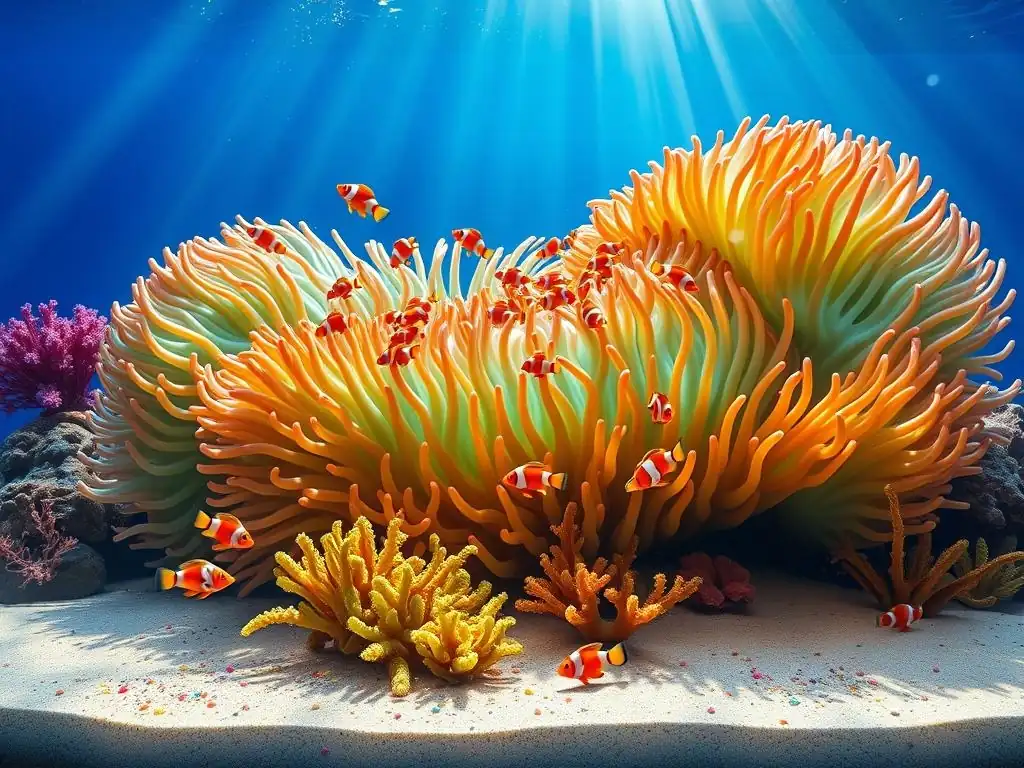
Welcome to Aquarium Mastery!
Ever wondered about the secret to keeping those dazzling Clownfish thriving alongside their anemone partners? Unveiling the mysteries of Clownfish anemone care requirements can seem like a daunting task, but fear not! Dive into our comprehensive guide to discover the nuances of these captivating relationships and unlock the key to a flourishing saltwater aquarium. Ready to learn more about these jewels of the marine world? Let's begin!
- Introduction to Exotic Clownfish and Anemone Symbiosis
- Understanding Clownfish Anemone Care Requirements: A Comprehensive Guide
- Exploring Rare and Exotic Clownfish Species and Their Anemone Preferences
- Setting Up the Ideal Anemone Environment for Clownfish
- Maintaining a Healthy Anemone for Your Clownfish: Essential Practices
- Clownfish and Anemone Compatibility: Choosing the Right Pair
- Troubleshooting Common Issues with Clownfish and Anemone Relationships
- Advanced Clownfish Anemone Care Techniques
- Conclusion: The Rewarding World of Exotic Clownfish and Anemone Symbiosis
-
Frequently Asked Questions
- How crucial is the right anemone for clownfish survival in an aquarium?
- What are the most common anemone species that clownfish host in a home aquarium?
- What specific water parameter requirements are necessary for keeping anemones healthy in a saltwater aquarium?
- How often should anemones be fed, and what type of food is most suitable for them?
- What are some common signs of an unhealthy anemone, and how can these issues be addressed?
- Final Reflection: A Symbiotic Dance of Survival
- Dive Deeper: Unearth Your Clownfish Expertise!
Introduction to Exotic Clownfish and Anemone Symbiosis
Unveiling the Beauty of Rare Clownfish Species
Beyond the universally recognized Ocellaris and Percula, the marine world harbors a dazzling array of rare and exotic clownfish species, each boasting unique patterns, vibrant hues, and distinct personalities. From the striking single white stripe of the Maroon Clownfish to the subtle elegance of the Pink Skunk Clownfish, these less common varieties captivate aquarists with their individuality. Their allure lies not only in their aesthetic appeal but also in the specialized care they often require, particularly concerning their symbiotic partners.
These exceptional clownfish species present a rewarding challenge for dedicated hobbyists. Their rarity often stems from specific habitat requirements, limited distribution, or more demanding clownfish anemone care requirements. Successfully maintaining these aquatic jewels and observing their natural behaviors, especially their intricate dance with host anemones, is a testament to an aquarist's skill and commitment to understanding their nuanced needs.
The Crucial Role of Anemones in Clownfish Health and Well-being
The relationship between clownfish and their host anemones is one of nature's most iconic examples of mutualism, a symbiotic bond where both organisms benefit. The anemone provides the clownfish with a safe sanctuary, shielding it from predators with its stinging tentacles, to which the clownfish is immune due to a protective mucus layer. In return, the clownfish defends the anemone from its own predators, cleans its tentacles, and may even provide nutrients through waste or leftover food.
This symbiotic partnership is not merely a preference but a fundamental aspect of the clownfish's survival and psychological well-being in the wild. Without a suitable host anemone, clownfish can exhibit signs of stress, become more susceptible to disease, and may live shorter lifespans. Therefore, understanding and meticulously providing for the specific clownfish anemone care requirements is paramount for ensuring the long-term health and natural behavior of these fascinating fish in a captive environment.
Understanding Clownfish Anemone Care Requirements: A Comprehensive Guide
Defining Clownfish Anemone Care Requirements: Essential Factors
Defining comprehensive clownfish anemone care requirements involves understanding the intricate needs of the anemone itself, as its health directly dictates the well-being of its clownfish inhabitant. Key factors include maintaining extremely stable water parameters, providing appropriate lighting intensity and spectrum, ensuring adequate water flow, and offering a suitable tank environment with proper substrate and rockwork for attachment. These elements collectively form the foundation for a thriving symbiotic relationship.
Neglecting any of these critical factors can lead to an anemone's stress, bleaching (loss of symbiotic algae), recession, and eventual demise. For instance, sudden fluctuations in salinity outside the 1.024-1.026 range or temperature swings beyond 76-82°F (24-28°C) can be severely detrimental. Similarly, insufficient lighting (e.g., below 100 PAR for less demanding species) or excessive nutrients (nitrates above 5 ppm, phosphates above 0.03 ppm) will compromise the anemone's photosynthetic capabilities and overall vitality, making diligent adherence to clownfish anemone care requirements essential.
Why Proper Anemone Care is Vital for Clownfish Health
Proper anemone care is not just about keeping the anemone alive; it's a direct investment in the health and longevity of your clownfish. A healthy, thriving anemone provides a secure and stimulating environment, reducing stress levels in the clownfish and allowing them to exhibit natural behaviors like sleeping within its tentacles, laying eggs, and defending their territory. This natural interaction strengthens their immune system and promotes overall vitality.
Conversely, a stressed, unhealthy, or dying anemone can pose significant risks. Anemones under duress can release harmful toxins into the water, negatively impacting not only the clownfish but other tank inhabitants as well. Furthermore, a clownfish hosting in a declining anemone may become exposed to predators or experience chronic stress due to the lack of its essential refuge. Thus, prioritizing the precise clownfish anemone care requirements ensures a robust and beneficial partnership, essential for the well-being of both species.
Exploring Rare and Exotic Clownfish Species and Their Anemone Preferences
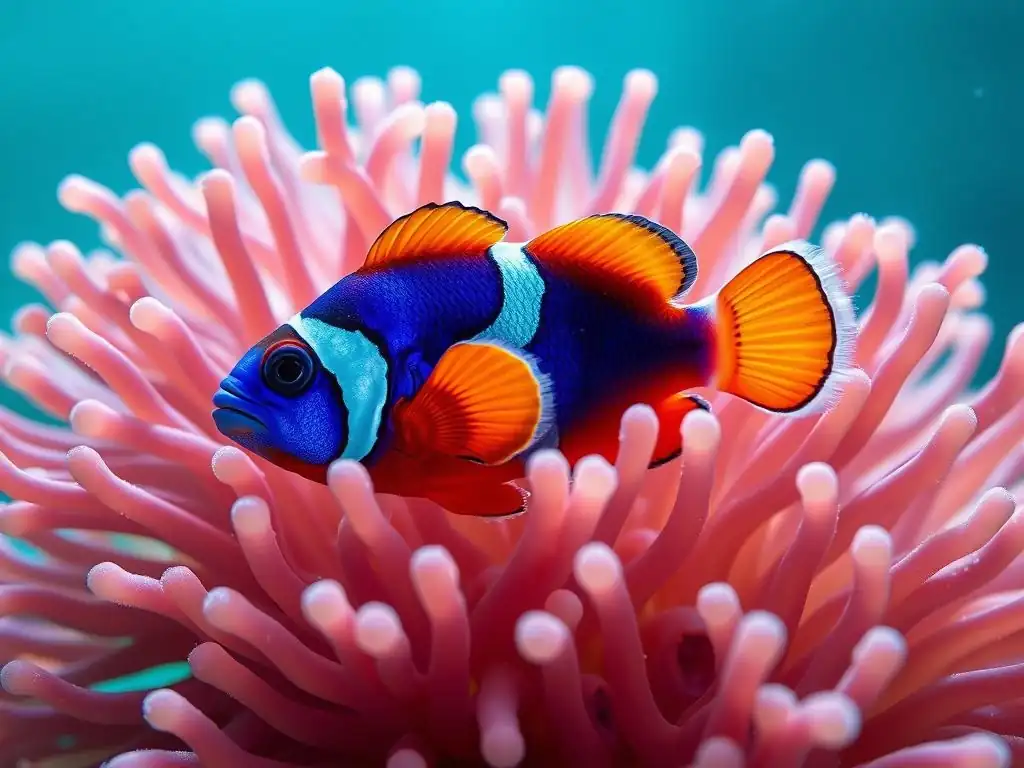
The Majestic Maroon Clownfish and Its Specific Anemone Needs
The Majestic Maroon Clownfish ( Premnas biaculeatus) is one of the largest and most striking clownfish species, often reaching lengths of up to 6 inches (15 cm). Known for its deep maroon body, single broad white or yellow stripe (depending on geographic variant), and characteristic spiny cheek, the Maroon Clownfish possesses a dominant and territorial personality. This assertive nature means that careful planning, especially regarding its clownfish anemone care requirements, is crucial for successful integration into a home aquarium.
Despite their hardiness, Maroon Clownfish thrive best when provided with a suitable host anemone that can withstand their robust interactions. Their powerful presence dictates that the host anemone must also be substantial and resilient. Ensuring the correct host not only fulfills a natural instinct but also contributes significantly to the Maroon's long-term health and reduces stress in a captive environment, making their specific clownfish anemone care requirements a key consideration for aquarists.
Maroon Clownfish Anemone Preference: Bubble-Tip Anemone (Entacmaea quadricolor)
The primary and most widely recognized natural host for the Maroon Clownfish is the Bubble-Tip Anemone ( Entacmaea quadricolor). This anemone's robust nature, firm attachment, and strong stinging capabilities make it an ideal partner for the assertive Maroon Clownfish. The Bubble-Tip Anemone is also relatively common in the aquarium trade, facilitating this specific clownfish anemone care requirements pairing.
While Maroons may occasionally attempt to host in other anemone species or even large polyp stony (LPS) corals in the absence of a Bubble-Tip, the most successful and natural long-term symbiosis is observed with Entacmaea quadricolor. Providing this preferred host significantly enhances the Maroon Clownfish's comfort and allows it to exhibit its full range of natural behaviors, fulfilling a critical aspect of its clownfish anemone care requirements.
Maroon Clownfish Anemone Care Considerations: Stable water parameters, strong lighting, and infrequent handling.
Meeting the clownfish anemone care requirements for a Bubble-Tip Anemone is essential for its partnership with a Maroon Clownfish. This includes maintaining highly stable water parameters: salinity between 1.024-1.026, temperature from 76-82°F (24-28°C), pH levels of 8.1-8.4, alkalinity at 8-12 dKH, calcium between 400-450 ppm, and magnesium at 1250-1350 ppm. Fluctuations in these parameters are often the leading cause of anemone stress and decline.
Furthermore, Bubble-Tip Anemones require strong lighting, typically in the range of 200-400 PAR, to support their symbiotic zooxanthellae. A mature aquarium, at least 6-12 months old, with established biological filtration and sufficient rockwork for the anemone to firmly attach its foot, is paramount. Minimize physical handling of the anemone once it has settled, as this can cause significant stress and potentially lead to its demise, directly impacting the success of your clownfish anemone care requirements.
The Skunk Clownfish: A Delicate Beauty with Unique Anemone Needs
Skunk Clownfish, encompassing species like Amphiprion akallopisos (Orange Skunk) and Amphiprion perideraion (Pink Skunk), are characterized by a distinct white stripe running along their dorsal fin and back, often resembling a skunk's stripe. These are generally smaller, more peaceful clownfish, typically reaching 3-4 inches (7-10 cm) in length. Their delicate nature and less aggressive disposition distinguish them from other clownfish, influencing their specific clownfish anemone care requirements.
Compared to the boisterous Maroons, Skunk Clownfish prefer a more tranquil environment and are less likely to overpower their host anemone. Their gentle interactions necessitate a host that is equally delicate and tolerant of their presence. Providing the correct host anemone is vital for their long-term well-being and to observe their natural, often shy, behaviors, making specific clownfish anemone care requirements a priority for these species.
Skunk Clownfish Anemone Preference: Sebae Anemone (Heteractis crispa)
The Sebae Anemone ( Heteractis crispa) is a common and preferred host for Skunk Clownfish in their natural habitat and in captivity. The Sebae's long, flowing tentacles and often less potent sting are well-suited to the Skunk Clownfish's more delicate nature, providing ample protection without overwhelming the fish. This pairing allows the Skunk Clownfish to exhibit its natural hosting behaviors comfortably.
Skunk Clownfish may also host in other anemones, such as the Magnificent Anemone ( Heteractis magnifica) or Merten's Carpet Anemone ( Stichodactyla mertensii), particularly if a Sebae Anemone is unavailable. However, the Sebae is often the most practical and compatible choice for aquarists aiming to meet the specific clownfish anemone care requirements for these beautiful fish, given its availability and suitability.
Skunk Clownfish Anemone Care Considerations: Requires a mature tank, moderate lighting, and gentle water flow.
Meeting the clownfish anemone care requirements for a Sebae Anemone involves providing a well-established and stable environment. A tank that is at least 6 months old with mature biological filtration is recommended. Water parameters should be tightly controlled: salinity 1.024-1.026, temperature 76-80°F (24-27°C), and pH 8.1-8.4. Sebae Anemones generally thrive under moderate lighting, typically within the 100-250 PAR range, though some may tolerate higher.
Crucially, Sebae Anemones require gentle, indirect water flow to prevent stress and dislodgement, which can lead to "walking" around the tank. A soft, deep sand bed or ample rockwork providing crevices for its foot attachment is also essential. Consistent feeding of meaty foods like mysis shrimp or chopped seafood 2-3 times per week, in addition to light from zooxanthellae, will contribute to its long-term health and fulfill these vital clownfish anemone care requirements.
Ocellaris and Percula Clownfish: Common but Compatible with Specific Anemones
The Ocellaris Clownfish ( Amphiprion ocellaris) and Percula Clownfish ( Amphiprion percula) are arguably the most iconic and widely kept clownfish species in the hobby. Characterized by their vibrant orange bodies adorned with three distinct white bands, these species are often confused but can be differentiated by subtle variations in their stripe thickness and fin black outlines. They typically reach about 3-4 inches (7-10 cm) in length and are known for their relatively hardy and adaptable nature, making them excellent choices for beginner to intermediate aquarists.
Despite their commonality and adaptability, providing a suitable host anemone significantly enhances their quality of life and allows them to exhibit their full range of natural behaviors. While they are often seen hosting in various corals or even artificial structures in captivity, their true symbiotic relationship with a host anemone is a captivating sight and aligns with their natural clownfish anemone care requirements for optimal well-being.
Ocellaris and Percula Anemone Preference: Bubble-Tip Anemone (Entacmaea quadricolor), Carpet Anemone (Stichodactyla gigantea)
Ocellaris and Percula Clownfish show a strong preference for the Bubble-Tip Anemone ( Entacmaea quadricolor) in captivity, which is a common and accessible host. The Bubble-Tip's resilience and widespread availability make it an excellent choice for these clownfish, providing a natural and robust home. This pairing is frequently observed and highly successful in home aquariums, meeting a key aspect of their clownfish anemone care requirements.
In their natural habitats, these clownfish are also commonly found hosting in the Gigantic Carpet Anemone ( Stichodactyla gigantea) and occasionally the Magnificent Anemone ( Heteractis magnifica). While Carpet Anemones are stunning, they demand very large, mature tanks and highly specific clownfish anemone care requirements, including intense lighting and pristine water quality. Many aquarists find the Bubble-Tip Anemone a more practical and equally fulfilling host for their Ocellaris and Percula clownfish.
Ocellaris and Percula Anemone Care Considerations: Adaptable to a range of conditions, but stable parameters are still key.
While Ocellaris and Percula Clownfish are known for their hardiness, their host anemones still demand precise clownfish anemone care requirements to thrive. For a Bubble-Tip Anemone, this means maintaining stable water parameters: salinity 1.024-1.026, temperature 76-82°F (24-28°C), pH 8.1-8.4, alkalinity 8-12 dKH, calcium 400-450 ppm, and magnesium 1250-1350 ppm. Strong lighting, typically 200-400 PAR, is crucial for their photosynthetic needs.
Even for these adaptable clownfish, the health of their anemone directly impacts their well-being. Consistent water changes (10-20% bi-weekly) and regular monitoring of water quality are essential to prevent nutrient buildup and maintain the stable environment required by the anemone. Proper feeding for the anemone, 1-3 times a week with meaty foods, also contributes significantly to a successful and long-lasting partnership, fulfilling critical clownfish anemone care requirements.
Other Rare Clownfish Species and Their Anemone Partnerships
Beyond the more commonly discussed species, the Amphiprion genus encompasses numerous other rare and exotic clownfish, each with its unique charm and specific hosting tendencies. Species like the Clarkii Clownfish ( Amphiprion clarkii), Saddleback Clownfish ( Amphiprion polymnus), and Tomato Clownfish ( Amphiprion frenatus) showcase an incredible diversity in color, pattern, and temperament. While some are quite particular about their hosts, others are more generalist, making their clownfish anemone care requirements varied.
These less common species often require more specialized knowledge and dedication to successfully replicate their natural environments. Understanding their specific anemone preferences and the precise environmental conditions required by those anemones is paramount. Researching the exact clownfish anemone care requirements for your chosen rare species will ensure a harmonious and thriving symbiotic display in your aquarium.
Clarkii Clownfish Anemone Preference: Sebae Anemone (Heteractis crispa), Bubble-Tip Anemone (Entacmaea quadricolor)
The Clarkii Clownfish ( Amphiprion clarkii) is perhaps the most versatile clownfish in terms of its anemone partnerships, known to host in a remarkable ten different species of anemones in the wild. In captivity, they commonly host in the Sebae Anemone ( Heteractis crispa) and the Bubble-Tip Anemone ( Entacmaea quadricolor), both of which are relatively available in the aquarium trade. This adaptability makes them a good choice for aquarists who already have a mature anemone or prefer more flexibility in their host choice.
Beyond these common hosts, Clarkii Clownfish are also known to readily host in Magnificent Anemones ( Heteractis magnifica), Merten's Carpet Anemones ( Stichodactyla mertensii), and even the Leathery Anemone ( Heteractis crispa). This wide range of compatibility means that meeting the Clarkii's clownfish anemone care requirements for hosting is often less challenging than for more specialized species, provided the chosen anemone's general health needs are met.
Clarkii Clownfish Anemone Care Considerations: Can be aggressive towards other clownfish, ensure ample space and appropriate anemone size.
While Clarkii Clownfish are adaptable regarding their host anemones, the clownfish anemone care requirements for these hosts remain rigorous. Sebae and Bubble-Tip Anemones, their most common hosts, demand stable water parameters (salinity 1.024-1.026, temperature 76-82°F / 24-28°C, pH 8.1-8.4) and appropriate lighting (moderate to strong, typically 150-400 PAR depending on the specific anemone). Consistent water quality and nutrient control are non-negotiable.
A significant consideration for Clarkii Clownfish themselves is their potential for aggression, especially as they mature. They can be territorial and may harass other clownfish or even other tank inhabitants. Therefore, ensure ample tank space, with a minimum of 30 gallons (approx. 115 liters) for a single pair, and provide an anemone that is large enough to comfortably house the clownfish without overcrowding. This attention to both the anemone's needs and the clownfish's temperament is crucial for successful clownfish anemone care requirements.
Setting Up the Ideal Anemone Environment for Clownfish
Tank Size and Water Parameters for Clownfish and Anemones
Establishing the ideal environment for both clownfish and their host anemones begins with selecting an appropriately sized aquarium. While a pair of smaller clownfish like Ocellaris might seem content in a 20-gallon tank, a minimum of 30 gallons (approx. 115 liters) is generally recommended for the long-term health of a host anemone. Larger species like Maroons or larger anemones such as Carpet Anemones necessitate tanks of 50-75 gallons (approx. 190-285 liters) or more to provide adequate space for growth and stability.
Maintaining stable water parameters is paramount for both clownfish and anemones. Aim for a salinity of 1.024-1.026 specific gravity, a temperature range of 76-82°F (24-28°C), and a pH between 8.1 and 8.4. Additionally, monitor alkalinity (8-12 dKH), calcium (400-450 ppm), and magnesium (1250-1350 ppm) regularly, as these are crucial for anemone health. Fluctuations in these parameters are far more detrimental than slight deviations from ideal ranges, underscoring the importance of meticulous clownfish anemone care requirements.
Lighting Requirements for Optimal Anemone Health
Lighting is a critical component of clownfish anemone care requirements, as most host anemones rely heavily on their symbiotic zooxanthellae algae for energy through photosynthesis. The intensity and spectrum of light must be appropriate for the specific anemone species. Measured in PAR (Photosynthetically Active Radiation), Bubble-Tip Anemones typically thrive in 200-400 PAR, while more demanding species like Carpet Anemones can require 300-500+ PAR.
Modern LED fixtures, T5HO fluorescent lights, or metal halide lamps can provide the necessary intensity and full spectrum. A photoperiod of 10-12 hours daily is generally recommended. Insufficient lighting will lead to anemone bleaching, where the anemone expels its zooxanthellae, resulting in a loss of color and eventually death. Investing in a quality light meter can help ensure your lighting meets the precise clownfish anemone care requirements for your chosen host.
Water Flow and Filtration for a Thriving Anemone Ecosystem
Appropriate water flow is essential for the health of host anemones and, by extension, for fulfilling clownfish anemone care requirements. Anemones require moderate, indirect water flow to bring them food particles, oxygen, and to remove waste products. However, strong, direct, or laminar flow can stress the anemone, causing it to deflate, detach, or even be ripped apart. Powerheads with wide flow patterns or wavemakers are ideal, placed to create turbulent yet gentle water movement around the anemone.
Robust filtration is equally vital for maintaining pristine water quality, which is a cornerstone of clownfish anemone care requirements. A well-designed sump, a high-quality protein skimmer, and ample live rock provide excellent biological filtration, keeping nitrates ideally below 5 ppm and phosphates below 0.03 ppm. A clean, stable environment prevents the buildup of organic waste and toxins, which are highly detrimental to sensitive invertebrates like anemones.
Maintaining a Healthy Anemone for Your Clownfish: Essential Practices
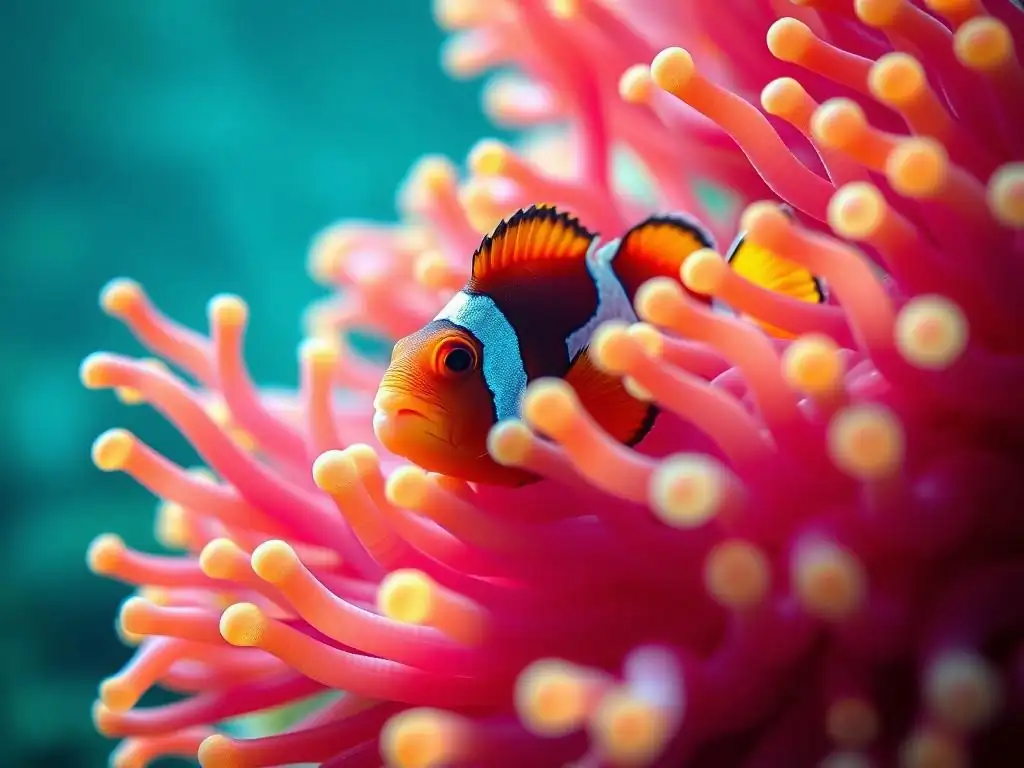
Regular Water Changes and Monitoring Water Quality
Regular water changes are a cornerstone of effective clownfish anemone care requirements, ensuring a healthy and stable environment for both your clownfish and its host anemone. A typical regimen involves replacing 10-20% of the tank water bi-weekly or monthly, depending on bioload and nutrient levels. Always use high-quality RO/DI (reverse osmosis/deionized) water mixed with a reputable marine salt brand to replenish essential trace elements and remove accumulated nitrates and phosphates.
Beyond water changes, consistent monitoring of water quality is non-negotiable. Daily checks of salinity and temperature, and weekly testing for pH, alkalinity, calcium, and magnesium are crucial. Less frequent, but still important, checks for nitrates and phosphates will help gauge the efficiency of your filtration. Maintaining consistency in these parameters prevents stress and promotes the long-term health and vibrancy of your anemone, directly supporting your clownfish anemone care requirements.
Feeding Your Anemone: Nutritional Needs and Considerations
While host anemones derive a significant portion of their energy from their symbiotic zooxanthellae through photosynthesis, supplemental feeding is vital for their growth, vitality, and overall health. Depending on the size and species of your anemone, offer meaty foods 1-3 times per week. Suitable options include finely chopped shrimp, silversides, mysis shrimp, or specialized frozen anemone foods.
When feeding, it's beneficial to temporarily turn off powerheads to prevent food from being blown away before the anemone can capture it. Target-feed directly to the anemone's oral disc (mouth) using a turkey baster or long tongs. Avoid overfeeding, as uneaten food can decompose and degrade water quality, leading to nutrient spikes that are detrimental to the anemone's health. Observing your anemone's response to food will help you fine-tune its nutritional intake, a key aspect of clownfish anemone care requirements.
Identifying and Addressing Common Anemone Diseases
Identifying signs of distress or disease in your anemone is crucial for prompt intervention and maintaining optimal clownfish anemone care requirements. Common indicators of an unhealthy anemone include prolonged shrinking or deflation, loss of color (bleaching), an inability to attach to surfaces, a gaping mouth, or expulsion of zooxanthellae (appearing as brown, stringy waste). These symptoms often point to stress from poor water quality, inadequate lighting, improper flow, or even physical damage.
Upon noticing any of these signs, immediately re-test all water parameters to ensure they are within optimal ranges and stable. Adjust lighting intensity or duration if necessary, and evaluate water flow to ensure it's not too strong or weak. If the anemone is bleaching, increasing gentle feeding can sometimes help it recover. In severe cases, some aquarists consider a freshwater dip or an iodine solution bath, strictly following product instructions, though prevention through consistent clownfish anemone care requirements is always the best approach.
Clownfish and Anemone Compatibility: Choosing the Right Pair
Understanding Anemone and Clownfish Compatibility Charts
When planning to introduce a clownfish and its host anemone, understanding compatibility charts is an invaluable tool for meeting clownfish anemone care requirements. These charts detail which clownfish species naturally host in specific anemone species, providing a roadmap for successful pairings. While some clownfish, like the Clarkii, are generalists and will host in many anemone types, others, such as the Maroon, are highly specific to one or two species.
It is always advisable to prioritize the health and specific needs of the anemone first, as anemones are generally more challenging to keep than clownfish. Choose an anemone that fits your aquarium's size, lighting, and water flow capabilities, and then select a compatible clownfish species that naturally hosts in that anemone. This approach increases the likelihood of a successful and long-lasting symbiotic relationship, fulfilling crucial clownfish anemone care requirements.
Introducing Clownfish to Anemones: A Gradual Approach
Introducing a clownfish to its new host anemone requires patience and a gradual approach to ensure a smooth transition and successful hosting. After both the clownfish and the anemone have been properly acclimated to the main display tank and the anemone has had several days to firmly attach and settle, you can begin the introduction. Often, simply placing the clownfish near the anemone is enough to encourage hosting behavior within a few hours or days.
If the clownfish doesn't immediately host, avoid forcing the interaction. Some aquarists have success by placing the clownfish in a clear, perforated container near the anemone for a few hours, allowing them to acclimate to each other's presence without direct contact. Playing a video of clownfish hosting on a tablet placed against the tank has also been anecdotally reported to trigger hosting instincts. Remember that some tank-bred clownfish may never host, even with ideal clownfish anemone care requirements, but this does not necessarily indicate a health issue if they are otherwise thriving.
Observing Clownfish and Anemone Interactions: Signs of a Healthy Bond
Observing the interactions between your clownfish and anemone is crucial for assessing the health of their bond and ensuring that clownfish anemone care requirements are being met. Signs of a healthy and established symbiosis include the clownfish gently rubbing, darting, and resting within the anemone's tentacles, appearing comfortable and secure. The anemone itself should remain fully expanded, vibrant in color, and firmly attached to its chosen spot, showing no signs of stress or deflation.
Conversely, signs of distress or an unhealthy bond might include the anemone frequently shrinking, moving excessively, or appearing deflated and pale. If the clownfish shows signs of injury, such as fin nips or skin irritation after interacting with the anemone, it could indicate an incompatibility or that the anemone's sting is too potent for that specific clownfish. Promptly addressing any concerning observations by reviewing all clownfish anemone care requirements is vital to prevent further issues.
Troubleshooting Common Issues with Clownfish and Anemone Relationships
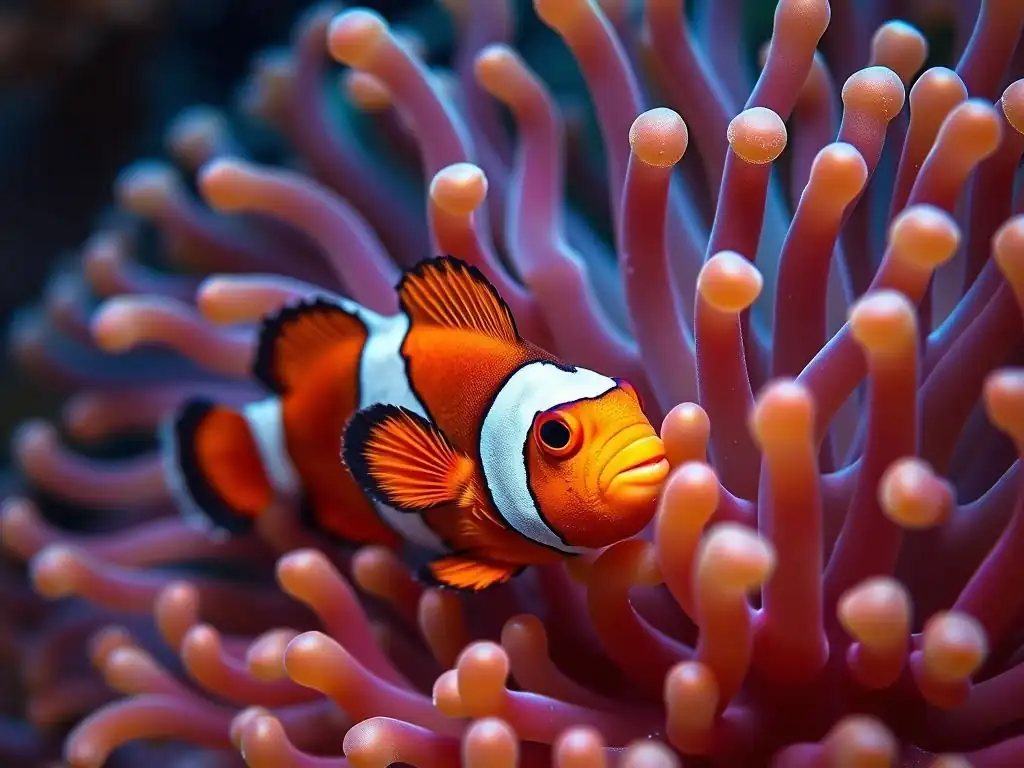
Clownfish Not Hosting: Reasons and Solutions
One of the most common issues aquarists face is a clownfish that refuses to host in a perfectly suitable anemone, despite diligent clownfish anemone care requirements. Several factors can contribute to this. Tank-bred clownfish, especially those whose parents never hosted, may simply lack the innate instinct. The anemone itself might be stressed, unhealthy, or not a natural host species for that particular clownfish. Additionally, some clownfish may choose to host in alternative structures like powerheads, certain corals (e.g., frogspawn, hammer corals), or even fake anemones.
To encourage hosting, first ensure all clownfish anemone care requirements for the anemone are meticulously met, as a healthy anemone is more attractive. If the anemone is not a natural host, consider acquiring one that is. Patience is often the best solution; some clownfish can take weeks or even months to begin hosting. While a clownfish not hosting can be disappointing, it does not necessarily indicate poor health if the fish is otherwise active, eating well, and showing no signs of stress.
Anemone Health Problems Affecting Clownfish
An anemone experiencing health problems can directly impact the well-being of its host clownfish, despite meeting clownfish anemone care requirements. A stressed or dying anemone can release toxins into the water, which can irritate or even poison the clownfish and other tank inhabitants. A bleaching anemone, losing its zooxanthellae, also deprives the clownfish of its crucial refuge and protection, leading to increased stress and vulnerability.
If your anemone shows signs of decline—such as prolonged deflation, loss of color, or inability to attach—it's imperative to address the underlying cause immediately. Re-test all water parameters, evaluate lighting and flow, and ensure proper feeding. In severe cases, if the anemone is clearly dying, it might need to be carefully removed to prevent further water quality degradation and protect the clownfish. Proactive maintenance and strict adherence to clownfish anemone care requirements are the best defenses against these issues.
Aggression Between Clownfish and Anemones: Management Strategies
While symbiotic, instances of aggression between clownfish and their host anemones are rare but can occur, often due to misaligned clownfish anemone care requirements. Occasionally, a clownfish might nip at the anemone if it perceives a threat or if the anemone's sting is unusually potent for that specific fish. Conversely, a very large or particularly aggressive anemone might potentially harm a significantly smaller or weaker clownfish, though this is highly uncommon in established host relationships.
Management strategies involve ensuring the anemone is completely healthy and has ample space to fully extend its tentacles without being constantly disturbed. If the anemone's sting is problematic, providing a different, less potent host anemone might be necessary, or choosing a clownfish species known to tolerate stronger stings. Ensuring both species are appropriately sized for each other and that all clownfish anemone care requirements are consistently met will minimize stress and promote a peaceful coexistence.
Advanced Clownfish Anemone Care Techniques
Propagating Anemones: Expanding Your Reef Ecosystem
Propagating anemones, particularly species like the Bubble-Tip Anemone, is an advanced aspect of clownfish anemone care requirements that signals a highly successful and stable reef ecosystem. Bubble-Tip Anemones are known to reproduce asexually through fission (splitting in half) or pedal laceration (leaving behind fragments of their foot that regenerate). These natural methods typically occur when conditions are optimal, indicating excellent water quality, appropriate lighting, and consistent feeding.
Intentional fragmentation, while possible, is a risky procedure that should only be attempted by highly experienced aquarists. It involves carefully cutting the anemone, which can be extremely stressful and often leads to the death of one or both halves if not executed perfectly. For most hobbyists, focusing on providing ideal clownfish anemone care requirements to encourage natural splitting is a safer and more rewarding approach to expanding their anemone collection.
Breeding Clownfish with Anemones: A Rewarding Challenge
Breeding clownfish in a home aquarium is a rewarding challenge, and the presence of a healthy host anemone significantly increases the chances of success. The anemone provides a natural and secure spawning site for the clownfish pair, offering protection for the eggs from potential predators and allowing the parent fish to focus on fanning and guarding their clutch. Meeting advanced clownfish anemone care requirements for both the host and the breeding pair is critical for this endeavor.
A successful breeding setup requires exceptionally stable water parameters, consistent high-quality feeding for both the clownfish and the anemone, and careful management of water quality due to the increased bioload from spawning. Providing a flat, clean surface near the anemone for egg deposition is also beneficial. This advanced aspect of clownfish anemone care requirements demands dedication, meticulous husbandry, and a deep understanding of marine biology to nurture the next generation of these captivating fish.
Conclusion: The Rewarding World of Exotic Clownfish and Anemone Symbiosis
Ensuring the Long-Term Health and Happiness of Your Clownfish and Anemone
The captivating world of exotic clownfish and their host anemones offers one of the most rewarding experiences in marine aquaria. The key to ensuring the long-term health and happiness of this iconic symbiotic pair lies in a steadfast commitment to understanding and diligently meeting their specific clownfish anemone care requirements. This encompasses maintaining pristine and stable water parameters, providing appropriate lighting intensity and spectrum, ensuring gentle yet adequate water flow, and offering consistent, nutritious feeding for the anemone.
While the initial setup and ongoing maintenance may present challenges, the vibrant display of a healthy clownfish interacting naturally with its thriving host anemone is unparalleled. This symbiotic dance is a testament to the intricate balance of marine ecosystems and the dedication of the aquarist. By prioritizing the precise clownfish anemone care requirements, you foster a robust and enduring partnership, allowing these jewels of the marine world to flourish in your home.
Further Resources for Clownfish Anemone Care
The journey of maintaining exotic clownfish and their host anemones is one of continuous learning and adaptation. To further enhance your understanding and ensure optimal clownfish anemone care requirements, we encourage aquarists to explore reputable marine biology forums, academic journals, and community discussions. Engaging with experienced hobbyists can provide invaluable insights and practical tips for overcoming common challenges.
Ongoing research into specific species' needs, advanced husbandry techniques, and the latest in aquarium technology will lead to even greater success and enjoyment in maintaining these captivating marine jewels. By staying informed and committed to providing the best possible environment, you can cultivate a thriving symbiotic relationship that brings the wonders of the coral reef into your own living space, meticulously addressing all clownfish anemone care requirements.
Frequently Asked Questions
How crucial is the right anemone for clownfish survival in an aquarium?
Anemones are essential for the well-being of many clownfish species. They provide shelter and protection, reducing stress and promoting natural behaviors. Without a suitable anemone, clownfish may become stressed and more susceptible to disease.
What are the most common anemone species that clownfish host in a home aquarium?
Popular anemone choices include the Bubble Tip Anemone (Entacmaea quadricolor), the Sebae Anemone (Heteractis crispa), and the Magnificent Anemone (Heteractis magnifica). These anemones offer suitable hosting conditions and are relatively available in the aquarium trade. It is vital to research the specific needs of both the clownfish and the anemone before introducing them.
What specific water parameter requirements are necessary for keeping anemones healthy in a saltwater aquarium?
Anemones require stable and pristine water conditions. Key parameters include a salinity of 1.024-1.026, a pH of 8.1-8.4, and consistent temperature around 75-82°F. Regular water changes and proper filtration are crucial for removing nitrates and maintaining water quality.
How often should anemones be fed, and what type of food is most suitable for them?
Anemones benefit from supplemental feedings 2-3 times per week. Suitable foods include small pieces of meaty seafood, such as mysis shrimp or brine shrimp. Target feeding ensures the anemone receives adequate nutrition, promoting growth and color.
What are some common signs of an unhealthy anemone, and how can these issues be addressed?
Signs of an unhealthy anemone include shrunken size, loss of color, and expulsion of zooxanthellae (bleaching). Addressing these issues involves checking water parameters, ensuring adequate lighting, and ruling out parasitic infections. Immediate intervention is necessary to prevent further decline and potential death.
Final Reflection: A Symbiotic Dance of Survival
The vibrant world of rare and exotic clownfish, as we've explored, is inextricably linked to the health and well-being of their anemone hosts. Understanding and respecting the intricate relationship between these species is not just a matter of aquarium keeping, but a crucial step towards marine conservation. The delicate balance of their symbiotic existence underscores the fragility of coral reef ecosystems and the urgent need for responsible practices.
This journey into the clownfish's anemone home has highlighted the importance of informed and ethical practices in the aquarium hobby. It's a reminder that our fascination with these "jewels of the marine world" carries a responsibility to protect their natural habitats and ensure their survival. In the end, we will conserve only what we love; we will love only what we understand; and we will understand only what we are taught.
- Baba Dioum. This quote perfectly encapsulates the core of our mission: to educate, inspire, and ultimately, protect.
Now, armed with a deeper understanding of clownfish anemone care requirements, I invite you to reflect on your own role in preserving these magnificent creatures. Consider the choices you make, from supporting sustainable fisheries to advocating for responsible aquarium practices. Let the knowledge gained here inspire you to become a steward of the marine environment, ensuring that future generations can marvel at the beauty and complexity of the clownfish and its anemone home.
Dive Deeper: Unearth Your Clownfish Expertise!
Thank you for exploring the captivating world of rare and exotic clownfish with us! We hope you've gained valuable insights into their unique anemone needs. Now, let's put that knowledge into action and become true masters of our aquariums.
Here are a few steps you can take right away:
- Become an anemone aficionado: Research specific anemone species compatible with your clownfish. Understanding their needs is crucial for a thriving aquarium!
- Share the wonder: Share this article with fellow aquarium enthusiasts! Let’s spread the knowledge and ensure these stunning creatures receive the best possible care.
- Go beyond the basics: Consider contributing your own experiences! Share your insights on anemone care in the comments below or on our social media pages.
What fascinating clownfish-anemone partnership will you explore next?