
Top 5 Most Colorful Mbuna Cichlids for a Vibrant Aquarium

Welcome to Aquarium Mastery!
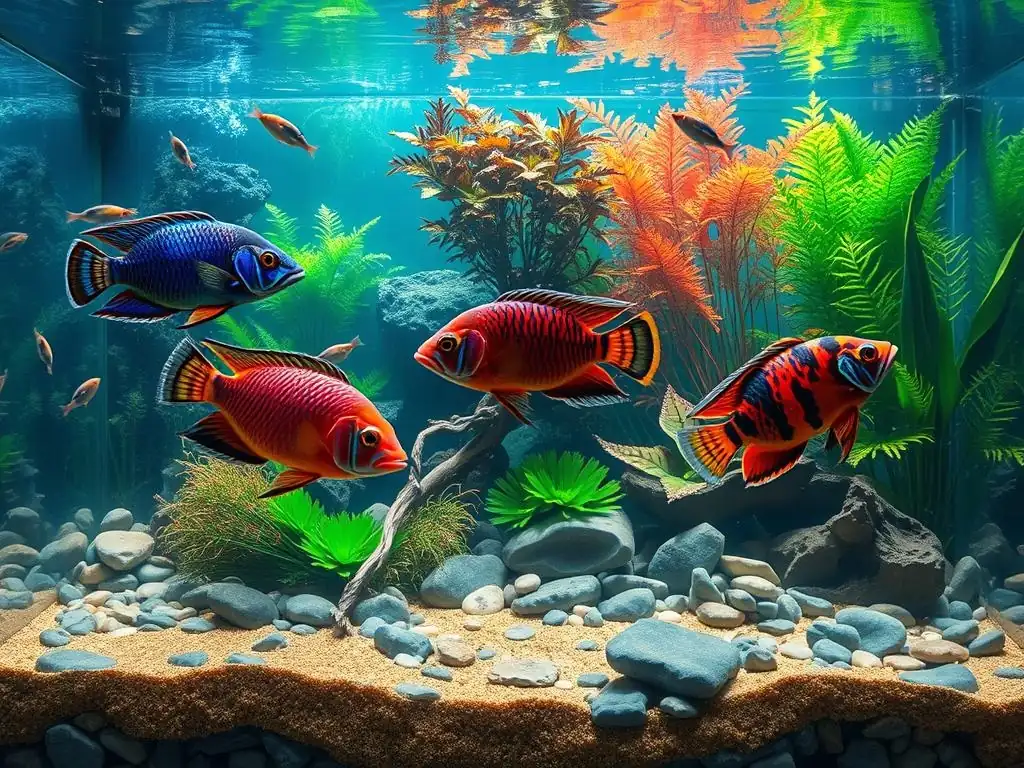
Ever dreamt of a freshwater aquarium bursting with vibrant color and captivating personality? Discover the secrets to creating a stunning Mbuna cichlid aquarium setup! We'll reveal the top 5 most colorful Mbuna species that will transform your tank into a living masterpiece. Intrigued? Dive in to learn how to choose the perfect Mbuna, master their care, and create a thriving underwater paradise.
- Introduction to Colorful Mbuna Cichlids
- The Appeal of a Colorful Mbuna Cichlid Aquarium Setup
- Top 5 Most Vibrant Mbuna Cichlids for Your Aquarium
- Setting Up Your Colorful Mbuna Cichlid Aquarium
- Maintaining a Vibrant Mbuna Cichlid Tank
- Common Mbuna Cichlid Health Issues and Prevention
- Conclusion: Enjoying Your Colorful Mbuna Cichlid Aquarium
-
Frequently Asked Questions
- How do I choose the right Mbuna cichlids for a colorful aquarium setup?
- What are the key considerations for water chemistry in a Mbuna cichlid tank?
- What is the best way to manage aggression in a Mbuna cichlid aquarium?
- What diet is ideal for maintaining the vibrant colors of Mbuna cichlids?
- How often should I perform water changes in my Mbuna cichlid aquarium?
- Final Reflection: Embracing the Spectrum of Mbuna
- Transform Your Aquarium into a Living Masterpiece
Introduction to Colorful Mbuna Cichlids
What are Mbuna Cichlids?
Mbuna cichlids are a diverse group of fish endemic to Lake Malawi in East Africa. The name "Mbuna" translates to "rock-dweller" in the local Tonga language, aptly describing their natural habitat among the rocky shores of the lake. These fascinating fish are known for their vibrant colors, active personalities, and distinctive behaviors, making them a popular choice for freshwater aquarium enthusiasts seeking a lively and colorful Mbuna cichlid aquarium setup.
Unlike many other freshwater species, Mbuna cichlids thrive in hard, alkaline water conditions, mimicking their natural lake environment. They are primarily herbivorous or omnivorous, feeding on algae and small invertebrates found on rocks. Their unique dietary and environmental needs, coupled with their territorial nature, necessitate a specific approach to their care and tank setup to ensure their well-being.
Why Choose Mbuna for a Colorful Freshwater Aquarium?
The primary appeal of Mbuna cichlids lies in their extraordinary spectrum of colors. From brilliant blues and yellows to striking reds and oranges, these fish can transform an aquarium into a dynamic, living mosaic. Their active swimming patterns and intricate social hierarchies add a layer of engagement that goes beyond mere aesthetics, providing constant visual interest for the aquarist.
Beyond their beauty, Mbuna offer a unique challenge and reward for dedicated hobbyists. Successfully managing their aggressive tendencies and specific environmental requirements to create a thriving colorful Mbuna cichlid aquarium setup is a testament to an aquarist's skill. When properly cared for, Mbuna can live for 6 to 10 years or even longer, providing years of enjoyment.
Understanding Mbuna Temperament and Tank Requirements
Mbuna cichlids are known for their assertive and territorial nature, which is a crucial factor to consider for any colorful Mbuna cichlid aquarium setup. Males are particularly aggressive towards other males of the same or similar-looking species, establishing territories among the rocks and defending them vigorously. This aggression, while natural, can lead to stress, injury, or even death if not managed correctly within the confines of an aquarium.
To mitigate aggression, specific tank requirements are essential. A larger tank with ample rockwork providing numerous caves, crevices, and visual barriers is paramount. Strategic overstocking, a common technique in Mbuna keeping, can also help diffuse aggression by spreading it among more fish, preventing a single fish from becoming the target of constant bullying. Proper filtration and consistent water parameters are equally vital to support these active and often boisterous fish.
The Appeal of a Colorful Mbuna Cichlid Aquarium Setup
Creating a Visually Stunning African Cichlid Tank
A well-planned colorful Mbuna cichlid aquarium setup is a true spectacle, captivating observers with its kaleidoscope of hues and constant activity. The key to achieving this visual appeal lies not just in selecting the right fish but also in designing a habitat that accentuates their natural beauty. High-quality LED lighting, for instance, can bring out the iridescent qualities of their scales, making their colors pop against the rocky backdrop.
Furthermore, the arrangement of rockwork plays a significant role in the overall aesthetic. Stacking rocks to create towering structures and intricate tunnels mimics their natural rift lake environment and provides endless exploration opportunities for the fish. This blend of vibrant aquatic life and naturalistic hardscaping creates a dynamic and visually stimulating display that truly stands out in any home or office.
The Benefits of a Species-Specific Mbuna Aquarium
While a mixed Mbuna community tank can be stunning, a species-specific colorful Mbuna cichlid aquarium setup offers distinct advantages, particularly in managing aggression and promoting natural behaviors. By focusing on a single species, or perhaps a limited number of closely related and less aggressive types, the territorial disputes often seen in highly diverse Mbuna tanks can be significantly reduced. This leads to a less stressful environment for the fish.
In a species-specific setup, it becomes easier to maintain precise water parameters tailored to that particular species' needs, optimizing their health and vibrancy. For example, some Mbuna prefer slightly different pH levels or temperature ranges. Additionally, observing the full range of natural behaviors, including complex breeding rituals and social interactions within a single species group, is often more achievable and rewarding in such a focused environment.
Considerations for a Thriving Mbuna Cichlid Community
Successfully maintaining a thriving colorful Mbuna cichlid aquarium setup requires careful consideration of several factors. Tank size is paramount; a minimum of 55 gallons (approximately 200 liters) is often recommended for a basic Mbuna community, with larger tanks of 75 gallons (280 liters) or more being ideal for a diverse and stable population. This provides ample space for territories and reduces overall aggression.
Stocking ratios are also critical. A common strategy is to maintain a ratio of at least three to four females for every male of a particular species to dilute male aggression during breeding. Furthermore, selecting compatible species – those with similar aggression levels and dietary needs – is essential to prevent bullying and ensure all fish receive adequate nutrition. Regular observation of fish behavior and prompt intervention for signs of stress or aggression are key to long-term success.
Top 5 Most Vibrant Mbuna Cichlids for Your Aquarium
1. Electric Yellow Lab (Labidochromis caeruleus)
Electric Yellow Lab Characteristics and Care
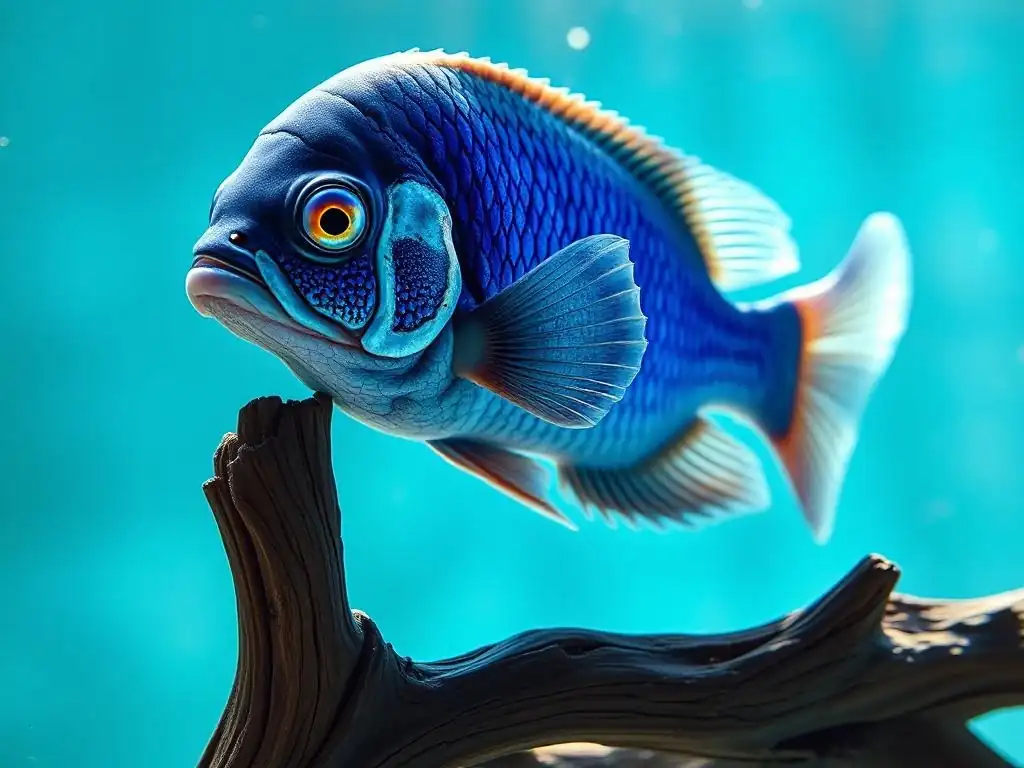
The Electric Yellow Lab, Labidochromis caeruleus, is arguably one of the most popular and recognizable Mbuna cichlids, celebrated for its brilliant, almost fluorescent yellow coloration. This species typically reaches an adult size of about 4-5 inches (10-13 cm) and can live for 6 to 10 years with proper care. Unlike many other Mbuna, Yellow Labs are considered one of the more peaceful species, making them an excellent choice for a colorful Mbuna cichlid aquarium setup, especially for beginners.
Their striking color is consistent across both sexes, although males may exhibit slightly more intense coloration and fin development, especially during breeding. Care for Electric Yellow Labs involves providing a rocky environment with plenty of hiding spots and maintaining stable water parameters. They are relatively hardy and adapt well to a well-filtered aquarium.
Tank Mates for Electric Yellow Labs
Due to their comparatively docile nature, Electric Yellow Labs can be successfully kept with a wider range of Mbuna species than more aggressive counterparts. Ideal tank mates include other less aggressive Mbunas like Rusties ( Iodotropheus sprengerae), certain Peacocks ( Aulonocara species), or even other Labidochromis species. It's crucial to avoid highly aggressive Mbuna such as Kenyi cichlids ( Maylandia lombardoi) or certain Zebra cichlids, as they can easily outcompete or bully the Yellow Labs.
When selecting tank mates for a colorful Mbuna cichlid aquarium setup featuring Yellow Labs, aim for fish that occupy different parts of the tank or have distinct color patterns to minimize territorial disputes. A good rule of thumb is to introduce all fish simultaneously or add smaller, less dominant fish first to allow them to establish territories before introducing larger or more assertive species.
Maintaining Optimal Water Parameters for Labidochromis caeruleus
Maintaining stable and appropriate water parameters is crucial for the health and vibrant coloration of Labidochromis caeruleus. They thrive in hard, alkaline water, mirroring the conditions of Lake Malawi. The ideal pH range is between 7.8 and 8.6, with a general hardness (GH) of 10-18 dGH. The water temperature should be kept consistently between 76-82°F (24-28°C).
Regular water changes, typically 25-30% weekly, are essential to keep nitrate levels low and maintain water quality. A robust filtration system, including mechanical, chemical, and biological filtration, is highly recommended to handle the bioload of an active colorful Mbuna cichlid aquarium setup. Monitoring water parameters with a reliable test kit weekly ensures a healthy environment for these beautiful fish.
2. Red Zebra Cichlid (Metriaclima estherae)
Red Zebra Cichlid Color Variations and Behavior
The Red Zebra Cichlid, Metriaclima estherae, is a highly polymorphic species, meaning it exhibits several distinct color morphs, with the "Red" and "Orange Blotch" (OB) being the most common in the hobby. Males are typically a solid orange or red, sometimes with faint vertical bars, while females can range from orange to a brownish-orange or even a mottled orange-blotch pattern. They are moderately aggressive and territorial, growing to about 4-6 inches (10-15 cm) in length.
Their behavior is characteristic of many Mbuna; they actively defend their chosen territories, usually a cave or rock crevice, and will chase away intruders. Despite their aggression, their vibrant colors make them a popular choice for a colorful Mbuna cichlid aquarium setup, especially when maintained in a properly designed tank with adequate hiding spots to diffuse conflict.
Diet and Feeding Habits of Metriaclima estherae
Metriaclima estherae are primarily herbivorous grazers in their natural habitat, feeding on the algae and associated microorganisms found on rocks. In the aquarium, their diet should reflect this natural preference to ensure optimal health and prevent common issues like Malawi Bloat. High-quality spirulina flakes, pellets, or granules should form the cornerstone of their diet.
It is crucial to avoid feeding Red Zebra Cichlids high-protein foods such as bloodworms, tubifex worms, or beef heart, as their digestive systems are not designed for such rich diets. Overfeeding can also lead to health problems. Offering blanched vegetables like spinach or zucchini occasionally can supplement their diet and provide beneficial roughage, contributing to a vibrant and healthy colorful Mbuna cichlid aquarium setup.
Breeding Red Zebra Cichlids in Captivity
Red Zebra Cichlids are prolific mouthbrooders, making them relatively easy to breed in a well-maintained colorful Mbuna cichlid aquarium setup. The male will display intense coloration and attempt to entice a female to his chosen spawning site, often a flat rock or a secluded cave. The female lays her eggs, and the male fertilizes them, after which the female immediately collects the eggs into her mouth.
The female will hold the eggs and fry in her buccal cavity for approximately 21-28 days, depending on water temperature. During this period, she will typically not eat. Once the fry are released, they are miniature versions of their parents and can be fed crushed spirulina flakes or finely ground cichlid pellets. A single female can produce anywhere from 20 to 60 fry per spawn, making breeding a rewarding experience.
3. Cobalt Blue Zebra Cichlid (Metriaclima callainos)
Cobalt Blue Zebra Cichlid Appearance and Temperament
The Cobalt Blue Zebra Cichlid, Metriaclima callainos, is renowned for its intense, electric blue coloration, which is particularly striking in mature males. Females may exhibit a slightly duller blue or even a brownish hue, though vibrant blue females are also common. Reaching a size of 4-6 inches (10-15 cm), this species is known for its energetic and often aggressive temperament, similar to other Zebra cichlids.
Their vibrant blue makes them a standout addition to any colorful Mbuna cichlid aquarium setup. However, their assertive nature means they require careful consideration of tank mates and layout. Males will vigorously defend their territories, often sparring with other males or even perceived rivals of different species. Providing ample hiding spots and visual breaks is crucial for managing their aggression.
Creating a Suitable Habitat for Metriaclima callainos
A suitable habitat for Metriaclima callainos in a colorful Mbuna cichlid aquarium setup must prioritize space and structure. A minimum tank size of 55 gallons is recommended for a small group, with 75 gallons or more being ideal for a diverse community. The tank should be heavily aquascaped with rockwork, such as lace rock or limestone, to create numerous caves, tunnels, and crevices. These structures serve as essential hiding spots and territorial boundaries.
A sandy substrate, like aragonite sand or crushed coral, is preferred as it helps to buffer the water and maintain the high pH levels necessary for Mbuna. While live plants are generally not recommended due to Mbuna's herbivorous diet and digging habits, hardy species like Anubias or Java Fern tied to rocks might survive if the fish are well-fed and the plants are secured.
Preventing Aggression in Cobalt Blue Zebra Cichlid Tanks
Preventing excessive aggression in a colorful Mbuna cichlid aquarium setup containing Cobalt Blue Zebras is critical for the well-being of all inhabitants. One effective strategy is strategic overstocking, where a higher density of fish (within reason) helps to diffuse aggression by preventing any single fish from being singled out. This technique requires excellent filtration and diligent water changes to manage the increased bioload.
Another method is to maintain a proper male-to-female ratio, ideally one male to three or more females, to spread out breeding aggression. Regularly rearranging the rockwork can also disrupt established territories, forcing fish to re-establish new ones and temporarily reducing aggression. Finally, ensuring there are plenty of visual barriers and hiding spots allows subordinate fish to escape dominant individuals, minimizing stress and injury.
4. Ice Blue Zebra Cichlid (Metriaclima greshakei)
Ice Blue Zebra Cichlid Unique Features and Needs
The Ice Blue Zebra Cichlid, Metriaclima greshakei, is another stunning Mbuna, characterized by its striking ice-blue body and a contrasting orange or red dorsal fin, especially pronounced in males. Females typically exhibit a more subdued, brownish-orange coloration. They can grow to an impressive 5-7 inches (12-18 cm), making them one of the larger Mbuna species often found in a colorful Mbuna cichlid aquarium setup.
This species is moderately aggressive, similar to the Red and Cobalt Zebras, and requires a robust tank setup to manage its territorial nature. Their unique color combination makes them a highly sought-after addition, providing a distinct visual element to any African cichlid display. Their care needs align closely with other Metriaclima species, emphasizing pristine water and a structured environment.
Maintaining Water Quality for Metriaclima greshakei
Maintaining impeccable water quality is paramount for the health and vibrancy of Metriaclima greshakei in a colorful Mbuna cichlid aquarium setup. Like all Mbuna, they require hard, alkaline water with a pH range of 7.8 to 8.6 and a GH of 10-18 dGH. Consistent water temperature between 76-82°F (24-28°C) is also vital for their metabolic functions and overall well-being.
Weekly water changes of 25-30% are highly recommended to keep nitrate levels below 20 ppm and prevent the buildup of harmful toxins. A powerful filtration system, often involving multiple filters such as large canister filters or a sump, is necessary to handle the significant bioload produced by these active fish. Regular testing of ammonia, nitrite, nitrate, and pH levels will help ensure the water parameters remain stable and conducive to their health.
Tank Setup Recommendations for Ice Blue Zebra Cichlids
For Metriaclima greshakei, a spacious tank is crucial, with a minimum of 75 gallons (280 liters) being advisable for a small group due to their larger size and territoriality. The tank setup for a colorful Mbuna cichlid aquarium setup should focus heavily on providing an abundance of rockwork. Limestone, lava rock, or slate can be arranged to create numerous caves, tunnels, and vertical structures that mimic their natural rocky lakebed habitat.
These rock formations serve multiple purposes: they provide essential hiding spots for less dominant fish, establish clear territorial boundaries, and offer visual breaks to reduce aggressive encounters. A fine sand substrate, such as aragonite sand, is ideal, as these fish often sift through it. Ensure all rock structures are stable and cannot collapse, potentially using aquarium-safe silicone or interlocking pieces to secure them.
5. Hongi Red Top Cichlid (Labidochromis sp. "Hongi")
Hongi Red Top Cichlid Distinctive Markings and Behavior
The Hongi Red Top Cichlid, Labidochromis sp. "Hongi", is a captivating Mbuna known for its unique coloration: a purple to blue body contrasted by a striking orange or red dorsal fin and often a red blaze on the head. Males display these colors intensely, while females are typically a duller brown or orange. They are moderately aggressive, growing to about 4-5 inches (10-12 cm), making them a vibrant addition to a colorful Mbuna cichlid aquarium setup.
Their behavior is characteristic of Labidochromis species, being somewhat less aggressive than Metriaclima but still territorial. They are active swimmers and will explore the rockwork extensively. When stressed or submissive, their colors may fade, but a healthy, dominant male will showcase its full spectrum of hues, particularly during breeding displays.
Dietary Requirements for Labidochromis sp. "Hongi"
While Labidochromis sp. "Hongi" are generally considered omnivores, their diet in a colorful Mbuna cichlid aquarium setup should lean heavily towards plant-based foods, similar to many other Mbuna species. In their natural habitat, they graze on algae and the small invertebrates found within it. Therefore, a high-quality spirulina-based flake or pellet should be their staple diet.
Occasional protein supplements, such as brine shrimp or mysis shrimp, can be offered in moderation, perhaps once or twice a week, but should not form the bulk of their diet. Overfeeding and providing too much protein can lead to digestive issues, including Malawi Bloat. Blanched vegetables like spinach or spirulina wafers can also be given as a treat and to ensure adequate fiber intake, supporting their overall digestive health.
Breeding Considerations for Hongi Red Top Cichlids
Hongi Red Top Cichlids are maternal mouthbrooders, making their breeding process fascinating to observe in a colorful Mbuna cichlid aquarium setup. The male will select a spawning site, often a flat rock or a cave, and display vibrant colors and fin flaring to attract a female. Once the female lays her eggs, she immediately scoops them into her mouth, and the male fertilizes them while they are in her mouth through a process called "egg spots mimicry" on his anal fin.
The female will carry the eggs and then the fry in her mouth for approximately three to four weeks, during which time she typically refrains from eating. Once the fry are released, they are independent and can be fed finely crushed flakes or specialized fry food. Providing plenty of hiding spots for the female after she releases the fry, and for the fry themselves, is crucial to prevent them from being eaten by other tank inhabitants.
Setting Up Your Colorful Mbuna Cichlid Aquarium
Tank Size and Dimensions for Mbuna Cichlids
The choice of tank size is a foundational element for a successful colorful Mbuna cichlid aquarium setup, directly influencing the health and behavior of your fish. For a basic community of 6-8 Mbuna, a minimum tank size of 55 gallons (approximately 200 liters) is generally recommended. However, to accommodate a more diverse group or larger species, a 75-gallon (280 liters) or even 125-gallon (470 liters) tank is significantly better.
Dimensions also play a crucial role; longer tanks are preferred over taller, narrower ones. A 4-foot long (approx. 120 cm) tank provides more swimming space and, critically, more linear rockwork area for establishing territories, which helps diffuse aggression among these territorial fish. This extended footprint allows for better distribution of fish and reduces direct confrontations.
Substrate and Rockwork for a Natural Mbuna Environment
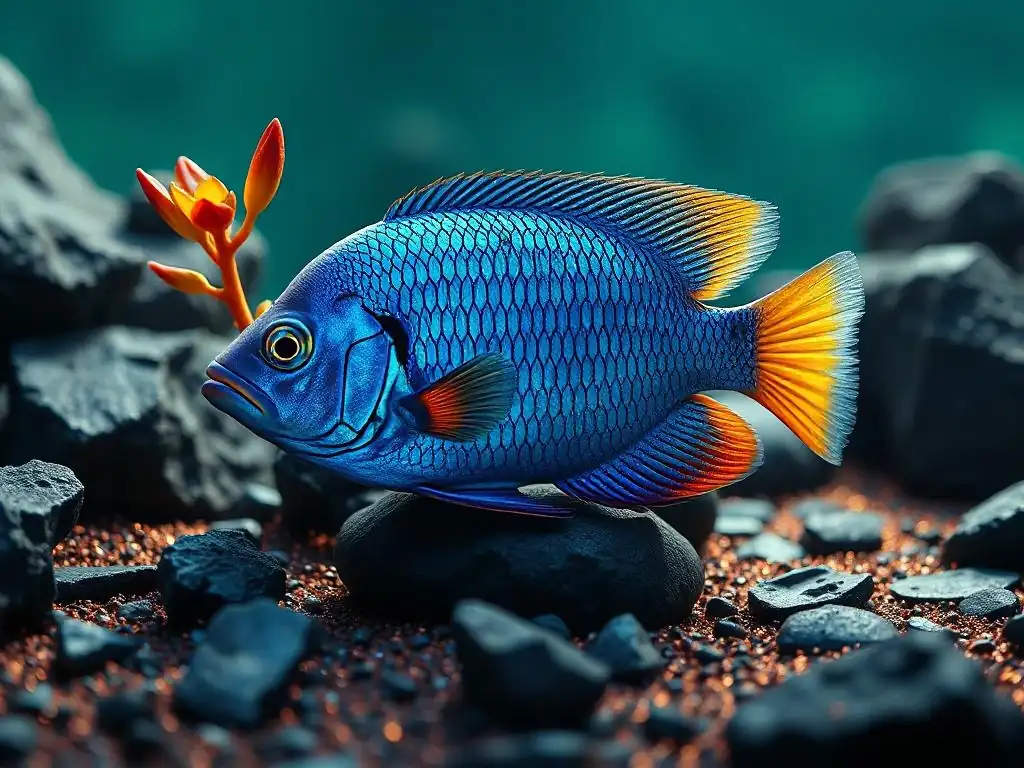
Creating a naturalistic and functional environment is key for a colorful Mbuna cichlid aquarium setup. The substrate should ideally be aragonite sand or crushed coral. These materials not only mimic the natural lakebed of Lake Malawi but also help to naturally buffer the water, maintaining the high pH and hardness levels that Mbuna require (pH 7.8-8.6, GH 10-18 dGH). A depth of 1-2 inches (2.5-5 cm) is usually sufficient, allowing for some digging behavior without excessive mess.
Rockwork is perhaps the most critical element of an Mbuna tank. Use inert rocks such as limestone, lace rock, lava rock, or Texas holey rock to construct numerous caves, tunnels, and crevices. Stack rocks carefully, ensuring they are stable and cannot collapse, potentially using aquarium-safe silicone to bond them together. These structures provide essential hiding spots for stressed or subordinate fish and delineate territories, crucial for managing aggression in a vibrant Mbuna community. Aim for at least 50-70% of the tank volume to be filled with rockwork.
Filtration and Water Chemistry for Mbuna Health
Given their active nature and the need for specific water parameters, robust filtration is non-negotiable for a colorful Mbuna cichlid aquarium setup. Over-filtration is highly recommended, often meaning using filters rated for tanks larger than your actual tank size. Canister filters are excellent choices, providing mechanical, chemical, and biological filtration. Some hobbyists also opt for sumps for even greater filtration capacity and water volume.
Maintaining the correct water chemistry is equally vital. Mbuna require hard, alkaline water with a stable pH between 7.8 and 8.6, and a general hardness (GH) of 10-18 dGH. The water temperature should be consistently maintained between 76-82°F (24-28°C). Regular water testing for ammonia, nitrite, nitrate, pH, and GH is essential to monitor these parameters and ensure a healthy, stable environment for your colorful Mbuna cichlids.
Maintaining a Vibrant Mbuna Cichlid Tank
Regular Water Changes and Testing
Consistent water changes are the single most important maintenance task for a vibrant colorful Mbuna cichlid aquarium setup. Due to their high metabolism and the common practice of overstocking to manage aggression, nitrate levels can rise quickly. Weekly water changes of 25-50% are strongly recommended to dilute nitrates, replenish essential minerals, and maintain overall water quality. Using a gravel vacuum during water changes helps remove uneaten food and waste from the substrate.
Accurate water testing is crucial to monitor the health of your Mbuna environment. Regular use of a reliable liquid test kit for pH, ammonia, nitrite, and nitrate is essential. Ammonia and nitrite should always read zero. Nitrate levels should ideally be kept below 20 ppm. Deviations from ideal parameters indicate a need for more frequent or larger water changes, or a review of feeding habits and filtration efficacy.
Feeding Your Mbuna Cichlids a Balanced Diet
A balanced and appropriate diet is fundamental to the long-term health and vibrant coloration of your Mbuna cichlids. As most Mbuna are primarily herbivorous or omnivorous with a strong herbivorous bias, their diet in a colorful Mbuna cichlid aquarium setup should primarily consist of high-quality spirulina-based flakes, pellets, or granules. These foods provide the necessary plant matter and essential nutrients without excessive protein, which can lead to digestive issues like Malawi Bloat.
Supplementing their diet with blanched vegetables such as zucchini, spinach, or peas can also be beneficial, offering additional fiber and vitamins. It is crucial to avoid feeding high-protein foods like bloodworms, tubifex worms, or beef heart, as these are very difficult for their digestive systems to process. Feed small amounts two to three times a day, only what they can consume in 1-2 minutes, to prevent overfeeding and maintain water quality.
Controlling Algae Growth in a Mbuna Aquarium
Algae growth is a common occurrence in any colorful Mbuna cichlid aquarium setup, and while some Mbuna species graze on it naturally, excessive or undesirable types of algae can be problematic. Effective control involves a multi-faceted approach. Firstly, maintaining excellent water quality through regular water changes and robust filtration helps prevent nutrient imbalances that fuel algae blooms. Low nitrate and phosphate levels are key.
Secondly, managing lighting is critical. Limit the duration of your aquarium lights to 8-10 hours per day. Excessive light, especially direct sunlight, can promote rapid algae growth. Lastly, consider the type of algae. Green spot algae is often a sign of low phosphates, while hair algae can indicate high nitrates or phosphates. While Mbuna will graze on some types of algae, mechanical removal (scraping tank glass) and ensuring proper water parameters are the most effective long-term strategies.
Common Mbuna Cichlid Health Issues and Prevention
Recognizing and Treating Malawi Bloat
Malawi Bloat is one of the most serious and common health issues affecting Mbuna cichlids, often leading to fatality if not addressed promptly. It is primarily caused by an inappropriate diet, particularly one too high in protein or fat, or by stress. Symptoms include loss of appetite, lethargy, abdominal swelling, white or stringy feces, and rapid breathing. Early recognition is crucial for successful treatment in a colorful Mbuna cichlid aquarium setup.
Prevention is centered on providing a correct diet, predominantly spirulina-based flakes or pellets with minimal protein. Avoiding overfeeding and maintaining pristine water quality also significantly reduce stress and the likelihood of bloat. If symptoms appear, immediate action is required. Affected fish should be quarantined, and treatment with medications like Metronidazole (Flagyl) is often effective. Fasting the fish for a few days can also help clear their digestive system.
Preventing Ich (White Spot Disease) in Mbuna Cichlids
Ichthyophthirius multifiliis, commonly known as Ich or White Spot Disease, is a highly contagious parasitic infection that can affect Mbuna cichlids. It manifests as small, white spots resembling salt grains scattered across the fish's body and fins. Stress, often caused by poor water quality, fluctuating temperatures, or aggressive tank mates, makes fish more susceptible to Ich in a colorful Mbuna cichlid aquarium setup.
Prevention strategies include maintaining stable water temperatures (76-82°F), providing consistent, high water quality through regular water changes, and quarantining all new fish for at least two weeks before introducing them to the main tank. If an outbreak occurs, treatment typically involves slowly raising the tank temperature to 86°F (30°C) over 24-48 hours (if compatible with other tank inhabitants) and using an aquarium-safe Ich medication. Adding aquarium salt (1 tablespoon per 5 gallons) can also be beneficial.
Addressing Aggression and Bullying in the Tank
Aggression and bullying are inherent behaviors in Mbuna cichlids and can lead to severe stress, injury, or even death in a colorful Mbuna cichlid aquarium setup. Recognizing the signs, such as torn fins, constant chasing, or a fish hiding excessively, is important. Addressing these issues requires proactive management and sometimes intervention.
Strategies to mitigate aggression include:
- Overstocking: While counterintuitive, a slightly higher density of fish can diffuse aggression by spreading it among more individuals, preventing one fish from becoming the sole target. This requires excellent filtration.
- Providing ample hiding spots: Ensure there are more caves and rock crevices than fish, allowing subordinate individuals to escape and establish safe zones.
- Rearranging decor: Periodically moving the rockwork can disrupt established territories, forcing fish to re-establish new ones and often reducing aggression temporarily.
- Proper male-to-female ratios: For most Mbuna, a ratio of 1 male to 3-4 females is recommended to spread out spawning aggression.
- Removing aggressive individuals: If a particular fish is a persistent bully, it may need to be removed from the tank permanently.
Conclusion: Enjoying Your Colorful Mbuna Cichlid Aquarium
The Rewards of Keeping Mbuna Cichlids
Keeping a colorful Mbuna cichlid aquarium setup is an incredibly rewarding experience that offers both aesthetic beauty and fascinating behavioral insights. The vibrant, iridescent colors of these fish, from the electric yellows of Labidochromis caeruleus to the intense blues of Metriaclima callainos, create a dynamic and visually stunning display that can be the centerpiece of any room. Their active swimming and intricate social interactions provide endless hours of engaging observation.
Beyond their visual appeal, successfully maintaining a thriving Mbuna tank demonstrates a deep understanding of aquatic husbandry. The challenge of managing their unique temperament and specific water parameter requirements, when met, culminates in a healthy, active community that brings immense satisfaction to the dedicated aquarist. The longevity of Mbuna, often living for 6 to 10 years, means you can enjoy these beautiful creatures for a significant period.
Further Resources for Mbuna Cichlid Care
To ensure the continued success and enjoyment of your colorful Mbuna cichlid aquarium setup, ongoing learning and research are highly encouraged. The world of Mbuna cichlids is vast and complex, with new insights and best practices continually emerging within the aquarium hobby. Consulting reputable online forums, dedicated cichlid websites, and comprehensive aquarium books can provide invaluable information on species-specific care, advanced breeding techniques, and troubleshooting common issues.
Understanding the specific needs of each Mbuna species you keep, from their dietary preferences to their individual temperaments, will significantly enhance their well-being and your overall experience. Engaging with other experienced aquarists can also offer practical advice and solutions to challenges you might encounter. Continuously expanding your knowledge base will empower you to provide the best possible environment for your vibrant Mbuna cichlids.
Frequently Asked Questions
How do I choose the right Mbuna cichlids for a colorful aquarium setup?
Consider their adult size, temperament, and dietary needs to ensure compatibility. Prioritize species known for vibrant coloration and contrasting patterns.
What are the key considerations for water chemistry in a Mbuna cichlid tank?
Mbuna cichlids require alkaline water with a pH between 7.8 and 8.6. Maintain stable parameters through regular water changes and proper filtration.
What is the best way to manage aggression in a Mbuna cichlid aquarium?
Overcrowding the tank can help distribute aggression. Provide plenty of rockwork to create territories and break up lines of sight.
What diet is ideal for maintaining the vibrant colors of Mbuna cichlids?
Feed a high-quality cichlid flake food supplemented with spirulina and vegetable matter. Avoid overfeeding and offer small, frequent meals.
How often should I perform water changes in my Mbuna cichlid aquarium?
Perform weekly water changes of 25-50% to maintain water quality and remove nitrates. Monitor water parameters regularly using a test kit.
Final Reflection: Embracing the Spectrum of Mbuna
The vibrant world of Mbuna cichlids, as we've explored, offers a breathtaking palette for any aquarist seeking to create a truly captivating underwater landscape. The enduring appeal of these fish lies not only in their stunning colors but also in their complex social dynamics and engaging behaviors, making them a constant source of fascination and a testament to the beauty of biodiversity. Their popularity continues to surge as more hobbyists discover the joy of curating a "Colorful Mbuna cichlid aquarium setup."
The impact of Mbuna cichlids extends beyond the aquarium glass. Their presence in the hobby fosters a deeper appreciation for the delicate ecosystems of Lake Malawi and the importance of conservation efforts. The responsibility we bear as aquarists is to ensure the sustainable sourcing of these magnificent creatures and to promote ethical practices within the industry. In the end, we will conserve only what we love; we will love only what we understand; and we will understand only what we are taught.
- Baba Dioum's words resonate deeply, reminding us that knowledge and appreciation are the cornerstones of conservation.
Now, as you consider your own aquarium aspirations, I invite you to embrace the spectrum of Mbuna cichlids. Let their vibrant colors inspire creativity and a commitment to responsible fishkeeping. May your aquarium not only be a stunning visual display but also a microcosm of the wonders of the natural world, fostering a deeper connection to the beauty and fragility of our planet.
Transform Your Aquarium into a Living Masterpiece
Thank you for diving into the world of vibrant Mbuna cichlids! We hope you've discovered some dazzling new additions for your aquarium. Now, let's bring that vision to life and make your tank the envy of every aquarist!
Here are a few ways to get started:
- Begin planning your dream Mbuna setup by researching tank size, rock formations, and compatible tank mates.
- Share this article with a fellow fish enthusiast to spark their next aquarium adventure!
- Visit your local fish store armed with your newfound knowledge and chat with an expert about sourcing these colorful cichlids.
What unique rock structure will you use to create the perfect Mbuna paradise in your aquarium?