
Soft Coral Sanctuaries: Choosing Tank Mates That Respect Your Leathers & Polyps

Welcome to Aquarium Mastery!
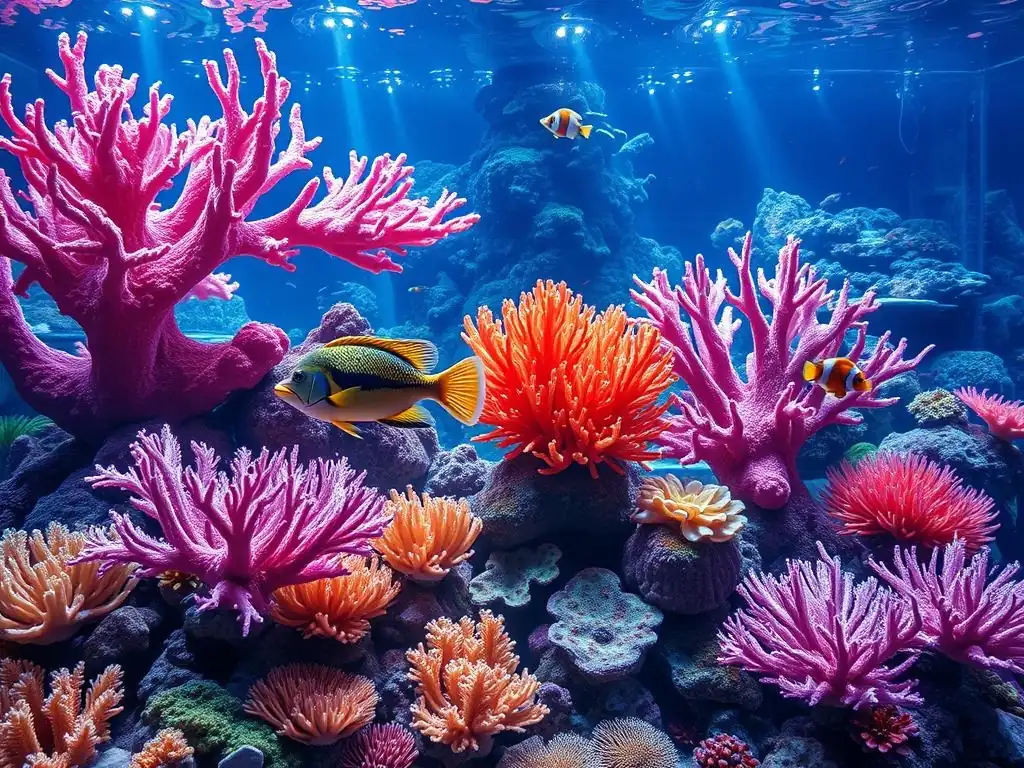
Ever dreamt of a vibrant saltwater aquarium teeming with life, where soft corals sway gently in the current? Unlocking that dream starts with understanding which tank mates will thrive alongside your delicate leathers and polyps. Dive in and discover the secrets to Saltwater aquarium soft coral compatibility and create a peaceful, harmonious reef environment. Let's build your perfect soft coral sanctuary!
- Understanding Saltwater Aquarium Soft Coral Compatibility
- Key Considerations for Saltwater Aquarium Soft Coral Compatibility
- Fish to Avoid with Soft Corals: The "No-Go" List
- Reef-Safe Fish for Soft Coral Tanks: Excellent Tank Mate Choices
- Invertebrate Tank Mates for Soft Corals: A Complementary Approach
- Creating a Balanced Ecosystem: Maintaining Harmony in Your Soft Coral Tank
- Advanced Strategies for Soft Coral Compatibility in Reef Aquariums
- Troubleshooting Soft Coral Incompatibility Issues
- Conclusion: Building a Thriving Soft Coral Reef with Compatible Tank Mates
-
Frequently Asked Questions
- How crucial is soft coral compatibility when planning a saltwater aquarium?
- What types of fish are generally considered safe for a soft coral dominated tank?
- Can I house different types of soft corals together without issues?
- What water parameters are most important for maintaining a healthy soft coral environment?
- How often should I perform water changes in a soft coral aquarium to ensure compatibility?
- Final Reflection: Cultivating Harmony in the Reef
- Nurture Your Reef: Transform Knowledge into a Thriving Sanctuary!
Understanding Saltwater Aquarium Soft Coral Compatibility
What are Soft Corals and Why is Compatibility Important?
Soft corals, encompassing popular species like Leather Corals ( Sarcophyton, Sinularia, Lobophytum), Mushroom Corals ( Ricordea, Discosoma, Rhodactis), Zoanthids, and Xenia, are a cornerstone of many home reef aquariums. Unlike their stony counterparts, they lack a rigid calcium carbonate skeleton, instead maintaining their structure through spicules embedded within their fleshy polyps. Their vibrant colors, graceful movement, and general hardiness make them incredibly appealing to aquarists, from beginners to seasoned enthusiasts.
The success of a soft coral dominant tank hinges critically on saltwater aquarium soft coral compatibility. These corals, despite their resilience, are highly susceptible to physical damage from nipping fish, chemical warfare from other corals, and stress from an unstable environment. Choosing tank mates that respect their space and physiological needs is paramount to ensuring their long-term health, growth, and vibrant appearance within your reef sanctuary. Without careful selection, even a seemingly minor incompatibility can lead to retracted polyps, tissue damage, and eventual decline.
The Unique Challenges of Keeping Soft Corals in Reef Tanks
One of the primary challenges in maintaining soft corals alongside other tank inhabitants is their natural defense mechanism known as allelopathy, or chemical warfare. Soft corals, particularly Leather Corals, release organic compounds called terpenes into the water column. These terpenes are designed to inhibit the growth of competing corals, especially stony corals, by suppressing their calcification and overall health. While effective in the wild, in a closed aquarium system, these chemicals can accumulate and stress not only other corals but also fish and invertebrates if not properly managed through robust filtration and regular water changes.
Beyond chemical interactions, soft corals face challenges from physical disruption and competition for resources. Certain fish species may nip at their polyps, causing irritation and preventing them from fully extending, which hinders their ability to photosynthesize and feed. Substrate-sifting or large, boisterous fish can also kick up sand and detritus, settling on and irritating soft coral tissues. Furthermore, competition for prime real estate, light, and flow from fast-growing or aggressive tank mates can lead to the retraction or even necrosis of soft coral tissue, underscoring the vital role of meticulous saltwater aquarium soft coral compatibility planning.
Key Considerations for Saltwater Aquarium Soft Coral Compatibility
Understanding Soft Coral Chemical Defenses (Terpenes)
Soft corals employ a sophisticated defense strategy by releasing terpenes, a diverse group of organic compounds, into their surrounding water. These chemicals serve multiple purposes: primarily, they act as allelopathic agents, inhibiting the growth and health of competing corals, especially fast-growing SPS (small polyp stony) and LPS (large polyp stony) corals, by interfering with their calcification processes. For instance, a large Sarcophyton (Leather Coral) can significantly impact the health of nearby Acropora if terpene levels are not managed. Terpenes can also deter predators and act as a form of communication within the coral colony.
The presence of these terpenes directly impacts saltwater aquarium soft coral compatibility with other inhabitants. While soft corals themselves are generally tolerant of their own chemical output, high concentrations can stress fish by irritating their gills or suppressing their immune systems. Other invertebrates, and especially other types of corals, can suffer from stunted growth, tissue recession, or even death if exposed to prolonged high levels of these compounds. Therefore, understanding and mitigating terpene buildup through effective filtration, such as activated carbon, is crucial for a harmonious mixed-reef environment.
Minimizing Stress on Soft Corals Through Careful Tank Mate Selection
Minimizing stress on soft corals begins with the careful selection of tank mates that align with their peaceful and sessile nature. This means prioritizing fish species known for their reef-safe behavior, avoiding those with a reputation for nipping at polyps or disturbing the substrate. For example, while a Copperband Butterflyfish might be tempting for Aiptasia control, they are also known to occasionally nip at soft coral polyps, making them a calculated risk. Similarly, large, boisterous fish or those that require significant foraging can inadvertently damage delicate soft coral tissues by brushing against them or knocking them over.
Optimal saltwater aquarium soft coral compatibility ensures that the corals can fully extend their polyps, photosynthesize efficiently, and grow without constant irritation or threat. A stress-free environment promotes robust health, vibrant coloration, and increased resilience to minor environmental fluctuations. For instance, a tank featuring peaceful gobies and clownfish alongside soft corals will see the corals thriving, whereas a tank with an aggressive damselfish constantly harassing other inhabitants might cause the soft corals to remain retracted and stressed, diminishing their overall vitality.
The Impact of Water Parameters on Soft Coral Health and Compatibility
While soft corals are often considered more forgiving than their stony counterparts regarding water parameters, stability is still key to their long-term health and, by extension, their compatibility within the aquarium. Optimal parameters for most soft corals include stable salinity (1.024-1.026 specific gravity), temperature (74-78°F or 23-26°C), and consistent levels of alkalinity (7-11 dKH), calcium (350-450 ppm), and magnesium (1250-1350 ppm). Although they don't build skeletons requiring high calcium uptake, these parameters contribute to overall reef health and stability, which directly impacts a soft coral's resilience.
When water parameters fluctuate wildly or are consistently out of optimal range, soft corals become stressed and more susceptible to issues arising from tank mate interactions. For example, if alkalinity drops too low, a soft coral might produce excessive mucus as a stress response, making it more vulnerable to secondary bacterial infections or further irritation from fish brushing against it. Maintaining pristine and stable water quality reduces overall stress on the corals, allowing them to better cope with any minor chemical or physical interactions with tank mates, thus enhancing overall saltwater aquarium soft coral compatibility and tank harmony.
Fish to Avoid with Soft Corals: The "No-Go" List
Identifying Fish That Nibble on Soft Corals: Butterflyfish, Angelfish
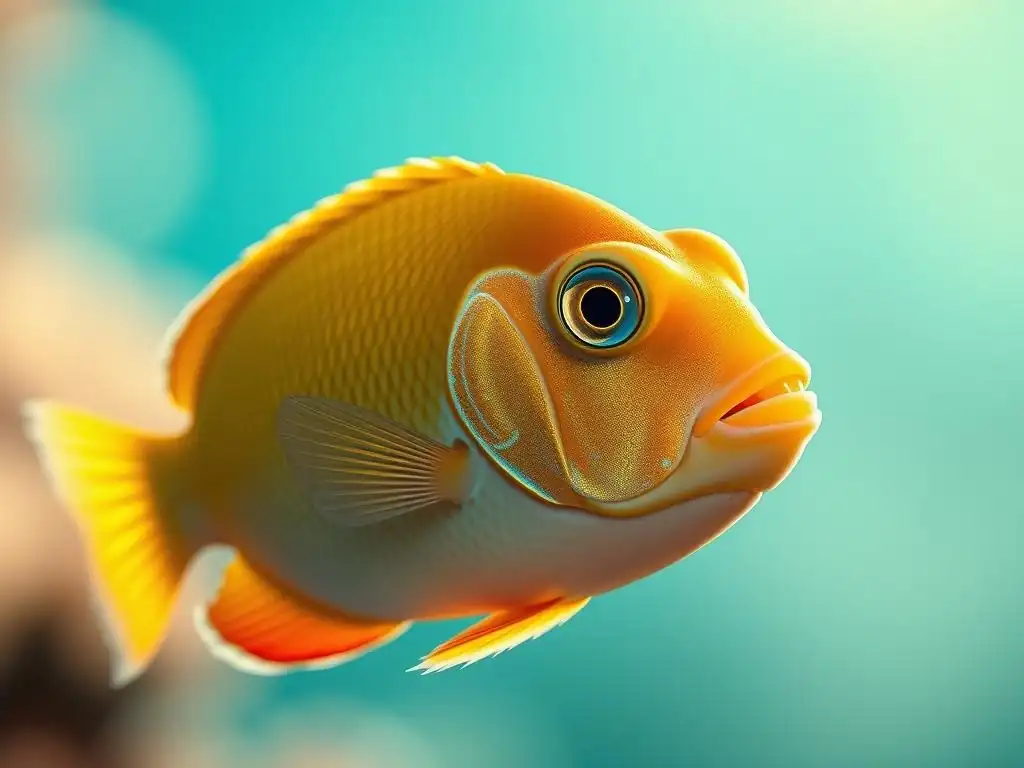
Certain fish species are notorious for developing a taste for coral polyps, making them unsuitable for tanks focused on saltwater aquarium soft coral compatibility. Butterflyfish, while beautiful, are often a significant risk. Species like the Copperband Butterflyfish ( Chelmon rostratus), despite being popular for Aiptasia control, can and often do nip at various soft corals, including Zoanthids and Mushroom Corals. Other butterflyfish, especially those with long snouts, are natural polypivores in the wild and will extend this diet to your aquarium corals, causing irreversible damage.
Similarly, many species of Angelfish, particularly the larger marine angelfish such as the Emperor Angelfish ( Pomacanthus imperator) or Queen Angelfish ( Holacanthus ciliaris), are known coral nippers. Even some smaller dwarf angelfish from the Centropyge genus, like the Flame Angelfish ( Centropyge loriculus) or Coral Beauty Angelfish ( Centropyge bispinosa), can occasionally develop a habit of nipping at soft corals, though this behavior is often individualistic and unpredictable. The risk associated with these species typically outweighs their aesthetic appeal for a dedicated soft coral sanctuary.
Fish That Disrupt Substrate and Cloud Water: Triggerfish, Pufferfish
Fish that are powerful excavators or prone to significant substrate disturbance can pose a direct threat to soft corals, especially those placed on the sandbed or near rockwork. Triggerfish, such as the Clown Triggerfish ( Balistoides conspicillum) or Humu Humu Triggerfish ( Rhinecanthus aculeatus), are prime examples. These fish are highly intelligent and often rearrange the aquascape to their liking, moving rocks and stirring up large amounts of sand. This constant disturbance can bury soft corals, knock them off their mounts, or cause them to become covered in detritus, leading to stress and potential tissue necrosis.
Pufferfish, including species like the Dogface Puffer ( Arothron meleagris) or Porcupine Puffer ( Diodon holocanthus), also fall into this category. While their charm is undeniable, many pufferfish are voracious eaters with strong teeth, capable of not only damaging corals directly but also creating significant water cloudiness through their active foraging and occasional burrowing. The resulting sediment can settle on soft corals, inhibiting their ability to photosynthesize and leading to irritation. Their disruptive nature makes them poor choices for maintaining optimal saltwater aquarium soft coral compatibility.
Aggressive Fish That Stress Soft Corals: Damselfish, Large Wrasses
Aggressive and territorial fish can create a stressful environment that negatively impacts soft corals, even if they don't directly nip at them. Damselfish, despite their small size, are notorious for their belligerent nature. Species like the Domino Damselfish ( Dascyllus trimaculatus) or Three Stripe Damselfish ( Dascyllus aruanus) will vigorously defend their chosen territory, harassing peaceful tank mates and even nipping at corals if they perceive them as an encroachment. This constant stress can cause soft corals to remain retracted, impacting their health and growth over time.
Similarly, some large and active wrasses, particularly those that are highly predatory or constantly foraging, can inadvertently stress soft corals. While many wrasses are reef-safe, larger species or those with powerful digging habits (e.g., some Bodianus or Coris species) can disrupt the aquascape or constantly swim through soft coral polyps, preventing them from fully extending. The sheer activity and territorial disputes of such fish can lead to a perpetually stressed environment for sessile invertebrates. Prioritizing saltwater aquarium soft coral compatibility means carefully researching the temperament and adult size of any wrasse before introduction.
Reef-Safe Fish for Soft Coral Tanks: Excellent Tank Mate Choices
Peaceful Herbivores That Contribute to Algae Control: Blennies, Tangs (with caution)
Peaceful herbivorous fish are excellent additions to a soft coral tank as they help manage algae growth without harming the corals. Blennies, such as the Lawnmower Blenny ( Salarias fasciatus), Starry Blenny ( Salarias ramosus), or Tailspot Blenny ( Ecsenius stigmatura), are fantastic choices. They spend their days grazing on nuisance algae from rocks and glass, contributing to a cleaner, healthier environment. They are generally very peaceful, do not bother corals, and are a perfect example of positive saltwater aquarium soft coral compatibility.
Tangs, or Surgeonfish, are also primarily herbivorous and can be good tank mates with caution due to their potential size and territoriality. Yellow Tangs ( Zebrasoma flavescens), Kole Tangs ( Ctenochaetus strigosus), and Scopas Tangs ( Zebrasoma scopas) are popular for their algae-eating prowess. In tanks of 100 gallons or more, with ample swimming space and rockwork, they can thrive without stressing soft corals. It's crucial to ensure they are well-fed with a varied diet of marine algae to prevent them from potentially picking at soft coral polyps out of hunger.
Small, Non-Aggressive Carnivores That Won't Bother Corals: Clownfish, Gobies
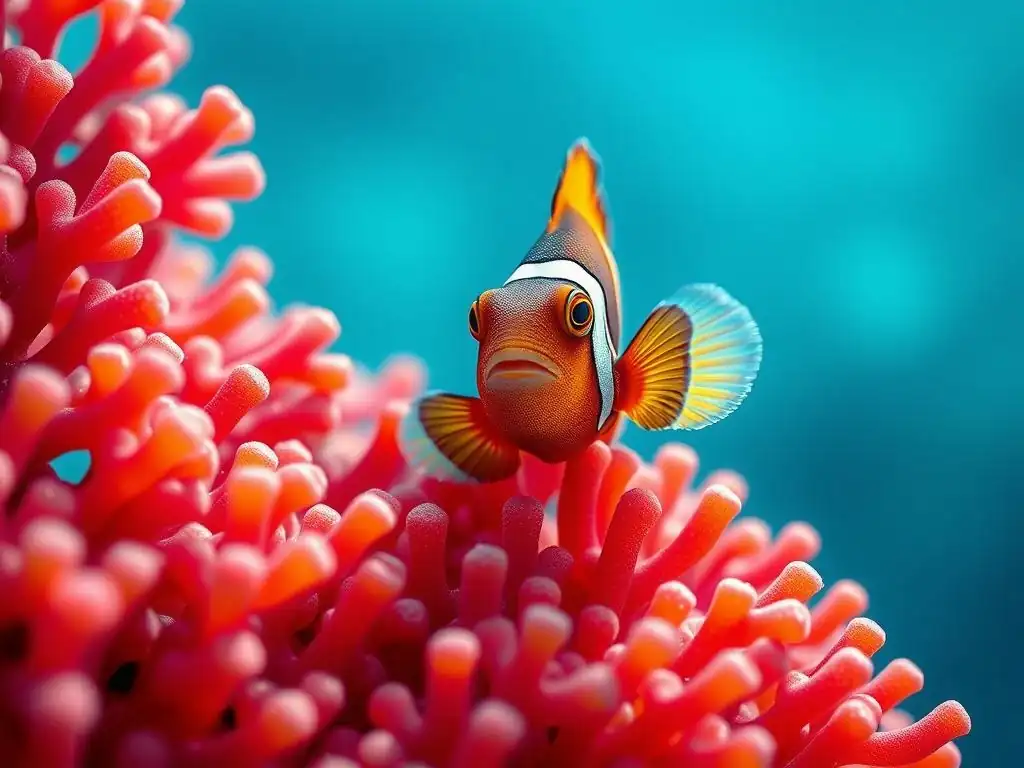
Small, non-aggressive carnivorous fish are ideal for soft coral tanks as they primarily feed on prepared foods or small invertebrates, leaving corals undisturbed. Clownfish, particularly the Ocellaris Clownfish ( Amphiprion ocellaris) and Percula Clownfish ( Amphiprion percula), are iconic and highly compatible. While they may occasionally host in certain soft corals like Leather Corals or Xenia, this interaction rarely harms the coral and often adds a unique dynamic to the tank, showcasing excellent saltwater aquarium soft coral compatibility.
Gobies are another fantastic group of peaceful, bottom-dwelling fish that pose no threat to soft corals. Species such as the Yellow Watchman Goby ( Cryptocentrus cinctus), often seen paired with a Pistol Shrimp, or the Diamond Watchman Goby ( Valenciennea puellaris), which sifts sand for detritus, are excellent choices. Firefish Gobies ( Nemateleotris magnifica) are also popular for their vibrant colors and peaceful, mid-water swimming habits. These fish generally stay in their own territories and do not interact negatively with sessile invertebrates.
Fish That Help Maintain a Healthy Reef Ecosystem: Anthias, Chromis
Certain fish species contribute to the overall health and vibrancy of a soft coral reef ecosystem without posing any threat to the corals themselves. Anthias, such as the Lyretail Anthias ( Pseudanthias squamipinnis) or Dispar Anthias ( Pseudanthias dispar), are schooling planktivores that add incredible movement and color to the water column. They spend their time swimming freely and feeding on small food particles, leaving soft corals completely undisturbed. They thrive in established tanks with frequent, small feedings, making them perfect for enhancing saltwater aquarium soft coral compatibility and aesthetic appeal.
Green Chromis ( Chromis viridis) are another popular choice for their peaceful nature and schooling behavior. These small, hardy fish are ideal for adding a dynamic element to any reef tank without the risk of aggression or coral damage. They are generally found swimming in the mid-to-upper water column and are excellent community fish. Their calm demeanor and non-interfering habits make them highly compatible with all types of soft corals, contributing to a tranquil and thriving reef environment.
Invertebrate Tank Mates for Soft Corals: A Complementary Approach
Snails and Crabs for Detritus and Algae Control: Cerith Snails, Hermit Crabs (with caution on aggressive species)
Invertebrate cleanup crews are indispensable for maintaining a healthy soft coral tank, diligently consuming detritus and nuisance algae. Snails like Cerith Snails ( Cerithium atratum), Nassarius Snails ( Nassarius vibex), and Trochus Snails ( Trochus histrio) are highly recommended. They are excellent grazers, meticulously cleaning rocks, sand, and glass without disturbing soft corals or their delicate polyps, ensuring perfect saltwater aquarium soft coral compatibility. Their slow, deliberate movements ensure no harm comes to the sessile inhabitants.
Hermit Crabs can also be beneficial, but require careful species selection. Dwarf Blue Leg Hermit Crabs ( Clibanarius tricolor) are generally considered reef-safe and will scavenge for detritus and uneaten food. However, larger or more aggressive species, such as the Red Leg Hermit Crab ( Paguristes cadenati) or Halloween Hermit Crab ( Ciliopagurus strigatus), can become problematic. They may knock over frag plugs, outgrow their shells and steal snail shells, or even occasionally nip at soft coral tissue. For optimal saltwater aquarium soft coral compatibility, stick to the smaller, less aggressive species and provide ample empty shells.
Shrimp that Enhance the Reef Ecosystem: Cleaner Shrimp, Peppermint Shrimp
Shrimp are a valuable and often mesmerizing addition to a soft coral aquarium, providing both aesthetic appeal and practical benefits without harming corals. Cleaner Shrimp, including the Skunk Cleaner Shrimp ( Lysmata amboinensis) and Blood Red Fire Shrimp ( Lysmata debelius), are highly prized for their symbiotic relationship with fish, removing parasites and dead skin. They are entirely reef-safe, do not bother corals, and contribute to a healthier environment by consuming leftover food, exemplifying ideal saltwater aquarium soft coral compatibility.
Peppermint Shrimp ( Lysmata wurdemanni) are another excellent choice, particularly for their reputation as effective predators of Aiptasia anemones, a common pest in reef tanks. These shrimp are peaceful, active scavengers that will not harm soft corals or other desirable invertebrates. Their ability to control Aiptasia populations while remaining completely compatible with all soft coral types makes them an invaluable member of the cleanup crew in a thriving soft coral reef.
Starfish and Other Invertebrates to Avoid: Chocolate Chip Starfish, Some Sea Cucumbers
While many invertebrates are beneficial, some species of starfish and sea cucumbers are definitively not suitable for a soft coral tank. The Chocolate Chip Starfish ( Protoreaster nodosus), despite its appealing appearance, is an opportunistic feeder that will consume soft corals, anemones, and other sessile invertebrates. They are a significant threat to a soft coral sanctuary and should be avoided at all costs, as their presence guarantees poor saltwater aquarium soft coral compatibility.
Similarly, while many sea cucumbers are excellent detritivores, certain species can pose risks. Some larger sea cucumbers (e.g., from the Holothuria genus) can release toxins (holothurin) into the water when stressed or dying, which can be lethal to fish and corals in a closed system. It is crucial to thoroughly research specific sea cucumber species before introduction. For a soft coral tank, stick to known reef-safe detritivores like the Tiger Tail Cucumber ( Colochirus robustus), which sifts sand without posing a threat to corals or other inhabitants.
Creating a Balanced Ecosystem: Maintaining Harmony in Your Soft Coral Tank
Quarantine Procedures for New Additions to Ensure Compatibility
Implementing robust quarantine procedures for all new fish and invertebrates is a non-negotiable step for establishing and maintaining a harmonious soft coral tank. A dedicated quarantine tank, operated for a minimum of 2-4 weeks, allows for careful observation of new inhabitants for signs of disease (e.g., marine Ich, Velvet) or undesirable behaviors, such as nipping at test corals or aggression towards other fish. This crucial period prevents the introduction of pathogens that could devastate a thriving reef and allows for early identification of potential saltwater aquarium soft coral compatibility issues.
Beyond disease prevention, quarantine provides an invaluable opportunity to acclimate new arrivals to captivity and assess their temperament in a controlled environment. A fish that might nip at a coral in the display tank could be identified during quarantine if provided with a small, inexpensive soft coral frag. This proactive approach minimizes stress on existing tank inhabitants and, more importantly, protects your established soft coral colonies from potential harm, ensuring that only truly compatible tank mates are introduced into your main display.
Gradual Acclimation to Minimize Stress and Promote Adaptation
Once new inhabitants have successfully completed quarantine, their introduction to the main display tank requires careful, gradual acclimation to minimize stress and promote successful adaptation. Drip acclimation is the preferred method for most fish and invertebrates, slowly equalizing temperature, pH, and salinity over 30 minutes to several hours. This gentle process prevents osmotic shock, which can be fatal or severely debilitating, ensuring the new arrival is in the best possible condition to integrate into the existing ecosystem.
After drip acclimation, it's beneficial to introduce new fish during periods of low light or even after the main lights have been turned off for the day. This reduces initial stress and allows them to explore their new surroundings without being immediately overwhelmed by bright lights or dominant tank mates. Continued observation over the following days is critical to ensure they are feeding, exhibiting normal behavior, and integrating peacefully, solidifying the saltwater aquarium soft coral compatibility within the established community.
Monitoring Water Quality and Adjusting Parameters for Optimal Health
Consistent and diligent monitoring of water quality is the bedrock of a thriving soft coral ecosystem and paramount for saltwater aquarium soft coral compatibility. Regular testing of key parameters such as salinity, temperature, alkalinity, calcium, magnesium, nitrates, and phosphates should be performed weekly or bi-weekly. Stable parameters are crucial as fluctuations can stress soft corals, making them more vulnerable to disease and less resilient to any minor chemical or physical interactions with tank mates. For instance, a sudden drop in alkalinity can cause soft corals to retract and produce excess mucus.
Proactive adjustments based on these test results are essential. This includes regular partial water changes (e.g., 10-20% monthly or bi-weekly depending on tank size and stocking density) to replenish trace elements and dilute accumulated toxins, including the terpenes released by soft corals. Utilizing a reliable dosing system for alkalinity, calcium, and magnesium, if needed, can help maintain stability. When soft corals are healthy and thriving due to optimal water parameters, they are significantly more resilient to the inevitable minor stresses that arise from a mixed reef environment, further enhancing overall tank harmony.
Advanced Strategies for Soft Coral Compatibility in Reef Aquariums
Utilizing Activated Carbon to Reduce Terpene Buildup
Activated carbon is an invaluable tool for maintaining optimal saltwater aquarium soft coral compatibility in mixed reef environments, especially those heavily populated with soft corals. This highly porous filtration media excels at adsorbing dissolved organic compounds, including the allelopathic terpenes released by soft corals. By removing these chemicals from the water column, activated carbon prevents their accumulation to harmful levels, which could otherwise stress or inhibit the growth of other corals (both stony and soft) and even fish.
To effectively utilize activated carbon, it should be placed in a high-flow area of the sump or in a dedicated media reactor. Using a quality granular activated carbon (GAC) from reputable brands like RowaCarbon or Seachem Matrix Carbon is recommended. For a typical reef tank, replacing the carbon every 2-4 weeks is generally sufficient, as its adsorptive capacity becomes exhausted over time. Consistent use of activated carbon significantly improves water clarity, reduces chemical warfare, and fosters a healthier, more harmonious environment for all inhabitants in a soft coral sanctuary.
Implementing Protein Skimming for Water Quality Improvement
Protein skimming is a fundamental and highly effective method for maintaining pristine water quality and enhancing saltwater aquarium soft coral compatibility. A protein skimmer works by creating a column of fine air bubbles that attract and remove dissolved organic waste products, such as proteins, amino acids, and other organic carbon compounds, before they can break down into nitrates and phosphates. This process directly removes potential irritants and pollutants from the water column, preventing their accumulation.
A well-sized and efficiently operating protein skimmer can remove a significant percentage (e.g., 30-50% of dissolved organic carbon daily depending on stocking) of these organic compounds, leading to cleaner, clearer water and a reduced biological load. For soft coral tanks, this translates to less buildup of allelopathic terpenes and a lower overall stress level for the corals and their tank mates. By proactively removing these substances, protein skimming contributes significantly to the overall health and stability of the ecosystem, allowing soft corals to thrive without being overwhelmed by their own chemical output or that of other inhabitants.
Careful Observation and Intervention When Necessary
Even with the best planning and equipment, a thriving soft coral reef requires continuous, careful observation and, at times, timely intervention. Spending a few minutes each day observing the tank's inhabitants can reveal subtle signs of stress or incompatibility. Look for changes in soft coral behavior, such as prolonged polyp retraction, excessive mucus production, or discoloration. Simultaneously, observe your fish for any aggressive tendencies, nipping at corals, or signs of disease that might be stressing the system.
Early detection of issues is crucial for successful intervention. If a specific fish is observed persistently bothering a soft coral, or if a coral shows signs of stress without apparent cause, prompt action may be required. This could involve increasing water changes, adding fresh activated carbon, adjusting flow or lighting, or in severe cases, temporarily isolating or permanently rehoming the problematic fish. Proactive and informed intervention based on careful observation is key to resolving saltwater aquarium soft coral compatibility issues before they escalate and compromise the health of your entire soft coral sanctuary.
Troubleshooting Soft Coral Incompatibility Issues
Identifying Signs of Stress in Soft Corals: Closed Polyps, Excessive Mucus Production
Recognizing the signs of stress in soft corals is the first critical step in diagnosing incompatibility issues. One of the most common indicators is prolonged polyp retraction or a general "deflated" appearance. While some soft corals retract at night or during water changes, continuous closure for extended periods (e.g., more than 24-48 hours) is a strong sign of underlying problems, potentially due to physical irritation from tank mates or chemical stress.
Another clear sign of stress is excessive mucus production. Soft corals naturally produce a thin layer of mucus for protection and to shed accumulated detritus, but a thick, visible layer, often accompanied by tissue recession or sloughing, indicates significant irritation or illness. Discoloration, such as browning (due to excess nutrients or insufficient light) or bleaching (due to too much light or severe stress), also signals distress. These visual cues are vital in pinpointing a saltwater aquarium soft coral compatibility problem or other environmental stressors.
Diagnosing the Cause of Incompatibility Problems
Diagnosing the precise cause of soft coral incompatibility requires a systematic approach. Begin by thoroughly checking all essential water parameters: salinity, temperature, alkalinity, calcium, magnesium, nitrates, and phosphates. Even slight deviations can stress corals, making them more vulnerable. If water parameters are stable and optimal, the next step is to closely observe the behavior of all tank mates, especially around the stressed soft coral. Is a particular fish nipping at it? Is another coral growing too close and releasing chemicals?
Consider other environmental factors. Is the flow too strong or too weak for the specific soft coral species? Is the lighting adequate but not excessive? For example, some soft corals like Sarcophyton prefer moderate flow, while Xenia thrives in higher flow. If water quality is pristine and environmental factors seem appropriate, the probability of a saltwater aquarium soft coral compatibility issue with a specific fish or invertebrate significantly increases. Reviewing fish profiles and their known reef-safe status can then help pinpoint the culprit.
Implementing Corrective Actions to Restore Harmony
Once the cause of soft coral incompatibility is diagnosed, implementing corrective actions promptly is crucial to restore harmony. If a specific fish is identified as the aggressor (e.g., constant nipping), the most effective immediate solution is often its removal to a quarantine tank or, if the behavior is persistent, rehoming it permanently. For chemical incompatibility, increasing the frequency of water changes (e.g., 20% weekly) and ensuring robust activated carbon filtration (replaced every 1-2 weeks) can help dilute and remove harmful terpenes.
Adjusting the aquascape can also be a long-term solution. Creating more hiding spots for peaceful fish can reduce aggression from territorial species, or repositioning corals to provide more space and reduce direct contact can alleviate chemical warfare. For example, moving a stressed Sarcophyton away from an aggressive Euphyllia coral. In some cases, adding more peaceful fish to a large tank can dilute aggression, though this strategy requires careful planning and observation. The goal of these corrective actions is to alleviate stress on the soft corals and re-establish optimal saltwater aquarium soft coral compatibility within the reef ecosystem.
Conclusion: Building a Thriving Soft Coral Reef with Compatible Tank Mates
Frequently Asked Questions
How crucial is soft coral compatibility when planning a saltwater aquarium?
It's very important! Incompatible tank mates can stress or even kill your soft corals. Proper research ensures a thriving and balanced ecosystem.
What types of fish are generally considered safe for a soft coral dominated tank?
Certain fish are considered reef-safe, such as clownfish and some gobies. Avoid fish known to nip at corals, like some angelfish species.
Can I house different types of soft corals together without issues?
Generally, yes, but consider their allelopathic interactions. Some soft corals release chemicals that can harm others. Research before combining.
What water parameters are most important for maintaining a healthy soft coral environment?
Maintaining stable water chemistry is crucial. Pay close attention to alkalinity, calcium, and magnesium levels for optimal soft coral growth.
How often should I perform water changes in a soft coral aquarium to ensure compatibility?
Regular water changes, typically 10-20% weekly or bi-weekly, help remove accumulated toxins. This promotes a healthy environment and reduces stress on your soft corals.
Final Reflection: Cultivating Harmony in the Reef
The delicate balance within a saltwater aquarium, as we've explored, hinges on understanding the intricate relationships between its inhabitants. Successfully navigating the complexities of saltwater aquarium soft coral compatibility is not merely about aesthetics; it's about fostering a thriving ecosystem where leathers and polyps can flourish without constant threat. The choices we make as aquarists directly impact the health and well-being of these fascinating creatures, shaping the very essence of our miniature reefs.
This journey into the world of soft coral compatibility has highlighted the profound responsibility we bear as stewards of these underwater environments. The ongoing success of our aquariums depends not only on our technical knowledge but also on our empathy and commitment to creating a harmonious space. In the end, we will conserve only what we love; we will love only what we understand; and we will understand only what we are taught.
- Baba Dioum. This quote underscores the importance of continuous learning and mindful observation in our pursuit of a balanced and beautiful reef.
As you contemplate the future of your own saltwater aquarium, remember the lessons learned about saltwater aquarium soft coral compatibility. Consider the long-term impact of your choices, and strive to create an environment where every creature can thrive. Let your aquarium be a testament to your dedication, a vibrant reflection of the beauty and resilience of the natural world. Embrace the challenge, and cultivate a reef that inspires awe and wonder for years to come.
Nurture Your Reef: Transform Knowledge into a Thriving Sanctuary!
Thank you for delving into the art of harmonious reef keeping! Now that you're equipped with the knowledge to select peaceful tank mates for your soft corals, it's time to bring your vision to life. Here are a few actionable steps to ensure your reef thrives:
- Prioritize peace and harmony: Carefully select one new peaceful tank mate from the compatible species discussed, introducing them slowly to minimize stress.
- Dive deeper: Explore the unique behaviors of different soft coral species to create a more natural and engaging ecosystem.
- Share your success: Inspire fellow aquarists by posting photos of your thriving soft coral sanctuary on social media, using #AquariumMastery.
What innovative approach will you take to maintain a calm environment for your leathers and polyps?