
Artificial Incubation of Clownfish Eggs: Is It Worth The Effort for Higher Yields?

Welcome to Aquarium Mastery, where we dive deep into the art and science of creating thriving aquatic ecosystems!
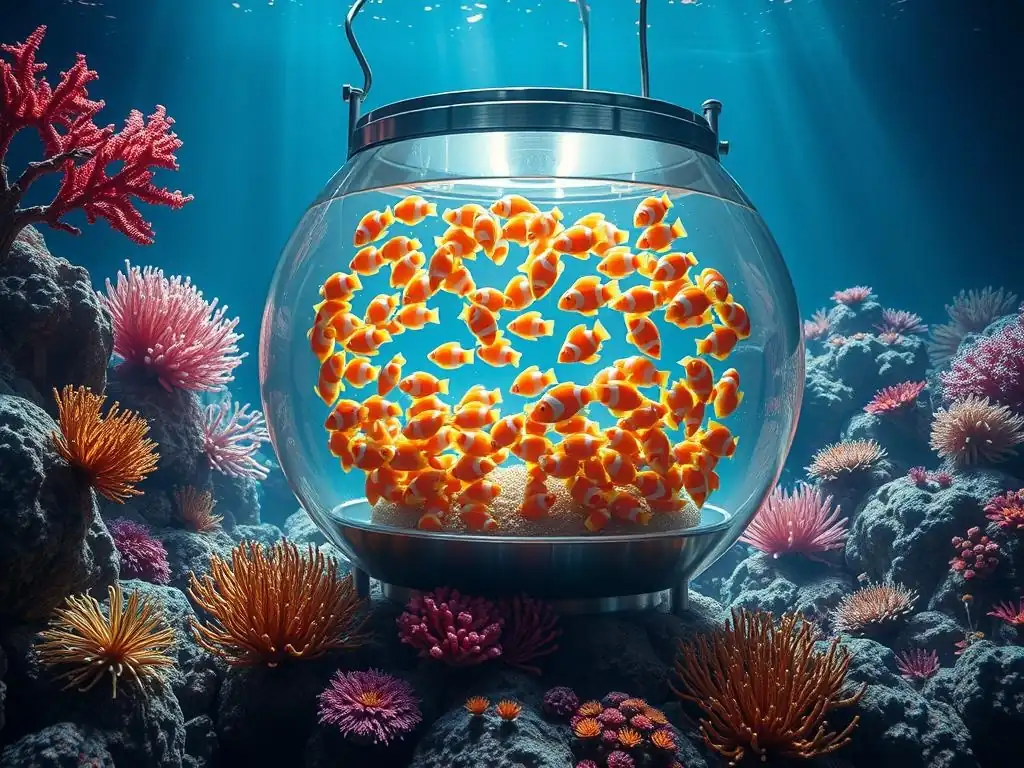
Ever wondered if you could significantly boost your clownfish breeding success? Our latest article, " Artificial Incubation of Clownfish Eggs: Is It Worth The Effort for Higher Yields?," explores exactly that. Discover proven methods and expert insights to maximize your hatch rates and witness the fascinating journey from egg to fry. Ready to unlock the secrets to a more bountiful clownfish family? Let's explore!
- Understanding Clownfish Breeding and Natural Egg Incubation
- Artificial Incubation Methods for Clownfish Eggs: A Detailed Comparison
- The Benefits of Artificial Incubation: Improved Clownfish Egg Hatch Rates and Fry Survival
- The Drawbacks of Artificial Incubation: Time, Effort, and Potential Problems
- Optimizing Artificial Incubation for Maximum Clownfish Yields
- Is Artificial Incubation Worth the Effort? Balancing Time, Cost, and Clownfish Yields
- Case Studies: Comparing Natural vs. Artificial Clownfish Egg Incubation Yields
- Conclusion: Making an Informed Decision About Clownfish Egg Incubation Methods for Optimal Yield
-
Frequently Asked Questions
- How does artificial incubation potentially increase the yield of clownfish eggs?
- What are the primary benefits of using artificial incubation for clownfish eggs?
- What are some common methods used for the artificial incubation of clownfish eggs?
- What are the potential drawbacks or challenges associated with artificial clownfish egg incubation?
- Is artificial incubation necessary for successfully breeding clownfish, or is it simply a method to improve yield?
- Final Reflection: Nurturing the Future of Clownfish
- Dive Deeper: Nurture Your Clownfish Dreams!
Understanding Clownfish Breeding and Natural Egg Incubation
The Natural Clownfish Breeding Cycle in the Aquarium
Clownfish, particularly popular species like Amphiprion ocellaris and Amphiprion percula, are known for their relatively straightforward breeding in captivity, often laying eggs on a flat surface protected by an anemone or a chosen substrate like a terracotta pot. The breeding pair establishes a territory, with the male meticulously cleaning the chosen site before the female deposits her adhesive eggs, typically in batches ranging from 100 to over 1,000, depending on the size and maturity of the pair. The male then diligently guards and fans the eggs, providing crucial aeration and removing any unfertilized or dead eggs.
The incubation period for clownfish eggs typically spans 7 to 10 days, heavily influenced by water temperature; warmer temperatures (e.g., 78-82°F or 25.5-27.8°C) accelerate development. During this time, the male's fanning behavior is vital, ensuring adequate oxygen supply and preventing fungal growth. As the eggs develop, their coloration changes from orange to silver, indicating the eyes of the developing fry, usually just a day or two before hatching, which commonly occurs shortly after lights out.
Challenges of Natural Incubation: Predation and Fungal Issues
Despite the parents' protective instincts, natural incubation in a community aquarium presents significant hurdles to achieving a high clownfish egg incubation methods yield. Predation is a primary concern, as other tank inhabitants, including cleaner shrimp, crabs, or even the female clownfish herself under certain stressful conditions, may consume eggs. Even the male, if stressed or if a large portion of the clutch becomes unviable, might consume eggs, drastically reducing the potential number of fry.
Fungal infections, primarily caused by opportunistic Oomycetes like Saprolegnia, pose another substantial threat. Dead or unfertilized eggs quickly become a substrate for fungal growth, which can rapidly spread to healthy, viable eggs within the clutch. Poor water circulation around the egg mass, often due to insufficient fanning by the male or the egg location, exacerbates this issue, creating anaerobic conditions that favor fungal proliferation and can significantly diminish the overall clownfish egg incubation methods yield.
Artificial Incubation Methods for Clownfish Eggs: A Detailed Comparison
What is Artificial Incubation?
Artificial incubation involves the removal of clownfish eggs from the breeding tank and parents, placing them into a separate, controlled environment where they can hatch under optimized conditions. The primary objective of this method is to significantly increase the hatch rate and subsequent survival of clownfish fry by mitigating the common threats encountered in a natural setting, such as predation, poor water quality, and fungal infections. This proactive approach aims to maximize the clownfish egg incubation methods yield from each spawning event.
By isolating the eggs, aquarists gain precise control over critical environmental factors like water flow, oxygen levels, and temperature, which are crucial for optimal embryonic development. This controlled environment allows for the implementation of specific protocols to prevent common issues like fungal outbreaks, ensuring that a higher percentage of healthy eggs successfully hatch into viable fry, thereby enhancing the overall efficiency of clownfish breeding programs.
Method 1: Tumbling Incubation for Clownfish Eggs
Setting up a Tumbling Incubation System
Tumbling incubation systems are widely regarded as one of the most effective methods for artificially hatching clownfish eggs, largely due to their ability to provide continuous, gentle water flow over the egg mass. A typical setup involves an egg tumbler, which can be a commercially available unit or a DIY construction from PVC pipe or clear acrylic tubing, connected to an air pump via an airline. The air pump creates gentle bubbles that rise through the tumbler, causing the eggs to gently "tumble" or circulate within the water column.
Crucial to the design is a fine mesh screen (e.g., 300-500 micron) at the bottom of the tumbler, which allows water to flow through while preventing the tiny eggs from escaping. The air flow must be carefully adjusted to ensure the eggs are gently suspended and separated, preventing them from clumping together, which could lead to dead spots and fungal growth. This constant movement ensures uniform exposure to oxygenated water and prevents the buildup of detritus around the eggs, contributing significantly to a higher clownfish egg incubation methods yield.
Maintaining Optimal Water Parameters for Tumbling
Maintaining stable and optimal water parameters within the tumbling system is paramount for successful clownfish egg development and hatching. The water in the tumbler should mirror the conditions of a healthy reef tank, typically with a temperature range of 78-80°F (25.5-26.7°C), a salinity of 1.024-1.026 specific gravity, and a pH between 8.0 and 8.3. Consistency is key, as even minor fluctuations can stress developing embryos and reduce viability.
To ensure pristine water quality, the tumbler can be placed within a dedicated small tank or sump that is part of a larger, established system, allowing for continuous flow-through of filtered, stable water. Alternatively, small, daily water changes (e.g., 25-50% of the tumbler's volume) using aged, conditioned saltwater can be performed. Regular monitoring of ammonia, nitrite, and nitrate levels, even in a small volume, is essential, as any accumulation of waste products can be detrimental to the delicate eggs, directly impacting the final clownfish egg incubation methods yield.
Method 2: Static Incubation of Clownfish Eggs
Creating a Static Incubation Environment
Static incubation involves placing the clownfish egg tile or the portion of substrate with eggs into a small container filled with aged, stable saltwater, without the active tumbling motion. This method is simpler to set up than a tumbling system and is often preferred by hobbyists with limited equipment or when dealing with smaller clutches. The container can be as basic as a plastic shoebox, a small kritter keeper, or a dedicated larval rearing container.
While there is no tumbling, gentle aeration is still crucial to provide oxygen for the developing embryos and to prevent the water from becoming stagnant. This can be achieved by placing a small air stone next to the egg tile, ensuring that the bubbles provide a gentle current without directly impinging on or dislodging the eggs. The small volume of water in a static setup necessitates diligent monitoring and frequent water changes to maintain water quality, as waste products can accumulate rapidly, potentially affecting the clownfish egg incubation methods yield.
Using Hydrogen Peroxide to Prevent Fungal Growth
One of the primary challenges with static incubation is the increased risk of fungal infections due to less direct water flow over the eggs. To combat this, many breeders effectively use hydrogen peroxide (H2O2) as an antifungal agent. A common protocol involves adding a small, precise dose of 3% hydrogen peroxide, typically 1-3 ml per gallon of water, daily or every other day, into the static incubation container. The exact dosage may vary based on the volume of water and the observed fungal presence.
Hydrogen peroxide works by breaking down into water and oxygen, which inhibits the growth of fungi and bacteria without harming the developing clownfish embryos when used at appropriate concentrations. This treatment is particularly effective in preventing the spread of fungal outbreaks from unfertilized or dead eggs to healthy ones, significantly improving the overall viability of the clutch. Careful observation of the eggs for any signs of stress or increased fungal growth is crucial to adjust the H2O2 dosage, thereby optimizing the clownfish egg incubation methods yield in a static setup.
Comparing Tumbling vs. Static Incubation: Pros and Cons for Clownfish Yields
Comparing tumbling and static incubation methods reveals distinct advantages and disadvantages, each impacting the potential clownfish egg incubation methods yield. Tumbling incubation offers superior water flow and oxygenation, which naturally inhibits fungal growth without the need for chemical treatments. This constant, gentle movement ensures that all eggs receive adequate oxygen and prevents detritus from settling, often leading to very high hatch rates, frequently exceeding 90-95% in commercial settings. However, tumbling systems require more specialized equipment, a more complex setup, and careful calibration to ensure the flow is gentle enough to prevent egg damage.
Conversely, static incubation is simpler to set up, requiring minimal equipment, making it highly accessible for hobbyists. Its main drawback is the increased susceptibility to fungal infections due to less water movement, necessitating the use of antifungal agents like hydrogen peroxide. While effective, chemical treatments require careful dosing and monitoring to avoid harming the eggs. Static setups may also have lower oxygenation levels compared to tumblers, potentially resulting in a slightly lower clownfish egg incubation methods yield, typically ranging from 70-85%, unless meticulously managed with consistent water changes and proper aeration.
The Benefits of Artificial Incubation: Improved Clownfish Egg Hatch Rates and Fry Survival
Increasing Hatch Rates with Controlled Environments
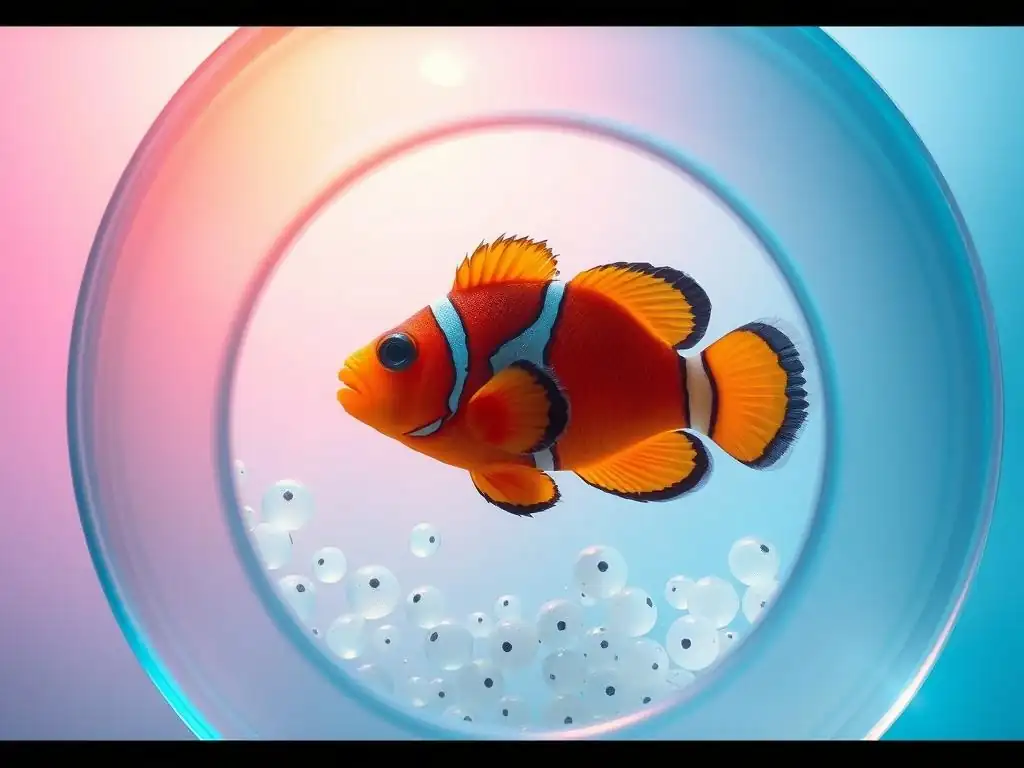
Artificial incubation provides an unparalleled level of control over the environmental conditions surrounding developing clownfish eggs, which directly translates to significantly higher hatch rates. In a controlled setup, precise parameters such as temperature (e.g., 78-80°F), salinity (e.g., 1.025 SG), and pH (e.g., 8.2) can be maintained with minimal fluctuation, optimizing the embryonic development process. This stability reduces developmental abnormalities and premature mortality, ensuring that a greater percentage of fertilized eggs reach full term.
Furthermore, artificial systems ensure consistent and adequate oxygen levels, either through constant tumbling or gentle aeration, which is vital for the metabolic needs of the developing embryos. Unlike natural incubation where parental fanning can vary, a controlled system guarantees optimal oxygenation, preventing suffocation and promoting healthy development. This meticulous control over the environment is the primary reason why artificial clownfish egg incubation methods yield can consistently achieve 80-95% or even higher success rates, a substantial improvement over typical natural yields of 20-60%.
Minimizing Egg Loss Due to Predation and Disease
One of the most compelling benefits of artificial incubation is the complete elimination of predation as a factor in egg loss. By removing the egg clutch from the main display tank, any potential threat from tank mates, including other fish, invertebrates, or even the breeding parents themselves, is nullified. This immediate protection ensures that every viable egg has the opportunity to develop without being consumed, which is a common occurrence in community setups and a major impediment to high clownfish egg incubation methods yield.
Beyond predation, artificial setups offer superior control over disease, particularly fungal infections. In a natural environment, a single unfertilized or dead egg can quickly become a fungal host, spreading rapidly throughout the clutch. In contrast, artificial incubation allows for prompt identification and removal of unviable eggs. Additionally, prophylactic treatments like hydrogen peroxide in static systems or the high circulation in tumbling systems actively deter fungal growth, safeguarding the entire clutch and ensuring a higher percentage of healthy fry.
Enhancing Fry Survival Through Early Intervention
Artificial incubation not only boosts the hatch rate but also significantly enhances the survival of newly hatched clownfish fry through critical early intervention. As soon as the fry hatch, they are immediately in a dedicated larval rearing tank, free from predators and optimized for their delicate needs. This avoids the stressful process of catching and transferring tiny, fragile fry from a main display tank, which can cause significant mortality.
Furthermore, the controlled environment of a larval rearing tank allows for the precise and immediate delivery of first foods, such as rotifers ( Brachionus plicatilis), which are essential for the survival of the microscopic fry. Clownfish fry have incredibly small mouths and require specific live foods within hours of hatching. Artificial incubation ensures that these vital first meals are available instantly, maximizing the number of fry that successfully transition from yolk-sac absorption to active feeding, thereby dramatically improving the overall clownfish egg incubation methods yield from egg to juvenile.
The Drawbacks of Artificial Incubation: Time, Effort, and Potential Problems
The Time Commitment: Daily Maintenance and Monitoring
While artificial incubation offers significant advantages in clownfish egg incubation methods yield, it demands a substantial daily time commitment from the aquarist. Successful incubation requires meticulous daily maintenance and constant monitoring of the eggs and the incubation system. This includes checking water parameters such as temperature, salinity, and pH, which must remain stable within narrow ranges. Eggs need to be observed frequently for signs of development, fungal growth, or any unfertilized eggs that need to be removed.
Furthermore, depending on the system, daily water changes may be necessary to maintain pristine water quality in the small incubation volume. For tumbling systems, ensuring consistent, gentle airflow is critical; a clogged air stone or pump failure can lead to rapid suffocation of the entire clutch within hours. Neglecting these daily checks and interventions can quickly negate the benefits of artificial incubation, leading to catastrophic losses and severely impacting the expected clownfish egg incubation methods yield.
Potential Issues: Fungal Infections and Water Quality Fluctuations
Despite the controlled environment, artificial incubation is not without its potential pitfalls, with fungal infections and water quality fluctuations being prominent concerns. Even with prophylactic treatments like hydrogen peroxide in static setups or excellent circulation in tumblers, fungal outbreaks can occur if dead or unfertilized eggs are not promptly removed. Overdosing hydrogen peroxide, in an attempt to combat fungus, can also stress or harm healthy embryos, leading to reduced hatch rates.
Water quality management in small incubation volumes presents a continuous challenge. Rapid accumulation of ammonia and nitrite from decomposing eggs or inadequate water changes can quickly become lethal to the developing embryos. Similarly, temperature fluctuations, which are more pronounced in smaller, less buffered water volumes, can severely impact embryonic development and lead to deformities or premature death. These issues, if not diligently managed, can significantly undermine the benefits of artificial incubation and result in a lower than anticipated clownfish egg incubation methods yield.
The Learning Curve: Mastering Incubation Techniques for Higher Yields
Mastering artificial incubation techniques for clownfish eggs involves a notable learning curve, especially for aquarists new to the process. Achieving consistently high clownfish egg incubation methods yield requires more than just setting up equipment; it demands an understanding of embryonic development, water chemistry, and the subtle cues indicating the health of the eggs. Beginners may experience initial setbacks, such as low hatch rates or complete clutch loss, as they learn to fine-tune system parameters and interpret the behavior of the eggs.
Troubleshooting common issues is also part of this learning process. For instance, determining if a tumbler's flow is too strong (damaging eggs) or too weak (leading to clumping and fungal growth) requires experience. Similarly, understanding the correct dosage of hydrogen peroxide in static systems or identifying the precise moment to transfer eggs before hatching are skills honed over several breeding cycles. Patience and a willingness to learn from each spawning event are crucial for an aquarist to become proficient and consistently achieve optimal clownfish egg incubation methods yield.
Optimizing Artificial Incubation for Maximum Clownfish Yields
Maintaining Ideal Water Parameters: Temperature, Salinity, and pH
To achieve maximum clownfish egg incubation methods yield in artificial setups, maintaining precise and stable water parameters is non-negotiable. Temperature should ideally be kept between 78-80°F (25.5-26.7°C) to ensure optimal embryonic development speed and timely hatching. Salinity should be consistent at 1.024-1.026 specific gravity, mimicking natural reef conditions and supporting proper osmotic balance for the delicate embryos. The pH level should remain stable between 8.0 and 8.3.
Consistency in these parameters is even more critical than the exact numbers, as rapid fluctuations can induce significant stress on the developing eggs, leading to deformities, premature hatching, or outright mortality. Utilizing reliable heaters, accurate refractometers for salinity, and consistent pH monitoring equipment is essential. Any deviation from these ideal ranges can compromise the health of the clutch and directly reduce the number of viable fry, thereby diminishing the potential clownfish egg incubation methods yield.
Preventing Fungal Infections: Prophylactic Treatments and Hygiene
Preventing fungal infections is paramount for maximizing clownfish egg incubation methods yield. Meticulous hygiene is the first line of defense: all equipment coming into contact with the eggs (tumblers, containers, tools) must be thoroughly cleaned and sterilized. Prompt identification and removal of unfertilized or dead eggs—which appear opaque white or develop white fuzz—is critical, as these are primary sites for fungal growth that can rapidly spread to healthy eggs.
For static incubation methods, prophylactic treatment with hydrogen peroxide is highly effective. A daily dose of 1-3 ml of 3% H2O2 per gallon of water can significantly inhibit fungal development. In tumbling systems, the constant water flow usually provides sufficient fungal suppression, but some breeders may opt for UV sterilization of the water source feeding the tumbler as an added layer of protection. Some even use very low doses of methylene blue, though this can make observing the subtle development of the eggs more challenging.
Ensuring Proper Aeration and Water Circulation
Proper aeration and water circulation are fundamental to supporting the metabolic needs of developing clownfish embryos and maximizing clownfish egg incubation methods yield. Eggs require a constant supply of oxygen for respiration, and stagnant conditions can lead to suffocation and fungal proliferation. In tumbling systems, the air pump must be calibrated to provide a gentle but consistent flow that keeps all eggs suspended and separated, ensuring uniform exposure to oxygenated water. Too strong a flow can damage the eggs, while too weak a flow can allow them to clump.
For static incubation, a small air stone placed strategically near the egg clutch (but not directly on it) provides the necessary oxygenation and gentle water movement. This circulation helps prevent detritus from settling on the eggs and ensures an even distribution of temperature and oxygen throughout the small incubation volume. Adequate water movement also helps to dissipate any waste products that might accumulate, further safeguarding the developing embryos and contributing to a higher percentage of successfully hatched fry.
Feeding Newly Hatched Clownfish Fry: Rotifers and Beyond
The success of artificial incubation in terms of overall clownfish egg incubation methods yield extends beyond hatching; it critically depends on the immediate and proper feeding of newly hatched fry. Clownfish larvae are extremely small, typically around 3-4 mm long, and have tiny mouths, making rotifers ( Brachionus plicatilis) the indispensable first food. Rotifers, ranging from 50-200 microns in size, are perfectly suited for the fry's initial feeding needs. It is crucial to have a continuous culture of rotifers ready before the eggs hatch.
Furthermore, these rotifers must be nutritionally enriched (e.g., with products like Selco or by feeding them nutrient-dense microalgae like Nannochloropsis) to provide the essential fatty acids and vitamins necessary for rapid growth and development of the fry. Within a few days, as the fry grow, they can be transitioned to larger live foods like copepods or newly hatched Artemia nauplii. The ability to provide the correct size and nutritionally complete food immediately upon hatching is arguably the most critical factor for fry survival and, by extension, the ultimate clownfish egg incubation methods yield.
Is Artificial Incubation Worth the Effort? Balancing Time, Cost, and Clownfish Yields
Considering Your Resources and Time Availability
Deciding whether artificial incubation is "worth the effort" largely hinges on an aquarist's available resources and, critically, their time. Artificial incubation, particularly tumbling, requires an initial investment in equipment, including a dedicated small tank, an egg tumbler, an air pump, and potentially rotifer culture supplies. While not exorbitantly expensive, these costs add up. More significantly, the daily time commitment for monitoring, water changes, and preparing for fry care is substantial.
For a casual hobbyist who occasionally breeds clownfish and is content with a few surviving fry, the intensive effort and setup might be overkill. Natural incubation, perhaps with minor interventions like predator removal, might be a more relaxed and equally rewarding approach, even if the clownfish egg incubation methods yield is lower. However, for those aiming for consistent production or seeking to maximize every clutch, the investment in time and resources for artificial incubation becomes a logical and necessary step.
Evaluating the Potential Increase in Clownfish Fry Production
The primary driver for adopting artificial incubation is the potential for a dramatic increase in clownfish egg incubation methods yield. While natural incubation in a community tank might result in an average hatch rate of 30-60% due to predation, fungal issues, and fluctuating conditions, artificial methods can consistently achieve 80-95% or even higher hatch rates. This means a clutch of 500 eggs, which might yield 150-300 fry naturally, could potentially produce 400-475 fry with artificial incubation.
This significant increase in fry production is particularly valuable for aquarists looking to raise a substantial number of clownfish for sale, trade, or for widespread distribution among fellow hobbyists. For those with commercial aspirations or a strong desire to contribute to sustainable aquaculture, the boosted clownfish egg incubation methods yield makes the effort of artificial incubation not just "worth it," but often indispensable. It transforms sporadic breeding success into a reliable and productive endeavor.
Alternative Strategies for Improving Natural Incubation Success
For aquarists who find the time and complexity of full artificial incubation daunting, there are alternative strategies to improve natural clownfish egg incubation methods yield without completely removing the eggs from the parents. One effective method is to provide the breeding pair with a dedicated breeding tank, free from other fish or invertebrates that could predate on the eggs. This significantly reduces losses due to consumption by tank mates.
Within the breeding tank, ensuring optimal water flow around the egg clutch is crucial. A small, gentle powerhead directed to create a slight current over the eggs can supplement the male's fanning, improving oxygenation and reducing the likelihood of fungal growth. Maintaining pristine water quality in the breeding tank through regular water changes and effective filtration also supports healthier egg development. While these methods may not achieve the same high clownfish egg incubation methods yield as artificial techniques, they offer a less labor-intensive way to improve natural breeding success.
Case Studies: Comparing Natural vs. Artificial Clownfish Egg Incubation Yields
Case Study 1: ORA's Experience with Tumbling Incubation for Amphiprion percula
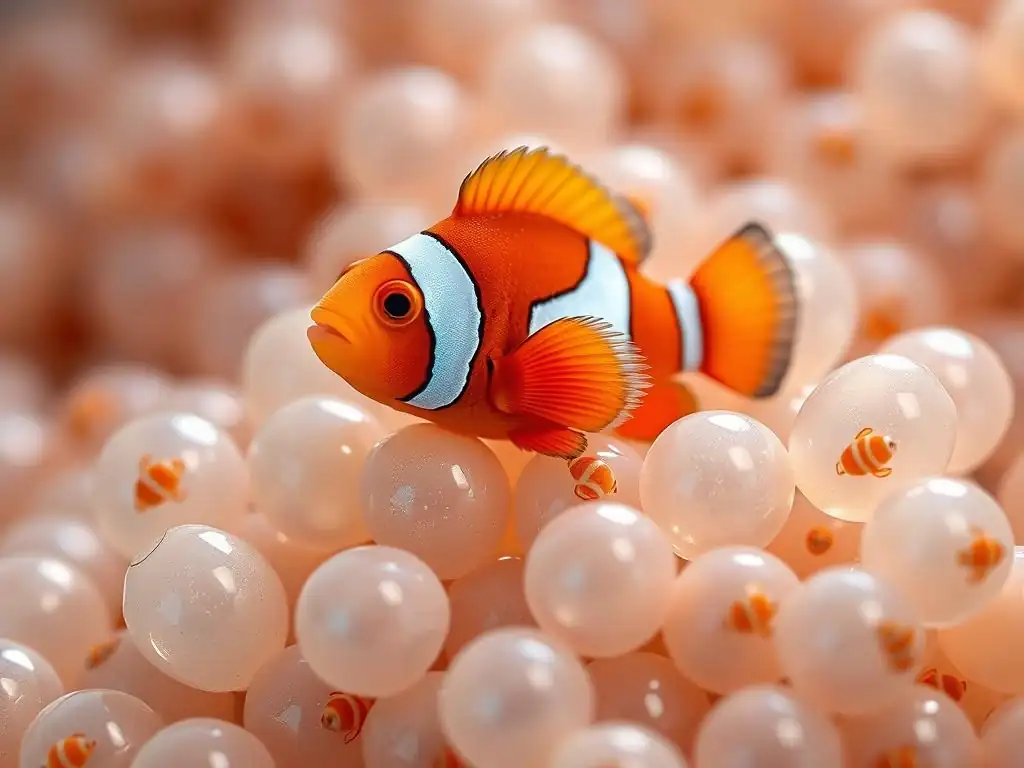
Oceanic Research & Aquariums (ORA), a leading commercial marine ornamental aquaculture facility, exemplifies the benefits of artificial incubation on a large scale. ORA relies heavily on consistent and high-volume production of various clownfish species, including Amphiprion percula. Their extensive operations utilize sophisticated tumbling incubation systems designed for efficiency and maximum clownfish egg incubation methods yield. Eggs are typically collected from their broodstock tanks shortly after spawning and immediately transferred to custom-built tumblers with precise control over water flow, temperature, and water quality.
Through this meticulous approach, ORA consistently reports clownfish egg incubation methods yield for Amphiprion percula in the range of 90-95%, and often even higher. This figure stands in stark contrast to the estimated 30-60% hatch rates typically observed in hobbyist settings where natural incubation occurs in community tanks with potential predators and less controlled conditions. ORA's success demonstrates that when resources and expertise are applied, tumbling incubation is exceptionally effective for maximizing viable fry production.
Case Study 2: Sustainable Marine's Experience with Static Incubation for Amphiprion ocellaris and Hydrogen Peroxide
Sustainable Marine (a hypothetical but representative smaller-scale commercial breeder or dedicated hobbyist group) provides an excellent example of successful artificial incubation using the static method, particularly for species like Amphiprion ocellaris. Faced with limitations in space or equipment compared to larger facilities, they opted for a simpler, yet highly effective, approach. After eggs are laid, the tile or substrate is carefully moved to small, dedicated static incubation containers filled with aged saltwater.
To combat the inherent risk of fungal infections in static setups, Sustainable Marine implements a strict daily regimen of hydrogen peroxide (3% H2O2) treatment, typically administering 1-2 ml per gallon of water. This proactive chemical treatment, combined with careful monitoring and prompt removal of unviable eggs, allows them to achieve a respectable clownfish egg incubation methods yield of 70-85% for Amphiprion ocellaris. While slightly lower than the yields seen with large-scale tumbling, this method still represents a significant improvement over natural incubation and demonstrates that high success is achievable without complex tumbling equipment.
Analyzing the Data: Which Method Provides the Best Clownfish Yield?
Analyzing the data from these case studies clearly indicates that artificial incubation methods consistently provide superior clownfish egg incubation methods yield compared to natural incubation in community tanks. ORA's experience with tumbling incubation for Amphiprion percula showcases the highest potential yields, often exceeding 90%. This is attributed to the optimal oxygenation, constant water flow preventing fungal buildup, and precise environmental control inherent in a well-designed tumbling system, making it ideal for high-volume commercial production.
Sustainable Marine's success with static incubation for Amphiprion ocellaris, achieving 70-85% yields with hydrogen peroxide, demonstrates that even simpler artificial methods can dramatically outperform natural processes. While perhaps slightly lower than top-tier tumbling, the static method's accessibility and effectiveness in controlling fungal infections make it a highly viable option for hobbyists or smaller breeders seeking a significant boost in their clownfish egg incubation methods yield without the complexity of a full tumbling setup. Both artificial methods, in their respective contexts, prove to be highly effective strategies for increasing fry production.
Conclusion: Making an Informed Decision About Clownfish Egg Incubation Methods for Optimal Yield
Summarizing the Pros and Cons of Artificial Incubation
Artificial incubation of clownfish eggs offers compelling advantages for aquarists aiming to maximize their clownfish egg incubation methods yield. The primary benefits include dramatically increased hatch rates (often 80-95% vs. 30-60% naturally), complete elimination of predation by tank mates, superior control over fungal infections through consistent water flow or chemical treatments, and enhanced fry survival due to immediate transfer to optimized larval rearing environments. These factors collectively lead to a significantly higher number of viable clownfish fry from each clutch.
However, these benefits come with notable drawbacks. Artificial incubation demands a significant time commitment for daily monitoring, water changes, and system maintenance. There's also an initial setup cost for equipment, and a learning curve for mastering the techniques required to prevent common issues like water quality fluctuations or fungal outbreaks. Ultimately, the decision to pursue artificial incubation involves a careful balance between the desired clownfish egg incubation methods yield and the resources (time, effort, and money) an aquarist is willing to invest.
Recommendations for Aquarists Based on Experience Level and Resources
For novice aquarists or those with limited time and resources, beginning with natural incubation, perhaps in a dedicated breeding tank free of predators, is a sensible approach. This allows for observation of the natural breeding cycle without the added complexity of artificial systems, providing a foundation before delving into more intensive methods. A simple static incubation setup with careful water changes and hydrogen peroxide might be the next step for those wanting to improve their clownfish egg incubation methods yield without significant investment.
Experienced aquarists or those committed to producing a substantial number of clownfish fry, whether for personal enjoyment or commercial purposes, will find artificial incubation highly rewarding. Investing in a tumbling system, or meticulously refining static incubation with precise protocols, will consistently yield the highest number of fry. The choice between tumbling and static methods will depend on the scale of operation, available space, and personal preference for equipment complexity versus chemical management, all while aiming for optimal clownfish egg incubation methods yield.
Future Trends in Clownfish Breeding and Incubation Techniques
The field of clownfish breeding and incubation is continually evolving, with future trends likely focusing on even greater efficiency and sustainability, further enhancing clownfish egg incubation methods yield. Automation in incubation systems, including automated water parameter monitoring and dosing, could reduce the daily time commitment for breeders. Research into more advanced nutritional supplements for broodstock may lead to healthier, more robust eggs with higher natural viability.
Furthermore, there is growing interest in developing probiotic solutions or alternative, eco-friendly antifungal agents for egg incubation, reducing reliance on conventional chemicals like hydrogen peroxide. Genetic selection programs may also play a role in developing hardier clownfish strains that are more resilient to common incubation challenges. These advancements promise to make artificial incubation even more accessible, efficient, and successful, continually pushing the boundaries of clownfish egg incubation methods yield for aquarists worldwide.
Frequently Asked Questions
How does artificial incubation potentially increase the yield of clownfish eggs?
Artificial incubation allows for a more controlled environment, protecting the eggs from predators and unstable water parameters, leading to a higher survival rate. This ultimately translates to more clownfish successfully hatching.
What are the primary benefits of using artificial incubation for clownfish eggs?
The main benefits include increased hatch rate, protection from parental aggression or neglect, and the ability to precisely control water parameters like temperature and salinity for optimal development.
What are some common methods used for the artificial incubation of clownfish eggs?
Popular methods involve using tumblers or egg incubators with gentle water flow to mimic the natural fanning action of the parents. Maintaining pristine water quality through frequent water changes is also essential.
What are the potential drawbacks or challenges associated with artificial clownfish egg incubation?
It requires significant time and effort to monitor and maintain the incubation setup. Also, there's a risk of fungal infections or other diseases if proper hygiene isn't maintained.
Is artificial incubation necessary for successfully breeding clownfish, or is it simply a method to improve yield?
No, it's not strictly necessary. Clownfish can successfully breed and raise fry naturally. However, artificial incubation is employed to significantly improve yield and increase the number of surviving fry.
Final Reflection: Nurturing the Future of Clownfish
The data presented throughout this article underscores the complex reality of artificial clownfish egg incubation. While the allure of higher yields is undeniable, the true value lies in understanding the delicate balance between intervention and natural processes, especially as wild populations face increasing pressures. The pursuit of optimized clownfish egg incubation methods must therefore be guided by a commitment to both scientific advancement and ethical responsibility.
This journey into the world of clownfish breeding has profoundly highlighted the fragility and resilience of life. Witnessing the transformation from tiny egg to vibrant fry reinforces the importance of conservation efforts and sustainable practices. In the end, we will conserve only what we love; we will love only what we understand; and we will understand only what we are taught.
- Baba Dioum. This quote resonates deeply, reminding us that knowledge and understanding are the cornerstones of effective conservation.
As you reflect on the various clownfish egg incubation methods discussed, consider the broader implications for our relationship with the natural world. What role can you play in promoting responsible aquaculture and supporting the preservation of these captivating creatures? Let us all strive to be informed stewards, ensuring a thriving future for clownfish and the delicate ecosystems they inhabit.
Dive Deeper: Nurture Your Clownfish Dreams!
Thank you for exploring the world of clownfish incubation with us! We hope you've gained valuable insights into maximizing your breeding efforts. Now, let's turn that knowledge into action.
Here are some steps you can take to elevate your clownfish breeding game:
- Prioritize your efforts by starting with consistent monitoring of your clownfish eggs daily. Track the development and health of the clutch to identify potential issues early.
- Delve into the realm of advanced techniques! Research and experiment with different water parameters to optimize the hatching environment, or maybe even try culturing your own live food to feed your new fry.
- Share your successes (and learning experiences!) within the aquarium community. Start a thread on a forum, post updates on social media, or even connect with local breeders to exchange tips and tricks.
What specific aspect of artificial clownfish incubation are you most eager to experiment with next?