
Anemone Care 101: Keeping Your Clownfish's Host Healthy & Thriving

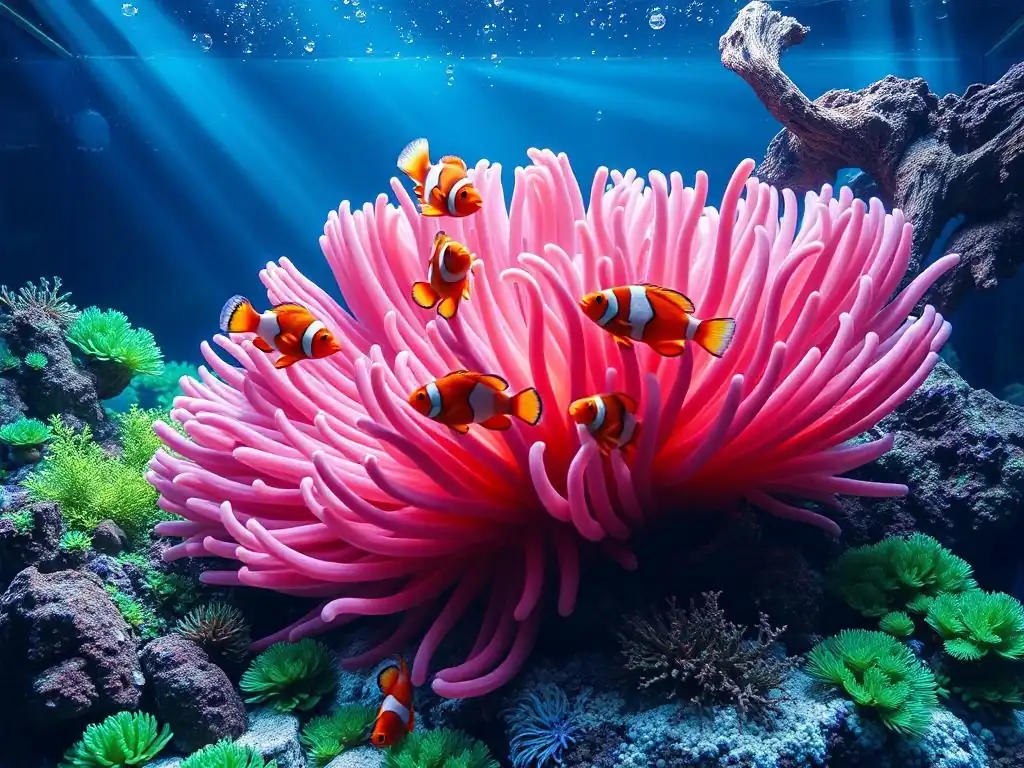
Welcome to Aquarium Mastery!
Ever wondered how to create the perfect symbiotic relationship between your clownfish and anemone? Dive into our comprehensive Anemone Care 101 guide and unlock the secrets to keeping your clownfish's host healthy and thriving. Learn everything from choosing the right anemone to mastering water parameters – are you ready to create a slice of the reef in your own home? Let's get started!
- Anemone Care: Ensuring a Healthy Host for Clownfish
- Understanding the Clownfish-Anemone Symbiosis
- Creating the Optimal Anemone Tank Environment
- Feeding Your Anemone: Meeting Nutritional Needs
- Anemone Care: Best Practices
- Clownfish and Anemone Compatibility: Successful Pairing
- Advanced Anemone Care: Maintaining Long-Term Health
- Troubleshooting Common Anemone Problems
- Anemone Care Checklist
- Frequently Asked Questions
- Final Reflection: Nurturing Symbiosis
- Nurture Your Anemone: Unlock a Thriving Reef!
Anemone Care: Ensuring a Healthy Host for Clownfish
Understanding the Clownfish-Anemone Symbiosis
The Benefits of Anemones for Clownfish Well-being
The relationship between clownfish and their host anemones is one of the most iconic examples of symbiosis in the marine world, offering significant advantages to the clownfish. Anemones provide a safe haven, protecting clownfish from predators such as larger wrasses, groupers, and even other aggressive damselfish species that would otherwise consume them. The clownfish's unique mucus layer allows it to avoid the anemone's stinging nematocysts, effectively making the anemone a living fortress. Beyond protection, the anemone also serves as a secure territory, reducing stress for the clownfish and providing a consistent food source from the anemone's leftovers.
This protective environment is crucial for the clownfish's overall health and well-being, directly impacting their longevity and reproductive success in an aquarium setting. A clownfish that feels secure in its host anemone is less prone to stress-related diseases, exhibits more natural behaviors, and is more likely to thrive and potentially breed. For aquarists aiming to create a natural and harmonious ecosystem, understanding this mutualistic bond is paramount to providing the best Clownfish anemone care guide possible.
Popular Anemone Species for Hosting Clownfish
While many species of anemones exist in the ocean, only a select few are commonly kept in home aquariums and are known to host clownfish. It's important to note that not all clownfish will host in every suitable anemone species, and captive-bred clownfish may sometimes even host in non-anemone corals or not host at all. The choice of anemone depends heavily on the aquarist's experience level and the tank's specific conditions.
Among the most popular and relatively hardy options for a Clownfish anemone care guide, the Bubble Tip Anemone (BTA) stands out due to its vibrant colors and strong hosting instinct for many common clownfish species. Other viable options, though often more challenging, include the Long Tentacle Anemone and the Magnificent Anemone, each with its own unique care requirements that must be met to ensure a healthy and thriving host for your clownfish.
Bubble Tip Anemone (BTA) Care
The Bubble Tip Anemone ( Entacmaea quadricolor) is arguably the most popular host anemone for clownfish in the aquarium hobby, known for its distinctive bulbous tentacle tips (though they may not always "bubble" depending on conditions). These anemones come in a variety of colors, including rose, green, purple, and even rainbow morphs, adding significant aesthetic appeal to a reef tank. Their popularity stems from their relatively hardy nature compared to other host anemones and their strong affinity for hosting various clownfish species, including Ocellaris and Percula clowns.
For optimal BTA health, providing moderate to high lighting is crucial, typically in the range of 150-300 PAR (Photosynthetically Active Radiation) from full-spectrum LEDs or T5s. They also require moderate, indirect water flow to prevent detritus buildup and deliver nutrients without causing physical damage. A mature aquarium (at least 6-9 months old) with stable water parameters is essential, as BTAs are sensitive to fluctuations. They can grow up to 12 inches in diameter and are known to split, potentially leading to multiple anemones in a well-established tank.
Long Tentacle Anemone (LTA) Care
The Long Tentacle Anemone ( Macrodactyla doreensis) is another suitable host, particularly for Ocellaris and Percula clownfish, though it demands specific environmental conditions. As its name suggests, this anemone features long, tapering tentacles that can reach lengths of 6-8 inches. Unlike BTAs that often attach to rockwork, LTAs typically prefer to bury their foot in a deep sand bed, with only their tentacles exposed to the water column. This burrowing behavior provides stability and protection for the anemone.
To successfully keep an LTA, a minimum sand bed depth of 4-6 inches is recommended, allowing the anemone to fully bury its foot. They generally require moderate lighting, typically around 100-200 PAR, and moderate, consistent water flow that isn't too turbulent. LTAs are less prone to moving around the tank once they find a suitable spot, which can be a significant advantage. However, like all anemones, they require pristine water quality and a well-established tank to thrive, making them a good consideration for a comprehensive Clownfish anemone care guide.
Magnificent Anemone (Ritteri) Care
The Magnificent Anemone ( Heteractis magnifica), often referred to as a Ritteri anemone, is a truly stunning and large host anemone, capable of reaching diameters of up to 3 feet in the wild. Its vibrant colors, often pink, purple, or green, and its ability to host a wide range of clownfish species (including Maroons, Ocellaris, and Perculas) make it highly desirable. However, its immense size and demanding care requirements place it firmly in the advanced aquarist category, making it unsuitable for most beginner or intermediate setups.
Ritteri anemones require extremely high lighting, often exceeding 300-500 PAR, and very strong, turbulent water flow to mimic their natural habitat on exposed reef crests. A very large, mature aquarium, typically 100 gallons or more, is essential to accommodate their potential size and provide the necessary stable environment. They are highly sensitive to water quality fluctuations and demand consistent parameters. Due to their advanced needs, careful consideration is vital before attempting to keep a Magnificent Anemone as part of your Clownfish anemone care guide.
Creating the Optimal Anemone Tank Environment
Recommended Tank Size for Anemones and Clownfish
The appropriate tank size for housing anemones and their clownfish hosts is a critical factor in their long-term health and stability. While a small Bubble Tip Anemone might initially fit into a 30-gallon tank, it's important to remember that anemones can grow significantly, often reaching 10-12 inches in diameter. Housing a growing anemone in an undersized tank can lead to issues such as stinging nearby corals, inadequate space for the clownfish, and rapid depletion of essential nutrients.
For most common host anemones like Bubble Tip Anemones, a minimum tank size of 50-75 gallons is generally recommended to provide ample space for growth, stable water parameters, and sufficient rockwork for attachment. Larger species like the Magnificent Anemone require significantly more volume, ideally 100 gallons or more, due to their impressive adult size. Furthermore, the tank should be well-established, ideally running for at least 6-9 months, to ensure a stable biological filter and mature microfauna, which are crucial for anemone success in any Clownfish anemone care guide.
Essential Equipment for Anemone Success
Successfully maintaining an anemone in a home aquarium necessitates specific, high-quality equipment to replicate their natural environment and ensure their complex needs are met. Beyond the basic filtration system, specialized gear is required to provide the appropriate lighting, water flow, and water chemistry stability that anemones demand. Investing in reliable equipment from the outset can prevent many common problems and contribute significantly to the longevity of your anemone.
Key equipment includes robust lighting fixtures capable of delivering the necessary PAR levels for photosynthetic anemones, powerful wavemakers or powerheads to create diverse water flow patterns, and a highly efficient protein skimmer to remove organic waste. Additionally, precise heaters are crucial for temperature stability, and a reliable auto top-off (ATO) system helps maintain consistent salinity. These components work in concert to create the stable, high-quality environment essential for a thriving anemone and a comprehensive Clownfish anemone care guide.
Lighting Requirements for Anemone Photosynthesis
A significant portion of an anemone's nutritional needs is met through photosynthesis, facilitated by symbiotic zooxanthellae algae living within its tissues. Therefore, providing appropriate lighting is one of the most critical aspects of anemone care. Insufficient lighting can lead to starvation and bleaching, while excessive or sudden changes in lighting can also cause severe stress. Understanding the specific PAR requirements for your chosen anemone species is vital.
For example, Bubble Tip Anemones typically thrive under moderate to high light, requiring PAR levels between 150-300. Long Tentacle Anemones prefer slightly less intense lighting, usually in the 100-200 PAR range, especially if they are burying their foot. Magnificent Anemones, on the other hand, demand very high intensity, often needing 300-500+ PAR. Modern LED fixtures with controllable spectrum and intensity are ideal for tailoring light to specific anemone needs, allowing for gradual acclimation over several weeks to prevent shock and ensure a successful Clownfish anemone care guide.
Maintaining Water Flow and Filtration for Anemones
Water flow is another indispensable element for anemone health, playing multiple vital roles in their survival and well-being. Proper flow ensures that essential nutrients and food particles are delivered directly to the anemone's tentacles, facilitates the removal of waste products from its tissues, and prevents detritus from settling on its delicate body. Too little flow can lead to stagnation and poor health, while excessively strong, direct flow can physically damage the anemone's tissues, causing tears or preventing it from attaching properly.
Most anemones thrive in moderate, turbulent, or random flow patterns rather than strong, laminar flow. Powerheads or wavemakers strategically placed in the tank can create the necessary varied water movement. In terms of filtration, a robust system is paramount. A high-quality protein skimmer is essential for removing dissolved organic compounds before they break down into nitrates and phosphates, which can be detrimental to anemone health. Live rock and a deep sand bed also contribute significantly to biological filtration, helping to maintain pristine water quality, a cornerstone of any effective Clownfish anemone care guide.
Maintaining Stable Water Chemistry for Anemones
Anemones are highly sensitive to fluctuations in water chemistry, and maintaining stable parameters is arguably the most crucial aspect of their long-term care. Unlike fish, anemones cannot easily escape adverse conditions, making consistent water quality paramount. Regular testing and proactive adjustments are necessary to ensure the water parameters remain within optimal ranges, preventing stress, disease, and potential mortality.
Key parameters to monitor include salinity, temperature, pH, alkalinity, calcium, and magnesium. Using reliable test kits (e.g., from brands like Salifert, Red Sea, or Hanna Instruments) on a weekly or bi-weekly basis is highly recommended. Any adjustments should be made slowly and incrementally to avoid shocking the anemone. Consistency is far more important than hitting exact target numbers, as sudden swings can be more damaging than slightly off but stable parameters.
Salinity, Temperature, and pH for Anemones
For anemones to thrive, maintaining precise and stable ranges for salinity, temperature, and pH is absolutely critical. Salinity should consistently be between 1.024 and 1.026 specific gravity (or 34-35 parts per thousand), mirroring natural oceanic conditions. Fluctuations in salinity can cause osmotic stress, leading to tissue damage and a decline in health. Using a high-quality refractometer for accurate measurement and an auto top-off system to compensate for evaporation are highly recommended for stability.
Temperature should be kept within a narrow range of 76-78°F (24.4-25.5°C). Anemones are particularly susceptible to heat stress, which can lead to bleaching, especially if temperatures rise above 80°F for prolonged periods. Reliable heaters with temperature controllers are essential. The pH level should ideally be maintained between 8.0 and 8.4. While pH can naturally fluctuate throughout the day, dramatic or prolonged drops can stress anemones and hinder their metabolic processes. Consistent testing and proper aeration are key to pH stability in a Clownfish anemone care guide.
The Role of Water Changes in Anemone Health
Regular water changes are an indispensable component of maintaining optimal water quality for anemones and overall reef tank health. While robust filtration systems like protein skimmers remove organic waste, water changes serve to dilute accumulated nitrates and phosphates, which can become toxic at high levels, and replenish essential trace elements that are consumed by corals, invertebrates, and the anemone itself. This replenishment is vital for the anemone's metabolic functions and overall vitality.
A typical recommendation for a mature reef tank housing an anemone is a 10-20% water change weekly or bi-weekly, depending on the bioload and nutrient export capabilities of the system. It is crucial to use high-quality, synthetic marine salt mixed with purified RO/DI (Reverse Osmosis/Deionized) water to ensure no unwanted contaminants are introduced. Always match the salinity and temperature of the new water to the tank water as closely as possible to prevent shocking the anemone during the change, solidifying a comprehensive Clownfish anemone care guide.
Feeding Your Anemone: Meeting Nutritional Needs
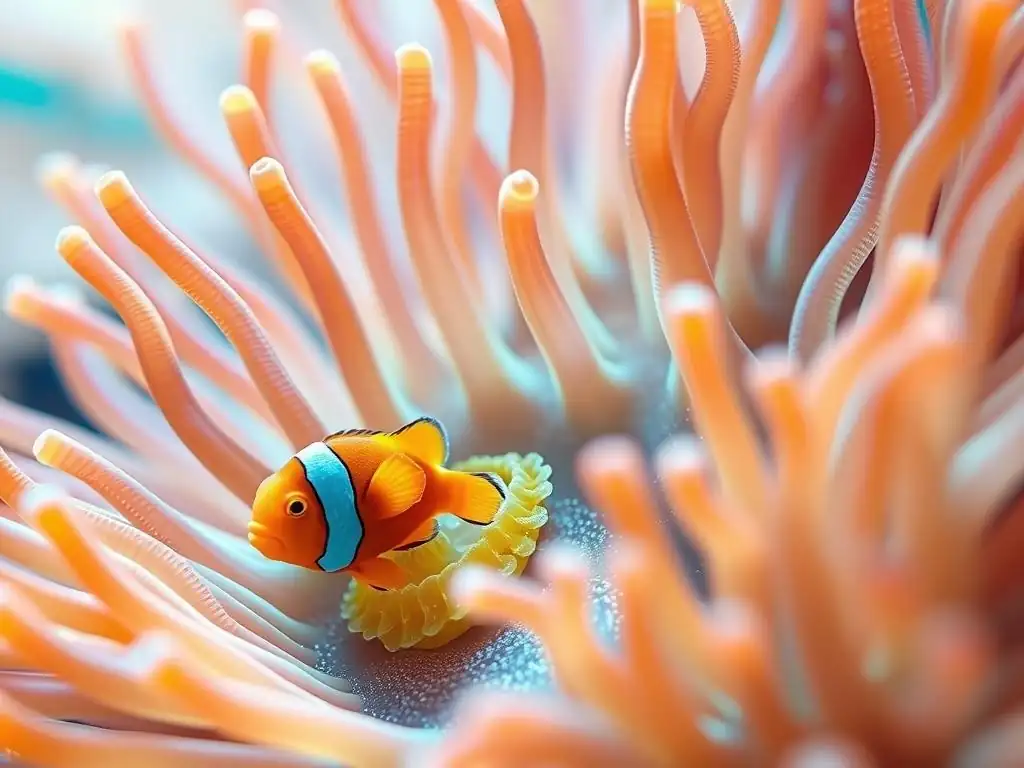
Anemone Diet: Understanding Their Nutritional Requirements
Anemones are fascinating marine invertebrates with a dual approach to nutrition, combining photosynthesis with active predation. Their primary source of energy comes from the symbiotic zooxanthellae algae living within their tissues, which convert light into usable sugars. This photosynthetic contribution is substantial, often accounting for 70-90% of their energy needs, especially in well-lit aquariums. However, anemones are also carnivorous filter feeders and opportunistic predators, capable of capturing and consuming various food items from the water column.
Their tentacles are equipped with stinging nematocysts that paralyze small prey, which are then drawn to the central mouth for ingestion. In their natural habitat, anemones consume plankton, small crustaceans, and even tiny fish. In a home aquarium, while photosynthesis covers a large portion of their energy, supplemental feeding is crucial for optimal growth, vibrant coloration, and overall robust health. Neglecting their predatory feeding needs can lead to gradual decline, even under ideal lighting conditions, making it a key aspect of any Clownfish anemone care guide.
Supplemental Feeding: Foods for Anemone Growth
To ensure your anemone receives a balanced diet beyond photosynthesis, supplemental feeding with meaty foods is highly recommended. The type and size of food should be appropriate for the anemone's mouth size and species. Common suitable foods include finely chopped frozen shrimp (e.g., Mysis shrimp, brine shrimp), krill, silversides, and small pieces of thawed, raw seafood like mussel or clam. Always ensure the food is marine-grade and free of additives or preservatives found in human-grade seafood.
The benefits of supplemental feeding are evident in the anemone's appearance and behavior. Well-fed anemones tend to be plumper, exhibit more vibrant colors, and grow at a healthier rate. They also appear more resilient to minor environmental stresses. When feeding, gently place the food directly onto the anemone's tentacles. A healthy anemone will quickly grasp the food and move it towards its mouth. Avoid overfeeding, as uneaten food can decompose and degrade water quality.
Feeding Frequency for Optimal Anemone Health
Determining the ideal feeding frequency for an anemone depends on several factors, including the anemone's size, species, the intensity of your tank's lighting, and the presence of a clownfish host that may bring food scraps. For most common host anemones like Bubble Tip Anemones, a general guideline is to feed them 1 to 3 times per week. Larger anemones or those in tanks with lower PAR values might benefit from more frequent feeding, while very small anemones or those under intense lighting may require less.
Observing your anemone's response to feeding is the best way to fine-tune the schedule. A healthy, hungry anemone will readily accept and consume food. If the anemone rejects food or appears to struggle with digestion, reduce the frequency. Overfeeding can lead to water quality issues if food is left uneaten or if the anemone expels it. It's a delicate balance to provide sufficient nutrition without compromising water parameters, a crucial consideration in any Clownfish anemone care guide.
Anemone Care: Best Practices
Acclimating Anemones to a New Tank
Proper acclimation is a critical step in introducing a new anemone to your aquarium and significantly impacts its chances of survival. Anemones are highly sensitive to sudden changes in water parameters, including salinity, temperature, and pH. A rapid shift can cause severe stress, leading to a condition known as "shock," which often proves fatal. Therefore, a slow and meticulous acclimation process is absolutely essential, far more so than for most fish.
The drip acclimation method is highly recommended for anemones. This involves slowly dripping water from your display tank into the bag or container holding the anemone over an extended period, typically 1 to 2 hours, or even longer for very sensitive species. This gradual mixing allows the anemone to slowly adjust to the new water chemistry.
During and immediately after acclimation, it's advisable to keep the tank lights dim or off for several hours to reduce additional stress. Once acclimated, gently place the anemone in a low-flow area of the tank, allowing it to move and find its preferred spot naturally.
Recognizing Signs of a Healthy and Unhealthy Anemone
Observing your anemone regularly for signs of health or distress is a cornerstone of effective Clownfish anemone care guide. A healthy anemone will typically appear plump and inflated, with sticky tentacles that readily grasp food or gently adhere to your finger when lightly touched. Its coloration should be vibrant and consistent with its species, and its mouth should be tightly closed or only slightly open. A healthy anemone will also be firmly attached to the rockwork or sand, showing no signs of detachment or excessive movement.
Conversely, an unhealthy anemone will exhibit clear signs of distress. These include prolonged deflation, a shriveled or deflated appearance, pale or bleached coloration (indicating a loss of zooxanthellae), and a wide, gaping mouth that doesn't close. Detachment from its substrate, excessive movement around the tank, or a foul odor emanating from the anemone are also severe warning signs. If any of these symptoms are observed, immediate investigation into water parameters, lighting, and flow is necessary to identify and rectify the underlying problem.
Preventing Common Anemone Issues
Proactive prevention is always superior to reactive treatment when it comes to anemone health. Many common issues, such as bleaching, detachment, and general decline, can be avoided by consistently providing an optimal environment and adhering to best practices outlined in this Clownfish anemone care guide. The foundation of prevention lies in maintaining stable water parameters, appropriate lighting, and sufficient water flow.
Beyond these core elements, preventing issues involves careful consideration of tank mates, ensuring no aggressive fish or invertebrates can harass or injure the anemone. Securely placed rockwork also prevents accidental falls that could crush or damage the anemone. Regular tank maintenance, including water changes and protein skimming, prevents the buildup of harmful nitrates and phosphates. By minimizing stressors and providing a consistent, high-quality habitat, you significantly reduce the likelihood of encountering common anemone problems.
Understanding and Preventing Anemone Bleaching
Anemone bleaching is a serious condition where the anemone expels its symbiotic zooxanthellae algae, leading to a loss of color and, if prolonged, starvation and death. The anemone appears pale or entirely white. Bleaching is primarily a stress response, most commonly triggered by sudden or prolonged exposure to elevated water temperatures (above 80°F), drastic shifts in lighting intensity (too much or too little, or sudden changes), and poor water quality (high nitrates, low pH, or unstable salinity).
To prevent bleaching, maintaining stable water parameters is paramount. Use a reliable heater and chiller (if necessary) to keep temperatures consistent. Acclimate new anemones to light slowly, gradually increasing intensity over weeks. Ensure excellent water quality through regular water changes and efficient protein skimming. If bleaching does occur, the immediate action is to identify and rectify the stressor. Reducing light intensity temporarily and ensuring pristine water conditions can sometimes allow the anemone to recover by re-acquiring zooxanthellae.
Addressing Anemone Injuries
Anemones, despite their resilience, are susceptible to physical injuries in an aquarium environment. Common causes of injury include getting sucked into unprotected powerhead intakes, being crushed by shifting rockwork, or being nipped at by incompatible tank mates. While anemones possess a remarkable ability to regenerate lost tissue, severe injuries can be fatal, especially if the foot or mouth is extensively damaged.
Prevention is key: ensure all powerhead intakes are covered with sponge pre-filters or protective guards to prevent accidental suction. Securely stack live rock to prevent collapses. Research tank mate compatibility thoroughly, avoiding species known to nip at or consume anemones (e.g., some angelfish, certain butterflyfish). If an anemone does sustain a minor injury, maintaining pristine water quality is crucial to prevent secondary infections. Some hobbyists have reported success with very dilute iodine dips for minor wounds, but this should be approached with caution and thorough research, as it can be stressful for the anemone.
Clownfish and Anemone Compatibility: Successful Pairing
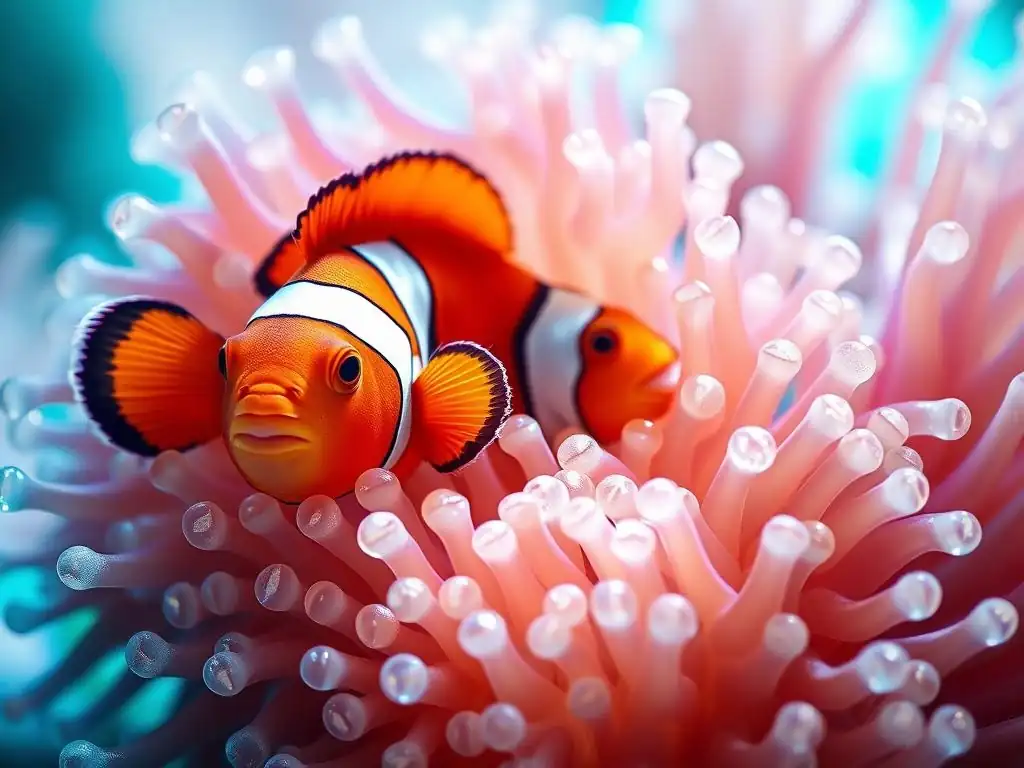
Introducing Clownfish to Anemones
The moment a clownfish hosts in an anemone is a rewarding experience for any aquarist, but it's not always an immediate occurrence. When introducing clownfish and anemones, patience is key. It's often recommended to introduce the clownfish to the tank first, allowing it to settle and establish its territory for a few weeks before introducing the anemone. This gives the clownfish time to feel secure in its environment without the added stress of a new, potentially intimidating inhabitant.
Once the anemone is introduced and has settled into its preferred spot, the clownfish may or may not immediately take to it. Some clownfish will cautiously approach, "test" the anemone by gently rubbing against its tentacles, and then slowly begin to host over a period of hours or days. Others may ignore the anemone entirely for weeks or even months, or sometimes never host at all. Avoid trying to force the interaction, as this can stress both animals. Provide a stable environment and allow nature to take its course for the most successful Clownfish anemone care guide.
Anemone Host Selection by Clownfish
Clownfish exhibit varying degrees of specificity when it comes to host anemones. In the wild, certain clownfish species are almost exclusively found with particular anemone species. For instance, Ocellaris clownfish ( Amphiprion ocellaris) and Percula clownfish ( Amphiprion percula) are most commonly associated with Bubble Tip Anemones ( Entacmaea quadricolor), Magnificent Anemones ( Heteractis magnifica), and Sebae Anemones ( Heteractis crispa). Maroon clownfish ( Premnas biaculeatus) also frequently host in Bubble Tip and Magnificent Anemones.
However, in captivity, especially with tank-bred clownfish that have never encountered an anemone, their hosting preferences can be less rigid. These clownfish may host in non-anemone corals such as Frogspawn (Euphyllia divisa), Torch (Euphyllia glabrescens), or even powerhead intakes if a suitable anemone is not present. Wild-caught clownfish are generally more inclined to host immediately in their preferred species. Understanding these natural tendencies helps manage expectations for a successful Clownfish anemone care guide.
Addressing Pairing Challenges
Despite providing a suitable anemone and a healthy clownfish, there are instances where pairing simply doesn't happen. This can be frustrating for aquarists, but it's important to remember that not all clownfish, especially captive-bred ones, will host. One common challenge is a clownfish that has previously hosted in a non-anemone coral; it may be reluctant to switch to an actual anemone. In such cases, ensuring the anemone is exceptionally healthy and the tank conditions are ideal is the best approach.
Avoid aggressive tactics like physically placing the clownfish into the anemone, as this can severely stress both animals and lead to injury or even death. Some hobbyists have reported limited success by placing a small, dark hiding spot (like a clay pot or PVC pipe) near the anemone to encourage the clownfish to explore the area. Ultimately, if a clownfish consistently ignores a healthy anemone, it may simply not be inclined to host. Patience and providing a stress-free environment remain the most effective strategies in a Clownfish anemone care guide.
Advanced Anemone Care: Maintaining Long-Term Health
Preventing Anemone Movement and Damage
Anemones are motile creatures, capable of moving around the tank using their muscular foot. While occasional minor movement is normal as they seek optimal lighting, flow, or a secure attachment point, excessive or prolonged movement can indicate unhappiness and pose significant risks. A moving anemone can sting and damage other corals or invertebrates in its path, or worse, get sucked into unprotected powerhead intakes, leading to severe injury or death.
To prevent undesirable movement, ensure all environmental parameters are consistently optimal: stable water chemistry, appropriate lighting (e.g., 150-300 PAR for BTAs), and moderate, non-direct water flow. Provide a suitable attachment site, such as stable rockwork with crevices or a deep sand bed for burrowing species. If using powerheads, ensure they have protective guards or are placed in areas where the anemone cannot reach them. A happy anemone is less likely to wander, reducing the risk of damage to itself and other tank inhabitants, a key consideration for a successful Clownfish anemone care guide.
Managing Anemone Growth and Size
Anemones, particularly species like the Bubble Tip Anemone, can grow significantly in a healthy, well-maintained aquarium, often reaching diameters of 10-12 inches or more. In some cases, BTAs are also known to "split," a form of asexual reproduction where one anemone divides into two or more individuals. While fascinating, managing this growth and potential splitting is an important aspect of long-term anemone care, especially in tanks with limited space.
Uncontrolled growth or multiple splits can lead to overcrowding, increased bioload, and the anemones stinging neighboring corals or even each other. When planning for an anemone, always consider its potential adult size and the space required. If an anemone grows too large for the tank or if multiple splits occur, rehoming the anemone to a larger tank or finding a new home for the offspring may be necessary. Attempting to manually divide an anemone is highly stressful and generally not recommended for hobbyists, as it can cause severe injury or death.
Troubleshooting Common Anemone Problems
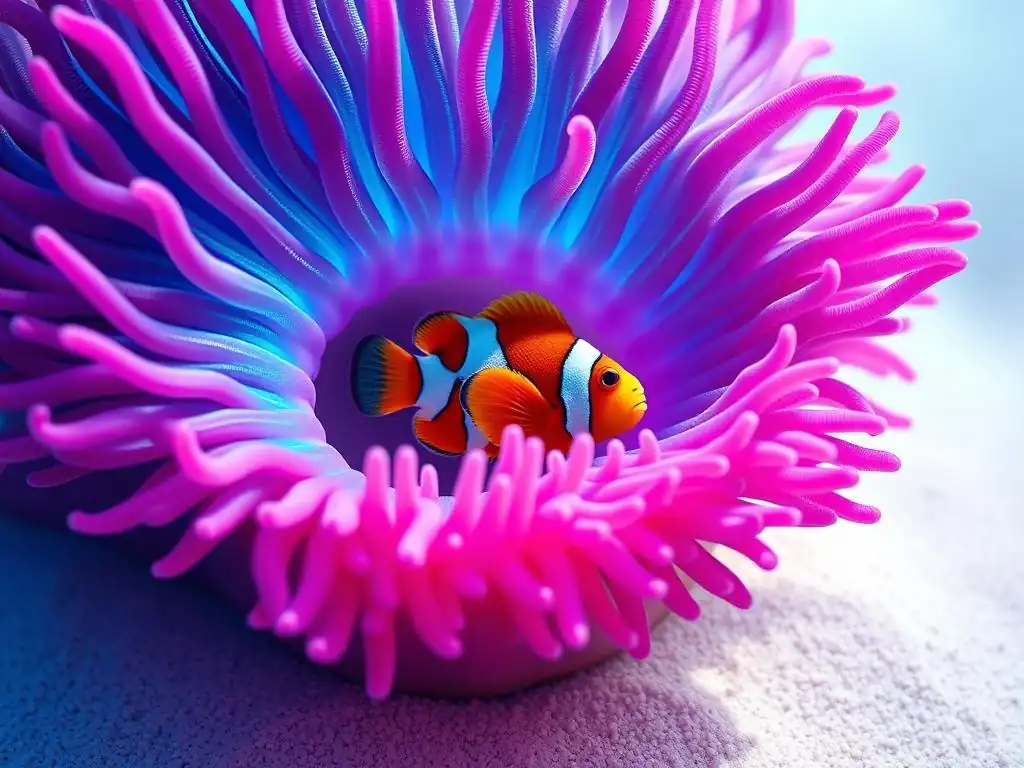
Identifying and Resolving Common Anemone Issues
Despite best efforts, aquarists may occasionally encounter problems with their anemones. The key to successful troubleshooting is to quickly identify the specific symptoms and systematically investigate the potential underlying causes. Common issues include prolonged retraction, bleaching, a gaping mouth, detachment, paleness, or a shriveled appearance. These are not diseases in themselves but rather symptoms indicating environmental stress or poor health.
When a problem arises, the first step is to methodically check all crucial water parameters: salinity (1.024-1.026 SG), temperature (76-78°F), pH (8.0-8.4), alkalinity, calcium, and magnesium. Also, test for nitrates and phosphates, as elevated levels can be highly detrimental. Next, evaluate lighting intensity and duration, ensuring it matches the anemone's needs. Finally, assess water flow patterns and ensure the anemone isn't being blasted directly or suffering from insufficient circulation. Addressing the root cause is paramount for a successful Clownfish anemone care guide.
Anemone Retraction: Causes and Solutions
Anemone retraction, where the tentacles and body pull in, is a common behavior that can be either normal or a sign of distress. Brief retraction, lasting for an hour or two, is normal and often occurs during rest cycles, after feeding, or as a response to minor environmental changes. However, prolonged retraction, lasting for many hours or even days, indicates a more serious problem and requires immediate attention.
Causes of prolonged retraction often include poor water quality (e.g., high nitrates, low pH), incorrect lighting (too intense, too dim, or sudden changes), insufficient water flow leading to waste accumulation, or physical irritation from tank mates or detritus. To address this, first, perform comprehensive water tests and correct any imbalances through small, gradual water changes. Verify lighting intensity and duration. Ensure adequate, indirect water flow around the anemone. If a clownfish is hosting, it might sometimes cause the anemone to retract slightly as it burrows in, but this should not be prolonged or cause severe distress.
Anemone Slime Production: Is it Normal?
Anemones naturally produce a protective layer of mucus or slime, and a certain amount of slime production is normal. This mucus helps them shed waste, protect their delicate tissues from abrasions, and can be part of their feeding mechanism. You might observe a small amount of clear, stringy slime, especially after the anemone has eaten, inflated, deflated, or moved to a new location. This is generally not a cause for concern.
However, excessive, cloudy, or foul-smelling slime production is a significant warning sign that the anemone is under severe stress or potentially dying. This type of slime indicates a breakdown of tissues or a strong defensive reaction to a highly adverse environment. If you observe such symptoms, it's crucial to act quickly.
Perform a large water change (25-30%), double-check all water parameters for any anomalies, and ensure robust water flow around the anemone. If the anemone continues to deteriorate and produces a foul odor, it may need to be removed to prevent further water quality degradation in the tank, a critical step in a Clownfish anemone care guide.
Anemone Care Checklist
Maintaining a Healthy Anemone for Clownfish
Maintaining a healthy anemone that can host your clownfish effectively involves a consistent commitment to providing optimal environmental conditions and vigilant observation. A robust Clownfish anemone care guide hinges on a few key pillars. Firstly, ensure your tank is mature and stable, ideally running for at least 6-9 months before introducing an anemone. Water parameters must be pristine and consistent: salinity between 1.024-1.026 SG, temperature 76-78°F, pH 8.0-8.4, and low nitrates/phosphates (ideally below 5 ppm and 0.03 ppm respectively).
Secondly, provide appropriate lighting and water flow for your specific anemone species, such as 150-300 PAR for Bubble Tip Anemones and moderate, turbulent flow to prevent detritus buildup. Regularly feed your anemone 1-3 times per week with high-quality meaty foods like mysis shrimp or chopped silversides. Conduct weekly or bi-weekly water changes (10-20%) using RO/DI water and a quality salt mix to replenish trace elements and remove waste. Finally, observe your anemone daily for signs of stress or illness, and address any issues promptly, ensuring a long and healthy life for both your anemone and its clownfish host.
Frequently Asked Questions
What type of anemone is best for clownfish?
The best anemones for clownfish are typically host anemones that they naturally associate with in the wild. Commonly kept species include Entacmaea quadricolor (Bubble Tip Anemone) and Heteractis magnifica (Magnificent Anemone), but research is crucial to ensure suitability for your tank and clownfish species.
What are the ideal water parameters for anemones?
Anemones require pristine water conditions. Maintain a stable salinity, typically around 1.025, and ensure proper levels of calcium, alkalinity, and magnesium. Regular water changes are crucial for removing nitrates.
How often should I feed my anemone?
Anemones should be fed small pieces of meaty food a few times per week. Target feeding with a turkey baster can ensure they receive enough nutrients. Overfeeding can lead to poor water quality.
What type of lighting do anemones need?
Anemones require intense lighting, often provided by metal halide or LED fixtures. The specific lighting needs depend on the anemone species. Research the specific needs of your chosen anemone to ensure its survival.
How can I tell if my anemone is healthy?
A healthy anemone will have a bright color, be firmly attached to a rock, and have tentacles that are fully inflated. Signs of an unhealthy anemone include bleaching, shrunken tentacles, and detachment from its substrate.
Final Reflection: Nurturing Symbiosis
The insights shared in this guide, from understanding the specific needs of anemones to mastering the art of water parameter maintenance, are more than just tips for aquarium keeping; they represent a commitment to preserving delicate ecosystems within our own homes. The health of an anemone directly impacts the well-being of its clownfish partner, highlighting the interconnectedness of life and the responsibility we bear when recreating these environments.
This journey into anemone care has underscored the profound influence we have on the lives of the creatures we choose to keep. The dedication required to maintain a thriving anemone and clownfish pairing serves as a microcosm of the larger challenges facing our planet's coral reefs. In the end, we will conserve only what we love; we will love only what we understand; and we will understand only what we are taught.
- Baba Dioum. This quote perfectly encapsulates the importance of education and understanding in fostering a deep appreciation for the natural world, and ultimately, inspiring conservation efforts.
Now, armed with this knowledge, I invite you to reflect on your own role in the aquarium hobby and beyond. Consider how you can apply the principles of responsible care and mindful observation to other aspects of your life. Let the symbiotic relationship between the anemone and clownfish serve as a constant reminder of the beauty and fragility of life, and inspire you to become a steward of the natural world, both within your aquarium and in the wider world around you.
Nurture Your Anemone: Unlock a Thriving Reef!
Thank you for diving into the world of anemone care! We hope you found valuable insights to keep your reef thriving. Now, let's put that knowledge into action!
Here are some steps you can take today:
- Start by assessing your anemone's current health. Look for signs of stress, such as paleness or retraction, and adjust your water parameters accordingly.
- Consider sharing this article with fellow reef enthusiasts to spread the knowledge and foster a community of healthy anemone keepers.
- As a fun experiment, try varying your anemone's food source slightly to see if you can observe any preferences or improved coloration.
What specific aspect of anemone care are you most excited to improve in your own aquarium?